
Chronicle of the solution: The Torch of the Chancellery
Espionage Tier III
The espionage file has found its answer; what follows is the chronicle of it, written for those who come after us.
The opening of the investigation
The council's secrets have reached where they never should have — and not on their own: someone carried them. The spy knows the corridors better than the guards do — an ill sign: it is one of the household. On the Chancellery's list stand Balasa the Seamstress, Damaschin the Healer, Chamberlain Iorgu and Abbot Corvus; one of these names covers a lie. On the inquiry's table, like pieces in a game, lie the rusted sword, the ledger of accounts, the herald's horn and the signet ring. Few files have tested so many investigators; untangle the threads, catch the lie, and pronounce your verdict.
The names entered in the file were Balasa the Seamstress, Damaschin the Healer, Chamberlain Iorgu and Abbot Corvus. The investigation regarded them all with the same coldness, as is proper.
The suspects
-
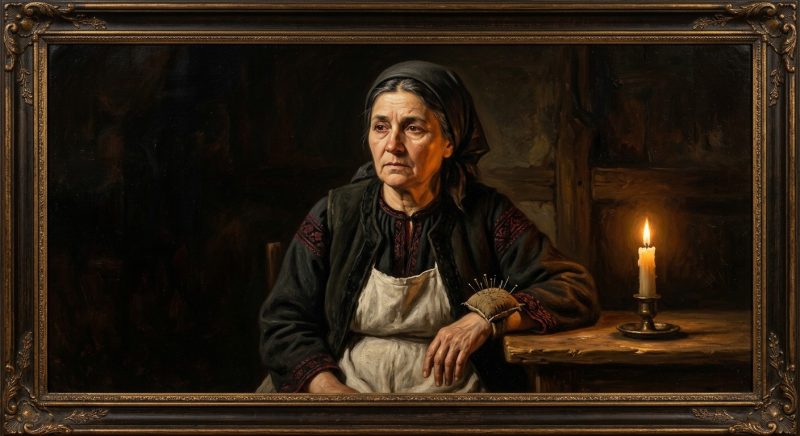
Balasa the Seamstress
She sews the garments of all the nobility and knows everyone's measurements - including those that do not show.
1.59 m tall · blue eyes · red hair · left-handed
-
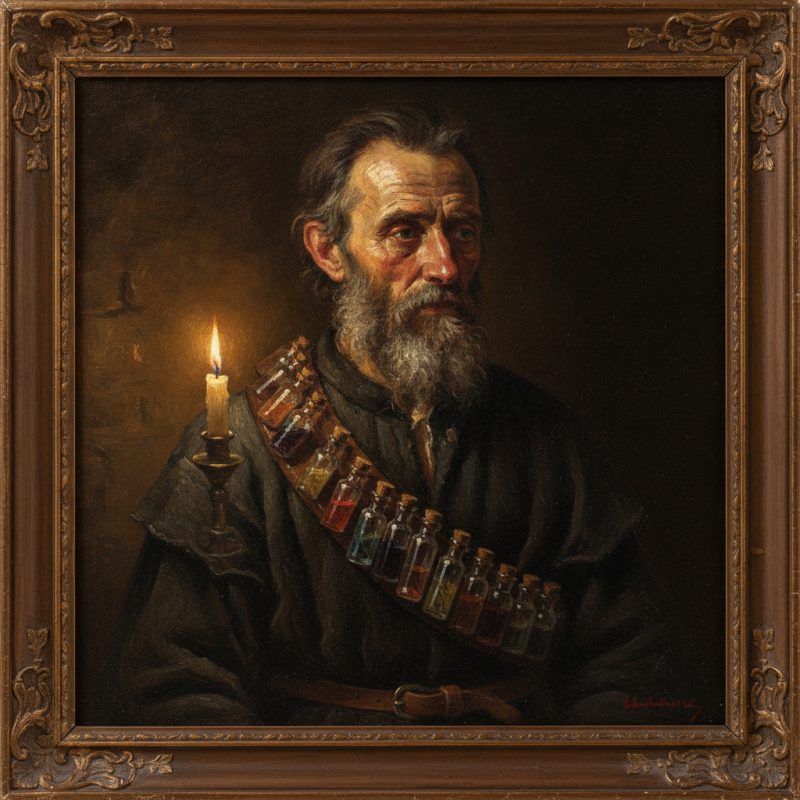
Damaschin the Healer
He knows the cure for any illness and the dose at which the cure becomes something else. He swears he has never mistaken the dosage.
1.71 m tall · green eyes · grey hair · left-handed
-
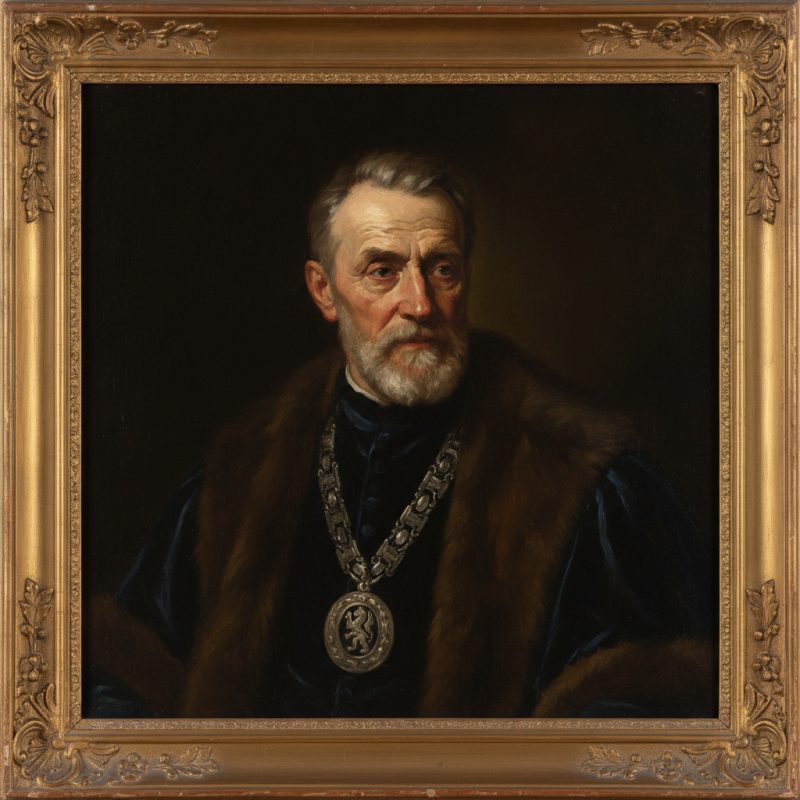
Chamberlain Iorgu
He arranges the king's audiences and, for a small courtesy, the order in which petitions are read.
1.77 m tall · grey eyes · brown hair · right-handed
-

Abbot Corvus
He raises ravens in the abbey tower. His birds arrive faster than any messenger - and cannot be held to account.
1.78 m tall · dark eyes · no hair · right-handed
Locations
-

The north wall
The stretch of wall the patrol skirts when the wind blows. Everyone knows that.
-

The watchtower
The highest point of the fortress. From here you see everything - and from below, everyone sees who climbs up.
-
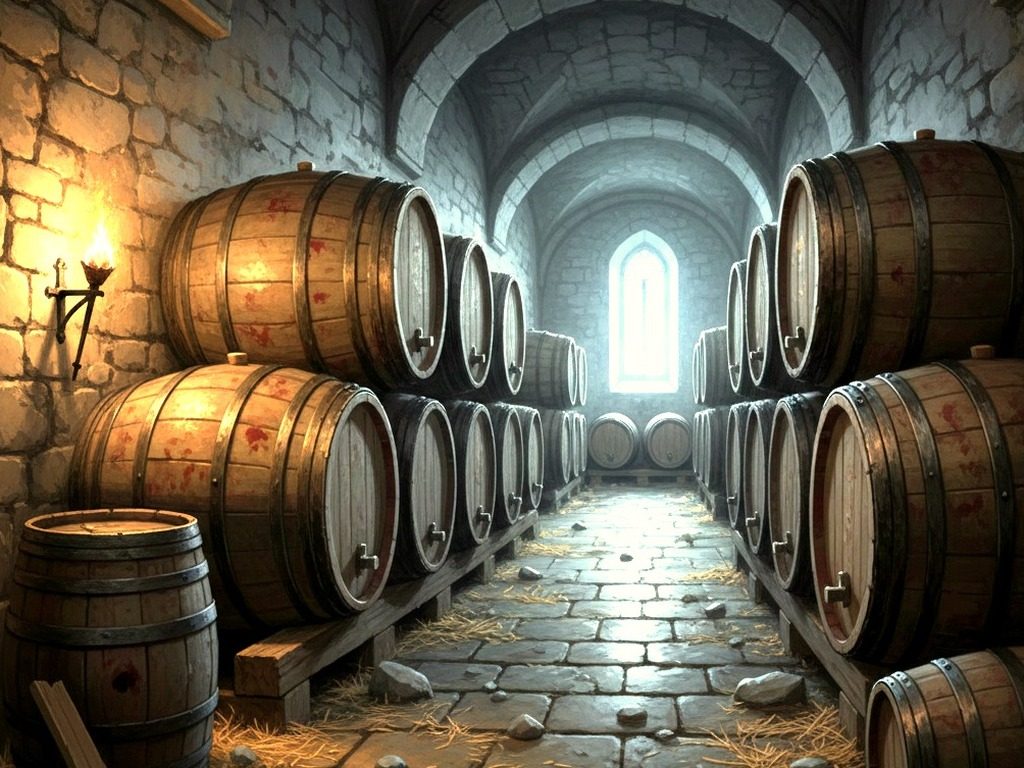
The castle cellar
Barrels as big as carts and corners the lantern never reaches.
-
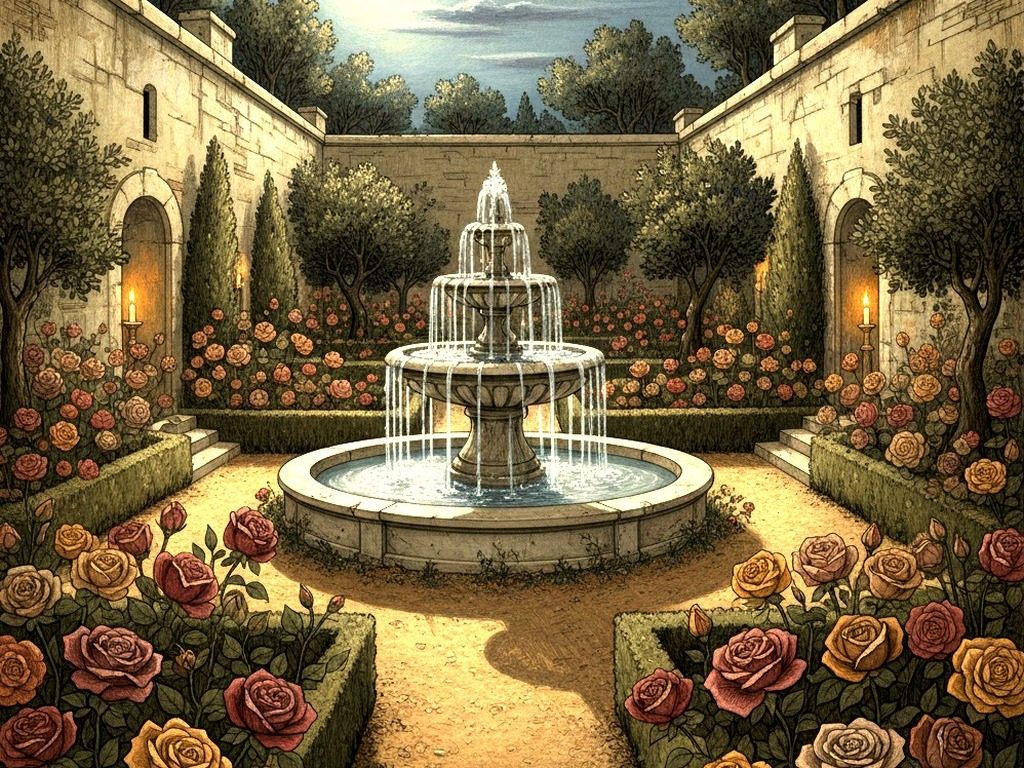
The queen's garden
Roses trimmed to a line and paths you may walk only by invitation. At night, the hedge has ears.
Objects
-

The rusted sword
An old weapon, forgotten on the rack. The rust on the blade is newer than it looks.
-
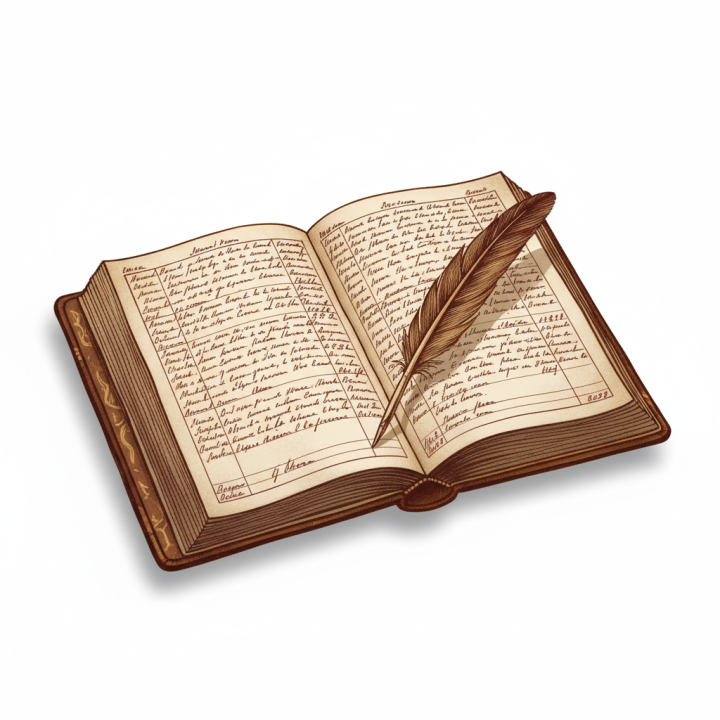
The ledger of accounts
Neat columns of figures, with one page torn out exactly at mid-month.
-
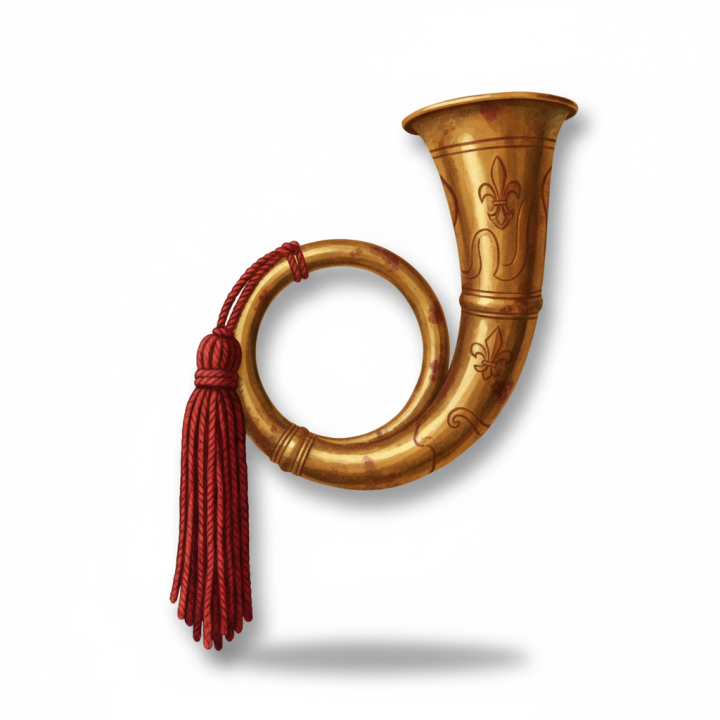
The herald's horn
It sounds the muster, the alarm, or the retreat. Whoever holds it can start a whole panic with a single breath.
-
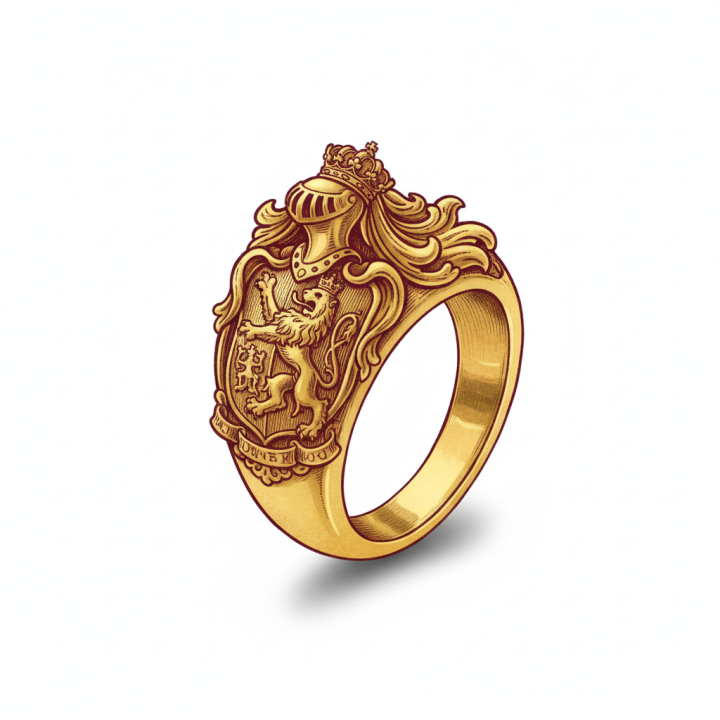
The signet ring
The crest has been filed away almost completely. Almost.
Moments
-

At dawn
When the citadel is barely waking and the guards still doze.
-

After matins
The hour after the morning service, when the abbey empties.
-

At noon
Midday, with bustle in the markets and silence in the alcoves.
-

At dusk
When the shadows lengthen and the lanterns are not yet lit.
The testimonies on file
Here is the whole file, as the investigator received it. Not one row is spare — it was checked by removing each in turn and watching the unique solution disappear.
- In the gate ledger, Damaschin the Healer stands higher, Balasa the Seamstress lower.
- The customs register is clear: the north wall does not match that hour: at noon.
- The chancellor deduced it coldly: if the suspect with brown hair was there at dawn, then the suspect with grey hair handled the signet ring.
- The chronicler notes drily: the suspect with grey eyes was there at dawn, whatever the court may say.
- The tracks in the dust do not lie: the castle cellar matches that hour: after matins.
- At the Chancellery, Balasa the Seamstress maintains: "I was there after matins".
- The hounds caught no scent at all: the ledger of accounts does not match that hour: at dusk.
- The traces left at the scene show it plainly: the culprit handled the herald's horn.
- The gate guard swears: the herald's horn matches that hour: at noon.
- The chronicler notes drily: the watchtower matches that hour: at dawn, whatever the court may say.
Reveal the Chancellery's reasoning — open only if you have already tried the dossier
How it was unravelled
No confession was wrung from anyone here. Only the grid was drawn tighter, until nothing but a single name still fitted inside it.
Then this finding entered the file: “In the gate ledger, Damaschin the Healer stands higher, Balasa the Seamstress lower”. The finding went into the file and did its work in the grid, quietly.
This page was stitched into the file too: “The customs register is clear: the north wall does not match that hour: at noon”. The negation does not say who did it, but it says who did not — and in the end that is enough.
The gate register had kept a trace of its own: “The chancellor deduced it coldly: if the suspect with brown hair was there at dawn, then the suspect with grey hair handled the signet ring”. The condition lay asleep in the file for a while and woke only when its first half became certain.
Then came, one after another, the findings that drew the noose tight: “The chronicler notes drily: the suspect with grey eyes was there at dawn, whatever the court may say”; “The tracks in the dust do not lie: the castle cellar matches that hour: after matins”; “At the Chancellery, Balasa the Seamstress maintains: "I was there after matins"”; “The hounds caught no scent at all: the ledger of accounts does not match that hour: at dusk”; “The traces left at the scene show it plainly: the culprit handled the herald's horn”. Each cut a strip out of the grid, and at the end of them the space remaining was the size of a name.
From one word to the next, the investigation arrived here: “The gate guard swears: the herald's horn matches that hour: at noon”. A certain match thus enters the grid, and its row and column empty at once of every other possibility.
It was set down, for whoever reads after us: “The chronicler notes drily: the watchtower matches that hour: at dawn, whatever the court may say”. Two names bound themselves for good, and the binding undid, at a stroke, every pairing that contradicted it.
The lie
The whole investigation rested, in the end, on a single sentence. Balasa the Seamstress swore before the Chancellery that I was there after matins. The grid, however, says otherwise: Balasa the Seamstress was not present after matins. One lying testimony fits inside a dossier, and it always belongs to the same hand — under the Supreme Law, the culprit's.
The culprit's name
The name the grid could no longer force out of the circle is Balasa the Seamstress. At the hour of the deed, Balasa the Seamstress was at the queen's garden, handled the herald's horn and was there at noon. Tier III is no empty word: without the method of hypotheses, this grid would not have closed.
The acquittal of the rest
And here is what had become of the others, in that same hour: Damaschin the Healer was at the castle cellar, handled the signet ring and was there after matins; Chamberlain Iorgu was at the watchtower, handled the ledger of accounts and was there at dawn; Abbot Corvus was at the north wall, handled the rusted sword and was there at dusk. Every one of these rows was necessary: take out a single one and the verdict can no longer be demonstrated.
It was not cleverness that unravelled the thread, but order. Order can be learned, and that is exactly why the chronicle is written.
Play this dossier All mysteries
This chronicle is no free retelling: it rises directly out of the dossier's logic, and every step passed through the solver which proved, before publication, that the solution is unique. behind the scenes at the Chancellery.