
Chronicle of the solution: The Knot of the Seal
Forged decree Tier III
The forgery has found its maker. This chronicle shows how one got from a doubtful parchment to a certain name.
The dossier as it reached the desk
A parchment full of orders no one ever gave is circulating through Realm of the Crown, and the harm has only begun. The forgery is skilled: only an eye trained on the archives found its flaw. Suspicion has fallen on Captain Vlaicu, Pantelimon the Gardener, Castellan Ursu and Codrin the Huntsman — and until the proof is plain, none of these names leaves the room. Among the things spoken of in whispers are the ermine cloak, the broken lantern, the bronze key and the royal seal. Few files have tested so many investigators; untangle the threads, catch the lie, and pronounce your verdict.
A seal can be stolen, imitated, or borrowed for one night and put back in the morning. The third way is the hardest to prove, since nothing is missing — and it is the third way this dossier concerns.
All four suspects have the right to be near the seal at some hour of the day. Captain Vlaicu answers for the guard. Castellan Ursu answers for the citadel. Codrin the Huntsman brings the court its game. Pantelimon the Gardener goes in and out of the gardens from dawn to dusk, and nobody looks at a gardener twice.
The places are the salt market, the Golden Boar inn, the merchant's house and the hunting lodge. The objects: an ermine cloak, a broken lantern, a bronze key and the royal seal itself.
Tier III. Three archivist's clues stand ready, each at its price. The third is cut specially for hard dossiers such as this one.
The dossier opened with Captain Vlaicu, Pantelimon the Gardener, Castellan Ursu and Codrin the Huntsman — a short list, as the Chancellery likes them, because short means it can be finished.
The suspects
-

Captain Vlaicu
He has guarded the fortress gates for twenty years. Who enters and who leaves - he decides what the ledger records.
1.84 m tall · brown eyes · brown hair · right-handed
-
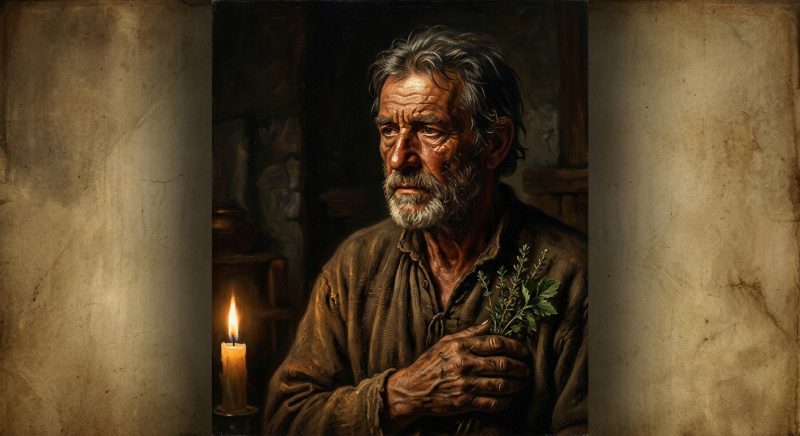
Pantelimon the Gardener
He tends the queen's roses and no one's beds of belladonna. The second garden is the more sought-after.
1.73 m tall · green eyes · greying hair · right-handed
-
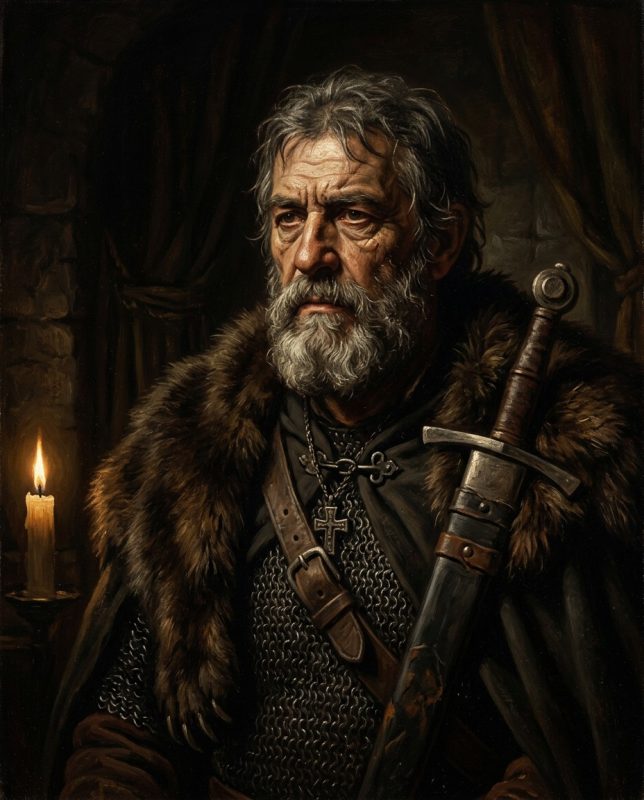
Castellan Ursu
He keeps the fortress dungeon and the tally of those who leave other than they entered.
1.90 m tall · dark eyes · black hair · right-handed
-
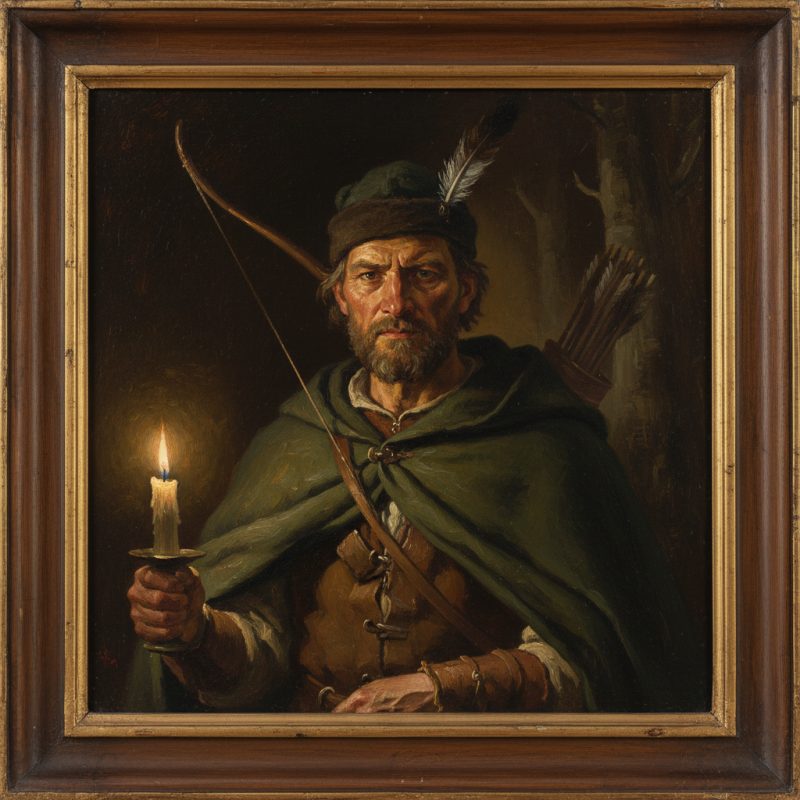
Codrin the Huntsman
He knows the royal forest better than the castle corridors. Tracks, he says, never lie - men do.
1.87 m tall · green eyes · black hair · right-handed
Locations
-
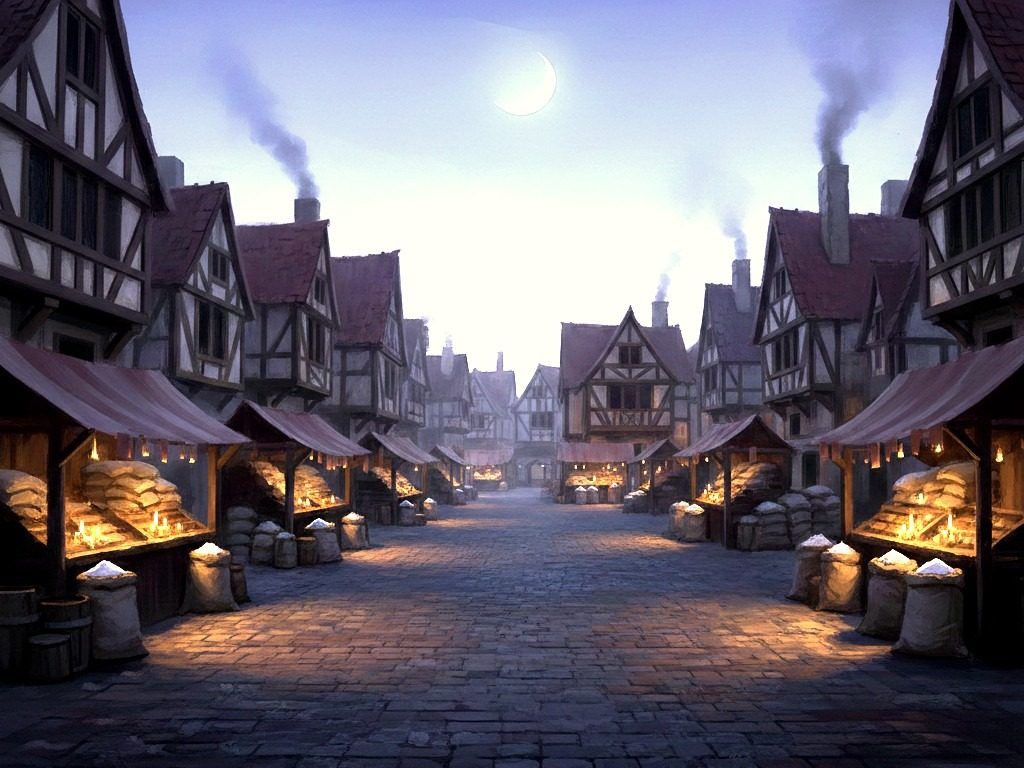
The salt market
Here anything is bargained for, from salt to silences. The price of silence keeps rising.
-

The Golden Boar inn
Wine watered down and rumours diluted with nothing. The rooms upstairs ask no questions.
-

The merchant's house
Carpets brought from overseas and a desk with more secret drawers than drawers.
-

The hunting lodge
The royal cabin in the heart of the forest. Far from the eyes of the court - which is exactly what suits some.
Objects
-

The ermine cloak
White fur with black tails - only the royal family may wear it. It has a tear at the hem.
-
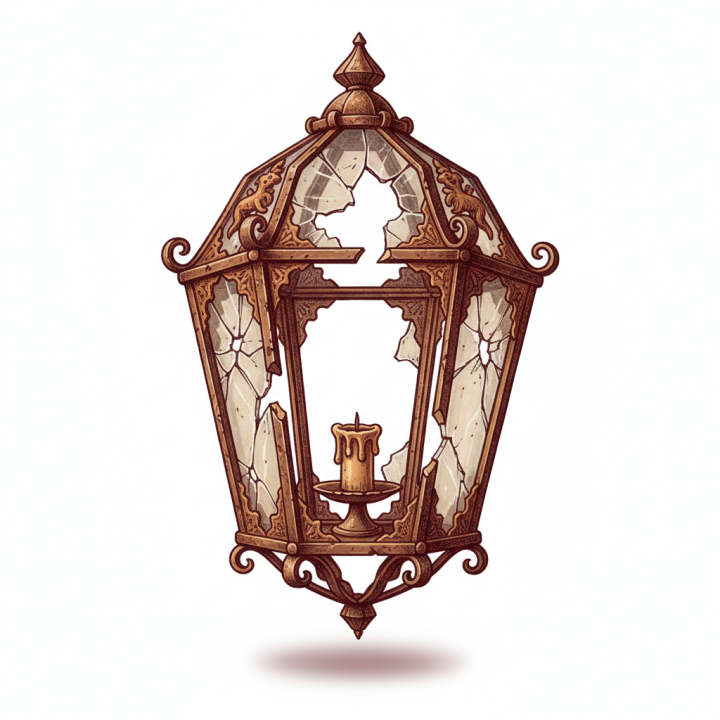
The broken lantern
The glass cracked, the wick burned to the end. Someone needed a lot of light, fast.
-
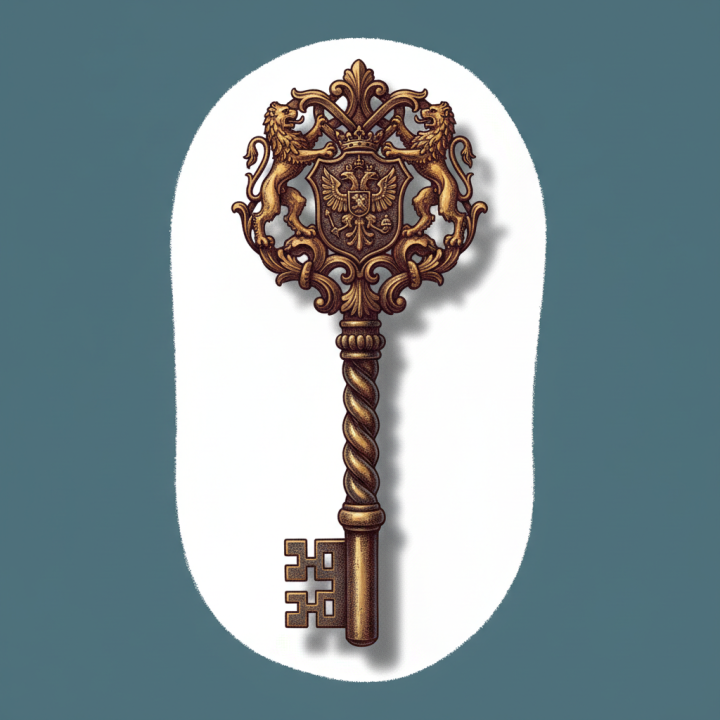
The bronze key
Heavy, old, its teeth worn smooth. No one knows what door it opens anymore - or so they say.
-

The royal seal
Whoever holds it can seal any decree. Which is why it should not be wandering the kingdom.
Moments
-

At dawn
When the citadel is barely waking and the guards still doze.
-

After matins
The hour after the morning service, when the abbey empties.
-

At noon
Midday, with bustle in the markets and silence in the alcoves.
-

At dusk
When the shadows lengthen and the lanterns are not yet lit.
The pages of the file
This much the investigation had at its disposal, not a line more. The set is minimal by construction — remove any of the rows below and the dossier becomes unsolvable again.
- Before the investigator, Captain Vlaicu firmly repeats: "I handled the bronze key".
- The scouts confirm it: at suspects, the paths of the hunting lodge and the hour "at dusk" diverge.
- The gate guard swears: Codrin the Huntsman was in the place far from the eyes of the court.
- An honest-faced witness saw it plainly: the merchant's house and the bronze key go together.
- In the Chancellery's ledger it stands in black and white: the salt market and the royal seal go together.
- The tracks in the dust do not lie: the merchant's house matches that hour: at dawn.
- At the Chancellery, Castellan Ursu maintains: "I was there at dawn".
- The night watch saw the suspect with dark eyes first, and only then Pantelimon the Gardener.
- The tracks in the dust do not lie: the salt market matches that hour: after matins.
- The traces left at the scene show it plainly: the culprit handled the broken lantern.
Read the unravelling, step by step — warning, the culprit is named beyond this point
The road to the verdict
The Chancellery's method does not change from one dossier to the next: findings go into the grid as certainties, testimonies are weighed under the Supreme Law, and what survives every cut is the truth, however unwelcome.
There followed a detail that narrowed the circle: “Before the investigator, Captain Vlaicu firmly repeats: "I handled the bronze key"”. Under the Supreme Law a testimony is not a finding: it weighs only if the one who speaks it is not the culprit.
A note in the margin of the page read: “The scouts confirm it: at suspects, the paths of the hunting lodge and the hour "at dusk" diverge”. The finding found its place and never left it again.
A witness of good faith cleared up one more corner: “The gate guard swears: Codrin the Huntsman was in the place far from the eyes of the court”. The match was nailed down, and the rest of the row was left clean, like a page wiped with a sponge.
The pages gathered fast, and each cut a strip out of the grid: “An honest-faced witness saw it plainly: the merchant's house and the bronze key go together”; “In the Chancellery's ledger it stands in black and white: the salt market and the royal seal go together”; “The tracks in the dust do not lie: the merchant's house matches that hour: at dawn”; “At the Chancellery, Castellan Ursu maintains: "I was there at dawn"”; “The night watch saw the suspect with dark eyes first, and only then Pantelimon the Gardener”. Laid end to end, they did what not one of them could have done alone.
The Chancellery asked for one more check, and received it: “The tracks in the dust do not lie: the salt market matches that hour: after matins”. The tick goes down without hesitation, and with it fall all the other cells on that row and that column.
The Chancellery began with what could be verified: “The traces left at the scene show it plainly: the culprit handled the broken lantern”. A fact fastened to the culprit cuts without naming: whoever cannot carry it leaves the circle at once.
The word that would not fit
One word was enough. Captain Vlaicu swore before the Chancellery that I handled the bronze key — and that alone would not sit with the rest of the file. The truth, drawn out of the other rows, runs thus: Captain Vlaicu never touched the bronze key. Whoever lies, under the Supreme Law, gives themselves away.
The verdict
The verdict wrote itself — the culprit is Captain Vlaicu. The grid shows plainly how matters stood: Captain Vlaicu was at the Golden Boar inn, handled the broken lantern and was there at dusk. It was reached only by driving each supposition to its absurd end — a tier III dossier, and rightly so.
Where the others were
The Chancellery recorded the others' movements as well, because it was precisely they that closed the grid: Pantelimon the Gardener was at the salt market, handled the royal seal and was there after matins; Castellan Ursu was at the merchant's house, handled the bronze key and was there at dawn; Codrin the Huntsman was at the hunting lodge, handled the ermine cloak and was there at noon. Every one of these rows was necessary: take out a single one and the verdict can no longer be demonstrated.
The file sits on its shelf today, tied with red cord. What is worth keeping from it is not the culprit's name but the road: every step verifiable, none of them guessed.
Play this dossier All mysteries
The chronicle is written from the logic of the file, not from memory. The uniqueness of the solution was demonstrated by the solver before the dossier ever became public. behind the scenes at the Chancellery.