
Chronicle of the solution: The Testimony of the Inn
Poisoning Tier II
The poisoning file is closed. What remains is the part worth learning: how one got from an upturned cup to a name.
The opening of the investigation
The healers shook their heads, and the Chancellery understood at once: not illness, but poison. Between remedy and venom runs a thin line, and someone at court crossed it knowingly. Before you, one by one, will stand Ilinca the Baker, Teofil the Chronicler, Brother Anselm and Grigore the Cupbearer. The hours in question: "at dawn", "after matins", "at noon" and "at dusk". Open the grid, weigh every clue, and pronounce your verdict: the Chancellery awaits only your signature.
The Chancellery's list held Ilinca the Baker, Teofil the Chronicler, Brother Anselm and Grigore the Cupbearer, none of them further above suspicion than the next.
The suspects
-
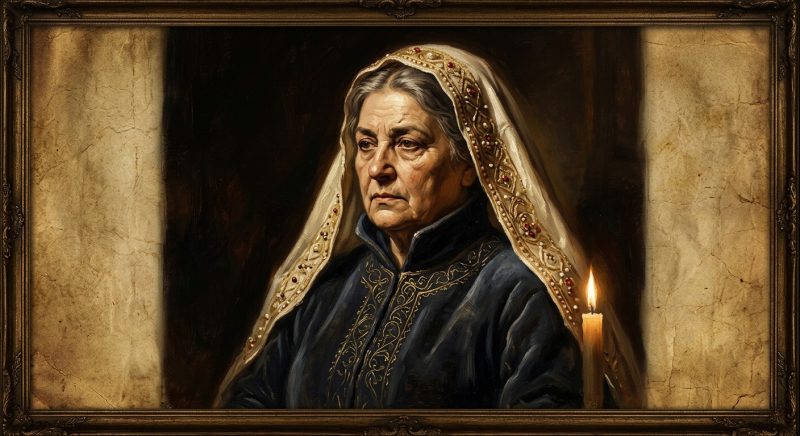
Ilinca the Baker
She weighs flour to the gram and people at a glance. No one stays in her debt twice.
1.62 m tall · brown eyes · chestnut hair · right-handed
-
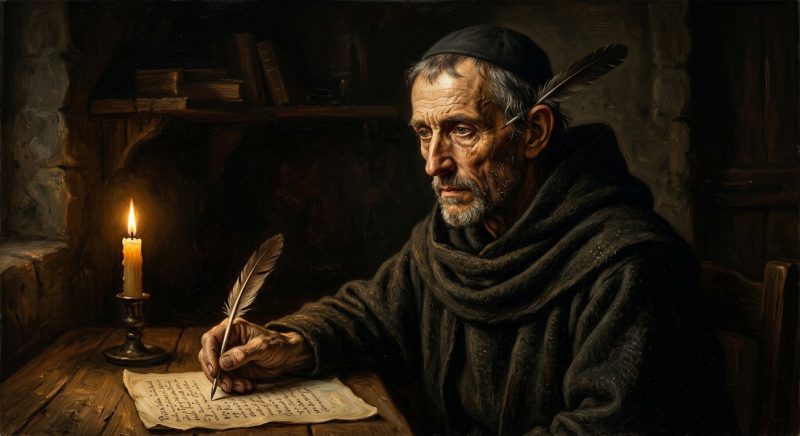
Teofil the Chronicler
He writes the kingdom's history as he is ordered. The unwelcome drafts, however, he keeps every one.
1.69 m tall · brown eyes · greying hair · left-handed
-

Brother Anselm
He has copied manuscripts for forty years. He knows what every one of them says - including the forbidden ones.
1.75 m tall · brown eyes · greying hair · right-handed
-
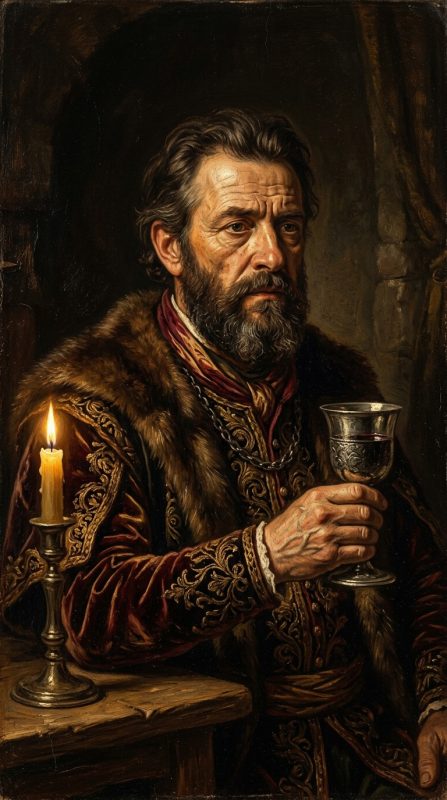
Grigore the Cupbearer
He tastes the king's wine before anyone else. A trade with a short future, he says, but a rich past.
1.70 m tall · brown eyes · chestnut hair · right-handed
Locations
-
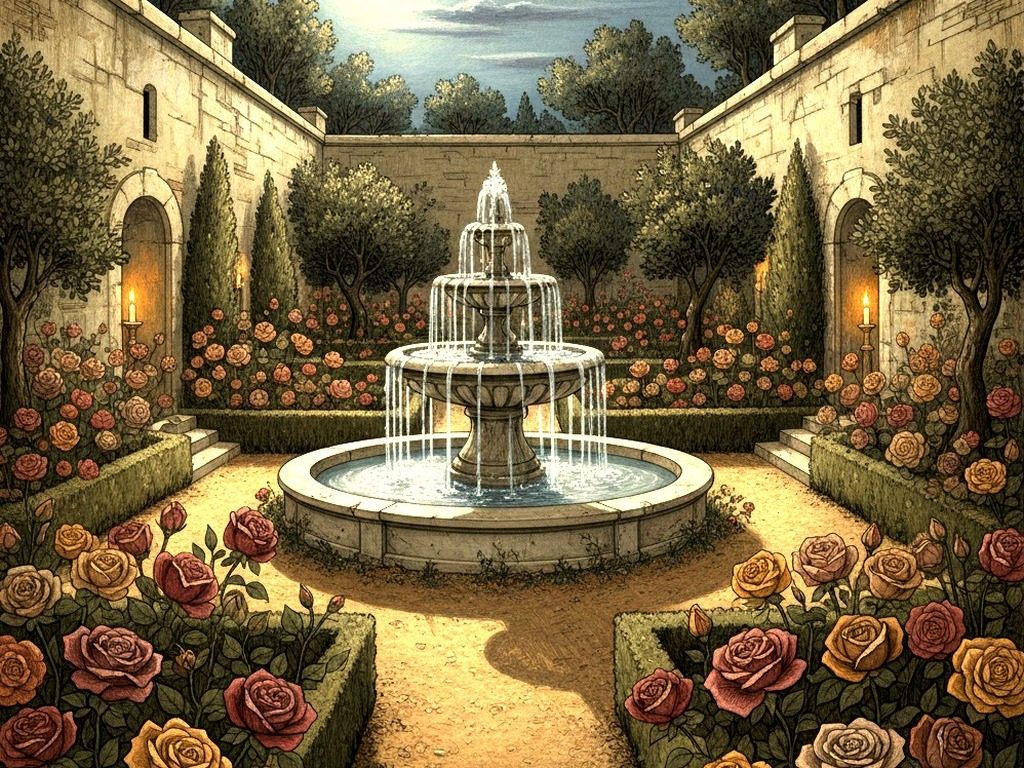
The queen's garden
Roses trimmed to a line and paths you may walk only by invitation. At night, the hedge has ears.
-
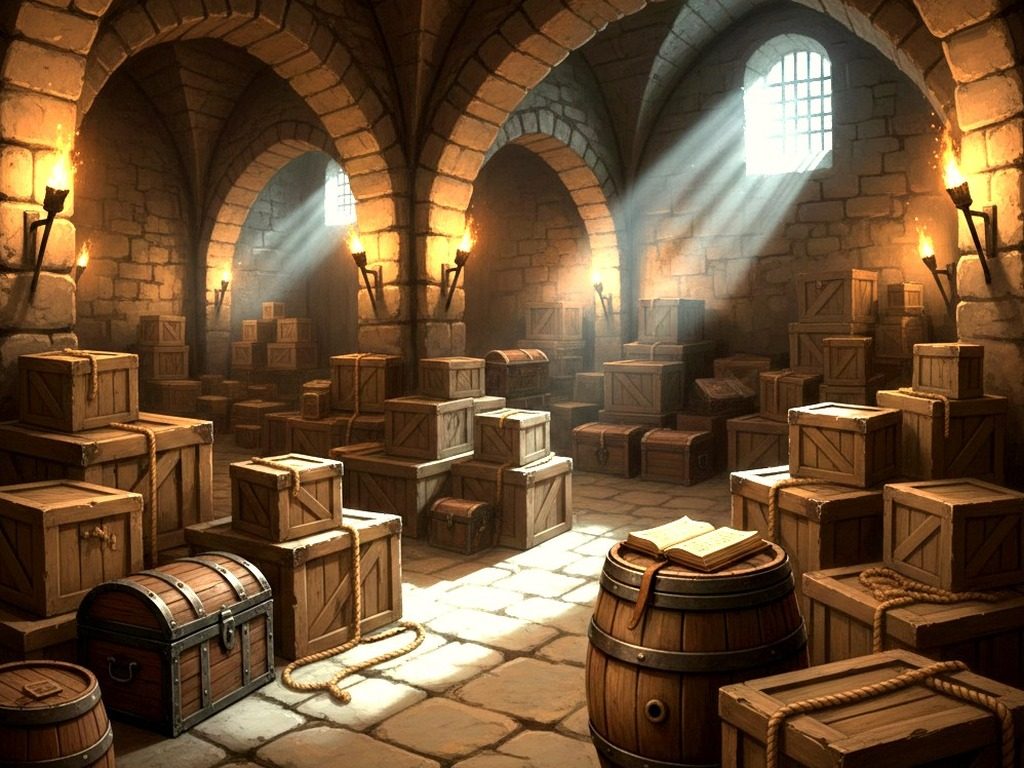
The customs cellar
Sealed crates, thick ledgers, and air that smells of undeclared goods.
-
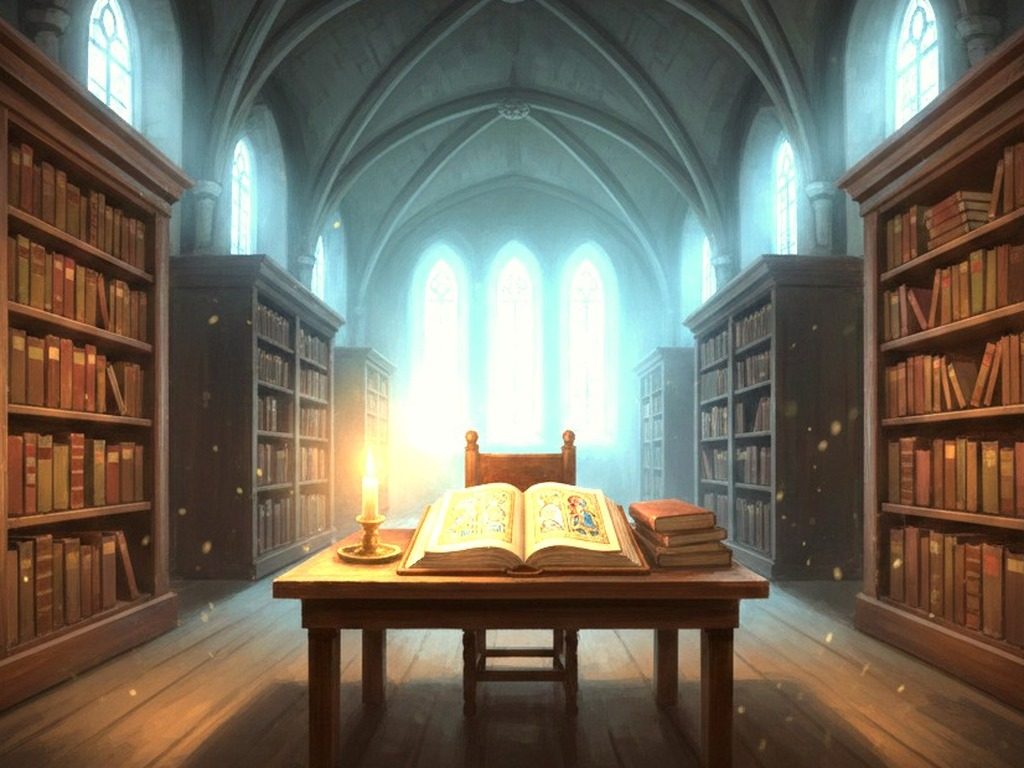
The abbey library
Thousands of leather-bound tomes. Some of the chains on the shelves were cut recently.
-

The wharf
Moored boats, wet ropes, and goods that prefer to arrive in the fog.
Objects
-
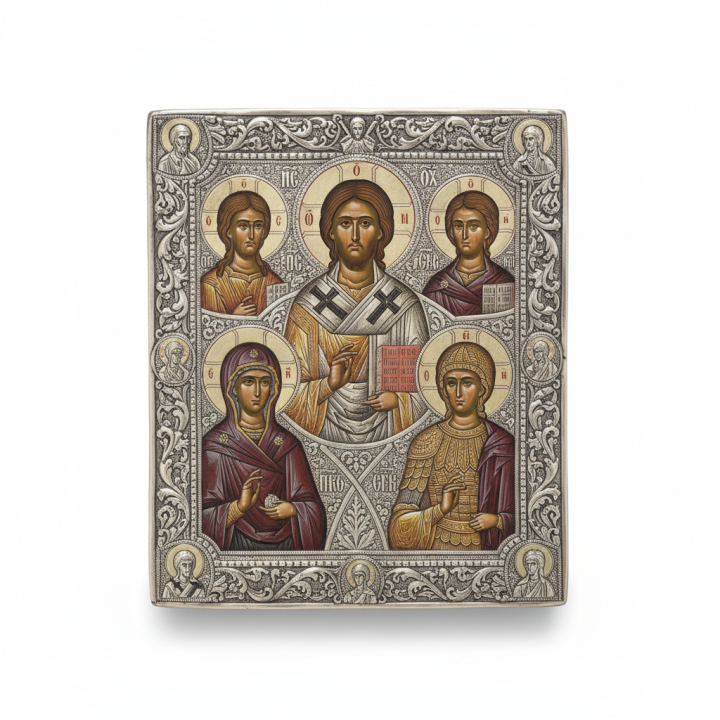
The silver-clad icon
The silver casing is old craftsmanship; the nails that hold it were driven this week.
-

The locked chest
Three padlocks, two rows of straps. Fresh scratches around the hinges, not the locks.
-

The rusted sword
An old weapon, forgotten on the rack. The rust on the blade is newer than it looks.
-
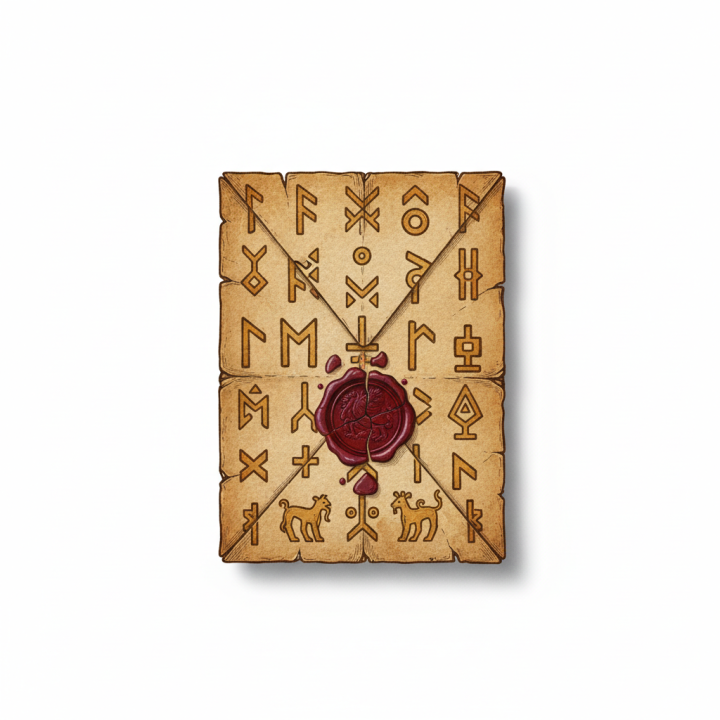
The ciphered letter
Orderly rows of meaningless signs. The ink is costly, the paper costlier, the sender - unknown.
Moments
-

At dawn
When the citadel is barely waking and the guards still doze.
-

After matins
The hour after the morning service, when the abbey empties.
-

At noon
Midday, with bustle in the markets and silence in the alcoves.
-

At dusk
When the shadows lengthen and the lanterns are not yet lit.
The evidence gathered on file
This much was worked with, no more and no less. Minimality is not a figure of speech: each row was taken out in turn, at trial, and without it the solution ceased to be unique.
- The tracks in the dust do not lie: the shortest suspect handled the locked chest.
- The gate guard swears: the left-handed suspect handled the silver-clad icon.
- The chronicler notes drily: the customs cellar matches that hour: at dusk, whatever the court may say.
- The tracks in the dust do not lie: Grigore the Cupbearer was there at dawn.
- The gate guard swears: the rusted sword matches that hour: at noon.
- The chronicler notes drily: the wharf and the rusted sword go together, whatever the court may say.
- About the culprit, the Chancellery knows one thing for certain: the culprit handled the rusted sword.
- The gate guard swears: the queen's garden and the locked chest go together.
See how the verdict was reached — warning: past this line, the mystery ends
How it was unravelled
The Chancellery's method does not change from one dossier to the next: findings go into the grid as certainties, testimonies are weighed under the Supreme Law, and what survives every cut is the truth, however unwelcome.
The Chancellery asked for one more check, and received it: “The tracks in the dust do not lie: the shortest suspect handled the locked chest”. Once the tick was placed, the investigation had nothing left to argue on that row and moved on.
A note in the margin of the page read: “The gate guard swears: the left-handed suspect handled the silver-clad icon”. A certain match thus enters the grid, and its row and column empty at once of every other possibility.
A detail overlooked at the start came back into the file: “The chronicler notes drily: the customs cellar matches that hour: at dusk, whatever the court may say”. The match was nailed down, and the rest of the row was left clean, like a page wiped with a sponge.
Then came, one after another, the findings that drew the noose tight: “The tracks in the dust do not lie: Grigore the Cupbearer was there at dawn”; “The gate guard swears: the rusted sword matches that hour: at noon”; “The chronicler notes drily: the wharf and the rusted sword go together, whatever the court may say”. Laid end to end, they did what not one of them could have done alone.
A piece of information dearly bought showed its worth: “About the culprit, the Chancellery knows one thing for certain: the culprit handled the rusted sword”. Without uttering a single name, this line divided the suspects into two camps: those it fitted and those it did not.
The gate register had kept a trace of its own: “The gate guard swears: the queen's garden and the locked chest go together”. From then on that cell could no longer be disputed, and the dispute moved one row down.
The close of the investigation
At the end of the grid one name alone remained: Brother Anselm. The arrangement in the grid is this: Brother Anselm was at the wharf, handled the rusted sword and was there at noon. Nothing in this verdict rests on supposition: every row comes out of the grid.
The acquittal of the rest
The others found their acquittal in the grid as well: Ilinca the Baker was at the queen's garden, handled the locked chest and was there after matins; Teofil the Chronicler was at the customs cellar, handled the silver-clad icon and was there at dusk; Grigore the Cupbearer was at the abbey library, handled the ciphered letter and was there at dawn. Every one of these rows was necessary: take out a single one and the verdict can no longer be demonstrated.
The truth did not surface in a flash of insight but out of a run of small cuts, every one of them checkable.
Play this dossier All mysteries
This chronicle is no free retelling: it rises directly out of the dossier's logic, and every step passed through the solver which proved, before publication, that the solution is unique. behind the scenes at the Chancellery.