
Chronicle of the solution: The Enigma of the Fair
Espionage Tier III
The espionage file has found its answer; what follows is the chronicle of it, written for those who come after us.
How the file came to the Chancellery
In Realm of the Crown they say the walls have ears — and this time the saying has proven true. The spy knows the corridors better than the guards do — an ill sign: it is one of the household. Suspicion has fallen on Sword-Bearer Dragos, Tintar the Jester, Captain Vlaicu and Pantelimon the Gardener — and until the proof is plain, none of these names leaves the room. Among the things spoken of in whispers are the map of the realm, the herald's horn, the small wine cask and the bishop's chalice. The threads were tangled on purpose: investigate, weigh every word, and pronounce your verdict only when the grid leaves no room for doubt.
The Chancellery had to weigh Sword-Bearer Dragos, Tintar the Jester, Captain Vlaicu and Pantelimon the Gardener. All of them had opportunity, and for that very reason opportunity was worth nothing.
The suspects
-
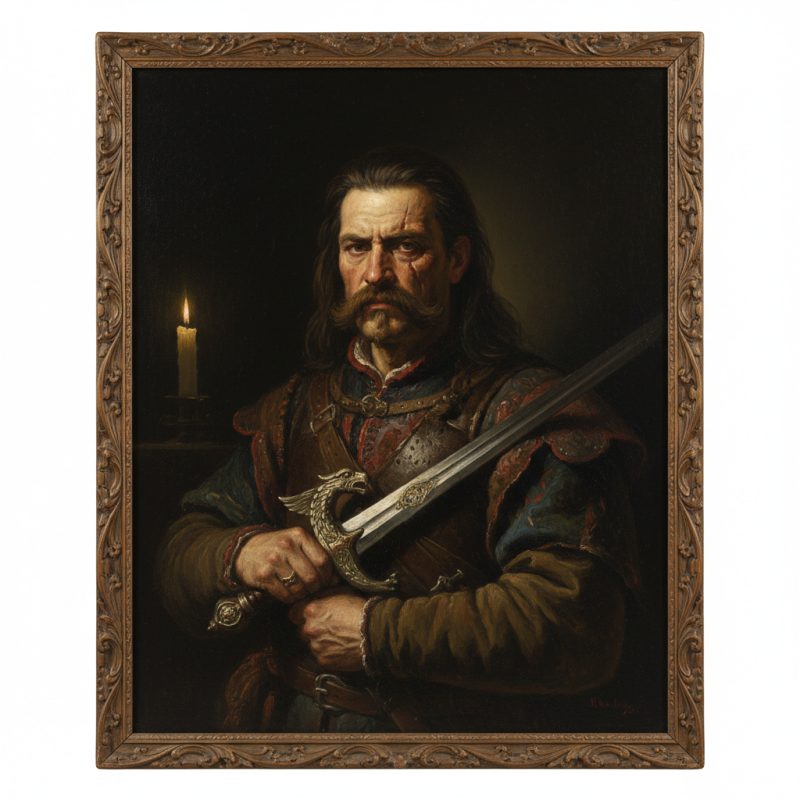
Sword-Bearer Dragos
He bears the king's ceremonial sword. At the tourney he has never lost; at dice, always.
1.86 m tall · brown eyes · chestnut hair · right-handed
-
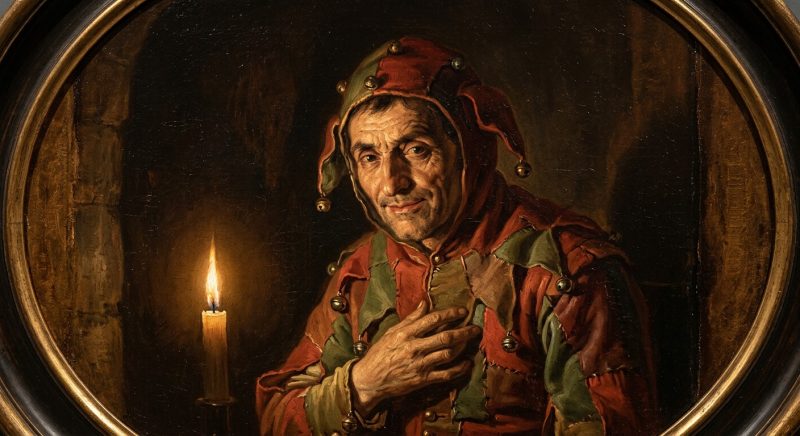
Tintar the Jester
The only man in the kingdom who may tell the king the truth - provided he makes it sound like a joke.
1.56 m tall · green eyes · red hair · right-handed
-

Captain Vlaicu
He has guarded the fortress gates for twenty years. Who enters and who leaves - he decides what the ledger records.
1.84 m tall · brown eyes · brown hair · right-handed
-
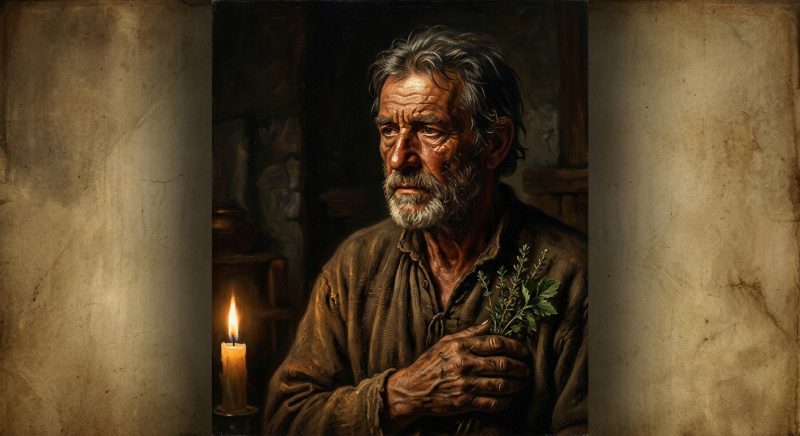
Pantelimon the Gardener
He tends the queen's roses and no one's beds of belladonna. The second garden is the more sought-after.
1.73 m tall · green eyes · greying hair · right-handed
Locations
-
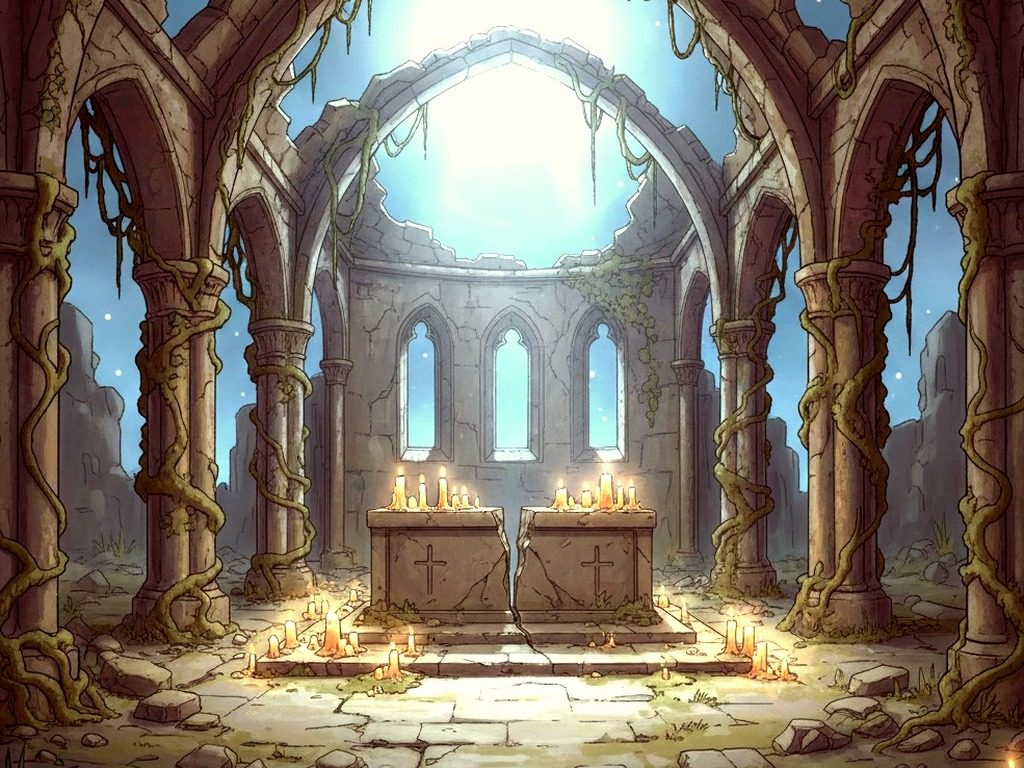
The old chapel
Candles, incense, and a silence in which every footstep echoes like a confession.
-
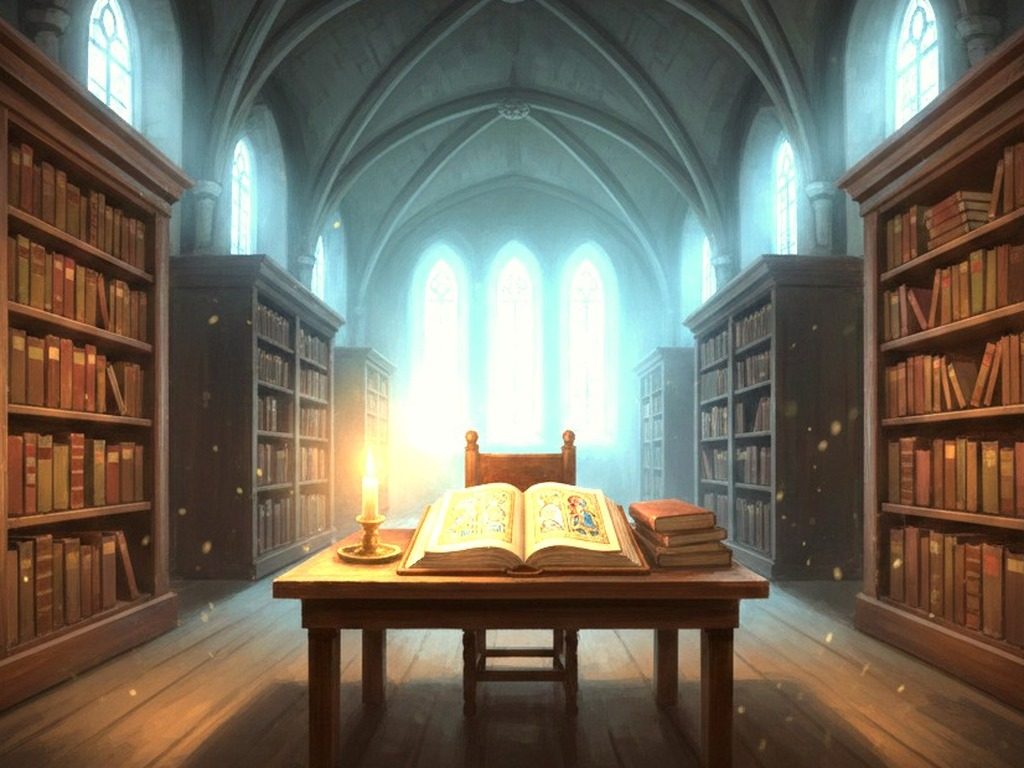
The abbey library
Thousands of leather-bound tomes. Some of the chains on the shelves were cut recently.
-

The watchtower
The highest point of the fortress. From here you see everything - and from below, everyone sees who climbs up.
-

The cathedral crypt
The old kings sleep beneath crested slabs. Now and then, someone disturbs their rest.
Objects
-
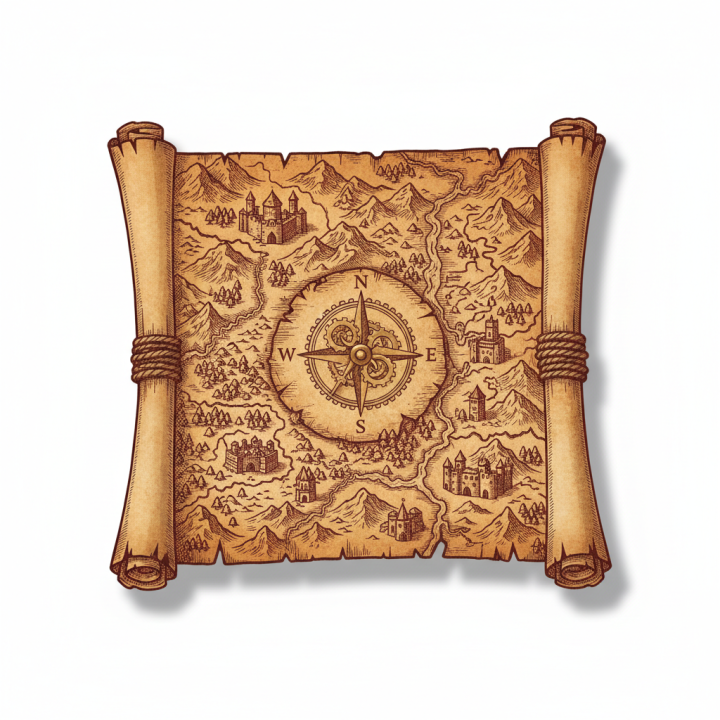
The map of the realm
The kingdom's borders, drawn with a fresh correction where there should be none.
-
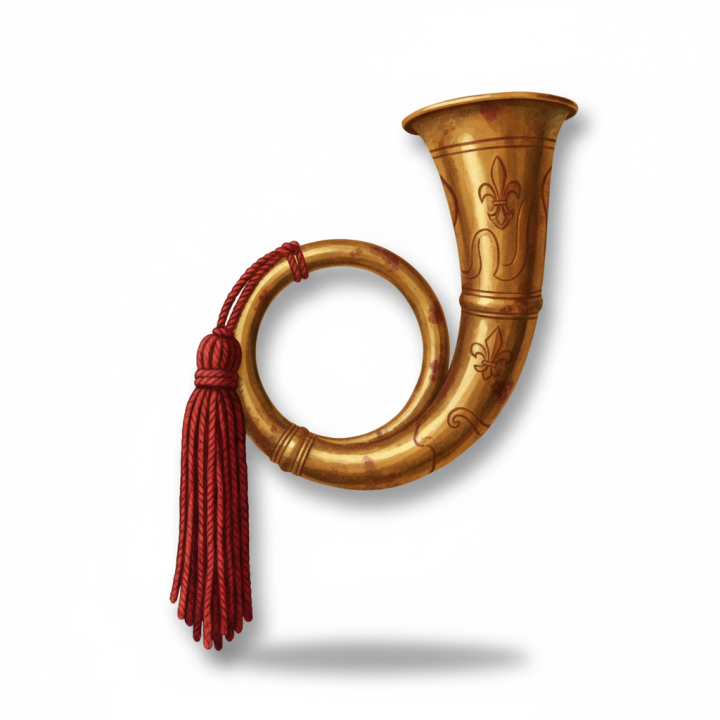
The herald's horn
It sounds the muster, the alarm, or the retreat. Whoever holds it can start a whole panic with a single breath.
-

The small wine cask
Arin wine, the good year. The bung was pulled and put back by an unskilled hand.
-
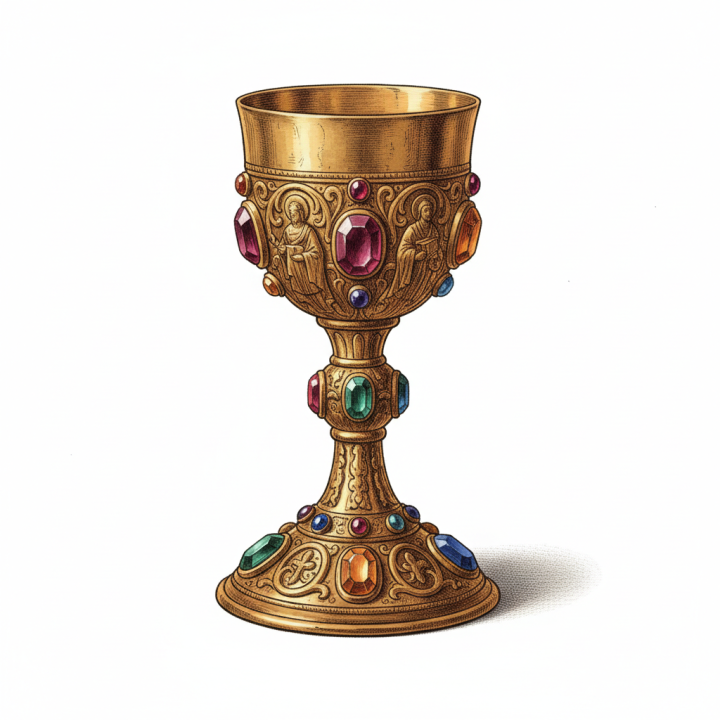
The bishop's chalice
Gold set with blue stones. Blessed three times, stolen twice.
Moments
-

At dawn
When the citadel is barely waking and the guards still doze.
-

After matins
The hour after the morning service, when the abbey empties.
-

At noon
Midday, with bustle in the markets and silence in the alcoves.
-

At dusk
When the shadows lengthen and the lanterns are not yet lit.
The testimonies on file
This much was worked with, no more and no less. Minimality is not a figure of speech: each row was taken out in turn, at trial, and without it the solution ceased to be unique.
- The tracks in the dust do not lie: the tallest suspect handled the map of the realm.
- Two witnesses, upon their crest: Pantelimon the Gardener never set foot in the old chapel.
- The night watch saw Pantelimon the Gardener first, and only then Sword-Bearer Dragos.
- The tracks in the dust do not lie: the abbey library and the herald's horn go together.
- The Chancellery checked twice: the bishop's chalice does not match that hour: at noon.
- The gate guard swears: Captain Vlaicu handled the bishop's chalice.
- The chronicler notes drily: the suspect with chestnut hair was in the place from which you see everything, whatever the court may say.
- A maid whispered it at confession: the watchtower matches that hour: after matins.
- At the Chancellery, Captain Vlaicu maintains: "I handled the herald's horn".
- In the Chancellery's ledger it stands in black and white: the suspect with brown hair was in the place where the old kings sleep.
See how the verdict was reached — warning, the culprit is named beyond this point
How it was unravelled
No suspicion weighed here. Only the grid weighed: every certain match sweeps a whole row and a whole column, and at the end one arrangement alone remains possible.
The Chancellery asked for one more check, and received it: “The tracks in the dust do not lie: the tallest suspect handled the map of the realm”. From then on that cell could no longer be disputed, and the dispute moved one row down.
It was set down, for whoever reads after us: “Two witnesses, upon their crest: Pantelimon the Gardener never set foot in the old chapel”. The possibility fell without appeal, and the circle tightened by one finger.
This particular came to light as well: “The night watch saw Pantelimon the Gardener first, and only then Sword-Bearer Dragos”. The finding went into the file and did its work in the grid, quietly.
Then came, one after another, the findings that drew the noose tight: “The tracks in the dust do not lie: the abbey library and the herald's horn go together”; “The Chancellery checked twice: the bishop's chalice does not match that hour: at noon”; “The gate guard swears: Captain Vlaicu handled the bishop's chalice”; “The chronicler notes drily: the suspect with chestnut hair was in the place from which you see everything, whatever the court may say”; “A maid whispered it at confession: the watchtower matches that hour: after matins”. At the end of them the grid looked like an almost-erased page: one cell alone still had anything to say.
A piece of information dearly bought showed its worth: “At the Chancellery, Captain Vlaicu maintains: "I handled the herald's horn"”. Under the Supreme Law a testimony is not a finding: it weighs only if the one who speaks it is not the culprit.
Then this finding entered the file: “In the Chancellery's ledger it stands in black and white: the suspect with brown hair was in the place where the old kings sleep”. Two names bound themselves for good, and the binding undid, at a stroke, every pairing that contradicted it.
The lie
The Chancellery caught the mismatch on its first reading of the grid. Captain Vlaicu swore before the Chancellery that I handled the herald's horn, when in fact Captain Vlaicu never touched the herald's horn. The innocent have no cause to lie; under the Supreme Law, whoever does points at themselves.
The verdict
The Chancellery closed the dossier with a single name written on it: Captain Vlaicu. The arrangement in the grid is this: Captain Vlaicu was at the cathedral crypt, handled the bishop's chalice and was there at dusk. The dossier called for hypotheses driven to contradiction, not direct elimination alone — which is why it was rated at tier III.
The acquittal of the rest
The grid took them out of the circle one by one, place in the story and all: Sword-Bearer Dragos was at the watchtower, handled the map of the realm and was there after matins; Tintar the Jester was at the old chapel, handled the small wine cask and was there at noon; Pantelimon the Gardener was at the abbey library, handled the herald's horn and was there at dawn. Every one of these rows was necessary: take out a single one and the verdict can no longer be demonstrated.
Here the chronicle stops. If you followed it to the end, you did exactly what an investigator does: you believed the grid, not your impressions.
Play this dossier All mysteries
Everything you read above rests on the dossier itself. The Chancellery's solver checked, at publication, that the given clues yield exactly one solution — no more, and not none. behind the scenes at the Chancellery.