
Chronicle of the solution: The Secret of the Chancellery
Conspiracy Tier III
The conspiracy file is closed, but the reasoning that closed it deserves reading by any investigator.
What the file said when it was opened
Not one deed but a whole scheme has come to light — laid patiently, in secret. The crown demands not only the name but the proof: suspicion without grounds is itself a tool of the scheme. On the Chancellery's list stand Teofil the Chronicler, Zaharia the Spice Merchant, Father Nicodim, Duchess Amara de Corvin and Lady Ruxandra; one of these names covers a lie. The places named in the testimonies — the old dungeon, the castle cellar, the customs cellar, the mill by the river and the abbey library — each await their turn under scrutiny. The threads were tangled on purpose: investigate, weigh every word, and pronounce your verdict only when the grid leaves no room for doubt.
The circle closed around these names: Teofil the Chronicler, Zaharia the Spice Merchant, Father Nicodim, Duchess Amara de Corvin and Lady Ruxandra. The investigation was not permitted to step outside it, and had no need to.
The suspects
-
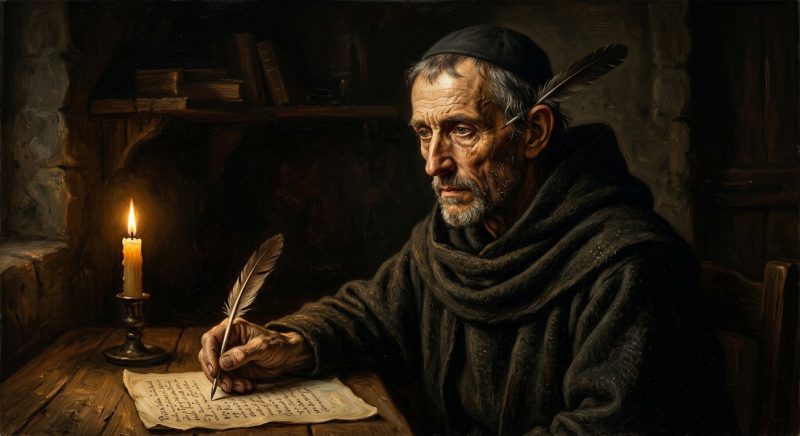
Teofil the Chronicler
He writes the kingdom's history as he is ordered. The unwelcome drafts, however, he keeps every one.
1.69 m tall · brown eyes · greying hair · left-handed
-

Zaharia the Spice Merchant
His ships bring pepper, saffron, and news no one asked for. All of it at the same price: steep.
1.74 m tall · dark eyes · black hair · right-handed
-

Father Nicodim
He hears the confessions of the whole court. Forgetting, he says, is a gift from the Lord - one he sells dearly.
1.72 m tall · blue eyes · greying hair · right-handed
-
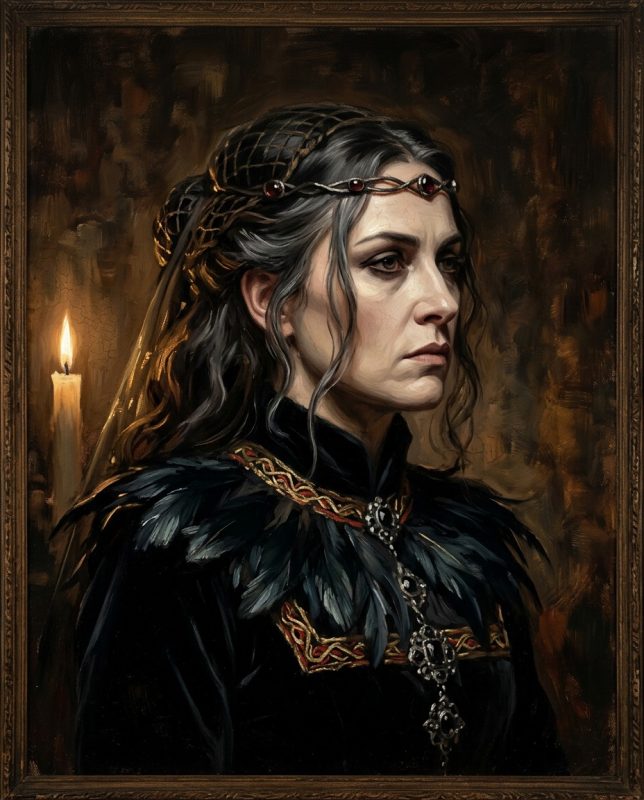
Duchess Amara de Corvin
Widowed three times, heir on each occasion. Her smile has buried more nobles than the plague.
1.68 m tall · dark eyes · black hair · right-handed
-
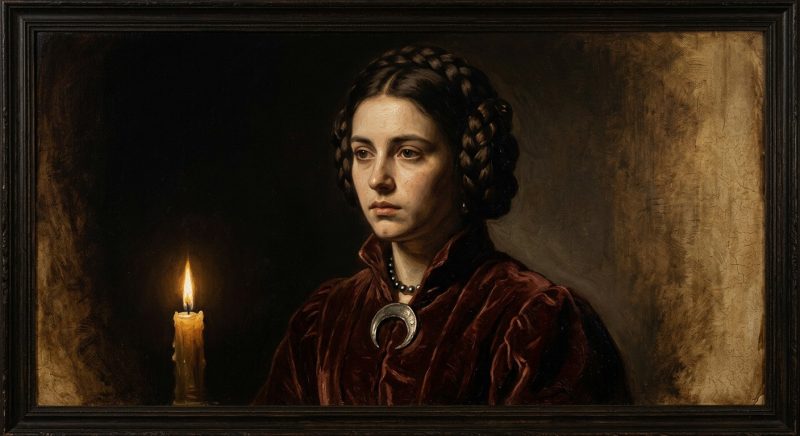
Lady Ruxandra
The queen's shadow at every hour. She hears everything, sees everything, and embroiders all she learns into patterns known only to her.
1.65 m tall · blue eyes · blond hair · right-handed
Locations
-

The old dungeon
Cells abandoned since the new dungeon was built. "Abandoned" is one way of putting it.
-
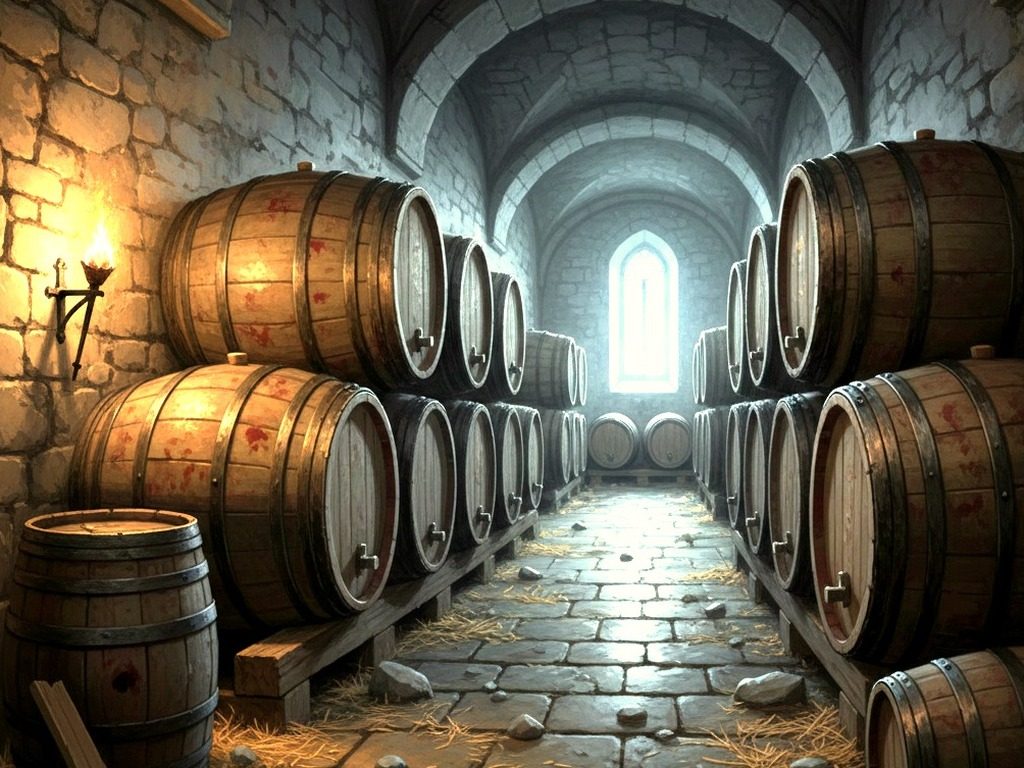
The castle cellar
Barrels as big as carts and corners the lantern never reaches.
-
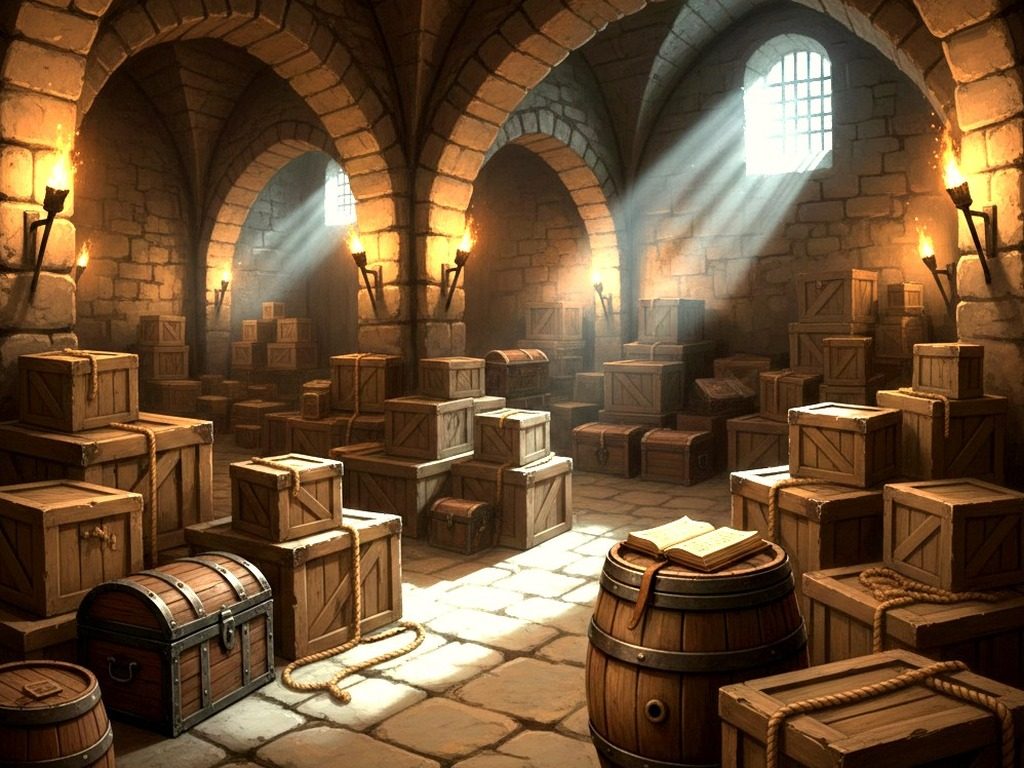
The customs cellar
Sealed crates, thick ledgers, and air that smells of undeclared goods.
-
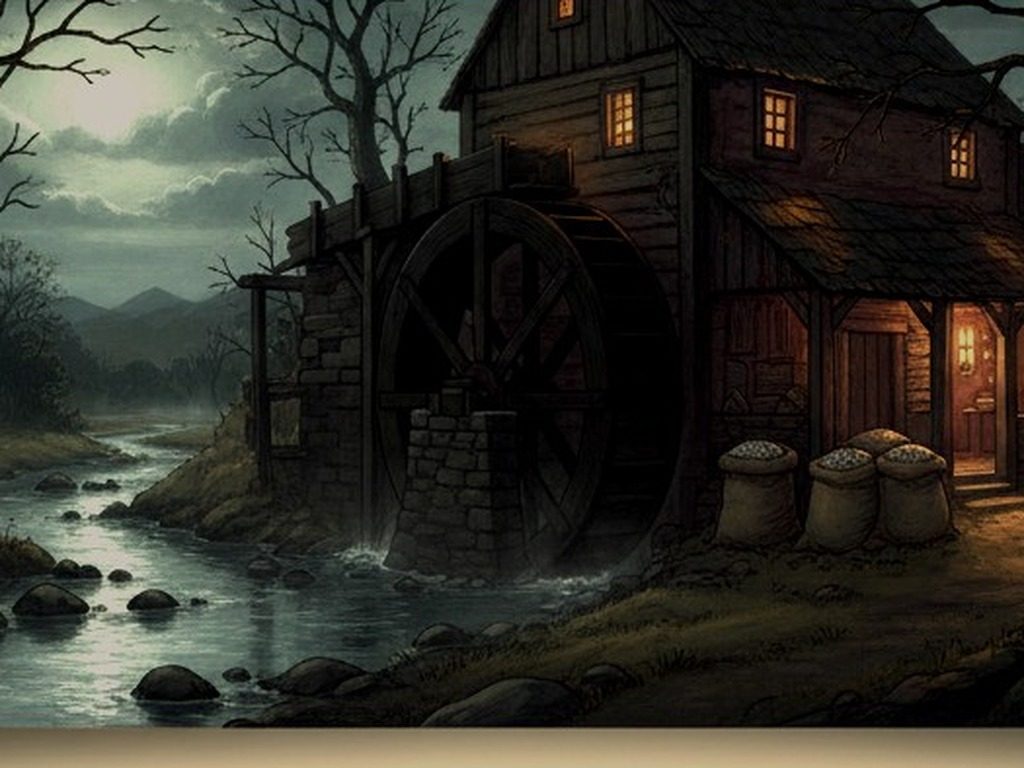
The mill by the river
The wheel turns day and night. Its noise drowns out any conversation - which is why some are held here.
-
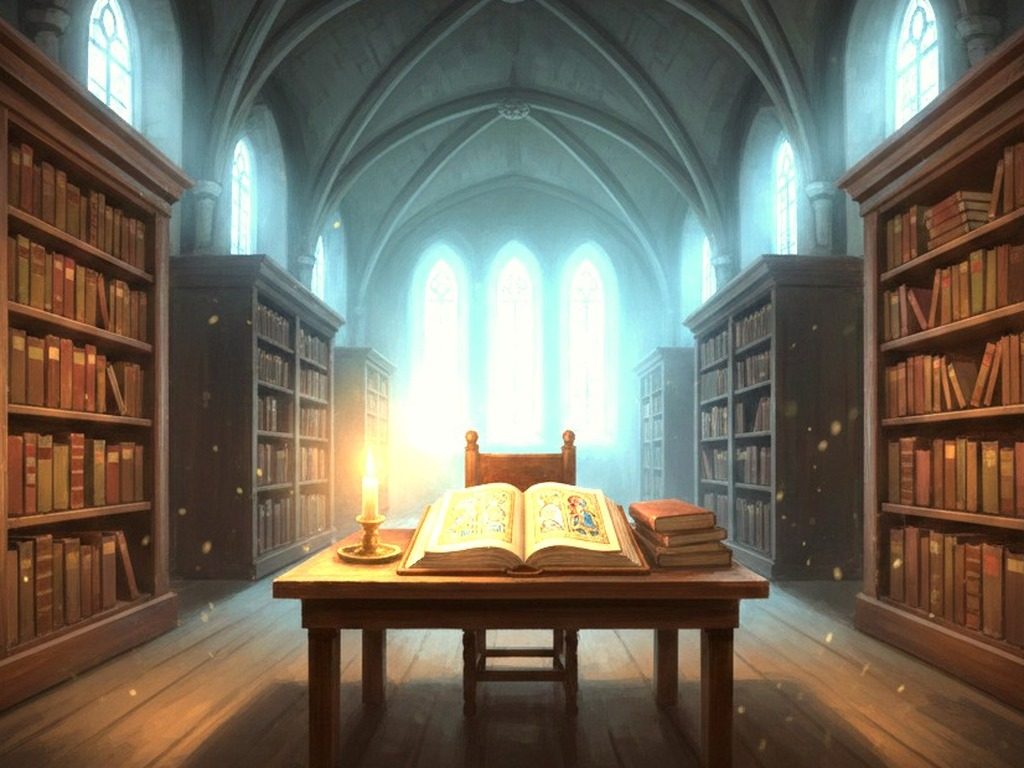
The abbey library
Thousands of leather-bound tomes. Some of the chains on the shelves were cut recently.
Objects
-
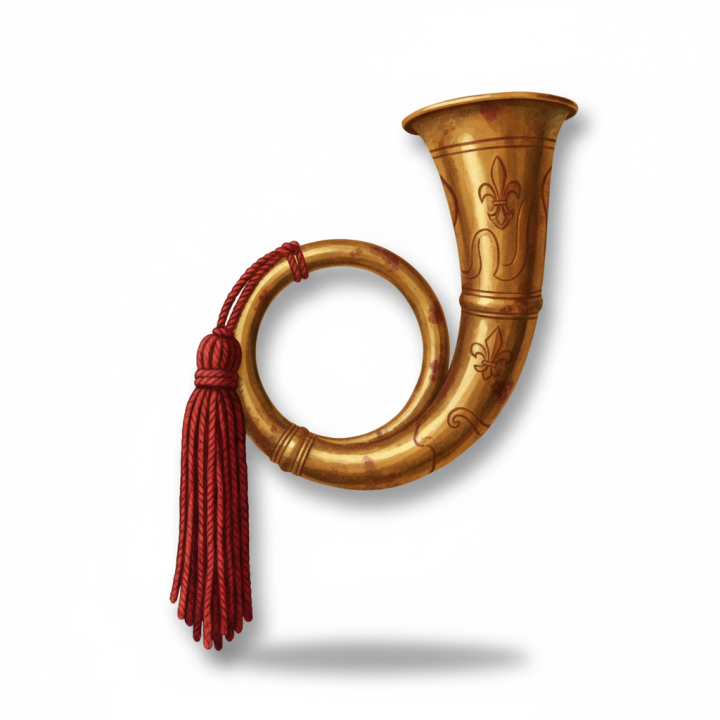
The herald's horn
It sounds the muster, the alarm, or the retreat. Whoever holds it can start a whole panic with a single breath.
-

The abbess's bell
It calls the nuns to prayer. On the night in question, they all say, it rang once too many.
-

The ermine cloak
White fur with black tails - only the royal family may wear it. It has a tear at the hem.
-

The ceremonial crown
The "wearable" copy of the true crown. At least, that was the idea.
-
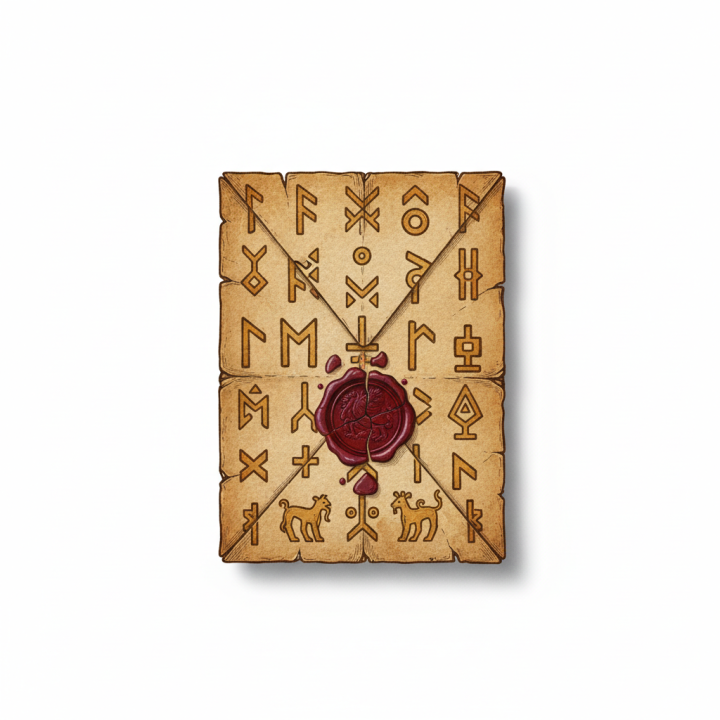
The ciphered letter
Orderly rows of meaningless signs. The ink is costly, the paper costlier, the sender - unknown.
Motives
-

A debt of honour
O făgăduială care cântărește mai greu decât viața.
-

Blackmail
Un secret ținut ca funia la gât, strâns exact cât trebuie.
-
Fear of exposure
Groaza de a fi dat în vileag, care împinge la orice.
-

Jealousy
Otrava care mistuie pe cel ce râvnește ce nu-i al lui.
-

Revenge
O datorie de sânge pe care numai fapta o mai șterge.
The testimonies on file
These are all the findings and testimonies the Chancellery had to hand — not one more. The set is minimal by construction: take out a single row and the verdict can no longer be demonstrated.
- Father Nicodim raises their right hand and says: "I handled the abbess's bell".
- An honest-faced witness saw it plainly: the tallest suspect was driven by a debt of honour.
- The chronicler notes drily: Father Nicodim was at the customs cellar, whatever the court may say.
- Two witnesses, upon their crest: the suspect with brown eyes was not driven by fear of exposure.
- Whatever the market gossips: the mill by the river and the abbess's bell do not go together.
- The traces left at the scene show it plainly: the culprit handled the herald's horn.
- The chronicler notes drily: the abbey library and the ermine cloak go together, whatever the court may say.
- The gate guard swears: Lady Ruxandra handled the ermine cloak.
- The chronicler notes drily: the castle cellar and fear of exposure go together, whatever the court may say.
- In the Chancellery's ledger it stands in black and white: the abbess's bell and blackmail go together.
- The gate guard swears: Father Nicodim was driven by revenge.
- At the Chancellery, Zaharia the Spice Merchant maintains: "I handled the ciphered letter".
Reveal the Chancellery's reasoning — open only if you have already tried the dossier
The unravelling of the thread
The road is always the same: findings first, because they do not lie; testimonies after, because one of them always does.
Then this finding entered the file: “Father Nicodim raises their right hand and says: "I handled the abbess's bell"”. Under the Supreme Law a testimony is not a finding: it weighs only if the one who speaks it is not the culprit.
This page was stitched into the file too: “An honest-faced witness saw it plainly: the tallest suspect was driven by a debt of honour”. The tick goes down without hesitation, and with it fall all the other cells on that row and that column.
The Chancellery asked for one more check, and received it: “The chronicler notes drily: Father Nicodim was at the customs cellar, whatever the court may say”. A pair was tied, and the knot dragged a whole handful of impossibilities after it.
The archivist copied on, without comment, everything that could be proved: “Two witnesses, upon their crest: the suspect with brown eyes was not driven by fear of exposure”; “Whatever the market gossips: the mill by the river and the abbess's bell do not go together”; “The traces left at the scene show it plainly: the culprit handled the herald's horn”; “The chronicler notes drily: the abbey library and the ermine cloak go together, whatever the court may say”; “The gate guard swears: Lady Ruxandra handled the ermine cloak”; “The chronicler notes drily: the castle cellar and fear of exposure go together, whatever the court may say”; “In the Chancellery's ledger it stands in black and white: the abbess's bell and blackmail go together”. The investigation needed nothing further; what remained read itself.
This too was added to the file: “The gate guard swears: Father Nicodim was driven by revenge”. A certain match thus enters the grid, and its row and column empty at once of every other possibility.
A witness of good faith cleared up one more corner: “At the Chancellery, Zaharia the Spice Merchant maintains: "I handled the ciphered letter"”. The Supreme Law asks you to try each suspect as the culprit and watch which hypothesis shatters. Here one shattered.
The lie
The Chancellery caught the mismatch on its first reading of the grid. Father Nicodim swore before the Chancellery that I handled the abbess's bell, when in fact Father Nicodim never touched the abbess's bell. The innocent have no cause to lie; under the Supreme Law, whoever does points at themselves.
The Chancellery's verdict
At the end of the grid one name alone remained: Father Nicodim. At the hour of the deed, Father Nicodim was at the customs cellar, handled the herald's horn and was driven by revenge. Tier III is no empty word: without the method of hypotheses, this grid would not have closed.
Those taken out of the circle
The remaining suspects received their release from the grid too: Teofil the Chronicler was at the old dungeon, handled the abbess's bell and was driven by blackmail; Zaharia the Spice Merchant was at the mill by the river, handled the ciphered letter and was driven by a debt of honour; Duchess Amara de Corvin was at the castle cellar, handled the ceremonial crown and was driven by fear of exposure; Lady Ruxandra was at the abbey library, handled the ermine cloak and was driven by jealousy. It is these acquittals that made the verdict possible: without them, room for doubt would have remained.
The file sits on its shelf today, tied with red cord. What is worth keeping from it is not the culprit's name but the road: every step verifiable, none of them guessed.
Play this dossier All mysteries
The chronicle is written from the logic of the file, not from memory. The uniqueness of the solution was demonstrated by the solver before the dossier ever became public. behind the scenes at the Chancellery.