
Chronicle of the solution: The Seal Intrigue
Theft Tier IV
What was taken has been found, and the one who took it wears irons today; here, though, is the road that led there.
The dossier as it reached the desk
In Realm of the Crown, only one thing is spoken of today: a daring theft, carried out almost before the court's eyes. The culprit worked cleanly, but not without witnesses — and the witnesses, at last, have begun to talk. Before you, one by one, will stand Mother Evghenia, Manole the Jeweller, Teofil the Chronicler, Onufrie the Executioner and Balasa the Seamstress. Motives abound — greed, revenge, a debt of honour, ambition and fear of exposure — yet only one moved the guilty hand. The threads were tangled on purpose: investigate, weigh every word, and pronounce your verdict only when the grid leaves no room for doubt.
Of all the things a court can lose, the seal is the most dangerous, because in the right hand it is worth not what it weighs but what it can decide. A stolen seal can write laws for a week before anybody notices.
The five suspects come from five worlds that never mix: Mother Evghenia, from the abbey; Manole the Jeweller, from the guild; Teofil the Chronicler, from the court; Onufrie the Executioner, from the dungeon; and Balasa the Seamstress, from everybody's house. That all five should turn up in one dossier is odd in itself — and the archivist says so.
The motives: greed, revenge, a debt of honour, ambition and fear of exposure. The places: the Golden Boar inn, the customs cellar, the merchant's house, the throne room and the old chapel.
Tier IV. Direct elimination carries you to a point here and then abandons you. The rest calls for hypotheses driven to contradiction — exactly what the solver does before publication.
Brought before the Chancellery were Mother Evghenia, Manole the Jeweller, Teofil the Chronicler, Onufrie the Executioner and Balasa the Seamstress — names that, until the grid's last row, weighed exactly the same.
The suspects
-
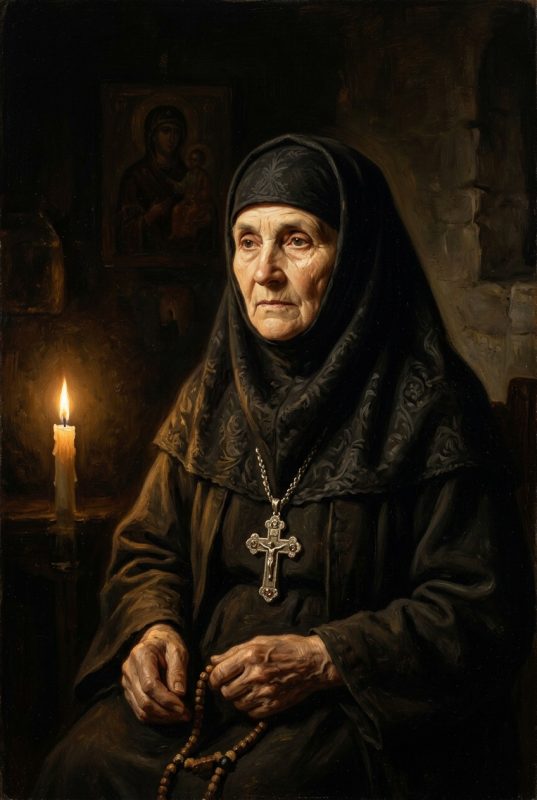
Mother Evghenia
She runs the abbey with an iron hand and a golden pen. The register of donations has pages she shows no one.
1.60 m tall · dark eyes · black hair · right-handed
-
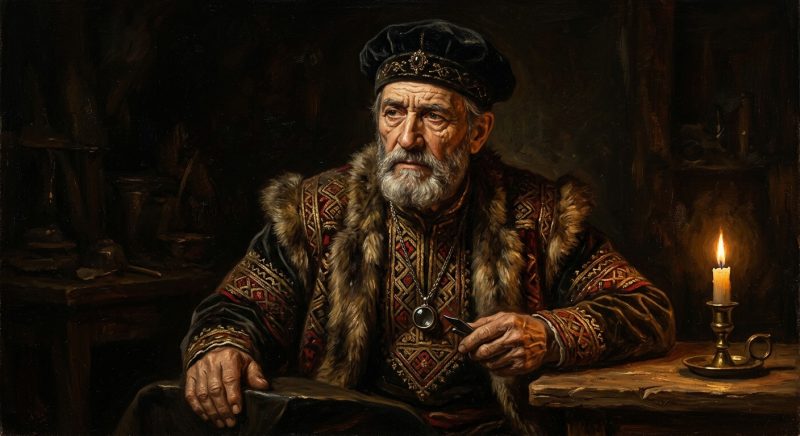
Manole the Jeweller
He tells gold from gilt at a glance. With people, he admits, it takes him two.
1.69 m tall · brown eyes · brown hair · right-handed
-
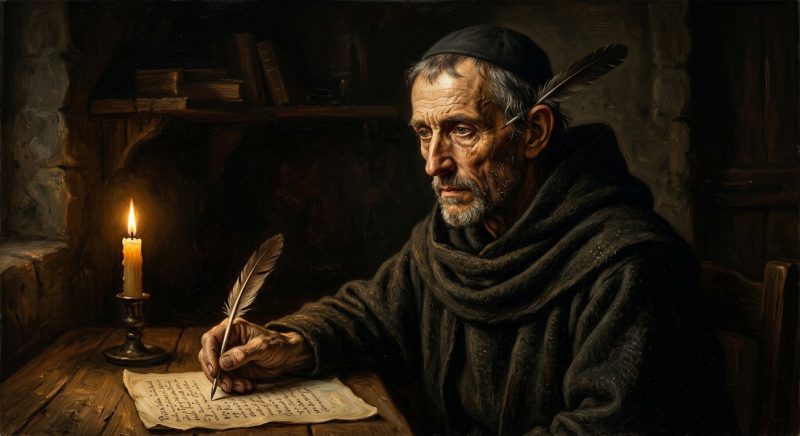
Teofil the Chronicler
He writes the kingdom's history as he is ordered. The unwelcome drafts, however, he keeps every one.
1.69 m tall · brown eyes · greying hair · left-handed
-
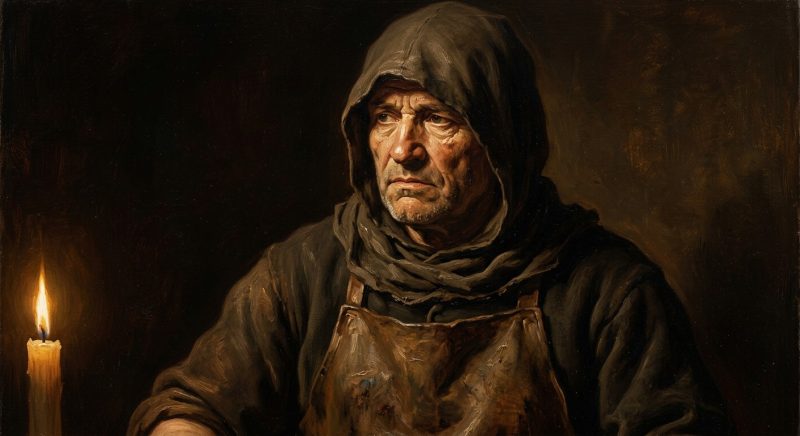
Onufrie the Executioner
A quiet man with a loud trade. He keeps a notebook of the last words of every condemned soul.
1.92 m tall · dark eyes · no hair · right-handed
-
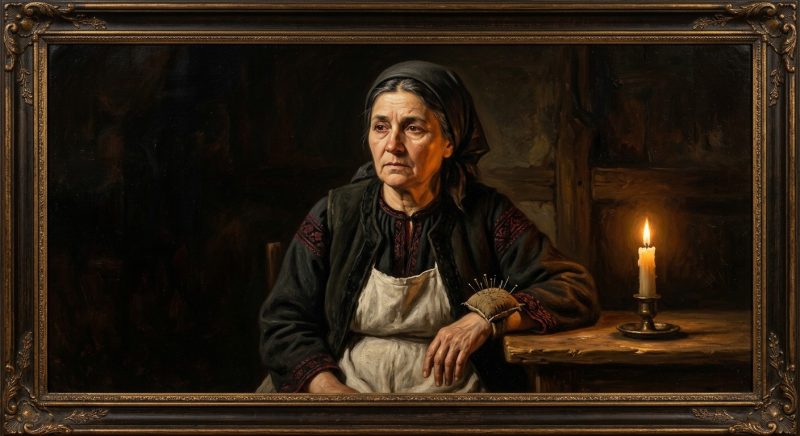
Balasa the Seamstress
She sews the garments of all the nobility and knows everyone's measurements - including those that do not show.
1.59 m tall · blue eyes · red hair · left-handed
Locations
-

The Golden Boar inn
Wine watered down and rumours diluted with nothing. The rooms upstairs ask no questions.
-
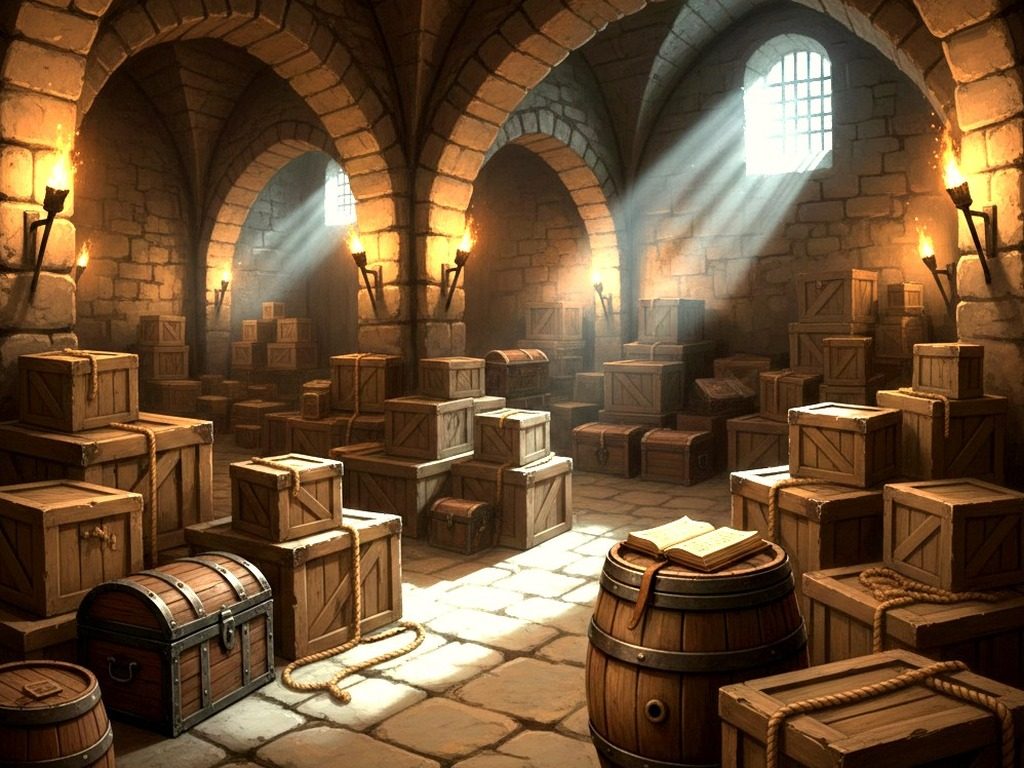
The customs cellar
Sealed crates, thick ledgers, and air that smells of undeclared goods.
-

The merchant's house
Carpets brought from overseas and a desk with more secret drawers than drawers.
-
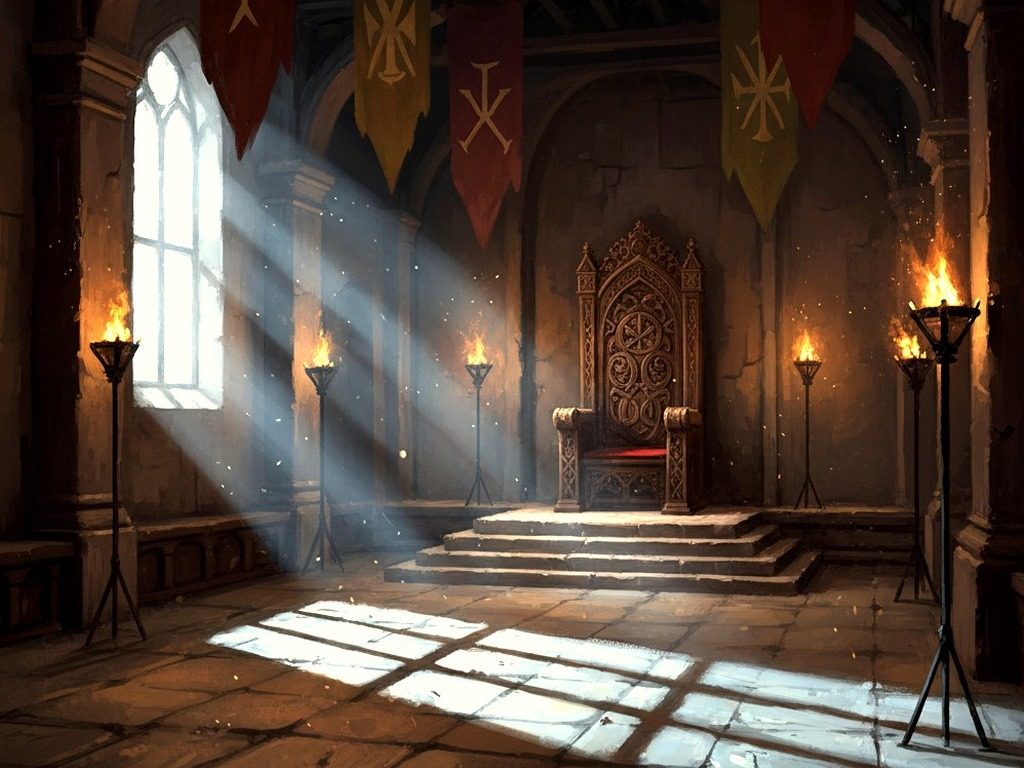
The throne room
Gold, purple, and the most closely watched place in the kingdom. In theory.
-
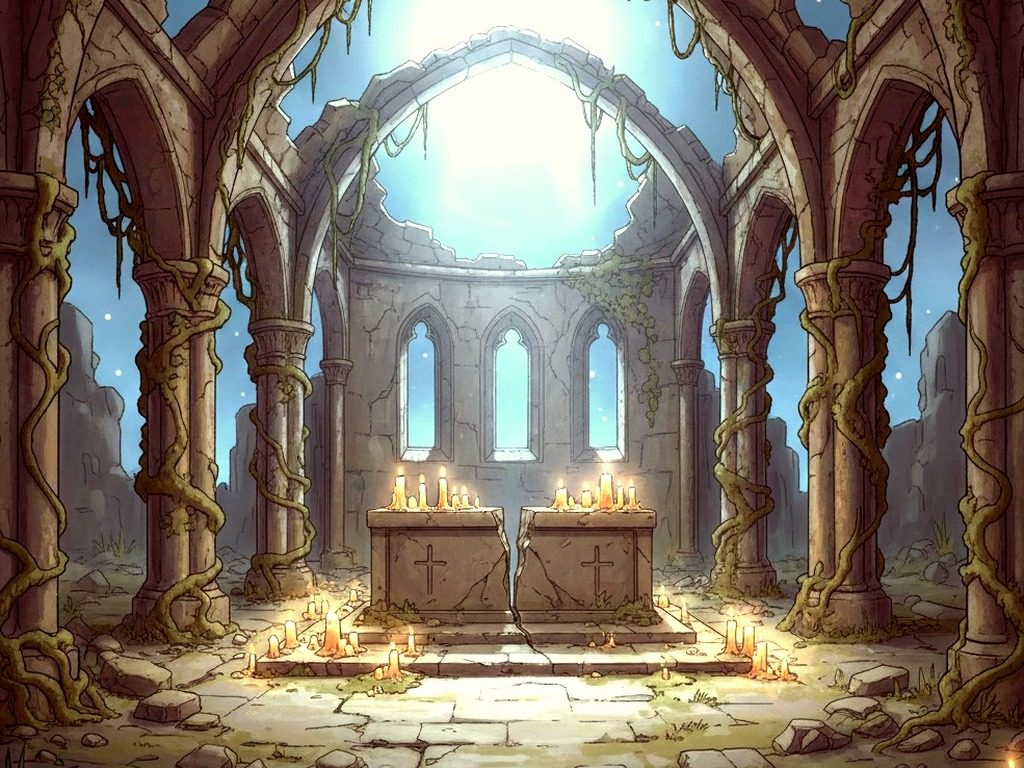
The old chapel
Candles, incense, and a silence in which every footstep echoes like a confession.
Objects
-
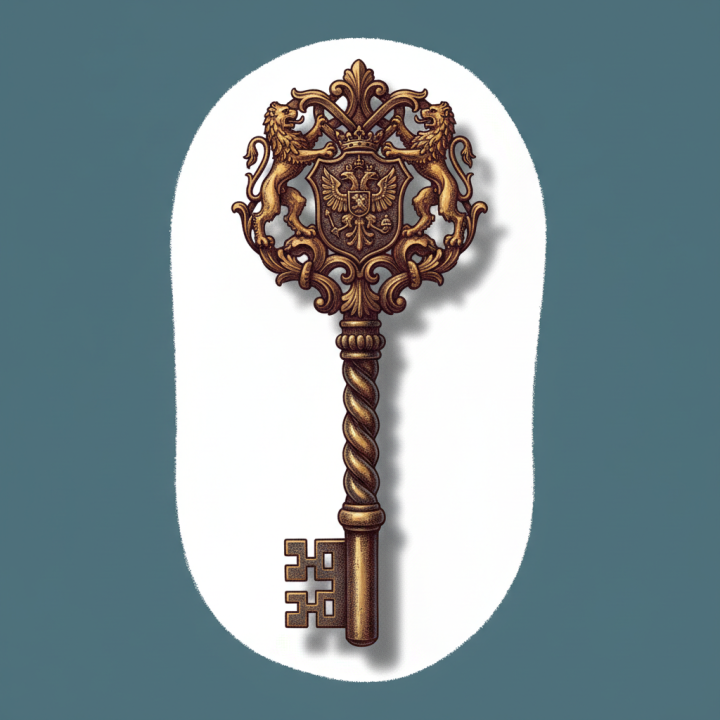
The bronze key
Heavy, old, its teeth worn smooth. No one knows what door it opens anymore - or so they say.
-

The rusted sword
An old weapon, forgotten on the rack. The rust on the blade is newer than it looks.
-
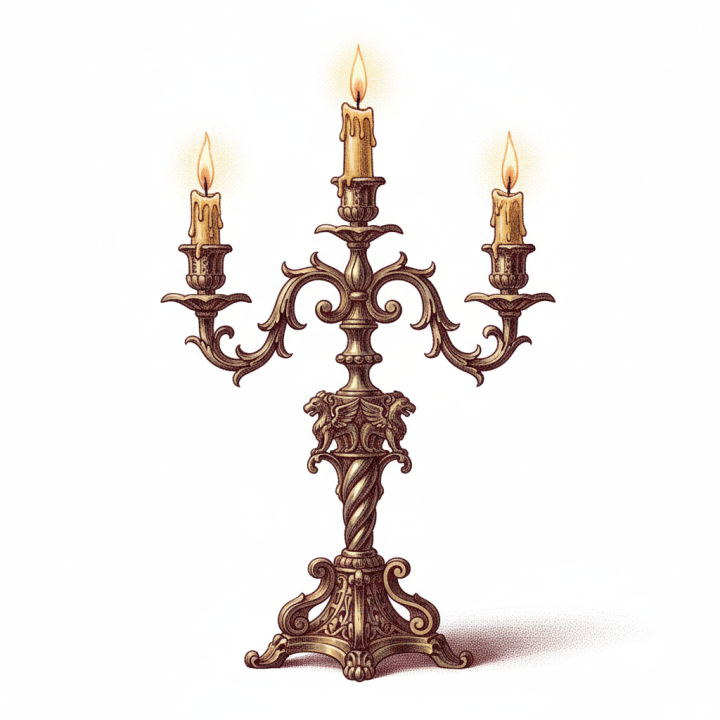
The silver candelabrum
Heavy as a small anvil. It can light a room or end a conversation.
-
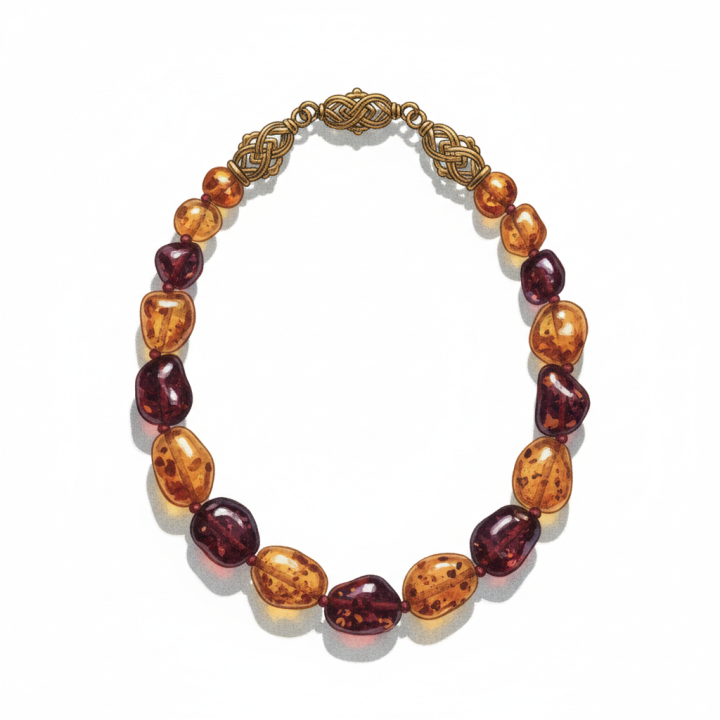
The amber necklace
Beads of golden resin strung on a silk thread. The thread is broken and hastily reknotted.
-
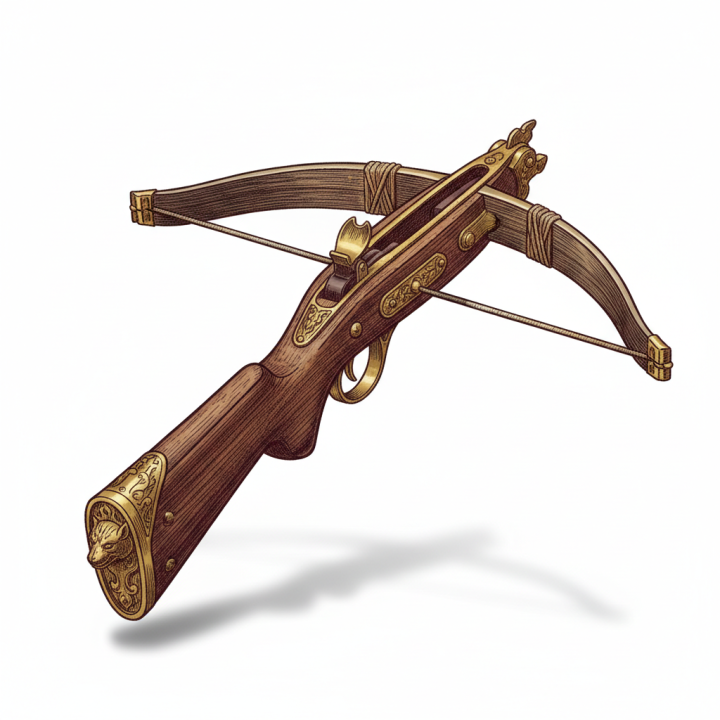
The hunting crossbow
Light, accurate, with a walnut stock. Exactly one bolt is missing from the quiver.
Motives
-

Greed
Dorința nesățioasă de avere, care nu se oprește la nimic.
-

Revenge
O datorie de sânge pe care numai fapta o mai șterge.
-

A debt of honour
O făgăduială care cântărește mai greu decât viața.
-

Ambition
Setea de a urca, chiar peste trupuri, spre o treaptă mai înaltă.
-
Fear of exposure
Groaza de a fi dat în vileag, care împinge la orice.
What the Chancellery had to hand
This much the investigation had at its disposal, not a line more. The set is minimal by construction — remove any of the rows below and the dossier becomes unsolvable again.
- A note in the margin of the ledger: if the suspect with blue eyes was at the throne room, then Onufrie the Executioner was driven by ambition.
- The gate guard swears: Teofil the Chronicler was in the place with more secret drawers than drawers.
- The hounds caught no scent at all: Balasa the Seamstress was not driven by revenge.
- An honest-faced witness saw it plainly: the bronze key and ambition go together.
- About the culprit, the Chancellery knows one thing for certain: the culprit was driven by fear of exposure.
- The customs register is clear: the customs cellar and the hunting crossbow do not go together.
- The tracks in the dust do not lie: the Golden Boar inn and fear of exposure go together.
- A maid whispered it at confession: Balasa the Seamstress handled the rusted sword.
- The healer says it with a raised finger: if Balasa the Seamstress was driven by a debt of honour, then Onufrie the Executioner was at the old chapel.
- An honest-faced witness saw it plainly: the merchant's house and greed go together.
- A note in the margin of the ledger: if Teofil the Chronicler was at the merchant's house, then Manole the Jeweller was in the place that smells of undeclared goods.
- An honest-faced witness saw it plainly: the Golden Boar inn and the amber necklace go together.
Reveal the Chancellery's reasoning — warning: past this line, the mystery ends
How the circle closed
The rule of the house is simple: what is observed enters the grid as it stands; what is declared enters only once it is settled who declared it.
A report from the watch brought clarity: “A note in the margin of the ledger: if the suspect with blue eyes was at the throne room, then Onufrie the Executioner was driven by ambition”. A condition cuts nothing until it is fulfilled; when it was fulfilled, it cut a great deal at once.
This too was added to the file: “The gate guard swears: Teofil the Chronicler was in the place with more secret drawers than drawers”. The match was nailed down, and the rest of the row was left clean, like a page wiped with a sponge.
The Chancellery asked for one more check, and received it: “The hounds caught no scent at all: Balasa the Seamstress was not driven by revenge”. The negation does not say who did it, but it says who did not — and in the end that is enough.
Then came, one after another, the findings that drew the noose tight: “An honest-faced witness saw it plainly: the bronze key and ambition go together”; “About the culprit, the Chancellery knows one thing for certain: the culprit was driven by fear of exposure”; “The customs register is clear: the customs cellar and the hunting crossbow do not go together”; “The tracks in the dust do not lie: the Golden Boar inn and fear of exposure go together”; “A maid whispered it at confession: Balasa the Seamstress handled the rusted sword”; “The healer says it with a raised finger: if Balasa the Seamstress was driven by a debt of honour, then Onufrie the Executioner was at the old chapel”; “An honest-faced witness saw it plainly: the merchant's house and greed go together”. Not one of them named a culprit. Together, though, they left room for one alone.
A note in the margin of the page read: “A note in the margin of the ledger: if Teofil the Chronicler was at the merchant's house, then Manole the Jeweller was in the place that smells of undeclared goods”. The condition lay asleep in the file for a while and woke only when its first half became certain.
The examination of the place yielded this as well: “An honest-faced witness saw it plainly: the Golden Boar inn and the amber necklace go together”. The tick goes down without hesitation, and with it fall all the other cells on that row and that column.
The verdict
At the end of the grid one name alone remained: Mother Evghenia. At the hour of the deed, Mother Evghenia was at the Golden Boar inn, handled the amber necklace and was driven by fear of exposure. It was reached only by driving each supposition to its absurd end — a tier IV dossier, and rightly so.
The acquittal of the rest
The remaining suspects received their release from the grid too: Manole the Jeweller was at the customs cellar, handled the silver candelabrum and was driven by revenge; Teofil the Chronicler was at the merchant's house, handled the hunting crossbow and was driven by greed; Onufrie the Executioner was at the old chapel, handled the bronze key and was driven by ambition; Balasa the Seamstress was at the throne room, handled the rusted sword and was driven by a debt of honour. They look like rows of padding and they are not: the whole of the rest rests on them.
The Chancellery asked nobody to take its word. It showed the road step by step, so that anyone might walk it again.
Play this dossier All mysteries
The chronicles are written by the Enigmerra Chancellery out of the dossier's own logic: every step above is verified by the solver which proved, at publication, that the dossier has a unique solution. behind the scenes at the Chancellery.