
Chronicle of the solution: The Shadow of the Crown
Disappearance Tier III
What had been made invisible was found, and whoever hid it answers for it today. Here is the road there.
The dossier, on a first reading
A disappearance troubles the citadel, and rumor grows faster than truth. Open searches have brought nothing; the time has come for questions asked aslant. The testimonies keep returning to the same names: Ban Radu the Silent, Pantelimon the Gardener, Costache the Toll-Keeper, Chamberlain Iorgu and Teofil the Chronicler. On the inquiry's table, like pieces in a game, lie the ciphered letter, the bishop's chalice, the broken lantern, the customs scales and the vial of belladonna. Few files have tested so many investigators; untangle the threads, catch the lie, and pronounce your verdict.
The Chancellery's list held Ban Radu the Silent, Pantelimon the Gardener, Costache the Toll-Keeper, Chamberlain Iorgu and Teofil the Chronicler, none of them further above suspicion than the next.
The suspects
-
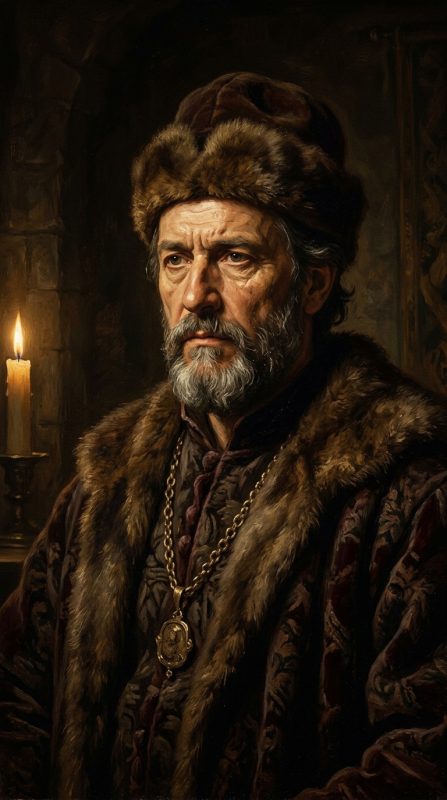
Ban Radu the Silent
He has never uttered a needless word in his life. Sadly, nor a useful one for investigators.
1.81 m tall · grey eyes · grey hair · right-handed
-
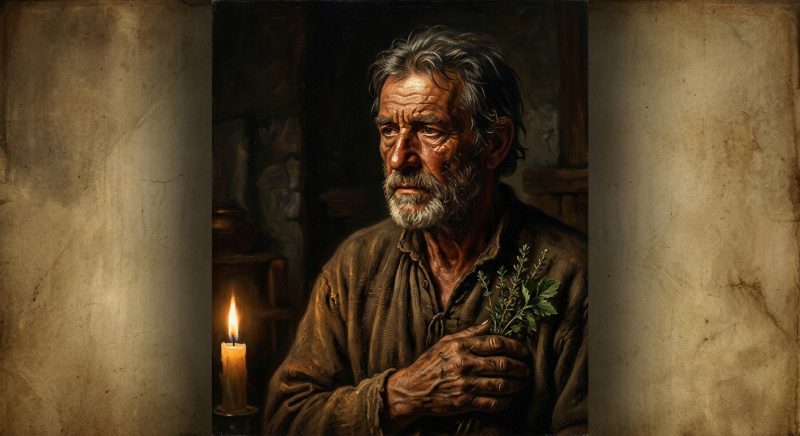
Pantelimon the Gardener
He tends the queen's roses and no one's beds of belladonna. The second garden is the more sought-after.
1.73 m tall · green eyes · greying hair · right-handed
-
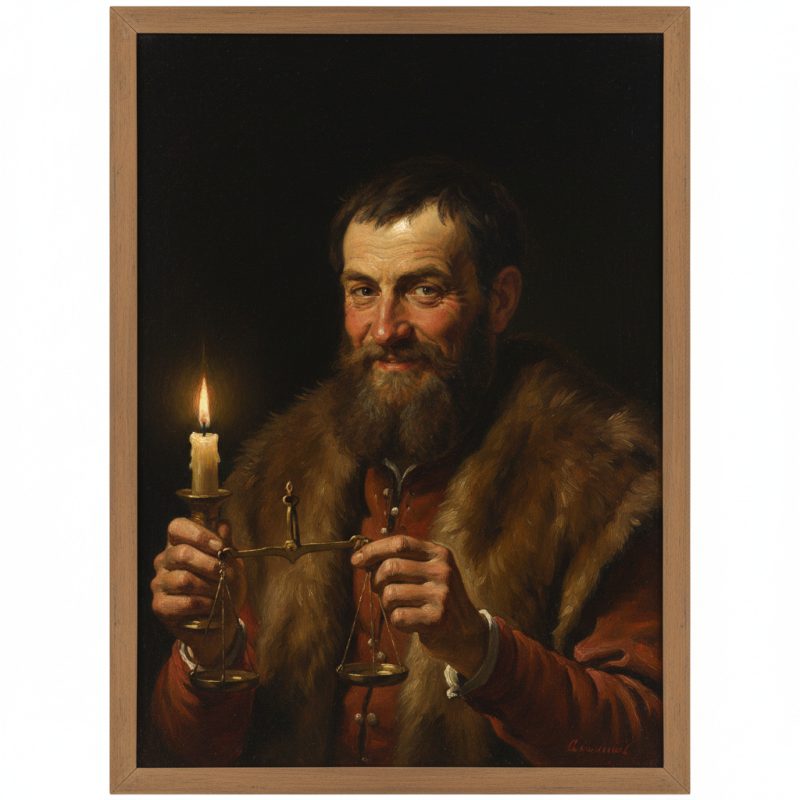
Costache the Toll-Keeper
His scales weigh the goods; his eye, the merchant. Both can be "greased" at need.
1.80 m tall · dark eyes · grey hair · right-handed
-
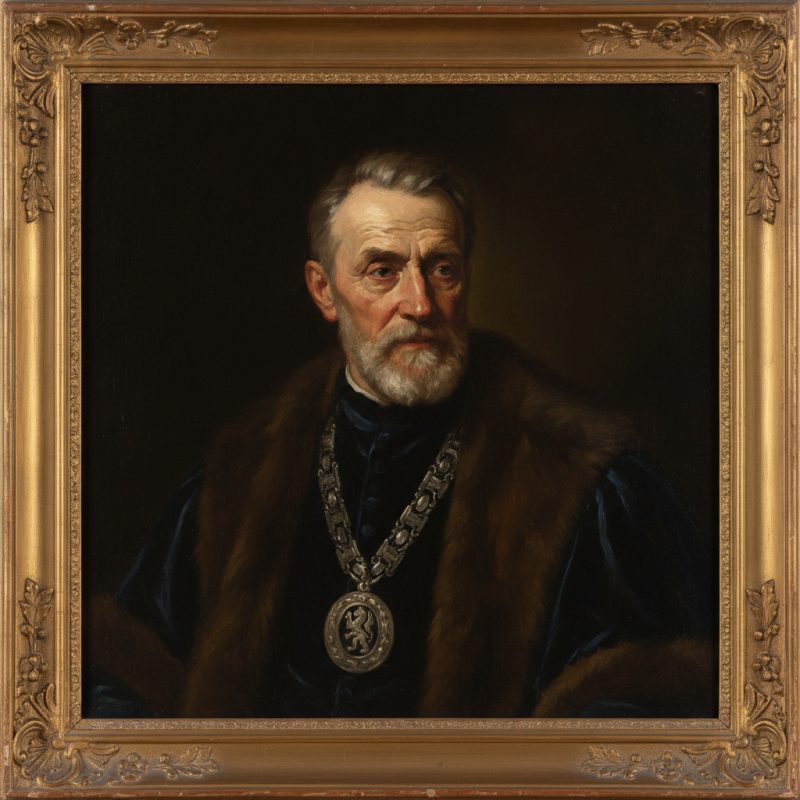
Chamberlain Iorgu
He arranges the king's audiences and, for a small courtesy, the order in which petitions are read.
1.77 m tall · grey eyes · brown hair · right-handed
-
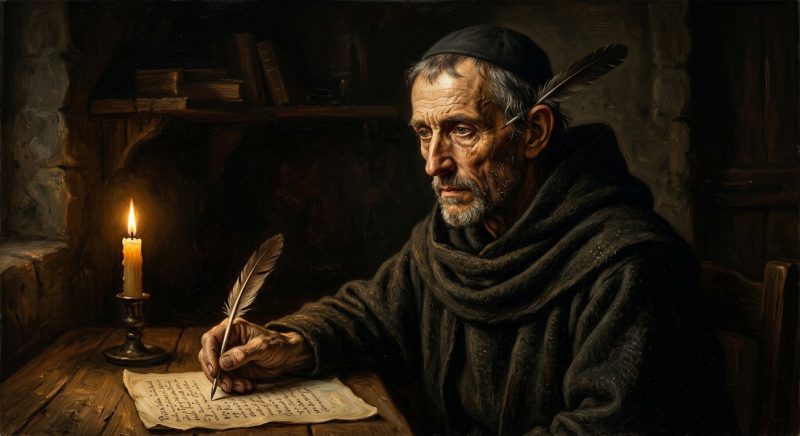
Teofil the Chronicler
He writes the kingdom's history as he is ordered. The unwelcome drafts, however, he keeps every one.
1.69 m tall · brown eyes · greying hair · left-handed
Locations
-
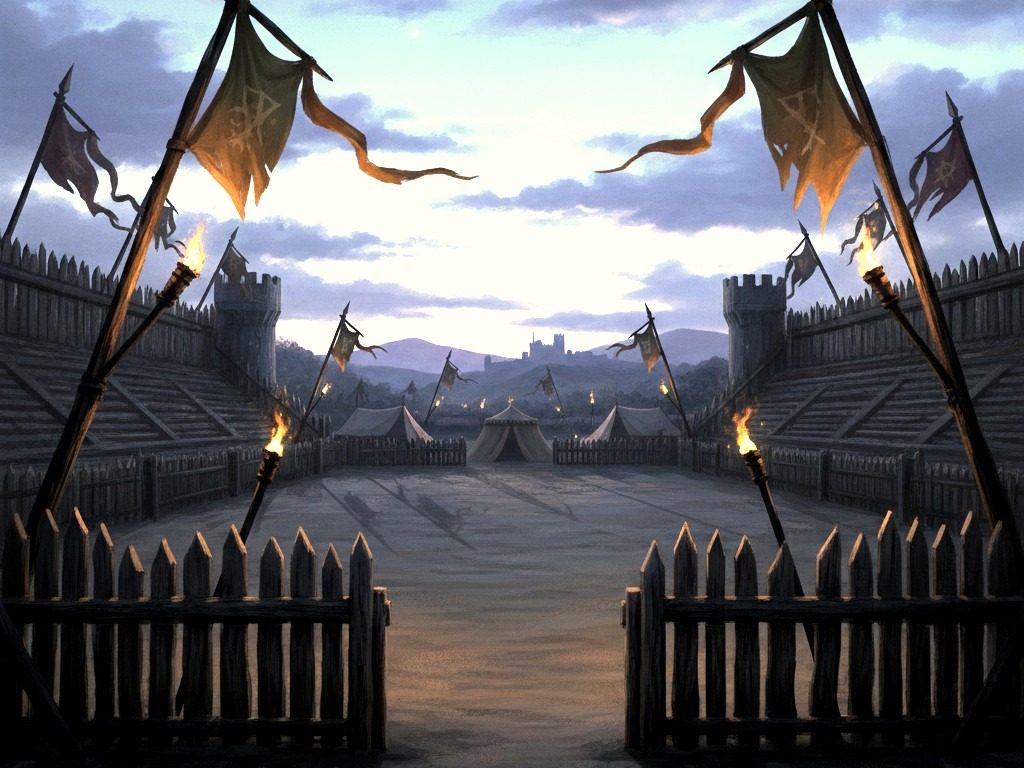
The tourney field
Empty stands outside festival days. An excellent place for meetings that never happened.
-

The watchtower
The highest point of the fortress. From here you see everything - and from below, everyone sees who climbs up.
-

The merchant's house
Carpets brought from overseas and a desk with more secret drawers than drawers.
-

The old dungeon
Cells abandoned since the new dungeon was built. "Abandoned" is one way of putting it.
-

The north wall
The stretch of wall the patrol skirts when the wind blows. Everyone knows that.
Objects
-
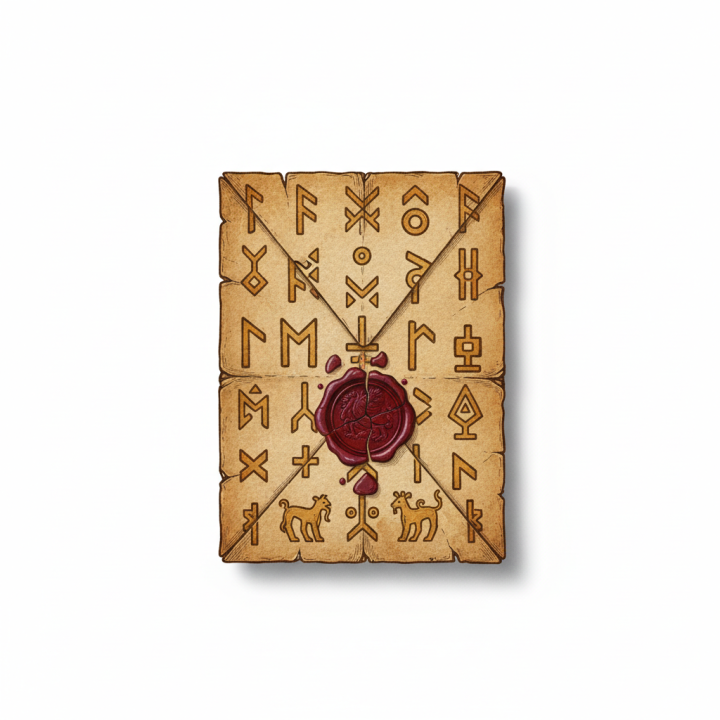
The ciphered letter
Orderly rows of meaningless signs. The ink is costly, the paper costlier, the sender - unknown.
-
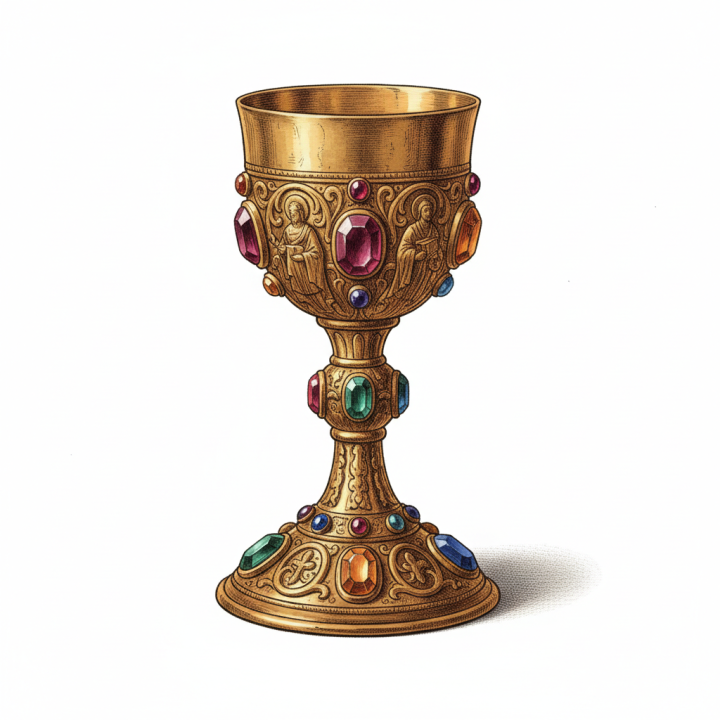
The bishop's chalice
Gold set with blue stones. Blessed three times, stolen twice.
-
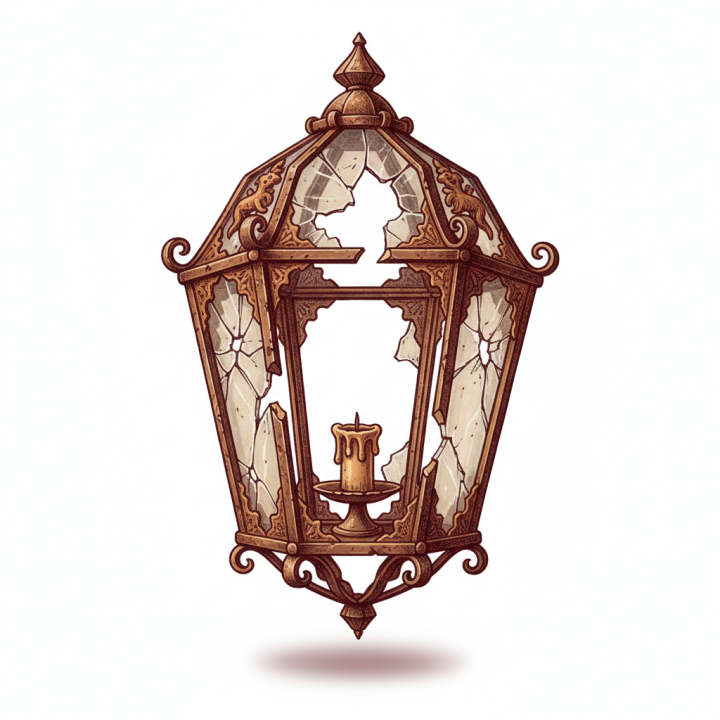
The broken lantern
The glass cracked, the wick burned to the end. Someone needed a lot of light, fast.
-
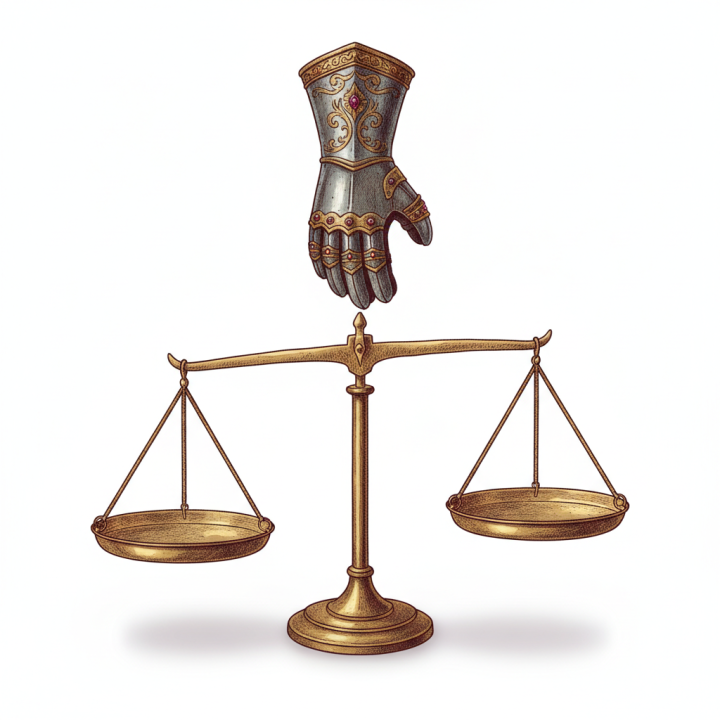
The customs scales
Copper pans, sealed weights. One of the weights rings hollow.
-

The vial of belladonna
A small flask, a wax stopper, a label written with care. Three-quarters empty.
Motives
-
Revenge
O datorie de sânge pe care numai fapta o mai șterge.
-

Jealousy
Otrava care mistuie pe cel ce râvnește ce nu-i al lui.
-
A debt of honour
O făgăduială care cântărește mai greu decât viața.
-
Fear of exposure
Groaza de a fi dat în vileag, care împinge la orice.
-

The inheritance
O avere așteptată, pe care numai o moarte o desparte de mână.
The evidence gathered on file
This much the investigation had at its disposal, not a line more. The set is minimal by construction — remove any of the rows below and the dossier becomes unsolvable again.
- The chronicler notes drily: the ciphered letter and fear of exposure go together, whatever the court may say.
- The traces left at the scene show it plainly: the culprit was at the tourney field.
- The tracks in the dust do not lie: the broken lantern and a debt of honour go together.
- The chancellor deduced it coldly: if Chamberlain Iorgu was in the place with more secret drawers than drawers, then the suspect with green eyes handled the bishop's chalice.
- The gate guard swears: the suspect with brown hair was at the merchant's house.
- The chronicler notes drily: the suspect with brown hair was driven by revenge, whatever the court may say.
- Before the investigator, Ban Radu the Silent firmly repeats: "I was at the north wall".
- In the Chancellery's ledger it stands in black and white: the customs scales and the inheritance go together.
- The tracks in the dust do not lie: Costache the Toll-Keeper was in the place the patrol skirts when the wind blows.
- The gate guard swears: the north wall and the inheritance go together.
- In the Chancellery's ledger it stands in black and white: the watchtower and a debt of honour go together.
Break the seal: the Chancellery's reasoning — warning, the culprit is named beyond this point
The road to the verdict
The start was not a culprit hunted by candlelight but whatever could be proved. The rest followed of itself, by cutting.
The examination of the place yielded this as well: “The chronicler notes drily: the ciphered letter and fear of exposure go together, whatever the court may say”. Once the tick was placed, the investigation had nothing left to argue on that row and moved on.
The clerk read the next line aloud: “The traces left at the scene show it plainly: the culprit was at the tourney field”. One attribute of the culprit, no more. Enough, though, to leave on the list only whoever has it.
This page was stitched into the file too: “The tracks in the dust do not lie: the broken lantern and a debt of honour go together”. From then on that cell could no longer be disputed, and the dispute moved one row down.
From here things gathered pace. Within a few hours the file received: “The chancellor deduced it coldly: if Chamberlain Iorgu was in the place with more secret drawers than drawers, then the suspect with green eyes handled the bishop's chalice”; “The gate guard swears: the suspect with brown hair was at the merchant's house”; “The chronicler notes drily: the suspect with brown hair was driven by revenge, whatever the court may say”; “Before the investigator, Ban Radu the Silent firmly repeats: "I was at the north wall"”; “In the Chancellery's ledger it stands in black and white: the customs scales and the inheritance go together”; “The tracks in the dust do not lie: Costache the Toll-Keeper was in the place the patrol skirts when the wind blows”. Not one of them named a culprit. Together, though, they left room for one alone.
The next line was the one that changed the reckoning: “The gate guard swears: the north wall and the inheritance go together”. The tick goes down without hesitation, and with it fall all the other cells on that row and that column.
The archivist underlined the following line with his nail: “In the Chancellery's ledger it stands in black and white: the watchtower and a debt of honour go together”. A pair was tied, and the knot dragged a whole handful of impossibilities after it.
The lying testimony
The lie came to light by its plain failure to fit. Ban Radu the Silent swore before the Chancellery that I was at the north wall, yet everything that could be proved shows the opposite: Ban Radu the Silent never set foot in the north wall. Under the Supreme Law that failure to fit is the culprit's own signature.
The seal on the file
At the end of the grid one name alone remained: Ban Radu the Silent. The grid shows plainly how matters stood: Ban Radu the Silent was at the tourney field, handled the ciphered letter and was driven by fear of exposure. It was reached only by driving each supposition to its absurd end — a tier III dossier, and rightly so.
Those taken out of the circle
The others found their acquittal in the grid as well: Pantelimon the Gardener was at the old dungeon, handled the bishop's chalice and was driven by jealousy; Costache the Toll-Keeper was at the north wall, handled the customs scales and was driven by the inheritance; Chamberlain Iorgu was at the merchant's house, handled the vial of belladonna and was driven by revenge; Teofil the Chronicler was at the watchtower, handled the broken lantern and was driven by a debt of honour. Not one of the rows above is spare — remove it and the grid opens again.
The chronicle ends here. The truth was not torn out by force but gathered patiently, cell by cell, until the lie had nowhere left to hide.
Play this dossier All mysteries
The chronicles are written by the Enigmerra Chancellery out of the dossier's own logic: every step above is verified by the solver which proved, at publication, that the dossier has a unique solution. behind the scenes at the Chancellery.