
Chronicle of the solution: The Feast Plot
Poisoning Tier III
The poisoning file is closed. What remains is the part worth learning: how one got from an upturned cup to a name.
The deed, as it was recorded
The healers shook their heads, and the Chancellery understood at once: not illness, but poison. The dose was measured with care — enough not to look like chance, too little to go unpunished. Before you, one by one, will stand Countess Velica de Arin, Iustin the Mariner, Sir Bogdan de Fag, Brother Anselm and Castellan Ursu. The places named in the testimonies — the cathedral crypt, the north wall, the salt market, the wharf and the old dungeon — each await their turn under scrutiny. Few files have tested so many investigators; untangle the threads, catch the lie, and pronounce your verdict.
Called to judgement were Countess Velica de Arin, Iustin the Mariner, Sir Bogdan de Fag, Brother Anselm and Castellan Ursu. Each had somewhere to begin a story; one alone had reason to change it.
The suspects
-
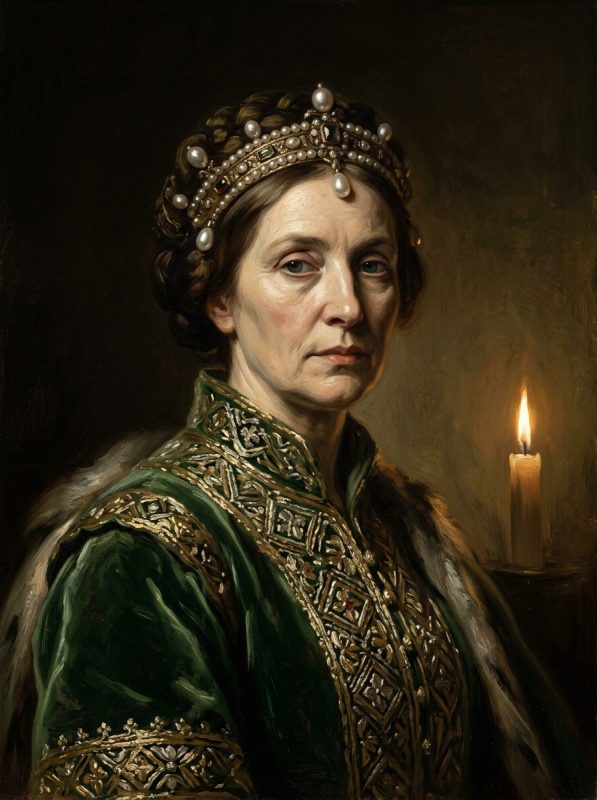
Countess Velica de Arin
She collects fans, debts of honour, and bedchamber secrets. She wields all three as weapons.
1.70 m tall · green eyes · red hair · left-handed
-
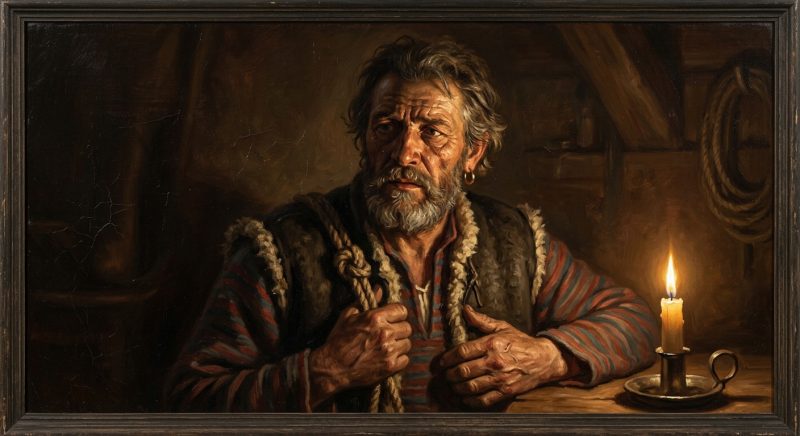
Iustin the Mariner
He brings goods from ports with unpronounceable names. Half the cargo never appears in the customs records.
1.78 m tall · blue eyes · black hair · left-handed
-
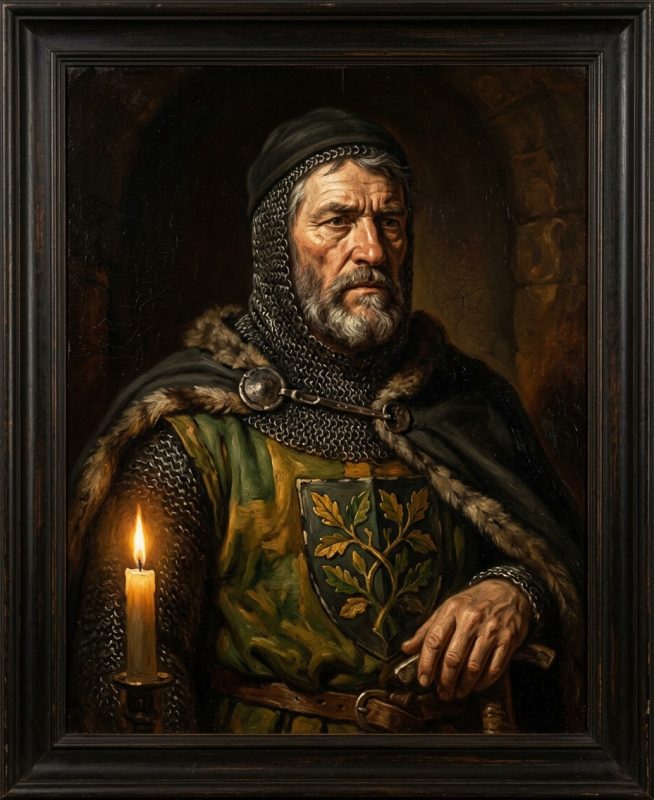
Sir Bogdan de Fag
He pawned his armour to pay his tavern debts. Honour, he says, does not rust.
1.85 m tall · blue eyes · brown hair · right-handed
-

Brother Anselm
He has copied manuscripts for forty years. He knows what every one of them says - including the forbidden ones.
1.75 m tall · brown eyes · greying hair · right-handed
-
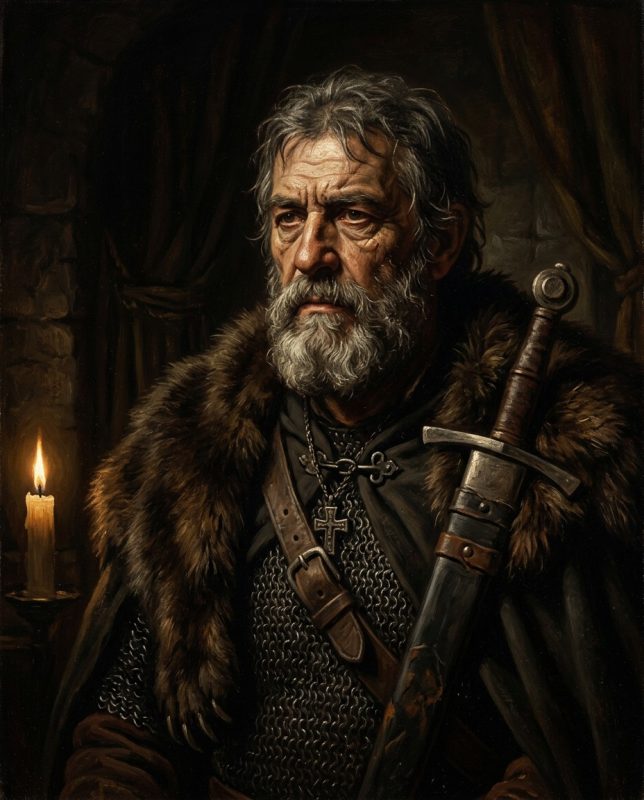
Castellan Ursu
He keeps the fortress dungeon and the tally of those who leave other than they entered.
1.90 m tall · dark eyes · black hair · right-handed
Locations
-

The cathedral crypt
The old kings sleep beneath crested slabs. Now and then, someone disturbs their rest.
-

The north wall
The stretch of wall the patrol skirts when the wind blows. Everyone knows that.
-
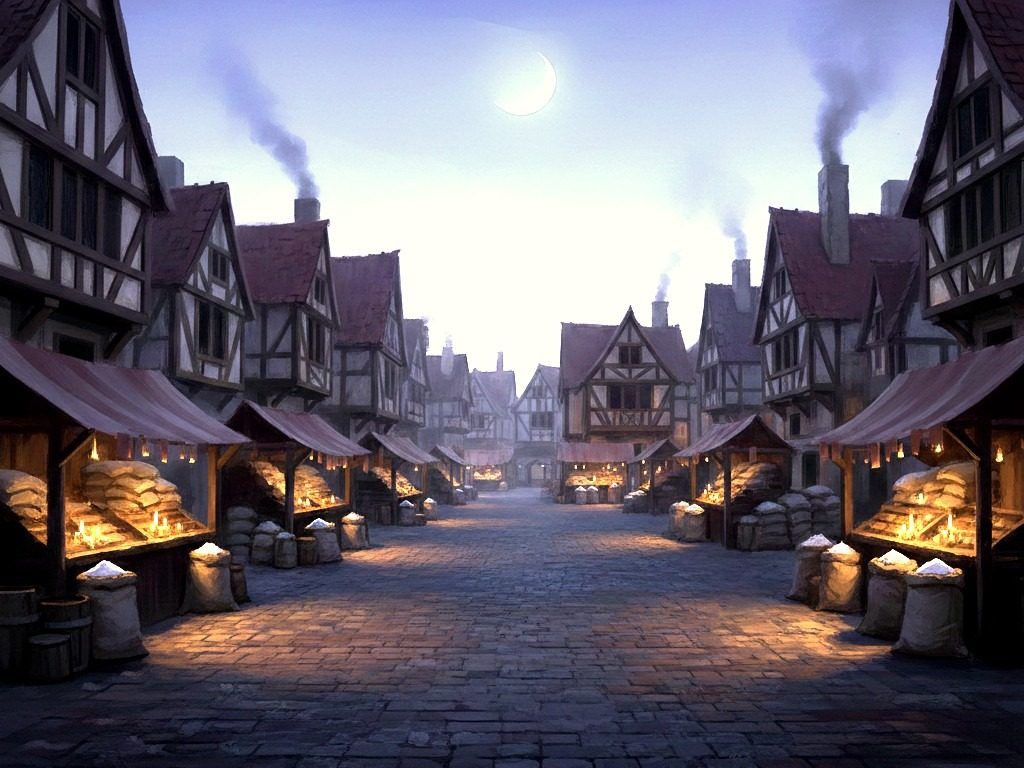
The salt market
Here anything is bargained for, from salt to silences. The price of silence keeps rising.
-

The wharf
Moored boats, wet ropes, and goods that prefer to arrive in the fog.
-

The old dungeon
Cells abandoned since the new dungeon was built. "Abandoned" is one way of putting it.
Objects
-
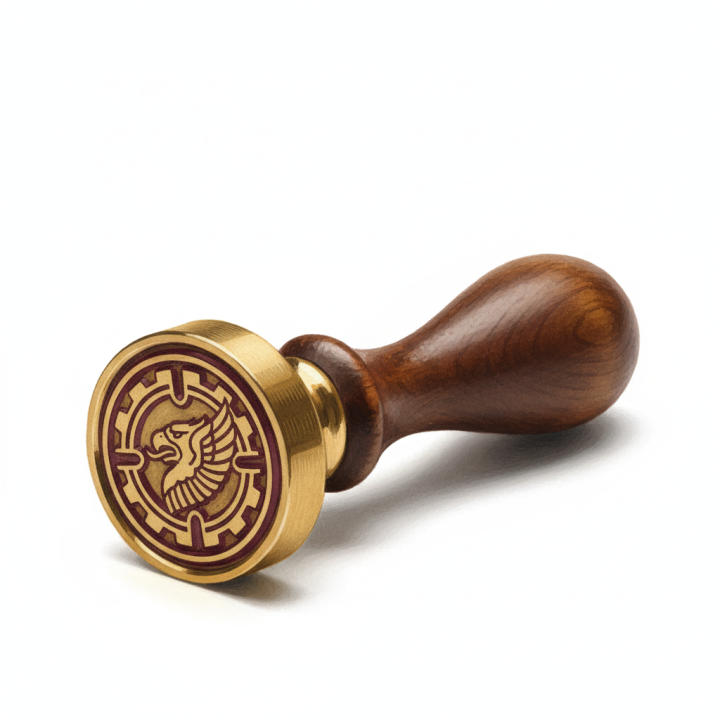
The guild seal
The stamp that turns any goods into goods "of certified quality." Worth a mine of gold.
-
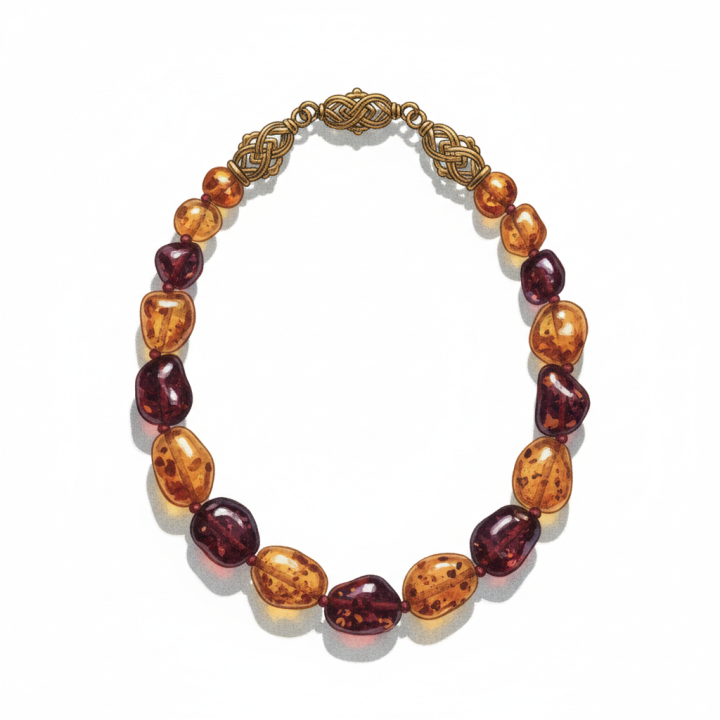
The amber necklace
Beads of golden resin strung on a silk thread. The thread is broken and hastily reknotted.
-
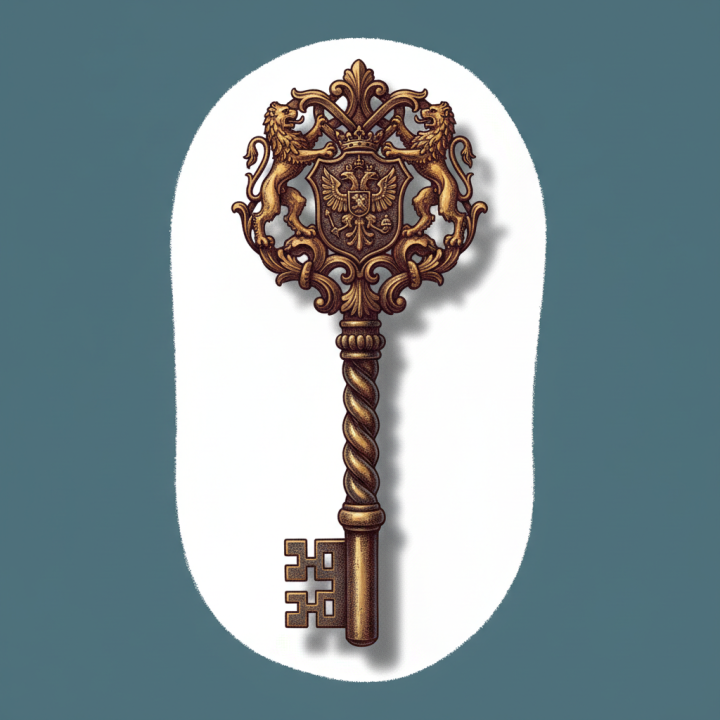
The bronze key
Heavy, old, its teeth worn smooth. No one knows what door it opens anymore - or so they say.
-

The ceremonial crown
The "wearable" copy of the true crown. At least, that was the idea.
-
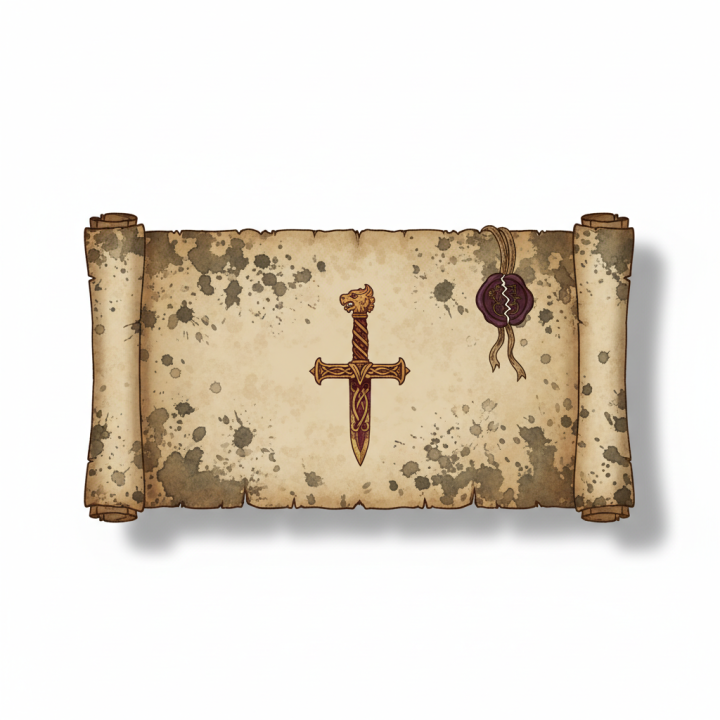
The stained parchment
A half-burned document with a stain that might be wine. Or not.
Motives
-

A debt of honour
O făgăduială care cântărește mai greu decât viața.
-

Blackmail
Un secret ținut ca funia la gât, strâns exact cât trebuie.
-

The inheritance
O avere așteptată, pe care numai o moarte o desparte de mână.
-
Revenge
O datorie de sânge pe care numai fapta o mai șterge.
-
Fear of exposure
Groaza de a fi dat în vileag, care împinge la orice.
The testimonies on file
This much was worked with, no more and no less. Minimality is not a figure of speech: each row was taken out in turn, at trial, and without it the solution ceased to be unique.
- The tracks in the dust do not lie: the stained parchment and a debt of honour go together.
- The traces left at the scene show it plainly: the culprit was at the cathedral crypt.
- The gate guard swears: the ceremonial crown and the inheritance go together.
- A maid whispered it at confession: the salt market and the guild seal go together.
- The tracks in the dust do not lie: the suspect with greying hair handled the amber necklace.
- In the Chancellery's ledger it stands in black and white: Castellan Ursu was at the old dungeon.
- In the Chancellery's ledger it stands in black and white: the old dungeon and blackmail go together.
- The tracks in the dust do not lie: the wharf and a debt of honour go together.
- An unsigned note, slipped under the door: "the culprit was driven by revenge".
- Before the investigator, Iustin the Mariner firmly repeats: "I was at the wharf".
- The healer says it with a raised finger: if Castellan Ursu handled the bronze key, then Countess Velica de Arin handled the guild seal.
Reveal the Chancellery's reasoning — warning, the culprit is named beyond this point
How it was unravelled
It began with certainties, however small. A small certainty closes an entire row, and closed rows add up quickly.
A detail overlooked at the start came back into the file: “The tracks in the dust do not lie: the stained parchment and a debt of honour go together”. A certain match thus enters the grid, and its row and column empty at once of every other possibility.
A witness of good faith cleared up one more corner: “The traces left at the scene show it plainly: the culprit was at the cathedral crypt”. The line names nobody, but it binds the culprit to a fact — and every suspect who cannot carry it leaves the circle.
This page was stitched into the file too: “The gate guard swears: the ceremonial crown and the inheritance go together”. One more certainty means, in a deduction grid, a whole fistful of impossibilities — and so it proved here.
The file thickened quickly, and every fresh page cut something away: “A maid whispered it at confession: the salt market and the guild seal go together”; “The tracks in the dust do not lie: the suspect with greying hair handled the amber necklace”; “In the Chancellery's ledger it stands in black and white: Castellan Ursu was at the old dungeon”; “In the Chancellery's ledger it stands in black and white: the old dungeon and blackmail go together”; “The tracks in the dust do not lie: the wharf and a debt of honour go together”; “An unsigned note, slipped under the door: "the culprit was driven by revenge"”. Each cut a strip out of the grid, and at the end of them the space remaining was the size of a name.
The Chancellery began with what could be verified: “Before the investigator, Iustin the Mariner firmly repeats: "I was at the wharf"”. Here the investigation had to judge twice: once the testimony, once the one who gives it.
This particular came to light as well: “The healer says it with a raised finger: if Castellan Ursu handled the bronze key, then Countess Velica de Arin handled the guild seal”. A condition is a trap with the spring drawn: it catches nothing until somebody treads on it.
The lying testimony
The Supreme Law worked here the other way about, and that is exactly why it is worth telling. The single testimony on file withstood checking. Since only the culprit lies, the fact that not one of those who spoke contradicted the grid took them out of the circle one by one — and the guilt was left with the one who chose to stay silent. Silence is no proof in itself, but here it was the only place the grid still left free.
The culprit's name
The verdict wrote itself — the culprit is Brother Anselm. When the deed took place, Brother Anselm was at the cathedral crypt, handled the amber necklace and was driven by revenge. Plain elimination was not enough here: every suspect had to be tried as the culprit until all hypotheses but one shattered. Hence the dossier stands at tier III.
What became of the others
And here is what had become of the others, in that same hour: Countess Velica de Arin was at the salt market, handled the guild seal and was driven by fear of exposure; Iustin the Mariner was at the wharf, handled the stained parchment and was driven by a debt of honour; Sir Bogdan de Fag was at the north wall, handled the ceremonial crown and was driven by the inheritance; Castellan Ursu was at the old dungeon, handled the bronze key and was driven by blackmail. They look like rows of padding and they are not: the whole of the rest rests on them.
Whoever reads this chronicle years from now will find in it less a deed than a method.
Play this dossier All mysteries
The chronicle is written from the logic of the file, not from memory. The uniqueness of the solution was demonstrated by the solver before the dossier ever became public. behind the scenes at the Chancellery.