
Chronicle of the solution: The Hour of the Abbey
Forged decree Tier III
The lying seal has been prised from the hand that pressed it, and the road to that hand is written out below.
The dossier, on a first reading
A seal that never lies has been placed, this once, in the service of a lie. The forgery is skilled: only an eye trained on the archives found its flaw. Suspicion has fallen on Lady Ruxandra, Sava the Bell-Ringer, Petru the Herald, Zaharia the Spice Merchant and Ilinca the Baker — and until the proof is plain, none of these names leaves the room. The hours in question: "at dawn", "after matins", "at noon", "at dusk" and "at vespers". Few files have tested so many investigators; untangle the threads, catch the lie, and pronounce your verdict.
Suspicion settled on these: Lady Ruxandra, Sava the Bell-Ringer, Petru the Herald, Zaharia the Spice Merchant and Ilinca the Baker. From then on the names mattered less than what could be proved about each.
The suspects
-
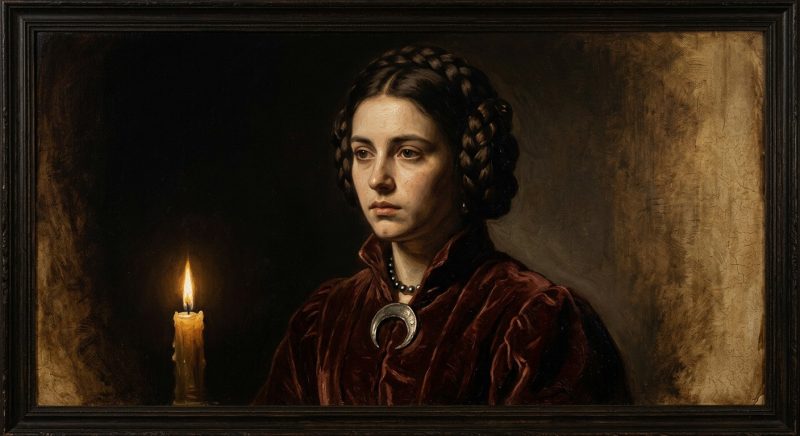
Lady Ruxandra
The queen's shadow at every hour. She hears everything, sees everything, and embroiders all she learns into patterns known only to her.
1.65 m tall · blue eyes · blond hair · right-handed
-
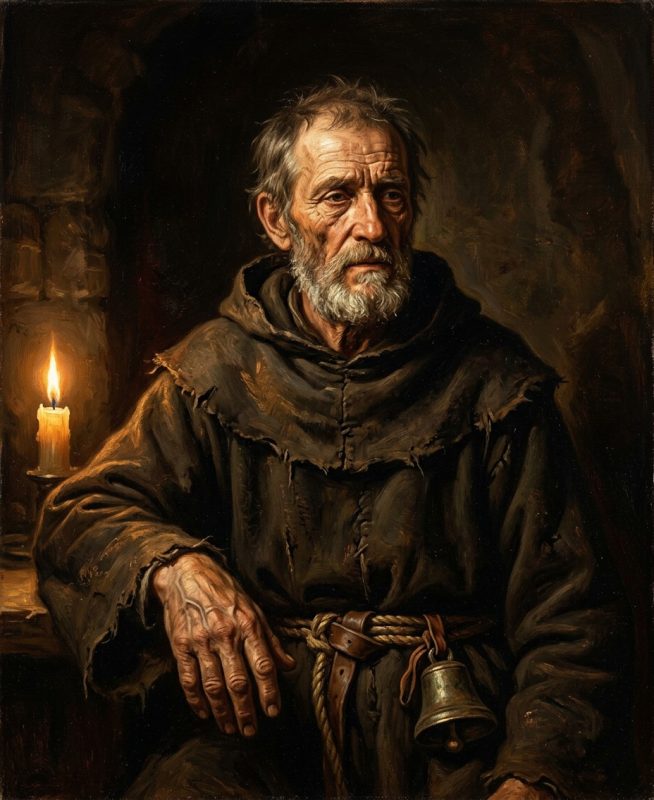
Sava the Bell-Ringer
He has rung the cathedral bells on the hour for thirty years. He sees the whole city from above and forgives nothing he sees.
1.83 m tall · brown eyes · greying hair · right-handed
-
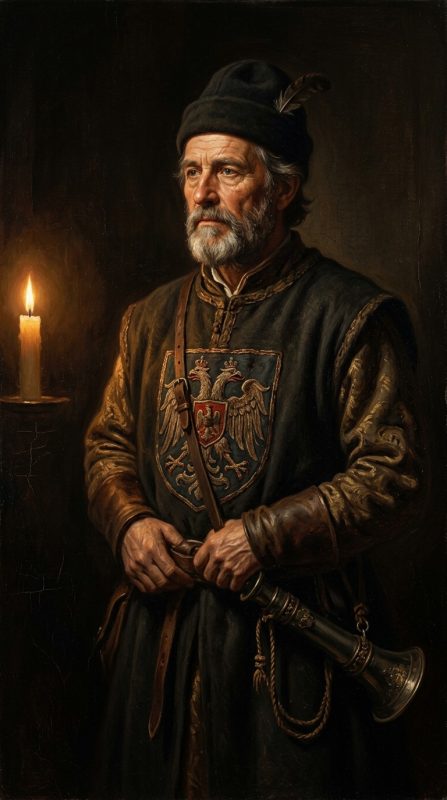
Petru the Herald
He proclaims the crown's will to every corner of the kingdom. Sometimes he proclaims it before the crown itself knows.
1.82 m tall · blue eyes · blond hair · right-handed
-

Zaharia the Spice Merchant
His ships bring pepper, saffron, and news no one asked for. All of it at the same price: steep.
1.74 m tall · dark eyes · black hair · right-handed
-
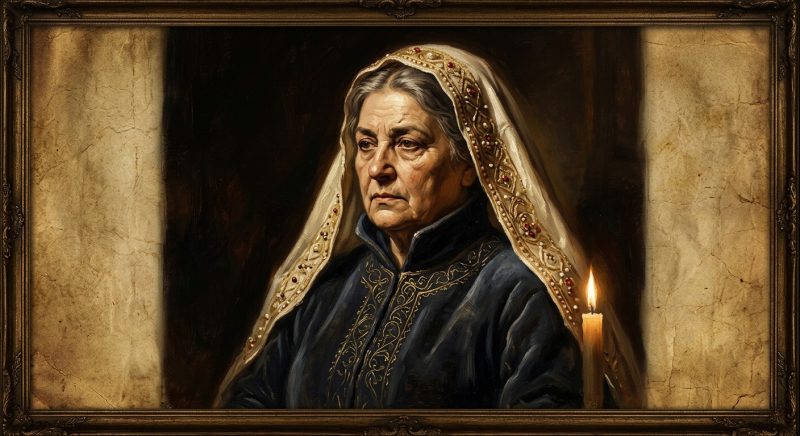
Ilinca the Baker
She weighs flour to the gram and people at a glance. No one stays in her debt twice.
1.62 m tall · brown eyes · chestnut hair · right-handed
Locations
-

The wharf
Moored boats, wet ropes, and goods that prefer to arrive in the fog.
-
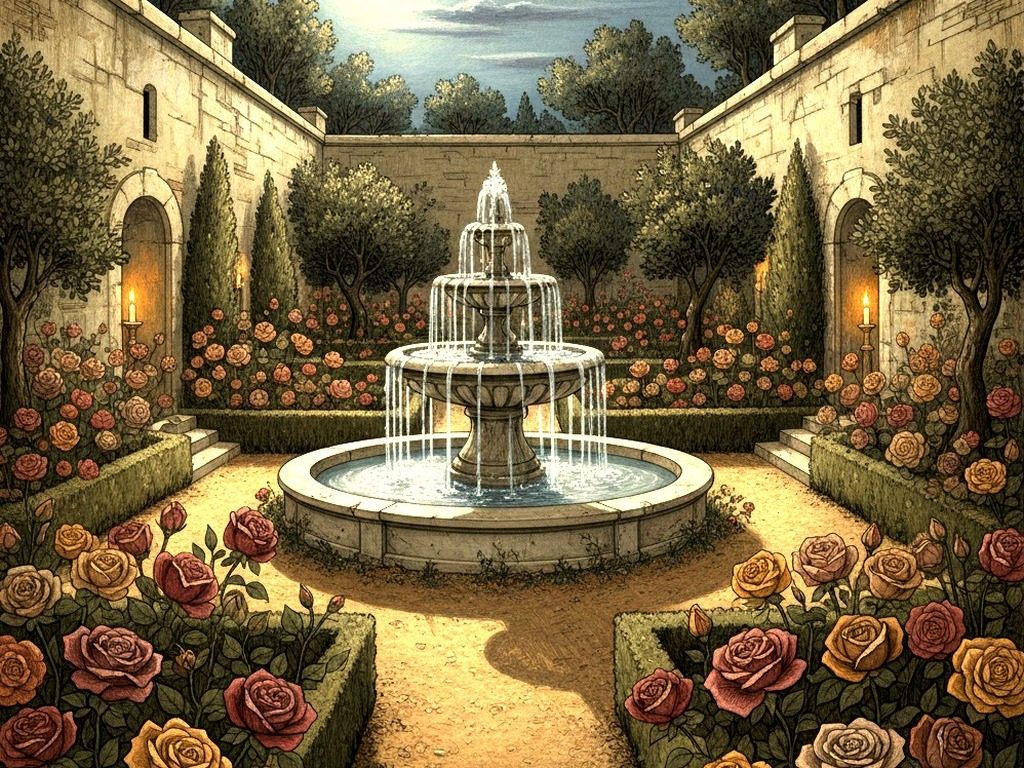
The queen's garden
Roses trimmed to a line and paths you may walk only by invitation. At night, the hedge has ears.
-
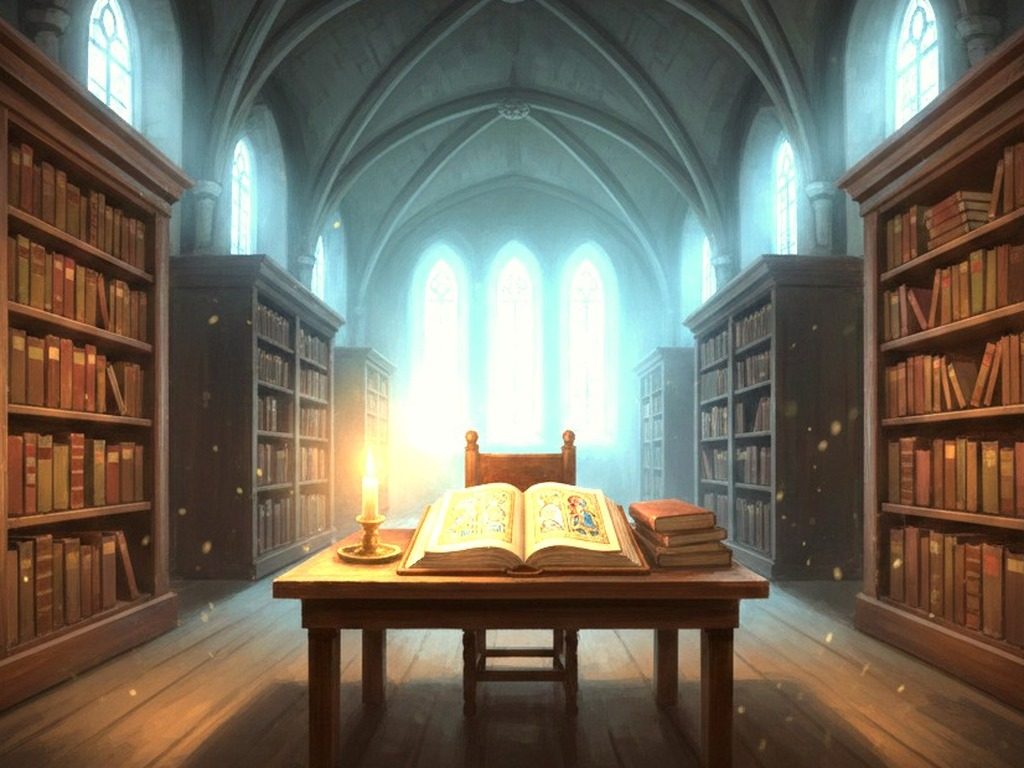
The abbey library
Thousands of leather-bound tomes. Some of the chains on the shelves were cut recently.
-

The merchant's house
Carpets brought from overseas and a desk with more secret drawers than drawers.
-

The cathedral crypt
The old kings sleep beneath crested slabs. Now and then, someone disturbs their rest.
Objects
-

The hunting crossbow
Light, accurate, with a walnut stock. Exactly one bolt is missing from the quiver.
-

The royal seal
Whoever holds it can seal any decree. Which is why it should not be wandering the kingdom.
-
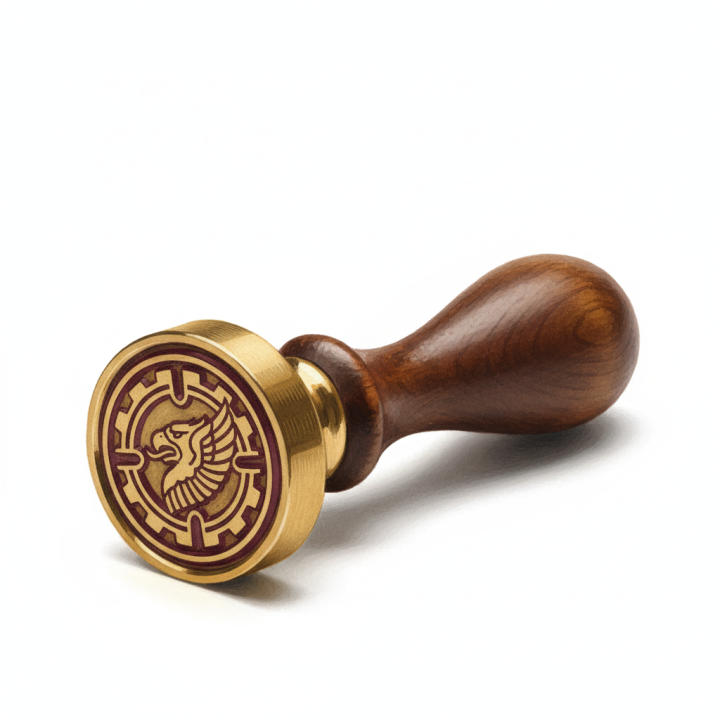
The guild seal
The stamp that turns any goods into goods "of certified quality." Worth a mine of gold.
-

The ledger of accounts
Neat columns of figures, with one page torn out exactly at mid-month.
-
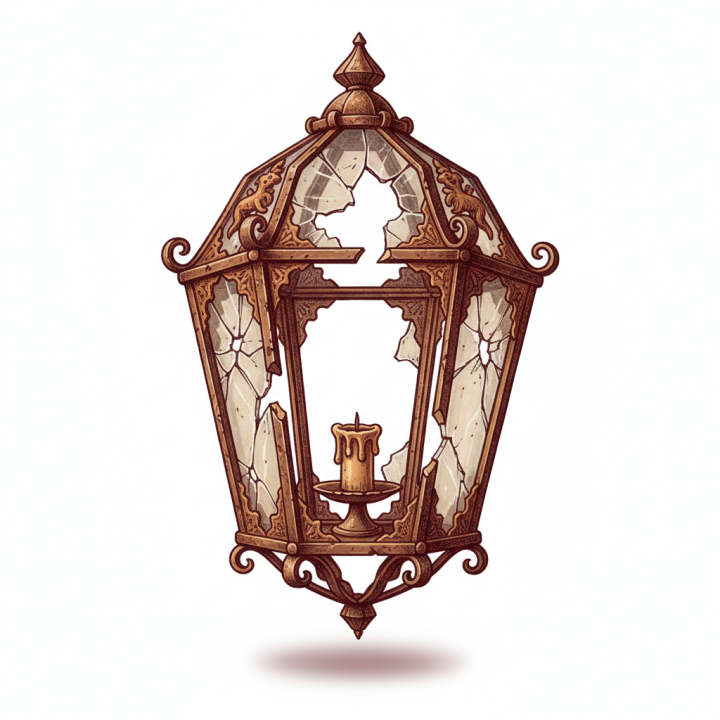
The broken lantern
The glass cracked, the wick burned to the end. Someone needed a lot of light, fast.
Motives
-

A debt of honour
O făgăduială care cântărește mai greu decât viața.
-

The inheritance
O avere așteptată, pe care numai o moarte o desparte de mână.
-
Ambition
Setea de a urca, chiar peste trupuri, spre o treaptă mai înaltă.
-

Blackmail
Un secret ținut ca funia la gât, strâns exact cât trebuie.
-

Greed
Dorința nesățioasă de avere, care nu se oprește la nimic.
Moments
-

At dawn
When the citadel is barely waking and the guards still doze.
-

After matins
The hour after the morning service, when the abbey empties.
-

At noon
Midday, with bustle in the markets and silence in the alcoves.
-

At dusk
When the shadows lengthen and the lanterns are not yet lit.
-

At vespers
At the evening service, when the bells drown out any footstep.
Everything that could be learned
The list below is complete and pared to the bone. The Chancellery keeps no useless rows on file: each cuts something no other cuts.
- The traces left at the scene show it plainly: the culprit was driven by ambition.
- The hounds caught no scent at all: Petru the Herald never set foot in the queen's garden.
- A maid whispered it at confession: the royal seal and greed go together.
- The tracks in the dust do not lie: Sava the Bell-Ringer handled the guild seal.
- The night watch saw the shortest suspect first, and only then Zaharia the Spice Merchant.
- The chronicler notes drily: blackmail matches that hour: at noon, whatever the court may say.
- Ilinca the Baker declares under oath: "I was there at vespers".
- The tracks in the dust do not lie: the wharf and blackmail go together.
- The chronicler notes drily: the suspect with greying hair was there at vespers, whatever the court may say.
- The tracks in the dust do not lie: the merchant's house and a debt of honour go together.
- The chronicler notes drily: the broken lantern and ambition go together, whatever the court may say.
- In the Chancellery's ledger it stands in black and white: the abbey library and the ledger of accounts go together.
- Petru the Herald declares under oath: "I was there after matins".
- An honest-faced witness saw it plainly: Lady Ruxandra was at the abbey library.
Open the full reasoning — the culprit's name is spoken from here on
How the circle closed
The Chancellery does not work with impressions. It works with a grid in which every cell has exactly one answer, and with the patience to find it.
The next line was the one that changed the reckoning: “The traces left at the scene show it plainly: the culprit was driven by ambition”. The Chancellery learned something about the culprit, but not who they were. The grid did the rest.
A piece of information dearly bought showed its worth: “The hounds caught no scent at all: Petru the Herald never set foot in the queen's garden”. The negation does not say who did it, but it says who did not — and in the end that is enough.
The clerk read the next line aloud: “A maid whispered it at confession: the royal seal and greed go together”. One more certainty means, in a deduction grid, a whole fistful of impossibilities — and so it proved here.
The pages gathered fast, and each cut a strip out of the grid: “The tracks in the dust do not lie: Sava the Bell-Ringer handled the guild seal”; “The night watch saw the shortest suspect first, and only then Zaharia the Spice Merchant”; “The chronicler notes drily: blackmail matches that hour: at noon, whatever the court may say”; “Ilinca the Baker declares under oath: "I was there at vespers"”; “The tracks in the dust do not lie: the wharf and blackmail go together”; “The chronicler notes drily: the suspect with greying hair was there at vespers, whatever the court may say”; “The tracks in the dust do not lie: the merchant's house and a debt of honour go together”; “The chronicler notes drily: the broken lantern and ambition go together, whatever the court may say”; “In the Chancellery's ledger it stands in black and white: the abbey library and the ledger of accounts go together”. Each cut a strip out of the grid, and at the end of them the space remaining was the size of a name.
The examination of the place yielded this as well: “Petru the Herald declares under oath: "I was there after matins"”. Here the investigation had to judge twice: once the testimony, once the one who gives it.
The Chancellery asked for one more check, and received it: “An honest-faced witness saw it plainly: Lady Ruxandra was at the abbey library”. A certain match thus enters the grid, and its row and column empty at once of every other possibility.
The word that would not fit
The Chancellery caught the mismatch on its first reading of the grid. Ilinca the Baker swore before the Chancellery that I was there at vespers, when in fact Ilinca the Baker was not present at vespers. The innocent have no cause to lie; under the Supreme Law, whoever does points at themselves.
The Chancellery's verdict
The Chancellery pronounced its verdict without hesitation: the culprit is Ilinca the Baker. When the deed took place, Ilinca the Baker was at the queen's garden, handled the broken lantern, was driven by ambition and was there at dawn. Tier III is no empty word: without the method of hypotheses, this grid would not have closed.
The acquittal of the rest
The innocent were not left without a story; each had a place of their own: Lady Ruxandra was at the abbey library, handled the ledger of accounts, was driven by the inheritance and was there at dusk; Sava the Bell-Ringer was at the merchant's house, handled the guild seal, was driven by a debt of honour and was there at vespers; Petru the Herald was at the cathedral crypt, handled the royal seal, was driven by greed and was there after matins; Zaharia the Spice Merchant was at the wharf, handled the hunting crossbow, was driven by blackmail and was there at noon. They look like rows of padding and they are not: the whole of the rest rests on them.
The file sits on its shelf today, tied with red cord. What is worth keeping from it is not the culprit's name but the road: every step verifiable, none of them guessed.
Play this dossier All mysteries
The chronicles are written by the Enigmerra Chancellery out of the dossier's own logic: every step above is verified by the solver which proved, at publication, that the dossier has a unique solution. behind the scenes at the Chancellery.