
Chronicle of the solution: The Sign of the Citadel
Espionage Tier III
The spy has been caught, and the thread they left behind is unwound below, from one end to the other.
The dossier, on a first reading
A ciphered letter, found where it had no business being, put the Chancellery on alert: someone is prying for another crown. The spy knows the corridors better than the guards do — an ill sign: it is one of the household. Suspicion has fallen on Abbot Corvus, Balasa the Seamstress, Costache the Toll-Keeper, Iustin the Mariner and Lady Ruxandra — and until the proof is plain, none of these names leaves the room. Motives abound — fear of exposure, revenge, ambition, a debt of honour and blackmail — yet only one moved the guilty hand. A sharp eye is not enough here — it takes an archivist's patience: fit everything together, then pronounce your verdict.
Under suspicion stood Abbot Corvus, Balasa the Seamstress, Costache the Toll-Keeper, Iustin the Mariner and Lady Ruxandra. One of them alone lied; the rest, without knowing it, spoke the truth that gave that one away.
The suspects
-

Abbot Corvus
He raises ravens in the abbey tower. His birds arrive faster than any messenger - and cannot be held to account.
1.78 m tall · dark eyes · no hair · right-handed
-
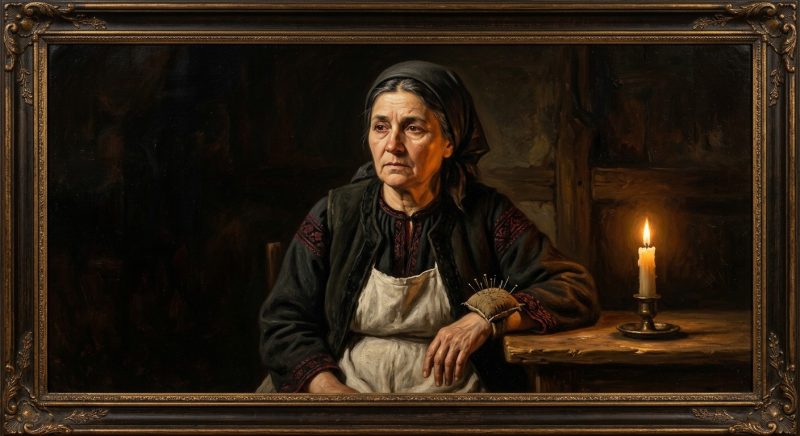
Balasa the Seamstress
She sews the garments of all the nobility and knows everyone's measurements - including those that do not show.
1.59 m tall · blue eyes · red hair · left-handed
-
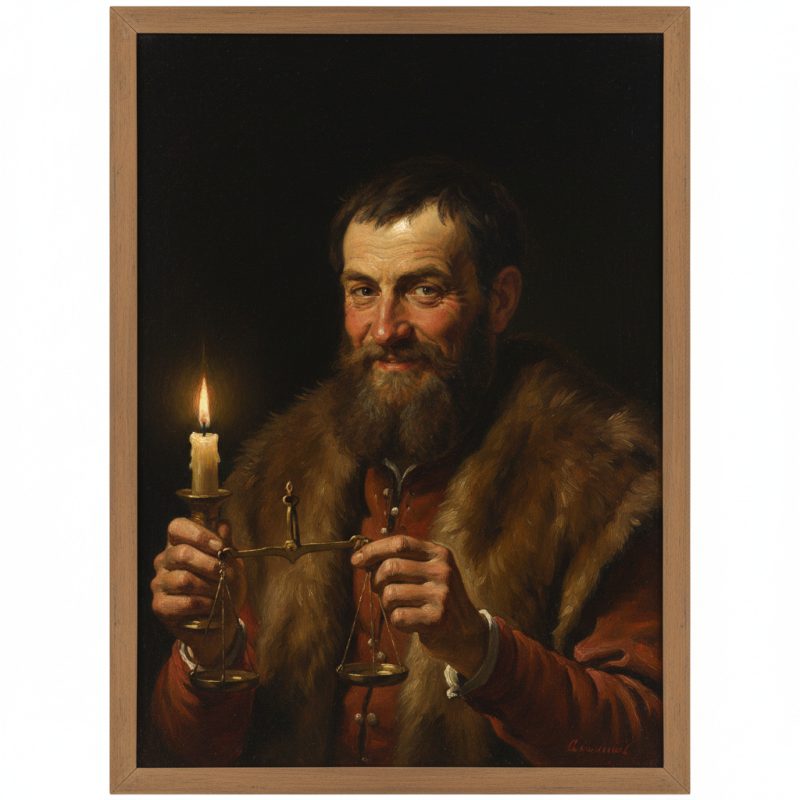
Costache the Toll-Keeper
His scales weigh the goods; his eye, the merchant. Both can be "greased" at need.
1.80 m tall · dark eyes · grey hair · right-handed
-
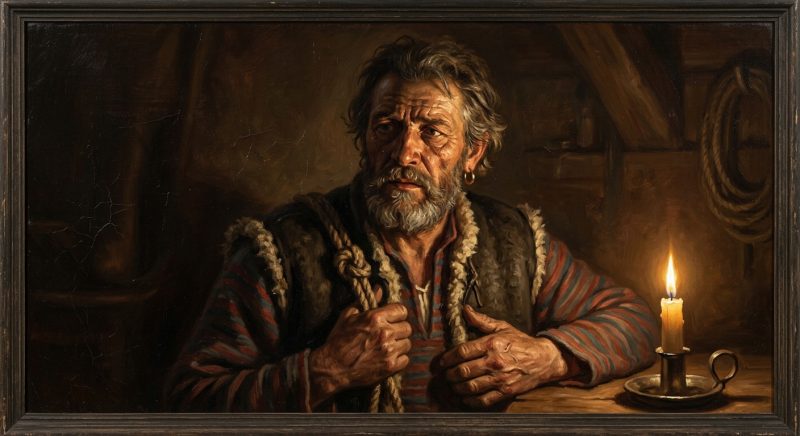
Iustin the Mariner
He brings goods from ports with unpronounceable names. Half the cargo never appears in the customs records.
1.78 m tall · blue eyes · black hair · left-handed
-
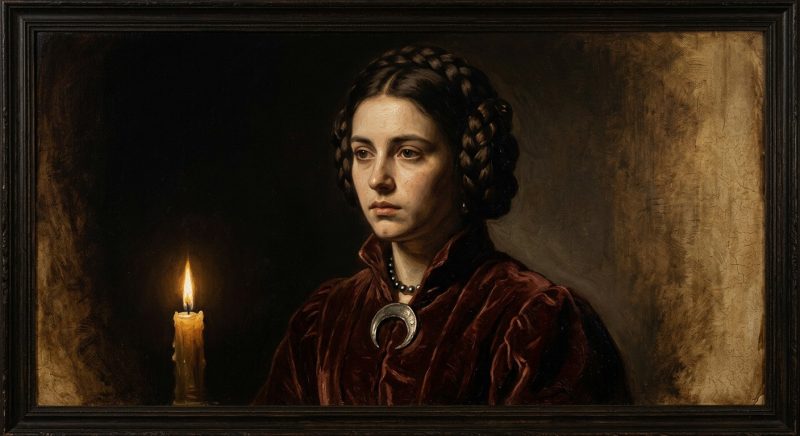
Lady Ruxandra
The queen's shadow at every hour. She hears everything, sees everything, and embroiders all she learns into patterns known only to her.
1.65 m tall · blue eyes · blond hair · right-handed
Locations
-
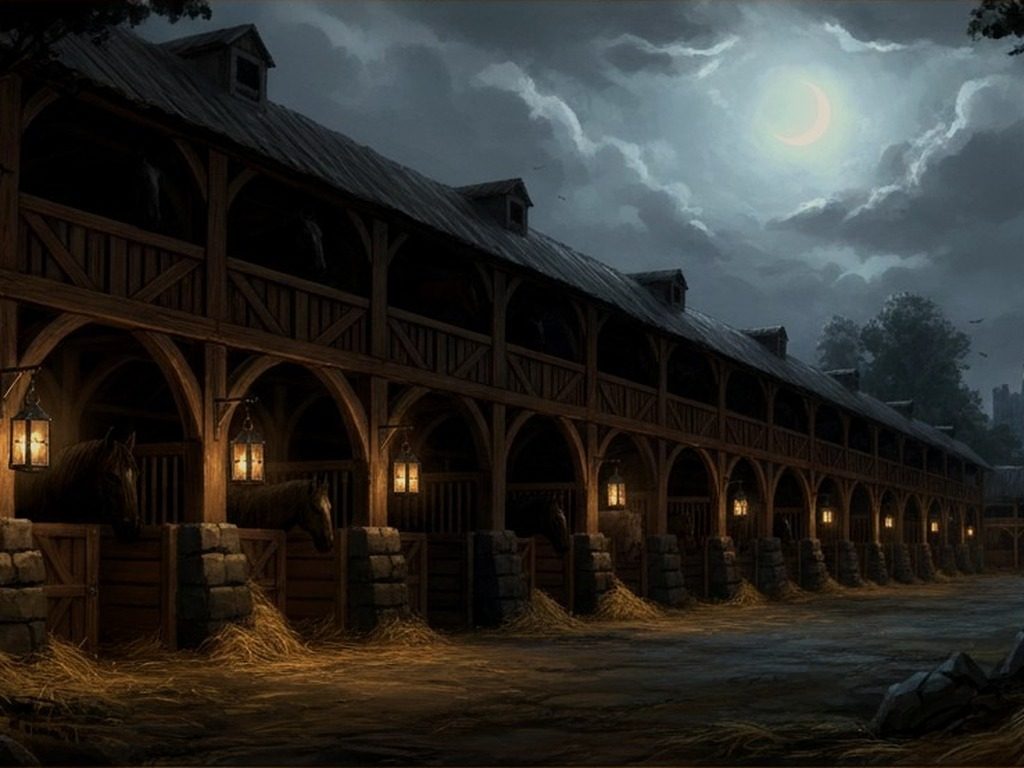
The great stable
It smells of hay and hurried departures. Horses give no testimony.
-

The guild forge
Anvils, tongs, and a fire that never goes out. Many small metal things vanish here.
-

The wharf
Moored boats, wet ropes, and goods that prefer to arrive in the fog.
-
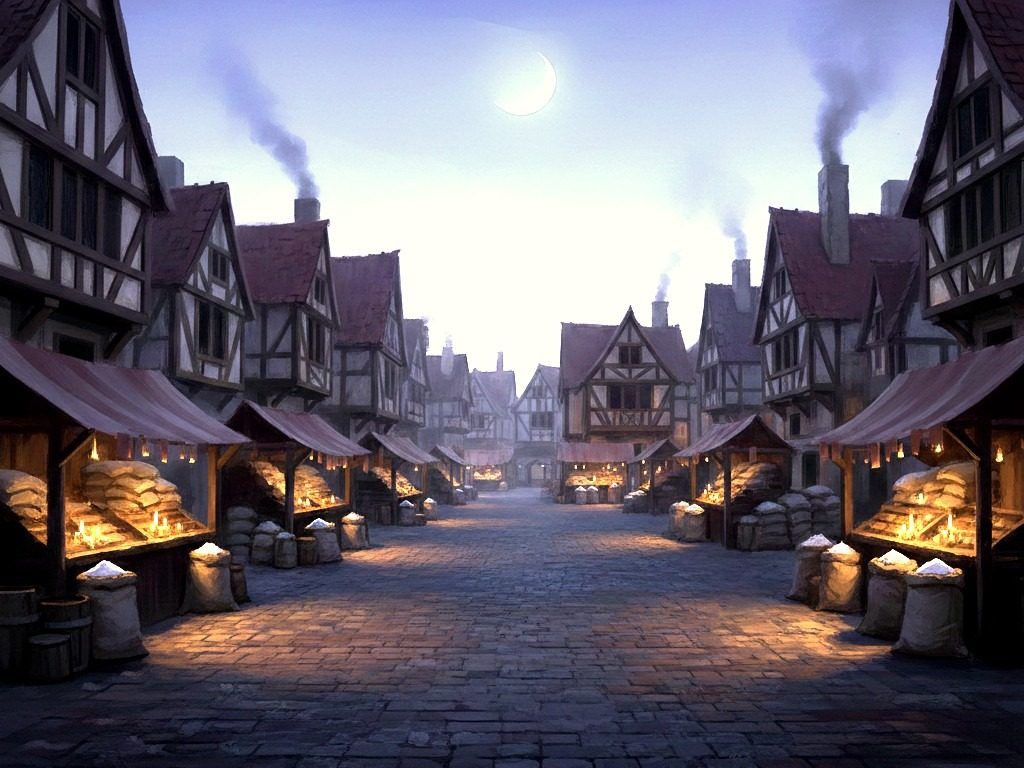
The salt market
Here anything is bargained for, from salt to silences. The price of silence keeps rising.
-

The scriptorium
Slanted desks, ink, and working silence. Here a quill creaks louder than a conscience.
Objects
-
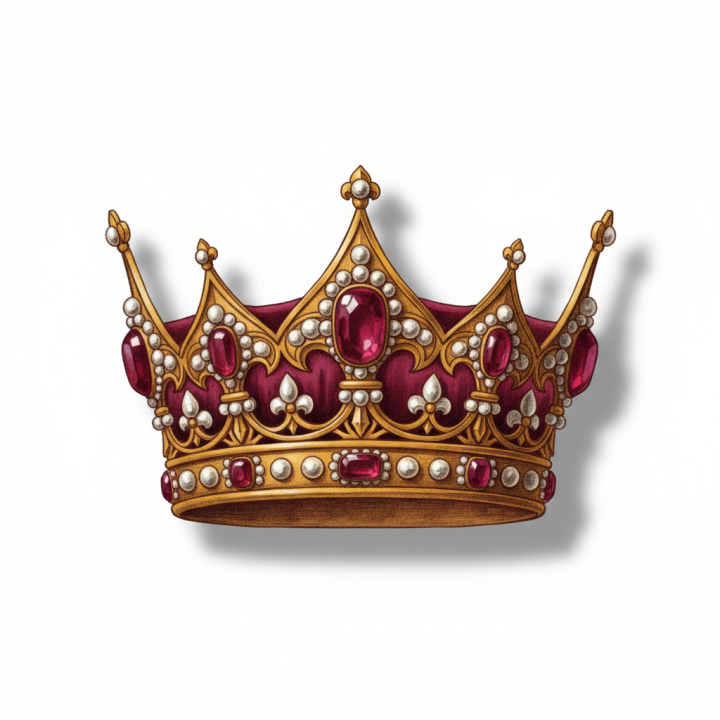
The ceremonial crown
The "wearable" copy of the true crown. At least, that was the idea.
-

The ruby dagger
A short blade, its hilt set with a stone red as a frozen drop. It was sharpened recently.
-

The vial of belladonna
A small flask, a wax stopper, a label written with care. Three-quarters empty.
-
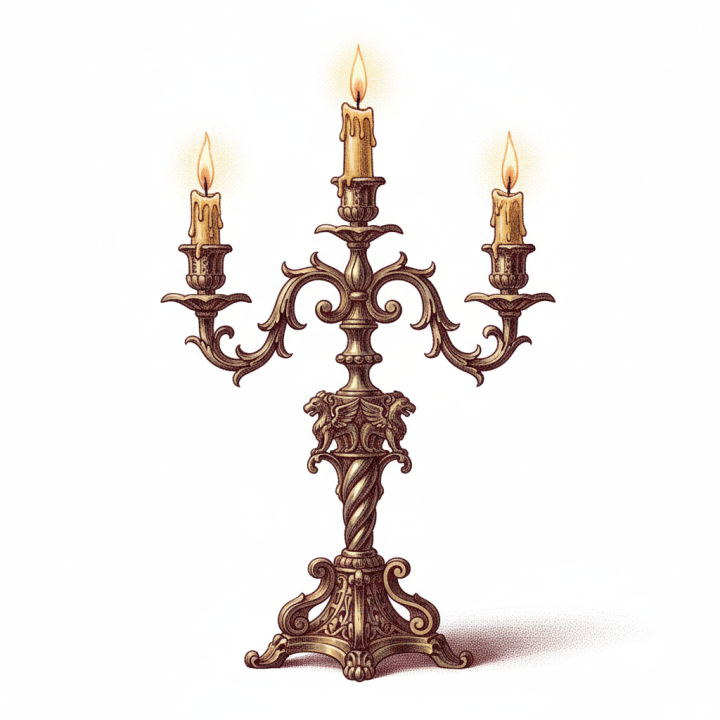
The silver candelabrum
Heavy as a small anvil. It can light a room or end a conversation.
-

The abbess's bell
It calls the nuns to prayer. On the night in question, they all say, it rang once too many.
Motives
-
Fear of exposure
Groaza de a fi dat în vileag, care împinge la orice.
-
Revenge
O datorie de sânge pe care numai fapta o mai șterge.
-
Ambition
Setea de a urca, chiar peste trupuri, spre o treaptă mai înaltă.
-

A debt of honour
O făgăduială care cântărește mai greu decât viața.
-

Blackmail
Un secret ținut ca funia la gât, strâns exact cât trebuie.
Moments
-

At dawn
When the citadel is barely waking and the guards still doze.
-

After matins
The hour after the morning service, when the abbey empties.
-

At noon
Midday, with bustle in the markets and silence in the alcoves.
-

At dusk
When the shadows lengthen and the lanterns are not yet lit.
-

At vespers
At the evening service, when the bells drown out any footstep.
Everything that could be learned
These are all the findings and testimonies the Chancellery had to hand — not one more. The set is minimal by construction: take out a single row and the verdict can no longer be demonstrated.
- The chronicler notes drily: the vial of belladonna and a debt of honour go together, whatever the court may say.
- An unsigned note, slipped under the door: "the culprit was there at noon".
- The gate guard swears: the salt market matches that hour: after matins.
- Two witnesses, upon their crest: the abbess's bell does not match that hour: at dusk.
- Even the jester says it in earnest: the wharf does not match that hour: at dawn.
- A maid whispered it at confession: the great stable and a debt of honour go together.
- The tracks in the dust do not lie: Balasa the Seamstress handled the ruby dagger.
- In the Chancellery's ledger it stands in black and white: the suspect with blond hair was driven by blackmail.
- The healer says it with a raised finger: if Costache the Toll-Keeper was driven by ambition, then Balasa the Seamstress was there at vespers.
- The tracks in the dust do not lie: the great stable matches that hour: at noon.
- At the Chancellery, Lady Ruxandra maintains: "I handled the ceremonial crown".
- The gate guard swears: Costache the Toll-Keeper was driven by ambition.
- A maid whispered it at confession: Balasa the Seamstress was driven by revenge.
- The customs register is clear: Iustin the Mariner was not driven by fear of exposure.
- By the order of the hours, first comes Iustin the Mariner, then Costache the Toll-Keeper.
- The gate guard swears: the scriptorium and the silver candelabrum go together.
- Even the jester says it in earnest: fear of exposure does not match that hour: after matins.
See how the verdict was reached — open only if you have already tried the dossier
The road to the verdict
It began with certainties, however small. A small certainty closes an entire row, and closed rows add up quickly.
The archivist underlined the following line with his nail: “The chronicler notes drily: the vial of belladonna and a debt of honour go together, whatever the court may say”. A certain match thus enters the grid, and its row and column empty at once of every other possibility.
This page was stitched into the file too: “An unsigned note, slipped under the door: "the culprit was there at noon"”. A fact fastened to the culprit, with no name attached: enough for all those the fact does not cover to fall.
The clerk read the next line aloud: “The gate guard swears: the salt market matches that hour: after matins”. One more certainty means, in a deduction grid, a whole fistful of impossibilities — and so it proved here.
The rest of the file almost wrote itself, out of lines like these: “Two witnesses, upon their crest: the abbess's bell does not match that hour: at dusk”; “Even the jester says it in earnest: the wharf does not match that hour: at dawn”; “A maid whispered it at confession: the great stable and a debt of honour go together”; “The tracks in the dust do not lie: Balasa the Seamstress handled the ruby dagger”; “In the Chancellery's ledger it stands in black and white: the suspect with blond hair was driven by blackmail”; “The healer says it with a raised finger: if Costache the Toll-Keeper was driven by ambition, then Balasa the Seamstress was there at vespers”; “The tracks in the dust do not lie: the great stable matches that hour: at noon”; “At the Chancellery, Lady Ruxandra maintains: "I handled the ceremonial crown"”; “The gate guard swears: Costache the Toll-Keeper was driven by ambition”; “A maid whispered it at confession: Balasa the Seamstress was driven by revenge”; “The customs register is clear: Iustin the Mariner was not driven by fear of exposure”; “By the order of the hours, first comes Iustin the Mariner, then Costache the Toll-Keeper”. The investigation needed nothing further; what remained read itself.
The next line was the one that changed the reckoning: “The gate guard swears: the scriptorium and the silver candelabrum go together”. The match was nailed down, and the rest of the row was left clean, like a page wiped with a sponge.
The Chancellery began with what could be verified: “Even the jester says it in earnest: fear of exposure does not match that hour: after matins”. One more door closed. Investigations are not won on suspicions but on doors closed one at a time.
The lying testimony
Not a single lie was heard in this dossier. The single testimony on file withstood checking. Since a lie is, under the Supreme Law, the culprit's signature, its absence among those who spoke cleared them one by one, leaving the guilt with the one who chose to stay silent.
The seal on the file
The verdict wrote itself — the culprit is Iustin the Mariner. When the deed took place, Iustin the Mariner was at the great stable, handled the vial of belladonna, was driven by a debt of honour and was there at noon. It was reached only by driving each supposition to its absurd end — a tier III dossier, and rightly so.
Those taken out of the circle
The innocent were not left without a story; each had a place of their own: Abbot Corvus was at the guild forge, handled the abbess's bell, was driven by fear of exposure and was there at dawn; Balasa the Seamstress was at the wharf, handled the ruby dagger, was driven by revenge and was there at vespers; Costache the Toll-Keeper was at the scriptorium, handled the silver candelabrum, was driven by ambition and was there at dusk; Lady Ruxandra was at the salt market, handled the ceremonial crown, was driven by blackmail and was there after matins. Not one of the rows above is spare — remove it and the grid opens again.
The chronicle ends here. The truth was not torn out by force but gathered patiently, cell by cell, until the lie had nowhere left to hide.
Play this dossier All mysteries
The chronicle is written from the logic of the file, not from memory. The uniqueness of the solution was demonstrated by the solver before the dossier ever became public. behind the scenes at the Chancellery.