
Chronicle of the solution: The Citadel Plot
Espionage Tier IV
Whoever carried the secrets out no longer walks free. Here, though, is how they were given away, step by step.
The dossier as it reached the desk
A ciphered letter, found where it had no business being, put the Chancellery on alert: someone is prying for another crown. What has leaked so far is hard to weigh; what might yet leak, impossible. Suspicion has fallen on Onufrie the Executioner, Costache the Toll-Keeper, Brother Anselm, Damaschin the Healer and Ban Radu the Silent — and until the proof is plain, none of these names leaves the room. The testimonies cling to certain hours: "at dawn", "after matins", "at noon", "at dusk" and "at vespers". The threads were tangled on purpose: investigate, weigh every word, and pronounce your verdict only when the grid leaves no room for doubt.
Brought before the Chancellery were Onufrie the Executioner, Costache the Toll-Keeper, Brother Anselm, Damaschin the Healer and Ban Radu the Silent — names that, until the grid's last row, weighed exactly the same.
The suspects
-
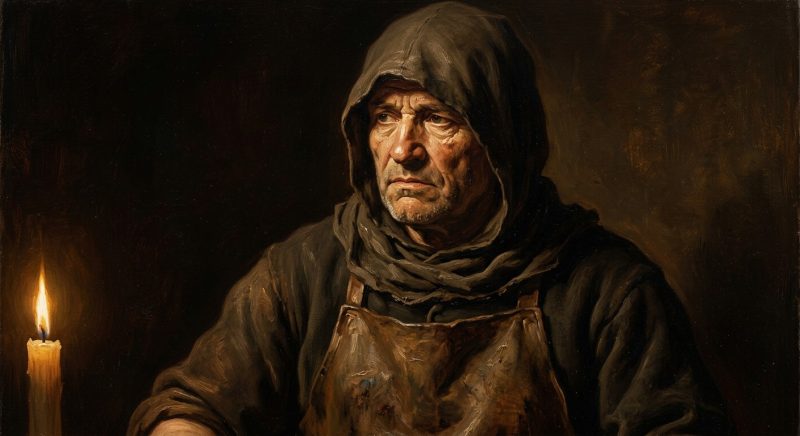
Onufrie the Executioner
A quiet man with a loud trade. He keeps a notebook of the last words of every condemned soul.
1.92 m tall · dark eyes · no hair · right-handed
-
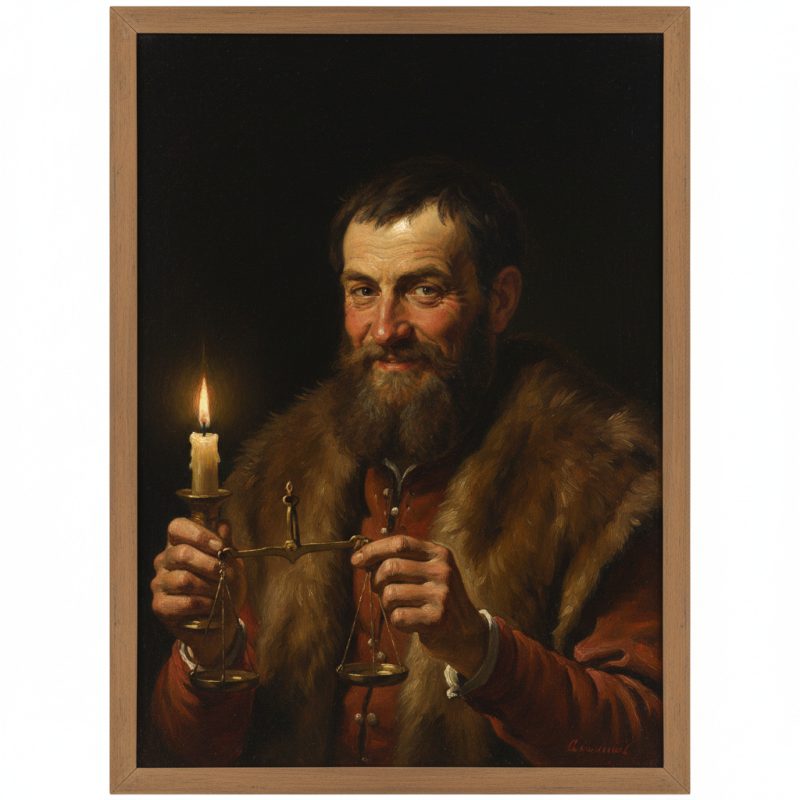
Costache the Toll-Keeper
His scales weigh the goods; his eye, the merchant. Both can be "greased" at need.
1.80 m tall · dark eyes · grey hair · right-handed
-

Brother Anselm
He has copied manuscripts for forty years. He knows what every one of them says - including the forbidden ones.
1.75 m tall · brown eyes · greying hair · right-handed
-
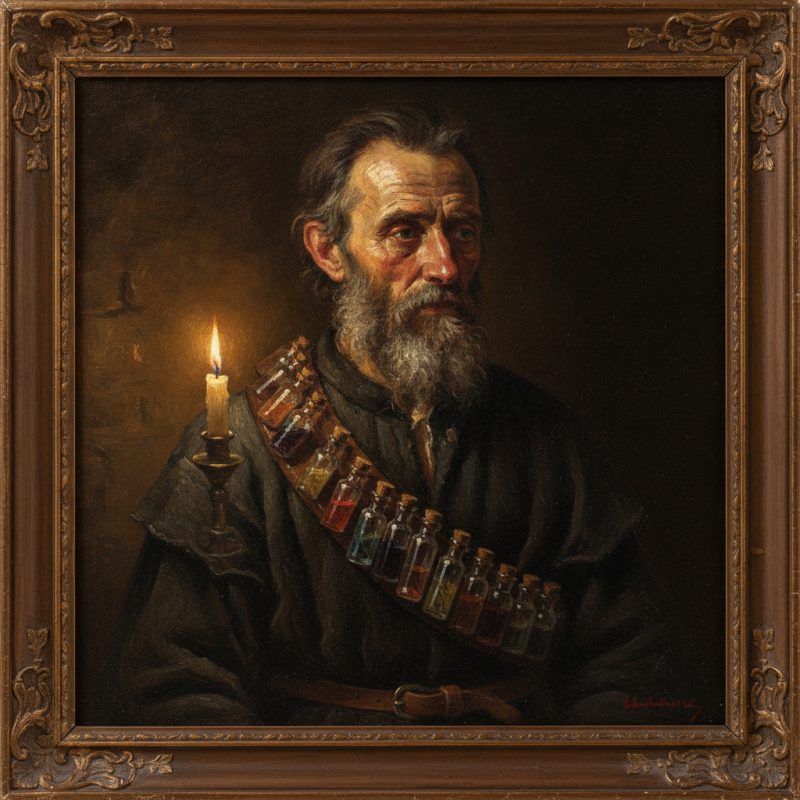
Damaschin the Healer
He knows the cure for any illness and the dose at which the cure becomes something else. He swears he has never mistaken the dosage.
1.71 m tall · green eyes · grey hair · left-handed
-
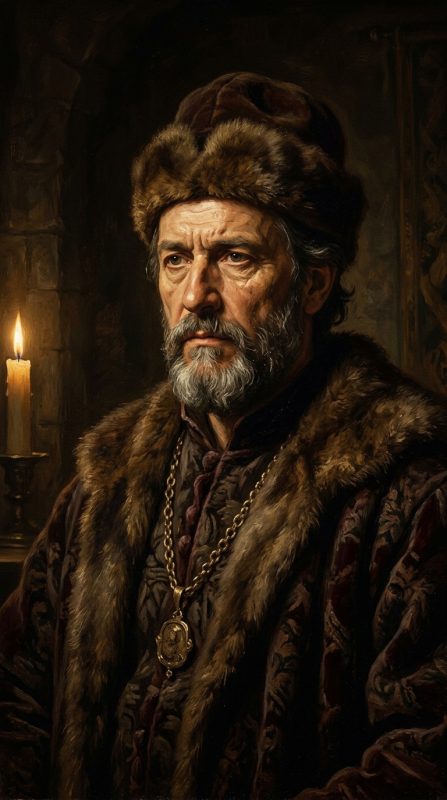
Ban Radu the Silent
He has never uttered a needless word in his life. Sadly, nor a useful one for investigators.
1.81 m tall · grey eyes · grey hair · right-handed
Locations
-
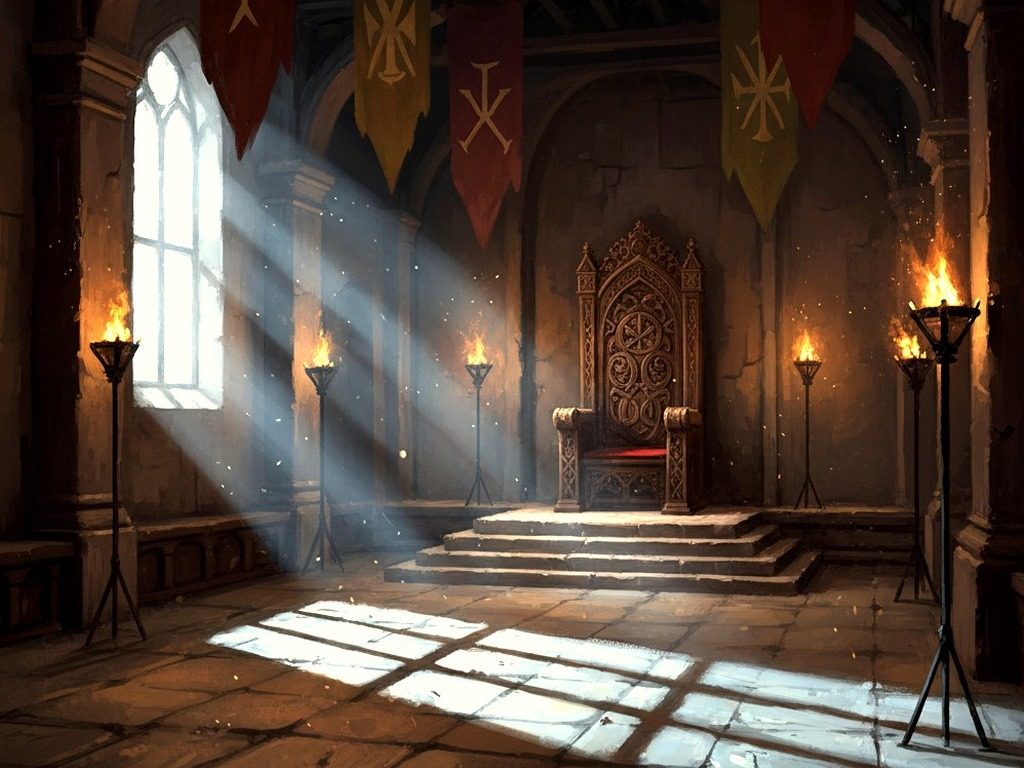
The throne room
Gold, purple, and the most closely watched place in the kingdom. In theory.
-

The old dungeon
Cells abandoned since the new dungeon was built. "Abandoned" is one way of putting it.
-

The merchant's house
Carpets brought from overseas and a desk with more secret drawers than drawers.
-
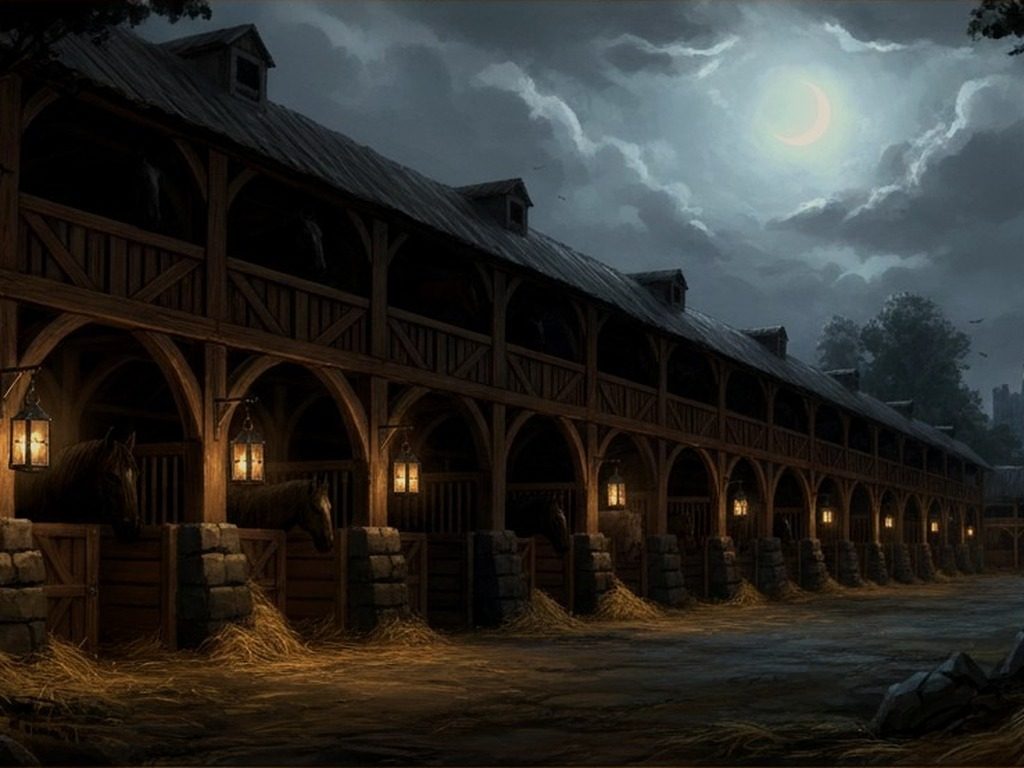
The great stable
It smells of hay and hurried departures. Horses give no testimony.
-
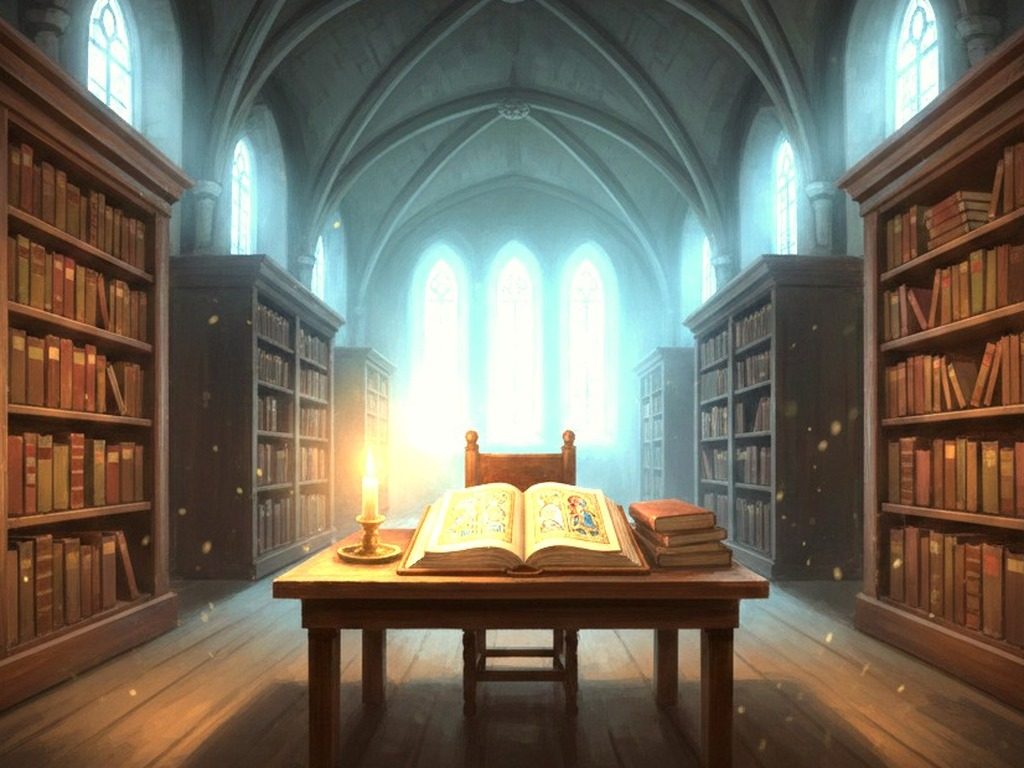
The abbey library
Thousands of leather-bound tomes. Some of the chains on the shelves were cut recently.
Objects
-
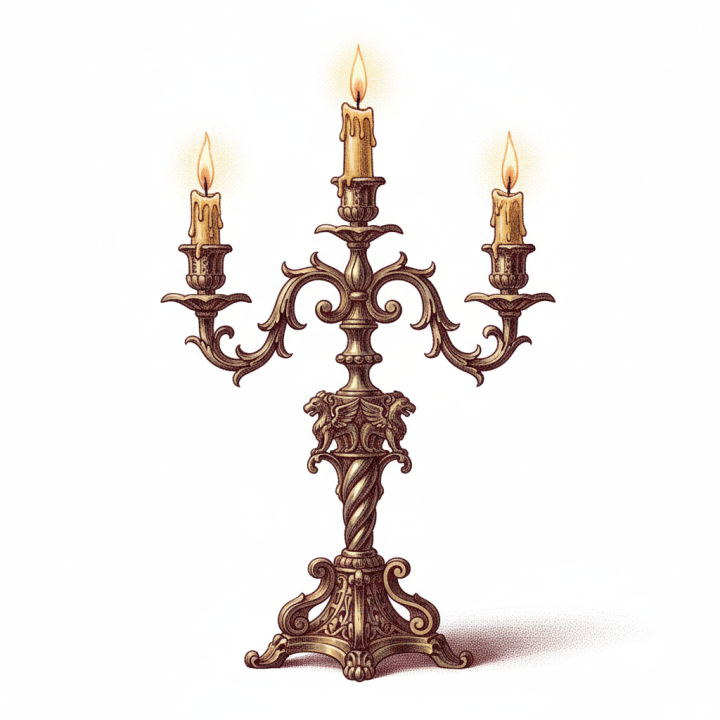
The silver candelabrum
Heavy as a small anvil. It can light a room or end a conversation.
-
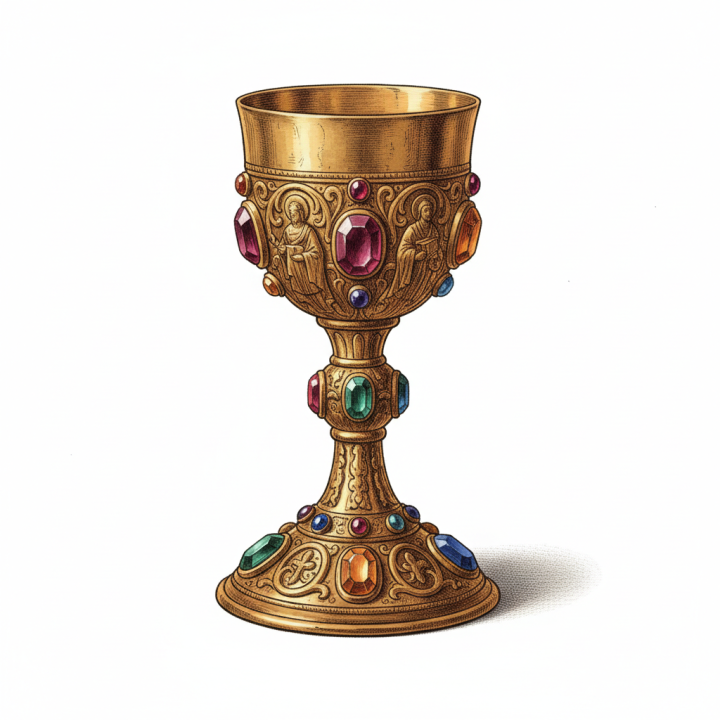
The bishop's chalice
Gold set with blue stones. Blessed three times, stolen twice.
-
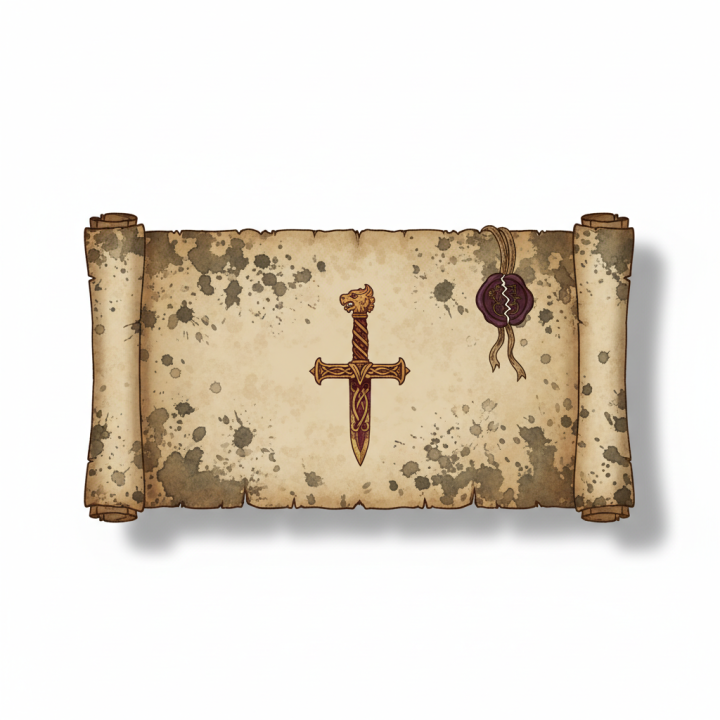
The stained parchment
A half-burned document with a stain that might be wine. Or not.
-

The ceremonial crown
The "wearable" copy of the true crown. At least, that was the idea.
-

The locked chest
Three padlocks, two rows of straps. Fresh scratches around the hinges, not the locks.
Motives
-

Blackmail
Un secret ținut ca funia la gât, strâns exact cât trebuie.
-

The inheritance
O avere așteptată, pe care numai o moarte o desparte de mână.
-

Jealousy
Otrava care mistuie pe cel ce râvnește ce nu-i al lui.
-
A debt of honour
O făgăduială care cântărește mai greu decât viața.
-
Ambition
Setea de a urca, chiar peste trupuri, spre o treaptă mai înaltă.
Moments
-

At dawn
When the citadel is barely waking and the guards still doze.
-

After matins
The hour after the morning service, when the abbey empties.
-

At noon
Midday, with bustle in the markets and silence in the alcoves.
-

At dusk
When the shadows lengthen and the lanterns are not yet lit.
-

At vespers
At the evening service, when the bells drown out any footstep.
The findings and the testimonies
This much the investigation had at its disposal, not a line more. The set is minimal by construction — remove any of the rows below and the dossier becomes unsolvable again.
- Even the jester says it in earnest: Onufrie the Executioner never touched the silver candelabrum.
- The chronicler notes drily: Costache the Toll-Keeper was at the merchant's house, whatever the court may say.
- The night watch saw the left-handed suspect first, and only then the suspect with brown eyes.
- The tracks in the dust do not lie: the bishop's chalice and a debt of honour go together.
- The tracks in the dust do not lie: the ceremonial crown and jealousy go together.
- The hounds caught no scent at all: the throne room and blackmail do not go together.
- The gate guard swears: the great stable matches that hour: at vespers.
- The healer says it with a raised finger: if Brother Anselm was there at vespers, then the suspect with brown eyes was not present at vespers.
- In the Chancellery's ledger it stands in black and white: Ban Radu the Silent handled the bishop's chalice.
- A maid whispered it at confession: blackmail matches that hour: after matins.
- Damaschin the Healer declares under oath: "I was at the abbey library".
- Every scout reports the same about the culprit: the culprit was driven by the inheritance.
- The chronicler notes drily: Costache the Toll-Keeper handled the locked chest, whatever the court may say.
- Costache the Toll-Keeper raises their right hand and says: "I handled the ceremonial crown".
- The chronicler notes drily: the abbey library and jealousy go together, whatever the court may say.
- However it may seem, at suspects, jealousy and the hour "at dawn" take different roads.
Break the seal: the Chancellery's reasoning — warning, the culprit is named beyond this point
The road to the verdict
The rule of the house is simple: what is observed enters the grid as it stands; what is declared enters only once it is settled who declared it.
A report from the watch brought clarity: “Even the jester says it in earnest: Onufrie the Executioner never touched the silver candelabrum”. The row lost one more cell, and whoever gathers losses enough arrives at a gain.
The gate register had kept a trace of its own: “The chronicler notes drily: Costache the Toll-Keeper was at the merchant's house, whatever the court may say”. From then on that cell could no longer be disputed, and the dispute moved one row down.
There followed a detail that narrowed the circle: “The night watch saw the left-handed suspect first, and only then the suspect with brown eyes”. Nothing spectacular, but this is exactly how dossiers close: out of small lines, laid end to end.
From here things gathered pace. Within a few hours the file received: “The tracks in the dust do not lie: the bishop's chalice and a debt of honour go together”; “The tracks in the dust do not lie: the ceremonial crown and jealousy go together”; “The hounds caught no scent at all: the throne room and blackmail do not go together”; “The gate guard swears: the great stable matches that hour: at vespers”; “The healer says it with a raised finger: if Brother Anselm was there at vespers, then the suspect with brown eyes was not present at vespers”; “In the Chancellery's ledger it stands in black and white: Ban Radu the Silent handled the bishop's chalice”; “A maid whispered it at confession: blackmail matches that hour: after matins”; “Damaschin the Healer declares under oath: "I was at the abbey library"”; “Every scout reports the same about the culprit: the culprit was driven by the inheritance”; “The chronicler notes drily: Costache the Toll-Keeper handled the locked chest, whatever the court may say”; “Costache the Toll-Keeper raises their right hand and says: "I handled the ceremonial crown"”. The grid emptied before one's eyes, and what stayed in it could no longer be doubted.
The scouts brought their share as well: “The chronicler notes drily: the abbey library and jealousy go together, whatever the court may say”. A pair was tied, and the knot dragged a whole handful of impossibilities after it.
From one word to the next, the investigation arrived here: “However it may seem, at suspects, jealousy and the hour "at dawn" take different roads”. The finding went into the file and did its work in the grid, quietly.
The lie
The lie came to light by its plain failure to fit. Costache the Toll-Keeper swore before the Chancellery that I handled the ceremonial crown, yet everything that could be proved shows the opposite: Costache the Toll-Keeper never touched the ceremonial crown. Under the Supreme Law that failure to fit is the culprit's own signature.
The verdict
At the end of the grid one name alone remained: Costache the Toll-Keeper. At the hour of the deed, Costache the Toll-Keeper was at the merchant's house, handled the locked chest, was driven by the inheritance and was there at dawn. The dossier called for hypotheses driven to contradiction, not direct elimination alone — which is why it was rated at tier IV.
Where the others were
The Chancellery recorded the others' movements as well, because it was precisely they that closed the grid: Onufrie the Executioner was at the old dungeon, handled the stained parchment, was driven by blackmail and was there after matins; Brother Anselm was at the throne room, handled the silver candelabrum, was driven by ambition and was there at dusk; Damaschin the Healer was at the abbey library, handled the ceremonial crown, was driven by jealousy and was there at noon; Ban Radu the Silent was at the great stable, handled the bishop's chalice, was driven by a debt of honour and was there at vespers. It is these acquittals that made the verdict possible: without them, room for doubt would have remained.
The page closes. What is left of the whole affair is a truth that can be demonstrated, and that is worth more than a confession.
Play this dossier All mysteries
The chronicle is written from the logic of the file, not from memory. The uniqueness of the solution was demonstrated by the solver before the dossier ever became public. behind the scenes at the Chancellery.