
Chronicle of the solution: The Banquet Intrigue
Poisoning Tier III
The poisoning file is closed. What remains is the part worth learning: how one got from an upturned cup to a name.
The deed, as it was recorded
The healers shook their heads, and the Chancellery understood at once: not illness, but poison. Between remedy and venom runs a thin line, and someone at court crossed it knowingly. The testimonies keep returning to the same names: Pantelimon the Gardener, Lady Ruxandra, Balasa the Seamstress, Sir Bogdan de Fag and Iustin the Mariner. Rumor walks the deed through every corner: the great stable, the guild forge, the hunting lodge, the customs cellar and the scriptorium. A sharp eye is not enough here — it takes an archivist's patience: fit everything together, then pronounce your verdict.
The clerk entered Pantelimon the Gardener, Lady Ruxandra, Balasa the Seamstress, Sir Bogdan de Fag and Iustin the Mariner in the register — that, and not one name more, until the verdict.
The suspects
-
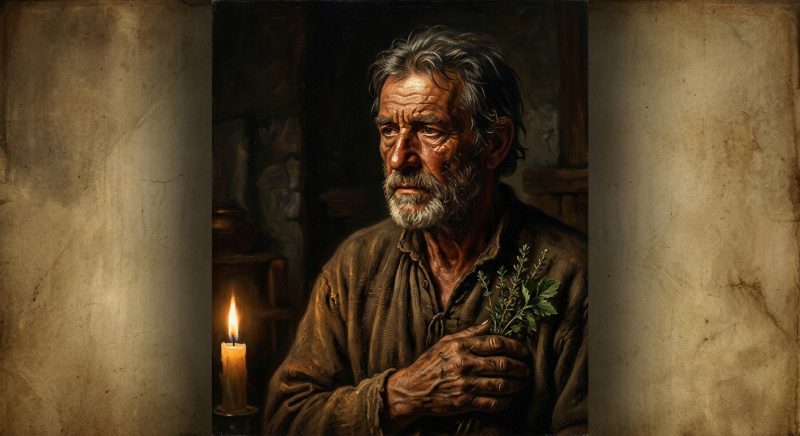
Pantelimon the Gardener
He tends the queen's roses and no one's beds of belladonna. The second garden is the more sought-after.
1.73 m tall · green eyes · greying hair · right-handed
-
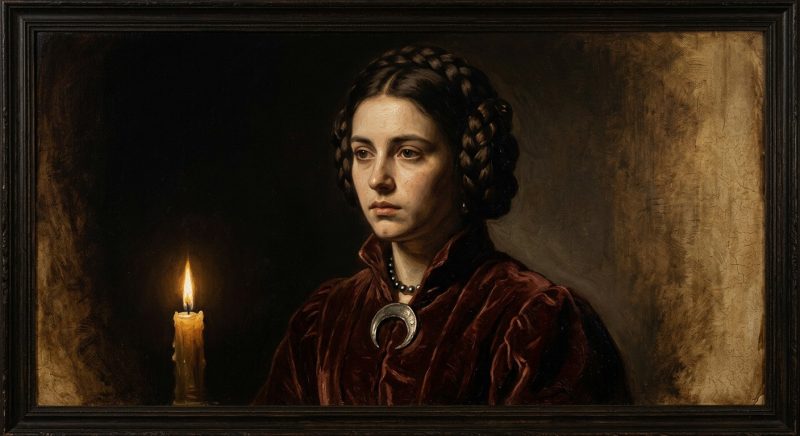
Lady Ruxandra
The queen's shadow at every hour. She hears everything, sees everything, and embroiders all she learns into patterns known only to her.
1.65 m tall · blue eyes · blond hair · right-handed
-

Balasa the Seamstress
She sews the garments of all the nobility and knows everyone's measurements - including those that do not show.
1.59 m tall · blue eyes · red hair · left-handed
-
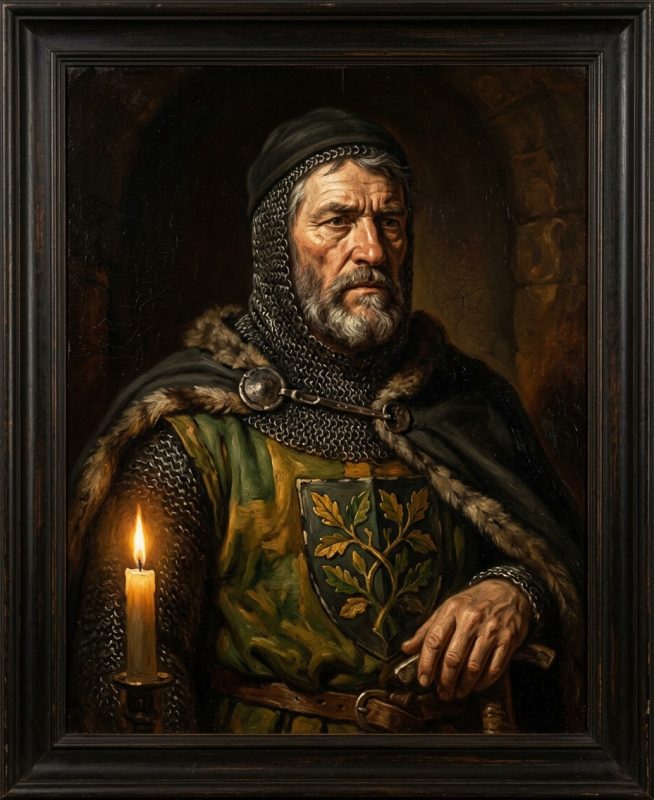
Sir Bogdan de Fag
He pawned his armour to pay his tavern debts. Honour, he says, does not rust.
1.85 m tall · blue eyes · brown hair · right-handed
-

Iustin the Mariner
He brings goods from ports with unpronounceable names. Half the cargo never appears in the customs records.
1.78 m tall · blue eyes · black hair · left-handed
Locations
-
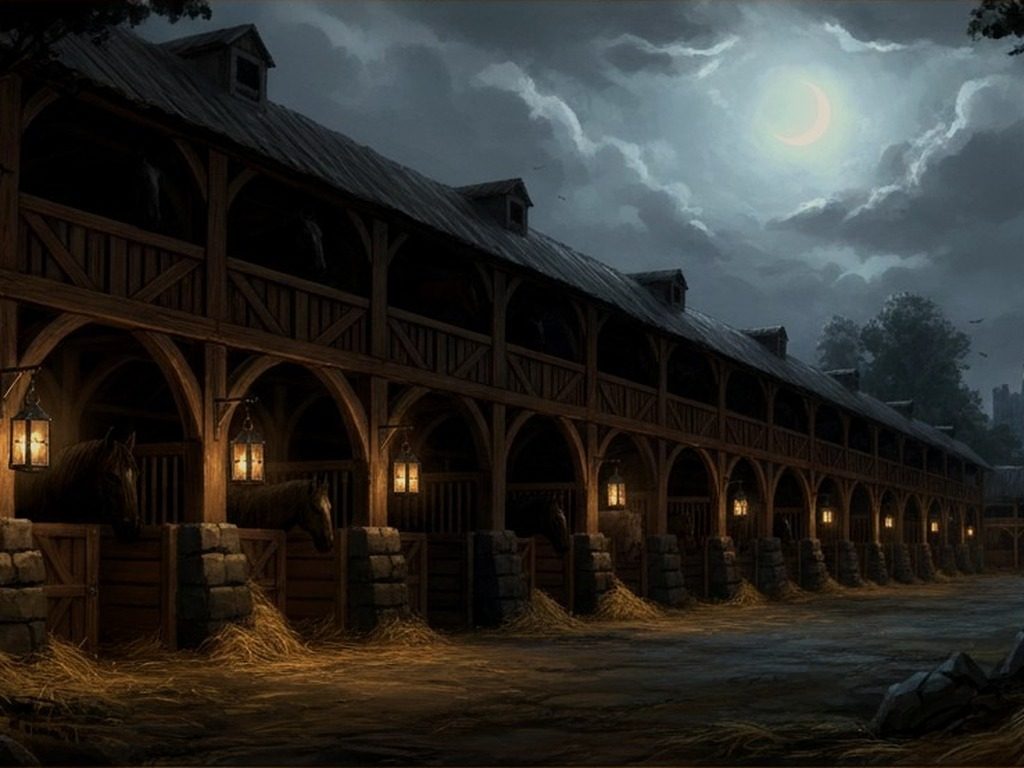
The great stable
It smells of hay and hurried departures. Horses give no testimony.
-

The guild forge
Anvils, tongs, and a fire that never goes out. Many small metal things vanish here.
-

The hunting lodge
The royal cabin in the heart of the forest. Far from the eyes of the court - which is exactly what suits some.
-
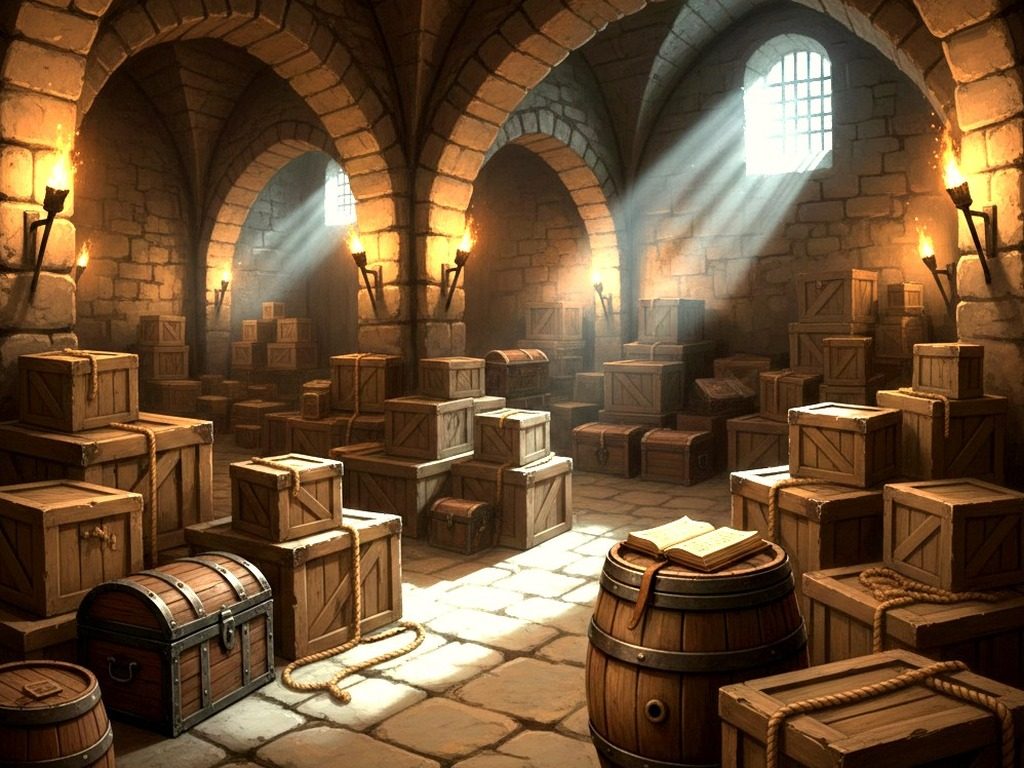
The customs cellar
Sealed crates, thick ledgers, and air that smells of undeclared goods.
-

The scriptorium
Slanted desks, ink, and working silence. Here a quill creaks louder than a conscience.
Objects
-
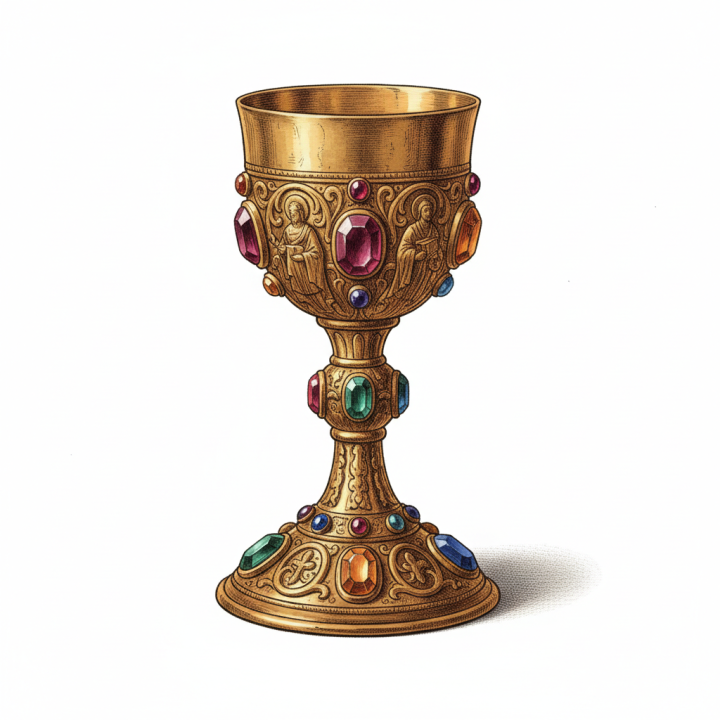
The bishop's chalice
Gold set with blue stones. Blessed three times, stolen twice.
-

The royal seal
Whoever holds it can seal any decree. Which is why it should not be wandering the kingdom.
-
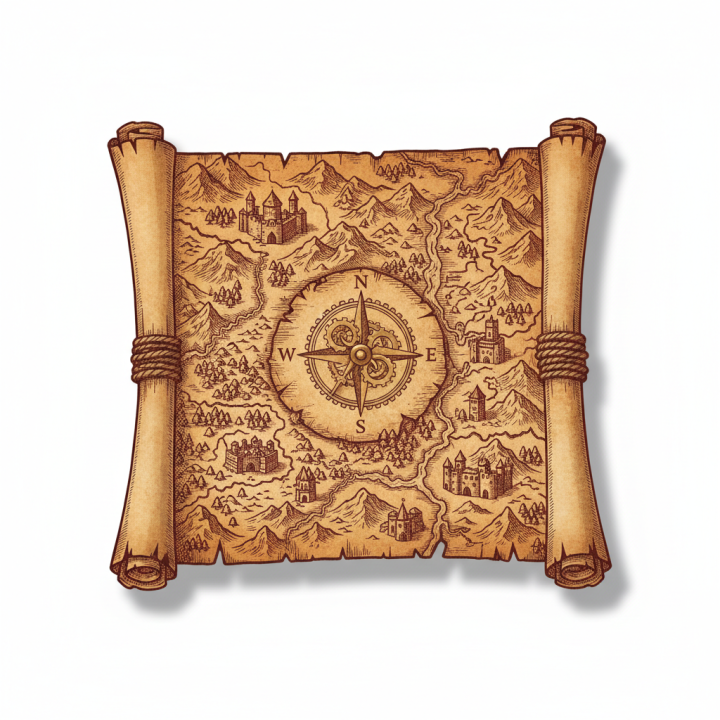
The map of the realm
The kingdom's borders, drawn with a fresh correction where there should be none.
-

The ruby dagger
A short blade, its hilt set with a stone red as a frozen drop. It was sharpened recently.
-
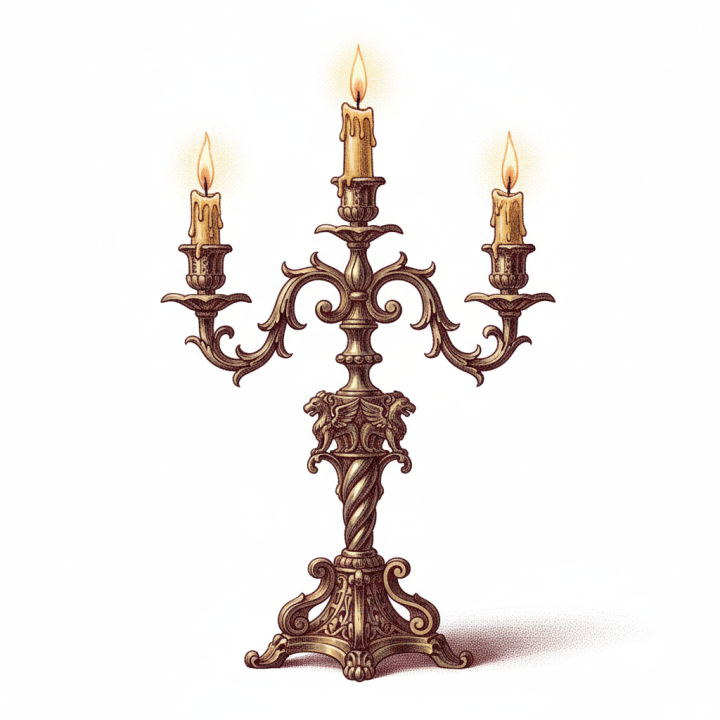
The silver candelabrum
Heavy as a small anvil. It can light a room or end a conversation.
Motives
-

Blackmail
Un secret ținut ca funia la gât, strâns exact cât trebuie.
-

Jealousy
Otrava care mistuie pe cel ce râvnește ce nu-i al lui.
-

Revenge
O datorie de sânge pe care numai fapta o mai șterge.
-

Fear of exposure
Groaza de a fi dat în vileag, care împinge la orice.
-

Ambition
Setea de a urca, chiar peste trupuri, spre o treaptă mai înaltă.
Moments
-

At dawn
When the citadel is barely waking and the guards still doze.
-

After matins
The hour after the morning service, when the abbey empties.
-

At noon
Midday, with bustle in the markets and silence in the alcoves.
-

At dusk
When the shadows lengthen and the lanterns are not yet lit.
-

At vespers
At the evening service, when the bells drown out any footstep.
The evidence gathered on file
This much was worked with, no more and no less. Minimality is not a figure of speech: each row was taken out in turn, at trial, and without it the solution ceased to be unique.
- The tracks in the dust do not lie: the suspect with black hair was at the customs cellar.
- The gate guard swears: the hunting lodge and the silver candelabrum go together.
- However it may seem, at suspects, the hour "at noon" and ambition take different roads.
- The bell-ringer remembers well: the suspect with red hair came earlier than Lady Ruxandra.
- The night watch saw Pantelimon the Gardener first, and only then Lady Ruxandra.
- Whatever the market gossips: the suspect with blond hair was not present at dusk.
- The scouts confirm it: at suspects, the paths of the hour "after matins" and the silver candelabrum diverge.
- An honest-faced witness saw it plainly: Iustin the Mariner was there at vespers.
- In the Chancellery's ledger it stands in black and white: the royal seal matches that hour: at dawn.
- A maid whispered it at confession: the suspect with red hair was at the guild forge.
- An unsigned note, slipped under the door: "the culprit was driven by blackmail".
- The tracks in the dust do not lie: the scriptorium and the map of the realm go together.
- A maid whispered it at confession: the ruby dagger and fear of exposure go together.
- In the Chancellery's ledger it stands in black and white: Pantelimon the Gardener was driven by revenge.
- Before the investigator, Balasa the Seamstress firmly repeats: "I handled the bishop's chalice".
- The chronicler notes drily: the bishop's chalice matches that hour: at dusk, whatever the court may say.
See how the verdict was reached — open only if you have already tried the dossier
How it was unravelled
The investigation ran contrary to suspicion: it did not ask who could have, it cut away, row by row, whoever could not.
A detail overlooked at the start came back into the file: “The tracks in the dust do not lie: the suspect with black hair was at the customs cellar”. One more certainty means, in a deduction grid, a whole fistful of impossibilities — and so it proved here.
It was set down, for whoever reads after us: “The gate guard swears: the hunting lodge and the silver candelabrum go together”. A pair was tied, and the knot dragged a whole handful of impossibilities after it.
This page was stitched into the file too: “However it may seem, at suspects, the hour "at noon" and ambition take different roads”. One more binding drew tight, and the grid lost a little more of its freedom.
From here things gathered pace. Within a few hours the file received: “The bell-ringer remembers well: the suspect with red hair came earlier than Lady Ruxandra”; “The night watch saw Pantelimon the Gardener first, and only then Lady Ruxandra”; “Whatever the market gossips: the suspect with blond hair was not present at dusk”; “The scouts confirm it: at suspects, the paths of the hour "after matins" and the silver candelabrum diverge”; “An honest-faced witness saw it plainly: Iustin the Mariner was there at vespers”; “In the Chancellery's ledger it stands in black and white: the royal seal matches that hour: at dawn”; “A maid whispered it at confession: the suspect with red hair was at the guild forge”; “An unsigned note, slipped under the door: "the culprit was driven by blackmail"”; “The tracks in the dust do not lie: the scriptorium and the map of the realm go together”; “A maid whispered it at confession: the ruby dagger and fear of exposure go together”; “In the Chancellery's ledger it stands in black and white: Pantelimon the Gardener was driven by revenge”. At the end of them the grid looked like an almost-erased page: one cell alone still had anything to say.
A piece of information dearly bought showed its worth: “Before the investigator, Balasa the Seamstress firmly repeats: "I handled the bishop's chalice"”. A suspect's word carries weight only after it is known whether the mouth that spoke it is clean.
This particular came to light as well: “The chronicler notes drily: the bishop's chalice matches that hour: at dusk, whatever the court may say”. The cell filled, and around it a space opened: that is what a certain match does to a grid.
The word that would not fit
The whole investigation rested, in the end, on a single sentence. Balasa the Seamstress swore before the Chancellery that I handled the bishop's chalice. The grid, however, says otherwise: Balasa the Seamstress never touched the bishop's chalice. One lying testimony fits inside a dossier, and it always belongs to the same hand — under the Supreme Law, the culprit's.
The verdict
At the end of the grid one name alone remained: Balasa the Seamstress. The arrangement in the grid is this: Balasa the Seamstress was at the guild forge, handled the royal seal, was driven by blackmail and was there at dawn. Tier III is no empty word: without the method of hypotheses, this grid would not have closed.
Those taken out of the circle
The Chancellery recorded the others' movements as well, because it was precisely they that closed the grid: Pantelimon the Gardener was at the scriptorium, handled the map of the realm, was driven by revenge and was there after matins; Lady Ruxandra was at the hunting lodge, handled the silver candelabrum, was driven by jealousy and was there at noon; Sir Bogdan de Fag was at the great stable, handled the bishop's chalice, was driven by ambition and was there at dusk; Iustin the Mariner was at the customs cellar, handled the ruby dagger, was driven by fear of exposure and was there at vespers. They look like rows of padding and they are not: the whole of the rest rests on them.
It was not cleverness that unravelled the thread, but order. Order can be learned, and that is exactly why the chronicle is written.
Play this dossier All mysteries
Everything you read above rests on the dossier itself. The Chancellery's solver checked, at publication, that the given clues yield exactly one solution — no more, and not none. behind the scenes at the Chancellery.