
Chronicle of the solution: The Veil of the Envoy
Disappearance Tier II
What had been made invisible was found, and whoever hid it answers for it today. Here is the road there.
The dossier as it reached the desk
Something — or someone — has vanished in Realm of the Crown, and no one can say when the thread was cut. Every passing hour erases another trace, and the traces were few to begin with. Before you, one by one, will stand Costache the Toll-Keeper, Chamberlain Iorgu, Duchess Amara de Corvin and Tintar the Jester. On the inquiry's table, like pieces in a game, lie the silver-clad icon, the purse of gold coins, the ceremonial crown and the ruby dagger. Take up the quill, follow the thread of the clues, and set your seal upon the verdict.
An envoy travels with a veil over everything he carries: over his goods, over his words, over the purpose of the journey. When the envoy had moved on and something was found to be missing, the Chancellery was left with a dossier in which nobody lies outright and everybody has told half a truth.
The four suspects span the whole ladder of the court. Chamberlain Iorgu, who orders who comes in and who goes out. Costache the Toll-Keeper, who weighs everything that passes. Duchess Amara de Corvin, with her thrice-widowed past. And Tintar the Jester — the one man in the realm who may say anything without punishment, which, come to think of it, also makes him the one man with no need to lie.
The objects befit a great court: a silver-clad icon, a purse of gold coins, the ceremonial crown and a ruby dagger. The places run from the cathedral crypt to the throne room.
Tier II. Four by four by four by four — the grid is wider, but the rule remains a single one.
Suspicion settled on these: Costache the Toll-Keeper, Chamberlain Iorgu, Duchess Amara de Corvin and Tintar the Jester. From then on the names mattered less than what could be proved about each.
The suspects
-
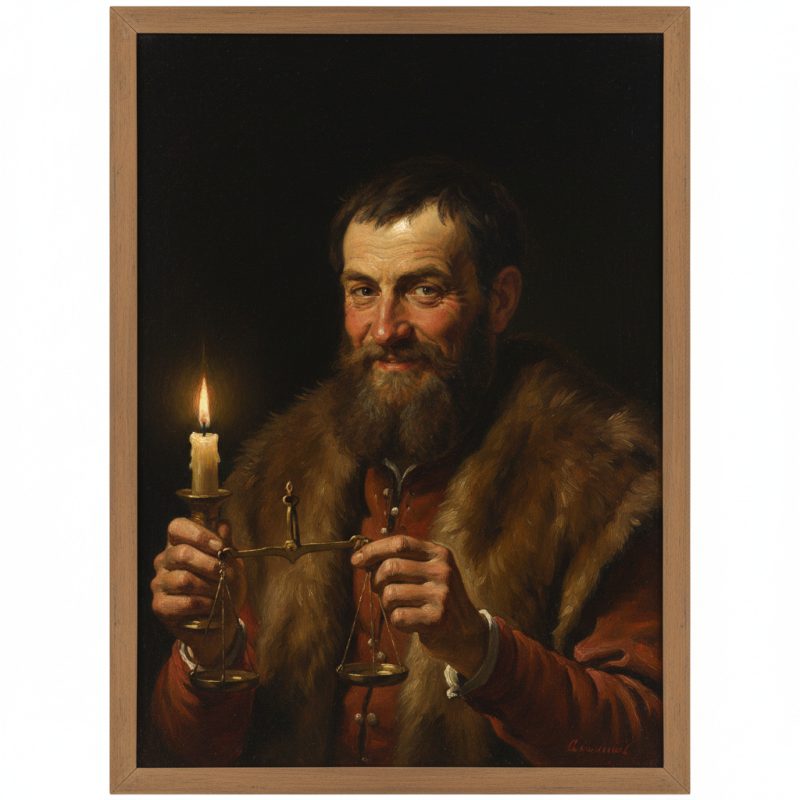
Costache the Toll-Keeper
His scales weigh the goods; his eye, the merchant. Both can be "greased" at need.
1.80 m tall · dark eyes · grey hair · right-handed
-
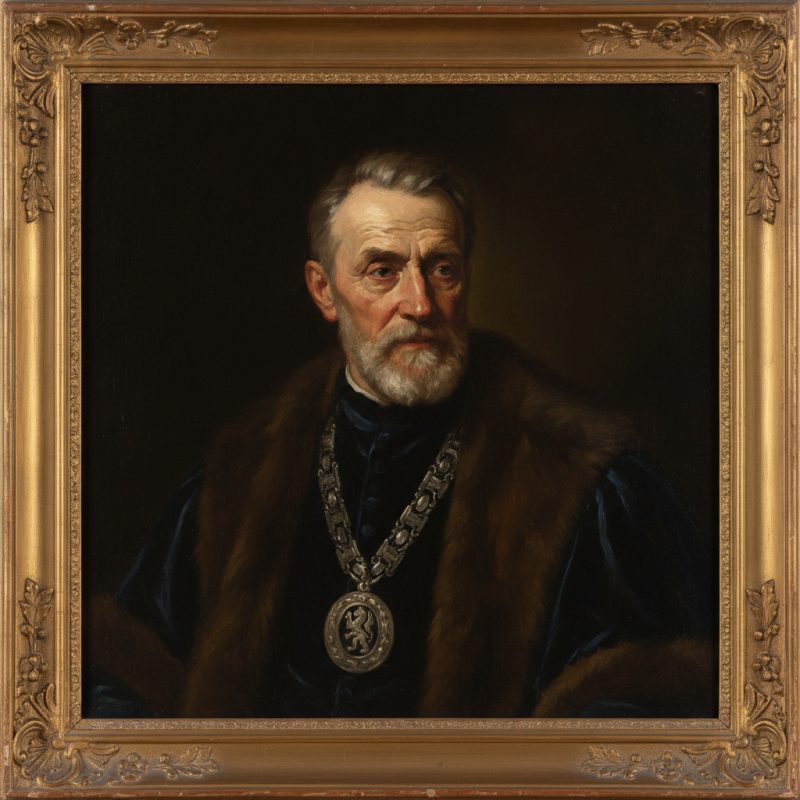
Chamberlain Iorgu
He arranges the king's audiences and, for a small courtesy, the order in which petitions are read.
1.77 m tall · grey eyes · brown hair · right-handed
-
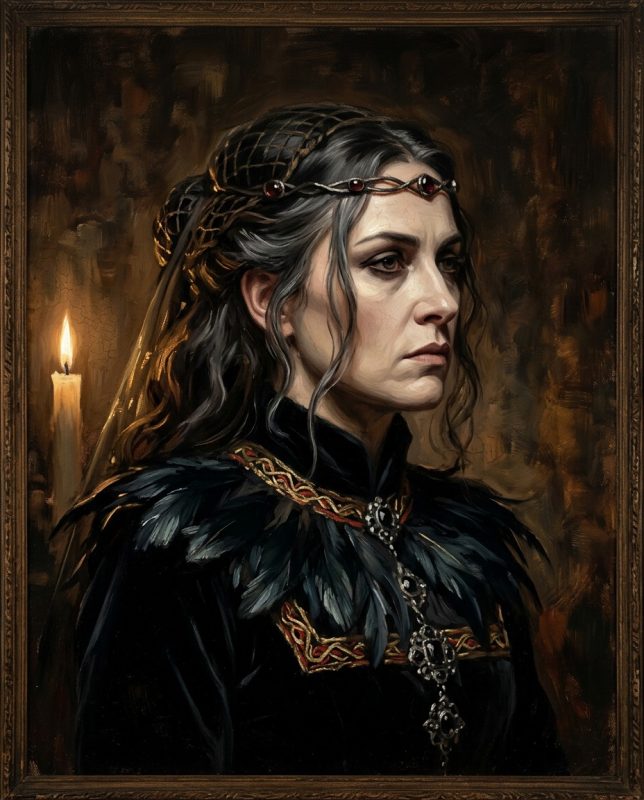
Duchess Amara de Corvin
Widowed three times, heir on each occasion. Her smile has buried more nobles than the plague.
1.68 m tall · dark eyes · black hair · right-handed
-
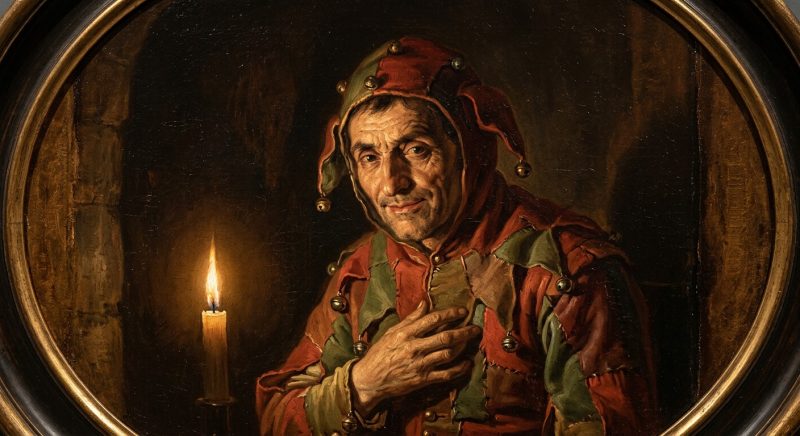
Tintar the Jester
The only man in the kingdom who may tell the king the truth - provided he makes it sound like a joke.
1.56 m tall · green eyes · red hair · right-handed
Locations
-

The cathedral crypt
The old kings sleep beneath crested slabs. Now and then, someone disturbs their rest.
-
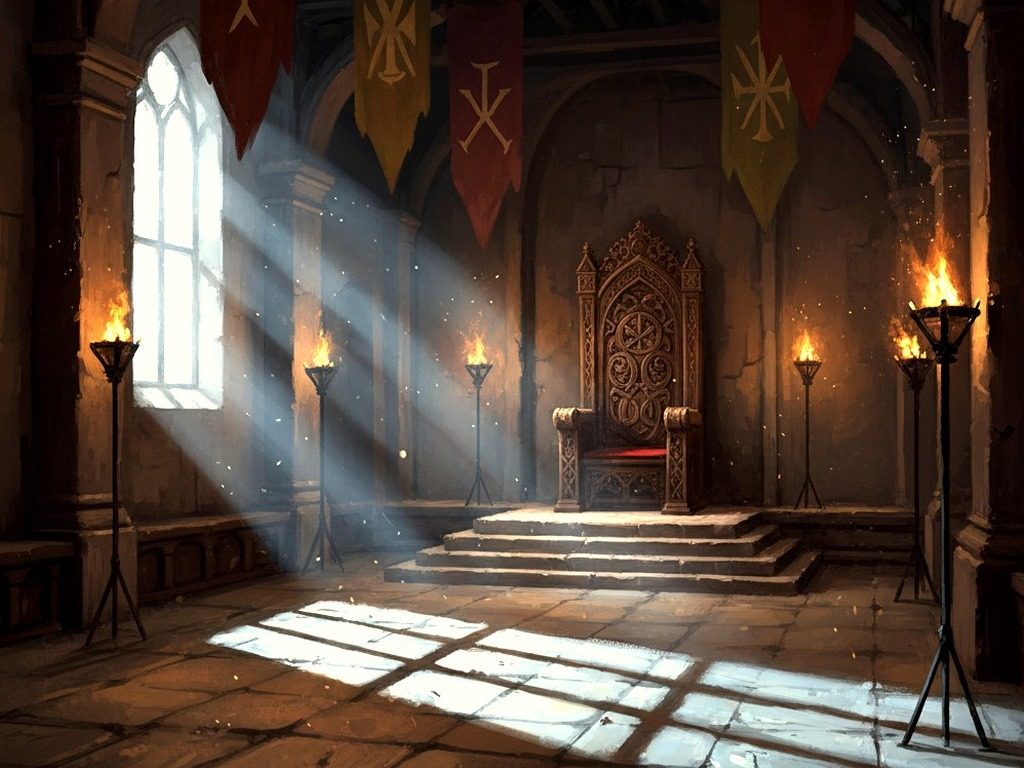
The throne room
Gold, purple, and the most closely watched place in the kingdom. In theory.
-

The watchtower
The highest point of the fortress. From here you see everything - and from below, everyone sees who climbs up.
-

The guild forge
Anvils, tongs, and a fire that never goes out. Many small metal things vanish here.
Objects
-
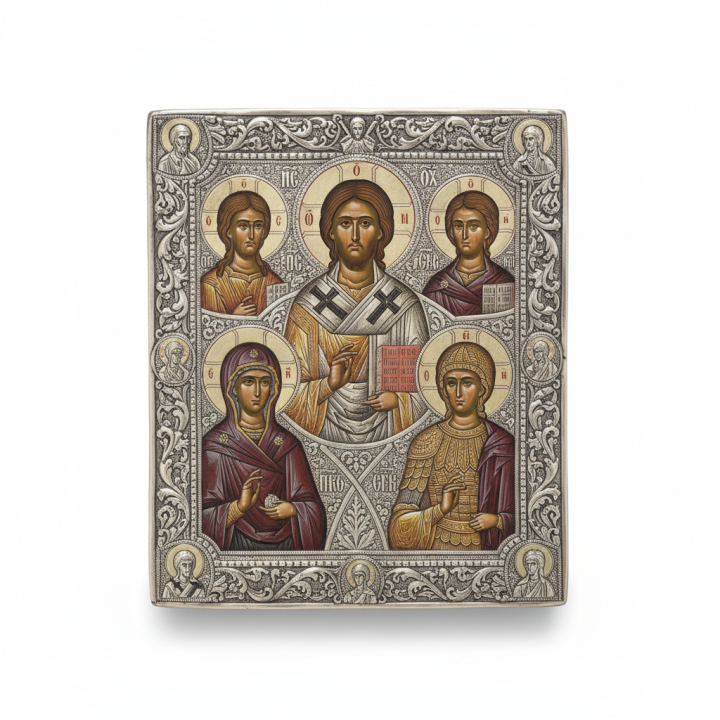
The silver-clad icon
The silver casing is old craftsmanship; the nails that hold it were driven this week.
-
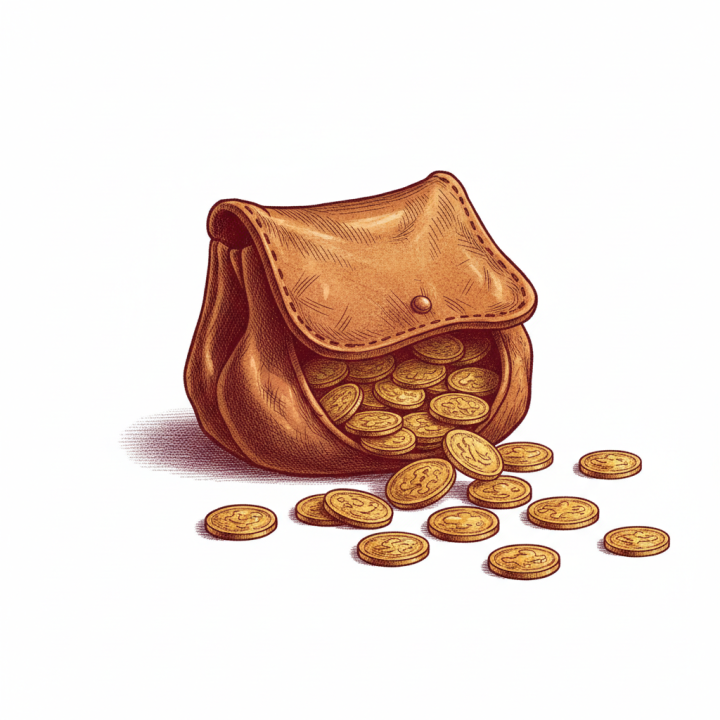
The purse of gold coins
New coins, unworn, from a minting not yet in circulation. Interesting.
-

The ceremonial crown
The "wearable" copy of the true crown. At least, that was the idea.
-

The ruby dagger
A short blade, its hilt set with a stone red as a frozen drop. It was sharpened recently.
Moments
-

At dawn
When the citadel is barely waking and the guards still doze.
-

After matins
The hour after the morning service, when the abbey empties.
-

At noon
Midday, with bustle in the markets and silence in the alcoves.
-

At dusk
When the shadows lengthen and the lanterns are not yet lit.
What the Chancellery had to hand
Nothing is missing from the list and nothing is surplus. Every row below is necessary: without it, the grid would allow several solutions at once.
- Whatever the market gossips: Costache the Toll-Keeper never touched the ceremonial crown.
- By the order of the hours, first comes Tintar the Jester, then Costache the Toll-Keeper.
- The chronicler notes drily: the purse of gold coins matches that hour: after matins, whatever the court may say.
- The hounds caught no scent at all: the cathedral crypt and the silver-clad icon do not go together.
- The gate guard swears: the suspect with black hair was there at dusk.
- About the culprit, the Chancellery knows one thing for certain: the culprit handled the ruby dagger.
- The gate guard swears: Tintar the Jester was in the place from which you see everything.
- The chronicler notes drily: the throne room matches that hour: at dawn, whatever the court may say.
- Every scout reports the same about the culprit: the culprit was at the guild forge.
Break the seal: the Chancellery's reasoning — warning, the culprit is named beyond this point
How the circle closed
No suspicion weighed here. Only the grid weighed: every certain match sweeps a whole row and a whole column, and at the end one arrangement alone remains possible.
From one word to the next, the investigation arrived here: “Whatever the market gossips: Costache the Toll-Keeper never touched the ceremonial crown”. The possibility fell without appeal, and the circle tightened by one finger.
Then this finding entered the file: “By the order of the hours, first comes Tintar the Jester, then Costache the Toll-Keeper”. Nothing spectacular, but this is exactly how dossiers close: out of small lines, laid end to end.
There followed a detail that narrowed the circle: “The chronicler notes drily: the purse of gold coins matches that hour: after matins, whatever the court may say”. A certain match thus enters the grid, and its row and column empty at once of every other possibility.
The pages gathered fast, and each cut a strip out of the grid: “The hounds caught no scent at all: the cathedral crypt and the silver-clad icon do not go together”; “The gate guard swears: the suspect with black hair was there at dusk”; “About the culprit, the Chancellery knows one thing for certain: the culprit handled the ruby dagger”; “The gate guard swears: Tintar the Jester was in the place from which you see everything”. Laid end to end, they did what not one of them could have done alone.
The gate register had kept a trace of its own: “The chronicler notes drily: the throne room matches that hour: at dawn, whatever the court may say”. The tick goes down without hesitation, and with it fall all the other cells on that row and that column.
A note in the margin of the page read: “Every scout reports the same about the culprit: the culprit was at the guild forge”. The fact stuck to the guilty party like a seal, and whoever did not bear the seal was left in peace.
The close of the investigation
The name the grid could no longer force out of the circle is Costache the Toll-Keeper. The grid shows plainly how matters stood: Costache the Toll-Keeper was at the guild forge, handled the ruby dagger and was there at noon. The verdict stands on its own, out of the findings above.
Where the others were
The remaining suspects received their release from the grid too: Chamberlain Iorgu was at the throne room, handled the silver-clad icon and was there at dawn; Duchess Amara de Corvin was at the cathedral crypt, handled the ceremonial crown and was there at dusk; Tintar the Jester was at the watchtower, handled the purse of gold coins and was there after matins. It is these acquittals that made the verdict possible: without them, room for doubt would have remained.
The file sits on its shelf today, tied with red cord. What is worth keeping from it is not the culprit's name but the road: every step verifiable, none of them guessed.
Play this dossier All mysteries
This chronicle is no free retelling: it rises directly out of the dossier's logic, and every step passed through the solver which proved, before publication, that the solution is unique. behind the scenes at the Chancellery.