
Chronicle of the solution: The Spy of the Blazon
Conspiracy Tier II
Whoever hatched the scheme in shadow now stands in the light. The chronicle below shows how they were drawn out of it.
The dossier as it reached the desk
In the shadow of the council halls, something has been woven against the crown, and its threads lead far. The scheme has many threads but a single knot — and that knot bears a name. Before you, one by one, will stand Zaharia the Spice Merchant, Captain Vlaicu, Ban Radu the Silent and Balasa the Seamstress. On the inquiry's table, like pieces in a game, lie the abbess's bell, the royal seal, the rusted sword and the ciphered letter. Open the grid, weigh every clue, and pronounce your verdict: the Chancellery awaits only your signature.
At the archive's second tier something enters the game that the first does not have: the hour. It is no longer enough to know who was where; you must know when — and time, unlike places, has an order. Dawn comes before noon and noon before dusk, and from that plain ordering conclusions can be drawn that no witness ever spoke aloud.
The dossier “The Spy of the Blazon” was opened around a ciphered letter that never reached its destination. There are four suspects: Zaharia the Spice Merchant, who deals in spices and in news; Captain Vlaicu, who commands the watch; Ban Radu the Silent, whose name says all there is to say about him; and Balasa the Seamstress, who enters everybody's house.
The objects gather an abbess's bell, the royal seal, a rusted sword and the ciphered letter itself. The places: the abbey library, the great stable, the salt market and the mill by the river.
A word on four-category grids: do not try to hold it all in your head. Tick what is certain and let transitivity work for you.
Brought before the Chancellery were Zaharia the Spice Merchant, Captain Vlaicu, Ban Radu the Silent and Balasa the Seamstress — names that, until the grid's last row, weighed exactly the same.
The suspects
-

Zaharia the Spice Merchant
His ships bring pepper, saffron, and news no one asked for. All of it at the same price: steep.
1.74 m tall · dark eyes · black hair · right-handed
-

Captain Vlaicu
He has guarded the fortress gates for twenty years. Who enters and who leaves - he decides what the ledger records.
1.84 m tall · brown eyes · brown hair · right-handed
-
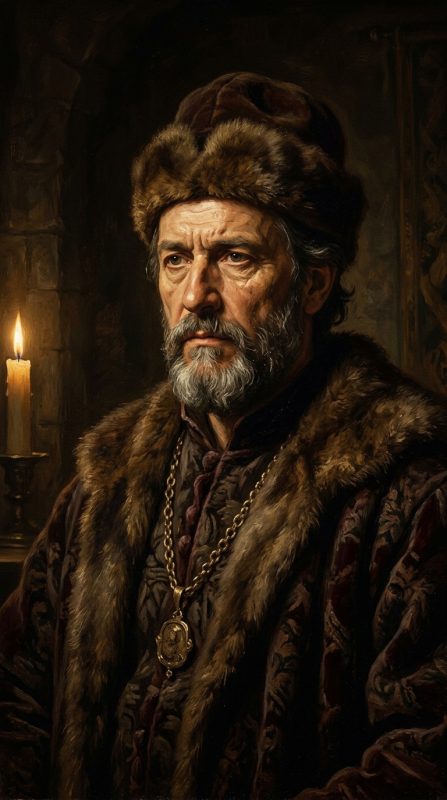
Ban Radu the Silent
He has never uttered a needless word in his life. Sadly, nor a useful one for investigators.
1.81 m tall · grey eyes · grey hair · right-handed
-
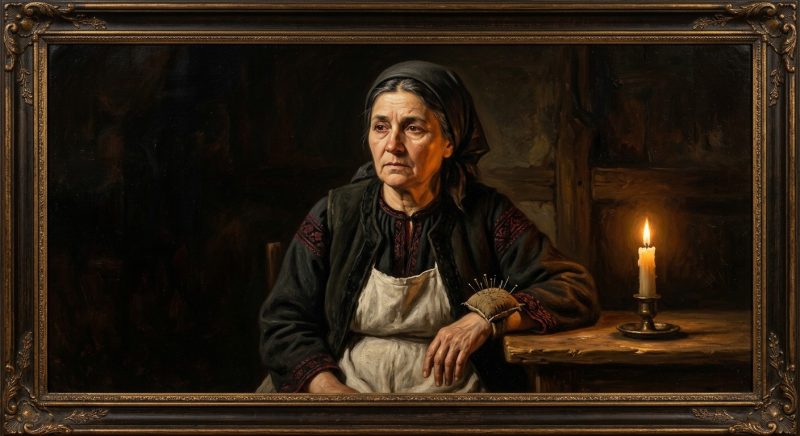
Balasa the Seamstress
She sews the garments of all the nobility and knows everyone's measurements - including those that do not show.
1.59 m tall · blue eyes · red hair · left-handed
Locations
-
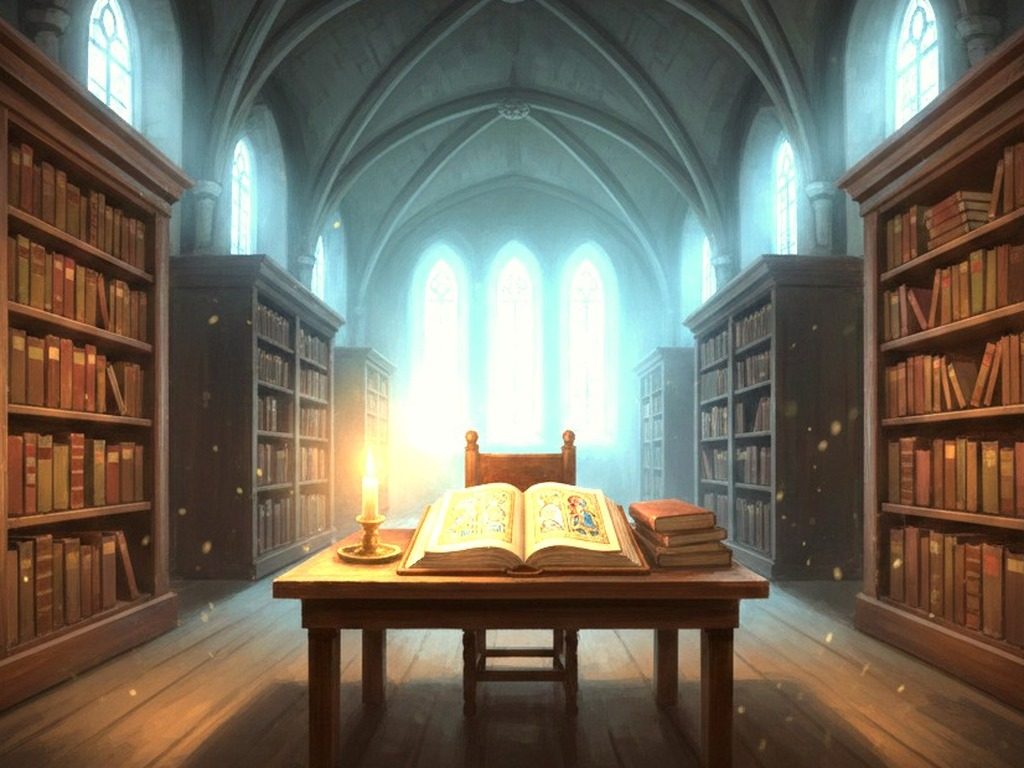
The abbey library
Thousands of leather-bound tomes. Some of the chains on the shelves were cut recently.
-
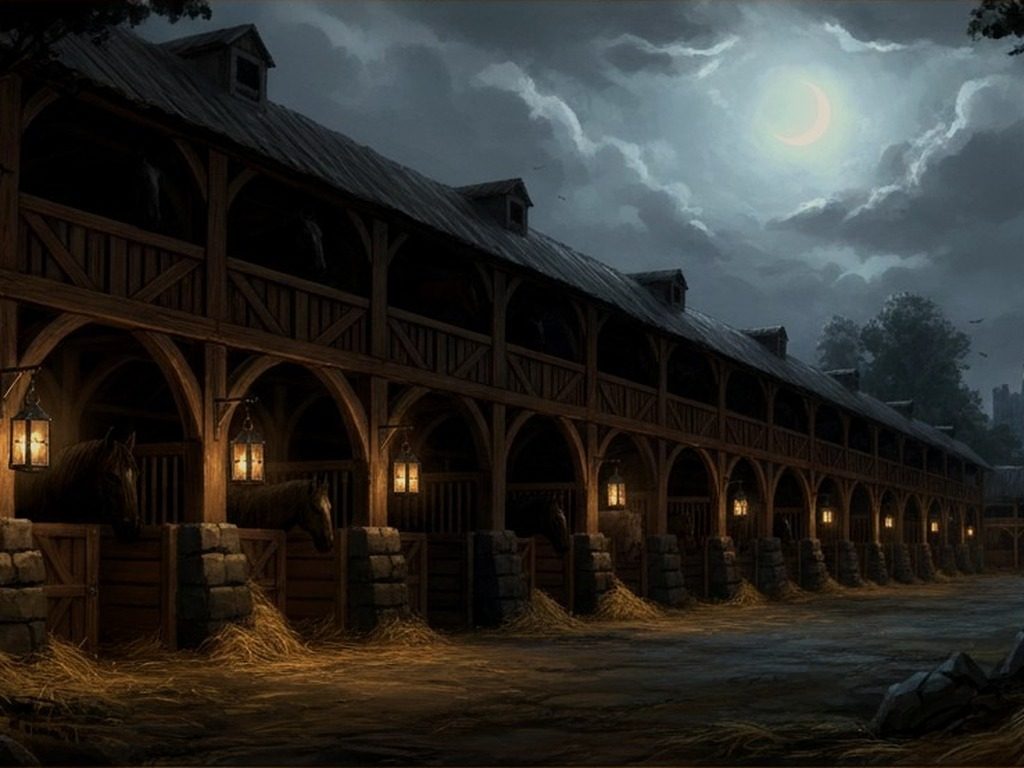
The great stable
It smells of hay and hurried departures. Horses give no testimony.
-
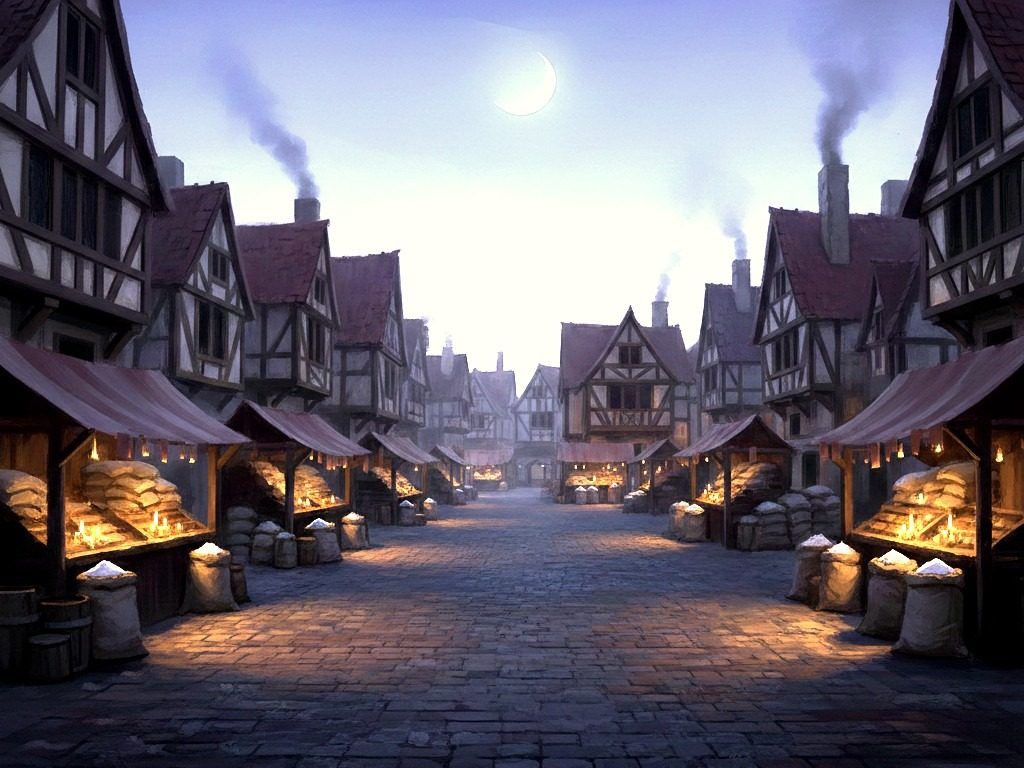
The salt market
Here anything is bargained for, from salt to silences. The price of silence keeps rising.
-
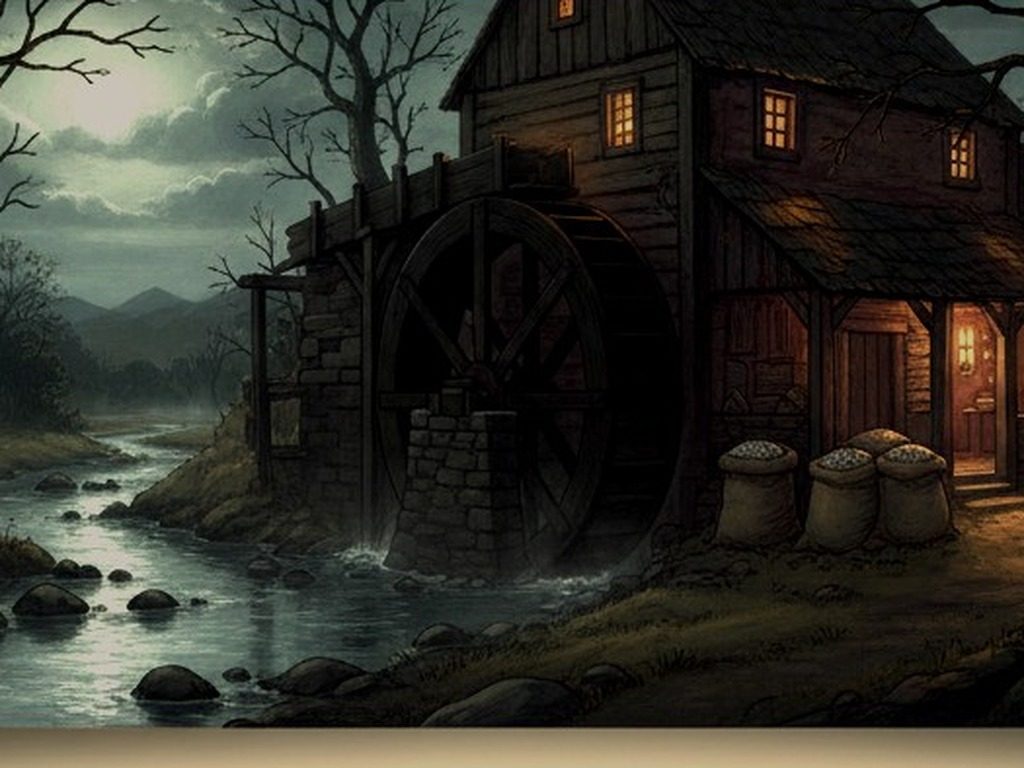
The mill by the river
The wheel turns day and night. Its noise drowns out any conversation - which is why some are held here.
Objects
-

The abbess's bell
It calls the nuns to prayer. On the night in question, they all say, it rang once too many.
-

The royal seal
Whoever holds it can seal any decree. Which is why it should not be wandering the kingdom.
-

The rusted sword
An old weapon, forgotten on the rack. The rust on the blade is newer than it looks.
-
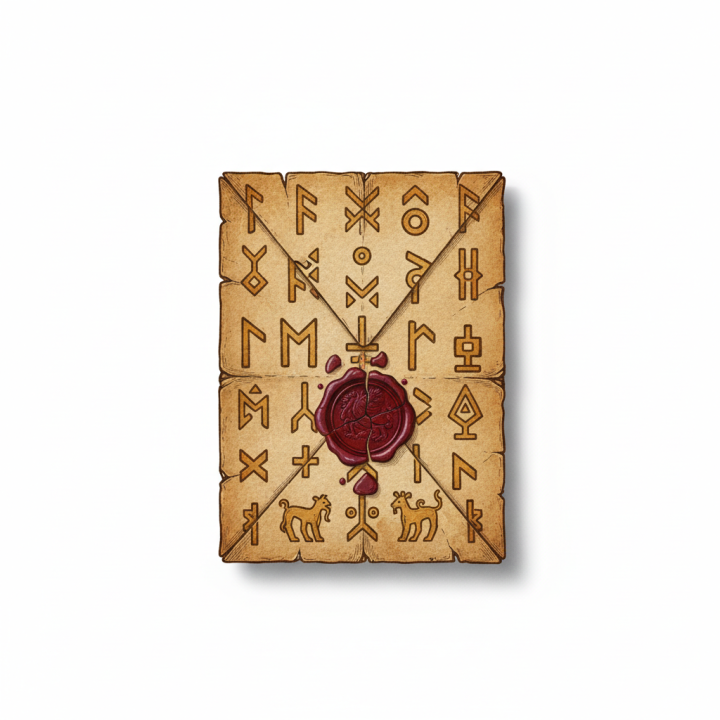
The ciphered letter
Orderly rows of meaningless signs. The ink is costly, the paper costlier, the sender - unknown.
Moments
-

At dawn
When the citadel is barely waking and the guards still doze.
-

After matins
The hour after the morning service, when the abbey empties.
-

At noon
Midday, with bustle in the markets and silence in the alcoves.
-

At dusk
When the shadows lengthen and the lanterns are not yet lit.
The findings and the testimonies
Nothing is missing from the list and nothing is surplus. Every row below is necessary: without it, the grid would allow several solutions at once.
- The bell-ringer remembers well: Captain Vlaicu came earlier than the suspect with dark eyes.
- A maid whispered it at confession: the mill by the river matches that hour: at noon.
- Whatever the market gossips: Balasa the Seamstress never touched the ciphered letter.
- The chronicler notes drily: the rusted sword matches that hour: after matins, whatever the court may say.
- An unsigned note, slipped under the door: "the culprit was there at dusk".
- The gate guard swears: the suspect with brown hair handled the royal seal.
- Two witnesses, upon their crest: the salt market and the ciphered letter do not go together.
- In the Chancellery's ledger it stands in black and white: Zaharia the Spice Merchant was at the abbey library.
- By the order of the hours, first comes Zaharia the Spice Merchant, then the suspect with grey eyes.
- Even the jester says it in earnest: the salt market does not match that hour: at dawn.
Open the full reasoning — the culprit's name is spoken from here on
The reasoning, step by step
It began with certainties, however small. A small certainty closes an entire row, and closed rows add up quickly.
A note in the margin of the page read: “The bell-ringer remembers well: Captain Vlaicu came earlier than the suspect with dark eyes”. One more link was drawn into the chain that would close at the verdict.
There followed a detail that narrowed the circle: “A maid whispered it at confession: the mill by the river matches that hour: at noon”. The cell filled, and around it a space opened: that is what a certain match does to a grid.
A piece of information dearly bought showed its worth: “Whatever the market gossips: Balasa the Seamstress never touched the ciphered letter”. The negation does not say who did it, but it says who did not — and in the end that is enough.
The Chancellery received then, within hours, all that was still missing: “The chronicler notes drily: the rusted sword matches that hour: after matins, whatever the court may say”; “An unsigned note, slipped under the door: "the culprit was there at dusk"”; “The gate guard swears: the suspect with brown hair handled the royal seal”; “Two witnesses, upon their crest: the salt market and the ciphered letter do not go together”; “In the Chancellery's ledger it stands in black and white: Zaharia the Spice Merchant was at the abbey library”. The grid emptied before one's eyes, and what stayed in it could no longer be doubted.
This too was added to the file: “By the order of the hours, first comes Zaharia the Spice Merchant, then the suspect with grey eyes”. Nothing spectacular, but this is exactly how dossiers close: out of small lines, laid end to end.
The examination of the place yielded this as well: “Even the jester says it in earnest: the salt market does not match that hour: at dawn”. A cross in the grid seems little, but every cross brings the row nearer the moment when one cell alone is left free.
The close of the investigation
The verdict wrote itself — the culprit is Balasa the Seamstress. The grid shows plainly how matters stood: Balasa the Seamstress was at the salt market, handled the abbess's bell and was there at dusk. All of this follows from the findings above, without a single unproved hypothesis.
What became of the others
The grid took them out of the circle one by one, place in the story and all: Zaharia the Spice Merchant was at the abbey library, handled the rusted sword and was there after matins; Captain Vlaicu was at the great stable, handled the royal seal and was there at dawn; Ban Radu the Silent was at the mill by the river, handled the ciphered letter and was there at noon. They look like rows of padding and they are not: the whole of the rest rests on them.
The truth did not surface in a flash of insight but out of a run of small cuts, every one of them checkable.
Play this dossier All mysteries
The chronicles are written by the Enigmerra Chancellery out of the dossier's own logic: every step above is verified by the solver which proved, at publication, that the dossier has a unique solution. behind the scenes at the Chancellery.