
Chronicle of the solution: The Veil of the Crown
Espionage Tier II
The espionage file has found its answer; what follows is the chronicle of it, written for those who come after us.
The dossier, on a first reading
A ciphered letter, found where it had no business being, put the Chancellery on alert: someone is prying for another crown. The Chancellery has caught only the end of the thread; the whole skein is still in someone's hands. The testimonies keep returning to the same names: Abbot Corvus, Countess Velica de Arin, Manole the Jeweller and Ban Radu the Silent. The hours in question: "at dawn", "after matins", "at noon" and "at dusk". Study the testimonies at your leisure, fit them into the grid, and pronounce your verdict without haste.
The names entered in the file were Abbot Corvus, Countess Velica de Arin, Manole the Jeweller and Ban Radu the Silent. The investigation regarded them all with the same coldness, as is proper.
The suspects
-

Abbot Corvus
He raises ravens in the abbey tower. His birds arrive faster than any messenger - and cannot be held to account.
1.78 m tall · dark eyes · no hair · right-handed
-
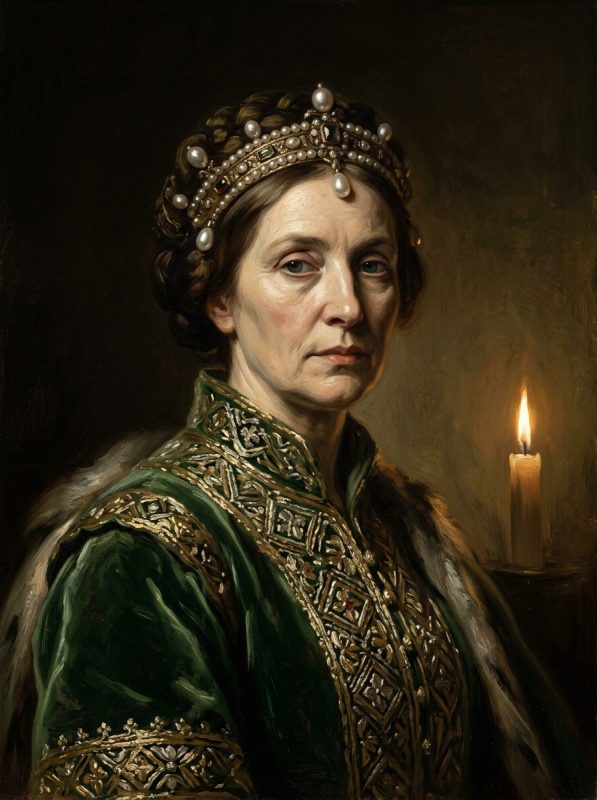
Countess Velica de Arin
She collects fans, debts of honour, and bedchamber secrets. She wields all three as weapons.
1.70 m tall · green eyes · red hair · left-handed
-
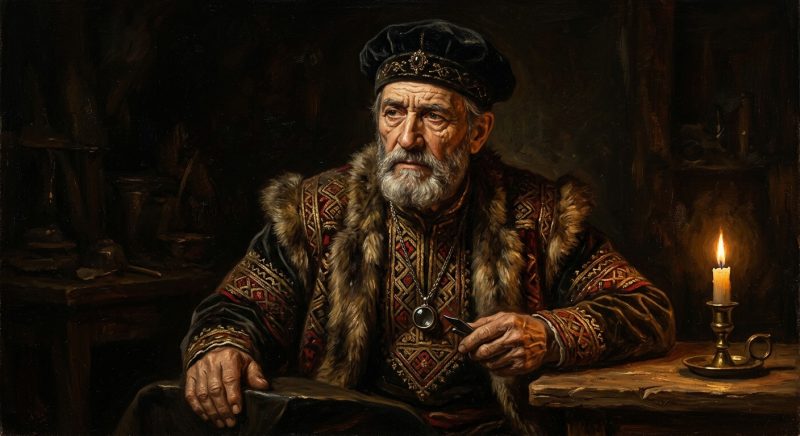
Manole the Jeweller
He tells gold from gilt at a glance. With people, he admits, it takes him two.
1.69 m tall · brown eyes · brown hair · right-handed
-
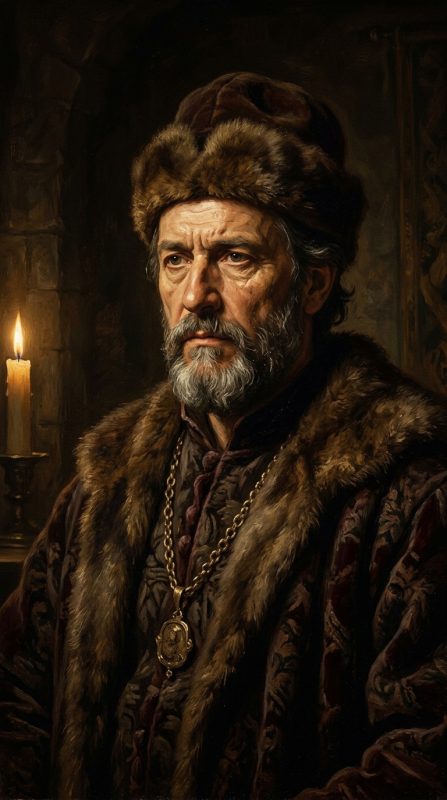
Ban Radu the Silent
He has never uttered a needless word in his life. Sadly, nor a useful one for investigators.
1.81 m tall · grey eyes · grey hair · right-handed
Locations
-

The old dungeon
Cells abandoned since the new dungeon was built. "Abandoned" is one way of putting it.
-
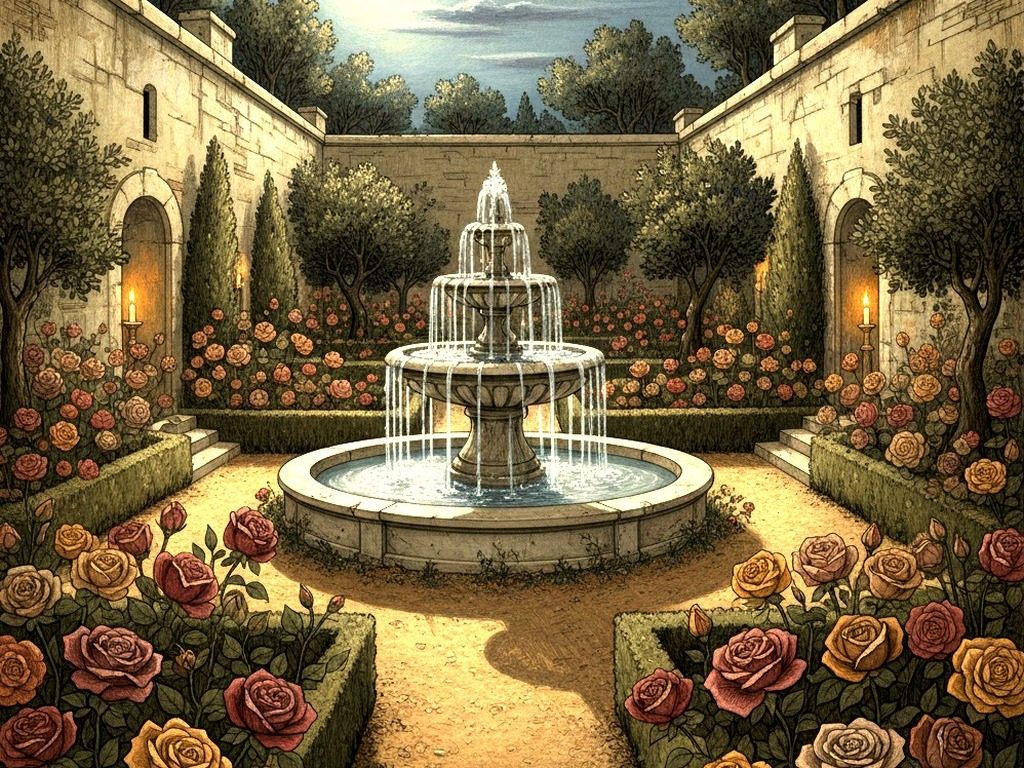
The queen's garden
Roses trimmed to a line and paths you may walk only by invitation. At night, the hedge has ears.
-
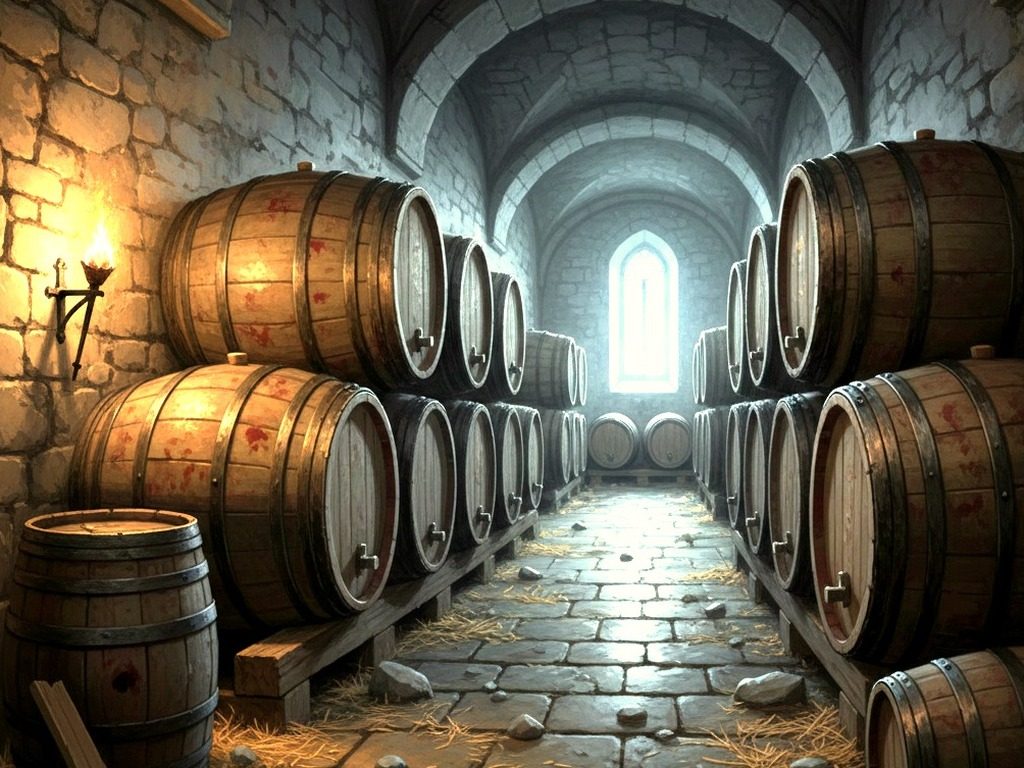
The castle cellar
Barrels as big as carts and corners the lantern never reaches.
-
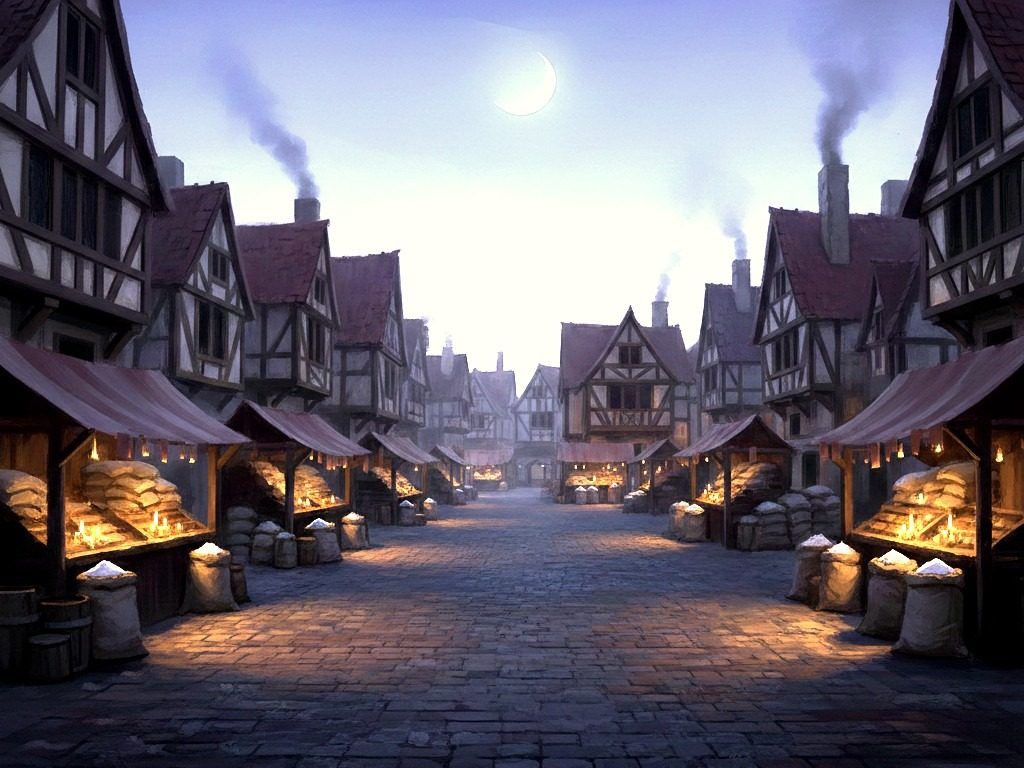
The salt market
Here anything is bargained for, from salt to silences. The price of silence keeps rising.
Objects
-
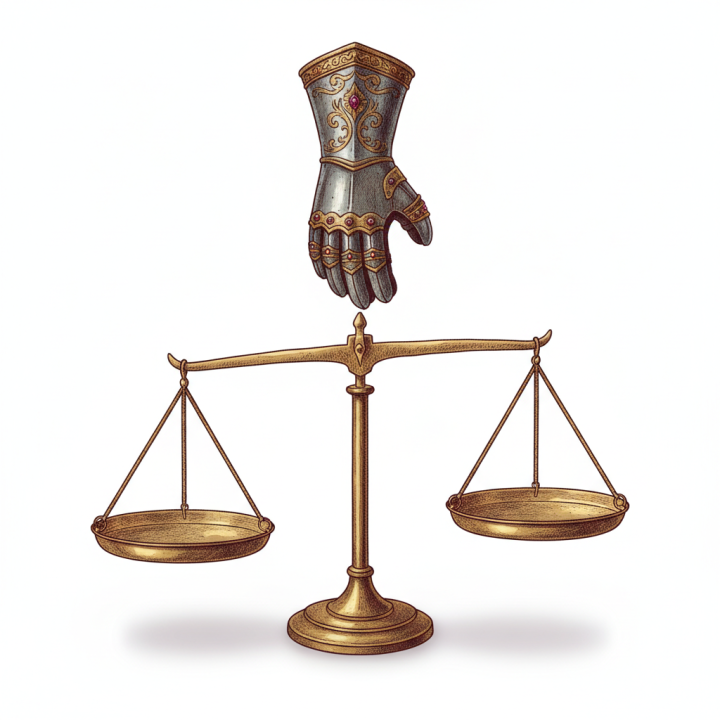
The customs scales
Copper pans, sealed weights. One of the weights rings hollow.
-

The ruby dagger
A short blade, its hilt set with a stone red as a frozen drop. It was sharpened recently.
-

The ceremonial crown
The "wearable" copy of the true crown. At least, that was the idea.
-
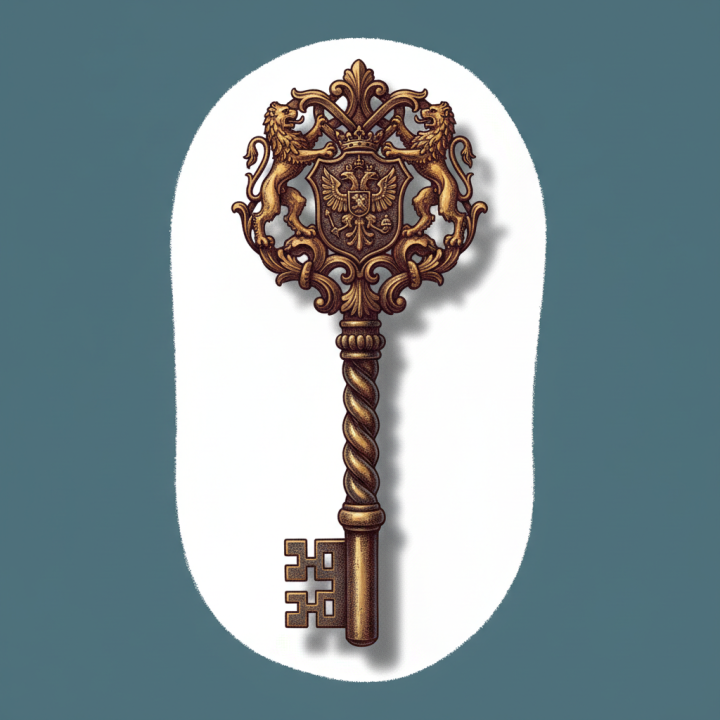
The bronze key
Heavy, old, its teeth worn smooth. No one knows what door it opens anymore - or so they say.
Moments
-

At dawn
When the citadel is barely waking and the guards still doze.
-

After matins
The hour after the morning service, when the abbey empties.
-

At noon
Midday, with bustle in the markets and silence in the alcoves.
-

At dusk
When the shadows lengthen and the lanterns are not yet lit.
The pages of the file
This much was worked with, no more and no less. Minimality is not a figure of speech: each row was taken out in turn, at trial, and without it the solution ceased to be unique.
- In the Chancellery's ledger it stands in black and white: the queen's garden and the ceremonial crown go together.
- Even the jester says it in earnest: the suspect with brown hair was not present after matins.
- About the culprit, the Chancellery knows one thing for certain: the culprit handled the ceremonial crown.
- The chronicler notes drily: the tallest suspect handled the customs scales, whatever the court may say.
- The gate guard swears: the salt market and the bronze key go together.
- In the Chancellery's ledger it stands in black and white: the suspect with brown hair handled the bronze key.
- In the Chancellery's ledger it stands in black and white: Abbot Corvus was there at dusk.
- An honest-faced witness saw it plainly: the old dungeon matches that hour: at dusk.
- Two witnesses, upon their crest: the customs scales does not match that hour: after matins.
- Even the jester says it in earnest: the salt market does not match that hour: at dawn.
Reveal the Chancellery's reasoning — warning, the culprit is named beyond this point
The reasoning, step by step
The investigator guessed at nothing. Each finding went to its place in the grid, each testimony passed through the sieve of the Supreme Law, and elimination did the rest.
The next line was the one that changed the reckoning: “In the Chancellery's ledger it stands in black and white: the queen's garden and the ceremonial crown go together”. The cell filled, and around it a space opened: that is what a certain match does to a grid.
A piece of information dearly bought showed its worth: “Even the jester says it in earnest: the suspect with brown hair was not present after matins”. The possibility fell without appeal, and the circle tightened by one finger.
The clerk read the next line aloud: “About the culprit, the Chancellery knows one thing for certain: the culprit handled the ceremonial crown”. The fact stuck to the guilty party like a seal, and whoever did not bear the seal was left in peace.
From here things gathered pace. Within a few hours the file received: “The chronicler notes drily: the tallest suspect handled the customs scales, whatever the court may say”; “The gate guard swears: the salt market and the bronze key go together”; “In the Chancellery's ledger it stands in black and white: the suspect with brown hair handled the bronze key”; “In the Chancellery's ledger it stands in black and white: Abbot Corvus was there at dusk”; “An honest-faced witness saw it plainly: the old dungeon matches that hour: at dusk”. At the end of them the grid looked like an almost-erased page: one cell alone still had anything to say.
A witness of good faith cleared up one more corner: “Two witnesses, upon their crest: the customs scales does not match that hour: after matins”. The row lost one more cell, and whoever gathers losses enough arrives at a gain.
From one word to the next, the investigation arrived here: “Even the jester says it in earnest: the salt market does not match that hour: at dawn”. The negation does not say who did it, but it says who did not — and in the end that is enough.
The culprit's name
The Chancellery pronounced its verdict without hesitation: the culprit is Countess Velica de Arin. The arrangement in the grid is this: Countess Velica de Arin was at the queen's garden, handled the ceremonial crown and was there after matins. All of this follows from the findings above, without a single unproved hypothesis.
What became of the others
The grid took them out of the circle one by one, place in the story and all: Abbot Corvus was at the old dungeon, handled the ruby dagger and was there at dusk; Manole the Jeweller was at the salt market, handled the bronze key and was there at noon; Ban Radu the Silent was at the castle cellar, handled the customs scales and was there at dawn. Every one of these rows was necessary: take out a single one and the verdict can no longer be demonstrated.
That is how a dossier closes: not with a well-contrived suspicion, but with the only arrangement the grid still allowed. The Chancellery needed no confession — it needed only logic.
Play this dossier All mysteries
The chronicles are written by the Enigmerra Chancellery out of the dossier's own logic: every step above is verified by the solver which proved, at publication, that the dossier has a unique solution. behind the scenes at the Chancellery.