
Chronicle of the solution: The Silence of the Blazon
Poisoning Tier II
The poison has found the hand that poured it, and the Chancellery sets down here, for the archive, the whole course of the investigation.
The opening of the investigation
Someone slipped poison where it did not belong, and now the whole court eyes its goblets warily. Between remedy and venom runs a thin line, and someone at court crossed it knowingly. Suspicion has fallen on Safta the Herbwife, Chamberlain Iorgu, Ilinca the Baker and Mother Evghenia — and until the proof is plain, none of these names leaves the room. On the inquiry's table, like pieces in a game, lie the ermine cloak, the small wine cask, the bishop's chalice and the abbess's bell. Study the testimonies at your leisure, fit them into the grid, and pronounce your verdict without haste.
Brought before the Chancellery were Safta the Herbwife, Chamberlain Iorgu, Ilinca the Baker and Mother Evghenia — names that, until the grid's last row, weighed exactly the same.
The suspects
-
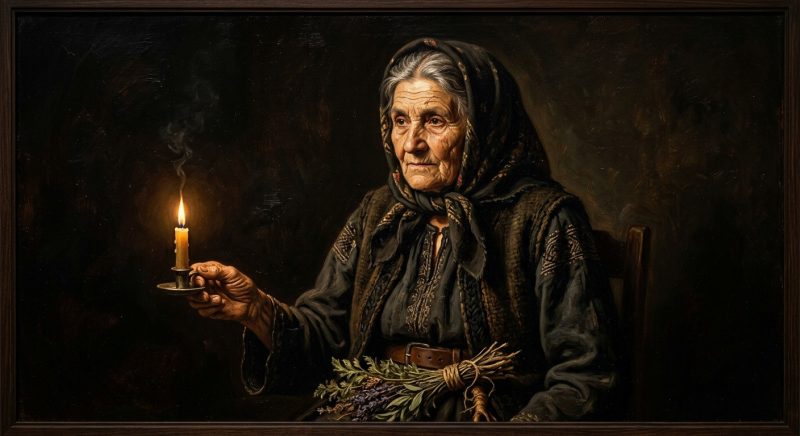
Safta the Herbwife
She gathers herbs at hours when honest folk sleep. The herbs, she says, speak then.
1.58 m tall · green eyes · greying hair · right-handed
-
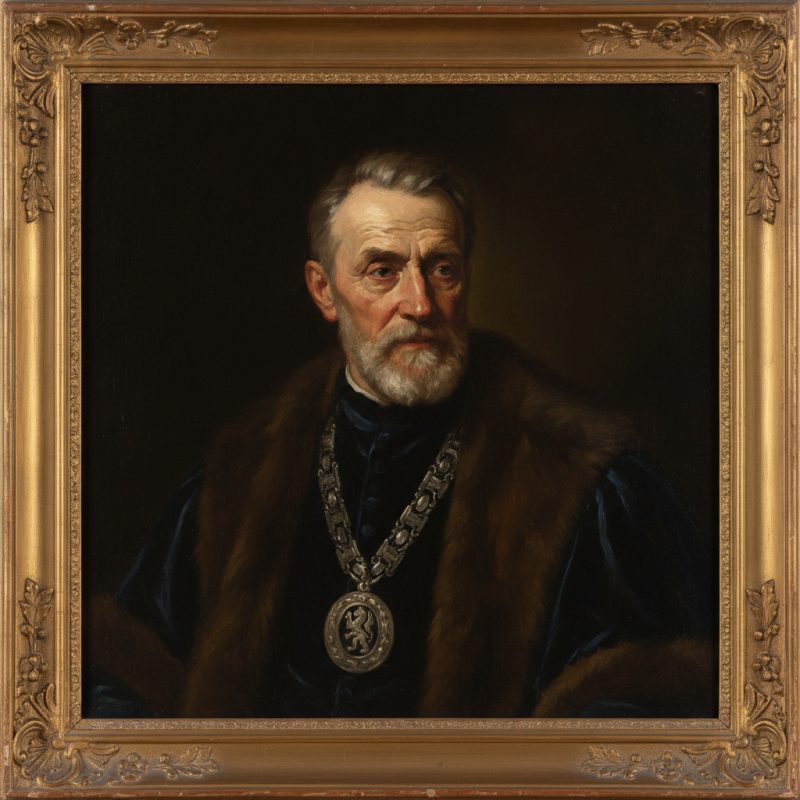
Chamberlain Iorgu
He arranges the king's audiences and, for a small courtesy, the order in which petitions are read.
1.77 m tall · grey eyes · brown hair · right-handed
-
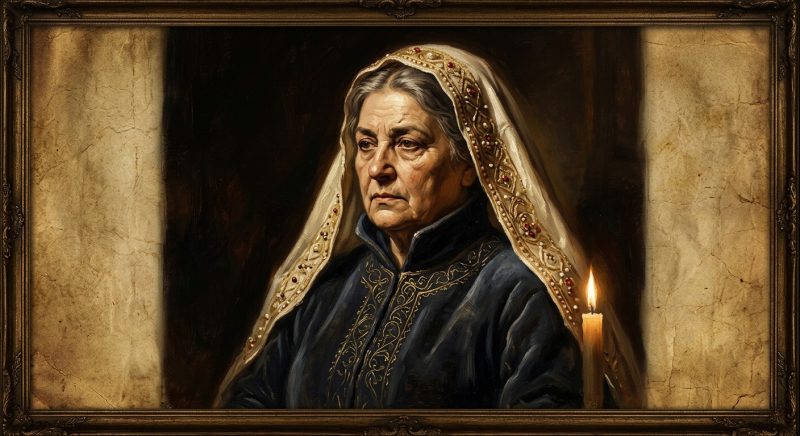
Ilinca the Baker
She weighs flour to the gram and people at a glance. No one stays in her debt twice.
1.62 m tall · brown eyes · chestnut hair · right-handed
-
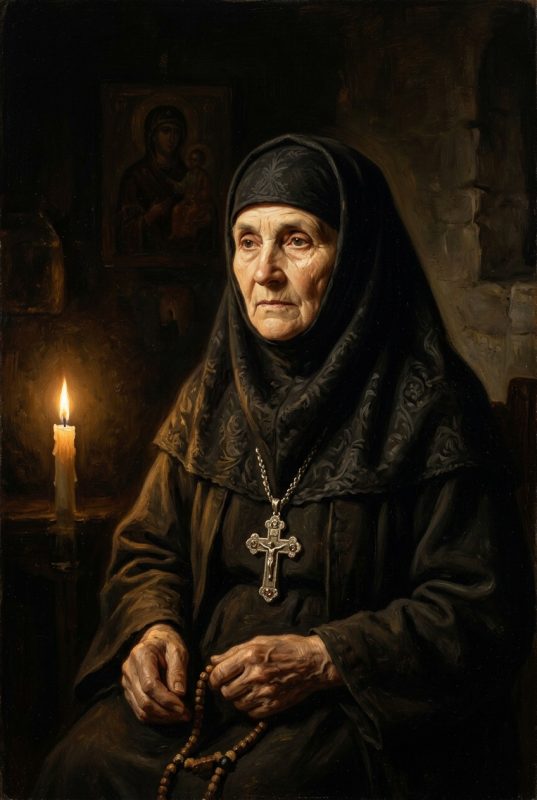
Mother Evghenia
She runs the abbey with an iron hand and a golden pen. The register of donations has pages she shows no one.
1.60 m tall · dark eyes · black hair · right-handed
Locations
-
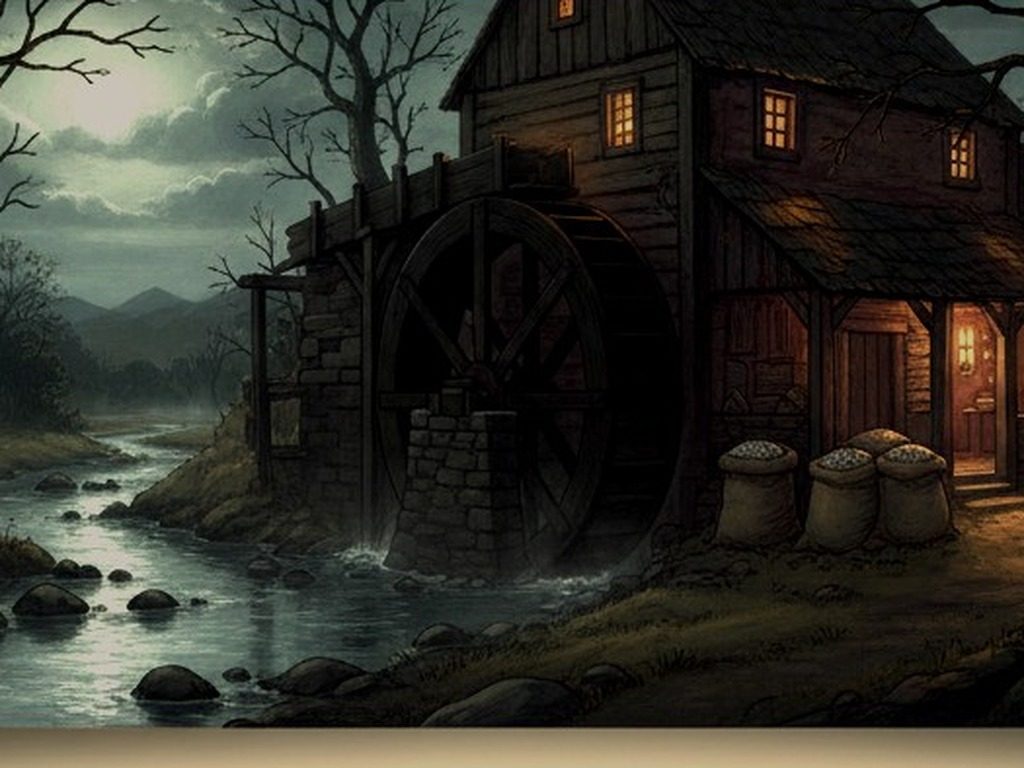
The mill by the river
The wheel turns day and night. Its noise drowns out any conversation - which is why some are held here.
-

The scriptorium
Slanted desks, ink, and working silence. Here a quill creaks louder than a conscience.
-
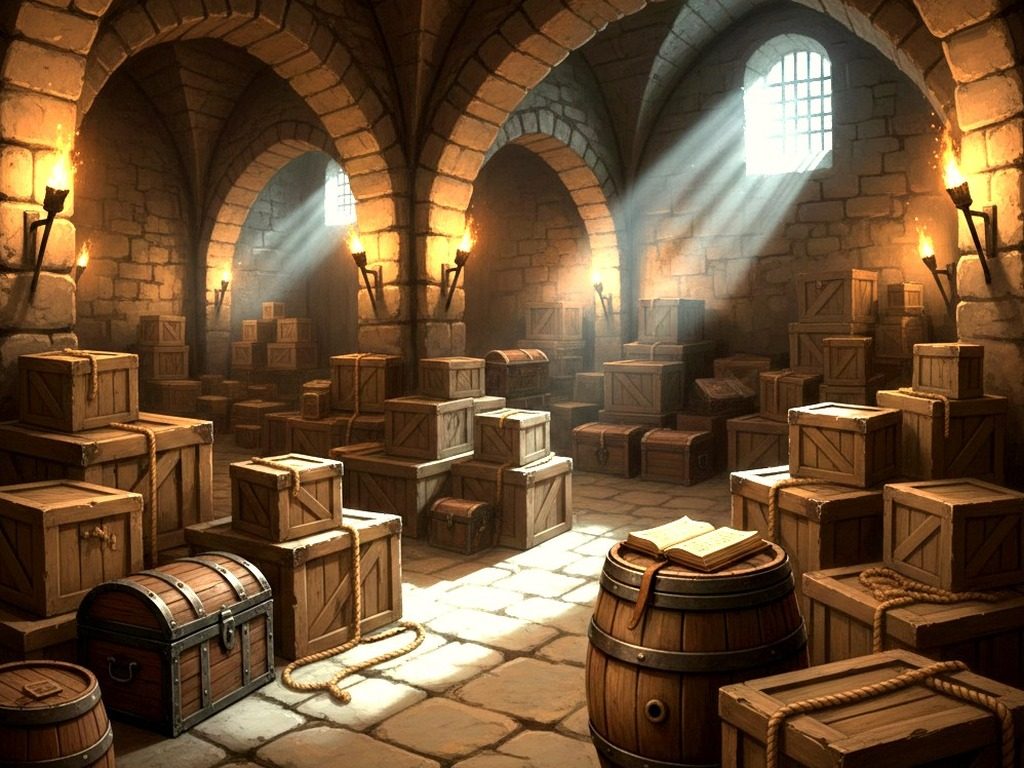
The customs cellar
Sealed crates, thick ledgers, and air that smells of undeclared goods.
-

The Golden Boar inn
Wine watered down and rumours diluted with nothing. The rooms upstairs ask no questions.
Objects
-

The ermine cloak
White fur with black tails - only the royal family may wear it. It has a tear at the hem.
-

The small wine cask
Arin wine, the good year. The bung was pulled and put back by an unskilled hand.
-
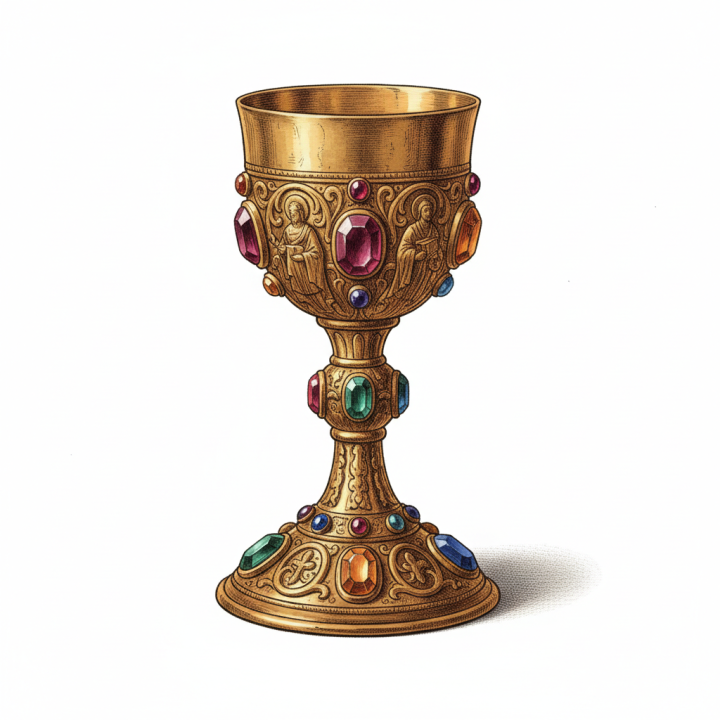
The bishop's chalice
Gold set with blue stones. Blessed three times, stolen twice.
-

The abbess's bell
It calls the nuns to prayer. On the night in question, they all say, it rang once too many.
Moments
-

At dawn
When the citadel is barely waking and the guards still doze.
-

After matins
The hour after the morning service, when the abbey empties.
-

At noon
Midday, with bustle in the markets and silence in the alcoves.
-

At dusk
When the shadows lengthen and the lanterns are not yet lit.
Everything that could be learned
Here is the whole file, as the investigator received it. Not one row is spare — it was checked by removing each in turn and watching the unique solution disappear.
- The chronicler notes drily: the suspect with brown hair handled the small wine cask, whatever the court may say.
- The tracks in the dust do not lie: the Golden Boar inn and the abbess's bell go together.
- The traces left at the scene show it plainly: the culprit was at the mill by the river.
- The night watch saw the suspect with brown eyes first, and only then Chamberlain Iorgu.
- One thing is certain: the hour "at dawn" and the scriptorium do not share the same match for suspects.
- An unsigned note, slipped under the door: "the culprit handled the ermine cloak".
- The tracks in the dust do not lie: the suspect with brown eyes was in the place where a quill creaks louder than a conscience.
- An honest-faced witness saw it plainly: the suspect with dark eyes handled the abbess's bell.
- The chronicler notes drily: the ermine cloak matches that hour: at dusk, whatever the court may say.
Open the full reasoning — the culprit's name is spoken from here on
The unravelling of the thread
It began with certainties, however small. A small certainty closes an entire row, and closed rows add up quickly.
A piece of information dearly bought showed its worth: “The chronicler notes drily: the suspect with brown hair handled the small wine cask, whatever the court may say”. Once the tick was placed, the investigation had nothing left to argue on that row and moved on.
A report from the watch brought clarity: “The tracks in the dust do not lie: the Golden Boar inn and the abbess's bell go together”. The tick goes down without hesitation, and with it fall all the other cells on that row and that column.
A detail overlooked at the start came back into the file: “The traces left at the scene show it plainly: the culprit was at the mill by the river”. A fact fastened to the culprit cuts without naming: whoever cannot carry it leaves the circle at once.
The archivist copied on, without comment, everything that could be proved: “The night watch saw the suspect with brown eyes first, and only then Chamberlain Iorgu”; “One thing is certain: the hour "at dawn" and the scriptorium do not share the same match for suspects”; “An unsigned note, slipped under the door: "the culprit handled the ermine cloak"”; “The tracks in the dust do not lie: the suspect with brown eyes was in the place where a quill creaks louder than a conscience”. The grid emptied before one's eyes, and what stayed in it could no longer be doubted.
The scouts brought their share as well: “An honest-faced witness saw it plainly: the suspect with dark eyes handled the abbess's bell”. The cell filled, and around it a space opened: that is what a certain match does to a grid.
The Chancellery asked for one more check, and received it: “The chronicler notes drily: the ermine cloak matches that hour: at dusk, whatever the court may say”. From then on that cell could no longer be disputed, and the dispute moved one row down.
The seal on the file
At the end of the grid one name alone remained: Safta the Herbwife. The grid shows plainly how matters stood: Safta the Herbwife was at the mill by the river, handled the ermine cloak and was there at dusk. The verdict stands on its own, out of the findings above.
The acquittal of the rest
The others found their acquittal in the grid as well: Chamberlain Iorgu was at the customs cellar, handled the small wine cask and was there at noon; Ilinca the Baker was at the scriptorium, handled the bishop's chalice and was there after matins; Mother Evghenia was at the Golden Boar inn, handled the abbess's bell and was there at dawn. It is these acquittals that made the verdict possible: without them, room for doubt would have remained.
It was not cleverness that unravelled the thread, but order. Order can be learned, and that is exactly why the chronicle is written.
Play this dossier All mysteries
This chronicle is no free retelling: it rises directly out of the dossier's logic, and every step passed through the solver which proved, before publication, that the solution is unique. behind the scenes at the Chancellery.