
Chronicle of the solution: The Trap of the Tourney
Theft Tier III
The theft dossier is closed, and the Chancellery now permits itself to tell, at leisure, how it was unravelled.
The dossier, on a first reading
A bitter morning has settled over Realm of the Crown: something precious has vanished without a trace. The Chancellery has set every other file aside: until what was taken returns, no one sleeps easy. On the Chancellery's list stand Elisei the Stargazer, Petru the Herald, Gavril the Farrier, Sword-Bearer Dragos and Toma the Cellarer; one of these names covers a lie. Rumor walks the deed through every corner: the watchtower, the wharf, the guild forge, the throne room and the old dungeon. Few files have tested so many investigators; untangle the threads, catch the lie, and pronounce your verdict.
Suspicion settled on these: Elisei the Stargazer, Petru the Herald, Gavril the Farrier, Sword-Bearer Dragos and Toma the Cellarer. From then on the names mattered less than what could be proved about each.
The suspects
-

Elisei the Stargazer
He reads the future in the stars and the past in men's debts. The second method fails less often.
1.67 m tall · blue eyes · greying hair · right-handed
-
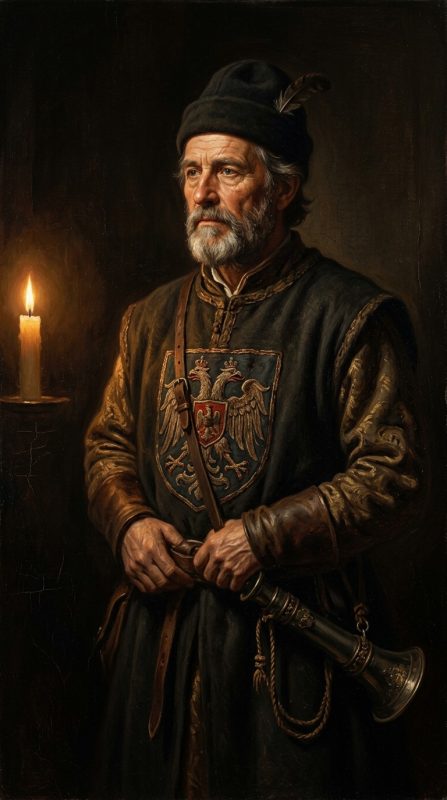
Petru the Herald
He proclaims the crown's will to every corner of the kingdom. Sometimes he proclaims it before the crown itself knows.
1.82 m tall · blue eyes · blond hair · right-handed
-
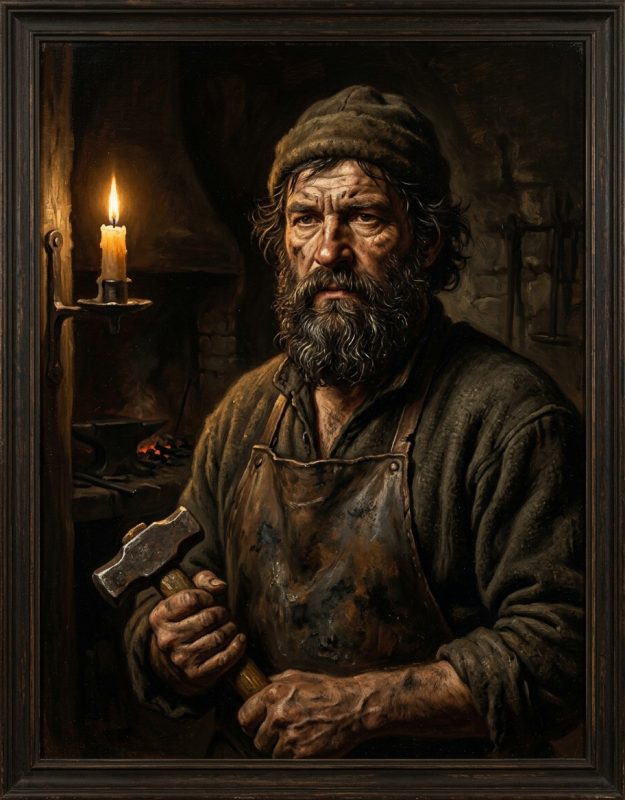
Gavril the Farrier
Arms like tree trunks and a forge where all noise dies. Some things are better beaten while hot.
1.88 m tall · dark eyes · black hair · right-handed
-
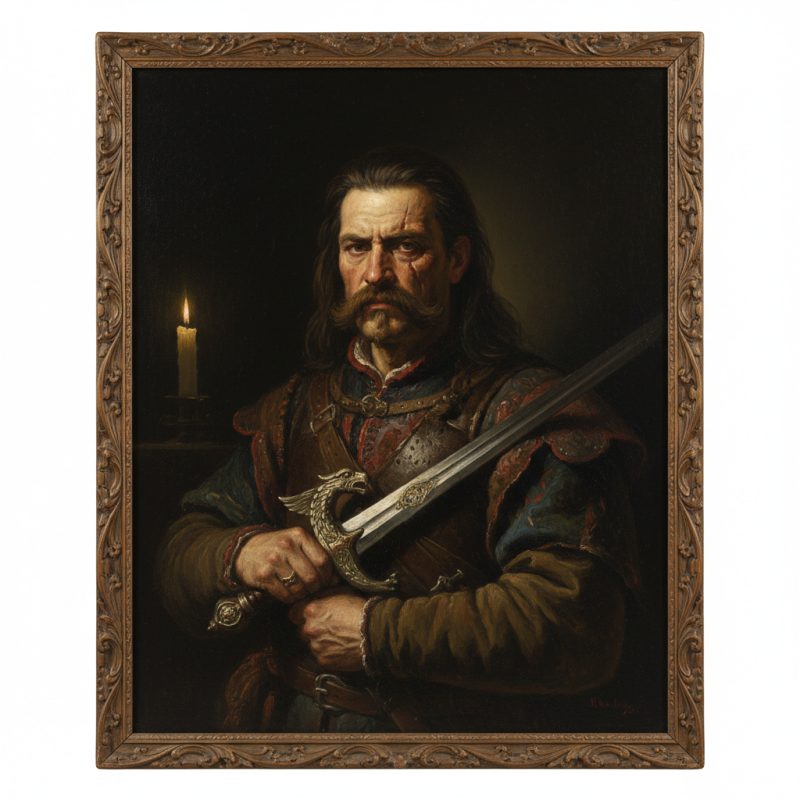
Sword-Bearer Dragos
He bears the king's ceremonial sword. At the tourney he has never lost; at dice, always.
1.86 m tall · brown eyes · chestnut hair · right-handed
-
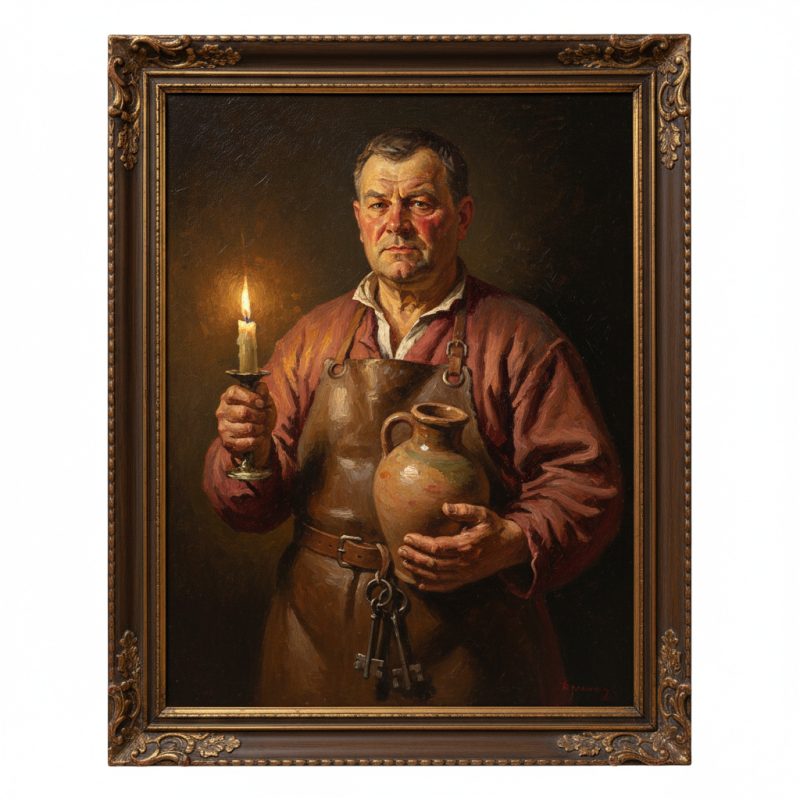
Toma the Cellarer
He holds the keys to every cellar in the castle. He claims the wine vanishes on its own, by "angelic evaporation."
1.73 m tall · brown eyes · red hair · left-handed
Locations
-

The watchtower
The highest point of the fortress. From here you see everything - and from below, everyone sees who climbs up.
-

The wharf
Moored boats, wet ropes, and goods that prefer to arrive in the fog.
-

The guild forge
Anvils, tongs, and a fire that never goes out. Many small metal things vanish here.
-
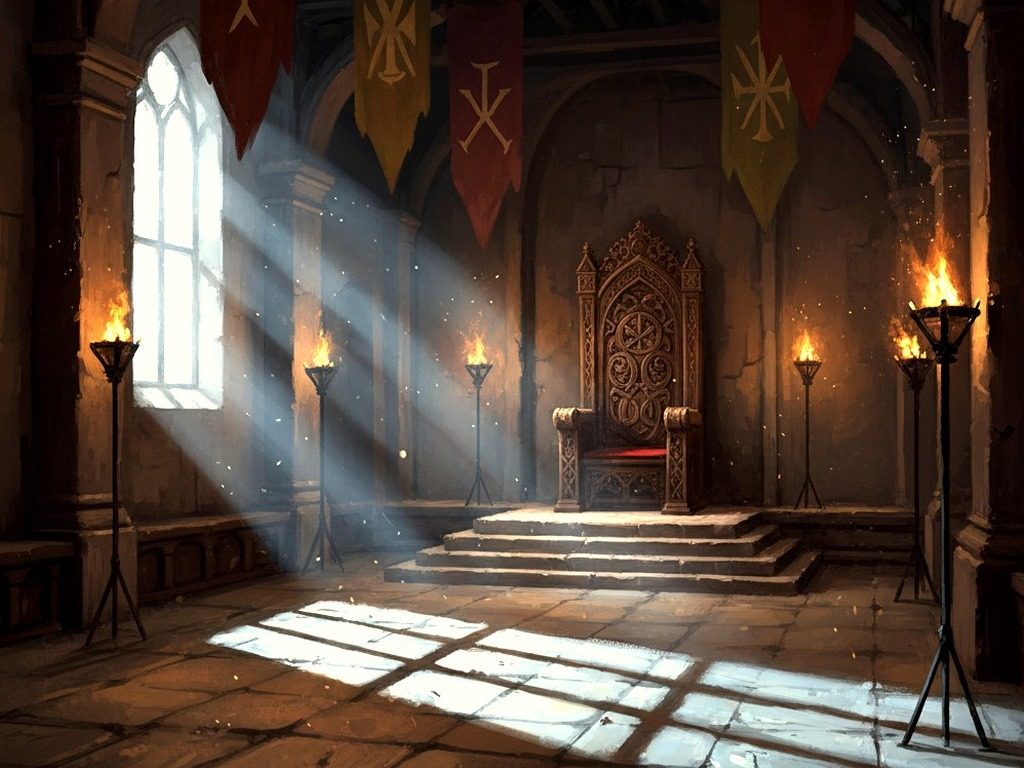
The throne room
Gold, purple, and the most closely watched place in the kingdom. In theory.
-

The old dungeon
Cells abandoned since the new dungeon was built. "Abandoned" is one way of putting it.
Objects
-
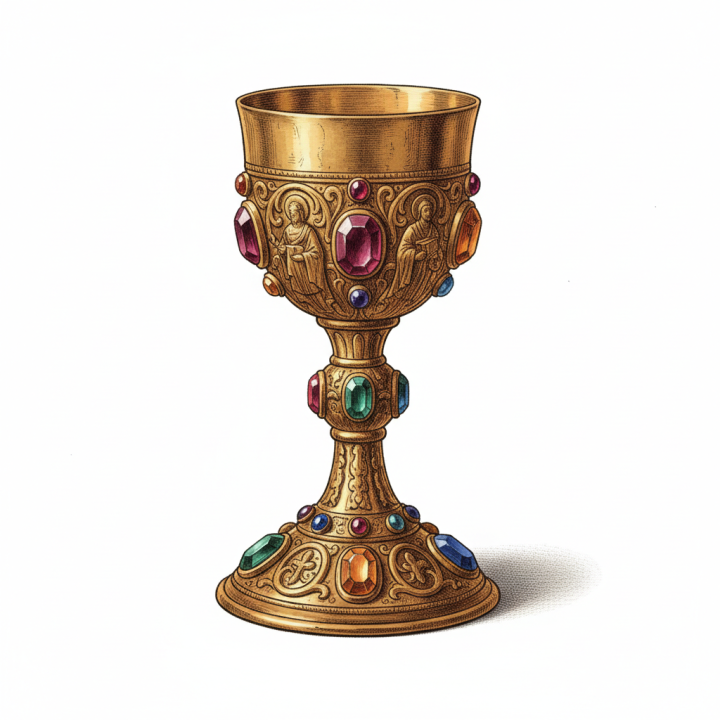
The bishop's chalice
Gold set with blue stones. Blessed three times, stolen twice.
-

The locked chest
Three padlocks, two rows of straps. Fresh scratches around the hinges, not the locks.
-
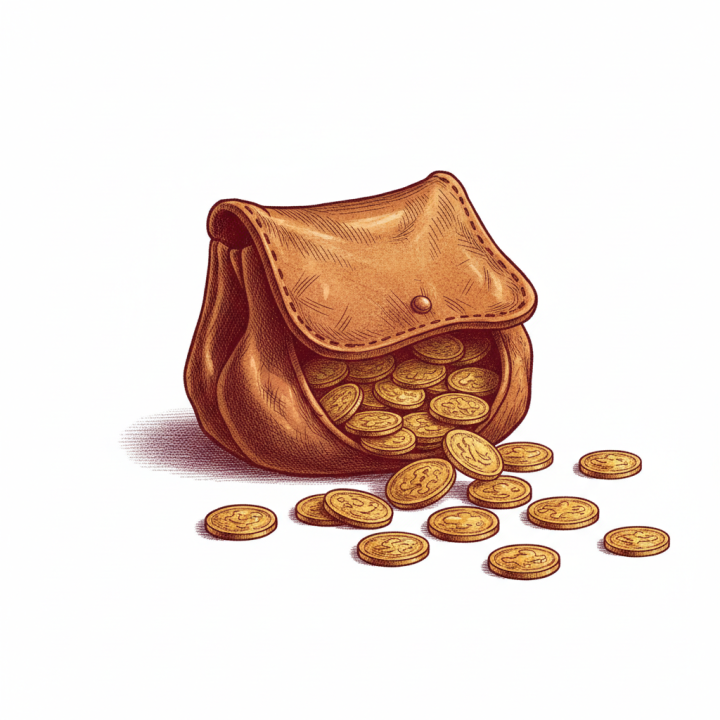
The purse of gold coins
New coins, unworn, from a minting not yet in circulation. Interesting.
-
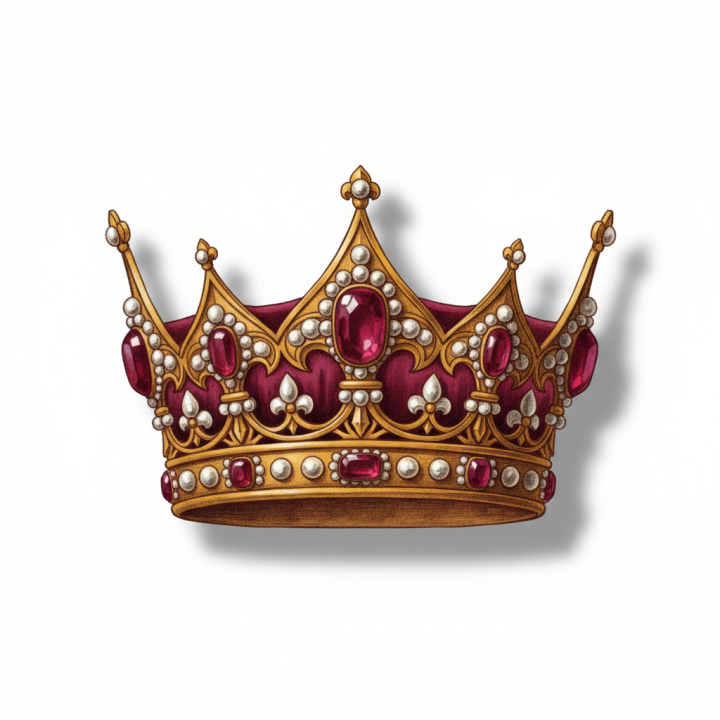
The ceremonial crown
The "wearable" copy of the true crown. At least, that was the idea.
-

The small wine cask
Arin wine, the good year. The bung was pulled and put back by an unskilled hand.
Motives
-
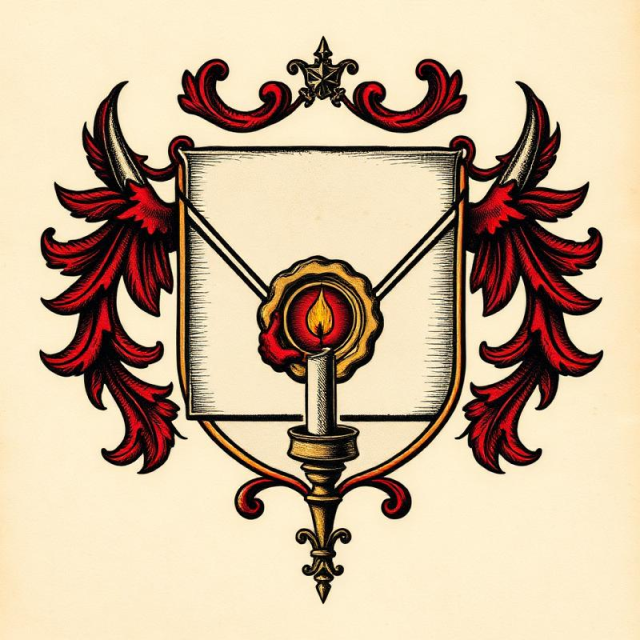
Blackmail
Un secret ținut ca funia la gât, strâns exact cât trebuie.
-
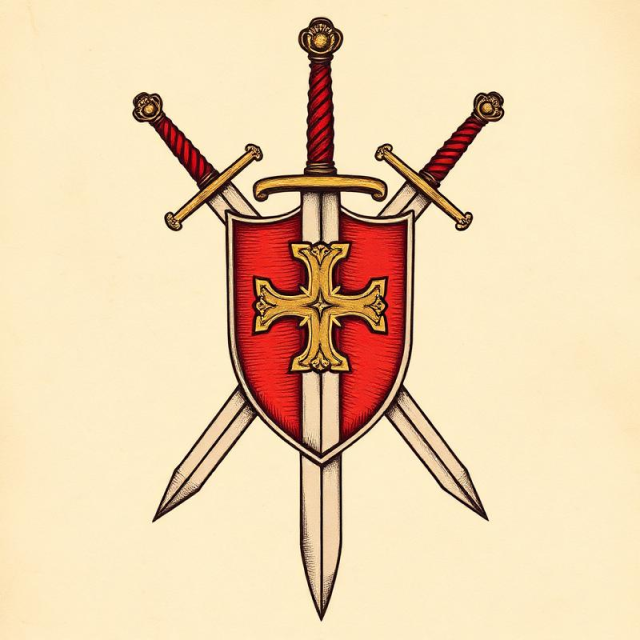
A debt of honour
O făgăduială care cântărește mai greu decât viața.
-
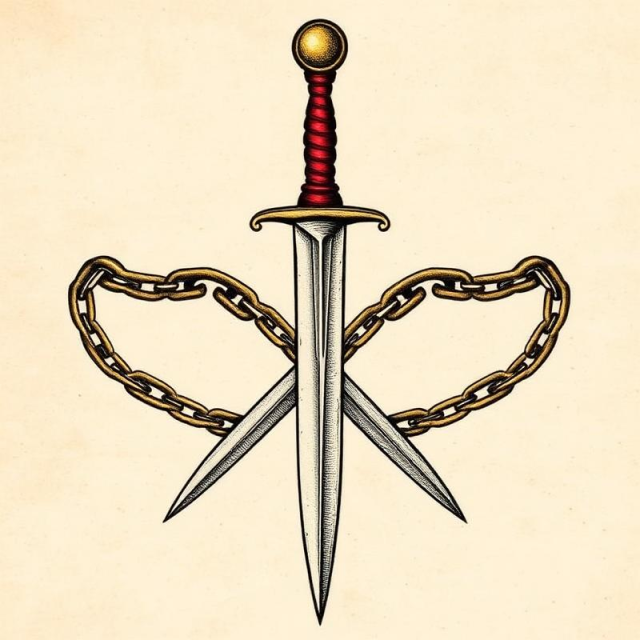
Revenge
O datorie de sânge pe care numai fapta o mai șterge.
-
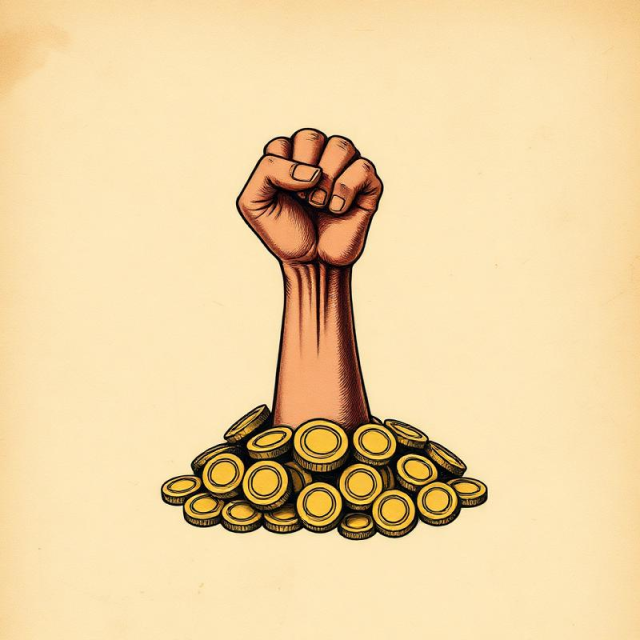
Greed
Dorința nesățioasă de avere, care nu se oprește la nimic.
-
Ambition
Setea de a urca, chiar peste trupuri, spre o treaptă mai înaltă.
What the Chancellery had to hand
These are all the findings and testimonies the Chancellery had to hand — not one more. The set is minimal by construction: take out a single row and the verdict can no longer be demonstrated.
- The gate guard swears: the throne room and a debt of honour go together.
- An honest-faced witness saw it plainly: Sword-Bearer Dragos was in the place where goods arrive in the fog.
- In the Chancellery's ledger it stands in black and white: the throne room and the small wine cask go together.
- An honest-faced witness saw it plainly: the ceremonial crown and blackmail go together.
- Two witnesses, upon their crest: the shortest suspect never set foot in the throne room.
- The tracks in the dust do not lie: the suspect with chestnut hair was driven by greed.
- An honest-faced witness saw it plainly: the old dungeon and revenge go together.
- The chancellor deduced it coldly: if the suspect with greying hair handled the purse of gold coins, then Toma the Cellarer was at the watchtower.
- Before the investigator, Petru the Herald firmly repeats: "I handled the purse of gold coins".
- The healer says it with a raised finger: if the suspect with chestnut hair was driven by greed, then the suspect with red hair was driven by blackmail.
- The Chancellery checked twice: the suspect with blond hair never touched the purse of gold coins.
- Every scout reports the same about the culprit: the culprit was driven by revenge.
- A maid whispered it at confession: the wharf and the bishop's chalice go together.
Read the unravelling, step by step — warning: past this line, the mystery ends
The unravelling of the thread
The start was not a culprit hunted by candlelight but whatever could be proved. The rest followed of itself, by cutting.
This too was added to the file: “The gate guard swears: the throne room and a debt of honour go together”. One more certainty means, in a deduction grid, a whole fistful of impossibilities — and so it proved here.
There followed a detail that narrowed the circle: “An honest-faced witness saw it plainly: Sword-Bearer Dragos was in the place where goods arrive in the fog”. The tick goes down without hesitation, and with it fall all the other cells on that row and that column.
The scouts brought their share as well: “In the Chancellery's ledger it stands in black and white: the throne room and the small wine cask go together”. Two names bound themselves for good, and the binding undid, at a stroke, every pairing that contradicted it.
The file thickened quickly, and every fresh page cut something away: “An honest-faced witness saw it plainly: the ceremonial crown and blackmail go together”; “Two witnesses, upon their crest: the shortest suspect never set foot in the throne room”; “The tracks in the dust do not lie: the suspect with chestnut hair was driven by greed”; “An honest-faced witness saw it plainly: the old dungeon and revenge go together”; “The chancellor deduced it coldly: if the suspect with greying hair handled the purse of gold coins, then Toma the Cellarer was at the watchtower”; “Before the investigator, Petru the Herald firmly repeats: "I handled the purse of gold coins"”; “The healer says it with a raised finger: if the suspect with chestnut hair was driven by greed, then the suspect with red hair was driven by blackmail”; “The Chancellery checked twice: the suspect with blond hair never touched the purse of gold coins”. At the end of them the grid looked like an almost-erased page: one cell alone still had anything to say.
A piece of information dearly bought showed its worth: “Every scout reports the same about the culprit: the culprit was driven by revenge”. A fact fastened to the culprit, with no name attached: enough for all those the fact does not cover to fall.
The Chancellery asked for one more check, and received it: “A maid whispered it at confession: the wharf and the bishop's chalice go together”. Once the tick was placed, the investigation had nothing left to argue on that row and moved on.
The word that would not fit
The whole investigation rested, in the end, on a single sentence. Petru the Herald swore before the Chancellery that I handled the purse of gold coins. The grid, however, says otherwise: Petru the Herald never touched the purse of gold coins. One lying testimony fits inside a dossier, and it always belongs to the same hand — under the Supreme Law, the culprit's.
The culprit's name
The verdict wrote itself — the culprit is Petru the Herald. When the deed took place, Petru the Herald was at the old dungeon, handled the locked chest and was driven by revenge. Plain elimination was not enough here: every suspect had to be tried as the culprit until all hypotheses but one shattered. Hence the dossier stands at tier III.
Those taken out of the circle
The others found their acquittal in the grid as well: Elisei the Stargazer was at the guild forge, handled the purse of gold coins and was driven by ambition; Gavril the Farrier was at the throne room, handled the small wine cask and was driven by a debt of honour; Sword-Bearer Dragos was at the wharf, handled the bishop's chalice and was driven by greed; Toma the Cellarer was at the watchtower, handled the ceremonial crown and was driven by blackmail. It is these acquittals that made the verdict possible: without them, room for doubt would have remained.
That is how a dossier closes: not with a well-contrived suspicion, but with the only arrangement the grid still allowed. The Chancellery needed no confession — it needed only logic.
Play this dossier All mysteries
The chronicle is written from the logic of the file, not from memory. The uniqueness of the solution was demonstrated by the solver before the dossier ever became public. behind the scenes at the Chancellery.