
Chronicle of the solution: The Trap of the Fair
Conspiracy Tier II
Whoever hatched the scheme in shadow now stands in the light. The chronicle below shows how they were drawn out of it.
How the file came to the Chancellery
Not one deed but a whole scheme has come to light — laid patiently, in secret. The crown demands not only the name but the proof: suspicion without grounds is itself a tool of the scheme. Before you, one by one, will stand Chancellor Veniamin, Luca the Squire, Gavril the Farrier and Chamberlain Iorgu. The places named in the testimonies — the castle cellar, the mill by the river, the cathedral crypt and the watchtower — each await their turn under scrutiny. Study the testimonies at your leisure, fit them into the grid, and pronounce your verdict without haste.
Called to judgement were Chancellor Veniamin, Luca the Squire, Gavril the Farrier and Chamberlain Iorgu. Each had somewhere to begin a story; one alone had reason to change it.
The suspects
-
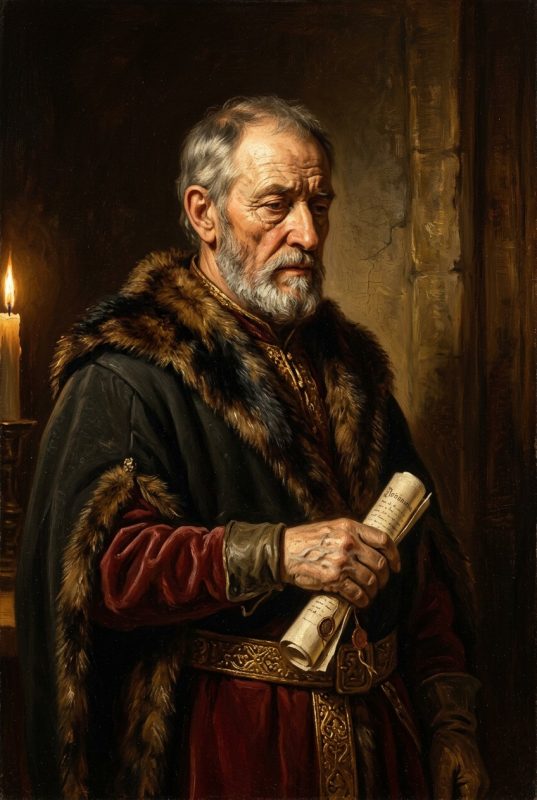
Chancellor Veniamin
Every charter of the kingdom passes through his hands. A comma he once moved started a war.
1.64 m tall · grey eyes · no hair · left-handed
-

Luca the Squire
He polishes the knight's armour and dreams of a sword of his own. For a coat of arms he would do almost anything.
1.72 m tall · green eyes · brown hair · right-handed
-
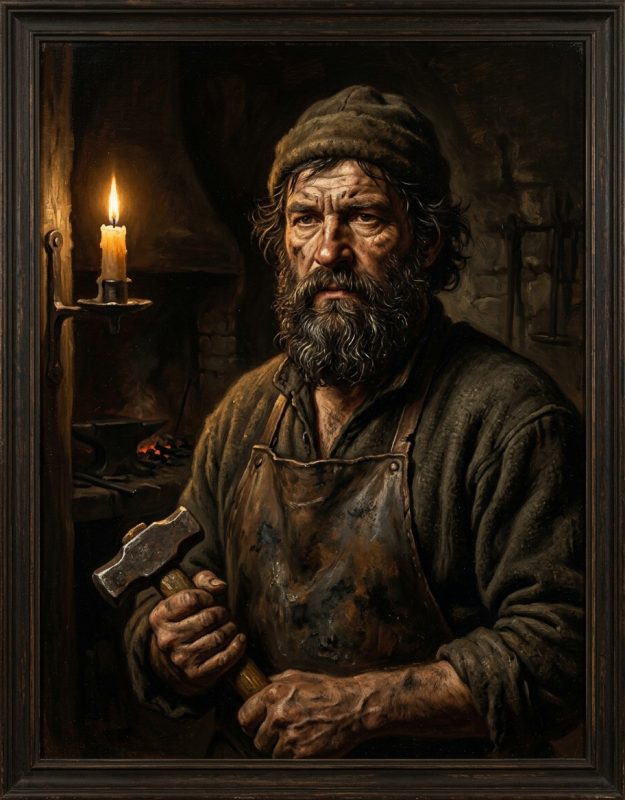
Gavril the Farrier
Arms like tree trunks and a forge where all noise dies. Some things are better beaten while hot.
1.88 m tall · dark eyes · black hair · right-handed
-
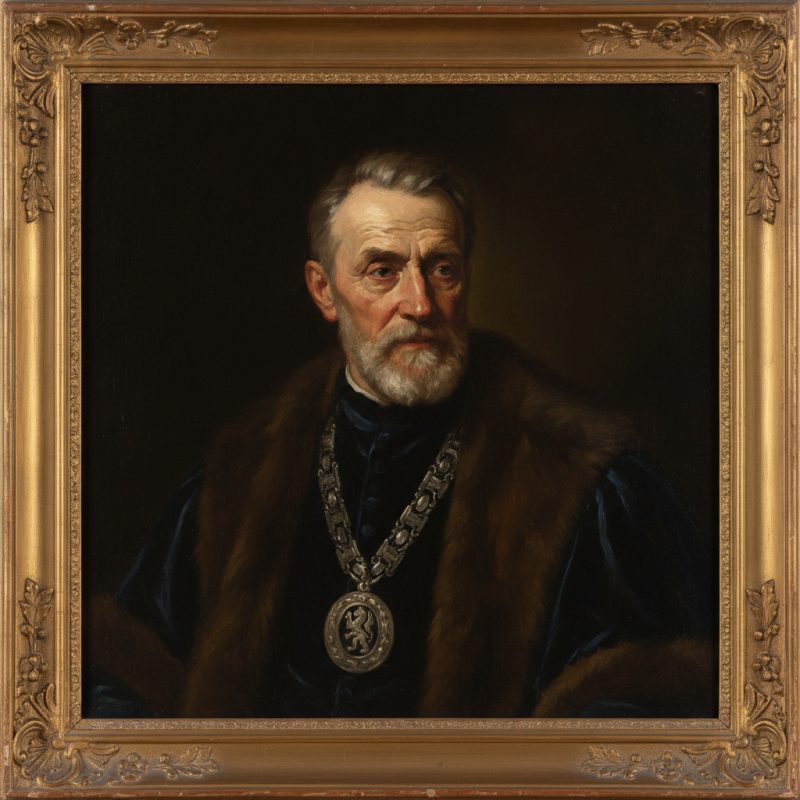
Chamberlain Iorgu
He arranges the king's audiences and, for a small courtesy, the order in which petitions are read.
1.77 m tall · grey eyes · brown hair · right-handed
Locations
-
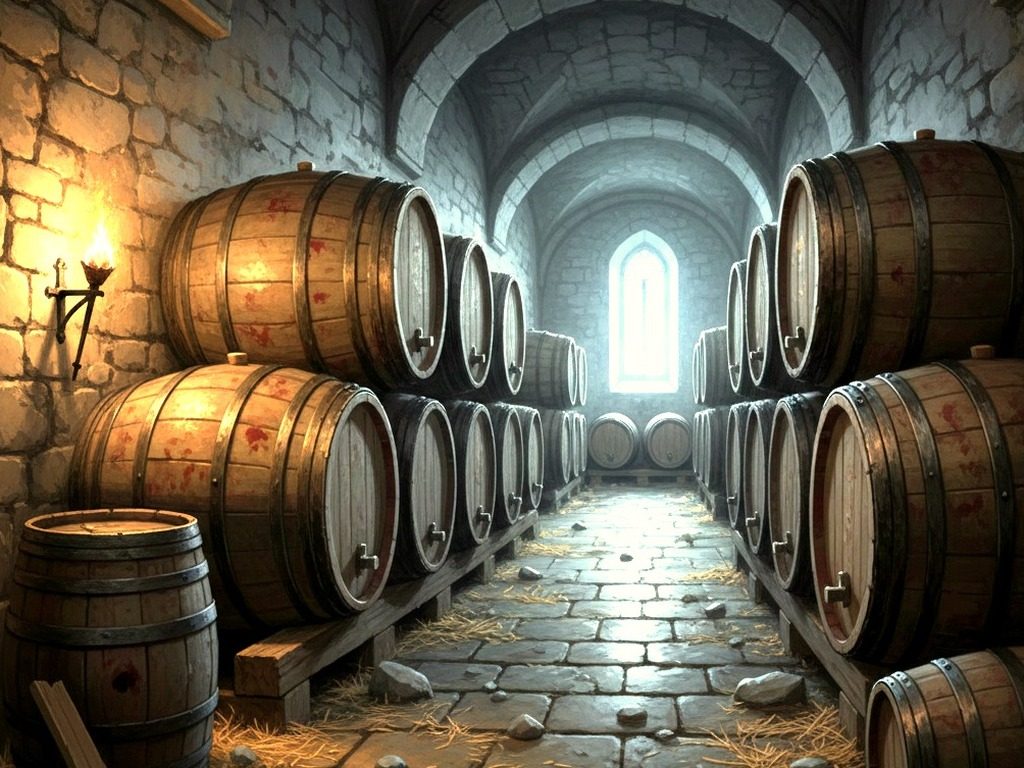
The castle cellar
Barrels as big as carts and corners the lantern never reaches.
-
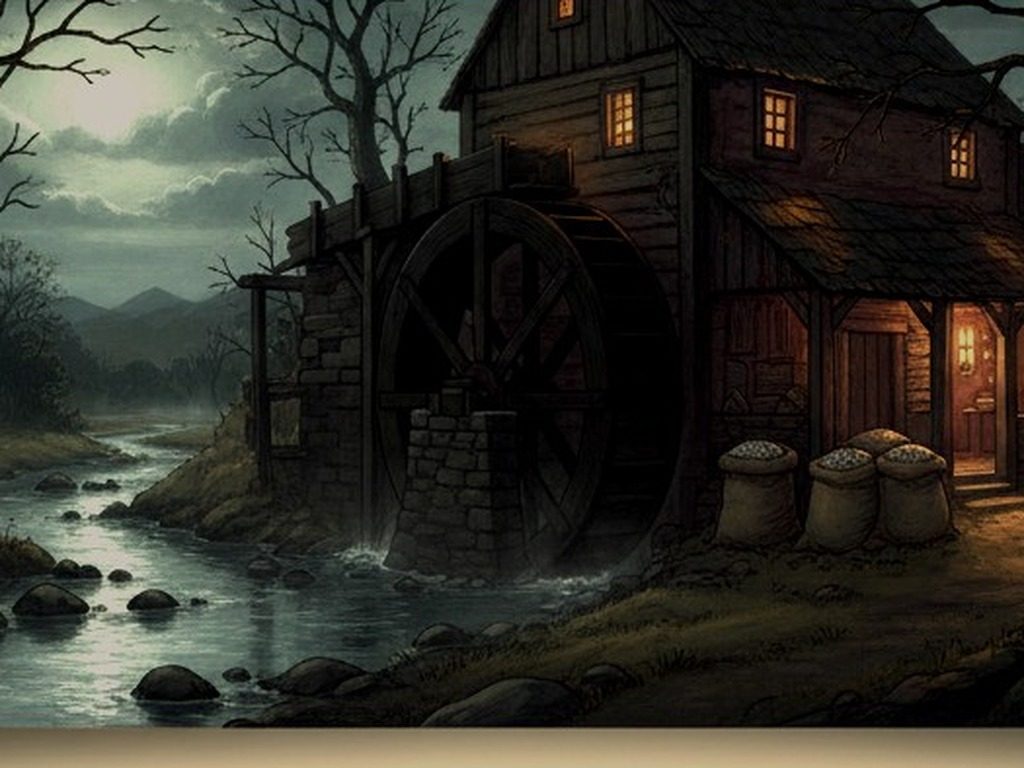
The mill by the river
The wheel turns day and night. Its noise drowns out any conversation - which is why some are held here.
-

The cathedral crypt
The old kings sleep beneath crested slabs. Now and then, someone disturbs their rest.
-

The watchtower
The highest point of the fortress. From here you see everything - and from below, everyone sees who climbs up.
Objects
-
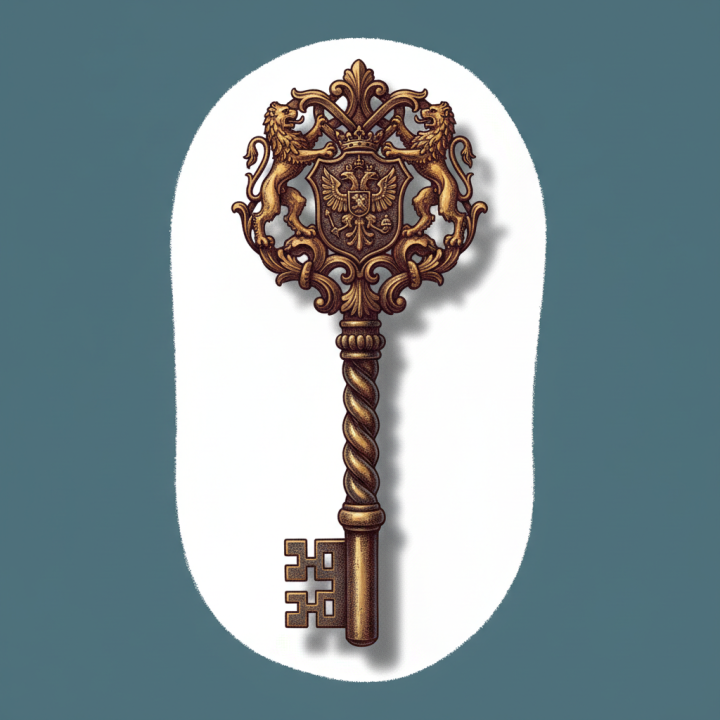
The bronze key
Heavy, old, its teeth worn smooth. No one knows what door it opens anymore - or so they say.
-
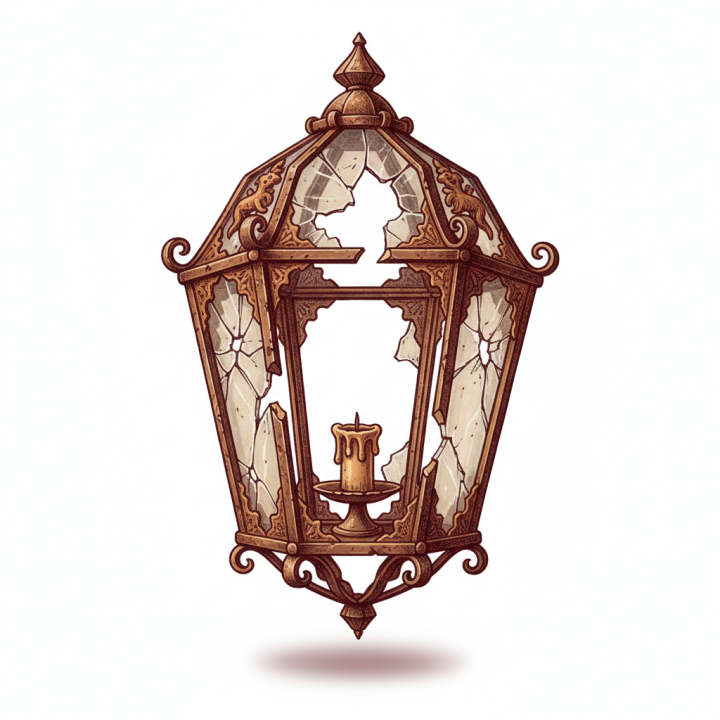
The broken lantern
The glass cracked, the wick burned to the end. Someone needed a lot of light, fast.
-

The rusted sword
An old weapon, forgotten on the rack. The rust on the blade is newer than it looks.
-

The abbess's bell
It calls the nuns to prayer. On the night in question, they all say, it rang once too many.
Moments
-

At dawn
When the citadel is barely waking and the guards still doze.
-

After matins
The hour after the morning service, when the abbey empties.
-

At noon
Midday, with bustle in the markets and silence in the alcoves.
-

At dusk
When the shadows lengthen and the lanterns are not yet lit.
What the Chancellery had to hand
Here is the whole file, as the investigator received it. Not one row is spare — it was checked by removing each in turn and watching the unique solution disappear.
- Two witnesses, upon their crest: the cathedral crypt and the broken lantern do not go together.
- Even the jester says it in earnest: the broken lantern does not match that hour: at noon.
- An honest-faced witness saw it plainly: Chancellor Veniamin handled the abbess's bell.
- The customs register is clear: the mill by the river and the broken lantern do not go together.
- The bell-ringer remembers well: Chamberlain Iorgu came earlier than Luca the Squire.
- The gate guard swears: Chamberlain Iorgu was there at noon.
- One thing is certain: the cathedral crypt and the hour "at dawn" do not share the same match for suspects.
- About the culprit, the Chancellery knows one thing for certain: the culprit was there after matins.
- Every scout reports the same about the culprit: the culprit handled the bronze key.
- The traces left at the scene show it plainly: the culprit was in the place from which you see everything.
See how the verdict was reached — the culprit's name is spoken from here on
How the circle closed
The rule of the house is simple: what is observed enters the grid as it stands; what is declared enters only once it is settled who declared it.
Then this finding entered the file: “Two witnesses, upon their crest: the cathedral crypt and the broken lantern do not go together”. The negation does not say who did it, but it says who did not — and in the end that is enough.
From one word to the next, the investigation arrived here: “Even the jester says it in earnest: the broken lantern does not match that hour: at noon”. One more door closed. Investigations are not won on suspicions but on doors closed one at a time.
This too was added to the file: “An honest-faced witness saw it plainly: Chancellor Veniamin handled the abbess's bell”. The cell filled, and around it a space opened: that is what a certain match does to a grid.
The Chancellery received then, within hours, all that was still missing: “The customs register is clear: the mill by the river and the broken lantern do not go together”; “The bell-ringer remembers well: Chamberlain Iorgu came earlier than Luca the Squire”; “The gate guard swears: Chamberlain Iorgu was there at noon”; “One thing is certain: the cathedral crypt and the hour "at dawn" do not share the same match for suspects”; “About the culprit, the Chancellery knows one thing for certain: the culprit was there after matins”. Not one of them named a culprit. Together, though, they left room for one alone.
The archivist underlined the following line with his nail: “Every scout reports the same about the culprit: the culprit handled the bronze key”. The fact stuck to the guilty party like a seal, and whoever did not bear the seal was left in peace.
The examination of the place yielded this as well: “The traces left at the scene show it plainly: the culprit was in the place from which you see everything”. The line names nobody, but it binds the culprit to a fact — and every suspect who cannot carry it leaves the circle.
The Chancellery's verdict
The Chancellery's verdict: the culprit is Gavril the Farrier. The grid shows plainly how matters stood: Gavril the Farrier was at the watchtower, handled the bronze key and was there after matins. Nothing in this verdict rests on supposition: every row comes out of the grid.
What became of the others
The remaining suspects received their release from the grid too: Chancellor Veniamin was at the mill by the river, handled the abbess's bell and was there at dawn; Luca the Squire was at the castle cellar, handled the broken lantern and was there at dusk; Chamberlain Iorgu was at the cathedral crypt, handled the rusted sword and was there at noon. They look like rows of padding and they are not: the whole of the rest rests on them.
Here the chronicle stops. If you followed it to the end, you did exactly what an investigator does: you believed the grid, not your impressions.
Play this dossier All mysteries
Nothing in this chronicle is invented: the text rises out of the dossier's logic, and the dossier passed through the solver before publication, so that its solution is provably unique. behind the scenes at the Chancellery.