
Chronicle of the solution: The Feud of the Inn
Disappearance Tier II
What had been made invisible was found, and whoever hid it answers for it today. Here is the road there.
What the file said when it was opened
Since matins, a strange emptiness has walked the citadel: what stood in its place yesterday is gone today. Every passing hour erases another trace, and the traces were few to begin with. On the Chancellery's list stand Teofil the Chronicler, Mihu the Archer, Anica the Miller and Mother Evghenia; one of these names covers a lie. The places named in the testimonies — the salt market, the watchtower, the cathedral crypt and the abbey library — each await their turn under scrutiny. Study the testimonies at your leisure, fit them into the grid, and pronounce your verdict without haste.
The clerk entered Teofil the Chronicler, Mihu the Archer, Anica the Miller and Mother Evghenia in the register — that, and not one name more, until the verdict.
The suspects
-
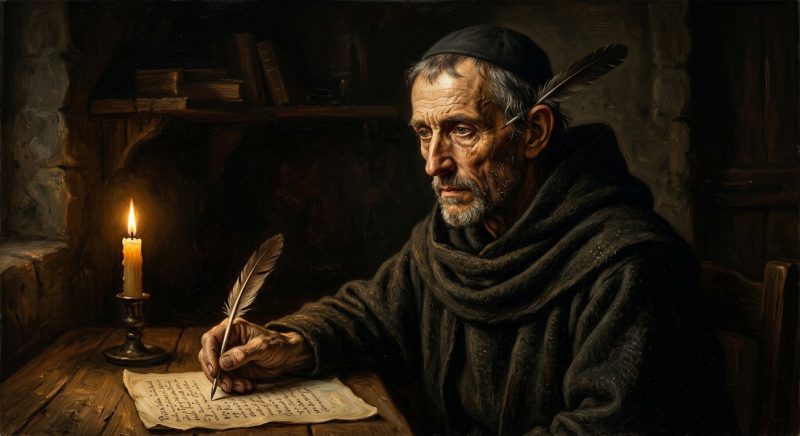
Teofil the Chronicler
He writes the kingdom's history as he is ordered. The unwelcome drafts, however, he keeps every one.
1.69 m tall · brown eyes · greying hair · left-handed
-
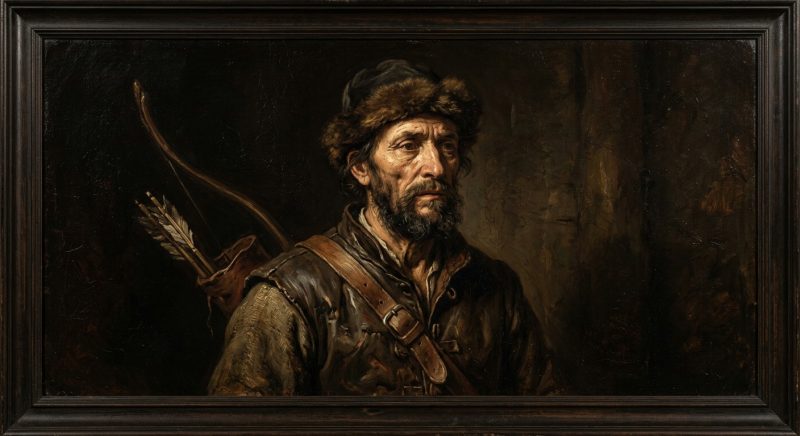
Mihu the Archer
He hits a coin tossed on the wind from a hundred paces. At questions, though, he always misses.
1.76 m tall · brown eyes · brown hair · left-handed
-
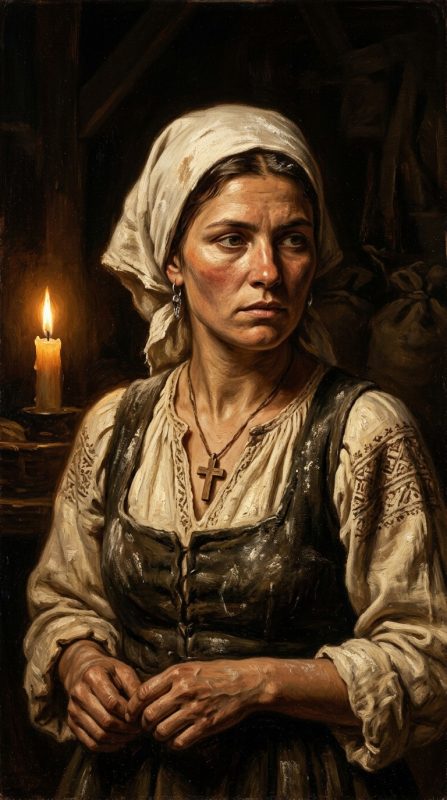
Anica the Miller
Her mill grinds grain by day and rumours by night. The flour comes out white; the rumours, always black.
1.63 m tall · brown eyes · blond hair · right-handed
-
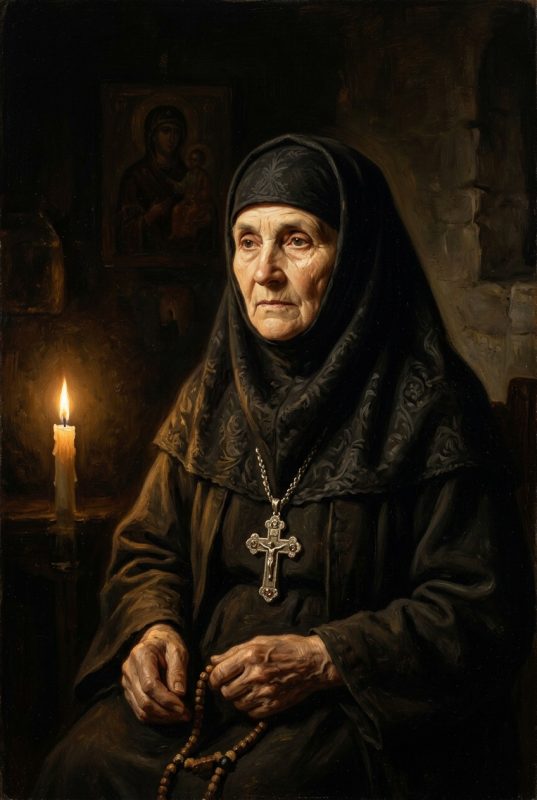
Mother Evghenia
She runs the abbey with an iron hand and a golden pen. The register of donations has pages she shows no one.
1.60 m tall · dark eyes · black hair · right-handed
Locations
-
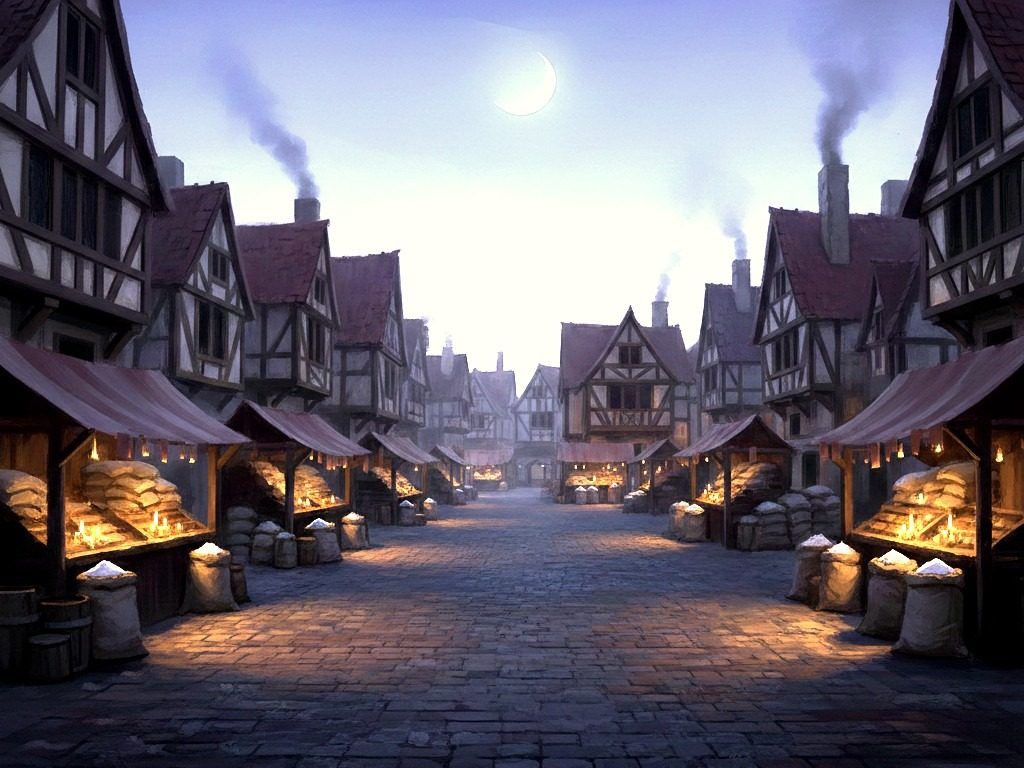
The salt market
Here anything is bargained for, from salt to silences. The price of silence keeps rising.
-

The watchtower
The highest point of the fortress. From here you see everything - and from below, everyone sees who climbs up.
-

The cathedral crypt
The old kings sleep beneath crested slabs. Now and then, someone disturbs their rest.
-
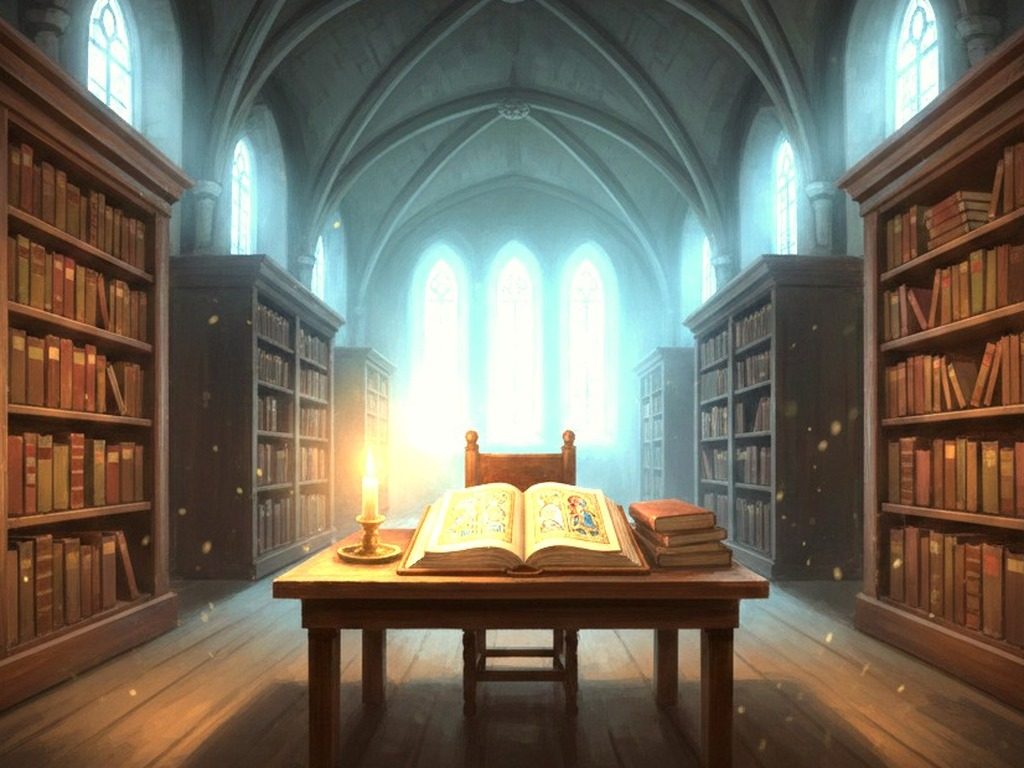
The abbey library
Thousands of leather-bound tomes. Some of the chains on the shelves were cut recently.
Objects
-
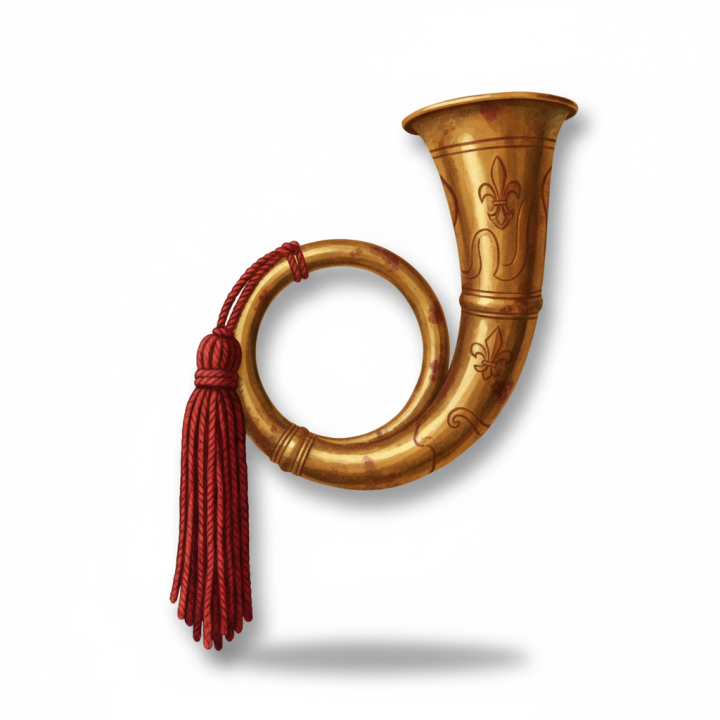
The herald's horn
It sounds the muster, the alarm, or the retreat. Whoever holds it can start a whole panic with a single breath.
-
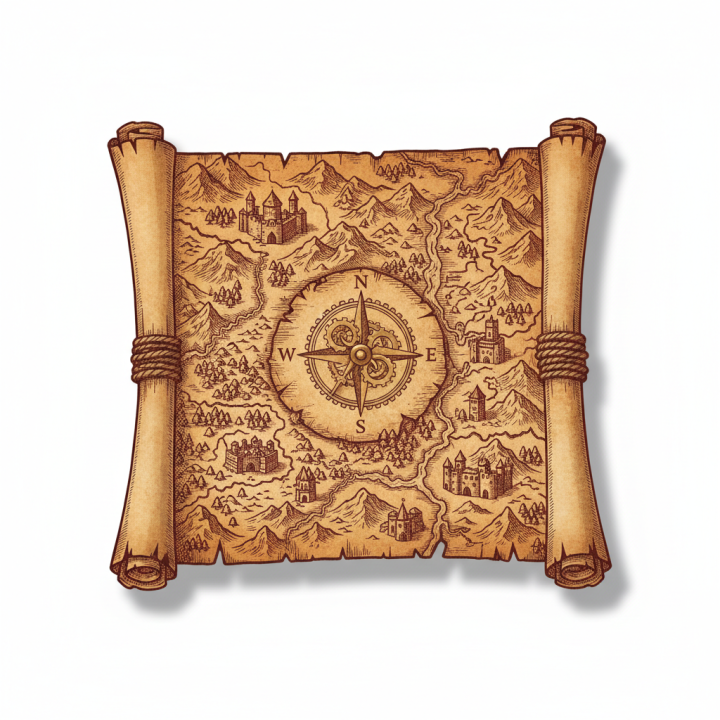
The map of the realm
The kingdom's borders, drawn with a fresh correction where there should be none.
-
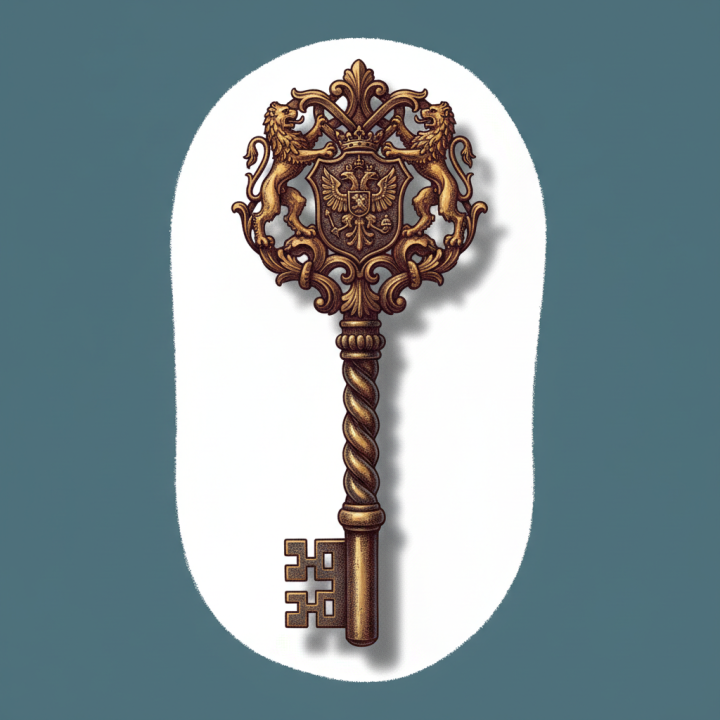
The bronze key
Heavy, old, its teeth worn smooth. No one knows what door it opens anymore - or so they say.
-

The rusted sword
An old weapon, forgotten on the rack. The rust on the blade is newer than it looks.
Moments
-

At dawn
When the citadel is barely waking and the guards still doze.
-

After matins
The hour after the morning service, when the abbey empties.
-

At noon
Midday, with bustle in the markets and silence in the alcoves.
-

At dusk
When the shadows lengthen and the lanterns are not yet lit.
The findings and the testimonies
These are all the findings and testimonies the Chancellery had to hand — not one more. The set is minimal by construction: take out a single row and the verdict can no longer be demonstrated.
- The gate guard swears: the suspect with greying hair handled the rusted sword.
- In the Chancellery's ledger it stands in black and white: the tallest suspect was there at dusk.
- An honest-faced witness saw it plainly: the salt market and the herald's horn go together.
- The healer says it with a raised finger: if Mihu the Archer was in the place from which you see everything, then the suspect with dark eyes was there at dawn.
- The gate guard swears: the abbey library and the rusted sword go together.
- Every scout reports the same about the culprit: the culprit handled the bronze key.
- The tracks in the dust do not lie: the map of the realm matches that hour: at dusk.
- The tracks in the dust do not lie: the cathedral crypt matches that hour: after matins.
Reveal the Chancellery's reasoning — the culprit's name is spoken from here on
How it was unravelled
The investigator guessed at nothing. Each finding went to its place in the grid, each testimony passed through the sieve of the Supreme Law, and elimination did the rest.
Then this finding entered the file: “The gate guard swears: the suspect with greying hair handled the rusted sword”. The tick goes down without hesitation, and with it fall all the other cells on that row and that column.
From one word to the next, the investigation arrived here: “In the Chancellery's ledger it stands in black and white: the tallest suspect was there at dusk”. The match was nailed down, and the rest of the row was left clean, like a page wiped with a sponge.
A piece of information dearly bought showed its worth: “An honest-faced witness saw it plainly: the salt market and the herald's horn go together”. A certain match thus enters the grid, and its row and column empty at once of every other possibility.
The archivist copied on, without comment, everything that could be proved: “The healer says it with a raised finger: if Mihu the Archer was in the place from which you see everything, then the suspect with dark eyes was there at dawn”; “The gate guard swears: the abbey library and the rusted sword go together”; “Every scout reports the same about the culprit: the culprit handled the bronze key”. Laid end to end, they did what not one of them could have done alone.
The gate register had kept a trace of its own: “The tracks in the dust do not lie: the map of the realm matches that hour: at dusk”. The cell filled, and around it a space opened: that is what a certain match does to a grid.
It was set down, for whoever reads after us: “The tracks in the dust do not lie: the cathedral crypt matches that hour: after matins”. A pair was tied, and the knot dragged a whole handful of impossibilities after it.
The seal on the file
The seal fell on a single name: Anica the Miller. The arrangement in the grid is this: Anica the Miller was at the cathedral crypt, handled the bronze key and was there after matins. Nothing was assumed along the way; every step can be redone with a pencil on paper.
Those taken out of the circle
The innocent were not left without a story; each had a place of their own: Teofil the Chronicler was at the abbey library, handled the rusted sword and was there at noon; Mihu the Archer was at the watchtower, handled the map of the realm and was there at dusk; Mother Evghenia was at the salt market, handled the herald's horn and was there at dawn. It is these acquittals that made the verdict possible: without them, room for doubt would have remained.
The file sits on its shelf today, tied with red cord. What is worth keeping from it is not the culprit's name but the road: every step verifiable, none of them guessed.
Play this dossier All mysteries
The chronicles are written by the Enigmerra Chancellery out of the dossier's own logic: every step above is verified by the solver which proved, at publication, that the dossier has a unique solution. behind the scenes at the Chancellery.