
Chronicle of the solution: The Torch of the Lady
Poisoning Tier IV
The cup was drained and the culprit named, and this chronicle preserves the reasoning that stood against them.
The deed, as it was recorded
Someone slipped poison where it did not belong, and now the whole court eyes its goblets warily. Whoever poured it knew the habits of the table; that narrows the circle more than we would like. The testimonies keep returning to the same names: Toma the Cellarer, Chamberlain Iorgu, Father Nicodim, Ban Radu the Silent and Mother Evghenia. The testimonies cling to certain hours: "at dawn", "after matins", "at noon", "at dusk" and "at vespers". Few files have tested so many investigators; untangle the threads, catch the lie, and pronounce your verdict.
Suspicion settled on these: Toma the Cellarer, Chamberlain Iorgu, Father Nicodim, Ban Radu the Silent and Mother Evghenia. From then on the names mattered less than what could be proved about each.
The suspects
-
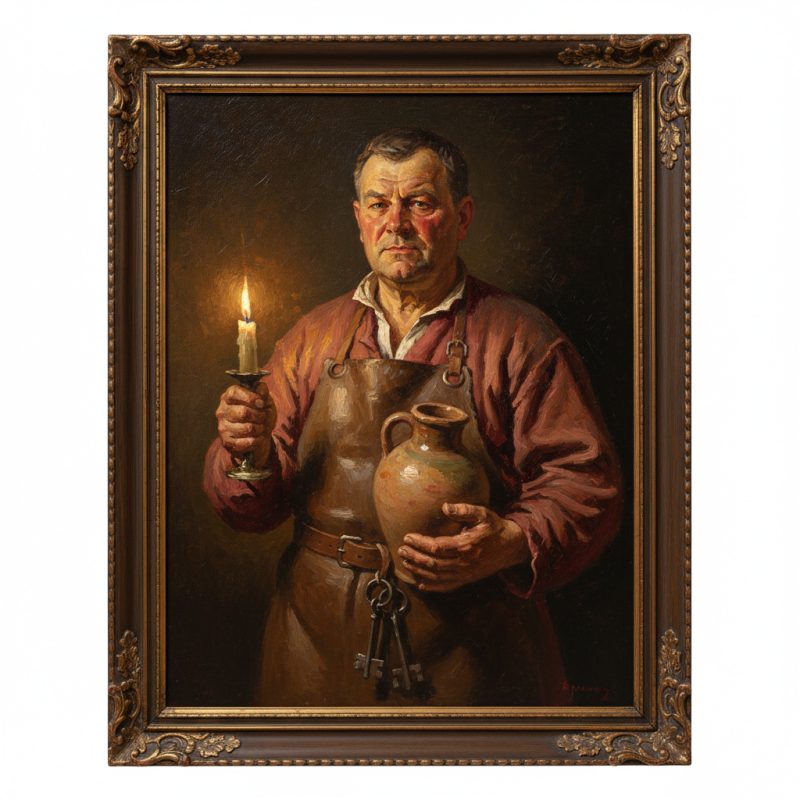
Toma the Cellarer
He holds the keys to every cellar in the castle. He claims the wine vanishes on its own, by "angelic evaporation."
1.73 m tall · brown eyes · red hair · left-handed
-
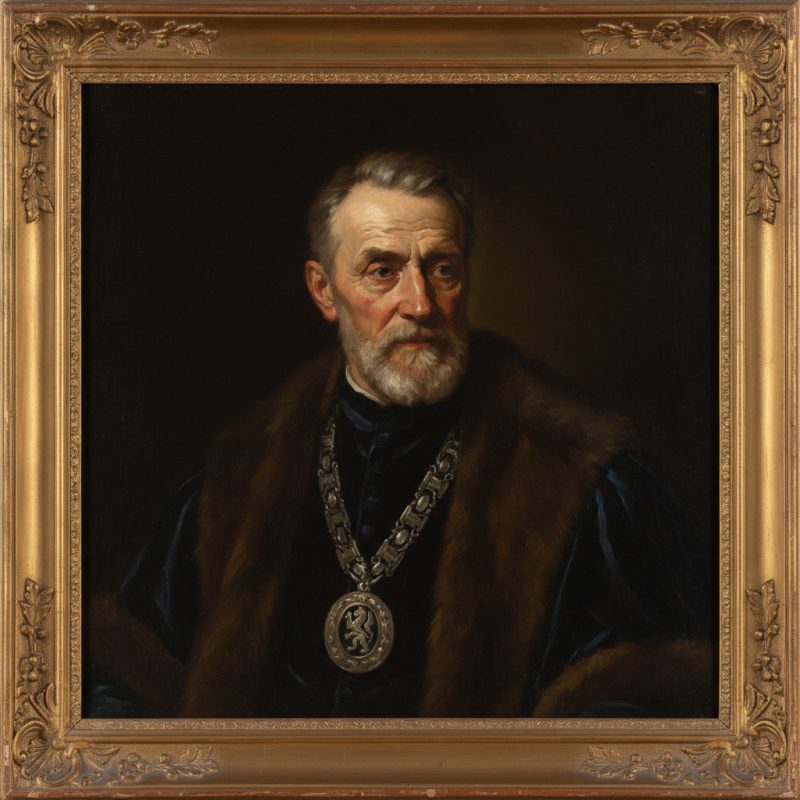
Chamberlain Iorgu
He arranges the king's audiences and, for a small courtesy, the order in which petitions are read.
1.77 m tall · grey eyes · brown hair · right-handed
-

Father Nicodim
He hears the confessions of the whole court. Forgetting, he says, is a gift from the Lord - one he sells dearly.
1.72 m tall · blue eyes · greying hair · right-handed
-
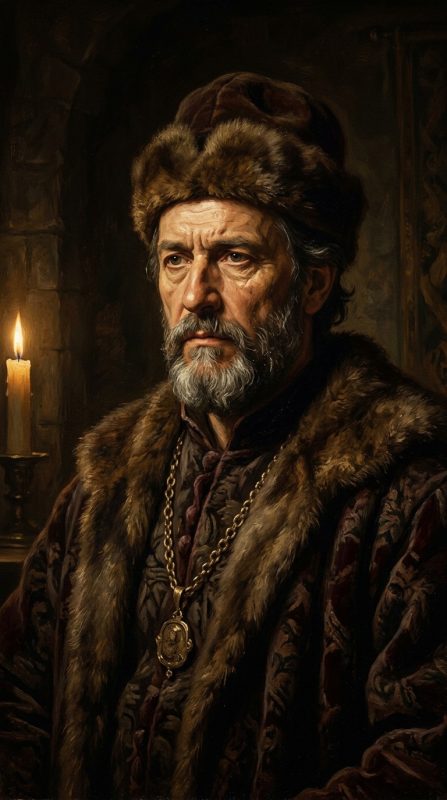
Ban Radu the Silent
He has never uttered a needless word in his life. Sadly, nor a useful one for investigators.
1.81 m tall · grey eyes · grey hair · right-handed
-
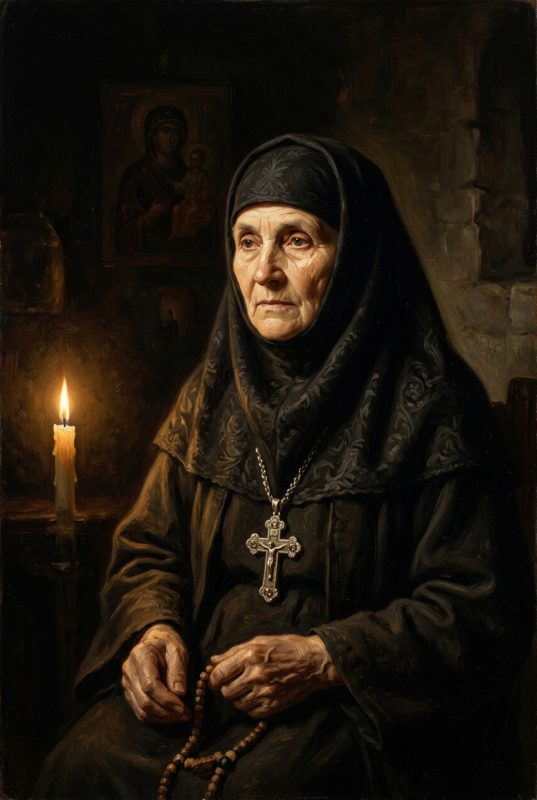
Mother Evghenia
She runs the abbey with an iron hand and a golden pen. The register of donations has pages she shows no one.
1.60 m tall · dark eyes · black hair · right-handed
Locations
-

The old dungeon
Cells abandoned since the new dungeon was built. "Abandoned" is one way of putting it.
-

The cathedral crypt
The old kings sleep beneath crested slabs. Now and then, someone disturbs their rest.
-

The north wall
The stretch of wall the patrol skirts when the wind blows. Everyone knows that.
-

The watchtower
The highest point of the fortress. From here you see everything - and from below, everyone sees who climbs up.
-

The scriptorium
Slanted desks, ink, and working silence. Here a quill creaks louder than a conscience.
Objects
-
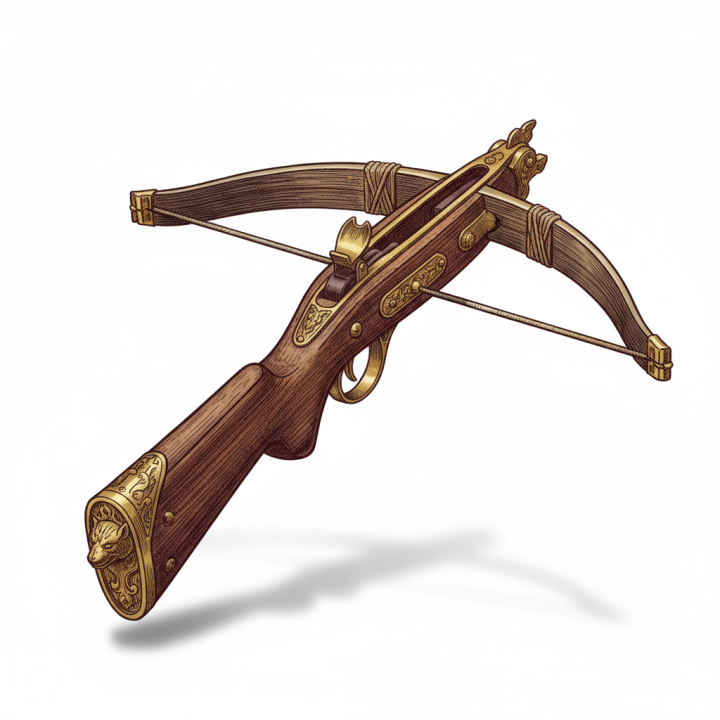
The hunting crossbow
Light, accurate, with a walnut stock. Exactly one bolt is missing from the quiver.
-

The abbess's bell
It calls the nuns to prayer. On the night in question, they all say, it rang once too many.
-
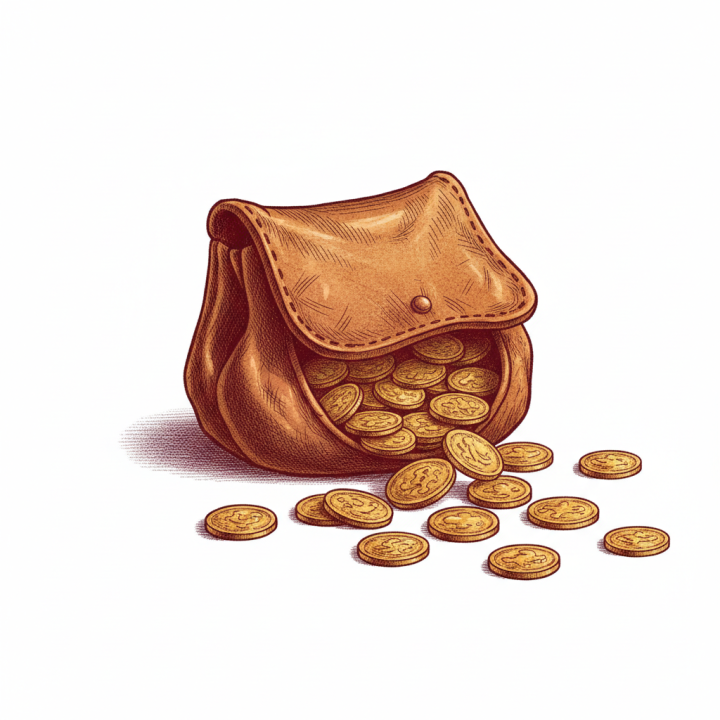
The purse of gold coins
New coins, unworn, from a minting not yet in circulation. Interesting.
-
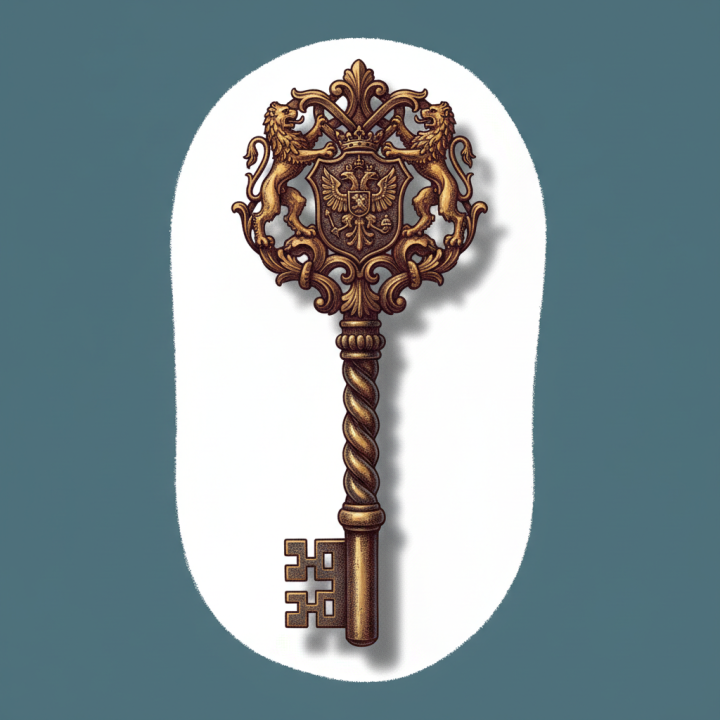
The bronze key
Heavy, old, its teeth worn smooth. No one knows what door it opens anymore - or so they say.
-
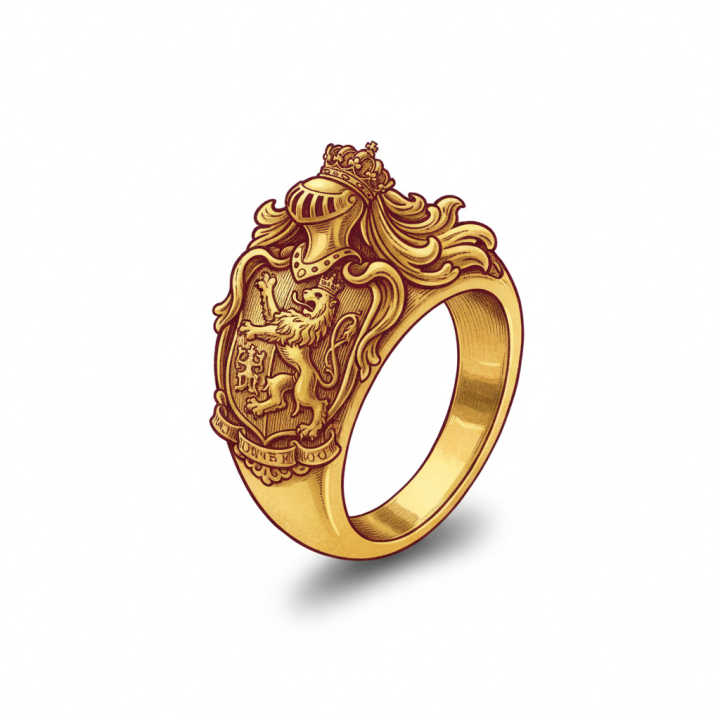
The signet ring
The crest has been filed away almost completely. Almost.
Motives
-
A debt of honour
O făgăduială care cântărește mai greu decât viața.
-
Jealousy
Otrava care mistuie pe cel ce râvnește ce nu-i al lui.
-

Greed
Dorința nesățioasă de avere, care nu se oprește la nimic.
-
Fear of exposure
Groaza de a fi dat în vileag, care împinge la orice.
-
Revenge
O datorie de sânge pe care numai fapta o mai șterge.
Moments
-

At dawn
When the citadel is barely waking and the guards still doze.
-

After matins
The hour after the morning service, when the abbey empties.
-

At noon
Midday, with bustle in the markets and silence in the alcoves.
-

At dusk
When the shadows lengthen and the lanterns are not yet lit.
-

At vespers
At the evening service, when the bells drown out any footstep.
The evidence gathered on file
The list below is complete and pared to the bone. The Chancellery keeps no useless rows on file: each cuts something no other cuts.
- A maid whispered it at confession: fear of exposure matches that hour: after matins.
- The tracks in the dust do not lie: the tallest suspect was in the place where the old kings sleep.
- An honest-faced witness saw it plainly: the watchtower and revenge go together.
- The tracks in the dust do not lie: the tallest suspect handled the abbess's bell.
- The chronicler notes drily: a debt of honour matches that hour: at dawn, whatever the court may say.
- The healer says it with a raised finger: if Chamberlain Iorgu was driven by jealousy, then Chamberlain Iorgu was in the place the patrol skirts when the wind blows.
- The night watch saw the suspect with grey hair first, and only then Toma the Cellarer.
- By the order of the hours, first comes Toma the Cellarer, then Chamberlain Iorgu.
- The tracks in the dust do not lie: the bronze key and a debt of honour go together.
- By the order of the hours, first comes Toma the Cellarer, then the suspect with black hair.
- A maid whispered it at confession: the suspect with brown hair was driven by jealousy.
- About the culprit, the Chancellery knows one thing for certain: the culprit handled the purse of gold coins.
- The chancellor deduced it coldly: if Mother Evghenia was there at dusk, then Chamberlain Iorgu handled the signet ring.
- The hounds caught no scent at all: the old dungeon and a debt of honour do not go together.
- Every scout reports the same about the culprit: the culprit was there at dusk.
- Two witnesses, upon their crest: the hunting crossbow and revenge do not go together.
- Two witnesses, upon their crest: the purse of gold coins and jealousy do not go together.
See how the verdict was reached — warning: past this line, the mystery ends
How the circle closed
The investigator guessed at nothing. Each finding went to its place in the grid, each testimony passed through the sieve of the Supreme Law, and elimination did the rest.
A note in the margin of the page read: “A maid whispered it at confession: fear of exposure matches that hour: after matins”. The cell filled, and around it a space opened: that is what a certain match does to a grid.
From one word to the next, the investigation arrived here: “The tracks in the dust do not lie: the tallest suspect was in the place where the old kings sleep”. The match was nailed down, and the rest of the row was left clean, like a page wiped with a sponge.
The Chancellery began with what could be verified: “An honest-faced witness saw it plainly: the watchtower and revenge go together”. A pair was tied, and the knot dragged a whole handful of impossibilities after it.
The archivist copied on, without comment, everything that could be proved: “The tracks in the dust do not lie: the tallest suspect handled the abbess's bell”; “The chronicler notes drily: a debt of honour matches that hour: at dawn, whatever the court may say”; “The healer says it with a raised finger: if Chamberlain Iorgu was driven by jealousy, then Chamberlain Iorgu was in the place the patrol skirts when the wind blows”; “The night watch saw the suspect with grey hair first, and only then Toma the Cellarer”; “By the order of the hours, first comes Toma the Cellarer, then Chamberlain Iorgu”; “The tracks in the dust do not lie: the bronze key and a debt of honour go together”; “By the order of the hours, first comes Toma the Cellarer, then the suspect with black hair”; “A maid whispered it at confession: the suspect with brown hair was driven by jealousy”; “About the culprit, the Chancellery knows one thing for certain: the culprit handled the purse of gold coins”; “The chancellor deduced it coldly: if Mother Evghenia was there at dusk, then Chamberlain Iorgu handled the signet ring”; “The hounds caught no scent at all: the old dungeon and a debt of honour do not go together”; “Every scout reports the same about the culprit: the culprit was there at dusk”. Laid end to end, they did what not one of them could have done alone.
The Chancellery asked for one more check, and received it: “Two witnesses, upon their crest: the hunting crossbow and revenge do not go together”. A well-proved “no” is worth, in an investigation, ten suspicions.
The gate register had kept a trace of its own: “Two witnesses, upon their crest: the purse of gold coins and jealousy do not go together”. The possibility fell without appeal, and the circle tightened by one finger.
The Chancellery's verdict
The Chancellery closed the dossier with a single name written on it: Mother Evghenia. When the deed took place, Mother Evghenia was at the watchtower, handled the purse of gold coins, was driven by revenge and was there at dusk. The dossier called for hypotheses driven to contradiction, not direct elimination alone — which is why it was rated at tier IV.
What became of the others
The grid took them out of the circle one by one, place in the story and all: Toma the Cellarer was at the old dungeon, handled the hunting crossbow, was driven by greed and was there at noon; Chamberlain Iorgu was at the north wall, handled the signet ring, was driven by jealousy and was there at vespers; Father Nicodim was at the scriptorium, handled the bronze key, was driven by a debt of honour and was there at dawn; Ban Radu the Silent was at the cathedral crypt, handled the abbess's bell, was driven by fear of exposure and was there after matins. It is these acquittals that made the verdict possible: without them, room for doubt would have remained.
Whoever reads this chronicle years from now will find in it less a deed than a method.
Play this dossier All mysteries
Nothing in this chronicle is invented: the text rises out of the dossier's logic, and the dossier passed through the solver before publication, so that its solution is provably unique. behind the scenes at the Chancellery.