
Chronicle of the solution: The Spy of the Fair
Theft Tier III
The archivist has tied the file with red cord, the sign that the theft has found its author. The chronicle below shows how.
The deed, as it was recorded
In Realm of the Crown, only one thing is spoken of today: a daring theft, carried out almost before the court's eyes. The Chancellery has set every other file aside: until what was taken returns, no one sleeps easy. On the Chancellery's list stand Brother Anselm, Nichifor the Spy, Manole the Jeweller, Iustin the Mariner and Teofil the Chronicler; one of these names covers a lie. The testimonies cling to certain hours: "at dawn", "after matins", "at noon", "at dusk" and "at vespers". Few files have tested so many investigators; untangle the threads, catch the lie, and pronounce your verdict.
Suspicion settled on these: Brother Anselm, Nichifor the Spy, Manole the Jeweller, Iustin the Mariner and Teofil the Chronicler. From then on the names mattered less than what could be proved about each.
The suspects
-

Brother Anselm
He has copied manuscripts for forty years. He knows what every one of them says - including the forbidden ones.
1.75 m tall · brown eyes · greying hair · right-handed
-
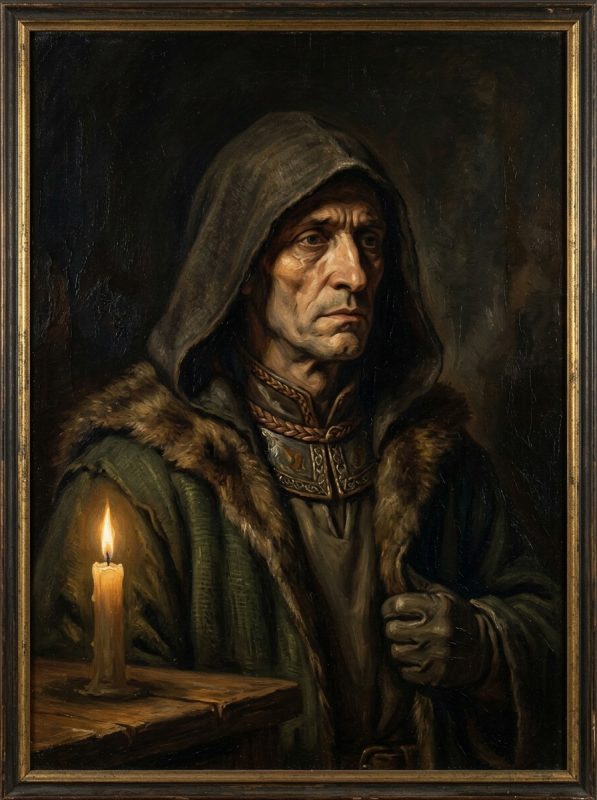
Nichifor the Spy
Officially, he does not exist. Unofficially, he was seen in three places at once - which is, of course, impossible.
1.74 m tall · dark eyes · brown hair · left-handed
-
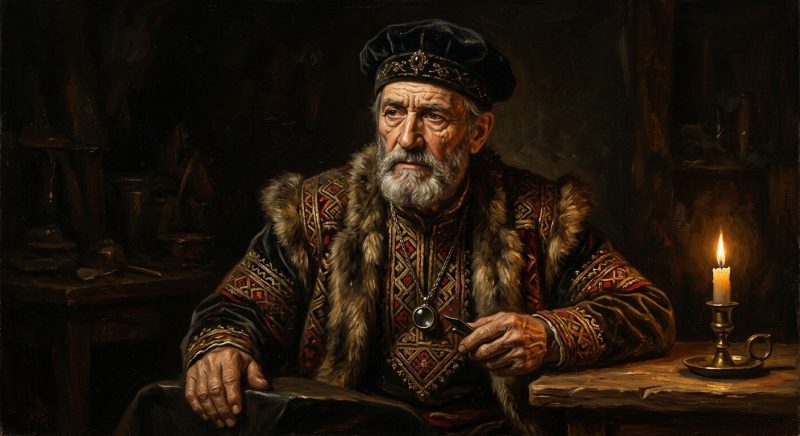
Manole the Jeweller
He tells gold from gilt at a glance. With people, he admits, it takes him two.
1.69 m tall · brown eyes · brown hair · right-handed
-
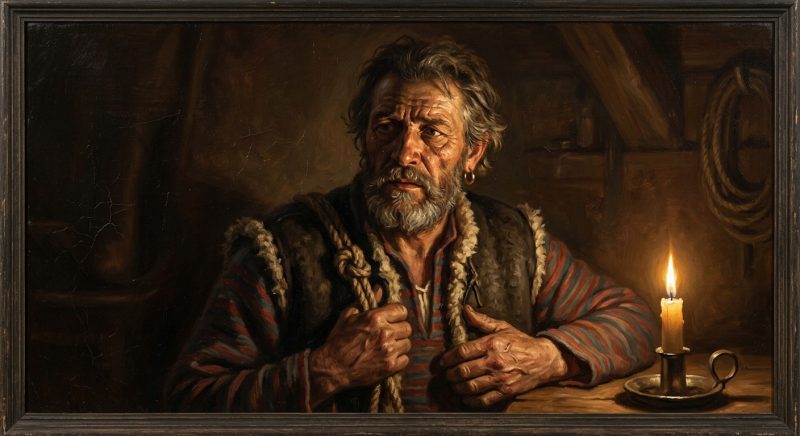
Iustin the Mariner
He brings goods from ports with unpronounceable names. Half the cargo never appears in the customs records.
1.78 m tall · blue eyes · black hair · left-handed
-
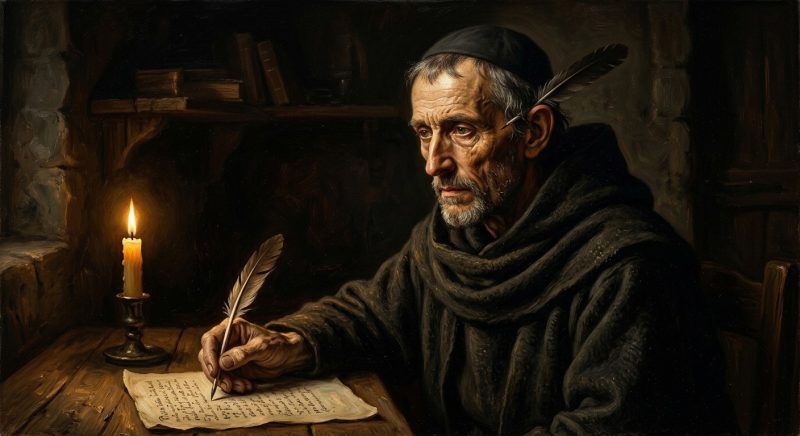
Teofil the Chronicler
He writes the kingdom's history as he is ordered. The unwelcome drafts, however, he keeps every one.
1.69 m tall · brown eyes · greying hair · left-handed
Locations
-
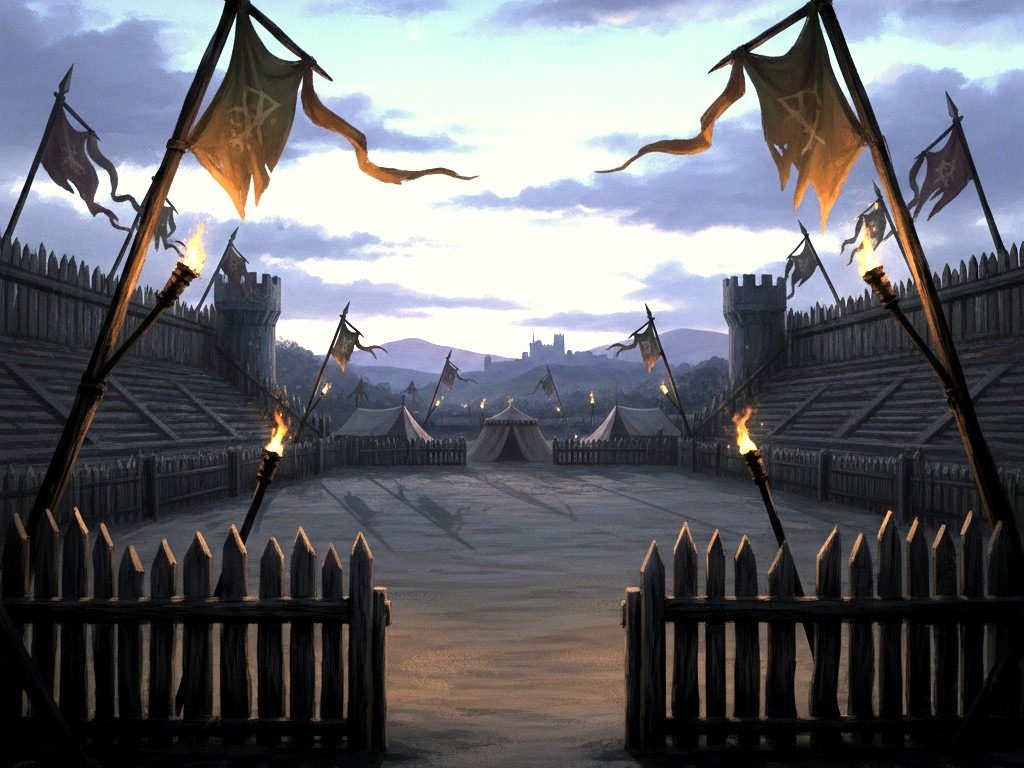
The tourney field
Empty stands outside festival days. An excellent place for meetings that never happened.
-
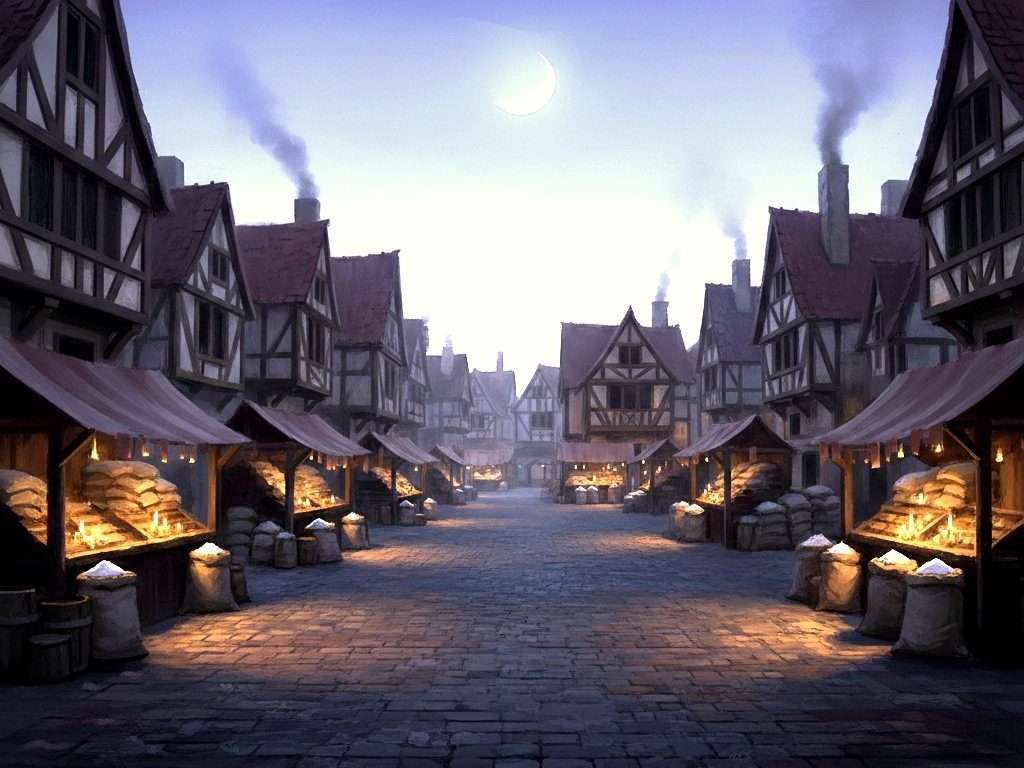
The salt market
Here anything is bargained for, from salt to silences. The price of silence keeps rising.
-

The watchtower
The highest point of the fortress. From here you see everything - and from below, everyone sees who climbs up.
-
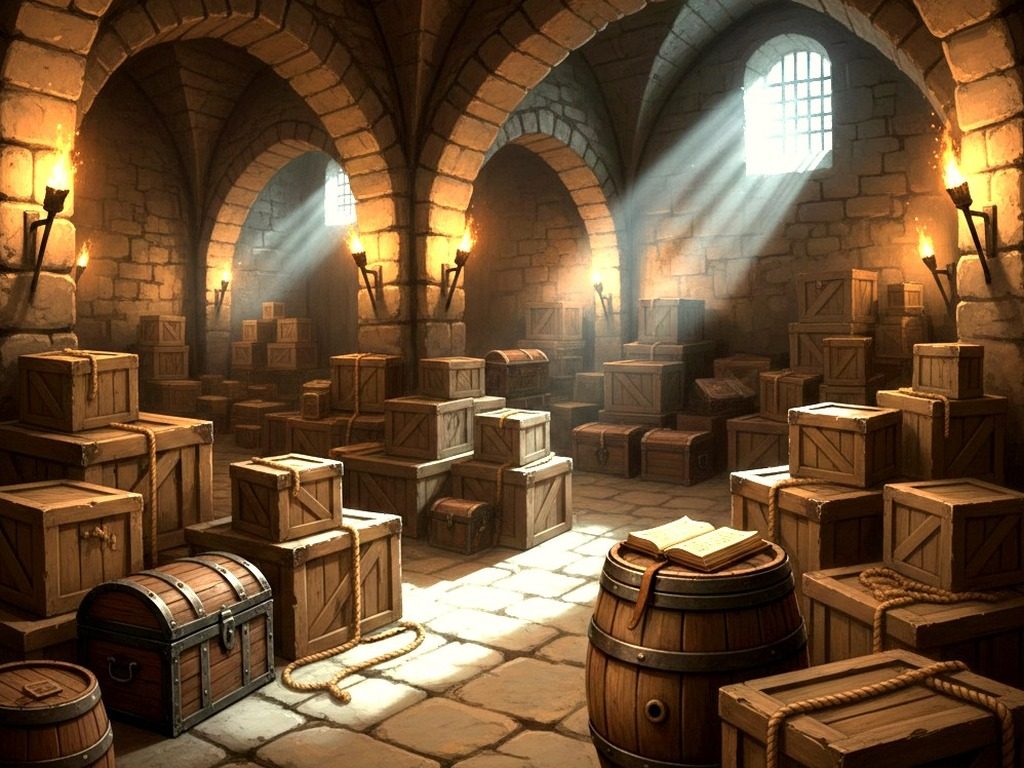
The customs cellar
Sealed crates, thick ledgers, and air that smells of undeclared goods.
-

The scriptorium
Slanted desks, ink, and working silence. Here a quill creaks louder than a conscience.
Objects
-
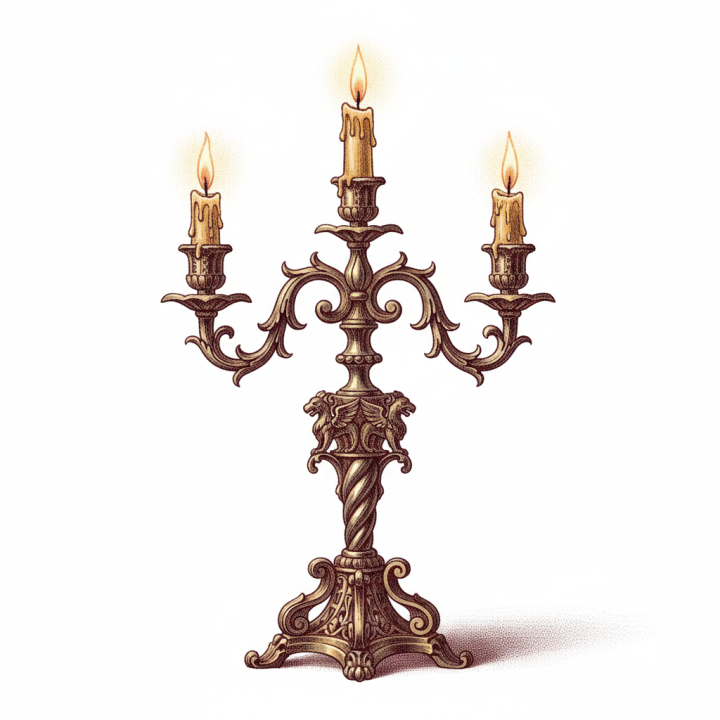
The silver candelabrum
Heavy as a small anvil. It can light a room or end a conversation.
-
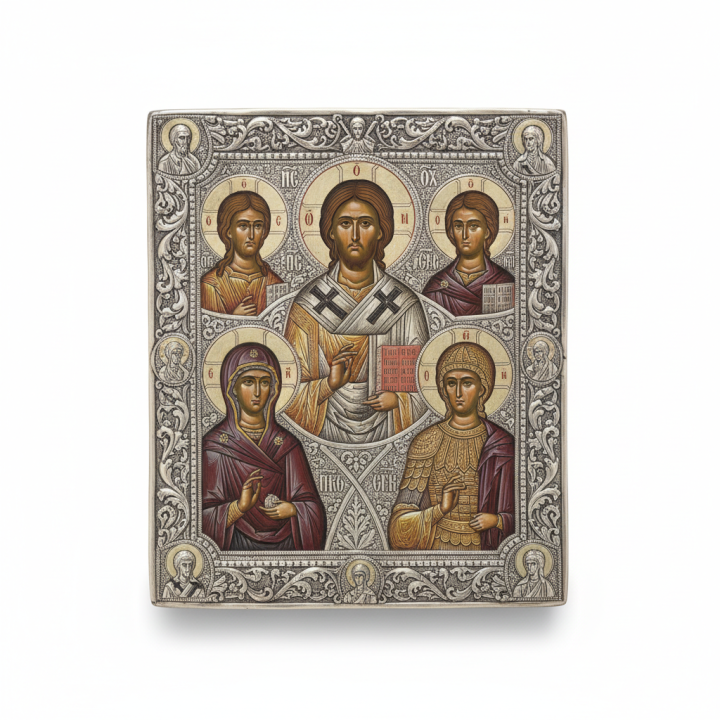
The silver-clad icon
The silver casing is old craftsmanship; the nails that hold it were driven this week.
-
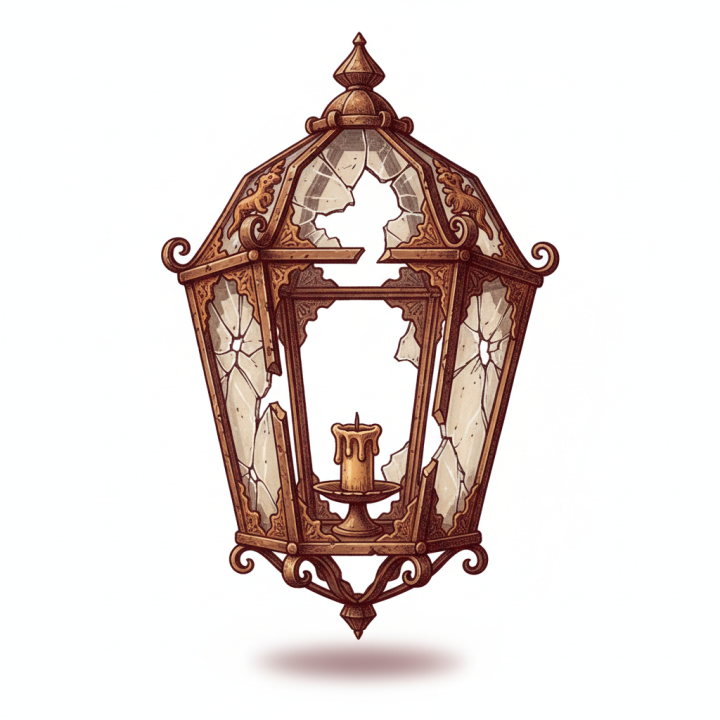
The broken lantern
The glass cracked, the wick burned to the end. Someone needed a lot of light, fast.
-
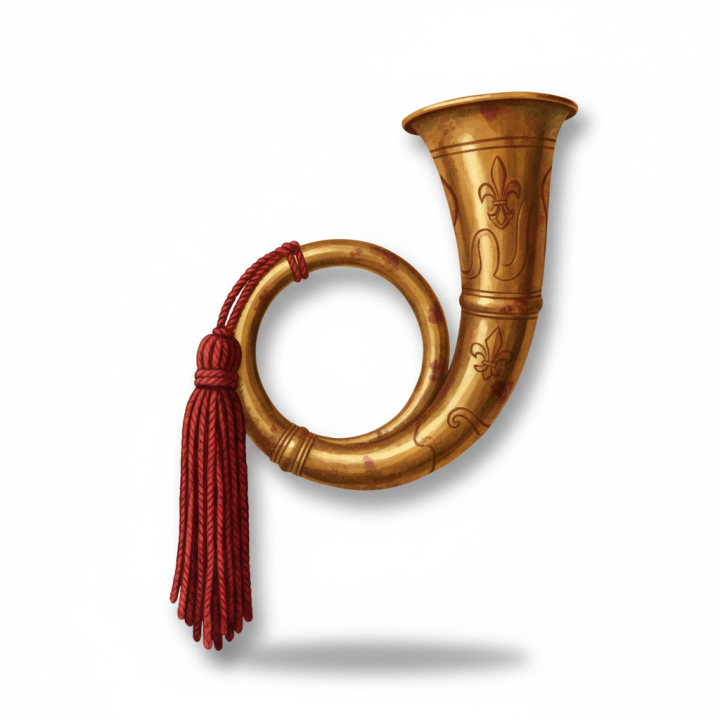
The herald's horn
It sounds the muster, the alarm, or the retreat. Whoever holds it can start a whole panic with a single breath.
-
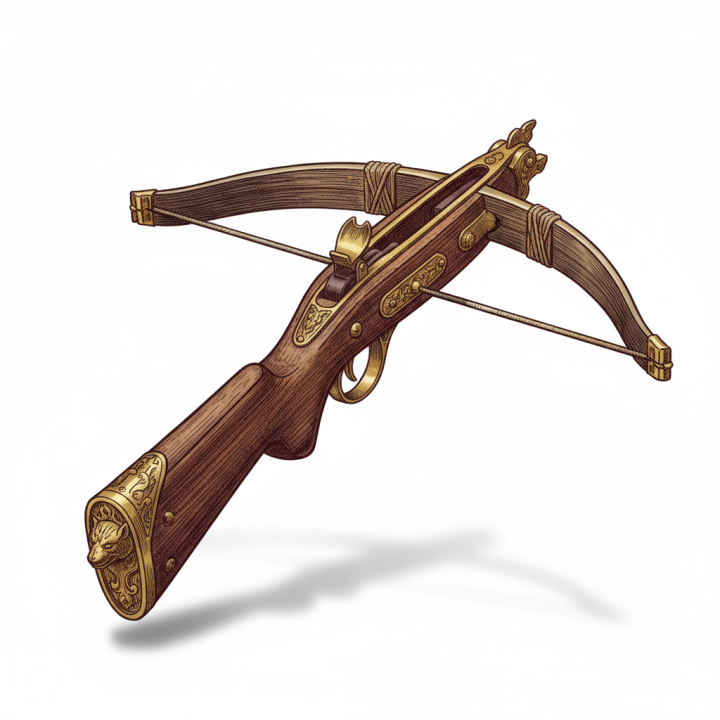
The hunting crossbow
Light, accurate, with a walnut stock. Exactly one bolt is missing from the quiver.
Motives
-
Fear of exposure
Groaza de a fi dat în vileag, care împinge la orice.
-

The inheritance
O avere așteptată, pe care numai o moarte o desparte de mână.
-

Ambition
Setea de a urca, chiar peste trupuri, spre o treaptă mai înaltă.
-

Greed
Dorința nesățioasă de avere, care nu se oprește la nimic.
-

A debt of honour
O făgăduială care cântărește mai greu decât viața.
Moments
-

At dawn
When the citadel is barely waking and the guards still doze.
-

After matins
The hour after the morning service, when the abbey empties.
-

At noon
Midday, with bustle in the markets and silence in the alcoves.
-

At dusk
When the shadows lengthen and the lanterns are not yet lit.
-

At vespers
At the evening service, when the bells drown out any footstep.
What the Chancellery had to hand
Nothing is missing from the list and nothing is surplus. Every row below is necessary: without it, the grid would allow several solutions at once.
- However it may seem, at suspects, the hunting crossbow and the hour "at vespers" take different roads.
- An honest-faced witness saw it plainly: the scriptorium matches that hour: at dawn.
- A maid whispered it at confession: fear of exposure matches that hour: at noon.
- The customs register is clear: Nichifor the Spy was not driven by greed.
- In the Chancellery's ledger it stands in black and white: the watchtower matches that hour: at vespers.
- A maid whispered it at confession: the inheritance matches that hour: at dawn.
- An honest-faced witness saw it plainly: the salt market and ambition go together.
- Nichifor the Spy declares under oath: "I handled the hunting crossbow".
- The customs register is clear: Teofil the Chronicler was not driven by greed.
- The Chancellery checked twice: the tourney field does not match that hour: at dusk.
- A note in the margin of the ledger: if Nichifor the Spy was driven by fear of exposure, then Manole the Jeweller was driven by a debt of honour.
- The tracks in the dust do not lie: ambition matches that hour: after matins.
- The chronicler notes drily: Brother Anselm handled the silver candelabrum, whatever the court may say.
- The hounds caught no scent at all: the herald's horn and a debt of honour do not go together.
- About the culprit, the Chancellery knows one thing for certain: the culprit was at the customs cellar.
- In the Chancellery's ledger it stands in black and white: the broken lantern matches that hour: after matins.
- The customs register is clear: the customs cellar and a debt of honour do not go together.
- In the Chancellery's ledger it stands in black and white: the scriptorium and the silver candelabrum go together.
Read the unravelling, step by step — warning, the culprit is named beyond this point
The road to the verdict
The road is always the same: findings first, because they do not lie; testimonies after, because one of them always does.
The examination of the place yielded this as well: “However it may seem, at suspects, the hunting crossbow and the hour "at vespers" take different roads”. Every new line in the file closes a door; by the end not one is left open.
A witness of good faith cleared up one more corner: “An honest-faced witness saw it plainly: the scriptorium matches that hour: at dawn”. The match was nailed down, and the rest of the row was left clean, like a page wiped with a sponge.
The scouts brought their share as well: “A maid whispered it at confession: fear of exposure matches that hour: at noon”. One more certainty means, in a deduction grid, a whole fistful of impossibilities — and so it proved here.
There followed that run of small findings which, together, decide everything: “The customs register is clear: Nichifor the Spy was not driven by greed”; “In the Chancellery's ledger it stands in black and white: the watchtower matches that hour: at vespers”; “A maid whispered it at confession: the inheritance matches that hour: at dawn”; “An honest-faced witness saw it plainly: the salt market and ambition go together”; “Nichifor the Spy declares under oath: "I handled the hunting crossbow"”; “The customs register is clear: Teofil the Chronicler was not driven by greed”; “The Chancellery checked twice: the tourney field does not match that hour: at dusk”; “A note in the margin of the ledger: if Nichifor the Spy was driven by fear of exposure, then Manole the Jeweller was driven by a debt of honour”; “The tracks in the dust do not lie: ambition matches that hour: after matins”; “The chronicler notes drily: Brother Anselm handled the silver candelabrum, whatever the court may say”; “The hounds caught no scent at all: the herald's horn and a debt of honour do not go together”; “About the culprit, the Chancellery knows one thing for certain: the culprit was at the customs cellar”; “In the Chancellery's ledger it stands in black and white: the broken lantern matches that hour: after matins”. Not one of them named a culprit. Together, though, they left room for one alone.
From one word to the next, the investigation arrived here: “The customs register is clear: the customs cellar and a debt of honour do not go together”. One more door closed. Investigations are not won on suspicions but on doors closed one at a time.
This page was stitched into the file too: “In the Chancellery's ledger it stands in black and white: the scriptorium and the silver candelabrum go together”. A certain match thus enters the grid, and its row and column empty at once of every other possibility.
The word that would not fit
This dossier had no lie to catch, and it was precisely that absence which was the key. The single testimony on file withstood checking. Since under the Supreme Law only the culprit lies, every mouth that spoke the truth removed itself from the circle, and the guilt was left where nothing had been said. Silence was not the proof, only the last space left in the grid.
The culprit's name
At the end of the grid one name alone remained: Iustin the Mariner. The grid shows plainly how matters stood: Iustin the Mariner was at the customs cellar, handled the herald's horn, was driven by greed and was there at dusk. The dossier called for hypotheses driven to contradiction, not direct elimination alone — which is why it was rated at tier III.
Those taken out of the circle
The grid took them out of the circle one by one, place in the story and all: Brother Anselm was at the scriptorium, handled the silver candelabrum, was driven by the inheritance and was there at dawn; Nichifor the Spy was at the tourney field, handled the hunting crossbow, was driven by fear of exposure and was there at noon; Manole the Jeweller was at the watchtower, handled the silver-clad icon, was driven by a debt of honour and was there at vespers; Teofil the Chronicler was at the salt market, handled the broken lantern, was driven by ambition and was there after matins. Every one of these rows was necessary: take out a single one and the verdict can no longer be demonstrated.
It was not cleverness that unravelled the thread, but order. Order can be learned, and that is exactly why the chronicle is written.
Play this dossier All mysteries
The chronicles are written by the Enigmerra Chancellery out of the dossier's own logic: every step above is verified by the solver which proved, at publication, that the dossier has a unique solution. behind the scenes at the Chancellery.