
Chronicle of the solution: The Torch of the Envoy
Espionage Tier I
The espionage file has found its answer; what follows is the chronicle of it, written for those who come after us.
How the file came to the Chancellery
The council's secrets have reached where they never should have — and not on their own: someone carried them. The Chancellery has caught only the end of the thread; the whole skein is still in someone's hands. The testimonies keep returning to the same names: Countess Velica de Arin, Pantelimon the Gardener and Petru the Herald. The places named in the testimonies — the customs cellar, the watchtower and the castle cellar — each await their turn under scrutiny. Take up the quill, follow the thread of the clues, and set your seal upon the verdict.
The names entered in the file were Countess Velica de Arin, Pantelimon the Gardener and Petru the Herald. The investigation regarded them all with the same coldness, as is proper.
The suspects
-
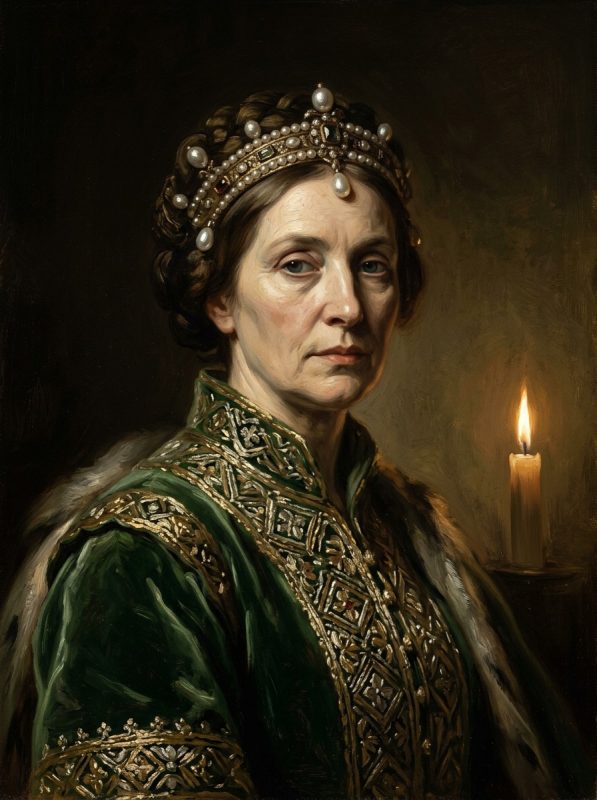
Countess Velica de Arin
She collects fans, debts of honour, and bedchamber secrets. She wields all three as weapons.
1.70 m tall · green eyes · red hair · left-handed
-
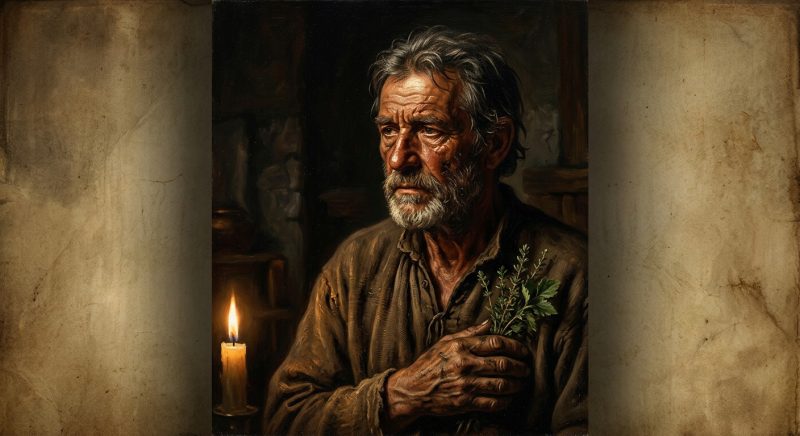
Pantelimon the Gardener
He tends the queen's roses and no one's beds of belladonna. The second garden is the more sought-after.
1.73 m tall · green eyes · greying hair · right-handed
-
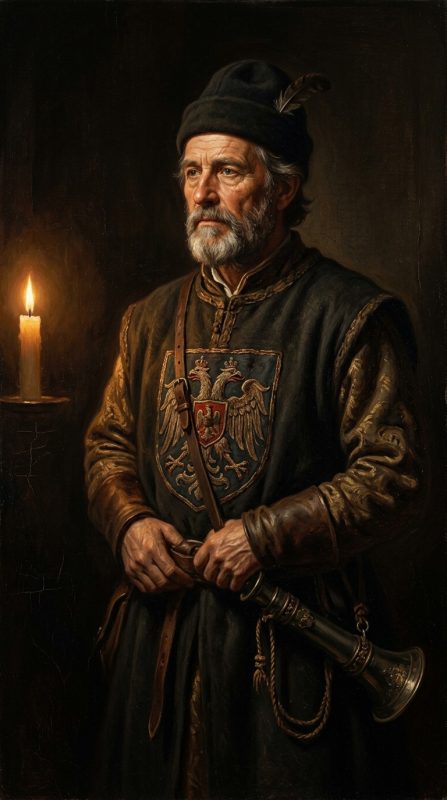
Petru the Herald
He proclaims the crown's will to every corner of the kingdom. Sometimes he proclaims it before the crown itself knows.
1.82 m tall · blue eyes · blond hair · right-handed
Locations
-
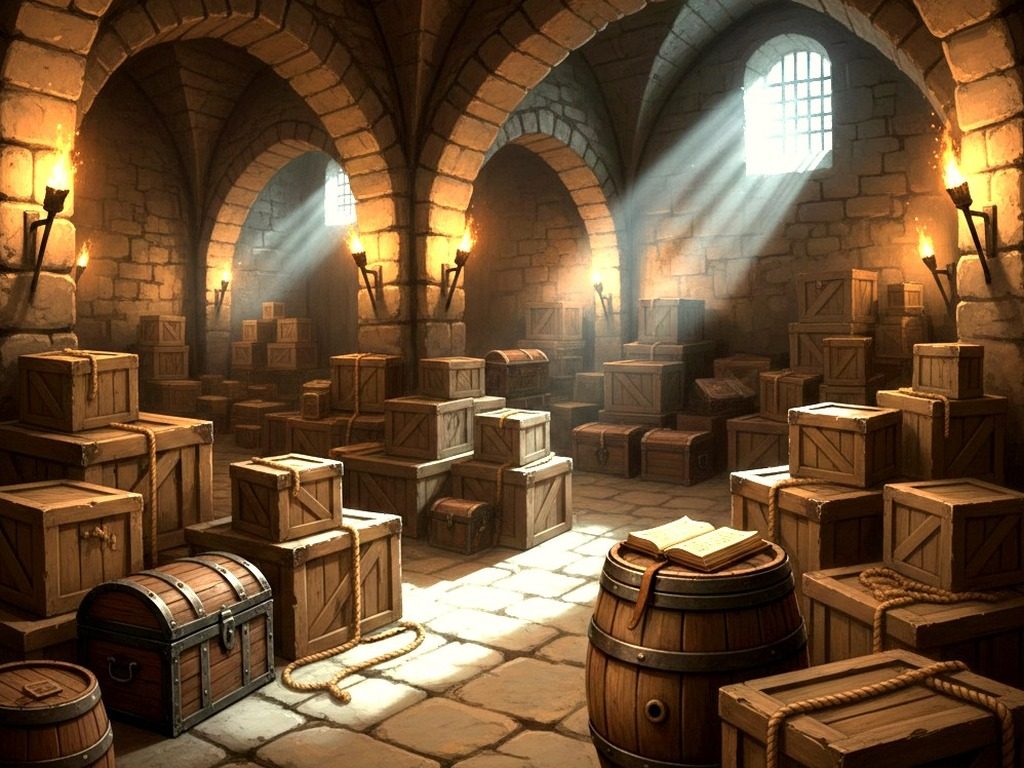
The customs cellar
Sealed crates, thick ledgers, and air that smells of undeclared goods.
-

The watchtower
The highest point of the fortress. From here you see everything - and from below, everyone sees who climbs up.
-
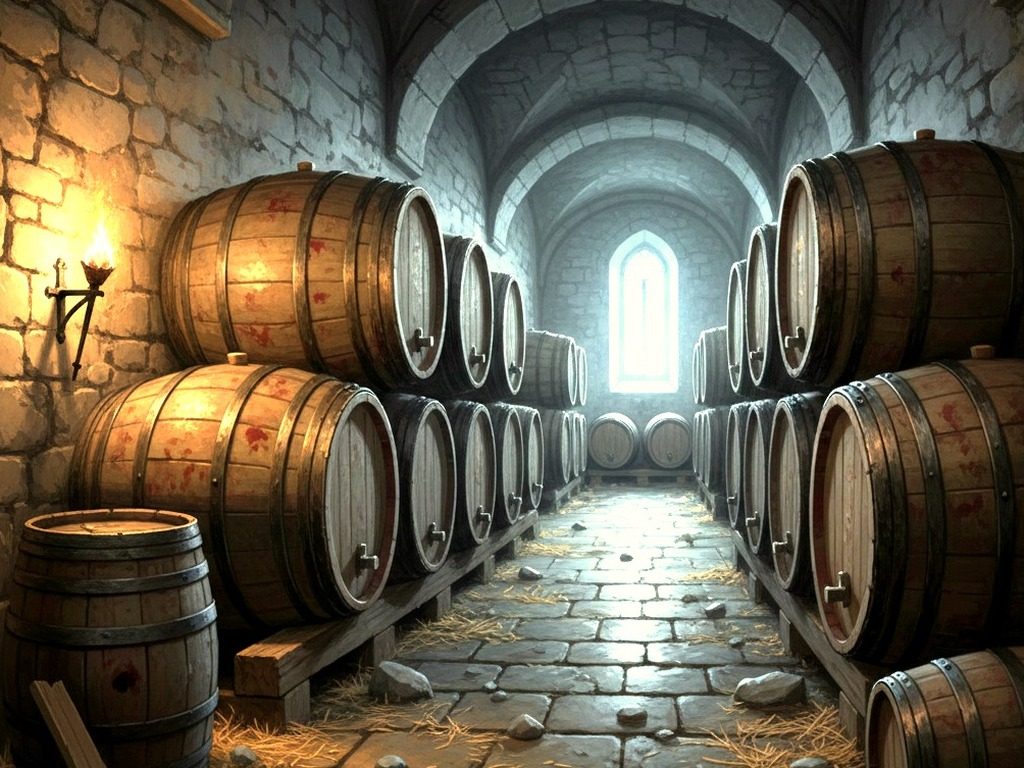
The castle cellar
Barrels as big as carts and corners the lantern never reaches.
Everything that could be learned
This much the investigation had at its disposal, not a line more. The set is minimal by construction — remove any of the rows below and the dossier becomes unsolvable again.
- In the Chancellery's ledger it stands in black and white: Pantelimon the Gardener was at the castle cellar.
- A maid whispered it at confession: Countess Velica de Arin was at the watchtower.
- The traces left at the scene show it plainly: the culprit was at the customs cellar.
Break the seal: the Chancellery's reasoning — the culprit's name is spoken from here on
The reasoning, step by step
The investigator guessed at nothing. Each finding went to its place in the grid, each testimony passed through the sieve of the Supreme Law, and elimination did the rest.
This particular came to light as well: “In the Chancellery's ledger it stands in black and white: Pantelimon the Gardener was at the castle cellar”. Once the tick was placed, the investigation had nothing left to argue on that row and moved on.
A detail overlooked at the start came back into the file: “A maid whispered it at confession: Countess Velica de Arin was at the watchtower”. The tick goes down without hesitation, and with it fall all the other cells on that row and that column.
A report from the watch brought clarity: “The traces left at the scene show it plainly: the culprit was at the customs cellar”. This line spoke of the guilty party without pointing a finger — and for that very reason it was useful.
The culprit's name
The Chancellery pronounced its verdict without hesitation: the culprit is Petru the Herald. The grid shows plainly how matters stood: Petru the Herald was at the customs cellar. Nothing in this verdict rests on supposition: every row comes out of the grid.
The acquittal of the rest
The remaining suspects received their release from the grid too: Countess Velica de Arin was at the watchtower; Pantelimon the Gardener was at the castle cellar. It is these acquittals that made the verdict possible: without them, room for doubt would have remained.
That is how a dossier closes: not with a well-contrived suspicion, but with the only arrangement the grid still allowed. The Chancellery needed no confession — it needed only logic.
Play this dossier All mysteries
Nothing in this chronicle is invented: the text rises out of the dossier's logic, and the dossier passed through the solver before publication, so that its solution is provably unique. behind the scenes at the Chancellery.