
Chronicle of the solution: The Testimony of the Abbey
Forged decree Tier I
The file on the forged decree is closed; what remains is the reasoning, which deserves keeping rather more than the deed.
The dossier as it reached the desk
A seal that never lies has been placed, this once, in the service of a lie. Until the hand that pressed the seal is found, every written order stands in doubt. Suspicion has fallen on Codrin the Huntsman, Onufrie the Executioner and Ilinca the Baker — and until the proof is plain, none of these names leaves the room. Rumor walks the deed through every corner: the watchtower, the abbey library and the great stable. Open the grid, weigh every clue, and pronounce your verdict: the Chancellery awaits only your signature.
The Chancellery's list held Codrin the Huntsman, Onufrie the Executioner and Ilinca the Baker, none of them further above suspicion than the next.
The suspects
-
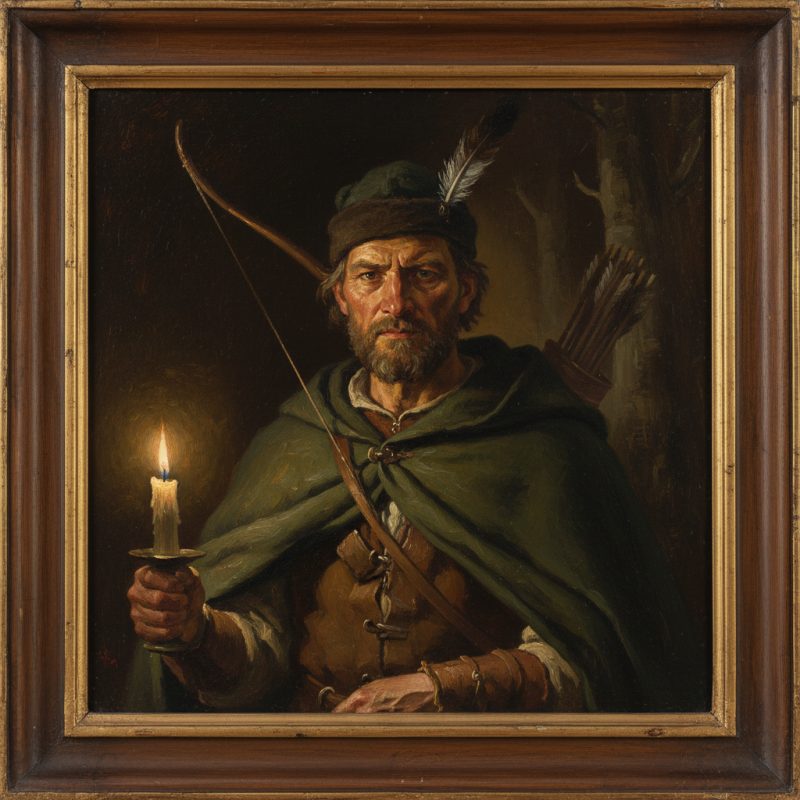
Codrin the Huntsman
He knows the royal forest better than the castle corridors. Tracks, he says, never lie - men do.
1.87 m tall · green eyes · black hair · right-handed
-
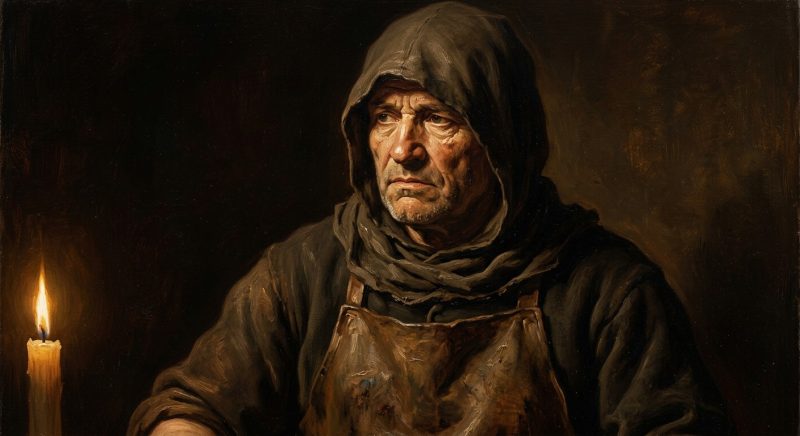
Onufrie the Executioner
A quiet man with a loud trade. He keeps a notebook of the last words of every condemned soul.
1.92 m tall · dark eyes · no hair · right-handed
-
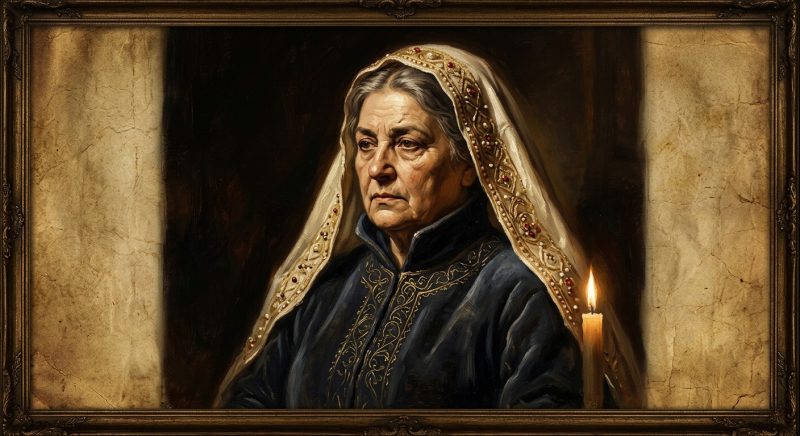
Ilinca the Baker
She weighs flour to the gram and people at a glance. No one stays in her debt twice.
1.62 m tall · brown eyes · chestnut hair · right-handed
Locations
-

The watchtower
The highest point of the fortress. From here you see everything - and from below, everyone sees who climbs up.
-

The abbey library
Thousands of leather-bound tomes. Some of the chains on the shelves were cut recently.
-
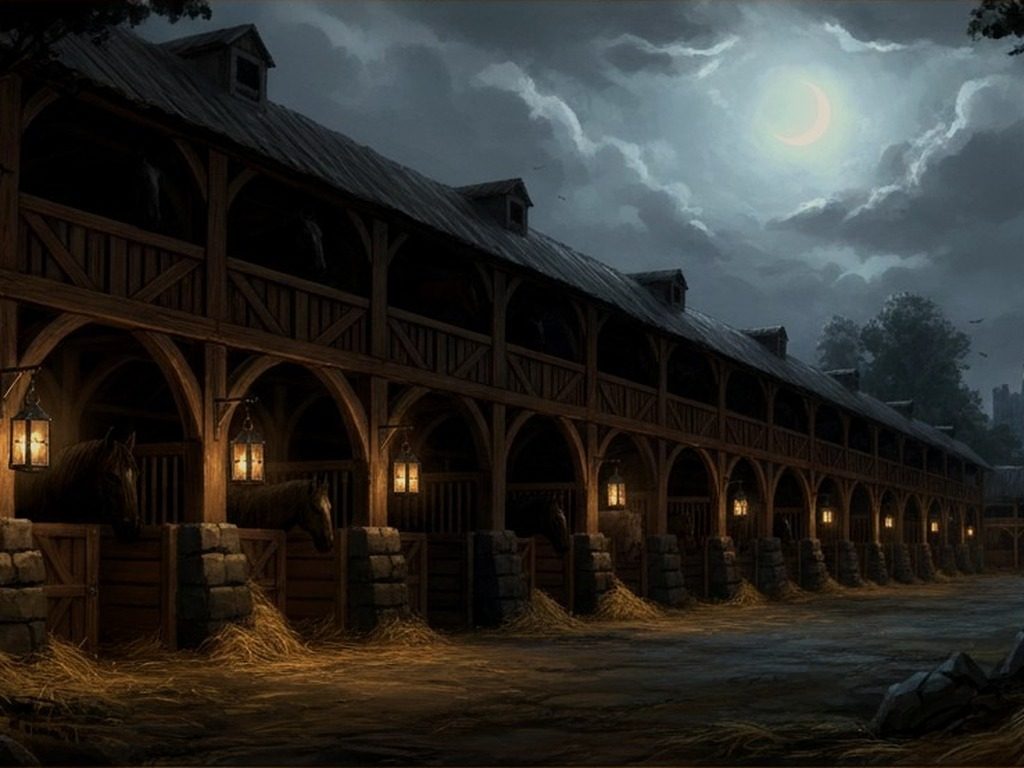
The great stable
It smells of hay and hurried departures. Horses give no testimony.
The findings and the testimonies
The list below is complete and pared to the bone. The Chancellery keeps no useless rows on file: each cuts something no other cuts.
- The traces left at the scene show it plainly: the culprit was at the great stable.
- The tracks in the dust do not lie: the suspect with brown eyes was in the place with thousands of leather-bound tomes.
- The Chancellery checked twice: Onufrie the Executioner never set foot in the watchtower.
Open the full reasoning — the culprit's name is spoken from here on
The reasoning, step by step
It began with certainties, however small. A small certainty closes an entire row, and closed rows add up quickly.
The gate register had kept a trace of its own: “The traces left at the scene show it plainly: the culprit was at the great stable”. This line spoke of the guilty party without pointing a finger — and for that very reason it was useful.
The scouts brought their share as well: “The tracks in the dust do not lie: the suspect with brown eyes was in the place with thousands of leather-bound tomes”. One more certainty means, in a deduction grid, a whole fistful of impossibilities — and so it proved here.
There followed a detail that narrowed the circle: “The Chancellery checked twice: Onufrie the Executioner never set foot in the watchtower”. A cell is struck out, and with it a whole possibility that until then looked as good as any other.
The Chancellery's verdict
At the end of the grid one name alone remained: Onufrie the Executioner. The grid shows plainly how matters stood: Onufrie the Executioner was at the great stable. Nothing was assumed along the way; every step can be redone with a pencil on paper.
What became of the others
The innocent were not left without a story; each had a place of their own: Codrin the Huntsman was at the watchtower; Ilinca the Baker was at the abbey library. They look like rows of padding and they are not: the whole of the rest rests on them.
The dossier is closed, but the method stays open to anyone with the patience to count cells.
Play this dossier All mysteries
The chronicle is written from the logic of the file, not from memory. The uniqueness of the solution was demonstrated by the solver before the dossier ever became public. behind the scenes at the Chancellery.