
Chronicle of the solution: The Silence of the Crown
Conspiracy Tier IV
Whoever hatched the scheme in shadow now stands in the light. The chronicle below shows how they were drawn out of it.
The dossier, on a first reading
Not one deed but a whole scheme has come to light — laid patiently, in secret. The crown demands not only the name but the proof: suspicion without grounds is itself a tool of the scheme. Before you, one by one, will stand Safta the Herbwife, Pantelimon the Gardener, Iustin the Mariner, Sword-Bearer Dragos and Manole the Jeweller. The places named in the testimonies — the mill by the river, the cathedral crypt, the tourney field, the throne room and the great stable — each await their turn under scrutiny. A sharp eye is not enough here — it takes an archivist's patience: fit everything together, then pronounce your verdict.
Suspicion settled on these: Safta the Herbwife, Pantelimon the Gardener, Iustin the Mariner, Sword-Bearer Dragos and Manole the Jeweller. From then on the names mattered less than what could be proved about each.
The suspects
-
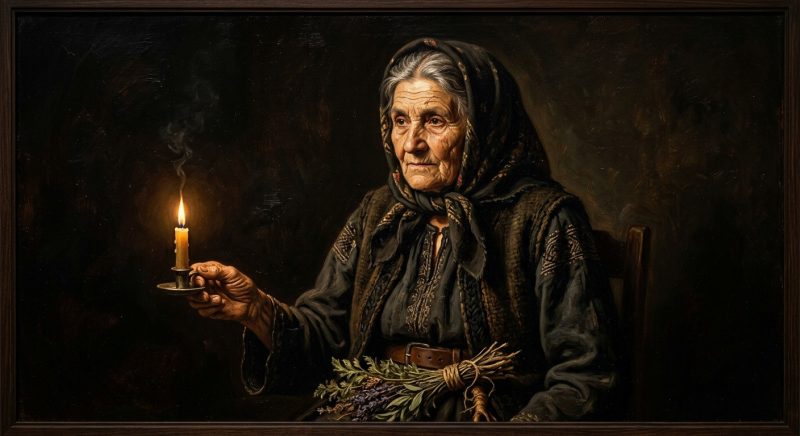
Safta the Herbwife
She gathers herbs at hours when honest folk sleep. The herbs, she says, speak then.
1.58 m tall · green eyes · greying hair · right-handed
-
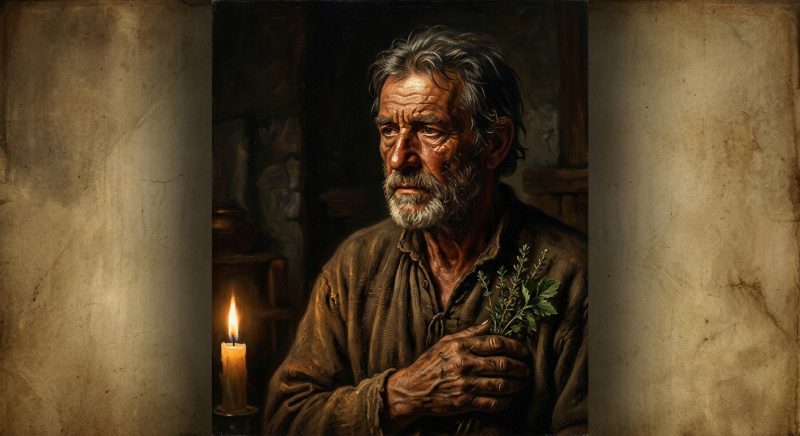
Pantelimon the Gardener
He tends the queen's roses and no one's beds of belladonna. The second garden is the more sought-after.
1.73 m tall · green eyes · greying hair · right-handed
-

Iustin the Mariner
He brings goods from ports with unpronounceable names. Half the cargo never appears in the customs records.
1.78 m tall · blue eyes · black hair · left-handed
-
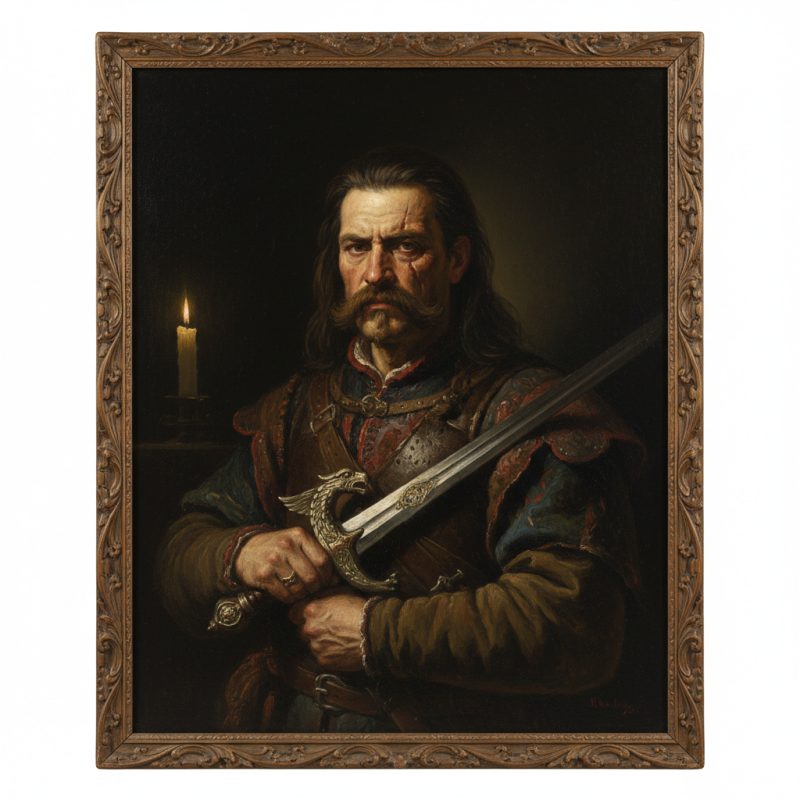
Sword-Bearer Dragos
He bears the king's ceremonial sword. At the tourney he has never lost; at dice, always.
1.86 m tall · brown eyes · chestnut hair · right-handed
-
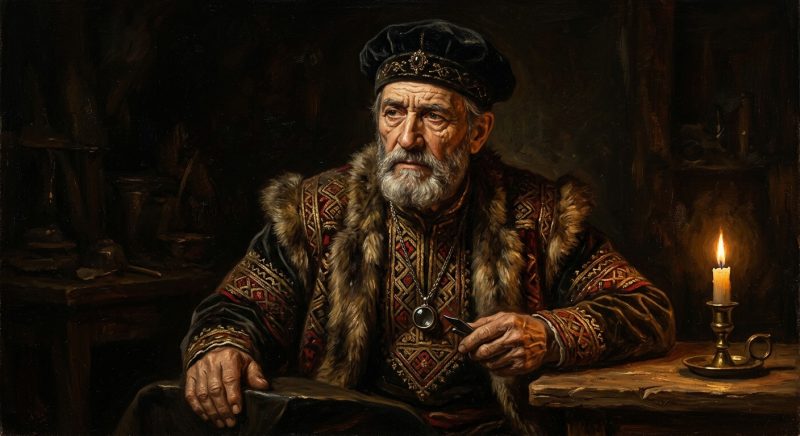
Manole the Jeweller
He tells gold from gilt at a glance. With people, he admits, it takes him two.
1.69 m tall · brown eyes · brown hair · right-handed
Locations
-
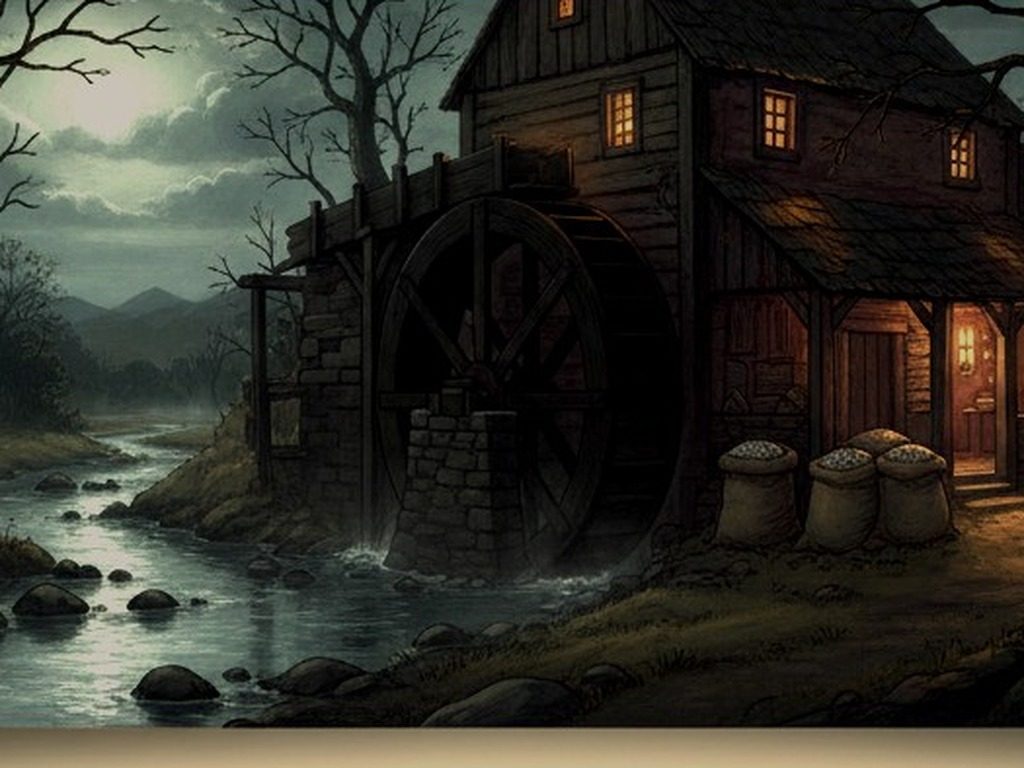
The mill by the river
The wheel turns day and night. Its noise drowns out any conversation - which is why some are held here.
-

The cathedral crypt
The old kings sleep beneath crested slabs. Now and then, someone disturbs their rest.
-
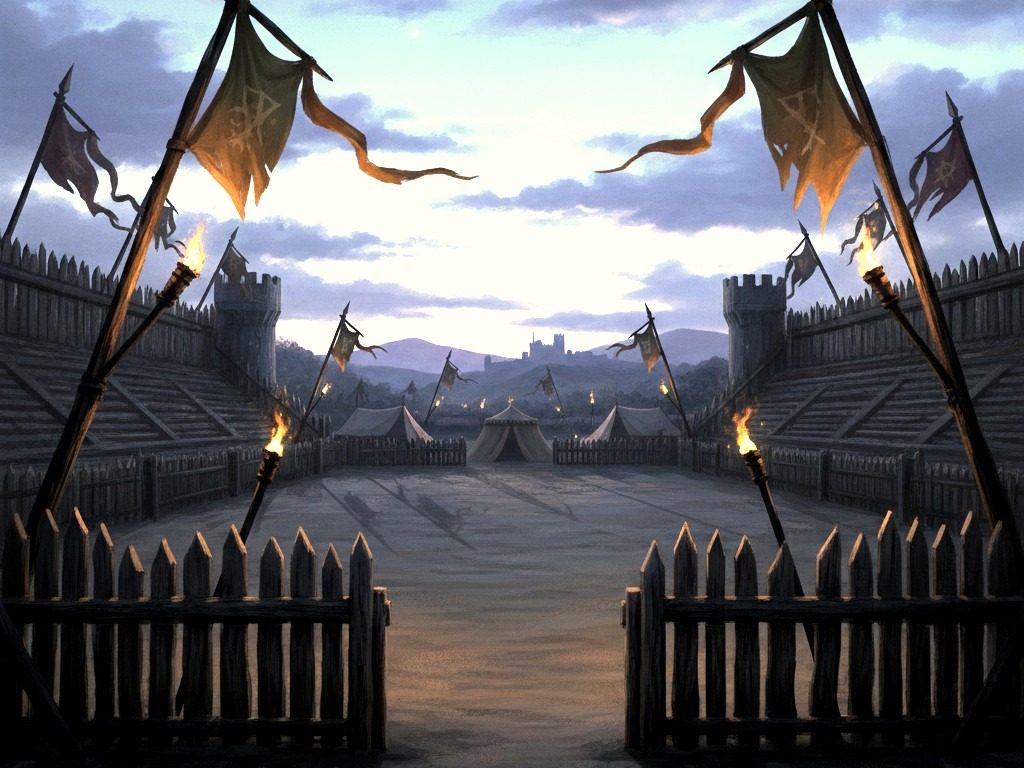
The tourney field
Empty stands outside festival days. An excellent place for meetings that never happened.
-
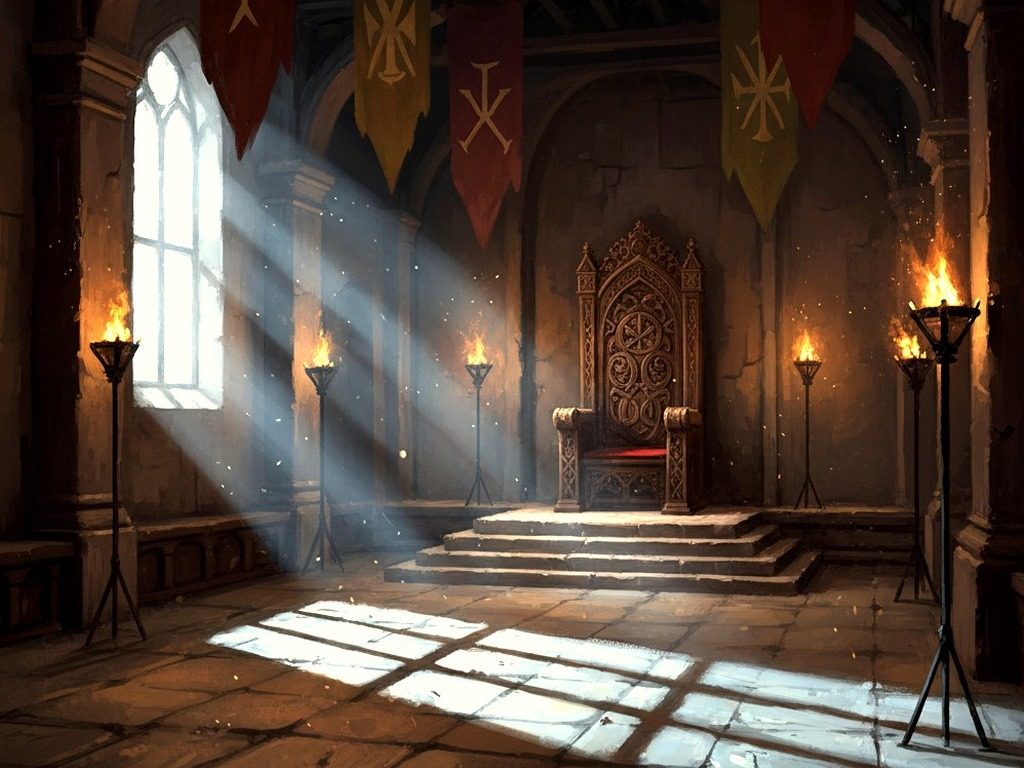
The throne room
Gold, purple, and the most closely watched place in the kingdom. In theory.
-
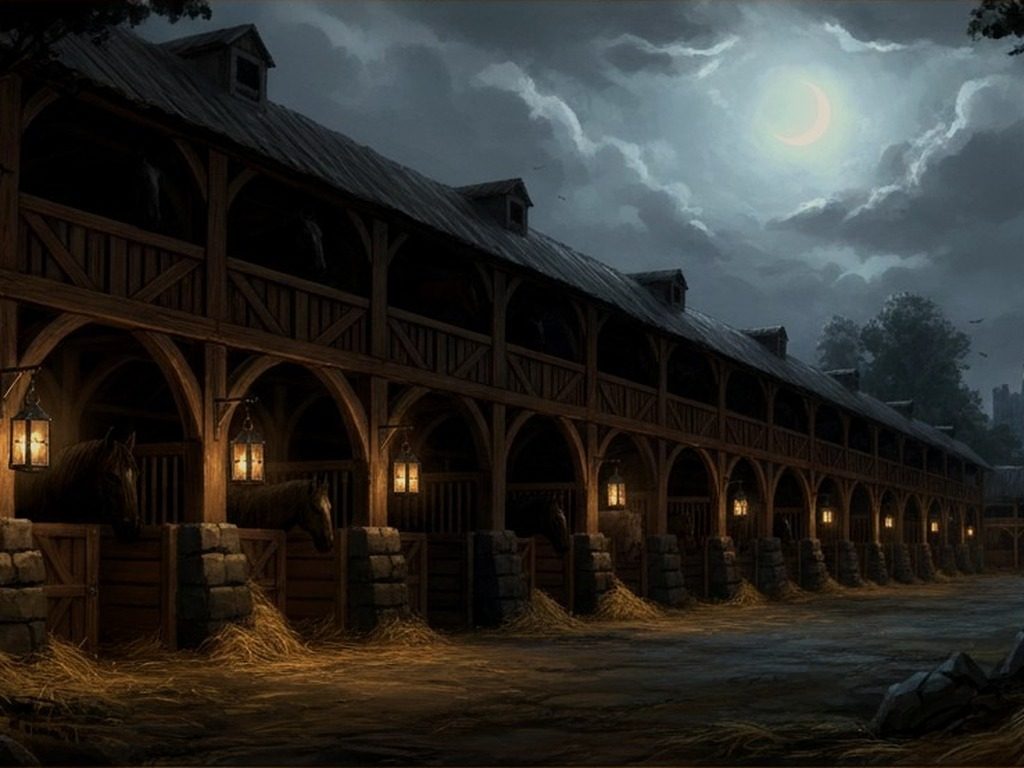
The great stable
It smells of hay and hurried departures. Horses give no testimony.
Objects
-
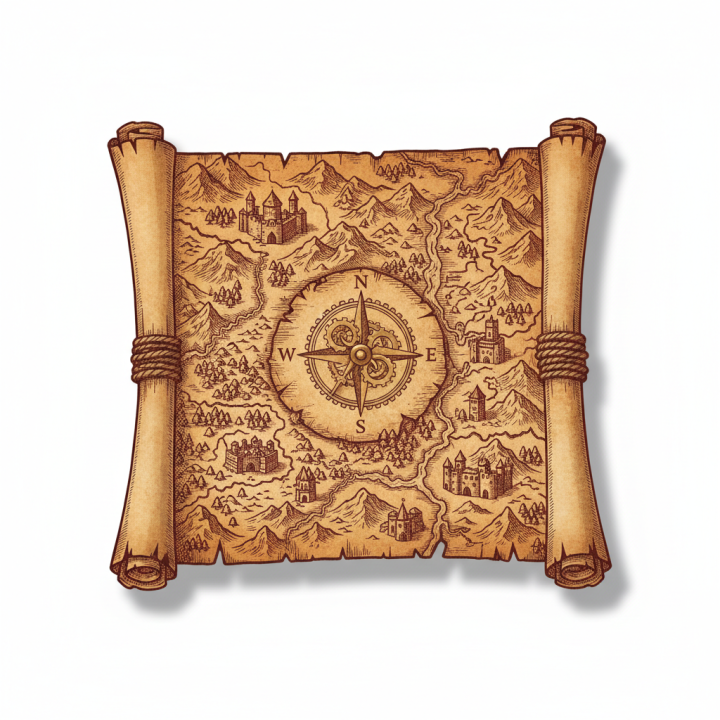
The map of the realm
The kingdom's borders, drawn with a fresh correction where there should be none.
-

The ermine cloak
White fur with black tails - only the royal family may wear it. It has a tear at the hem.
-
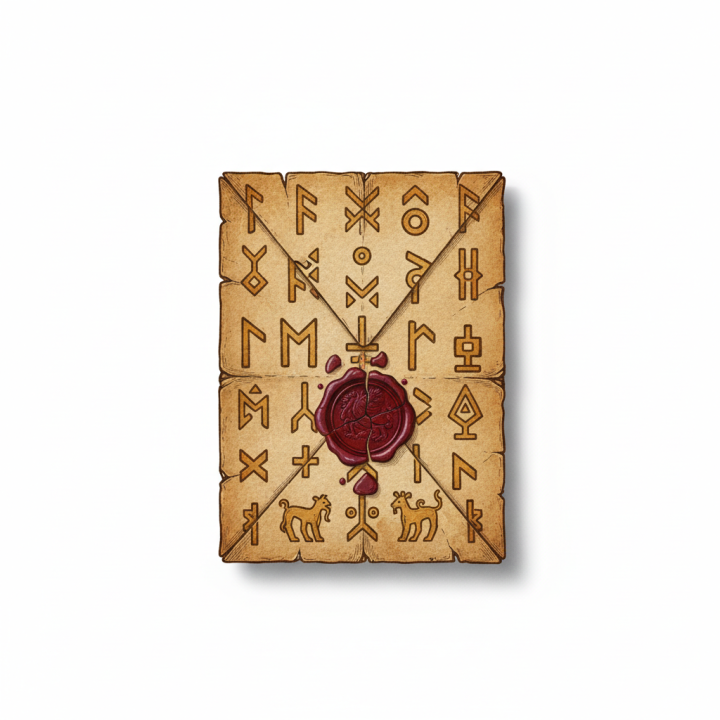
The ciphered letter
Orderly rows of meaningless signs. The ink is costly, the paper costlier, the sender - unknown.
-
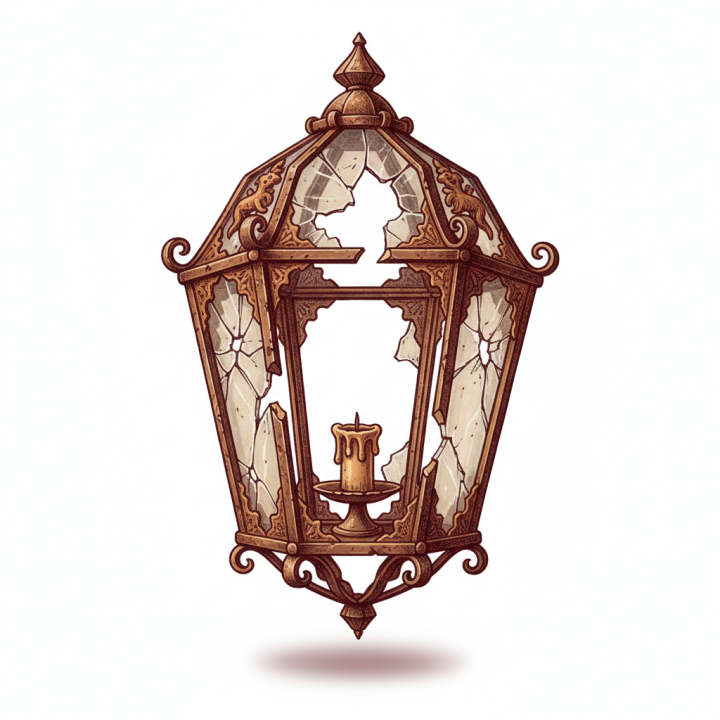
The broken lantern
The glass cracked, the wick burned to the end. Someone needed a lot of light, fast.
-
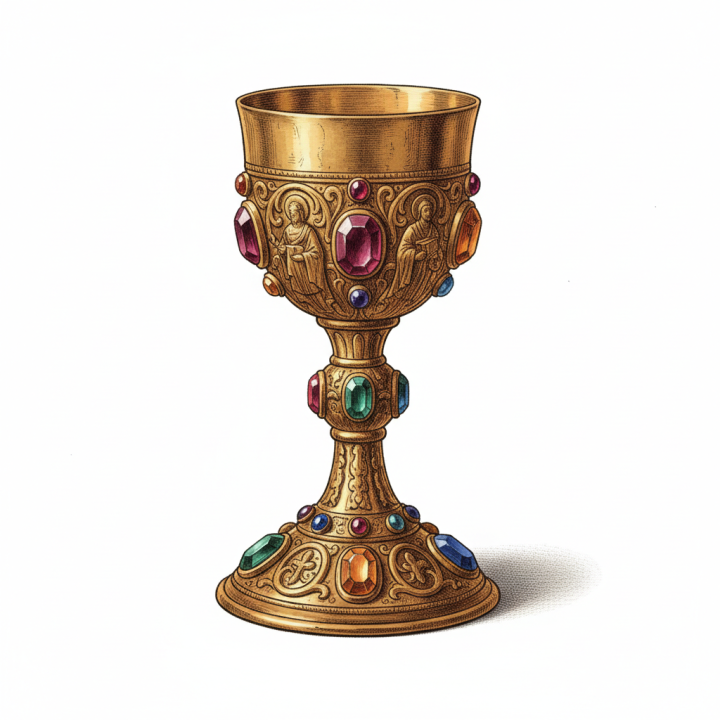
The bishop's chalice
Gold set with blue stones. Blessed three times, stolen twice.
Motives
-

The inheritance
O avere așteptată, pe care numai o moarte o desparte de mână.
-

A debt of honour
O făgăduială care cântărește mai greu decât viața.
-

Revenge
O datorie de sânge pe care numai fapta o mai șterge.
-

Blackmail
Un secret ținut ca funia la gât, strâns exact cât trebuie.
-

Fear of exposure
Groaza de a fi dat în vileag, care împinge la orice.
Moments
-

At dawn
When the citadel is barely waking and the guards still doze.
-

After matins
The hour after the morning service, when the abbey empties.
-

At noon
Midday, with bustle in the markets and silence in the alcoves.
-

At dusk
When the shadows lengthen and the lanterns are not yet lit.
-

At vespers
At the evening service, when the bells drown out any footstep.
The findings and the testimonies
Nothing is missing from the list and nothing is surplus. Every row below is necessary: without it, the grid would allow several solutions at once.
- An honest-faced witness saw it plainly: Manole the Jeweller handled the map of the realm.
- The bell-ringer remembers well: the tallest suspect came earlier than the left-handed suspect.
- In the Chancellery's ledger it stands in black and white: the shortest suspect was at the throne room.
- An honest-faced witness saw it plainly: the great stable and the inheritance go together.
- Whatever the market gossips: Pantelimon the Gardener never set foot in the cathedral crypt.
- The tracks in the dust do not lie: the great stable and the bishop's chalice go together.
- A maid whispered it at confession: Iustin the Mariner was at the great stable.
- The gate guard swears: the broken lantern matches that hour: at dawn.
- An honest-faced witness saw it plainly: the tourney field and the ermine cloak go together.
- In the Chancellery's ledger it stands in black and white: a debt of honour matches that hour: at noon.
- A maid whispered it at confession: the ermine cloak and revenge go together.
- The bell-ringer remembers well: Manole the Jeweller came earlier than Pantelimon the Gardener.
- By the order of the hours, first comes Safta the Herbwife, then Iustin the Mariner.
- The tracks in the dust do not lie: fear of exposure matches that hour: at dusk.
- At the Chancellery, Manole the Jeweller maintains: "I was in the place with stands empty outside festival days".
Break the seal: the Chancellery's reasoning — open only if you have already tried the dossier
How it was unravelled
No suspicion weighed here. Only the grid weighed: every certain match sweeps a whole row and a whole column, and at the end one arrangement alone remains possible.
The examination of the place yielded this as well: “An honest-faced witness saw it plainly: Manole the Jeweller handled the map of the realm”. The tick goes down without hesitation, and with it fall all the other cells on that row and that column.
It was set down, for whoever reads after us: “The bell-ringer remembers well: the tallest suspect came earlier than the left-handed suspect”. The finding found its place and never left it again.
The clerk read the next line aloud: “In the Chancellery's ledger it stands in black and white: the shortest suspect was at the throne room”. Once the tick was placed, the investigation had nothing left to argue on that row and moved on.
From here things gathered pace. Within a few hours the file received: “An honest-faced witness saw it plainly: the great stable and the inheritance go together”; “Whatever the market gossips: Pantelimon the Gardener never set foot in the cathedral crypt”; “The tracks in the dust do not lie: the great stable and the bishop's chalice go together”; “A maid whispered it at confession: Iustin the Mariner was at the great stable”; “The gate guard swears: the broken lantern matches that hour: at dawn”; “An honest-faced witness saw it plainly: the tourney field and the ermine cloak go together”; “In the Chancellery's ledger it stands in black and white: a debt of honour matches that hour: at noon”; “A maid whispered it at confession: the ermine cloak and revenge go together”; “The bell-ringer remembers well: Manole the Jeweller came earlier than Pantelimon the Gardener”; “By the order of the hours, first comes Safta the Herbwife, then Iustin the Mariner”. Laid end to end, they did what not one of them could have done alone.
This particular came to light as well: “The tracks in the dust do not lie: fear of exposure matches that hour: at dusk”. From then on that cell could no longer be disputed, and the dispute moved one row down.
A piece of information dearly bought showed its worth: “At the Chancellery, Manole the Jeweller maintains: "I was in the place with stands empty outside festival days"”. Here the grid had to wait. A declaration is not placed until it is settled who made it.
The lying testimony
Here everything broke. Manole the Jeweller swore before the Chancellery that I was at the tourney field — the one testimony in the whole file that will not sit with the rest of the grid. The truth, laid down by the other findings, is precisely the reverse: Manole the Jeweller never set foot in the tourney field. Under the Supreme Law only the culprit lies, and whoever lies names themselves.
The verdict
At the end of the grid one name alone remained: Manole the Jeweller. At the hour of the deed, Manole the Jeweller was at the cathedral crypt, handled the map of the realm, was driven by a debt of honour and was there at noon. Tier IV is no empty word: without the method of hypotheses, this grid would not have closed.
What became of the others
The innocent were not left without a story; each had a place of their own: Safta the Herbwife was at the throne room, handled the broken lantern, was driven by blackmail and was there at dawn; Pantelimon the Gardener was at the mill by the river, handled the ciphered letter, was driven by fear of exposure and was there at dusk; Iustin the Mariner was at the great stable, handled the bishop's chalice, was driven by the inheritance and was there at vespers; Sword-Bearer Dragos was at the tourney field, handled the ermine cloak, was driven by revenge and was there after matins. Not one of the rows above is spare — remove it and the grid opens again.
Here the chronicle stops. If you followed it to the end, you did exactly what an investigator does: you believed the grid, not your impressions.
Play this dossier All mysteries
The chronicles are written by the Enigmerra Chancellery out of the dossier's own logic: every step above is verified by the solver which proved, at publication, that the dossier has a unique solution. behind the scenes at the Chancellery.