
Chronicle of the solution: The Signature of the Seal
Espionage Tier III
The spy has been caught, and the thread they left behind is unwound below, from one end to the other.
The dossier, on a first reading
The council's secrets have reached where they never should have — and not on their own: someone carried them. The Chancellery has caught only the end of the thread; the whole skein is still in someone's hands. Before you, one by one, will stand Filip the Steward, Duchess Amara de Corvin, Elisei the Stargazer and Tintar the Jester. Rumor walks the deed through every corner: the old dungeon, the queen's garden, the great stable and the mill by the river. Few files have tested so many investigators; untangle the threads, catch the lie, and pronounce your verdict.
Under suspicion stood Filip the Steward, Duchess Amara de Corvin, Elisei the Stargazer and Tintar the Jester. One of them alone lied; the rest, without knowing it, spoke the truth that gave that one away.
The suspects
-
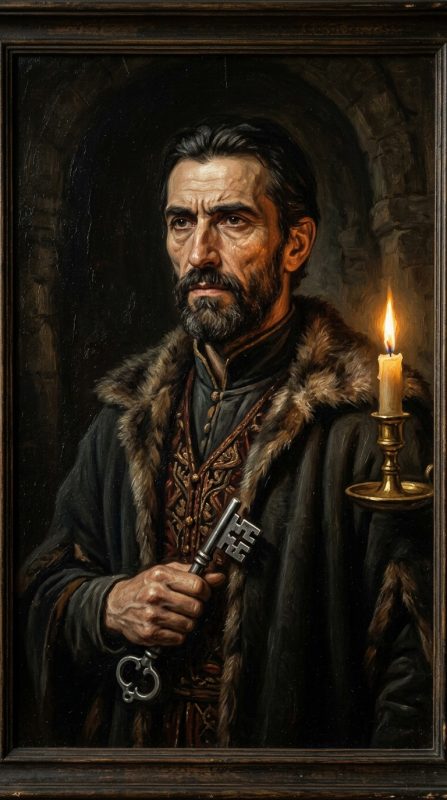
Filip the Steward
He counts the crown's silver every evening. On some evenings the count comes out different - and he says nothing.
1.79 m tall · grey eyes · chestnut hair · right-handed
-
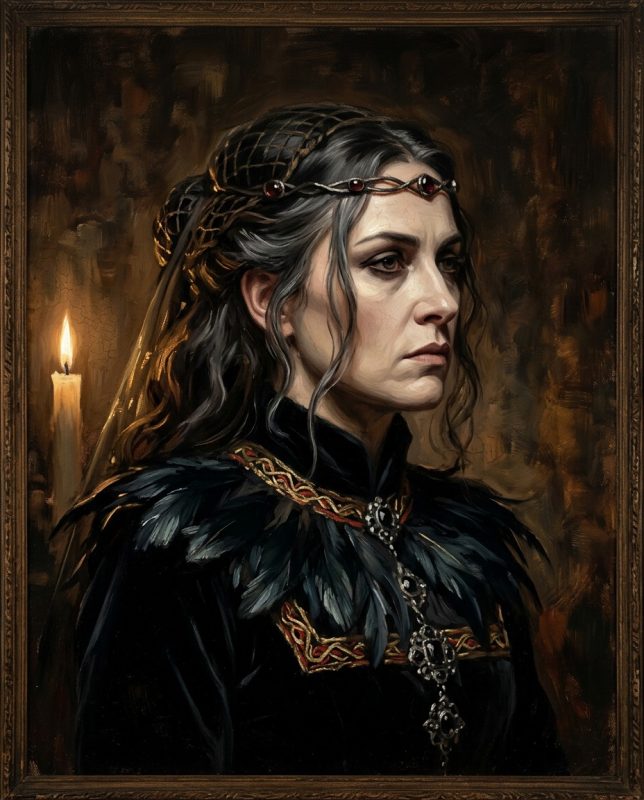
Duchess Amara de Corvin
Widowed three times, heir on each occasion. Her smile has buried more nobles than the plague.
1.68 m tall · dark eyes · black hair · right-handed
-

Elisei the Stargazer
He reads the future in the stars and the past in men's debts. The second method fails less often.
1.67 m tall · blue eyes · greying hair · right-handed
-

Tintar the Jester
The only man in the kingdom who may tell the king the truth - provided he makes it sound like a joke.
1.56 m tall · green eyes · red hair · right-handed
Locations
-

The old dungeon
Cells abandoned since the new dungeon was built. "Abandoned" is one way of putting it.
-
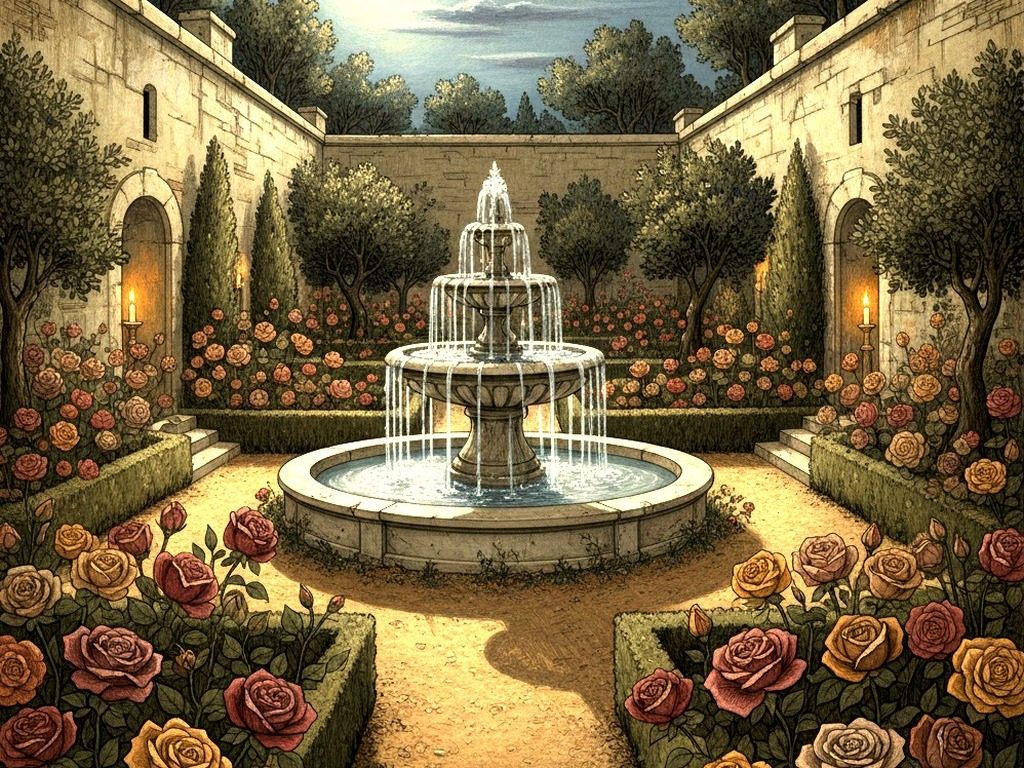
The queen's garden
Roses trimmed to a line and paths you may walk only by invitation. At night, the hedge has ears.
-
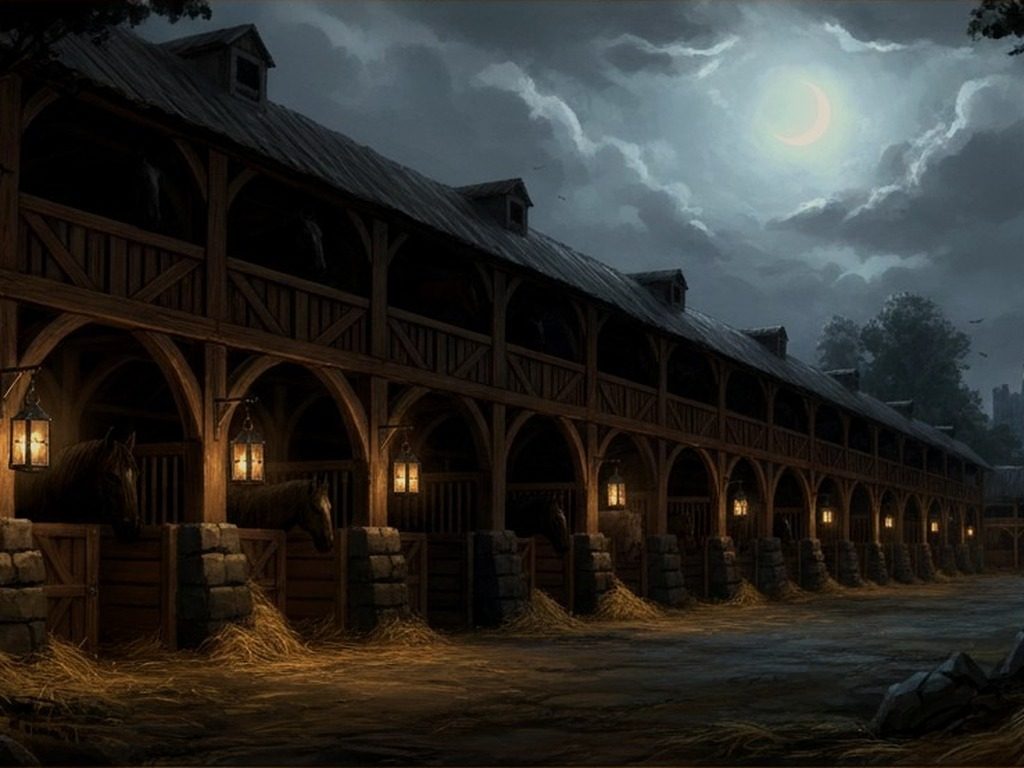
The great stable
It smells of hay and hurried departures. Horses give no testimony.
-
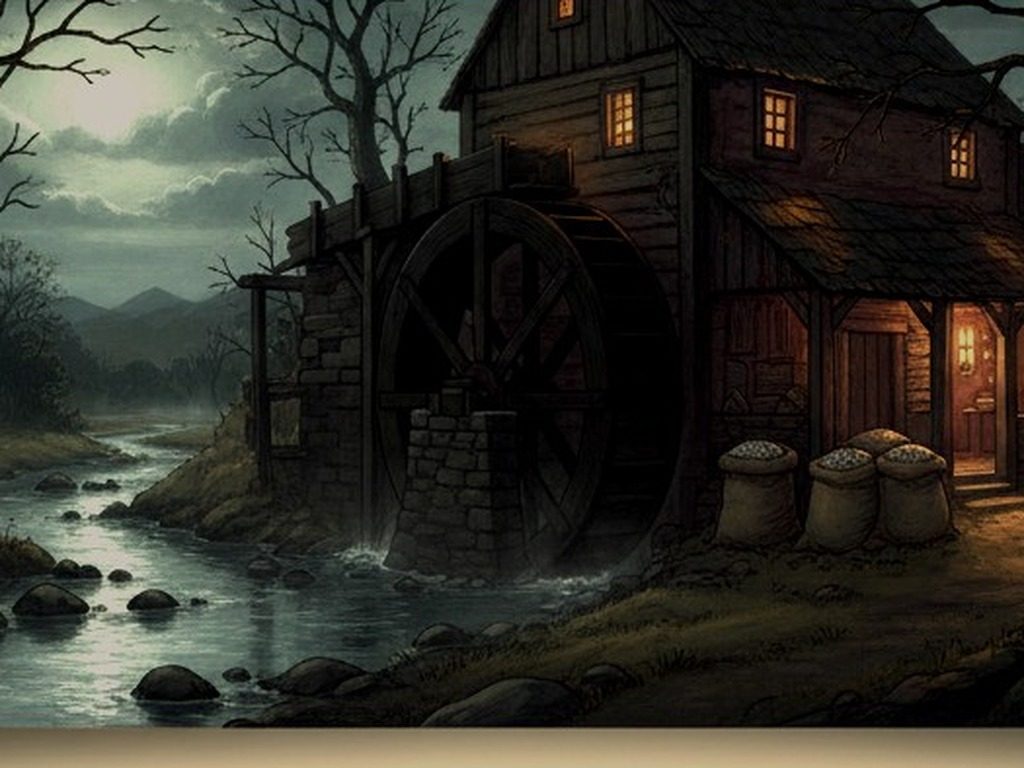
The mill by the river
The wheel turns day and night. Its noise drowns out any conversation - which is why some are held here.
Objects
-

The royal seal
Whoever holds it can seal any decree. Which is why it should not be wandering the kingdom.
-
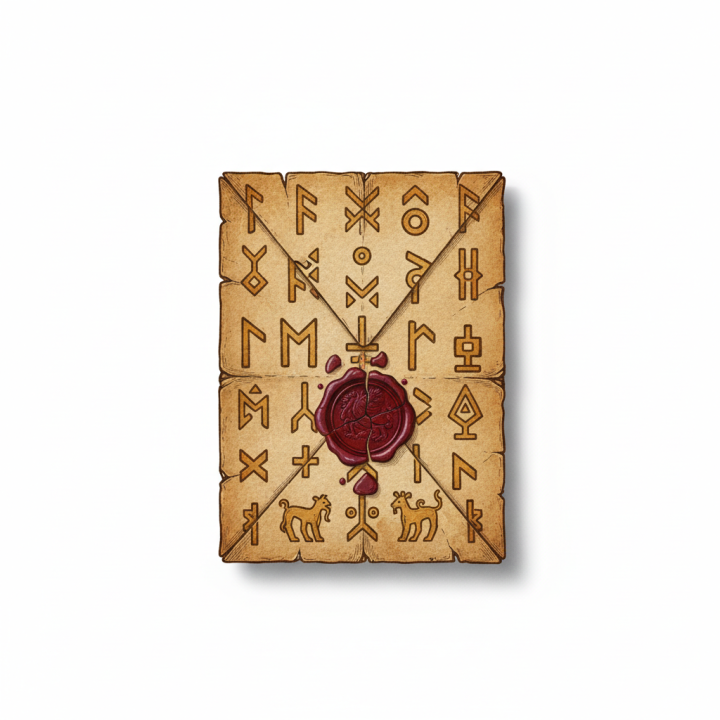
The ciphered letter
Orderly rows of meaningless signs. The ink is costly, the paper costlier, the sender - unknown.
-
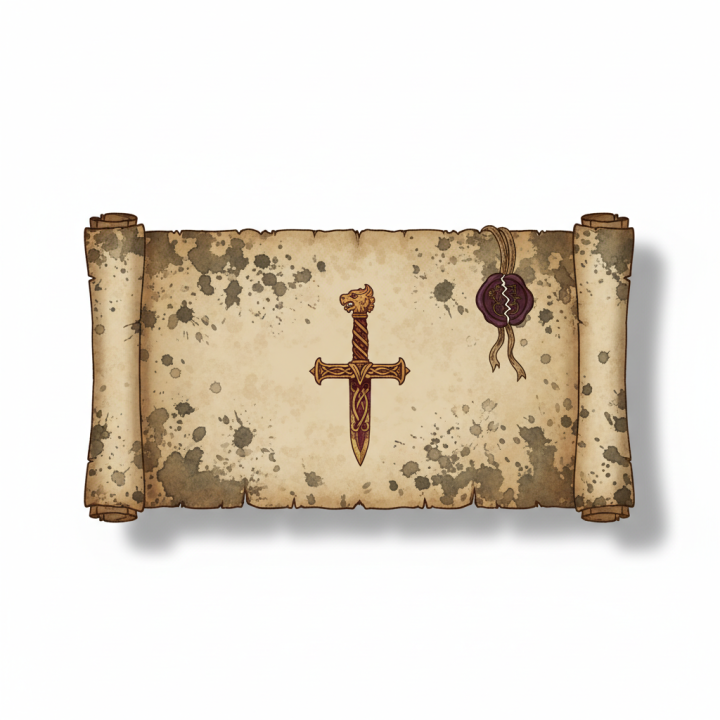
The stained parchment
A half-burned document with a stain that might be wine. Or not.
-
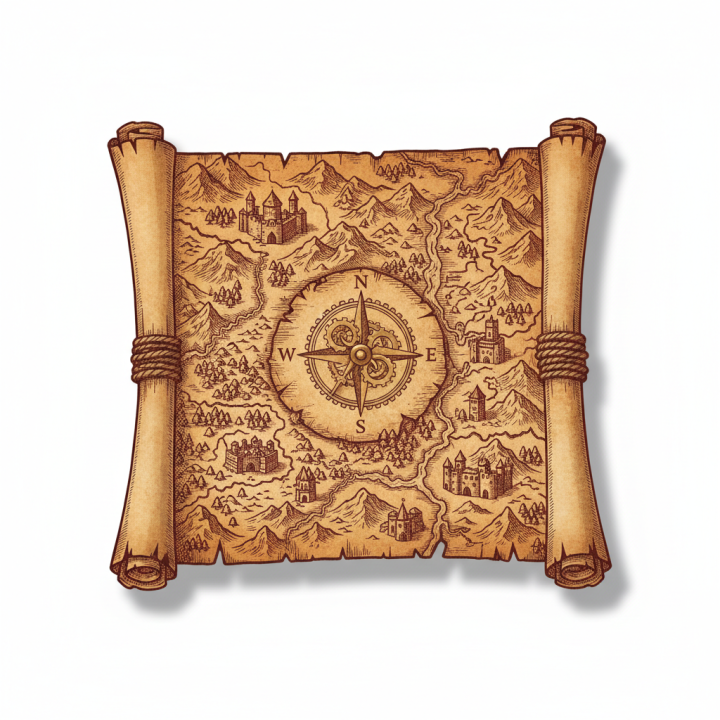
The map of the realm
The kingdom's borders, drawn with a fresh correction where there should be none.
Moments
-

At dawn
When the citadel is barely waking and the guards still doze.
-

After matins
The hour after the morning service, when the abbey empties.
-

At noon
Midday, with bustle in the markets and silence in the alcoves.
-

At dusk
When the shadows lengthen and the lanterns are not yet lit.
The evidence gathered on file
These are all the findings and testimonies the Chancellery had to hand — not one more. The set is minimal by construction: take out a single row and the verdict can no longer be demonstrated.
- The chronicler notes drily: Tintar the Jester was at the great stable, whatever the court may say.
- In the Chancellery's ledger it stands in black and white: the suspect with chestnut hair handled the royal seal.
- An unsigned note, slipped under the door: "the culprit handled the stained parchment".
- The gate guard swears: the stained parchment matches that hour: at dusk.
- Duchess Amara de Corvin declares under oath: "I was in the place where the wheel turns day and night".
- The gate guard swears: the queen's garden and the royal seal go together.
- Even the jester says it in earnest: Duchess Amara de Corvin never touched the map of the realm.
- A maid whispered it at confession: the ciphered letter matches that hour: after matins.
- Elisei the Stargazer declares under oath: "I was there at noon".
- Even the jester says it in earnest: the royal seal does not match that hour: at dawn.
Break the seal: the Chancellery's reasoning — open only if you have already tried the dossier
The road to the verdict
The rule of the house is simple: what is observed enters the grid as it stands; what is declared enters only once it is settled who declared it.
A witness of good faith cleared up one more corner: “The chronicler notes drily: Tintar the Jester was at the great stable, whatever the court may say”. Once the tick was placed, the investigation had nothing left to argue on that row and moved on.
This too was added to the file: “In the Chancellery's ledger it stands in black and white: the suspect with chestnut hair handled the royal seal”. The tick goes down without hesitation, and with it fall all the other cells on that row and that column.
From one word to the next, the investigation arrived here: “An unsigned note, slipped under the door: "the culprit handled the stained parchment"”. This line spoke of the guilty party without pointing a finger — and for that very reason it was useful.
Then came, one after another, the findings that drew the noose tight: “The gate guard swears: the stained parchment matches that hour: at dusk”; “Duchess Amara de Corvin declares under oath: "I was in the place where the wheel turns day and night"”; “The gate guard swears: the queen's garden and the royal seal go together”; “Even the jester says it in earnest: Duchess Amara de Corvin never touched the map of the realm”; “A maid whispered it at confession: the ciphered letter matches that hour: after matins”. Not one of them named a culprit. Together, though, they left room for one alone.
This page was stitched into the file too: “Elisei the Stargazer declares under oath: "I was there at noon"”. The testimony was set aside on the scales: if the speaker is innocent it is true; if not, it is precisely the reverse.
The scouts brought their share as well: “Even the jester says it in earnest: the royal seal does not match that hour: at dawn”. The row lost one more cell, and whoever gathers losses enough arrives at a gain.
Where the thread broke
One word was enough. Elisei the Stargazer swore before the Chancellery that I was there at noon — and that alone would not sit with the rest of the file. The truth, drawn out of the other rows, runs thus: Elisei the Stargazer was not present at noon. Whoever lies, under the Supreme Law, gives themselves away.
The Chancellery's verdict
At the end of the grid one name alone remained: Elisei the Stargazer. The arrangement in the grid is this: Elisei the Stargazer was at the old dungeon, handled the stained parchment and was there at dusk. The dossier called for hypotheses driven to contradiction, not direct elimination alone — which is why it was rated at tier III.
What became of the others
And here is what had become of the others, in that same hour: Filip the Steward was at the queen's garden, handled the royal seal and was there at noon; Duchess Amara de Corvin was at the mill by the river, handled the ciphered letter and was there after matins; Tintar the Jester was at the great stable, handled the map of the realm and was there at dawn. They look like rows of padding and they are not: the whole of the rest rests on them.
The dossier is closed, but the method stays open to anyone with the patience to count cells.
Play this dossier All mysteries
Nothing in this chronicle is invented: the text rises out of the dossier's logic, and the dossier passed through the solver before publication, so that its solution is provably unique. behind the scenes at the Chancellery.