
Chronicle of the solution: The Riddle of the Feast
Forged decree Tier III
The forgery has found its maker. This chronicle shows how one got from a doubtful parchment to a certain name.
The dossier, on a first reading
A decree bearing a lying seal has left the Chancellery, and its parchment has already done damage. Whoever drew it up knew the Chancellery's ways by heart — and that is precisely what betrays them. The testimonies keep returning to the same names: Safta the Herbwife, Sir Bogdan de Fag, Luca the Squire and Tintar the Jester. Among the things spoken of in whispers are the vial of belladonna, the guild seal, the hunting crossbow and the small wine cask. The threads were tangled on purpose: investigate, weigh every word, and pronounce your verdict only when the grid leaves no room for doubt.
The four suspects in this dossier share something the Chancellery noted at the outset: not one of them works for himself. Luca the Squire serves a knight. Tintar the Jester serves a court. Safta the Herbwife serves whoever pays. Sir Bogdan de Fag serves the crown.
In a case of forgery that matters more than it seems. Whoever serves another can commit a deed without gaining anything by it — and then motive, the handle an investigation usually grips, is of no use at all. Only the grid is left.
The places are the four edges of ordinary life: the watchtower, the wharf, the merchant's house and the great stable. The objects — a vial of belladonna, the guild seal, a hunting crossbow and a small wine cask — appear to have nothing to do with one another, and that is precisely the difficulty.
Tier III. There are testimonies on file, so one of them is false. Find it and you have found everything.
The Chancellery had to weigh Safta the Herbwife, Sir Bogdan de Fag, Luca the Squire and Tintar the Jester. All of them had opportunity, and for that very reason opportunity was worth nothing.
The suspects
-
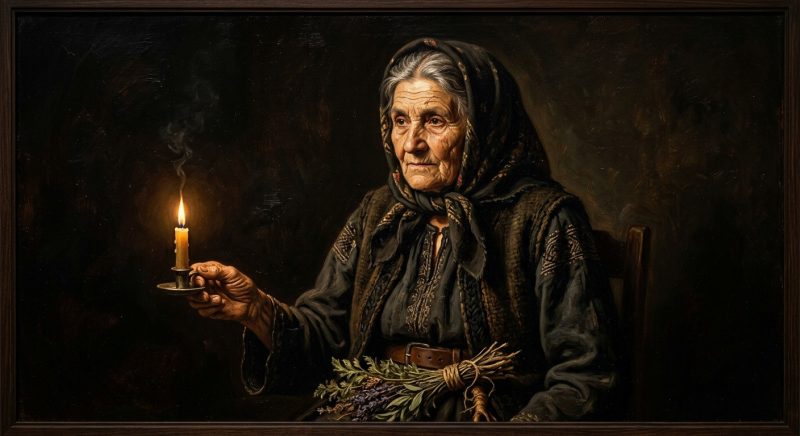
Safta the Herbwife
She gathers herbs at hours when honest folk sleep. The herbs, she says, speak then.
1.58 m tall · green eyes · greying hair · right-handed
-
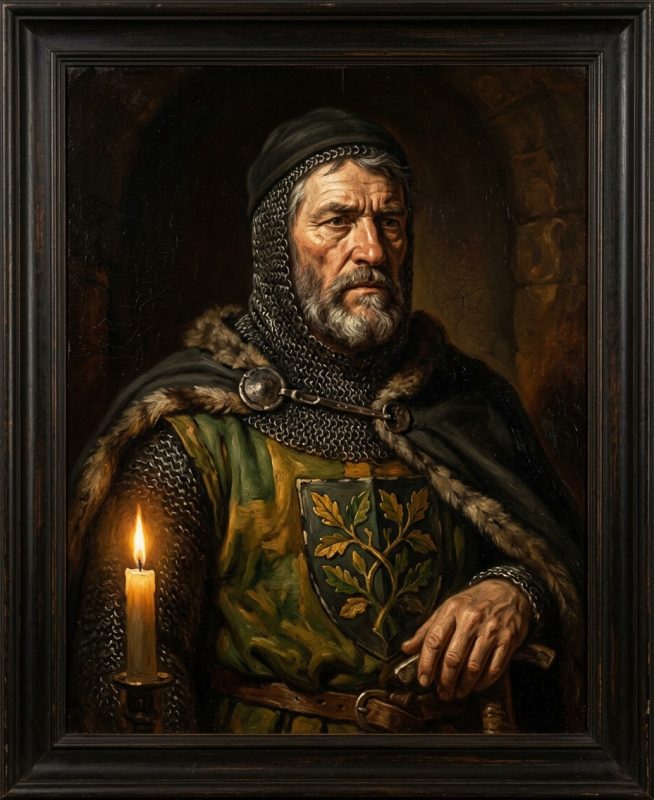
Sir Bogdan de Fag
He pawned his armour to pay his tavern debts. Honour, he says, does not rust.
1.85 m tall · blue eyes · brown hair · right-handed
-

Luca the Squire
He polishes the knight's armour and dreams of a sword of his own. For a coat of arms he would do almost anything.
1.72 m tall · green eyes · brown hair · right-handed
-
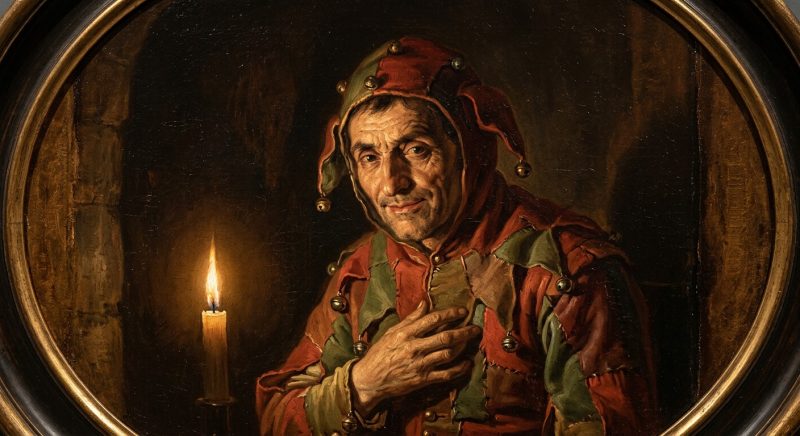
Tintar the Jester
The only man in the kingdom who may tell the king the truth - provided he makes it sound like a joke.
1.56 m tall · green eyes · red hair · right-handed
Locations
-

The watchtower
The highest point of the fortress. From here you see everything - and from below, everyone sees who climbs up.
-

The wharf
Moored boats, wet ropes, and goods that prefer to arrive in the fog.
-

The merchant's house
Carpets brought from overseas and a desk with more secret drawers than drawers.
-
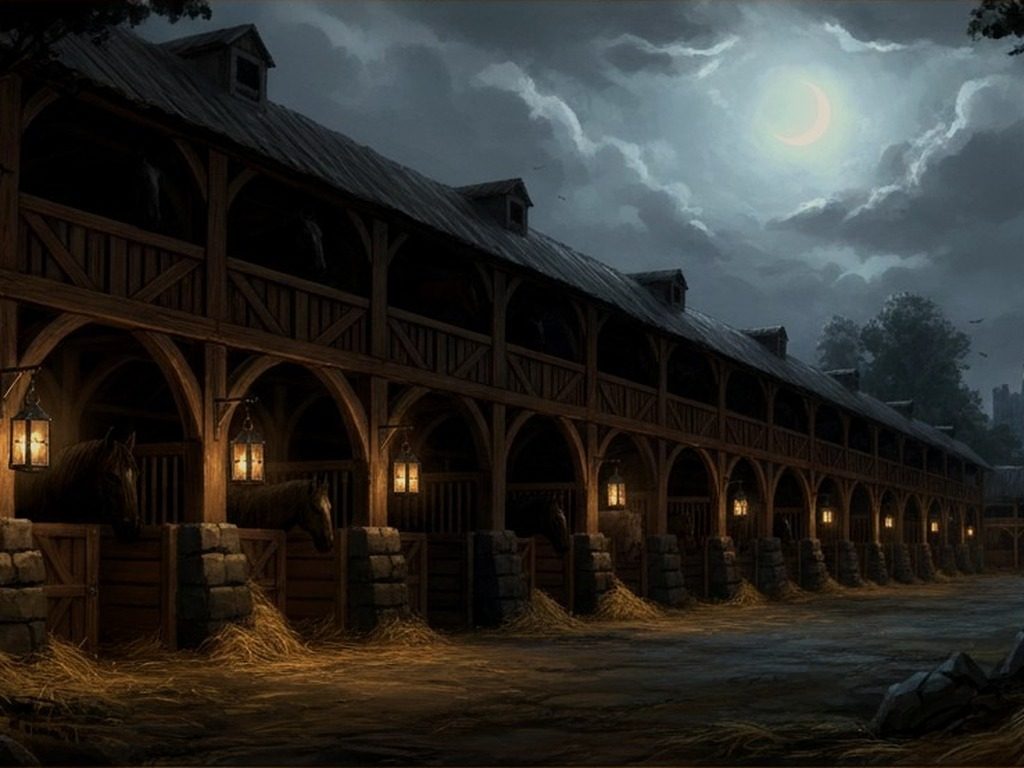
The great stable
It smells of hay and hurried departures. Horses give no testimony.
Objects
-

The vial of belladonna
A small flask, a wax stopper, a label written with care. Three-quarters empty.
-
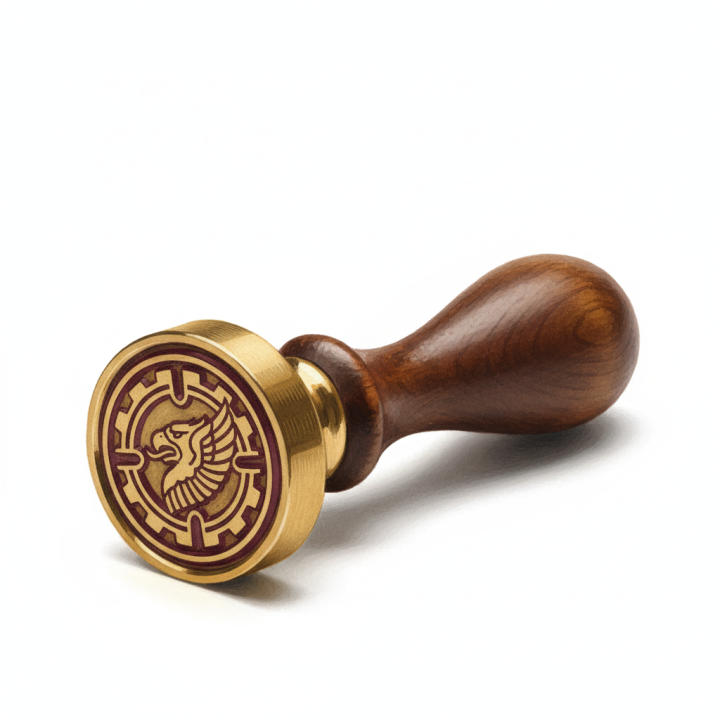
The guild seal
The stamp that turns any goods into goods "of certified quality." Worth a mine of gold.
-
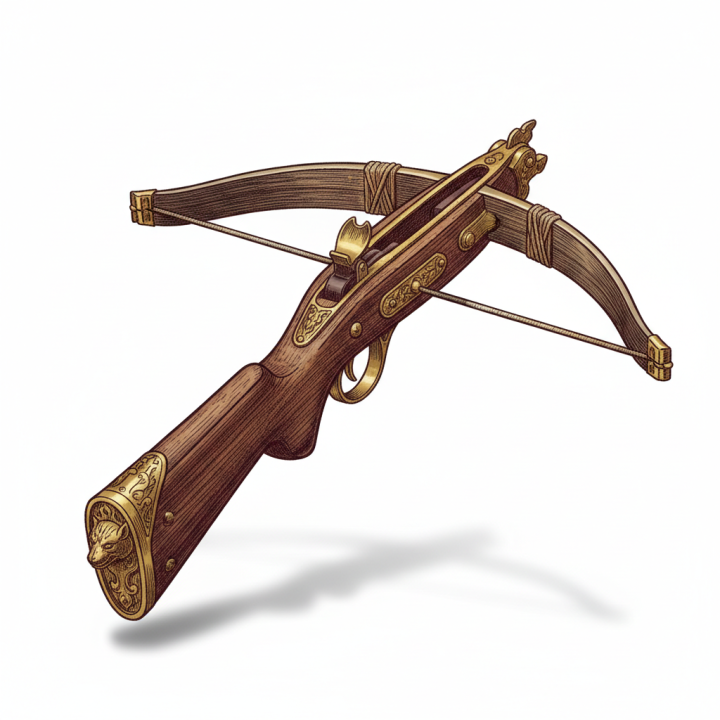
The hunting crossbow
Light, accurate, with a walnut stock. Exactly one bolt is missing from the quiver.
-

The small wine cask
Arin wine, the good year. The bung was pulled and put back by an unskilled hand.
Moments
-

At dawn
When the citadel is barely waking and the guards still doze.
-

After matins
The hour after the morning service, when the abbey empties.
-

At noon
Midday, with bustle in the markets and silence in the alcoves.
-

At dusk
When the shadows lengthen and the lanterns are not yet lit.
What the Chancellery had to hand
This much was worked with, no more and no less. Minimality is not a figure of speech: each row was taken out in turn, at trial, and without it the solution ceased to be unique.
- The tracks in the dust do not lie: the small wine cask matches that hour: at dusk.
- An honest-faced witness saw it plainly: the suspect with red hair was in the place from which you see everything.
- By the order of the hours, first comes the suspect with red hair, then Sir Bogdan de Fag.
- Tintar the Jester declares under oath: "I was there after matins".
- The gate guard swears: the great stable and the vial of belladonna go together.
- The healer says it with a raised finger: if the suspect with red hair was there after matins, then Luca the Squire handled the hunting crossbow.
- The tracks in the dust do not lie: the wharf and the hunting crossbow go together.
- The chronicler notes drily: the great stable matches that hour: at dawn, whatever the court may say.
- The traces left at the scene show it plainly: the culprit was there at dawn.
Reveal the Chancellery's reasoning — open only if you have already tried the dossier
How it was unravelled
The road is always the same: findings first, because they do not lie; testimonies after, because one of them always does.
From one word to the next, the investigation arrived here: “The tracks in the dust do not lie: the small wine cask matches that hour: at dusk”. Two names bound themselves for good, and the binding undid, at a stroke, every pairing that contradicted it.
The next line was the one that changed the reckoning: “An honest-faced witness saw it plainly: the suspect with red hair was in the place from which you see everything”. From then on that cell could no longer be disputed, and the dispute moved one row down.
A piece of information dearly bought showed its worth: “By the order of the hours, first comes the suspect with red hair, then Sir Bogdan de Fag”. Nothing spectacular, but this is exactly how dossiers close: out of small lines, laid end to end.
From here things gathered pace. Within a few hours the file received: “Tintar the Jester declares under oath: "I was there after matins"”; “The gate guard swears: the great stable and the vial of belladonna go together”; “The healer says it with a raised finger: if the suspect with red hair was there after matins, then Luca the Squire handled the hunting crossbow”; “The tracks in the dust do not lie: the wharf and the hunting crossbow go together”. Each closed a door, and by the last of them only one stood open.
Then this finding entered the file: “The chronicler notes drily: the great stable matches that hour: at dawn, whatever the court may say”. One more certainty means, in a deduction grid, a whole fistful of impossibilities — and so it proved here.
This too was added to the file: “The traces left at the scene show it plainly: the culprit was there at dawn”. The line names nobody, but it binds the culprit to a fact — and every suspect who cannot carry it leaves the circle.
The word that would not fit
Not a single lie was heard in this dossier. The single testimony on file withstood checking. Since a lie is, under the Supreme Law, the culprit's signature, its absence among those who spoke cleared them one by one, leaving the guilt with the one who chose to stay silent.
The close of the investigation
The verdict wrote itself — the culprit is Safta the Herbwife. When the deed took place, Safta the Herbwife was at the great stable, handled the vial of belladonna and was there at dawn. Tier III is no empty word: without the method of hypotheses, this grid would not have closed.
What became of the others
The others found their acquittal in the grid as well: Sir Bogdan de Fag was at the merchant's house, handled the small wine cask and was there at dusk; Luca the Squire was at the wharf, handled the hunting crossbow and was there at noon; Tintar the Jester was at the watchtower, handled the guild seal and was there after matins. Not one of the rows above is spare — remove it and the grid opens again.
It was not cleverness that unravelled the thread, but order. Order can be learned, and that is exactly why the chronicle is written.
Play this dossier All mysteries
Nothing in this chronicle is invented: the text rises out of the dossier's logic, and the dossier passed through the solver before publication, so that its solution is provably unique. behind the scenes at the Chancellery.