
Chronicle of the solution: The Signature of the Blazon
Conspiracy Tier III
The conspiracy file is closed, but the reasoning that closed it deserves reading by any investigator.
The dossier as it reached the desk
The whispers began in Realm of the Crown like thin smoke; now the smoke smells of conspiracy. The crown demands not only the name but the proof: suspicion without grounds is itself a tool of the scheme. On the Chancellery's list stand Captain Vlaicu, Ilinca the Baker, Codrin the Huntsman, Princess Smaranda and Sava the Bell-Ringer; one of these names covers a lie. As for the impulse behind it, the court whispers of everything: greed, jealousy, fear of exposure, a debt of honour and blackmail. Few files have tested so many investigators; untangle the threads, catch the lie, and pronounce your verdict.
The clerk entered Captain Vlaicu, Ilinca the Baker, Codrin the Huntsman, Princess Smaranda and Sava the Bell-Ringer in the register — that, and not one name more, until the verdict.
The suspects
-

Captain Vlaicu
He has guarded the fortress gates for twenty years. Who enters and who leaves - he decides what the ledger records.
1.84 m tall · brown eyes · brown hair · right-handed
-
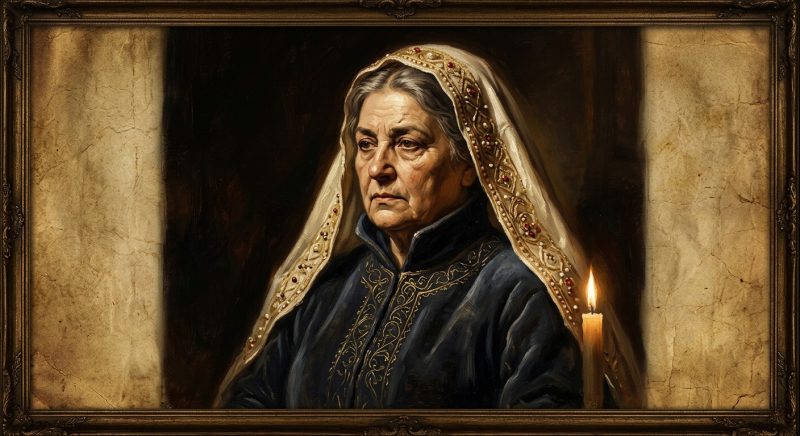
Ilinca the Baker
She weighs flour to the gram and people at a glance. No one stays in her debt twice.
1.62 m tall · brown eyes · chestnut hair · right-handed
-
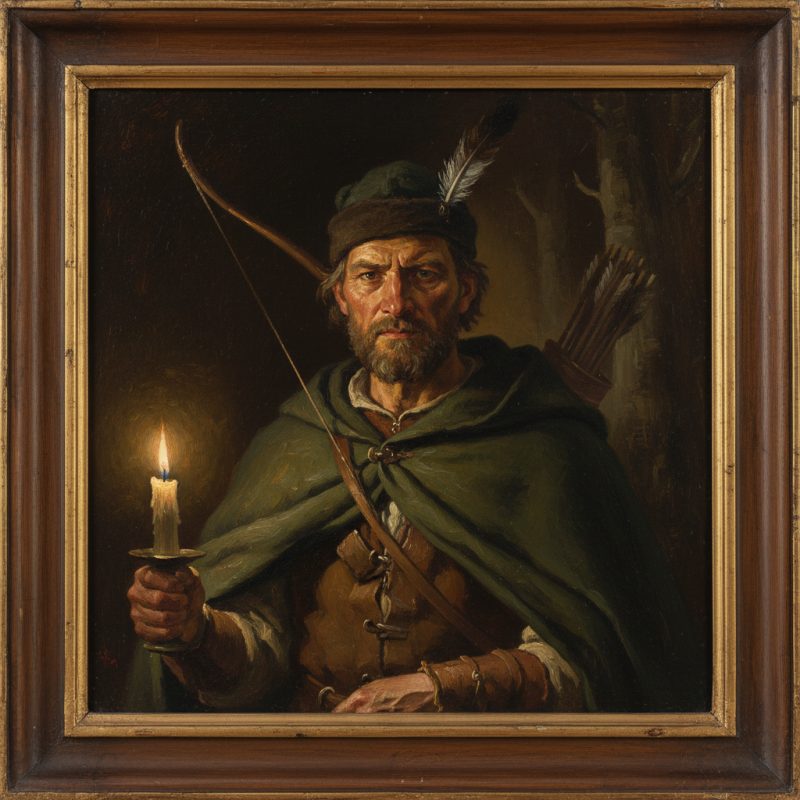
Codrin the Huntsman
He knows the royal forest better than the castle corridors. Tracks, he says, never lie - men do.
1.87 m tall · green eyes · black hair · right-handed
-

Princess Smaranda
She has refused seven suitors and kept the gifts of all. She calls it practicality, not greed.
1.66 m tall · green eyes · chestnut hair · right-handed
-
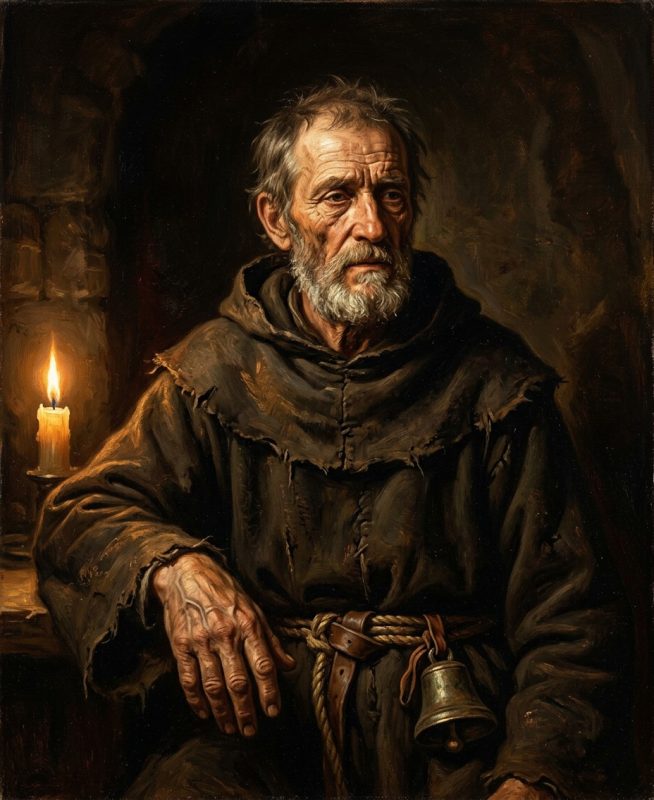
Sava the Bell-Ringer
He has rung the cathedral bells on the hour for thirty years. He sees the whole city from above and forgives nothing he sees.
1.83 m tall · brown eyes · greying hair · right-handed
Locations
-
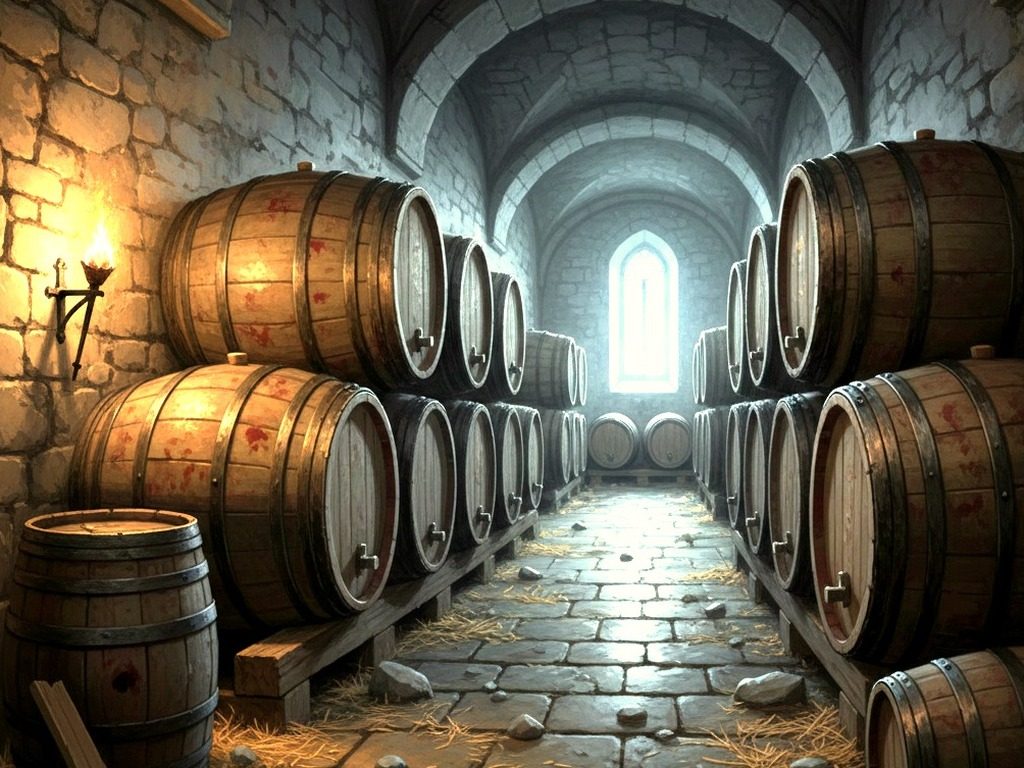
The castle cellar
Barrels as big as carts and corners the lantern never reaches.
-
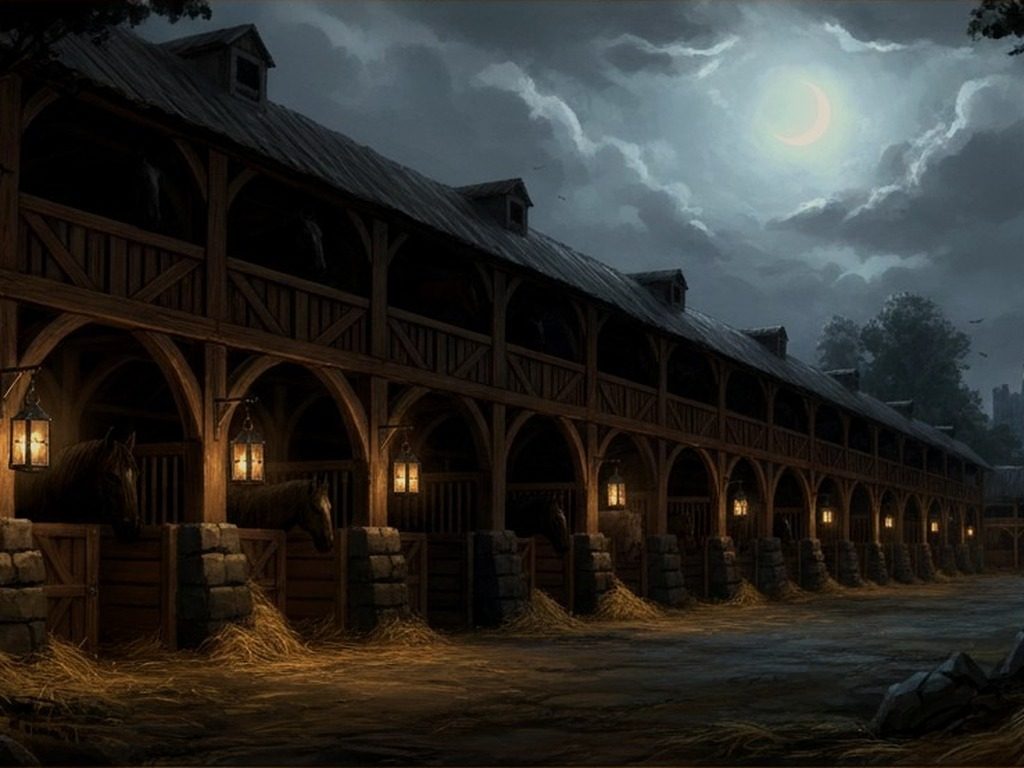
The great stable
It smells of hay and hurried departures. Horses give no testimony.
-
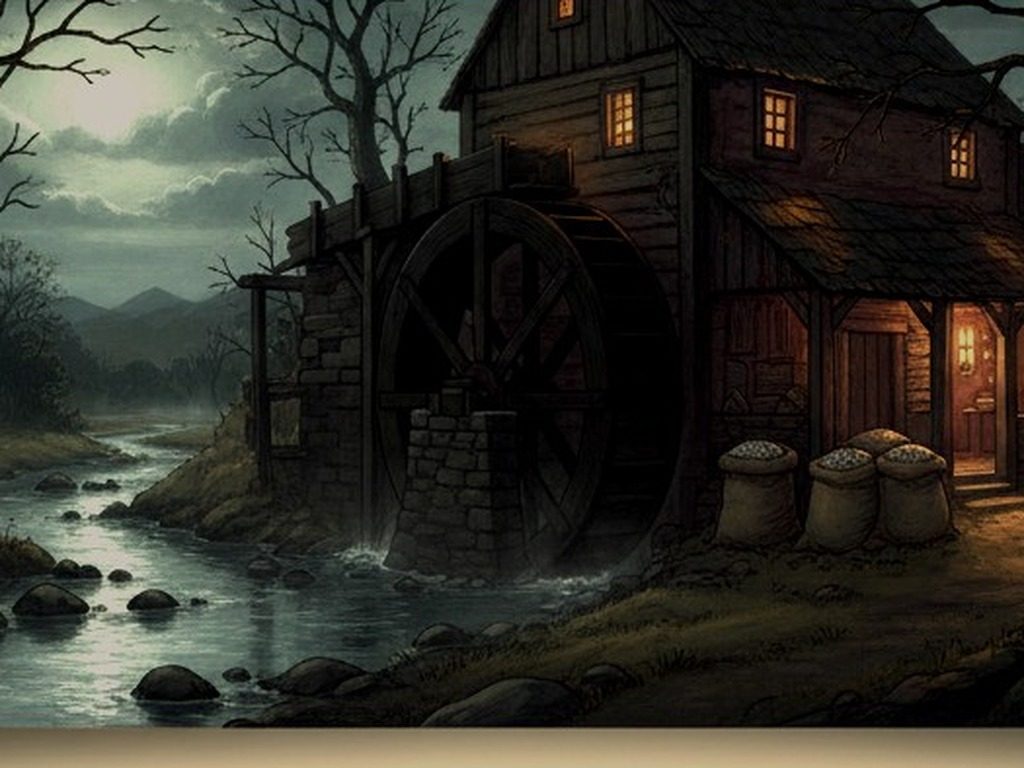
The mill by the river
The wheel turns day and night. Its noise drowns out any conversation - which is why some are held here.
-

The wharf
Moored boats, wet ropes, and goods that prefer to arrive in the fog.
-

The merchant's house
Carpets brought from overseas and a desk with more secret drawers than drawers.
Objects
-
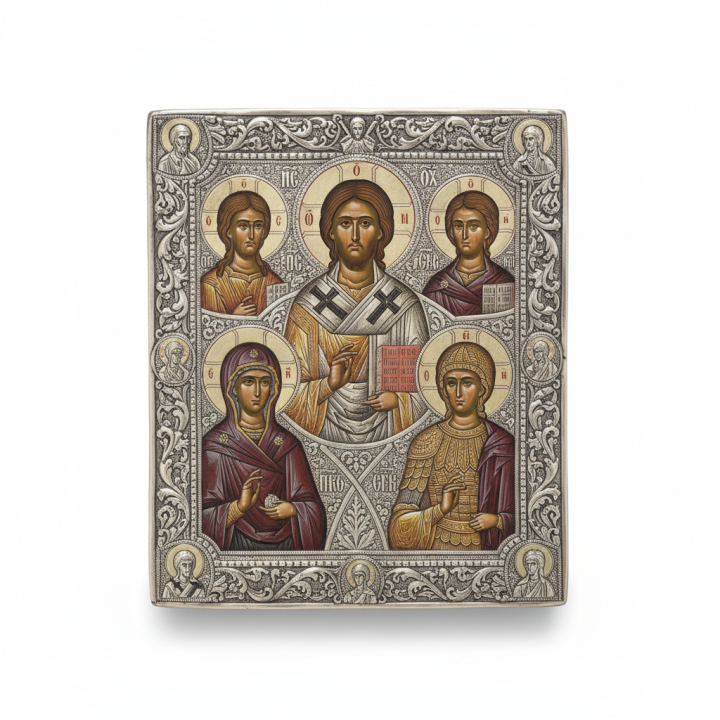
The silver-clad icon
The silver casing is old craftsmanship; the nails that hold it were driven this week.
-
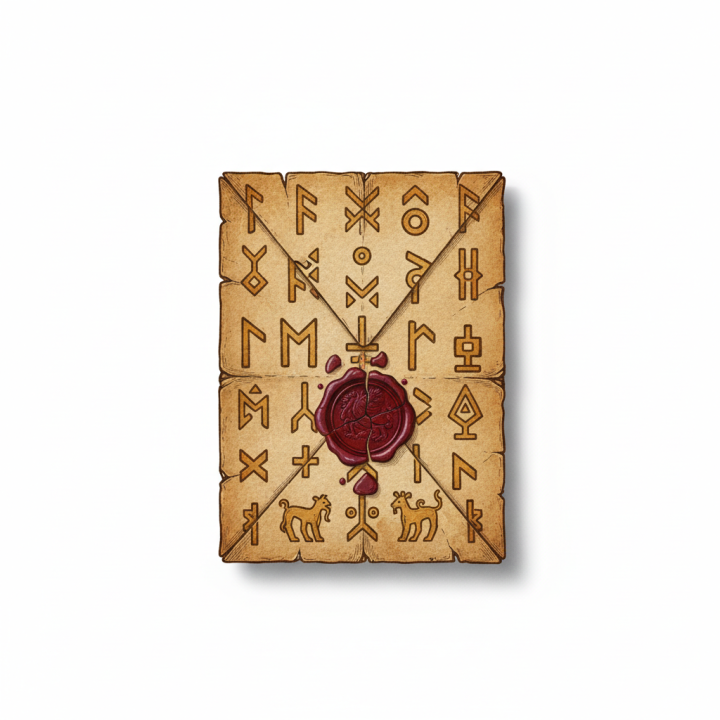
The ciphered letter
Orderly rows of meaningless signs. The ink is costly, the paper costlier, the sender - unknown.
-
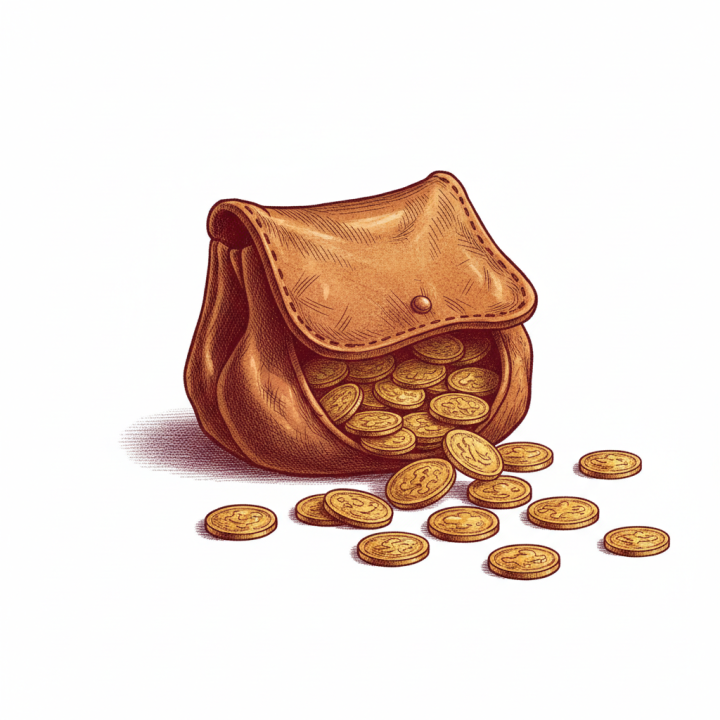
The purse of gold coins
New coins, unworn, from a minting not yet in circulation. Interesting.
-
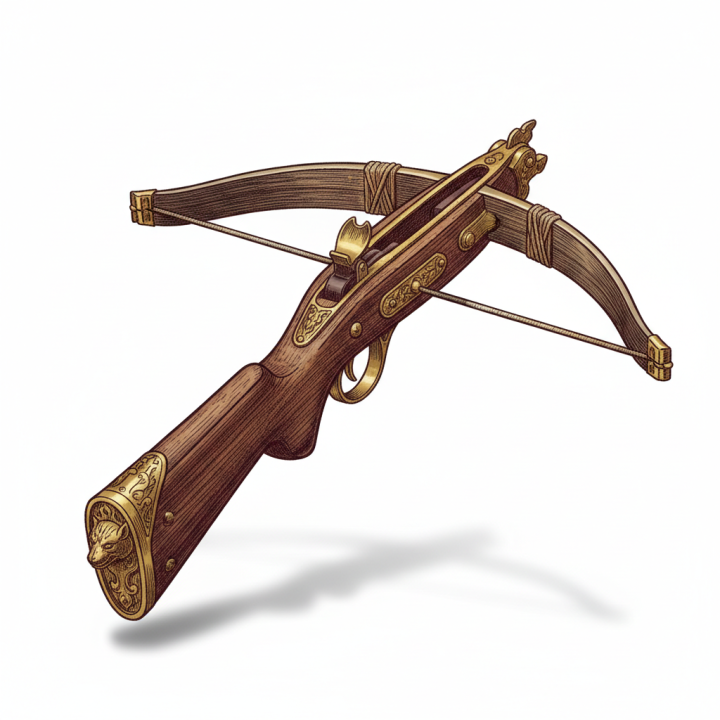
The hunting crossbow
Light, accurate, with a walnut stock. Exactly one bolt is missing from the quiver.
-
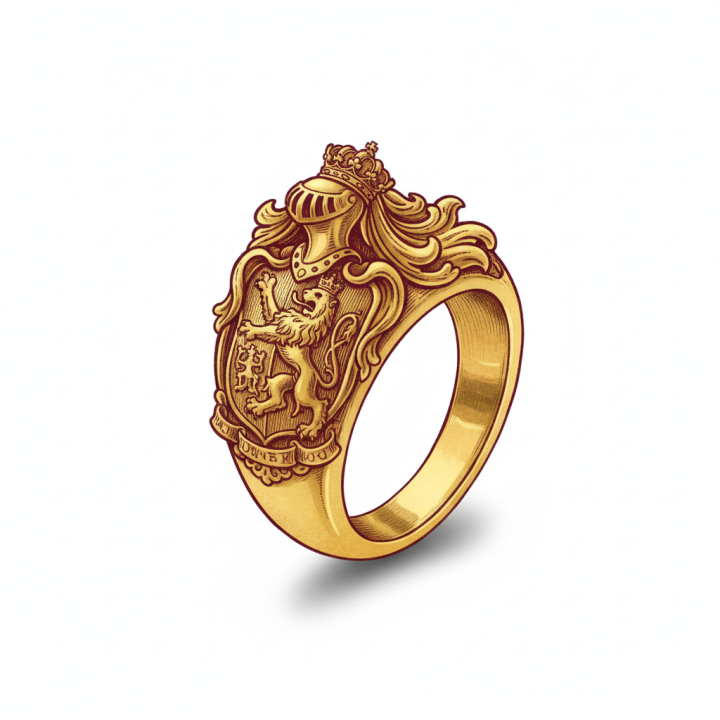
The signet ring
The crest has been filed away almost completely. Almost.
Motives
-

Greed
Dorința nesățioasă de avere, care nu se oprește la nimic.
-
Jealousy
Otrava care mistuie pe cel ce râvnește ce nu-i al lui.
-
Fear of exposure
Groaza de a fi dat în vileag, care împinge la orice.
-
A debt of honour
O făgăduială care cântărește mai greu decât viața.
-
Blackmail
Un secret ținut ca funia la gât, strâns exact cât trebuie.
Moments
-

At dawn
When the citadel is barely waking and the guards still doze.
-

After matins
The hour after the morning service, when the abbey empties.
-

At noon
Midday, with bustle in the markets and silence in the alcoves.
-

At dusk
When the shadows lengthen and the lanterns are not yet lit.
-

At vespers
At the evening service, when the bells drown out any footstep.
The evidence gathered on file
This much was worked with, no more and no less. Minimality is not a figure of speech: each row was taken out in turn, at trial, and without it the solution ceased to be unique.
- The traces left at the scene show it plainly: the culprit was driven by blackmail.
- An honest-faced witness saw it plainly: the mill by the river matches that hour: at noon.
- A maid whispered it at confession: the castle cellar and fear of exposure go together.
- An honest-faced witness saw it plainly: the castle cellar and the hunting crossbow go together.
- Whatever the market gossips: Princess Smaranda was not driven by blackmail.
- The tracks in the dust do not lie: the shortest suspect was at the merchant's house.
- At the Chancellery, Princess Smaranda maintains: "I handled the signet ring".
- An honest-faced witness saw it plainly: the mill by the river and jealousy go together.
- A maid whispered it at confession: the shortest suspect handled the silver-clad icon.
- An honest-faced witness saw it plainly: Sava the Bell-Ringer was at the mill by the river.
- A maid whispered it at confession: the ciphered letter and a debt of honour go together.
- The bell-ringer remembers well: Codrin the Huntsman came earlier than Sava the Bell-Ringer.
- The Chancellery checked twice: Codrin the Huntsman was not driven by a debt of honour.
- One thing is certain: the great stable and the hour "at dawn" do not share the same match for suspects.
- Two witnesses, upon their crest: the great stable does not match that hour: at dusk.
- The tracks in the dust do not lie: Princess Smaranda was there at dawn.
Break the seal: the Chancellery's reasoning — warning, the culprit is named beyond this point
The road to the verdict
The road is always the same: findings first, because they do not lie; testimonies after, because one of them always does.
A witness of good faith cleared up one more corner: “The traces left at the scene show it plainly: the culprit was driven by blackmail”. A fact fastened to the culprit, with no name attached: enough for all those the fact does not cover to fall.
The archivist underlined the following line with his nail: “An honest-faced witness saw it plainly: the mill by the river matches that hour: at noon”. The tick goes down without hesitation, and with it fall all the other cells on that row and that column.
There followed a detail that narrowed the circle: “A maid whispered it at confession: the castle cellar and fear of exposure go together”. A pair was tied, and the knot dragged a whole handful of impossibilities after it.
Then came, one after another, the findings that drew the noose tight: “An honest-faced witness saw it plainly: the castle cellar and the hunting crossbow go together”; “Whatever the market gossips: Princess Smaranda was not driven by blackmail”; “The tracks in the dust do not lie: the shortest suspect was at the merchant's house”; “At the Chancellery, Princess Smaranda maintains: "I handled the signet ring"”; “An honest-faced witness saw it plainly: the mill by the river and jealousy go together”; “A maid whispered it at confession: the shortest suspect handled the silver-clad icon”; “An honest-faced witness saw it plainly: Sava the Bell-Ringer was at the mill by the river”; “A maid whispered it at confession: the ciphered letter and a debt of honour go together”; “The bell-ringer remembers well: Codrin the Huntsman came earlier than Sava the Bell-Ringer”; “The Chancellery checked twice: Codrin the Huntsman was not driven by a debt of honour”; “One thing is certain: the great stable and the hour "at dawn" do not share the same match for suspects”. The investigation needed nothing further; what remained read itself.
A piece of information dearly bought showed its worth: “Two witnesses, upon their crest: the great stable does not match that hour: at dusk”. A cell is struck out, and with it a whole possibility that until then looked as good as any other.
The Chancellery began with what could be verified: “The tracks in the dust do not lie: Princess Smaranda was there at dawn”. The cell filled, and around it a space opened: that is what a certain match does to a grid.
Where the thread broke
This dossier had no lie to catch, and it was precisely that absence which was the key. The single testimony on file withstood checking. Since under the Supreme Law only the culprit lies, every mouth that spoke the truth removed itself from the circle, and the guilt was left where nothing had been said. Silence was not the proof, only the last space left in the grid.
The seal on the file
The verdict wrote itself — the culprit is Ilinca the Baker. The grid shows plainly how matters stood: Ilinca the Baker was at the merchant's house, handled the silver-clad icon, was driven by blackmail and was there at dusk. It was reached only by driving each supposition to its absurd end — a tier III dossier, and rightly so.
Where the others were
The innocent were not left without a story; each had a place of their own: Captain Vlaicu was at the great stable, handled the ciphered letter, was driven by a debt of honour and was there at vespers; Codrin the Huntsman was at the castle cellar, handled the hunting crossbow, was driven by fear of exposure and was there after matins; Princess Smaranda was at the wharf, handled the signet ring, was driven by greed and was there at dawn; Sava the Bell-Ringer was at the mill by the river, handled the purse of gold coins, was driven by jealousy and was there at noon. Every one of these rows was necessary: take out a single one and the verdict can no longer be demonstrated.
That is how a dossier closes: not with a well-contrived suspicion, but with the only arrangement the grid still allowed. The Chancellery needed no confession — it needed only logic.
Play this dossier All mysteries
Everything you read above rests on the dossier itself. The Chancellery's solver checked, at publication, that the given clues yield exactly one solution — no more, and not none. behind the scenes at the Chancellery.