
Chronicle of the solution: The Sign of the Envoy
Forged decree Tier IV
The forgery has found its maker. This chronicle shows how one got from a doubtful parchment to a certain name.
How the file came to the Chancellery
A seal that never lies has been placed, this once, in the service of a lie. Whoever drew it up knew the Chancellery's ways by heart — and that is precisely what betrays them. The testimonies keep returning to the same names: Pantelimon the Gardener, Zaharia the Spice Merchant, Brother Anselm, Abbot Corvus and Luca the Squire. As for the impulse behind it, the court whispers of everything: jealousy, a debt of honour, the inheritance, ambition and revenge. A sharp eye is not enough here — it takes an archivist's patience: fit everything together, then pronounce your verdict.
Six categories. Five suspects, five places, five objects, five motives and five hours of the day — the widest dossier the Chancellery publishes. The grid has so many cells that the first glance is discouraging, and for that very reason the first move matters most.
The archivist's advice for these is always the same: do not begin with what is most interesting, begin with what is most constrained. Find the category the clues say most about and close that one first. A category closed completely sweeps, by transitivity, half of the rest of the grid.
The deed is a forged decree, and the suspects are Pantelimon the Gardener, Zaharia the Spice Merchant, Brother Anselm, Abbot Corvus and Luca the Squire — two men of the abbey, a merchant, a servant and a gardener. The proven motives: jealousy, a debt of honour, the inheritance, ambition and revenge.
Tier IV. The hours being ordered, every “before” is worth double here. Use them.
The Chancellery's list held Pantelimon the Gardener, Zaharia the Spice Merchant, Brother Anselm, Abbot Corvus and Luca the Squire, none of them further above suspicion than the next.
The suspects
-
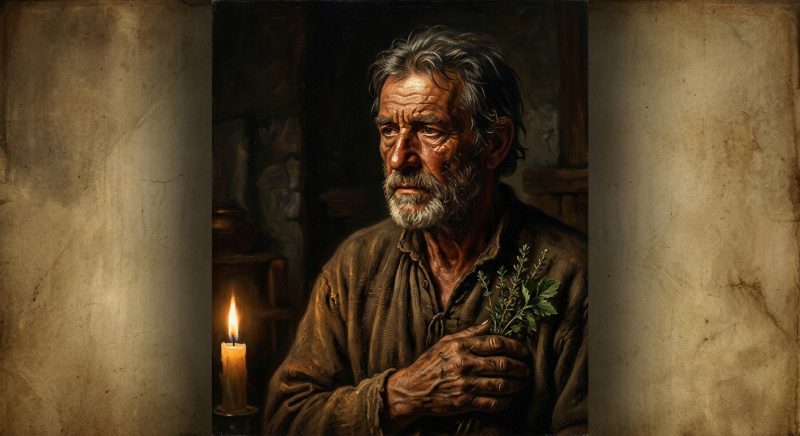
Pantelimon the Gardener
He tends the queen's roses and no one's beds of belladonna. The second garden is the more sought-after.
1.73 m tall · green eyes · greying hair · right-handed
-

Zaharia the Spice Merchant
His ships bring pepper, saffron, and news no one asked for. All of it at the same price: steep.
1.74 m tall · dark eyes · black hair · right-handed
-

Brother Anselm
He has copied manuscripts for forty years. He knows what every one of them says - including the forbidden ones.
1.75 m tall · brown eyes · greying hair · right-handed
-

Abbot Corvus
He raises ravens in the abbey tower. His birds arrive faster than any messenger - and cannot be held to account.
1.78 m tall · dark eyes · no hair · right-handed
-

Luca the Squire
He polishes the knight's armour and dreams of a sword of his own. For a coat of arms he would do almost anything.
1.72 m tall · green eyes · brown hair · right-handed
Locations
-

The guild forge
Anvils, tongs, and a fire that never goes out. Many small metal things vanish here.
-

The scriptorium
Slanted desks, ink, and working silence. Here a quill creaks louder than a conscience.
-
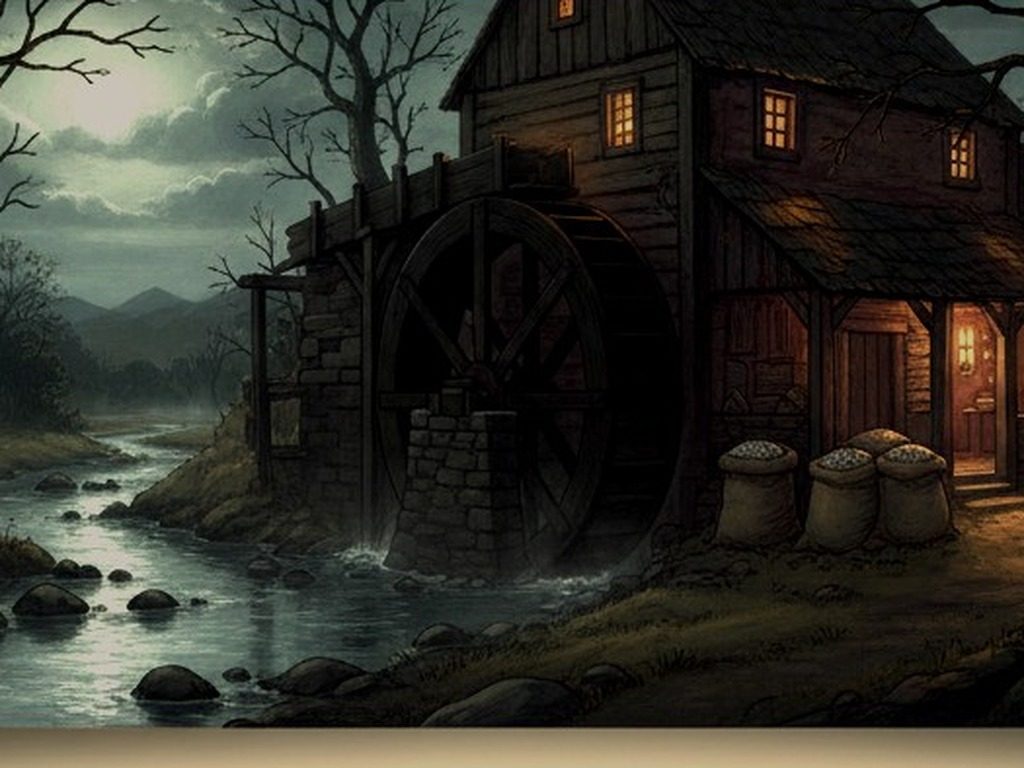
The mill by the river
The wheel turns day and night. Its noise drowns out any conversation - which is why some are held here.
-
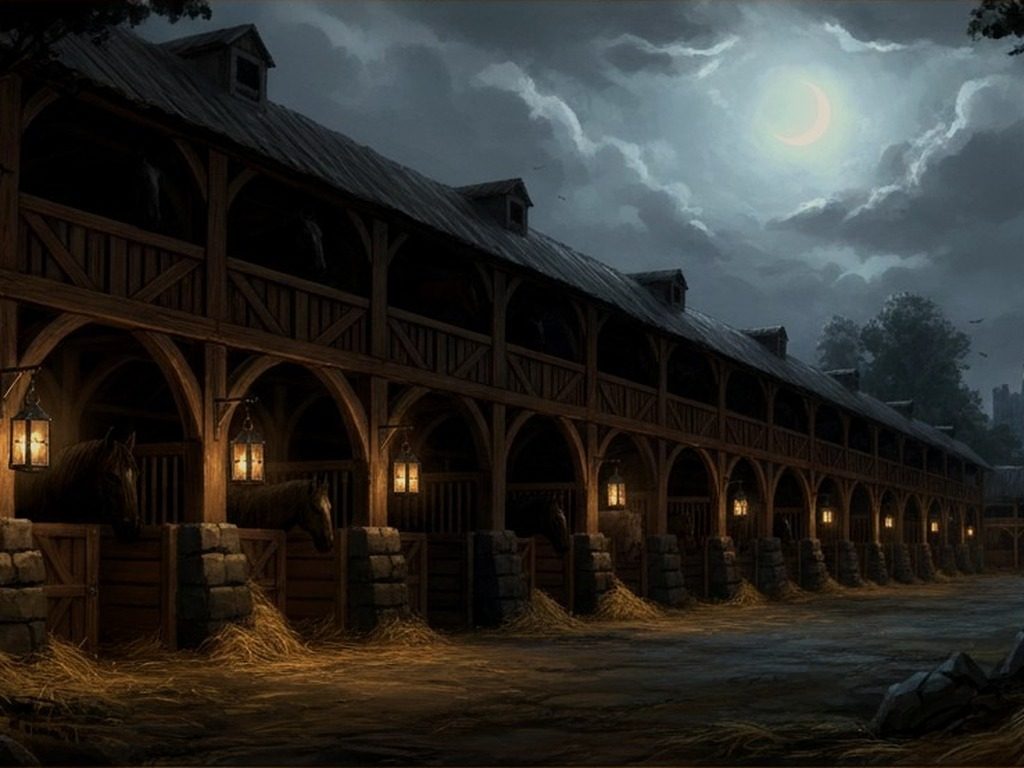
The great stable
It smells of hay and hurried departures. Horses give no testimony.
-
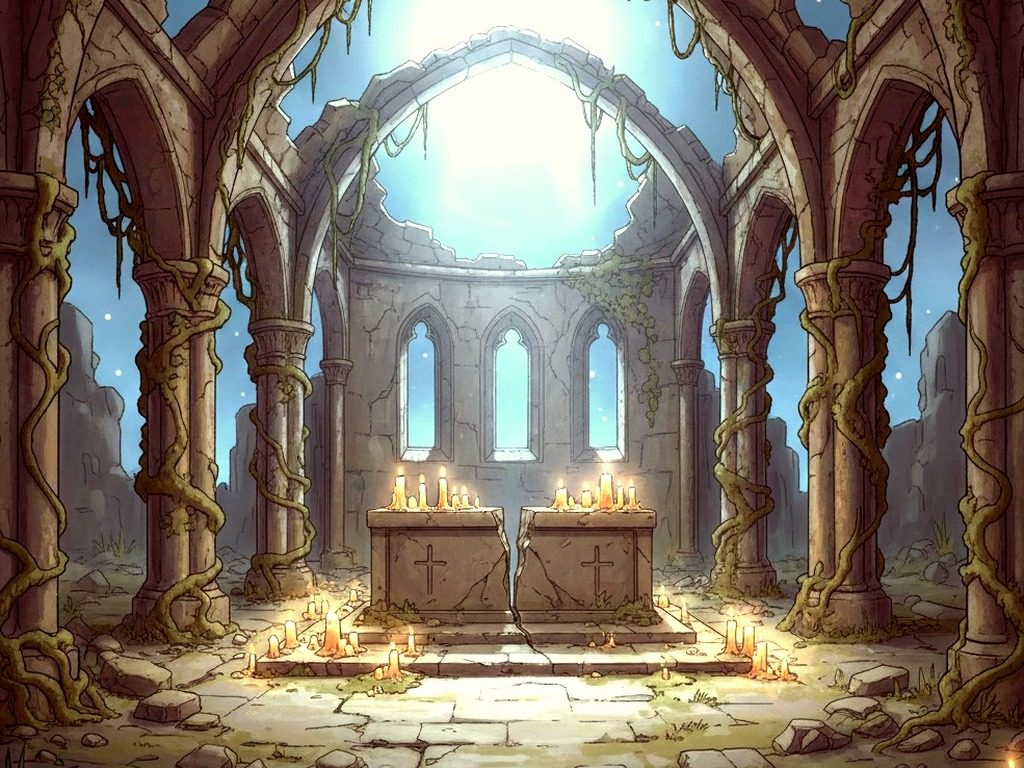
The old chapel
Candles, incense, and a silence in which every footstep echoes like a confession.
Objects
-

The abbess's bell
It calls the nuns to prayer. On the night in question, they all say, it rang once too many.
-
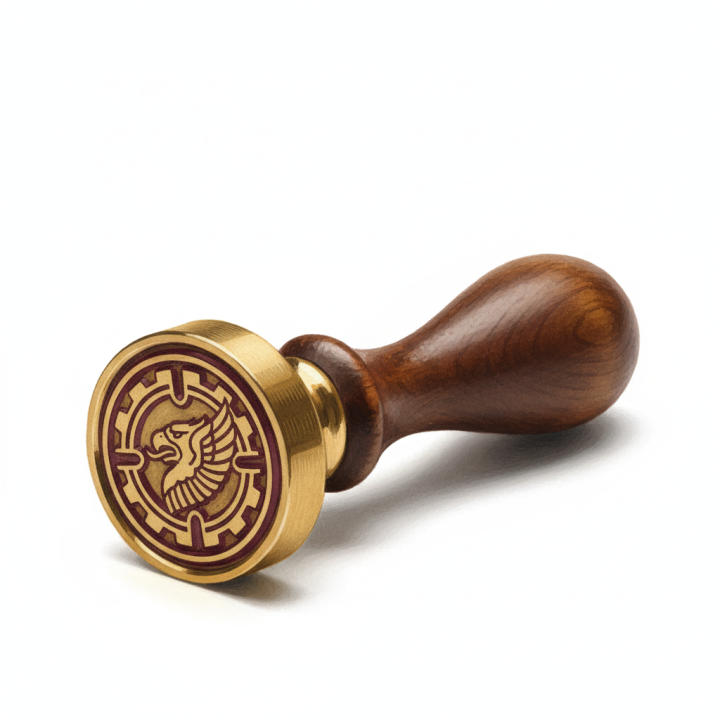
The guild seal
The stamp that turns any goods into goods "of certified quality." Worth a mine of gold.
-
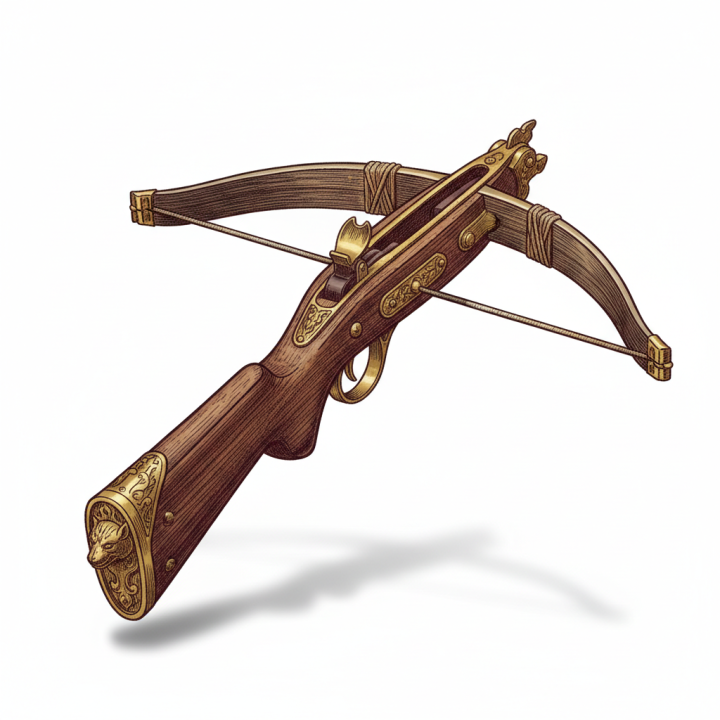
The hunting crossbow
Light, accurate, with a walnut stock. Exactly one bolt is missing from the quiver.
-
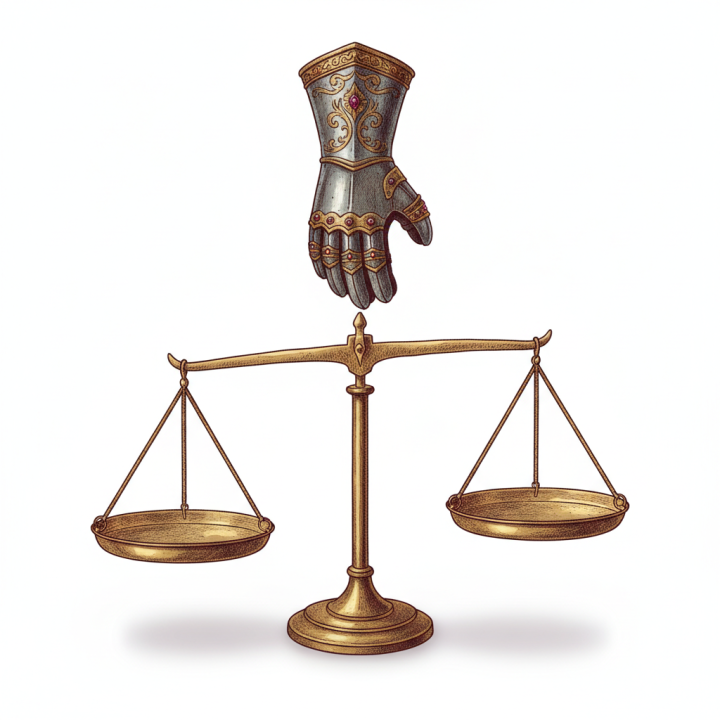
The customs scales
Copper pans, sealed weights. One of the weights rings hollow.
-

The vial of belladonna
A small flask, a wax stopper, a label written with care. Three-quarters empty.
Motives
-

Jealousy
Otrava care mistuie pe cel ce râvnește ce nu-i al lui.
-

A debt of honour
O făgăduială care cântărește mai greu decât viața.
-

The inheritance
O avere așteptată, pe care numai o moarte o desparte de mână.
-

Ambition
Setea de a urca, chiar peste trupuri, spre o treaptă mai înaltă.
-

Revenge
O datorie de sânge pe care numai fapta o mai șterge.
Moments
-

At dawn
When the citadel is barely waking and the guards still doze.
-

After matins
The hour after the morning service, when the abbey empties.
-

At noon
Midday, with bustle in the markets and silence in the alcoves.
-

At dusk
When the shadows lengthen and the lanterns are not yet lit.
-

At vespers
At the evening service, when the bells drown out any footstep.
The testimonies on file
This much the investigation had at its disposal, not a line more. The set is minimal by construction — remove any of the rows below and the dossier becomes unsolvable again.
- In the Chancellery's ledger it stands in black and white: the guild forge and the inheritance go together.
- By the order of the hours, first comes the bald suspect, then Zaharia the Spice Merchant.
- Even the jester says it in earnest: the suspect with brown eyes never set foot in the place where the wheel turns day and night.
- The tracks in the dust do not lie: the scriptorium matches that hour: after matins.
- Whatever the market gossips: the abbess's bell and revenge do not go together.
- Two witnesses, upon their crest: the great stable and the guild seal do not go together.
- The tracks in the dust do not lie: Abbot Corvus was driven by jealousy.
- An honest-faced witness saw it plainly: the old chapel and the hunting crossbow go together.
- Pantelimon the Gardener raises their right hand and says: "I was driven by ambition".
- An honest-faced witness saw it plainly: Abbot Corvus was at the great stable.
- The chronicler notes drily: the mill by the river and the abbess's bell go together, whatever the court may say.
- A maid whispered it at confession: Pantelimon the Gardener was at the scriptorium.
- Whatever the market gossips: Zaharia the Spice Merchant never set foot in the guild forge.
- Two witnesses, upon their crest: Zaharia the Spice Merchant never touched the abbess's bell.
- The chronicler notes drily: the customs scales matches that hour: at dusk, whatever the court may say.
- The night watch saw Zaharia the Spice Merchant first, and only then Luca the Squire.
- Every scout reports the same about the culprit: the culprit was driven by the inheritance.
See how the verdict was reached — open only if you have already tried the dossier
The road to the verdict
No confession was wrung from anyone here. Only the grid was drawn tighter, until nothing but a single name still fitted inside it.
It was set down, for whoever reads after us: “In the Chancellery's ledger it stands in black and white: the guild forge and the inheritance go together”. The tick goes down without hesitation, and with it fall all the other cells on that row and that column.
A report from the watch brought clarity: “By the order of the hours, first comes the bald suspect, then Zaharia the Spice Merchant”. One more binding drew tight, and the grid lost a little more of its freedom.
This particular came to light as well: “Even the jester says it in earnest: the suspect with brown eyes never set foot in the place where the wheel turns day and night”. A well-proved “no” is worth, in an investigation, ten suspicions.
From here things gathered pace. Within a few hours the file received: “The tracks in the dust do not lie: the scriptorium matches that hour: after matins”; “Whatever the market gossips: the abbess's bell and revenge do not go together”; “Two witnesses, upon their crest: the great stable and the guild seal do not go together”; “The tracks in the dust do not lie: Abbot Corvus was driven by jealousy”; “An honest-faced witness saw it plainly: the old chapel and the hunting crossbow go together”; “Pantelimon the Gardener raises their right hand and says: "I was driven by ambition"”; “An honest-faced witness saw it plainly: Abbot Corvus was at the great stable”; “The chronicler notes drily: the mill by the river and the abbess's bell go together, whatever the court may say”; “A maid whispered it at confession: Pantelimon the Gardener was at the scriptorium”; “Whatever the market gossips: Zaharia the Spice Merchant never set foot in the guild forge”; “Two witnesses, upon their crest: Zaharia the Spice Merchant never touched the abbess's bell”; “The chronicler notes drily: the customs scales matches that hour: at dusk, whatever the court may say”. The investigation needed nothing further; what remained read itself.
The Chancellery began with what could be verified: “The night watch saw Zaharia the Spice Merchant first, and only then Luca the Squire”. Every new line in the file closes a door; by the end not one is left open.
The archivist underlined the following line with his nail: “Every scout reports the same about the culprit: the culprit was driven by the inheritance”. A fact fastened to the culprit cuts without naming: whoever cannot carry it leaves the circle at once.
The lying testimony
Not a single lie was heard in this dossier. The single testimony on file withstood checking. Since a lie is, under the Supreme Law, the culprit's signature, its absence among those who spoke cleared them one by one, leaving the guilt with the one who chose to stay silent.
The close of the investigation
The Chancellery closed the dossier with a single name written on it: Brother Anselm. The arrangement in the grid is this: Brother Anselm was at the guild forge, handled the customs scales, was driven by the inheritance and was there at dusk. It was reached only by driving each supposition to its absurd end — a tier IV dossier, and rightly so.
The acquittal of the rest
The innocent were not left without a story; each had a place of their own: Pantelimon the Gardener was at the scriptorium, handled the guild seal, was driven by ambition and was there after matins; Zaharia the Spice Merchant was at the old chapel, handled the hunting crossbow, was driven by revenge and was there at noon; Abbot Corvus was at the great stable, handled the vial of belladonna, was driven by jealousy and was there at dawn; Luca the Squire was at the mill by the river, handled the abbess's bell, was driven by a debt of honour and was there at vespers. They look like rows of padding and they are not: the whole of the rest rests on them.
Here the chronicle stops. If you followed it to the end, you did exactly what an investigator does: you believed the grid, not your impressions.
Play this dossier All mysteries
The chronicle is written from the logic of the file, not from memory. The uniqueness of the solution was demonstrated by the solver before the dossier ever became public. behind the scenes at the Chancellery.