
Chronicle of the solution: The Seal of the Night
Forged decree Tier III
The forgery has found its maker. This chronicle shows how one got from a doubtful parchment to a certain name.
How the file came to the Chancellery
The scribes swear they never wrote it, the seal looks true, and yet the decree is false from its first line. Until the hand that pressed the seal is found, every written order stands in doubt. The testimonies keep returning to the same names: Costache the Toll-Keeper, Duchess Amara de Corvin, Luca the Squire, Father Nicodim and Chamberlain Iorgu. Motives abound — a debt of honour, jealousy, ambition, revenge and blackmail — yet only one moved the guilty hand. A sharp eye is not enough here — it takes an archivist's patience: fit everything together, then pronounce your verdict.
The Chancellery's list held Costache the Toll-Keeper, Duchess Amara de Corvin, Luca the Squire, Father Nicodim and Chamberlain Iorgu, none of them further above suspicion than the next.
The suspects
-
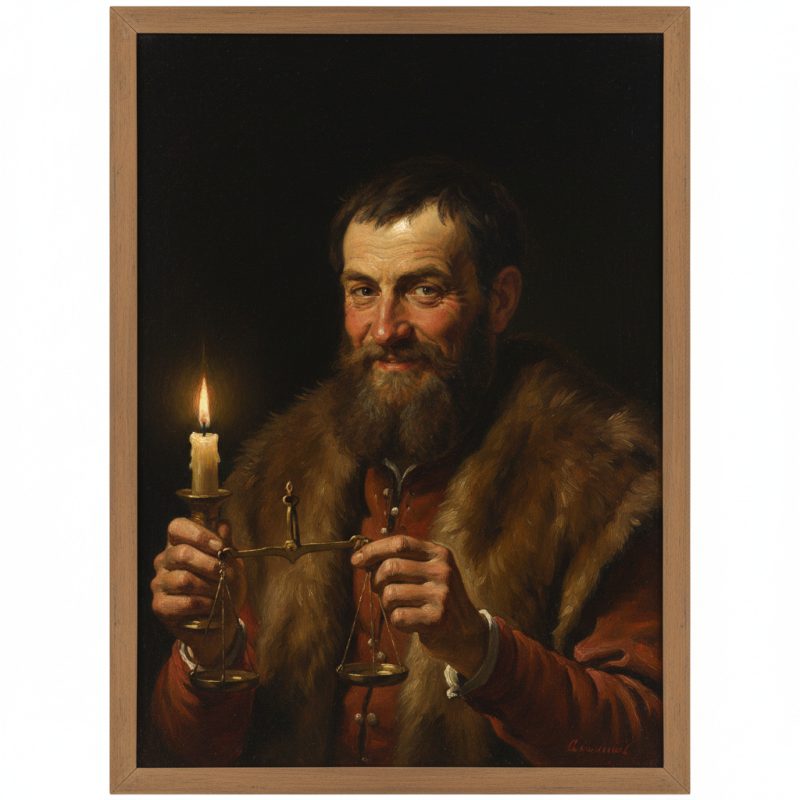
Costache the Toll-Keeper
His scales weigh the goods; his eye, the merchant. Both can be "greased" at need.
1.80 m tall · dark eyes · grey hair · right-handed
-
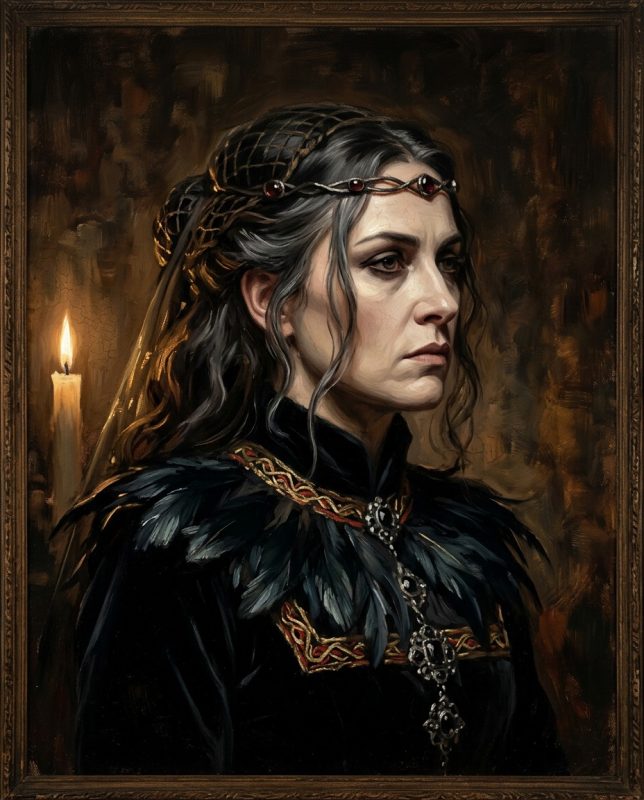
Duchess Amara de Corvin
Widowed three times, heir on each occasion. Her smile has buried more nobles than the plague.
1.68 m tall · dark eyes · black hair · right-handed
-

Luca the Squire
He polishes the knight's armour and dreams of a sword of his own. For a coat of arms he would do almost anything.
1.72 m tall · green eyes · brown hair · right-handed
-

Father Nicodim
He hears the confessions of the whole court. Forgetting, he says, is a gift from the Lord - one he sells dearly.
1.72 m tall · blue eyes · greying hair · right-handed
-
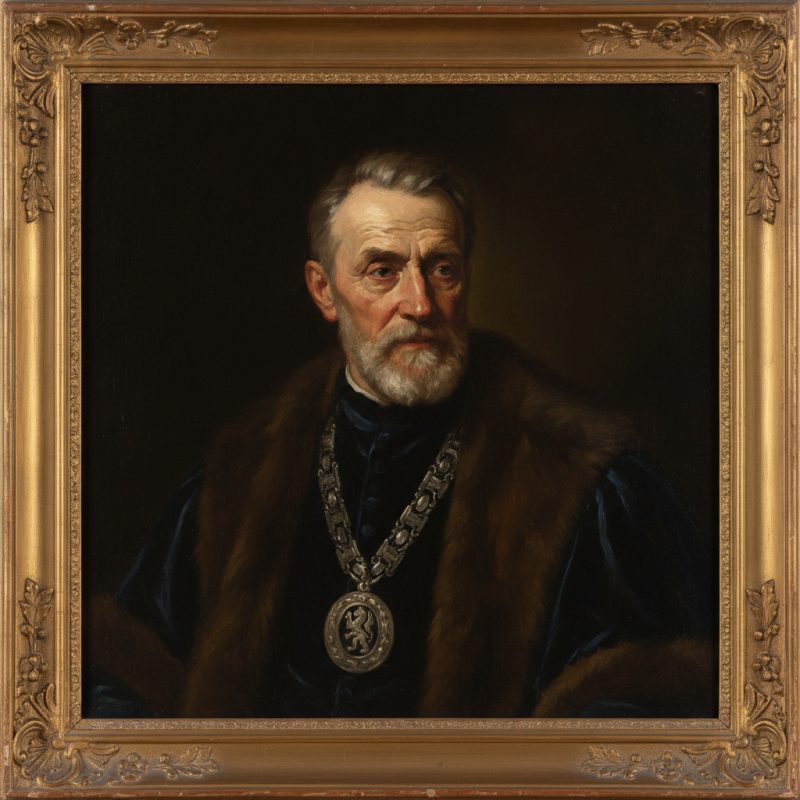
Chamberlain Iorgu
He arranges the king's audiences and, for a small courtesy, the order in which petitions are read.
1.77 m tall · grey eyes · brown hair · right-handed
Locations
-
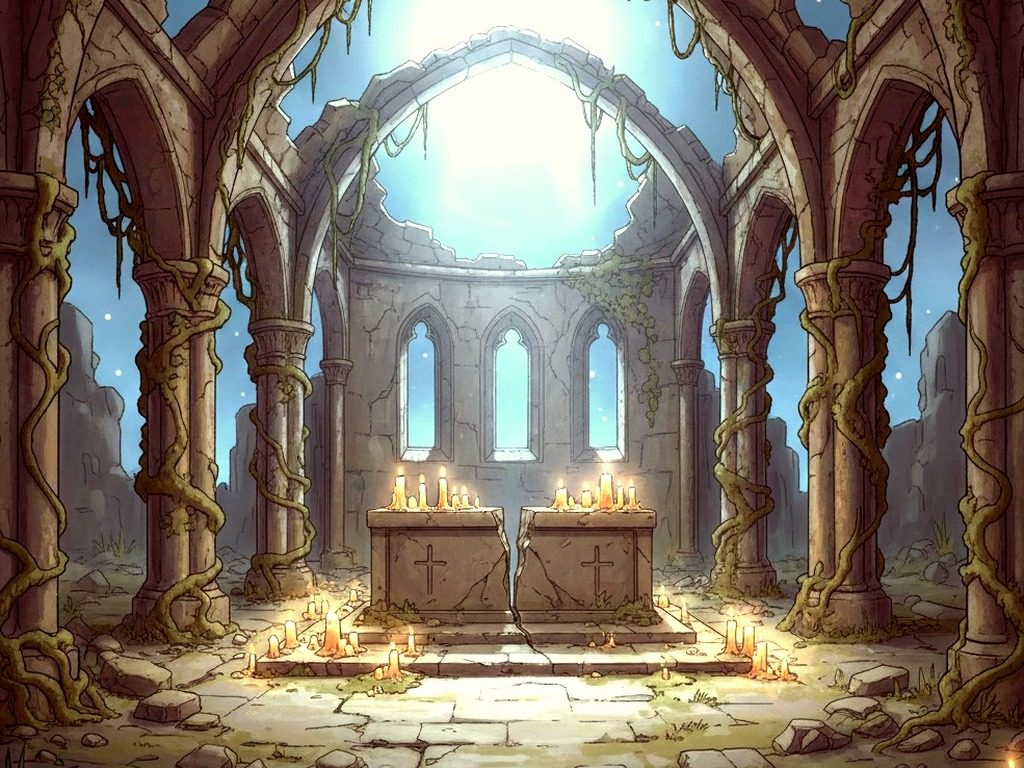
The old chapel
Candles, incense, and a silence in which every footstep echoes like a confession.
-
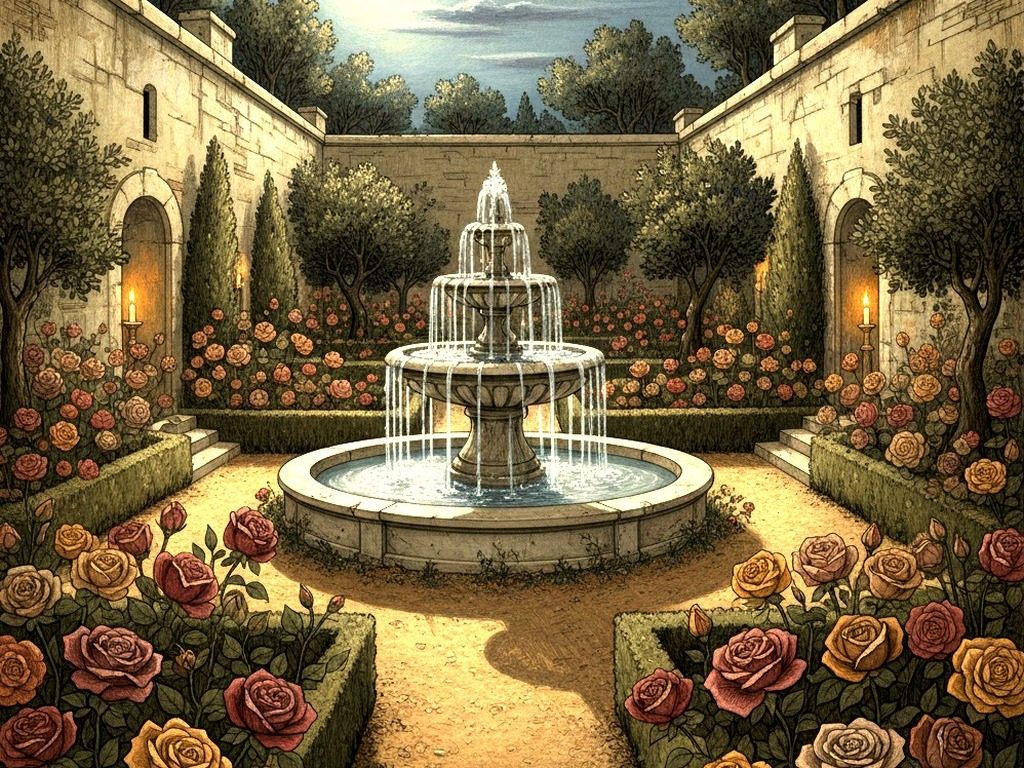
The queen's garden
Roses trimmed to a line and paths you may walk only by invitation. At night, the hedge has ears.
-
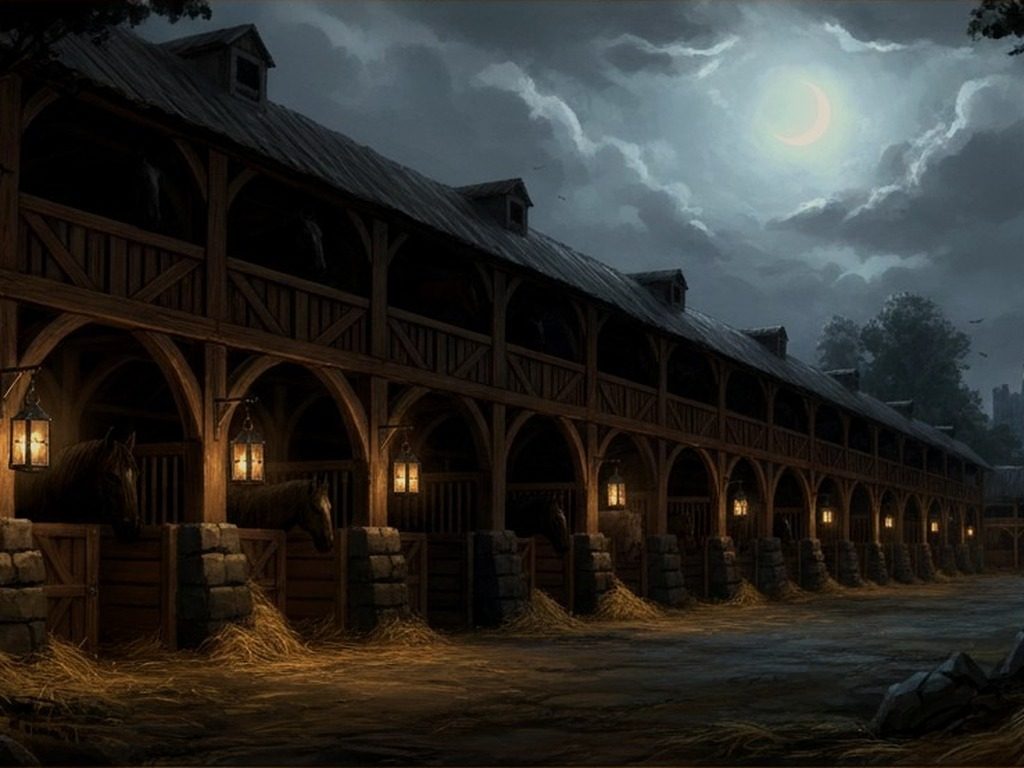
The great stable
It smells of hay and hurried departures. Horses give no testimony.
-
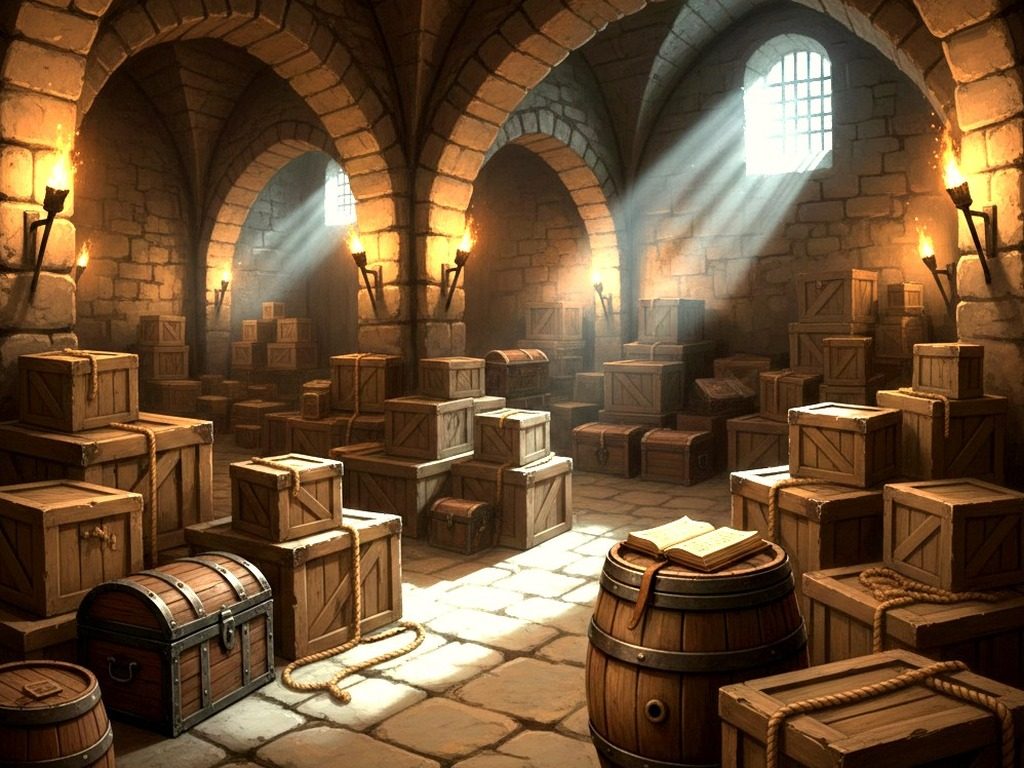
The customs cellar
Sealed crates, thick ledgers, and air that smells of undeclared goods.
-
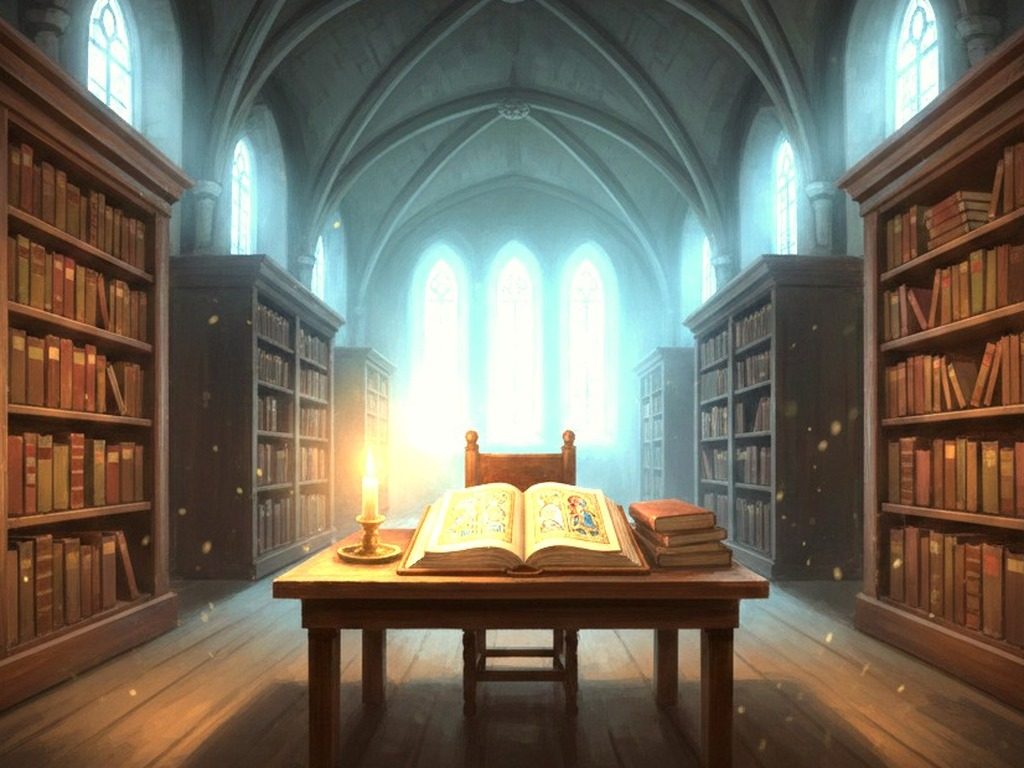
The abbey library
Thousands of leather-bound tomes. Some of the chains on the shelves were cut recently.
Objects
-
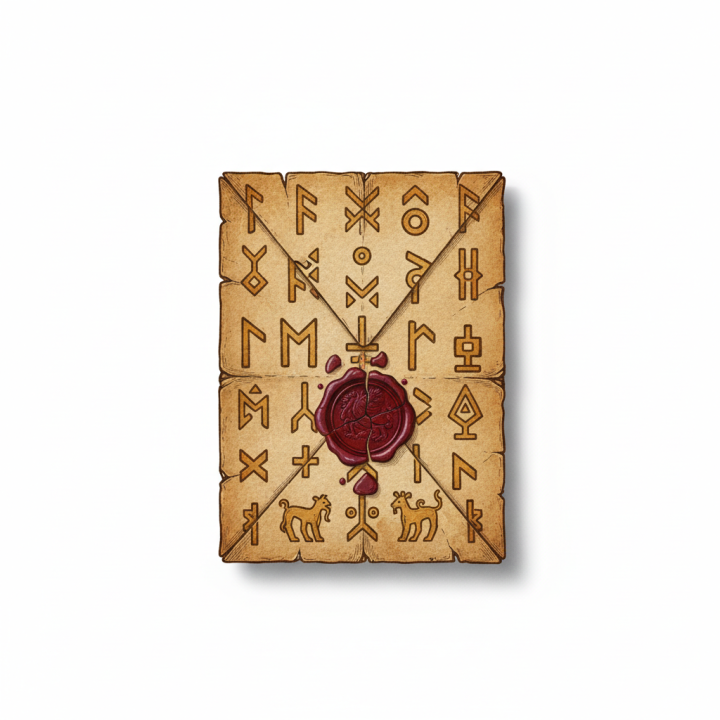
The ciphered letter
Orderly rows of meaningless signs. The ink is costly, the paper costlier, the sender - unknown.
-
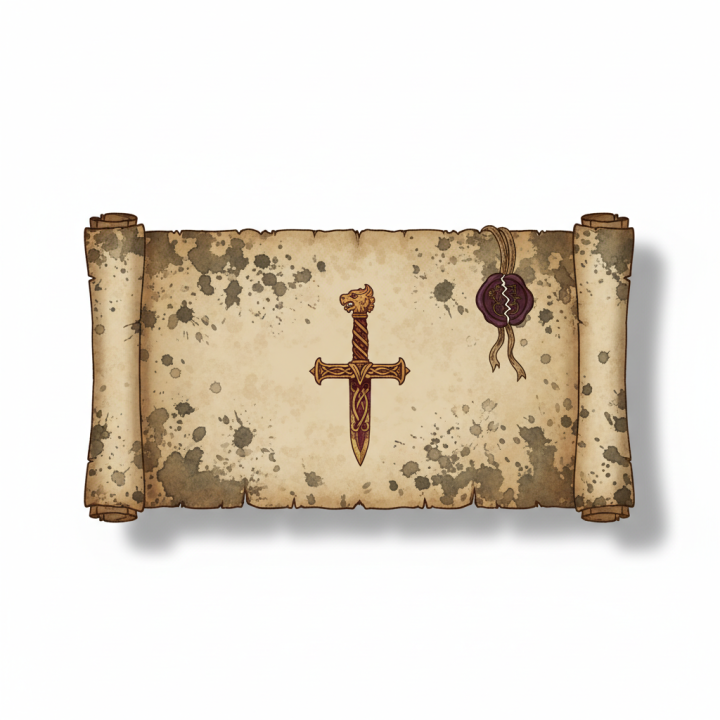
The stained parchment
A half-burned document with a stain that might be wine. Or not.
-
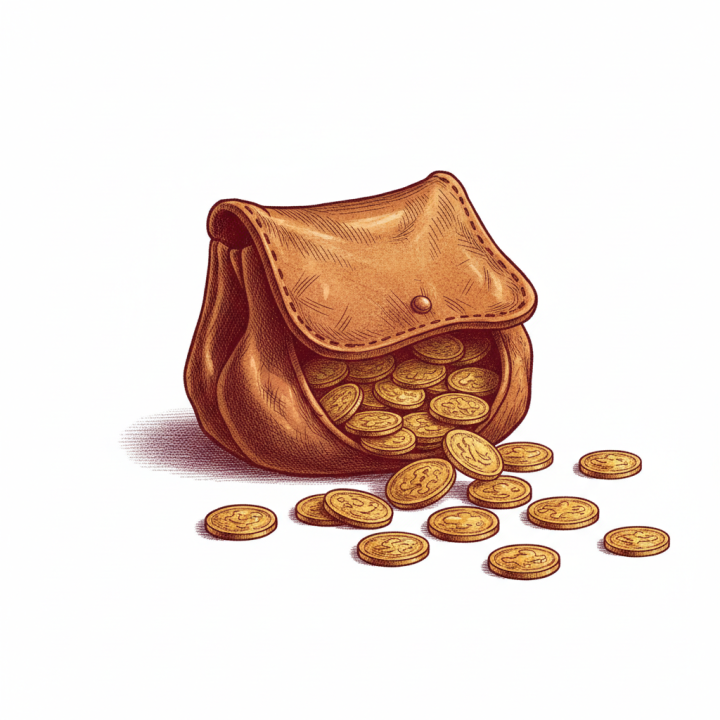
The purse of gold coins
New coins, unworn, from a minting not yet in circulation. Interesting.
-
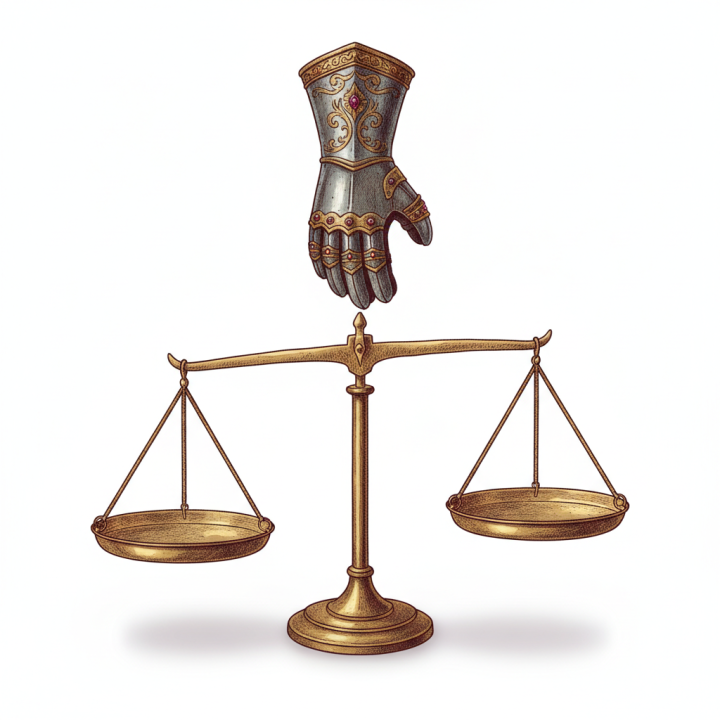
The customs scales
Copper pans, sealed weights. One of the weights rings hollow.
-

The locked chest
Three padlocks, two rows of straps. Fresh scratches around the hinges, not the locks.
Motives
-
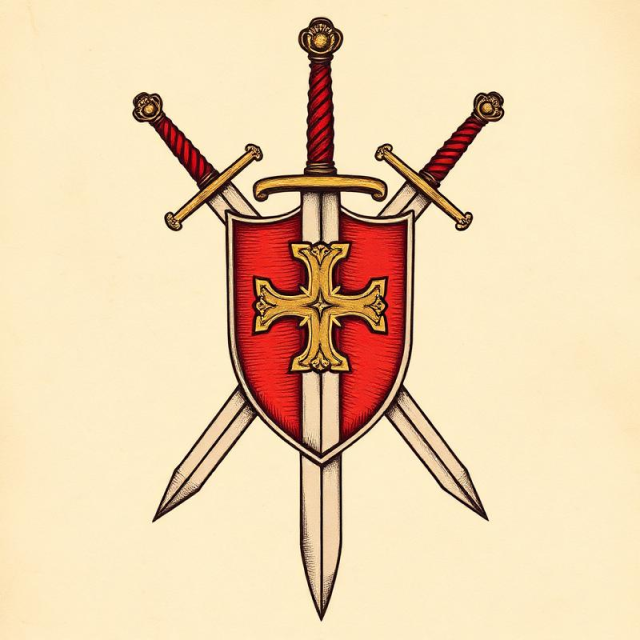
A debt of honour
O făgăduială care cântărește mai greu decât viața.
-
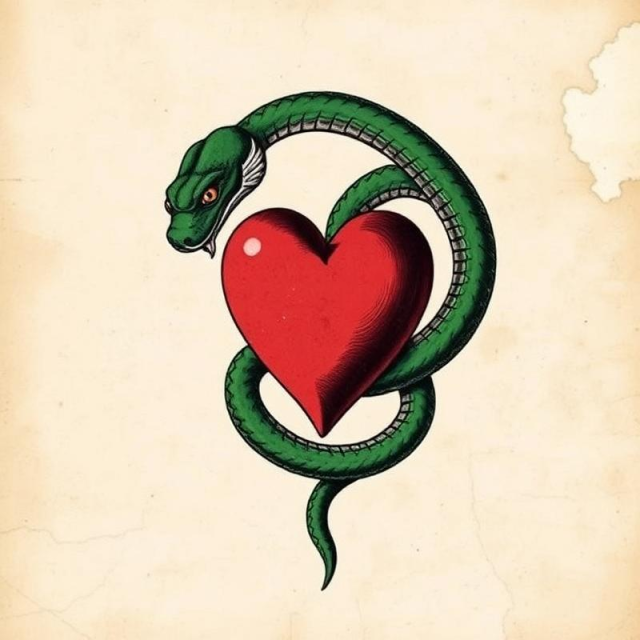
Jealousy
Otrava care mistuie pe cel ce râvnește ce nu-i al lui.
-
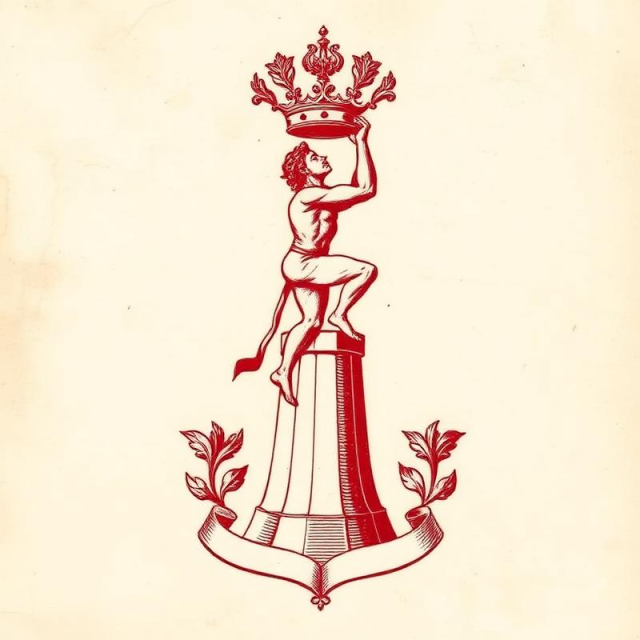
Ambition
Setea de a urca, chiar peste trupuri, spre o treaptă mai înaltă.
-
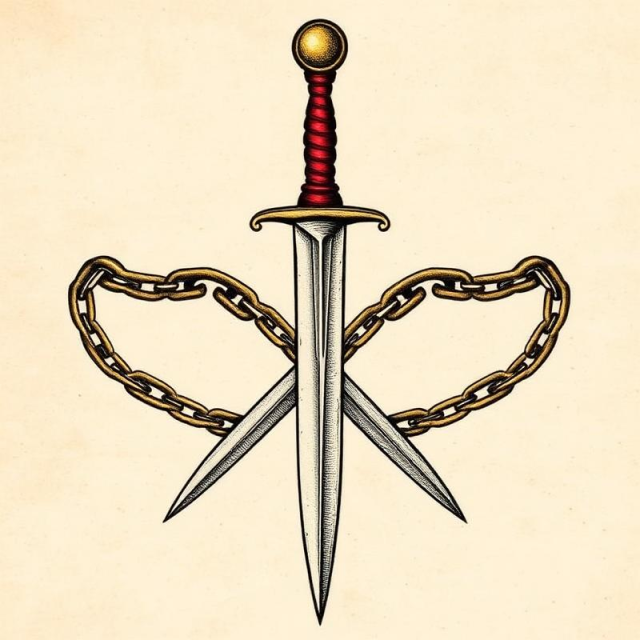
Revenge
O datorie de sânge pe care numai fapta o mai șterge.
-

Blackmail
Un secret ținut ca funia la gât, strâns exact cât trebuie.
Everything that could be learned
These are all the findings and testimonies the Chancellery had to hand — not one more. The set is minimal by construction: take out a single row and the verdict can no longer be demonstrated.
- The tracks in the dust do not lie: the stained parchment and ambition go together.
- The Chancellery checked twice: the old chapel and a debt of honour do not go together.
- In the Chancellery's ledger it stands in black and white: the locked chest and jealousy go together.
- At the Chancellery, Costache the Toll-Keeper maintains: "I was in the place where the hedge has ears".
- A maid whispered it at confession: the abbey library and revenge go together.
- In the Chancellery's ledger it stands in black and white: the suspect with green eyes handled the stained parchment.
- A maid whispered it at confession: Luca the Squire was at the customs cellar.
- An honest-faced witness saw it plainly: Father Nicodim handled the ciphered letter.
- The gate guard swears: the tallest suspect handled the purse of gold coins.
- An honest-faced witness saw it plainly: the old chapel and the customs scales go together.
- The hounds caught no scent at all: Duchess Amara de Corvin was not driven by jealousy.
- An unsigned note, slipped under the door: "the culprit was driven by jealousy".
See how the verdict was reached — warning, the culprit is named beyond this point
The unravelling of the thread
The investigation ran contrary to suspicion: it did not ask who could have, it cut away, row by row, whoever could not.
This page was stitched into the file too: “The tracks in the dust do not lie: the stained parchment and ambition go together”. The tick goes down without hesitation, and with it fall all the other cells on that row and that column.
A report from the watch brought clarity: “The Chancellery checked twice: the old chapel and a debt of honour do not go together”. A well-proved “no” is worth, in an investigation, ten suspicions.
A note in the margin of the page read: “In the Chancellery's ledger it stands in black and white: the locked chest and jealousy go together”. Once the tick was placed, the investigation had nothing left to argue on that row and moved on.
The pages gathered fast, and each cut a strip out of the grid: “At the Chancellery, Costache the Toll-Keeper maintains: "I was in the place where the hedge has ears"”; “A maid whispered it at confession: the abbey library and revenge go together”; “In the Chancellery's ledger it stands in black and white: the suspect with green eyes handled the stained parchment”; “A maid whispered it at confession: Luca the Squire was at the customs cellar”; “An honest-faced witness saw it plainly: Father Nicodim handled the ciphered letter”; “The gate guard swears: the tallest suspect handled the purse of gold coins”; “An honest-faced witness saw it plainly: the old chapel and the customs scales go together”. Laid end to end, they did what not one of them could have done alone.
The Chancellery asked for one more check, and received it: “The hounds caught no scent at all: Duchess Amara de Corvin was not driven by jealousy”. The cut named nobody, but it shortened the list of those who could still be named.
There followed a detail that narrowed the circle: “An unsigned note, slipped under the door: "the culprit was driven by jealousy"”. A fact fastened to the culprit, with no name attached: enough for all those the fact does not cover to fall.
Where the thread broke
Here the Supreme Law cut through silence. The single testimony on file withstood checking. Not a word contradicted the grid, so no speaker could be the culprit, and the circle closed of itself around the one who chose to stay silent. It was not the silence that condemned them, but the fact that nobody else was left.
The culprit's name
At the end of the grid one name alone remained: Chamberlain Iorgu. The row in the grid says it all: Chamberlain Iorgu was at the great stable, handled the locked chest and was driven by jealousy. Tier III is no empty word: without the method of hypotheses, this grid would not have closed.
Where the others were
And here is what had become of the others, in that same hour: Costache the Toll-Keeper was at the queen's garden, handled the purse of gold coins and was driven by a debt of honour; Duchess Amara de Corvin was at the old chapel, handled the customs scales and was driven by blackmail; Luca the Squire was at the customs cellar, handled the stained parchment and was driven by ambition; Father Nicodim was at the abbey library, handled the ciphered letter and was driven by revenge. They look like rows of padding and they are not: the whole of the rest rests on them.
The truth did not surface in a flash of insight but out of a run of small cuts, every one of them checkable.
Play this dossier All mysteries
The chronicles are written by the Enigmerra Chancellery out of the dossier's own logic: every step above is verified by the solver which proved, at publication, that the dossier has a unique solution. behind the scenes at the Chancellery.