
Chronicle of the solution: The Scheming of the Seal
Disappearance Tier III
What had been made invisible was found, and whoever hid it answers for it today. Here is the road there.
The dossier, on a first reading
Something — or someone — has vanished in Realm of the Crown, and no one can say when the thread was cut. Every passing hour erases another trace, and the traces were few to begin with. On the Chancellery's list stand Zaharia the Spice Merchant, Pantelimon the Gardener, Codrin the Huntsman, Luca the Squire and Teofil the Chronicler; one of these names covers a lie. Motives abound — ambition, greed, a debt of honour, the inheritance and jealousy — yet only one moved the guilty hand. The threads were tangled on purpose: investigate, weigh every word, and pronounce your verdict only when the grid leaves no room for doubt.
Five suspects, five places, five objects and five motives. This is one of the widest dossiers in the archive and, for that very reason, one of the most instructive: on a grid this large, a single certain match achieves more than ten negations.
What was lost concerns the seal, and those who stood to gain are Zaharia the Spice Merchant, Pantelimon the Gardener, Codrin the Huntsman, Luca the Squire and Teofil the Chronicler. The motives the Chancellery could prove are ambition, greed, a debt of honour, the inheritance and jealousy — each belonging to one of them, none shared.
The places carry you from one end of the realm to the other: the salt market, the old dungeon, the wharf, the guild forge and the queen's garden.
Tier III. Do not try to solve it all at a glance. Take the categories two at a time, close what can be closed, then come back. The grid rewards patience, not haste.
The clerk entered Zaharia the Spice Merchant, Pantelimon the Gardener, Codrin the Huntsman, Luca the Squire and Teofil the Chronicler in the register — that, and not one name more, until the verdict.
The suspects
-

Zaharia the Spice Merchant
His ships bring pepper, saffron, and news no one asked for. All of it at the same price: steep.
1.74 m tall · dark eyes · black hair · right-handed
-
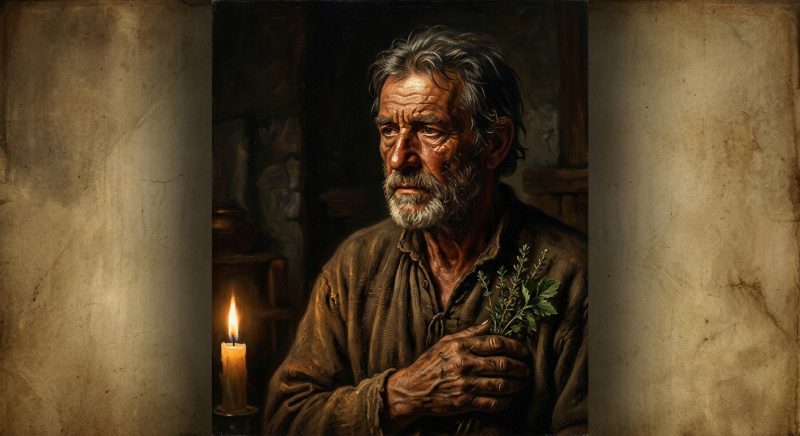
Pantelimon the Gardener
He tends the queen's roses and no one's beds of belladonna. The second garden is the more sought-after.
1.73 m tall · green eyes · greying hair · right-handed
-
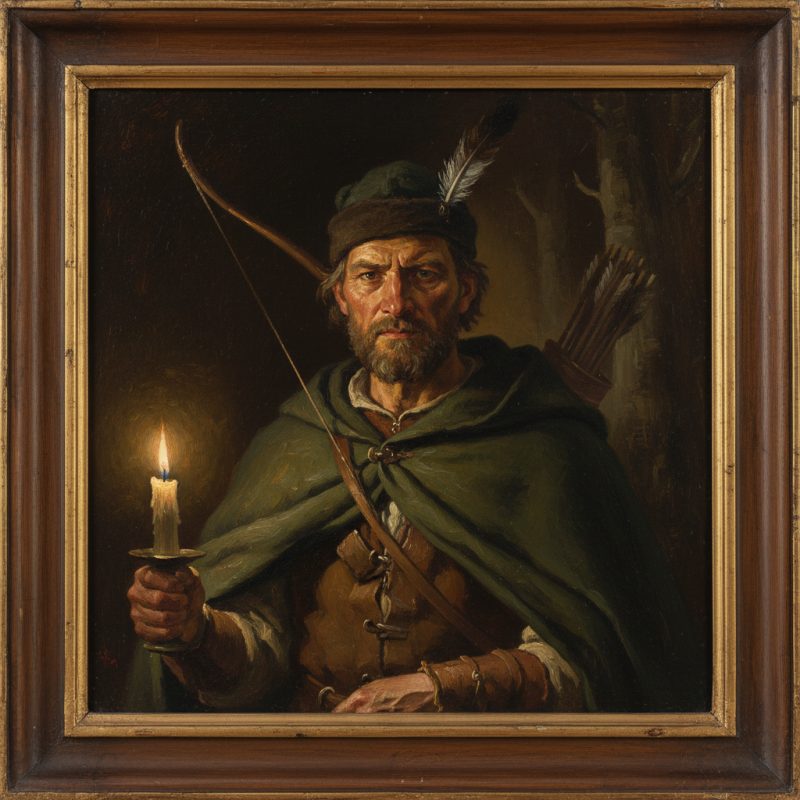
Codrin the Huntsman
He knows the royal forest better than the castle corridors. Tracks, he says, never lie - men do.
1.87 m tall · green eyes · black hair · right-handed
-

Luca the Squire
He polishes the knight's armour and dreams of a sword of his own. For a coat of arms he would do almost anything.
1.72 m tall · green eyes · brown hair · right-handed
-
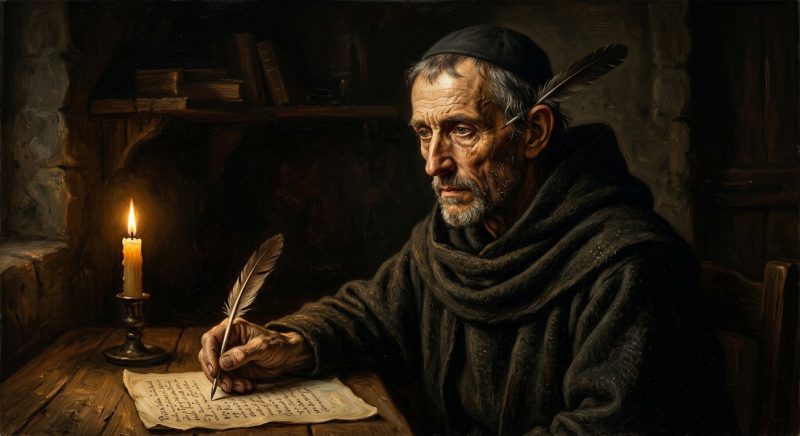
Teofil the Chronicler
He writes the kingdom's history as he is ordered. The unwelcome drafts, however, he keeps every one.
1.69 m tall · brown eyes · greying hair · left-handed
Locations
-
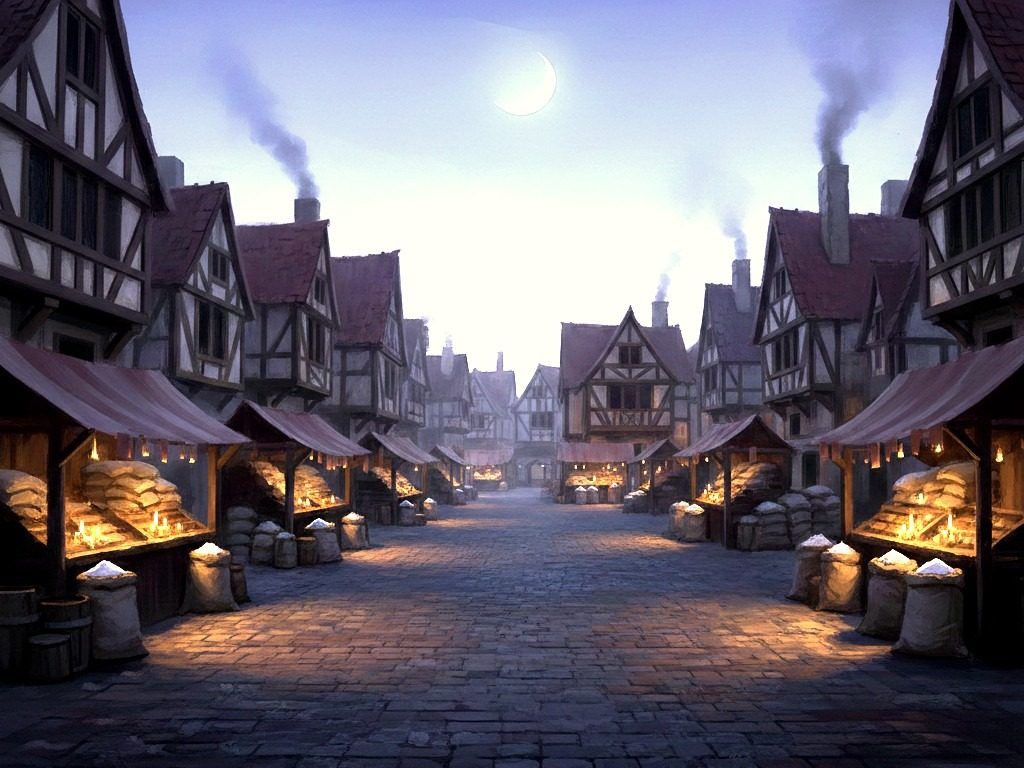
The salt market
Here anything is bargained for, from salt to silences. The price of silence keeps rising.
-

The old dungeon
Cells abandoned since the new dungeon was built. "Abandoned" is one way of putting it.
-

The wharf
Moored boats, wet ropes, and goods that prefer to arrive in the fog.
-

The guild forge
Anvils, tongs, and a fire that never goes out. Many small metal things vanish here.
-
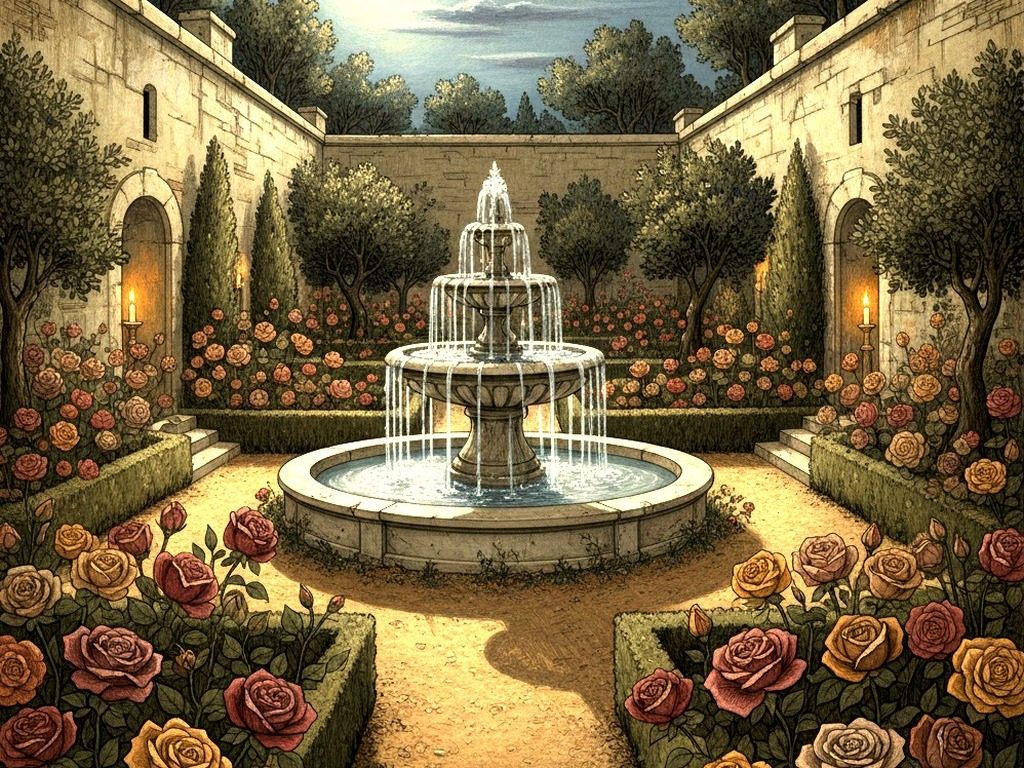
The queen's garden
Roses trimmed to a line and paths you may walk only by invitation. At night, the hedge has ears.
Objects
-
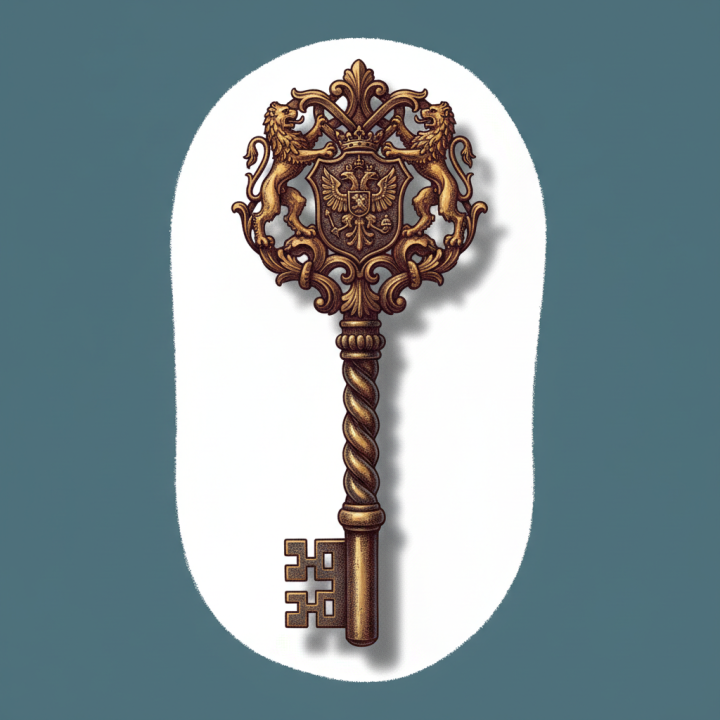
The bronze key
Heavy, old, its teeth worn smooth. No one knows what door it opens anymore - or so they say.
-
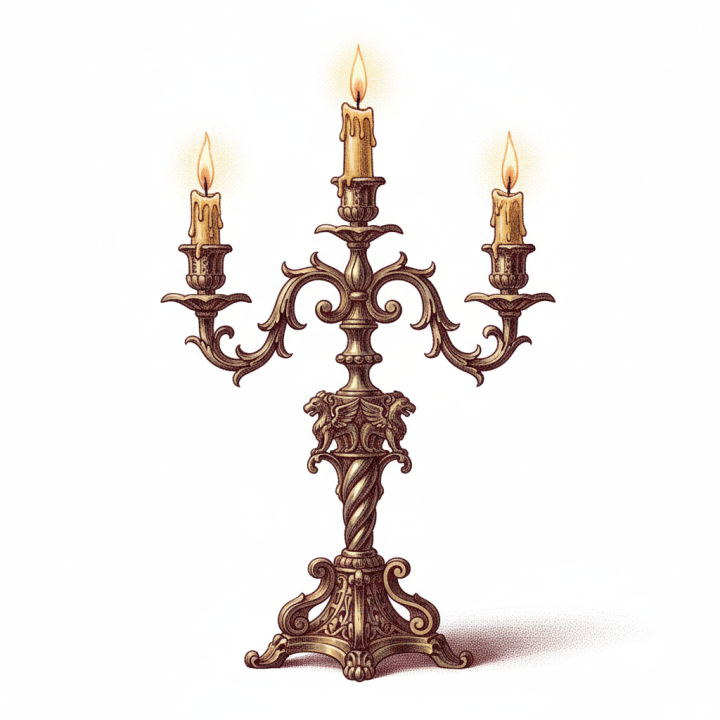
The silver candelabrum
Heavy as a small anvil. It can light a room or end a conversation.
-

The small wine cask
Arin wine, the good year. The bung was pulled and put back by an unskilled hand.
-

The ledger of accounts
Neat columns of figures, with one page torn out exactly at mid-month.
-
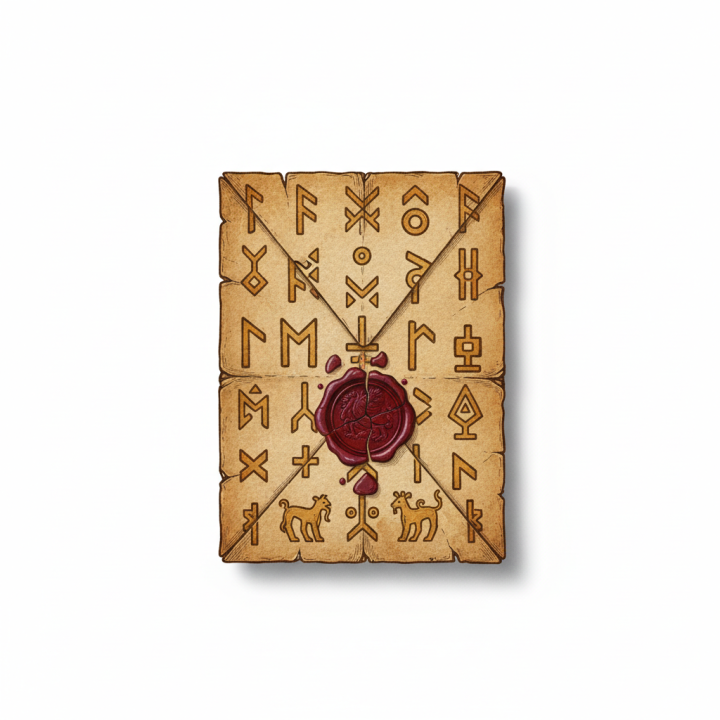
The ciphered letter
Orderly rows of meaningless signs. The ink is costly, the paper costlier, the sender - unknown.
Motives
-

Ambition
Setea de a urca, chiar peste trupuri, spre o treaptă mai înaltă.
-

Greed
Dorința nesățioasă de avere, care nu se oprește la nimic.
-

A debt of honour
O făgăduială care cântărește mai greu decât viața.
-

The inheritance
O avere așteptată, pe care numai o moarte o desparte de mână.
-

Jealousy
Otrava care mistuie pe cel ce râvnește ce nu-i al lui.
The pages of the file
The list below is complete and pared to the bone. The Chancellery keeps no useless rows on file: each cuts something no other cuts.
- The gate guard swears: Pantelimon the Gardener handled the bronze key.
- The gate guard swears: the bronze key and jealousy go together.
- At the Chancellery, Luca the Squire maintains: "I was at the queen's garden".
- The Chancellery checked twice: the ledger of accounts and the inheritance do not go together.
- The gate guard swears: Teofil the Chronicler handled the silver candelabrum.
- A maid whispered it at confession: the old dungeon and a debt of honour go together.
- An honest-faced witness saw it plainly: Teofil the Chronicler was driven by greed.
- About the culprit, the Chancellery knows one thing for certain: the culprit was driven by jealousy.
- A maid whispered it at confession: the guild forge and the small wine cask go together.
- An honest-faced witness saw it plainly: the suspect with dark eyes handled the ciphered letter.
- An honest-faced witness saw it plainly: the salt market and the silver candelabrum go together.
Open the full reasoning — warning, the culprit is named beyond this point
The reasoning, step by step
The investigation ran contrary to suspicion: it did not ask who could have, it cut away, row by row, whoever could not.
It was set down, for whoever reads after us: “The gate guard swears: Pantelimon the Gardener handled the bronze key”. One more certainty means, in a deduction grid, a whole fistful of impossibilities — and so it proved here.
This page was stitched into the file too: “The gate guard swears: the bronze key and jealousy go together”. A pair was tied, and the knot dragged a whole handful of impossibilities after it.
The examination of the place yielded this as well: “At the Chancellery, Luca the Squire maintains: "I was at the queen's garden"”. Here the grid had to wait. A declaration is not placed until it is settled who made it.
The rest of the file almost wrote itself, out of lines like these: “The Chancellery checked twice: the ledger of accounts and the inheritance do not go together”; “The gate guard swears: Teofil the Chronicler handled the silver candelabrum”; “A maid whispered it at confession: the old dungeon and a debt of honour go together”; “An honest-faced witness saw it plainly: Teofil the Chronicler was driven by greed”; “About the culprit, the Chancellery knows one thing for certain: the culprit was driven by jealousy”; “A maid whispered it at confession: the guild forge and the small wine cask go together”. At the end of them the grid looked like an almost-erased page: one cell alone still had anything to say.
A note in the margin of the page read: “An honest-faced witness saw it plainly: the suspect with dark eyes handled the ciphered letter”. The cell filled, and around it a space opened: that is what a certain match does to a grid.
The gate register had kept a trace of its own: “An honest-faced witness saw it plainly: the salt market and the silver candelabrum go together”. Two names bound themselves for good, and the binding undid, at a stroke, every pairing that contradicted it.
The mismatch
Here the Supreme Law cut through silence. The single testimony on file withstood checking. Not a word contradicted the grid, so no speaker could be the culprit, and the circle closed of itself around the one who chose to stay silent. It was not the silence that condemned them, but the fact that nobody else was left.
The verdict
The seal fell on a single name: Pantelimon the Gardener. The row in the grid says it all: Pantelimon the Gardener was at the wharf, handled the bronze key and was driven by jealousy. The dossier called for hypotheses driven to contradiction, not direct elimination alone — which is why it was rated at tier III.
Those taken out of the circle
The Chancellery recorded the others' movements as well, because it was precisely they that closed the grid: Zaharia the Spice Merchant was at the old dungeon, handled the ciphered letter and was driven by a debt of honour; Codrin the Huntsman was at the guild forge, handled the small wine cask and was driven by the inheritance; Luca the Squire was at the queen's garden, handled the ledger of accounts and was driven by ambition; Teofil the Chronicler was at the salt market, handled the silver candelabrum and was driven by greed. Not one of the rows above is spare — remove it and the grid opens again.
It was not cleverness that unravelled the thread, but order. Order can be learned, and that is exactly why the chronicle is written.
Play this dossier All mysteries
This chronicle is no free retelling: it rises directly out of the dossier's logic, and every step passed through the solver which proved, before publication, that the solution is unique. behind the scenes at the Chancellery.