
Chronicle of the solution: The Scheming of the Banquet
Forged decree Tier II
The forgery has found its maker. This chronicle shows how one got from a doubtful parchment to a certain name.
How the file came to the Chancellery
A seal that never lies has been placed, this once, in the service of a lie. Until the hand that pressed the seal is found, every written order stands in doubt. The testimonies keep returning to the same names: Petru the Herald, Onufrie the Executioner, Teofil the Chronicler and Gavril the Farrier. The places named in the testimonies — the hunting lodge, the guild forge, the castle cellar and the customs cellar — each await their turn under scrutiny. Study the testimonies at your leisure, fit them into the grid, and pronounce your verdict without haste.
A banquet is the fittest occasion for a forged document: everyone signs something, nobody reads anything, and by the next morning no one recalls who held the quill.
The four suspects are, each in their way, craftsmen. Petru the Herald works with the spoken word. Teofil the Chronicler, with the written one. Gavril the Farrier, with iron. And Onufrie the Executioner — with whatever is left when all the other trades have finished. Four practised hands, one of which spent that night at something other than its own craft.
The places descend steadily underground: the hunting lodge, the guild forge, the castle cellar and the customs cellar. Among the objects, a ciphered letter and a vial of belladonna sit beside an abbess's bell and a bishop's chalice.
Tier II. When a testimony collides head-on with a finding, the finding always wins — because the testimony may be the very lie you are hunting.
Brought before the Chancellery were Petru the Herald, Onufrie the Executioner, Teofil the Chronicler and Gavril the Farrier — names that, until the grid's last row, weighed exactly the same.
The suspects
-
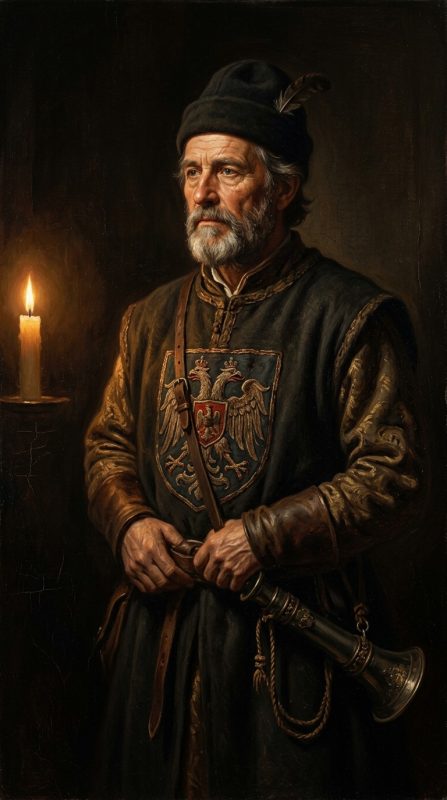
Petru the Herald
He proclaims the crown's will to every corner of the kingdom. Sometimes he proclaims it before the crown itself knows.
1.82 m tall · blue eyes · blond hair · right-handed
-
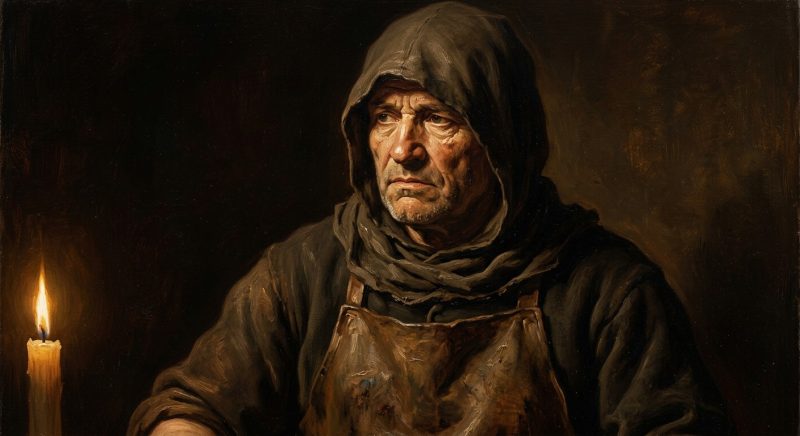
Onufrie the Executioner
A quiet man with a loud trade. He keeps a notebook of the last words of every condemned soul.
1.92 m tall · dark eyes · no hair · right-handed
-
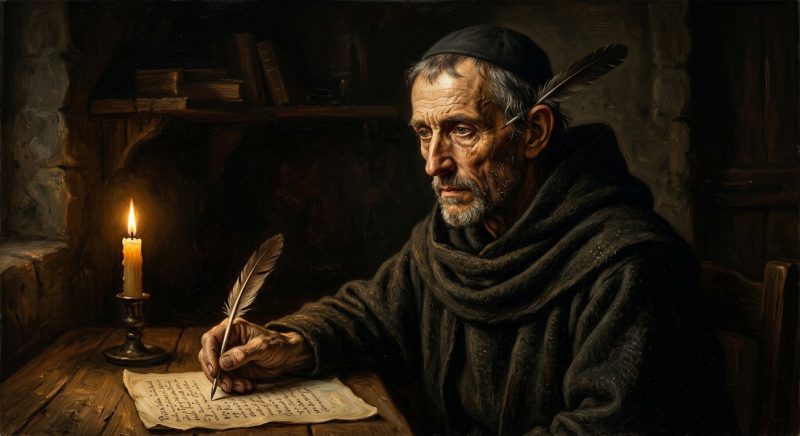
Teofil the Chronicler
He writes the kingdom's history as he is ordered. The unwelcome drafts, however, he keeps every one.
1.69 m tall · brown eyes · greying hair · left-handed
-
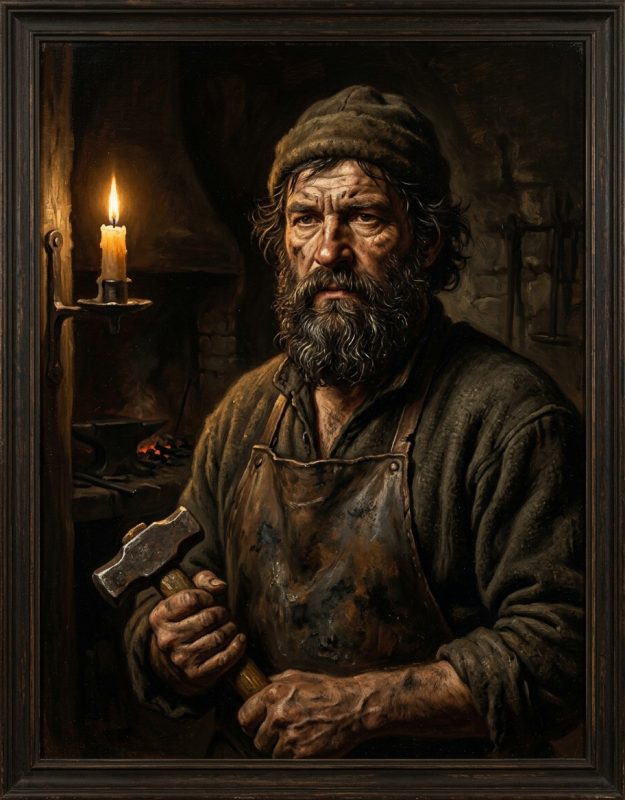
Gavril the Farrier
Arms like tree trunks and a forge where all noise dies. Some things are better beaten while hot.
1.88 m tall · dark eyes · black hair · right-handed
Locations
-

The hunting lodge
The royal cabin in the heart of the forest. Far from the eyes of the court - which is exactly what suits some.
-

The guild forge
Anvils, tongs, and a fire that never goes out. Many small metal things vanish here.
-
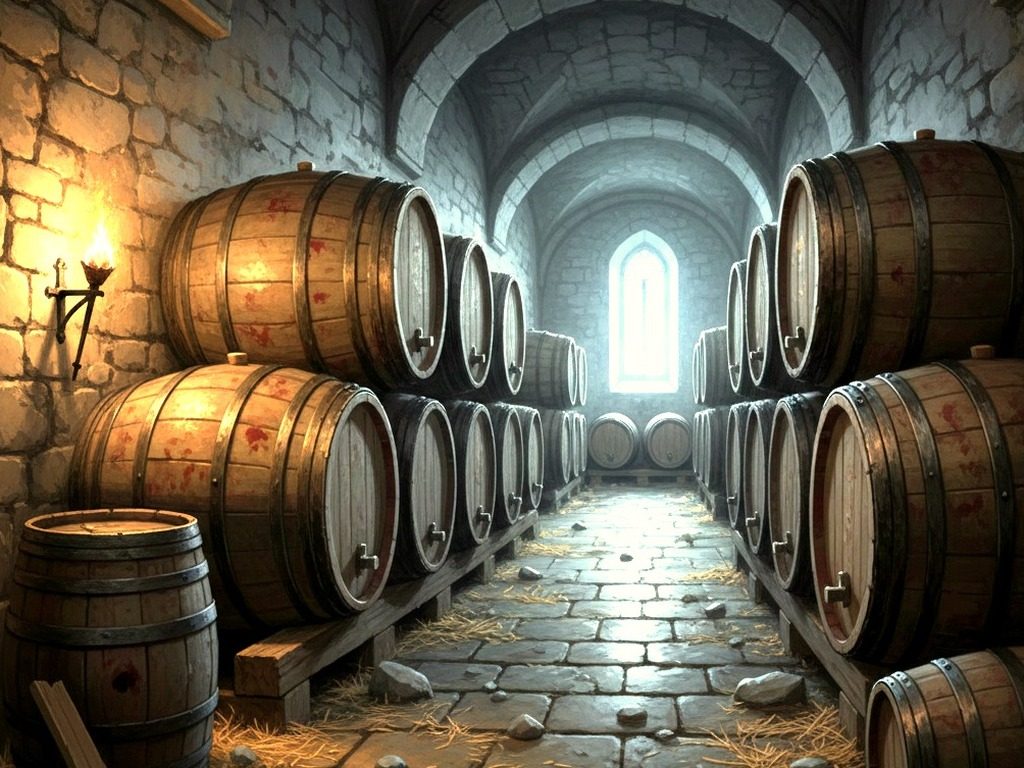
The castle cellar
Barrels as big as carts and corners the lantern never reaches.
-
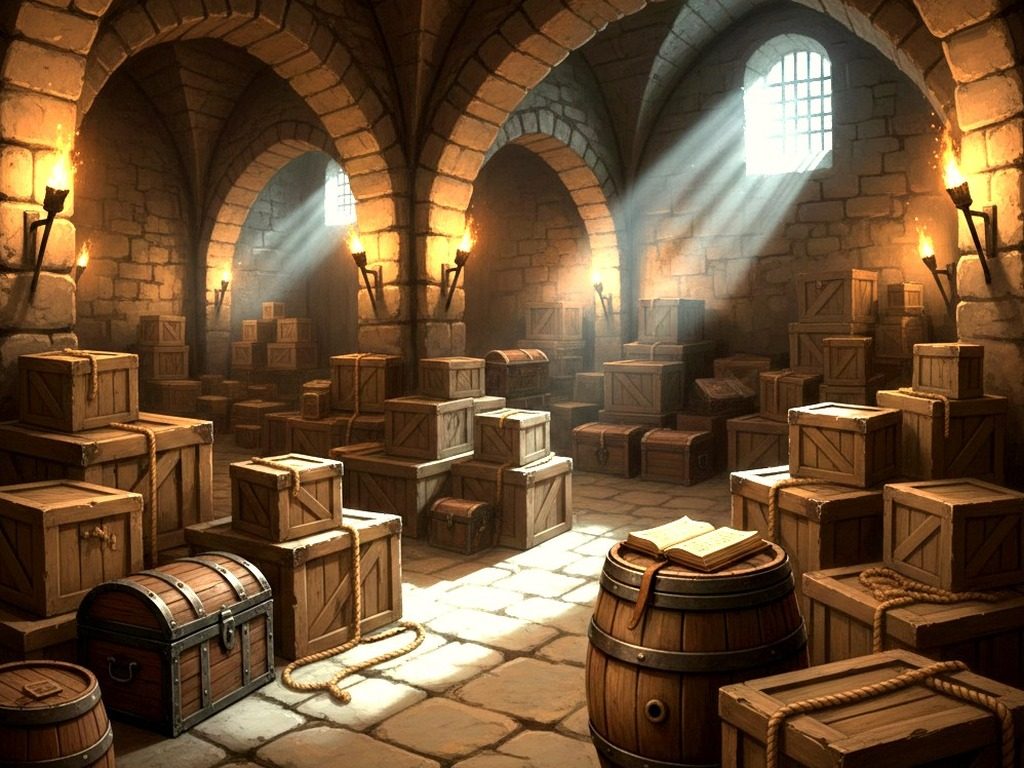
The customs cellar
Sealed crates, thick ledgers, and air that smells of undeclared goods.
Objects
-
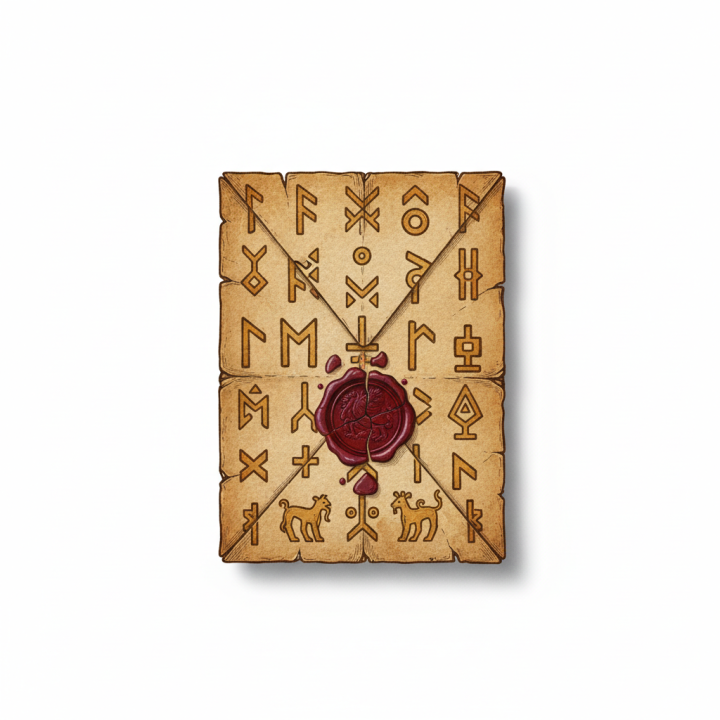
The ciphered letter
Orderly rows of meaningless signs. The ink is costly, the paper costlier, the sender - unknown.
-

The vial of belladonna
A small flask, a wax stopper, a label written with care. Three-quarters empty.
-

The abbess's bell
It calls the nuns to prayer. On the night in question, they all say, it rang once too many.
-
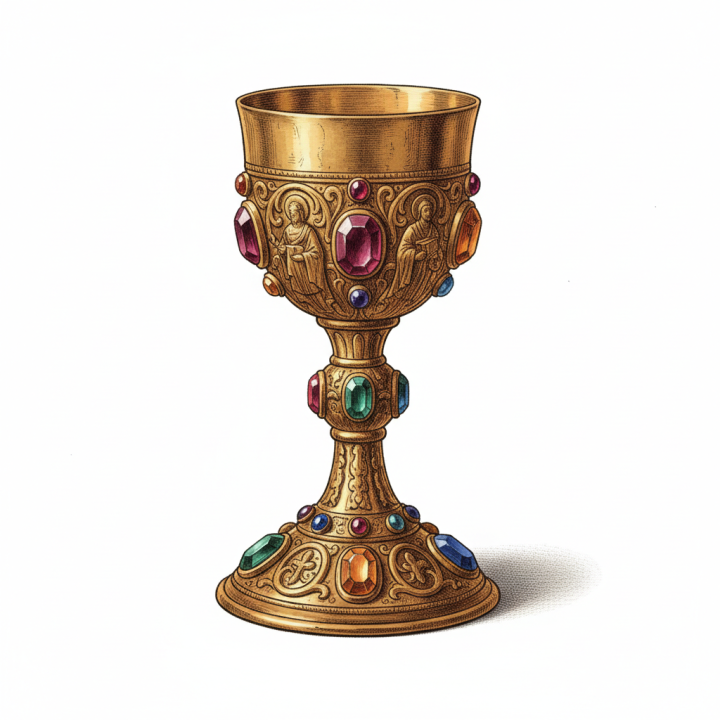
The bishop's chalice
Gold set with blue stones. Blessed three times, stolen twice.
Moments
-

At dawn
When the citadel is barely waking and the guards still doze.
-

After matins
The hour after the morning service, when the abbey empties.
-

At noon
Midday, with bustle in the markets and silence in the alcoves.
-

At dusk
When the shadows lengthen and the lanterns are not yet lit.
The findings and the testimonies
This much the investigation had at its disposal, not a line more. The set is minimal by construction — remove any of the rows below and the dossier becomes unsolvable again.
- The customs register is clear: Petru the Herald never set foot in the place where the lantern never reaches.
- In the Chancellery's ledger it stands in black and white: the guild forge and the ciphered letter go together.
- By the order of the hours, first comes the suspect with black hair, then Onufrie the Executioner.
- The chronicler notes drily: the customs cellar and the bishop's chalice go together, whatever the court may say.
- An honest-faced witness saw it plainly: the castle cellar matches that hour: after matins.
- The tracks in the dust do not lie: the left-handed suspect handled the bishop's chalice.
- In the Chancellery's ledger it stands in black and white: the customs cellar matches that hour: at noon.
- About the culprit, the Chancellery knows one thing for certain: the culprit was there after matins.
- An unsigned note, slipped under the door: "the culprit handled the abbess's bell".
- The gate guard swears: Onufrie the Executioner handled the ciphered letter.
Reveal the Chancellery's reasoning — warning: past this line, the mystery ends
The road to the verdict
The road is always the same: findings first, because they do not lie; testimonies after, because one of them always does.
A report from the watch brought clarity: “The customs register is clear: Petru the Herald never set foot in the place where the lantern never reaches”. A cross in the grid seems little, but every cross brings the row nearer the moment when one cell alone is left free.
The Chancellery asked for one more check, and received it: “In the Chancellery's ledger it stands in black and white: the guild forge and the ciphered letter go together”. The match was nailed down, and the rest of the row was left clean, like a page wiped with a sponge.
A witness of good faith cleared up one more corner: “By the order of the hours, first comes the suspect with black hair, then Onufrie the Executioner”. Every new line in the file closes a door; by the end not one is left open.
From here things gathered pace. Within a few hours the file received: “The chronicler notes drily: the customs cellar and the bishop's chalice go together, whatever the court may say”; “An honest-faced witness saw it plainly: the castle cellar matches that hour: after matins”; “The tracks in the dust do not lie: the left-handed suspect handled the bishop's chalice”; “In the Chancellery's ledger it stands in black and white: the customs cellar matches that hour: at noon”; “About the culprit, the Chancellery knows one thing for certain: the culprit was there after matins”. Laid end to end, they did what not one of them could have done alone.
The next line was the one that changed the reckoning: “An unsigned note, slipped under the door: "the culprit handled the abbess's bell"”. A fact fastened to the culprit, with no name attached: enough for all those the fact does not cover to fall.
There followed a detail that narrowed the circle: “The gate guard swears: Onufrie the Executioner handled the ciphered letter”. A certain match thus enters the grid, and its row and column empty at once of every other possibility.
The culprit's name
The name the grid could no longer force out of the circle is Gavril the Farrier. At the hour in question, Gavril the Farrier was at the castle cellar, handled the abbess's bell and was there after matins. The verdict stands on its own, out of the findings above.
The remaining suspects
And here is what had become of the others, in that same hour: Petru the Herald was at the hunting lodge, handled the vial of belladonna and was there at dawn; Onufrie the Executioner was at the guild forge, handled the ciphered letter and was there at dusk; Teofil the Chronicler was at the customs cellar, handled the bishop's chalice and was there at noon. Not one of the rows above is spare — remove it and the grid opens again.
The dossier is closed, but the method stays open to anyone with the patience to count cells.
Play this dossier All mysteries
The chronicle is written from the logic of the file, not from memory. The uniqueness of the solution was demonstrated by the solver before the dossier ever became public. behind the scenes at the Chancellery.