Chronicle of the solution: The Dawn Plot
Espionage Tier II
The espionage file has found its answer; what follows is the chronicle of it, written for those who come after us.
The opening of the investigation
A spy has crept in among the people of the court, and the realm's secrets have begun flowing toward foreign ears. The Chancellery has caught only the end of the thread; the whole skein is still in someone's hands. Before you, one by one, will stand Lady Ruxandra, Abbot Corvus, Sava the Bell-Ringer and Duchess Amara de Corvin. Among the things spoken of in whispers are the locked chest, the royal seal, the rusted sword and the herald's horn. Open the grid, weigh every clue, and pronounce your verdict: the Chancellery awaits only your signature.
A spy steals not things but meanings. That is why espionage dossiers are the hardest to open: nothing is missing from its place, only somebody knows something they should not. Here the loss showed itself weeks later, when a decision of the court had already been sidestepped by the very people it was meant to surprise.
The four suspects are all people with access. Abbot Corvus governs an abbey, which is to say a house where things are written, copied and kept. Lady Ruxandra and Duchess Amara de Corvin stand high enough to hear things first-hand. Sava the Bell-Ringer, lowest of them in rank, sees from his tower everything that moves.
The objects — a locked chest, the royal seal, a rusted sword, the herald's horn — and the places, from the castle cellar to the hunting lodge, span the whole realm, cellar to forest.
Tier II. Begin with what is certain, however little that seems: two well-placed certainties are worth more than ten suspicions.
The circle closed around these names: Lady Ruxandra, Abbot Corvus, Sava the Bell-Ringer and Duchess Amara de Corvin. The investigation was not permitted to step outside it, and had no need to.
The suspects
-
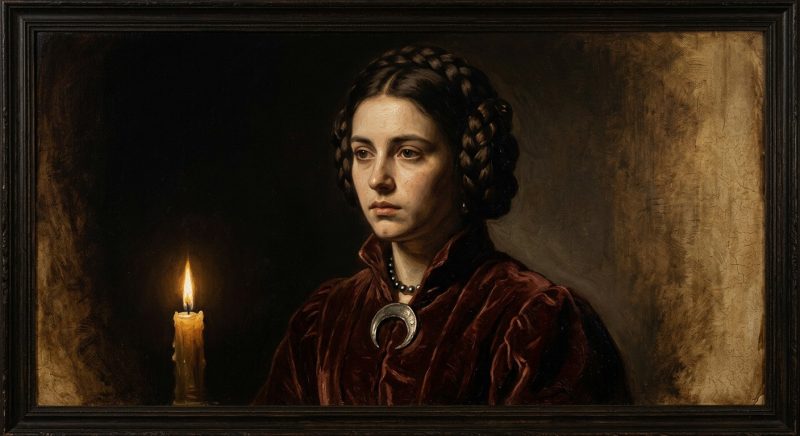
Lady Ruxandra
The queen's shadow at every hour. She hears everything, sees everything, and embroiders all she learns into patterns known only to her.
1.65 m tall · blue eyes · blond hair · right-handed
-

Abbot Corvus
He raises ravens in the abbey tower. His birds arrive faster than any messenger - and cannot be held to account.
1.78 m tall · dark eyes · no hair · right-handed
-
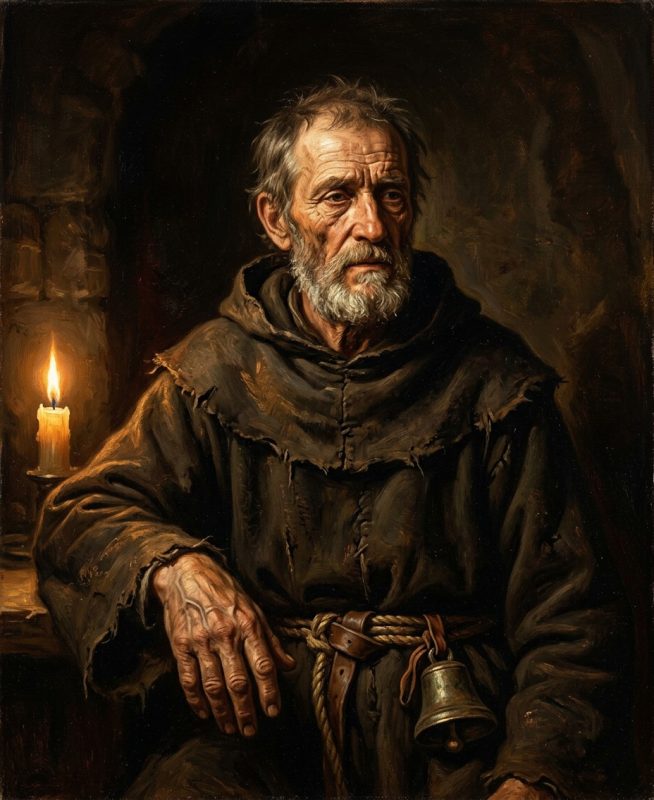
Sava the Bell-Ringer
He has rung the cathedral bells on the hour for thirty years. He sees the whole city from above and forgives nothing he sees.
1.83 m tall · brown eyes · greying hair · right-handed
-
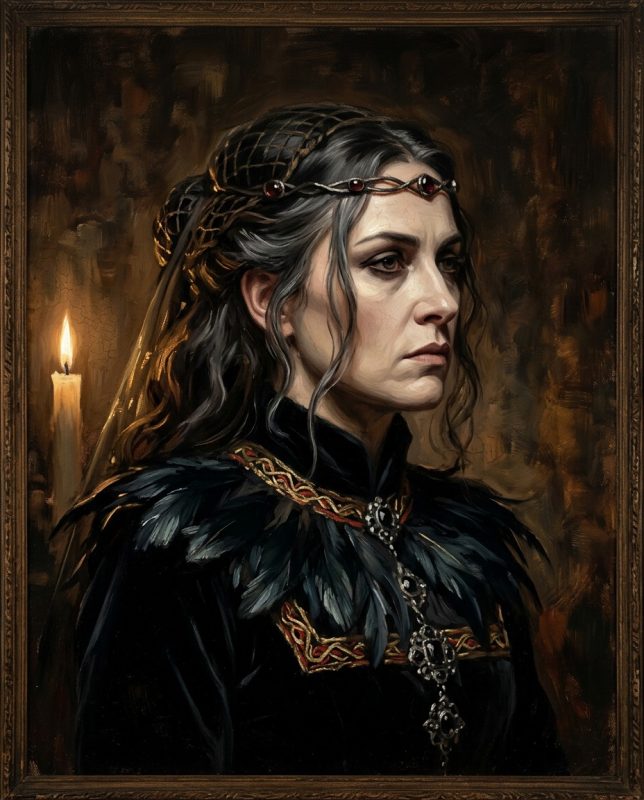
Duchess Amara de Corvin
Widowed three times, heir on each occasion. Her smile has buried more nobles than the plague.
1.68 m tall · dark eyes · black hair · right-handed
Locations
-
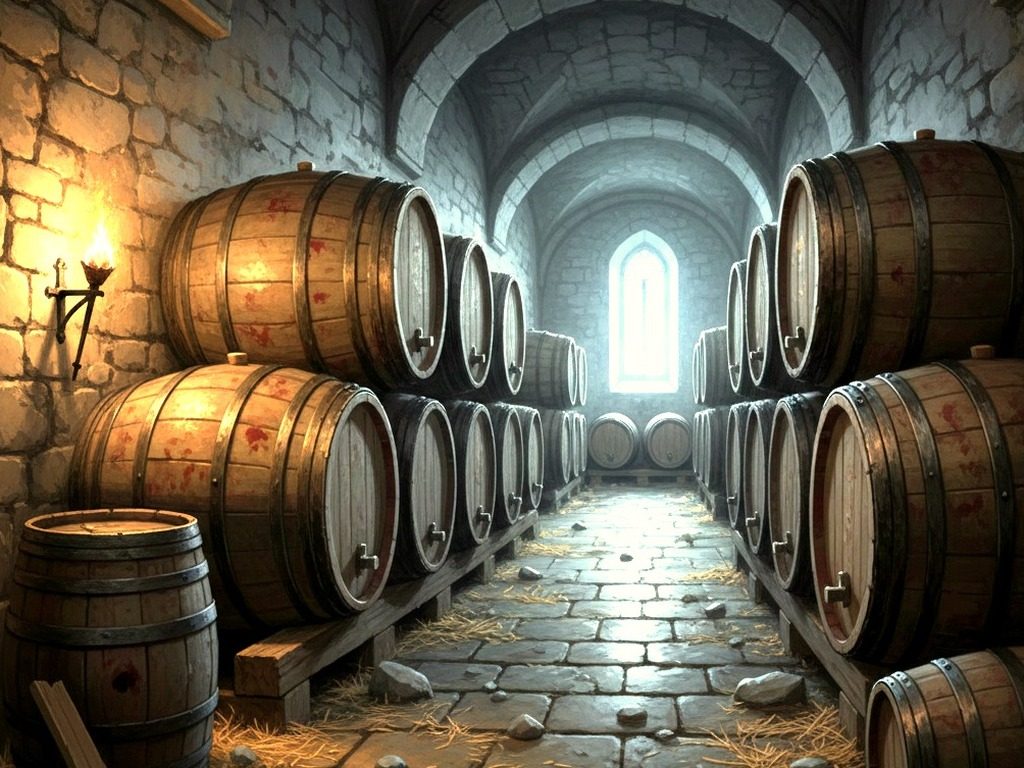
The castle cellar
Barrels as big as carts and corners the lantern never reaches.
-

The guild forge
Anvils, tongs, and a fire that never goes out. Many small metal things vanish here.
-

The Golden Boar inn
Wine watered down and rumours diluted with nothing. The rooms upstairs ask no questions.
-

The hunting lodge
The royal cabin in the heart of the forest. Far from the eyes of the court - which is exactly what suits some.
Objects
-

The locked chest
Three padlocks, two rows of straps. Fresh scratches around the hinges, not the locks.
-
The royal seal
Whoever holds it can seal any decree. Which is why it should not be wandering the kingdom.
-

The rusted sword
An old weapon, forgotten on the rack. The rust on the blade is newer than it looks.
-
The herald's horn
It sounds the muster, the alarm, or the retreat. Whoever holds it can start a whole panic with a single breath.
Moments
-

At dawn
When the citadel is barely waking and the guards still doze.
-

After matins
The hour after the morning service, when the abbey empties.
-

At noon
Midday, with bustle in the markets and silence in the alcoves.
-

At dusk
When the shadows lengthen and the lanterns are not yet lit.
Everything that could be learned
The list below is complete and pared to the bone. The Chancellery keeps no useless rows on file: each cuts something no other cuts.
- The scouts confirm it: at suspects, the paths of the guild forge and the herald's horn diverge.
- An honest-faced witness saw it plainly: Sava the Bell-Ringer was there at noon.
- Whatever the market gossips: the rusted sword does not match that hour: at dusk.
- The gate guard swears: the suspect with black hair was at the castle cellar.
- Every scout reports the same about the culprit: the culprit was there at dawn.
- A note in the margin of the ledger: if Sava the Bell-Ringer was there at noon, then the suspect with black hair was there at dusk.
- An honest-faced witness saw it plainly: the herald's horn matches that hour: at dawn.
- The chronicler notes drily: the hunting lodge and the locked chest go together, whatever the court may say.
- One thing is certain: the hour "after matins" and the guild forge do not share the same match for suspects.
- The hounds caught no scent at all: Lady Ruxandra was not present at dawn.
Read the unravelling, step by step — warning: past this line, the mystery ends
The road to the verdict
The rule of the house is simple: what is observed enters the grid as it stands; what is declared enters only once it is settled who declared it.
A detail overlooked at the start came back into the file: “The scouts confirm it: at suspects, the paths of the guild forge and the herald's horn diverge”. One more link was drawn into the chain that would close at the verdict.
A note in the margin of the page read: “An honest-faced witness saw it plainly: Sava the Bell-Ringer was there at noon”. One more certainty means, in a deduction grid, a whole fistful of impossibilities — and so it proved here.
A report from the watch brought clarity: “Whatever the market gossips: the rusted sword does not match that hour: at dusk”. A well-proved “no” is worth, in an investigation, ten suspicions.
Then came, one after another, the findings that drew the noose tight: “The gate guard swears: the suspect with black hair was at the castle cellar”; “Every scout reports the same about the culprit: the culprit was there at dawn”; “A note in the margin of the ledger: if Sava the Bell-Ringer was there at noon, then the suspect with black hair was there at dusk”; “An honest-faced witness saw it plainly: the herald's horn matches that hour: at dawn”; “The chronicler notes drily: the hunting lodge and the locked chest go together, whatever the court may say”. Taken one at a time they seemed slight; laid together in the grid, they left one arrangement alone possible.
The gate register had kept a trace of its own: “One thing is certain: the hour "after matins" and the guild forge do not share the same match for suspects”. One more page in the file, one more door closed.
This too was added to the file: “The hounds caught no scent at all: Lady Ruxandra was not present at dawn”. One more door closed. Investigations are not won on suspicions but on doors closed one at a time.
The culprit's name
The seal fell on a single name: Abbot Corvus. At the hour of the deed, Abbot Corvus was at the Golden Boar inn, handled the herald's horn and was there at dawn. Nothing was assumed along the way; every step can be redone with a pencil on paper.
What became of the others
The remaining suspects received their release from the grid too: Lady Ruxandra was at the hunting lodge, handled the locked chest and was there after matins; Sava the Bell-Ringer was at the guild forge, handled the rusted sword and was there at noon; Duchess Amara de Corvin was at the castle cellar, handled the royal seal and was there at dusk. Every one of these rows was necessary: take out a single one and the verdict can no longer be demonstrated.
It was not cleverness that unravelled the thread, but order. Order can be learned, and that is exactly why the chronicle is written.
Play this dossier All mysteries
Everything you read above rests on the dossier itself. The Chancellery's solver checked, at publication, that the given clues yield exactly one solution — no more, and not none. behind the scenes at the Chancellery.