
Chronicle of the solution: The Riddle of the Dawn
Poisoning Tier IV
The poison has found the hand that poured it, and the Chancellery sets down here, for the archive, the whole course of the investigation.
The dossier as it reached the desk
Someone slipped poison where it did not belong, and now the whole court eyes its goblets warily. Whoever poured it knew the habits of the table; that narrows the circle more than we would like. Suspicion has fallen on Sword-Bearer Dragos, Safta the Herbwife, Sir Bogdan de Fag, Princess Smaranda and Chancellor Veniamin — and until the proof is plain, none of these names leaves the room. On the inquiry's table, like pieces in a game, lie the bishop's chalice, the rusted sword, the ruby dagger, the guild seal and the silver-clad icon. Few files have tested so many investigators; untangle the threads, catch the lie, and pronounce your verdict.
Under suspicion stood Sword-Bearer Dragos, Safta the Herbwife, Sir Bogdan de Fag, Princess Smaranda and Chancellor Veniamin. One of them alone lied; the rest, without knowing it, spoke the truth that gave that one away.
The suspects
-
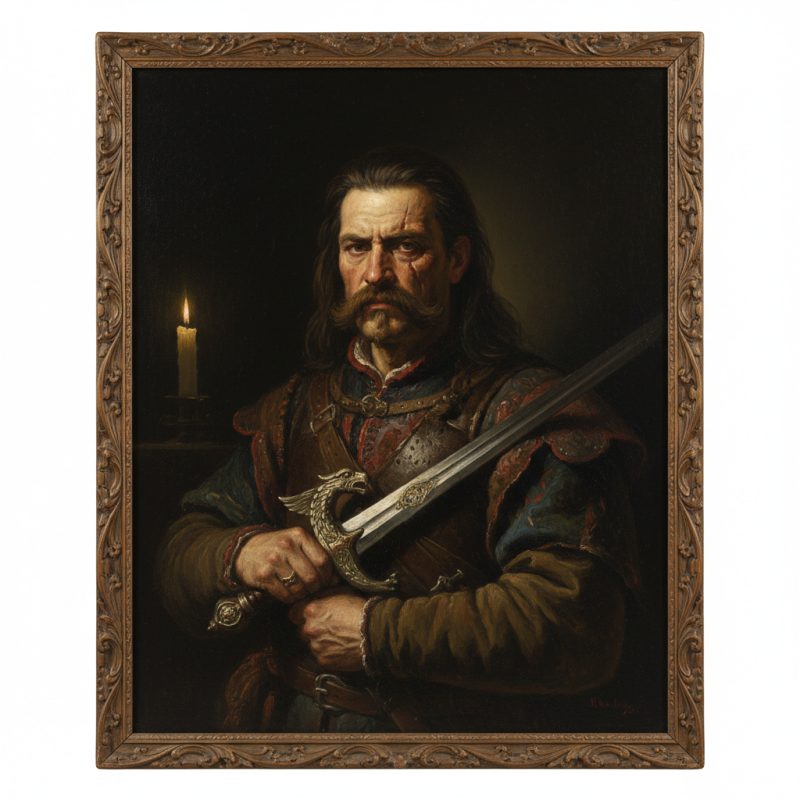
Sword-Bearer Dragos
He bears the king's ceremonial sword. At the tourney he has never lost; at dice, always.
1.86 m tall · brown eyes · chestnut hair · right-handed
-
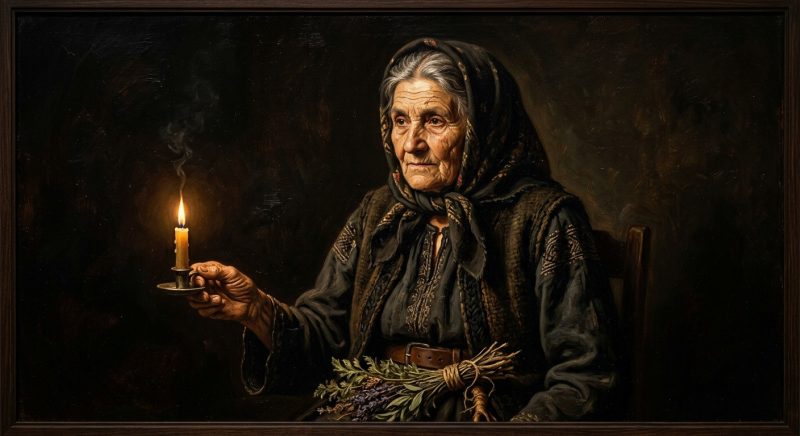
Safta the Herbwife
She gathers herbs at hours when honest folk sleep. The herbs, she says, speak then.
1.58 m tall · green eyes · greying hair · right-handed
-
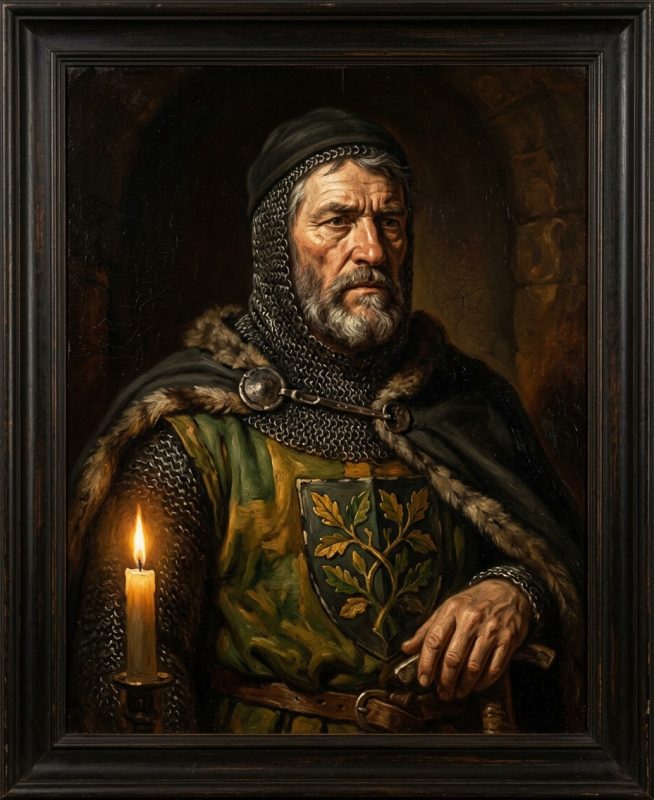
Sir Bogdan de Fag
He pawned his armour to pay his tavern debts. Honour, he says, does not rust.
1.85 m tall · blue eyes · brown hair · right-handed
-

Princess Smaranda
She has refused seven suitors and kept the gifts of all. She calls it practicality, not greed.
1.66 m tall · green eyes · chestnut hair · right-handed
-
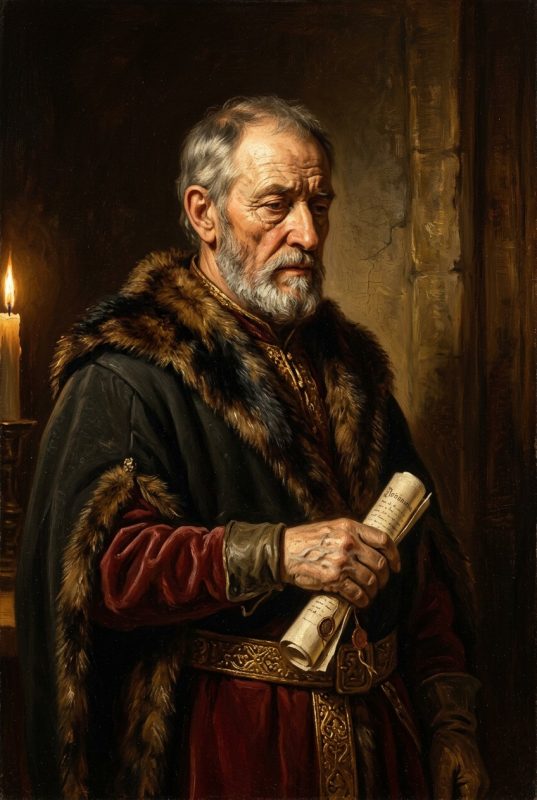
Chancellor Veniamin
Every charter of the kingdom passes through his hands. A comma he once moved started a war.
1.64 m tall · grey eyes · no hair · left-handed
Locations
-

The Golden Boar inn
Wine watered down and rumours diluted with nothing. The rooms upstairs ask no questions.
-

The north wall
The stretch of wall the patrol skirts when the wind blows. Everyone knows that.
-

The guild forge
Anvils, tongs, and a fire that never goes out. Many small metal things vanish here.
-
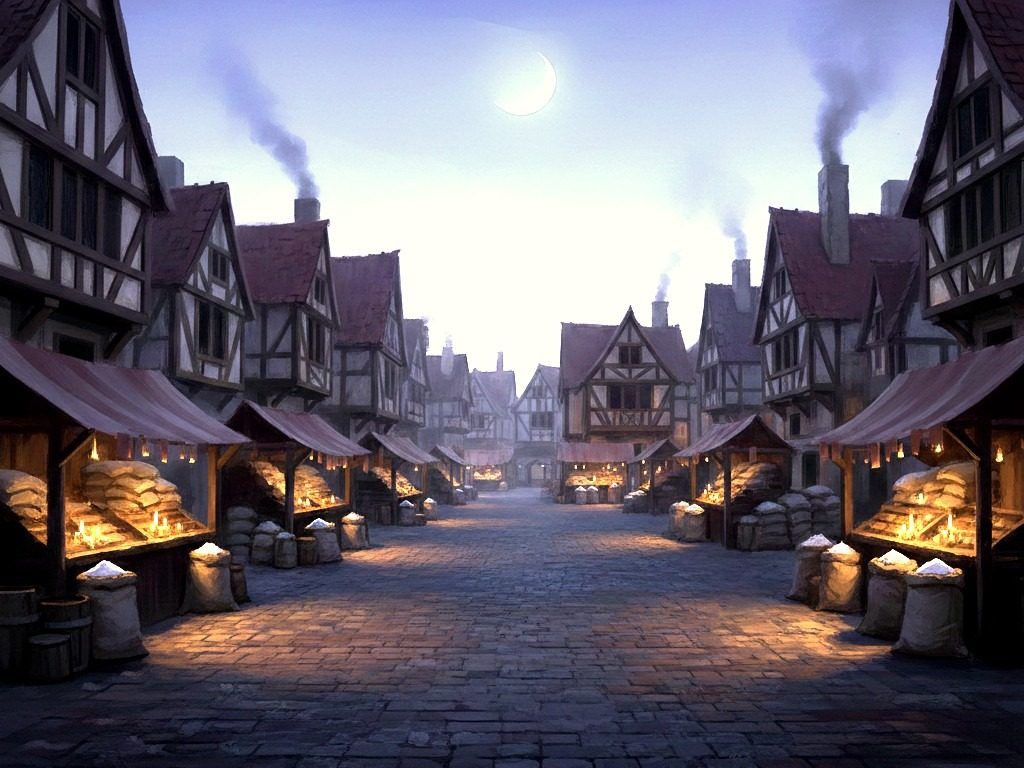
The salt market
Here anything is bargained for, from salt to silences. The price of silence keeps rising.
-
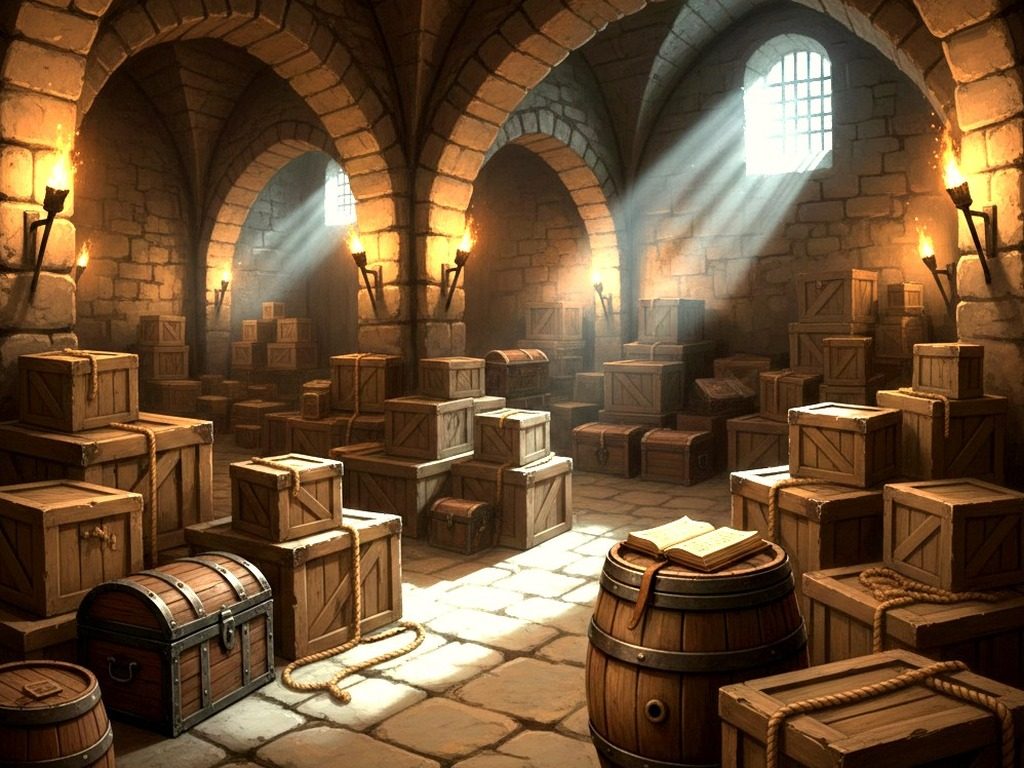
The customs cellar
Sealed crates, thick ledgers, and air that smells of undeclared goods.
Objects
-
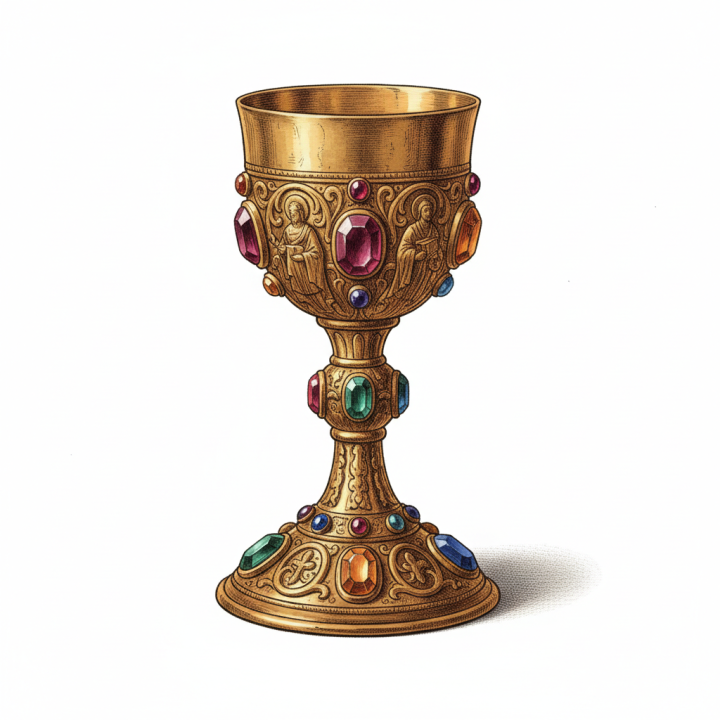
The bishop's chalice
Gold set with blue stones. Blessed three times, stolen twice.
-

The rusted sword
An old weapon, forgotten on the rack. The rust on the blade is newer than it looks.
-

The ruby dagger
A short blade, its hilt set with a stone red as a frozen drop. It was sharpened recently.
-
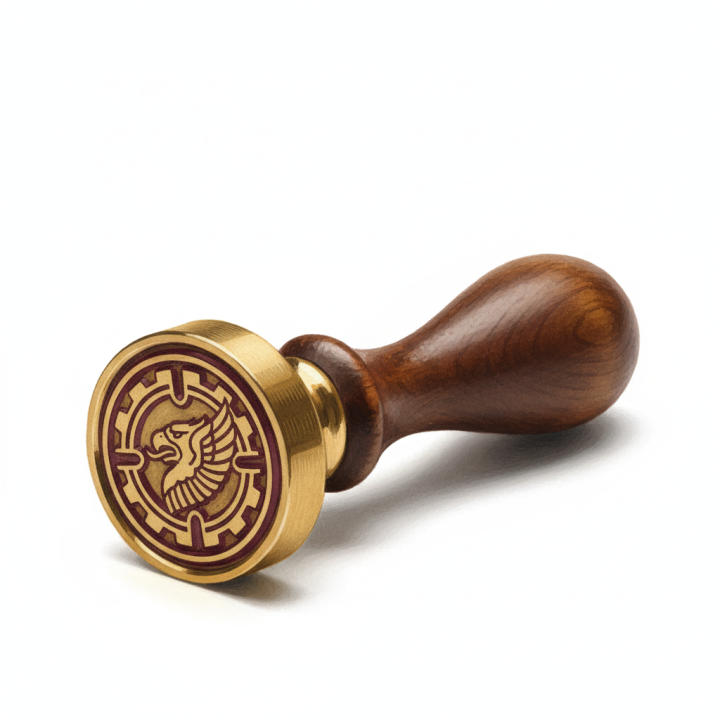
The guild seal
The stamp that turns any goods into goods "of certified quality." Worth a mine of gold.
-
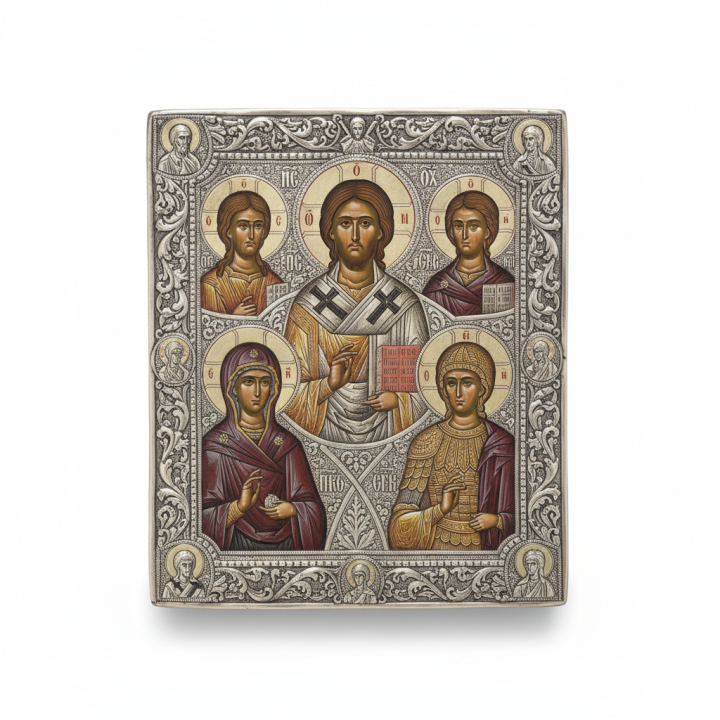
The silver-clad icon
The silver casing is old craftsmanship; the nails that hold it were driven this week.
Motives
-
Fear of exposure
Groaza de a fi dat în vileag, care împinge la orice.
-

Blackmail
Un secret ținut ca funia la gât, strâns exact cât trebuie.
-
A debt of honour
O făgăduială care cântărește mai greu decât viața.
-

Greed
Dorința nesățioasă de avere, care nu se oprește la nimic.
-

Jealousy
Otrava care mistuie pe cel ce râvnește ce nu-i al lui.
Moments
-

At dawn
When the citadel is barely waking and the guards still doze.
-

After matins
The hour after the morning service, when the abbey empties.
-

At noon
Midday, with bustle in the markets and silence in the alcoves.
-

At dusk
When the shadows lengthen and the lanterns are not yet lit.
-

At vespers
At the evening service, when the bells drown out any footstep.
Everything that could be learned
Here is the whole file, as the investigator received it. Not one row is spare — it was checked by removing each in turn and watching the unique solution disappear.
- The chronicler notes drily: a debt of honour matches that hour: at noon, whatever the court may say.
- The tracks in the dust do not lie: the guild seal and greed go together.
- The gate guard swears: the guild forge and the guild seal go together.
- The healer says it with a raised finger: if the suspect with brown hair handled the rusted sword, then Chancellor Veniamin handled the bishop's chalice.
- The bell-ringer remembers well: the bald suspect came earlier than the suspect with greying hair.
- The hounds caught no scent at all: Sir Bogdan de Fag was not driven by greed.
- In the Chancellery's ledger it stands in black and white: the silver-clad icon matches that hour: at dusk.
- An honest-faced witness saw it plainly: Chancellor Veniamin was at the customs cellar.
- The chronicler notes drily: Princess Smaranda was there at dusk, whatever the court may say.
- The tracks in the dust do not lie: jealousy matches that hour: after matins.
- About the culprit, the Chancellery knows one thing for certain: the culprit was driven by a debt of honour.
- The tracks in the dust do not lie: Princess Smaranda was in the place where the rooms upstairs ask no questions.
- The gate guard swears: the bishop's chalice and fear of exposure go together.
- The tracks in the dust do not lie: Safta the Herbwife was at the salt market.
- The hounds caught no scent at all: the north wall and the ruby dagger do not go together.
- Two witnesses, upon their crest: the shortest suspect was not present at noon.
Reveal the Chancellery's reasoning — open only if you have already tried the dossier
The road to the verdict
The rule of the house is simple: what is observed enters the grid as it stands; what is declared enters only once it is settled who declared it.
Then this finding entered the file: “The chronicler notes drily: a debt of honour matches that hour: at noon, whatever the court may say”. Two names bound themselves for good, and the binding undid, at a stroke, every pairing that contradicted it.
This page was stitched into the file too: “The tracks in the dust do not lie: the guild seal and greed go together”. From then on that cell could no longer be disputed, and the dispute moved one row down.
The Chancellery began with what could be verified: “The gate guard swears: the guild forge and the guild seal go together”. Once the tick was placed, the investigation had nothing left to argue on that row and moved on.
There followed that run of small findings which, together, decide everything: “The healer says it with a raised finger: if the suspect with brown hair handled the rusted sword, then Chancellor Veniamin handled the bishop's chalice”; “The bell-ringer remembers well: the bald suspect came earlier than the suspect with greying hair”; “The hounds caught no scent at all: Sir Bogdan de Fag was not driven by greed”; “In the Chancellery's ledger it stands in black and white: the silver-clad icon matches that hour: at dusk”; “An honest-faced witness saw it plainly: Chancellor Veniamin was at the customs cellar”; “The chronicler notes drily: Princess Smaranda was there at dusk, whatever the court may say”; “The tracks in the dust do not lie: jealousy matches that hour: after matins”; “About the culprit, the Chancellery knows one thing for certain: the culprit was driven by a debt of honour”; “The tracks in the dust do not lie: Princess Smaranda was in the place where the rooms upstairs ask no questions”; “The gate guard swears: the bishop's chalice and fear of exposure go together”; “The tracks in the dust do not lie: Safta the Herbwife was at the salt market”. Each closed a door, and by the last of them only one stood open.
The Chancellery asked for one more check, and received it: “The hounds caught no scent at all: the north wall and the ruby dagger do not go together”. The cut named nobody, but it shortened the list of those who could still be named.
This too was added to the file: “Two witnesses, upon their crest: the shortest suspect was not present at noon”. One possibility fewer means, in the grid, one step nearer the only answer left.
The close of the investigation
The verdict wrote itself — the culprit is Sir Bogdan de Fag. When the deed took place, Sir Bogdan de Fag was at the north wall, handled the rusted sword, was driven by a debt of honour and was there at noon. The dossier called for hypotheses driven to contradiction, not direct elimination alone — which is why it was rated at tier IV.
Those taken out of the circle
The others found their acquittal in the grid as well: Sword-Bearer Dragos was at the guild forge, handled the guild seal, was driven by greed and was there at vespers; Safta the Herbwife was at the salt market, handled the ruby dagger, was driven by jealousy and was there after matins; Princess Smaranda was at the Golden Boar inn, handled the silver-clad icon, was driven by blackmail and was there at dusk; Chancellor Veniamin was at the customs cellar, handled the bishop's chalice, was driven by fear of exposure and was there at dawn. Every one of these rows was necessary: take out a single one and the verdict can no longer be demonstrated.
That is how a dossier closes: not with a well-contrived suspicion, but with the only arrangement the grid still allowed. The Chancellery needed no confession — it needed only logic.
Play this dossier All mysteries
The chronicles are written by the Enigmerra Chancellery out of the dossier's own logic: every step above is verified by the solver which proved, at publication, that the dossier has a unique solution. behind the scenes at the Chancellery.