
Chronicle of the solution: The Mystery of the Banquet
Espionage Tier IV
Whoever carried the secrets out no longer walks free. Here, though, is how they were given away, step by step.
The opening of the investigation
A spy has crept in among the people of the court, and the realm's secrets have begun flowing toward foreign ears. What has leaked so far is hard to weigh; what might yet leak, impossible. Before you, one by one, will stand Safta the Herbwife, Luca the Squire, Castellan Ursu, Mother Evghenia and Elisei the Stargazer. The hours in question: "at dawn", "after matins", "at noon", "at dusk" and "at vespers". A sharp eye is not enough here — it takes an archivist's patience: fit everything together, then pronounce your verdict.
Brought before the Chancellery were Safta the Herbwife, Luca the Squire, Castellan Ursu, Mother Evghenia and Elisei the Stargazer — names that, until the grid's last row, weighed exactly the same.
The suspects
-
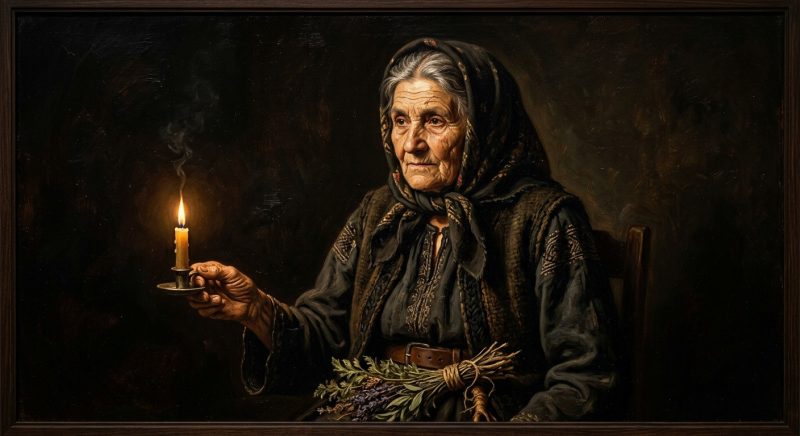
Safta the Herbwife
She gathers herbs at hours when honest folk sleep. The herbs, she says, speak then.
1.58 m tall · green eyes · greying hair · right-handed
-

Luca the Squire
He polishes the knight's armour and dreams of a sword of his own. For a coat of arms he would do almost anything.
1.72 m tall · green eyes · brown hair · right-handed
-
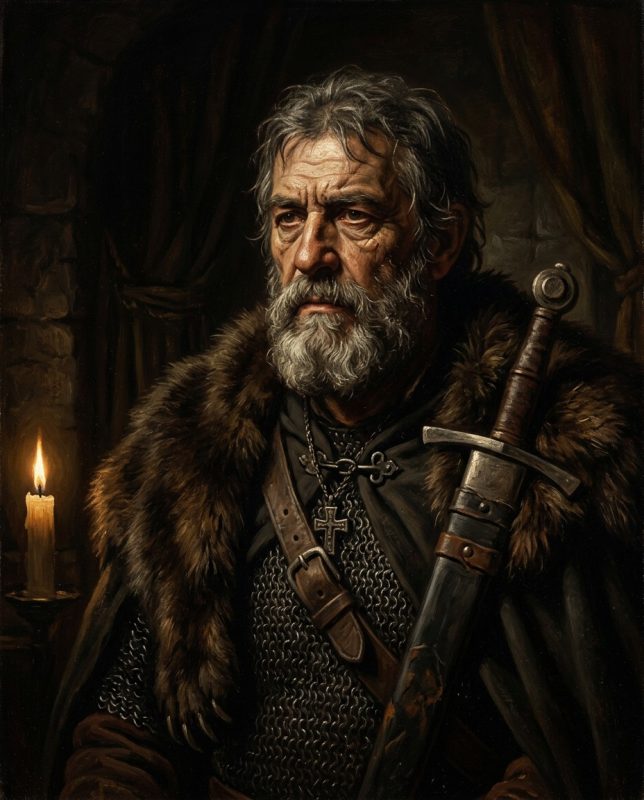
Castellan Ursu
He keeps the fortress dungeon and the tally of those who leave other than they entered.
1.90 m tall · dark eyes · black hair · right-handed
-
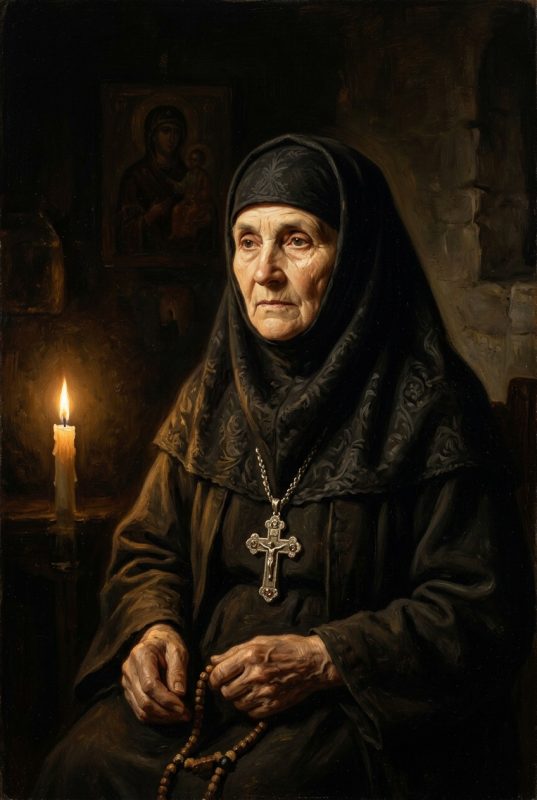
Mother Evghenia
She runs the abbey with an iron hand and a golden pen. The register of donations has pages she shows no one.
1.60 m tall · dark eyes · black hair · right-handed
-

Elisei the Stargazer
He reads the future in the stars and the past in men's debts. The second method fails less often.
1.67 m tall · blue eyes · greying hair · right-handed
Locations
-
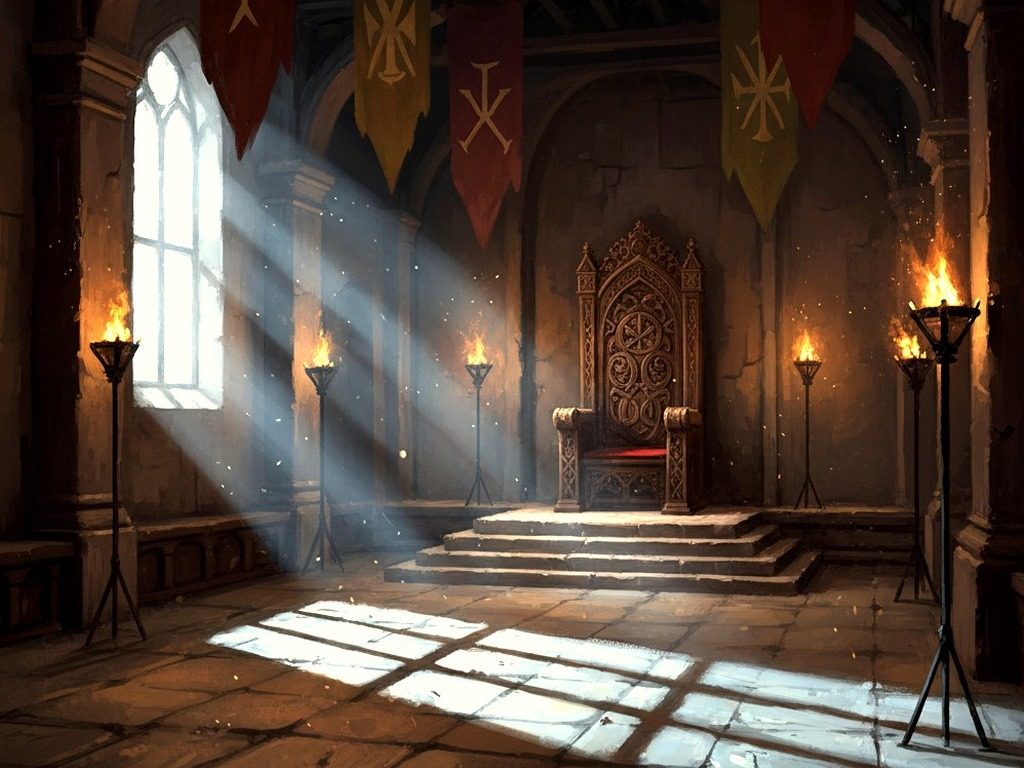
The throne room
Gold, purple, and the most closely watched place in the kingdom. In theory.
-
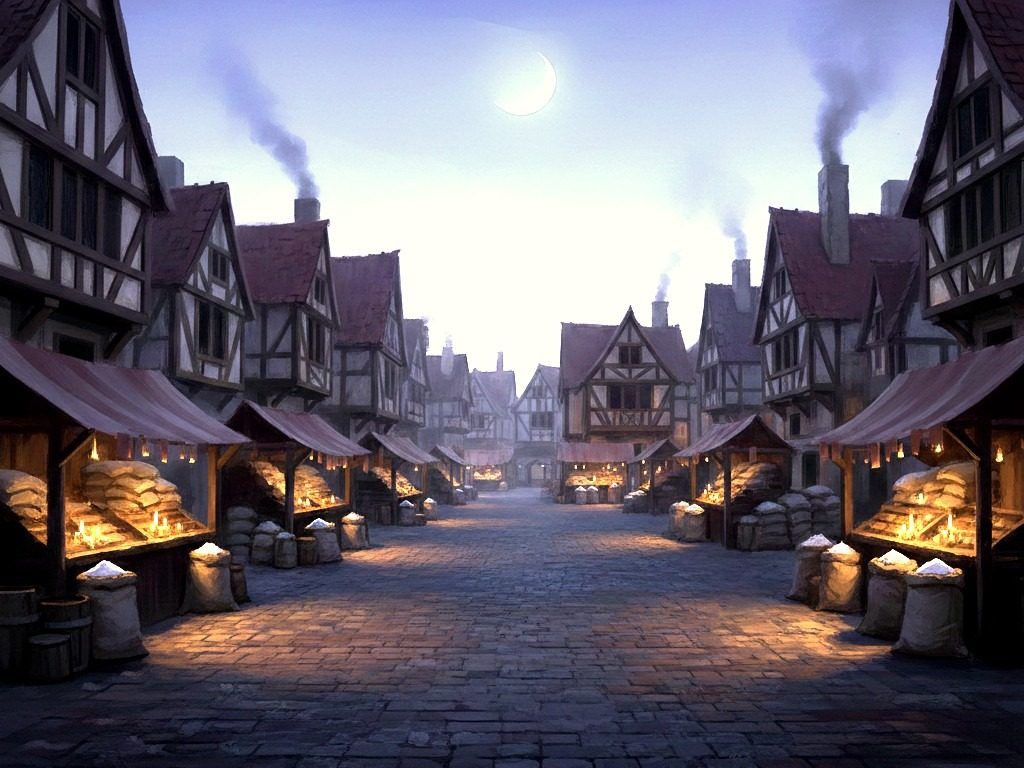
The salt market
Here anything is bargained for, from salt to silences. The price of silence keeps rising.
-

The Golden Boar inn
Wine watered down and rumours diluted with nothing. The rooms upstairs ask no questions.
-
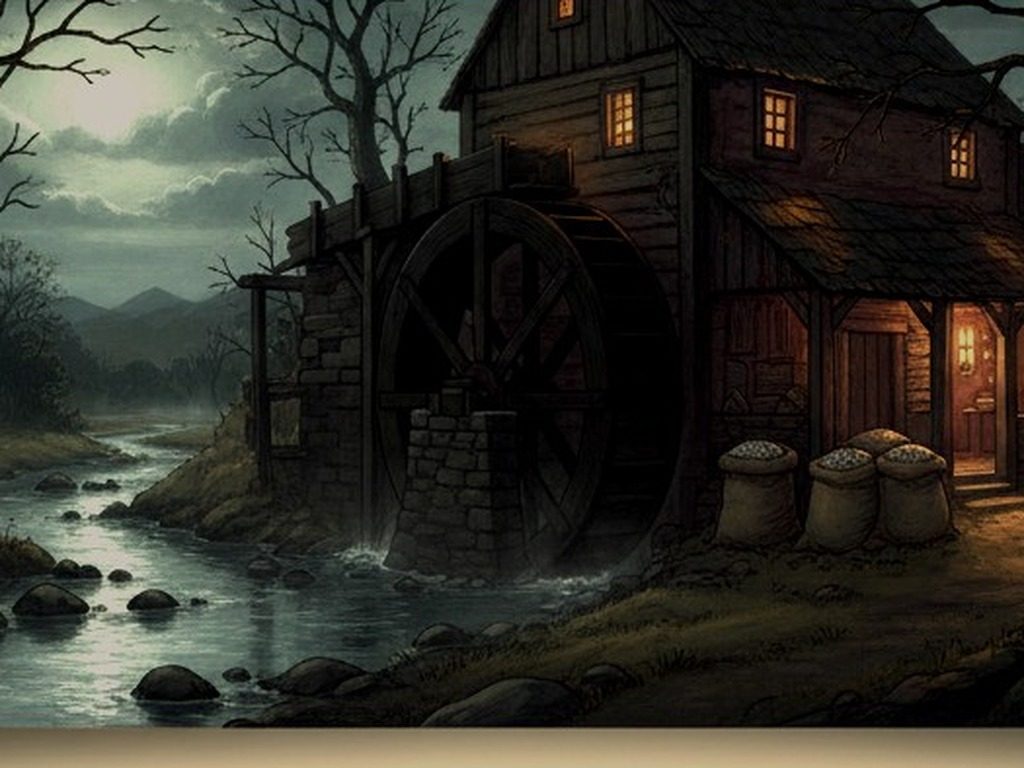
The mill by the river
The wheel turns day and night. Its noise drowns out any conversation - which is why some are held here.
-

The scriptorium
Slanted desks, ink, and working silence. Here a quill creaks louder than a conscience.
Objects
-
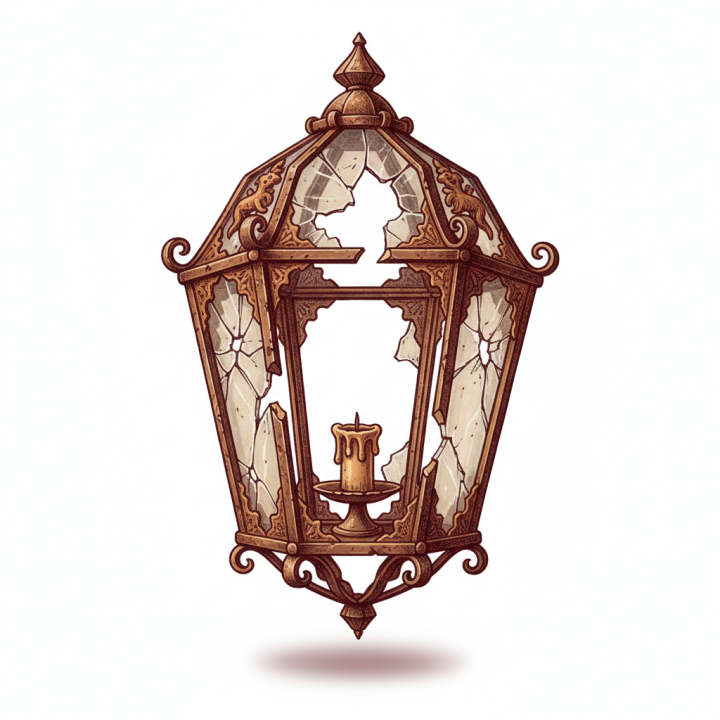
The broken lantern
The glass cracked, the wick burned to the end. Someone needed a lot of light, fast.
-
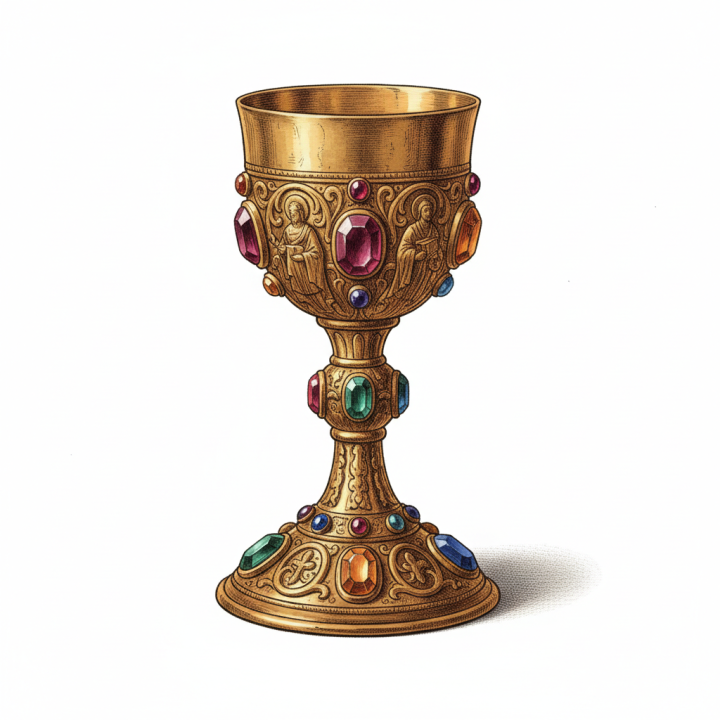
The bishop's chalice
Gold set with blue stones. Blessed three times, stolen twice.
-
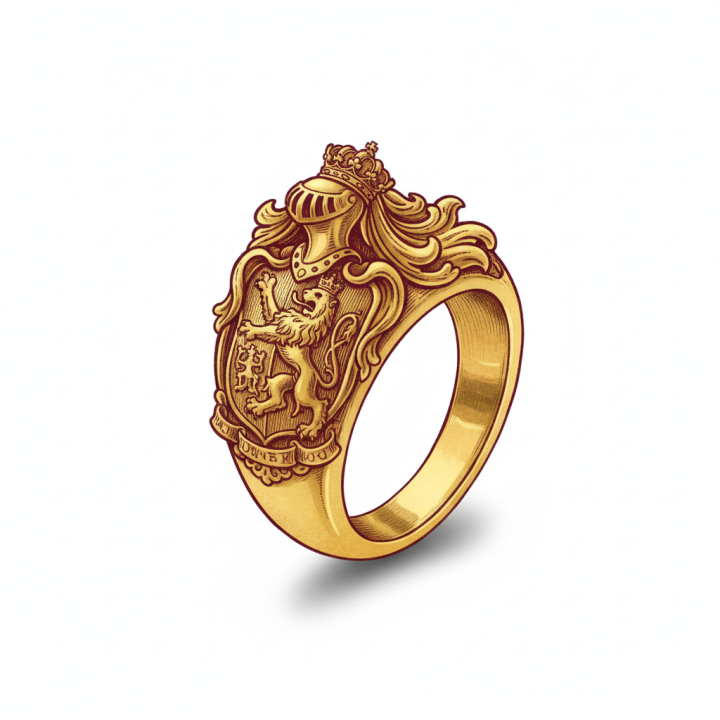
The signet ring
The crest has been filed away almost completely. Almost.
-

The abbess's bell
It calls the nuns to prayer. On the night in question, they all say, it rang once too many.
-
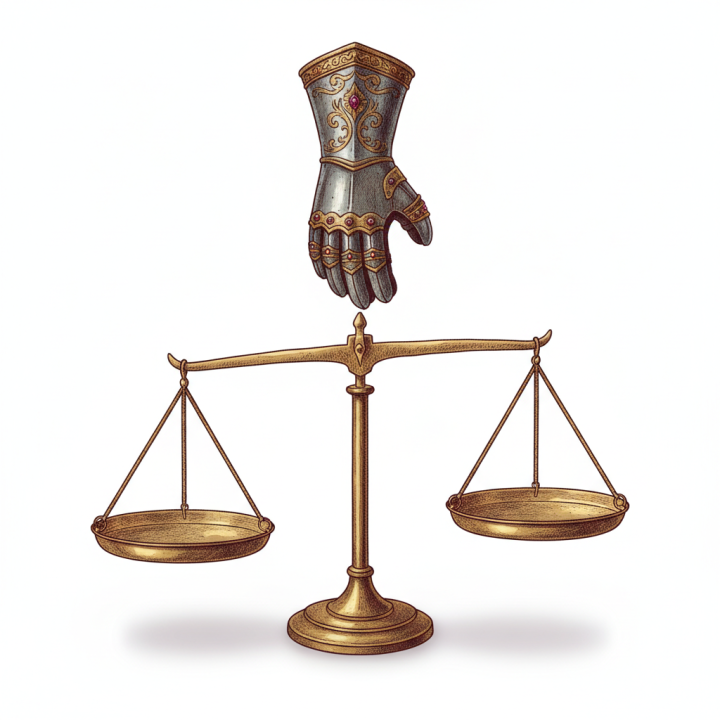
The customs scales
Copper pans, sealed weights. One of the weights rings hollow.
Motives
-

Greed
Dorința nesățioasă de avere, care nu se oprește la nimic.
-
The inheritance
O avere așteptată, pe care numai o moarte o desparte de mână.
-
Fear of exposure
Groaza de a fi dat în vileag, care împinge la orice.
-

Jealousy
Otrava care mistuie pe cel ce râvnește ce nu-i al lui.
-

A debt of honour
O făgăduială care cântărește mai greu decât viața.
Moments
-

At dawn
When the citadel is barely waking and the guards still doze.
-

After matins
The hour after the morning service, when the abbey empties.
-

At noon
Midday, with bustle in the markets and silence in the alcoves.
-

At dusk
When the shadows lengthen and the lanterns are not yet lit.
-

At vespers
At the evening service, when the bells drown out any footstep.
The findings and the testimonies
This much the investigation had at its disposal, not a line more. The set is minimal by construction — remove any of the rows below and the dossier becomes unsolvable again.
- An honest-faced witness saw it plainly: the throne room and the abbess's bell go together.
- One thing is certain: the hour "at noon" and a debt of honour do not share the same match for suspects.
- An honest-faced witness saw it plainly: the abbess's bell matches that hour: at noon.
- The chronicler notes drily: the mill by the river and the bishop's chalice go together, whatever the court may say.
- The gate guard swears: Elisei the Stargazer was driven by fear of exposure.
- Even the jester says it in earnest: the abbess's bell and fear of exposure do not go together.
- Two witnesses, upon their crest: the scriptorium and the customs scales do not go together.
- The tracks in the dust do not lie: Luca the Squire handled the customs scales.
- A note in the margin of the ledger: if Castellan Ursu was driven by greed, then Elisei the Stargazer was there at vespers.
- An honest-faced witness saw it plainly: the scriptorium and the inheritance go together.
- The tracks in the dust do not lie: jealousy matches that hour: after matins.
- In the Chancellery's ledger it stands in black and white: Mother Evghenia was at the salt market.
- An unsigned note, slipped under the door: "the culprit was at the throne room".
- An honest-faced witness saw it plainly: the inheritance matches that hour: at dawn.
- Even the jester says it in earnest: the signet ring does not match that hour: at dusk.
- In the Chancellery's ledger it stands in black and white: the shortest suspect handled the broken lantern.
Open the full reasoning — the culprit's name is spoken from here on
The reasoning, step by step
The rule of the house is simple: what is observed enters the grid as it stands; what is declared enters only once it is settled who declared it.
A detail overlooked at the start came back into the file: “An honest-faced witness saw it plainly: the throne room and the abbess's bell go together”. A certain match thus enters the grid, and its row and column empty at once of every other possibility.
A piece of information dearly bought showed its worth: “One thing is certain: the hour "at noon" and a debt of honour do not share the same match for suspects”. One more link was drawn into the chain that would close at the verdict.
It was set down, for whoever reads after us: “An honest-faced witness saw it plainly: the abbess's bell matches that hour: at noon”. A pair was tied, and the knot dragged a whole handful of impossibilities after it.
The Chancellery received then, within hours, all that was still missing: “The chronicler notes drily: the mill by the river and the bishop's chalice go together, whatever the court may say”; “The gate guard swears: Elisei the Stargazer was driven by fear of exposure”; “Even the jester says it in earnest: the abbess's bell and fear of exposure do not go together”; “Two witnesses, upon their crest: the scriptorium and the customs scales do not go together”; “The tracks in the dust do not lie: Luca the Squire handled the customs scales”; “A note in the margin of the ledger: if Castellan Ursu was driven by greed, then Elisei the Stargazer was there at vespers”; “An honest-faced witness saw it plainly: the scriptorium and the inheritance go together”; “The tracks in the dust do not lie: jealousy matches that hour: after matins”; “In the Chancellery's ledger it stands in black and white: Mother Evghenia was at the salt market”; “An unsigned note, slipped under the door: "the culprit was at the throne room"”; “An honest-faced witness saw it plainly: the inheritance matches that hour: at dawn”. Taken one at a time they seemed slight; laid together in the grid, they left one arrangement alone possible.
The Chancellery asked for one more check, and received it: “Even the jester says it in earnest: the signet ring does not match that hour: at dusk”. The possibility fell without appeal, and the circle tightened by one finger.
The gate register had kept a trace of its own: “In the Chancellery's ledger it stands in black and white: the shortest suspect handled the broken lantern”. Once the tick was placed, the investigation had nothing left to argue on that row and moved on.
The verdict
The Chancellery pronounced its verdict without hesitation: the culprit is Castellan Ursu. The row in the grid says it all: Castellan Ursu was at the throne room, handled the abbess's bell, was driven by greed and was there at noon. Tier IV is no empty word: without the method of hypotheses, this grid would not have closed.
The remaining suspects
The Chancellery recorded the others' movements as well, because it was precisely they that closed the grid: Safta the Herbwife was at the scriptorium, handled the broken lantern, was driven by the inheritance and was there at dawn; Luca the Squire was at the Golden Boar inn, handled the customs scales, was driven by a debt of honour and was there at dusk; Mother Evghenia was at the salt market, handled the signet ring, was driven by jealousy and was there after matins; Elisei the Stargazer was at the mill by the river, handled the bishop's chalice, was driven by fear of exposure and was there at vespers. It is these acquittals that made the verdict possible: without them, room for doubt would have remained.
The truth did not surface in a flash of insight but out of a run of small cuts, every one of them checkable.
Play this dossier All mysteries
This chronicle is no free retelling: it rises directly out of the dossier's logic, and every step passed through the solver which proved, before publication, that the solution is unique. behind the scenes at the Chancellery.