
Chronicle of the solution: The Mystery of the Night
Disappearance Tier III
What had been made invisible was found, and whoever hid it answers for it today. Here is the road there.
The dossier as it reached the desk
Something — or someone — has vanished in Realm of the Crown, and no one can say when the thread was cut. Someone knows more than they say; the silences at court have suddenly grown very loud. Suspicion has fallen on Luca the Squire, Filip the Steward, Princess Smaranda, Petru the Herald and Ilinca the Baker — and until the proof is plain, none of these names leaves the room. The testimonies cling to certain hours: "at dawn", "after matins", "at noon", "at dusk" and "at vespers". A sharp eye is not enough here — it takes an archivist's patience: fit everything together, then pronounce your verdict.
The names entered in the file were Luca the Squire, Filip the Steward, Princess Smaranda, Petru the Herald and Ilinca the Baker. The investigation regarded them all with the same coldness, as is proper.
The suspects
-

Luca the Squire
He polishes the knight's armour and dreams of a sword of his own. For a coat of arms he would do almost anything.
1.72 m tall · green eyes · brown hair · right-handed
-
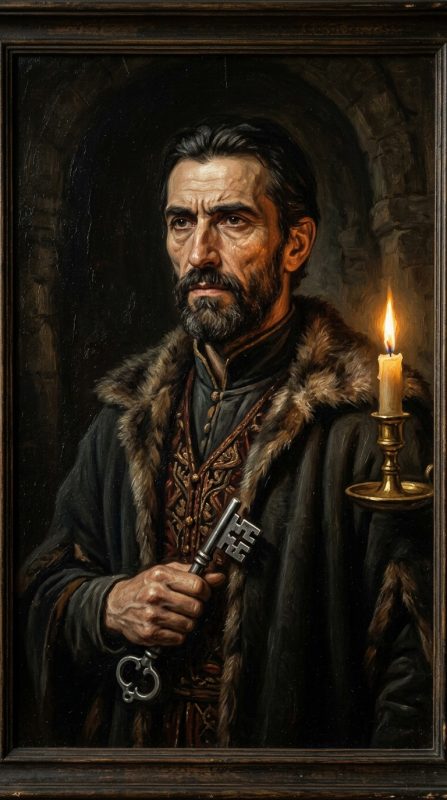
Filip the Steward
He counts the crown's silver every evening. On some evenings the count comes out different - and he says nothing.
1.79 m tall · grey eyes · chestnut hair · right-handed
-

Princess Smaranda
She has refused seven suitors and kept the gifts of all. She calls it practicality, not greed.
1.66 m tall · green eyes · chestnut hair · right-handed
-
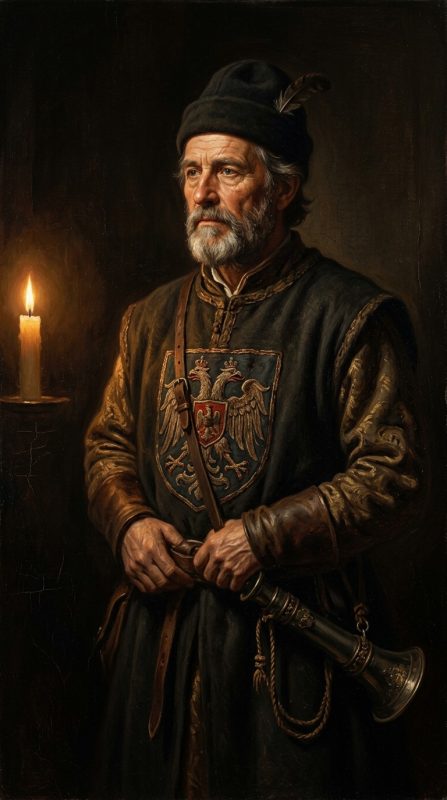
Petru the Herald
He proclaims the crown's will to every corner of the kingdom. Sometimes he proclaims it before the crown itself knows.
1.82 m tall · blue eyes · blond hair · right-handed
-
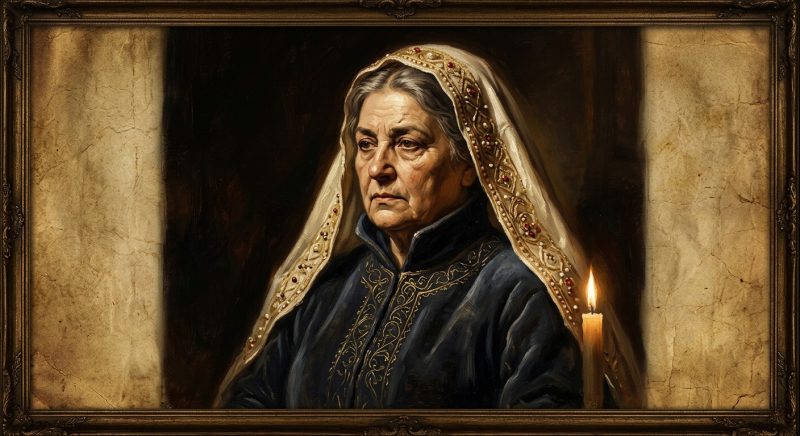
Ilinca the Baker
She weighs flour to the gram and people at a glance. No one stays in her debt twice.
1.62 m tall · brown eyes · chestnut hair · right-handed
Locations
-
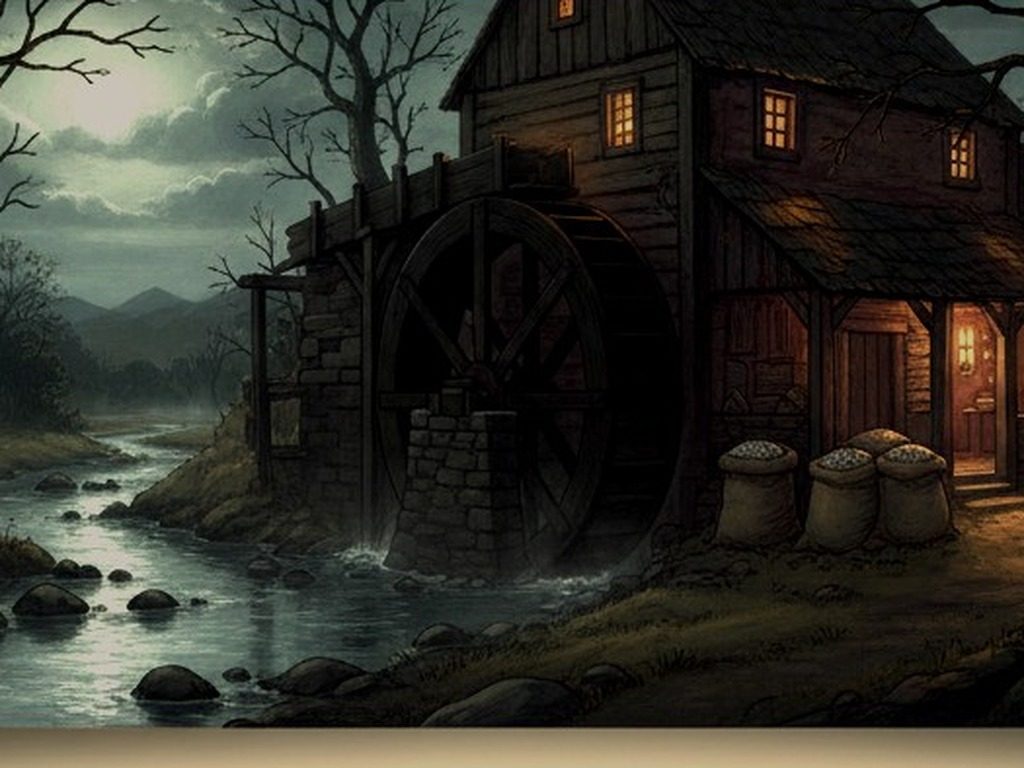
The mill by the river
The wheel turns day and night. Its noise drowns out any conversation - which is why some are held here.
-
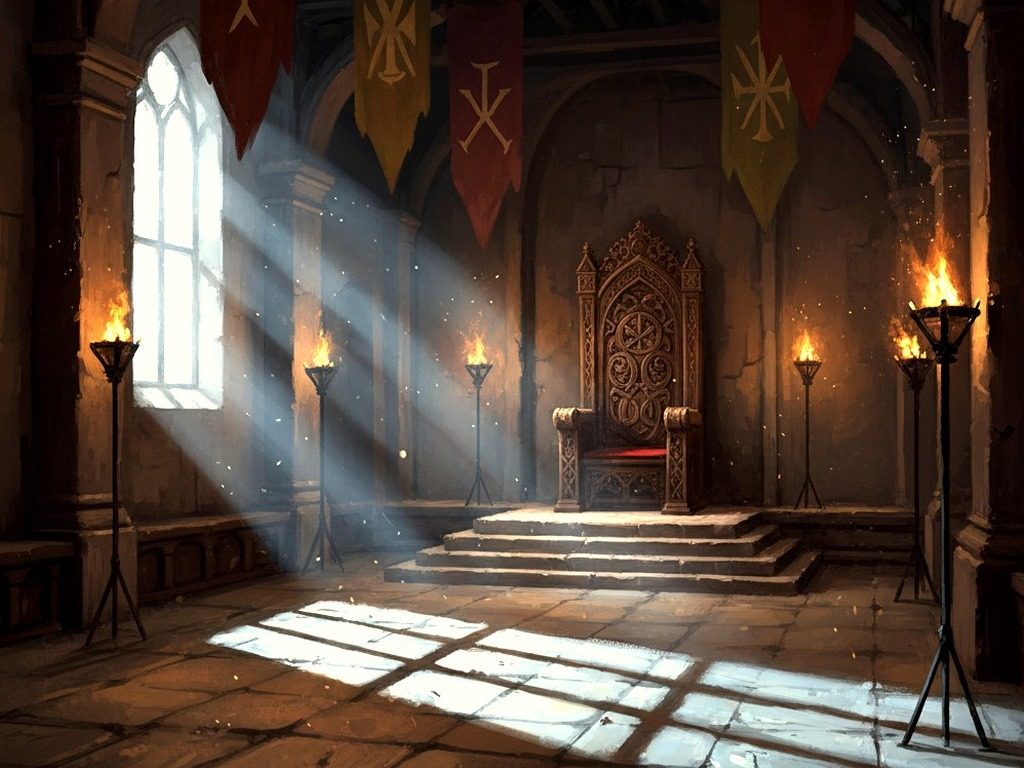
The throne room
Gold, purple, and the most closely watched place in the kingdom. In theory.
-

The cathedral crypt
The old kings sleep beneath crested slabs. Now and then, someone disturbs their rest.
-
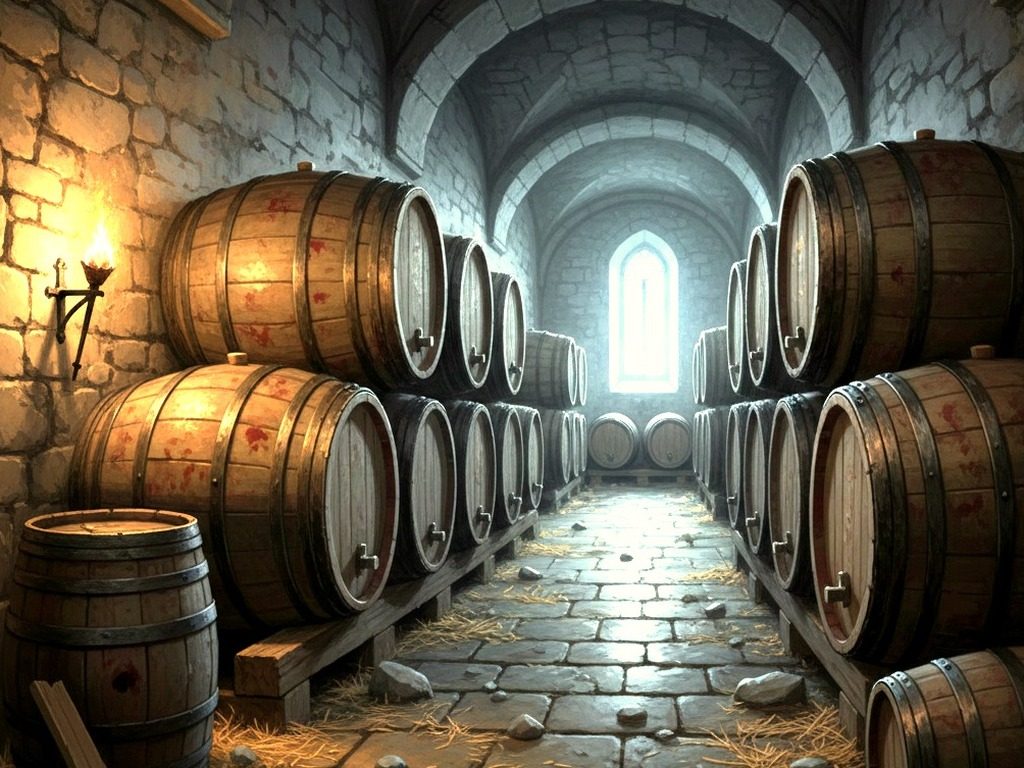
The castle cellar
Barrels as big as carts and corners the lantern never reaches.
-

The merchant's house
Carpets brought from overseas and a desk with more secret drawers than drawers.
Objects
-
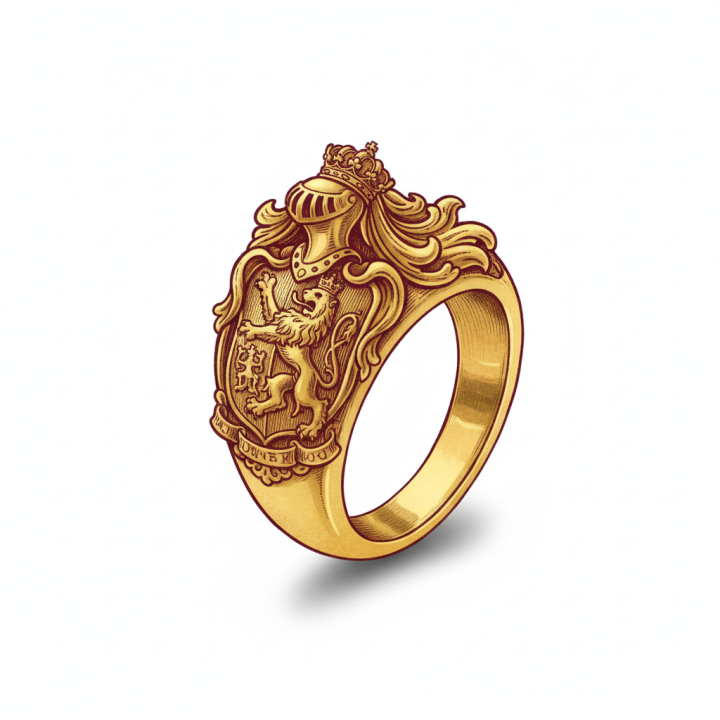
The signet ring
The crest has been filed away almost completely. Almost.
-

The ruby dagger
A short blade, its hilt set with a stone red as a frozen drop. It was sharpened recently.
-

The locked chest
Three padlocks, two rows of straps. Fresh scratches around the hinges, not the locks.
-
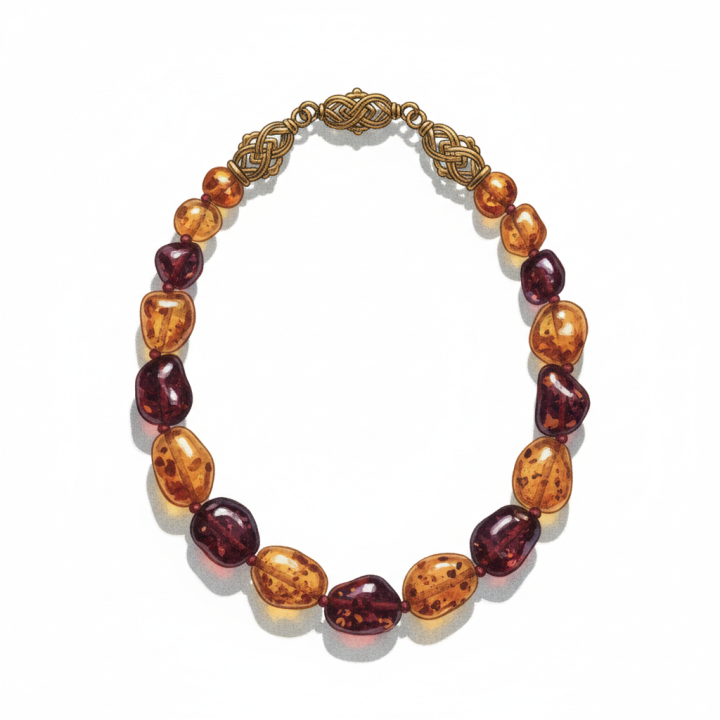
The amber necklace
Beads of golden resin strung on a silk thread. The thread is broken and hastily reknotted.
-
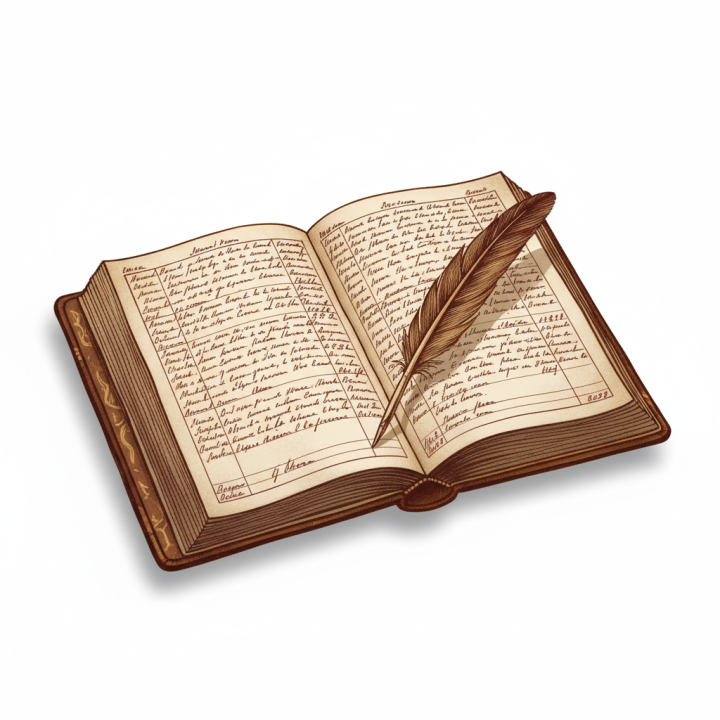
The ledger of accounts
Neat columns of figures, with one page torn out exactly at mid-month.
Motives
-

The inheritance
O avere așteptată, pe care numai o moarte o desparte de mână.
-

Greed
Dorința nesățioasă de avere, care nu se oprește la nimic.
-
Jealousy
Otrava care mistuie pe cel ce râvnește ce nu-i al lui.
-
A debt of honour
O făgăduială care cântărește mai greu decât viața.
-

Blackmail
Un secret ținut ca funia la gât, strâns exact cât trebuie.
Moments
-

At dawn
When the citadel is barely waking and the guards still doze.
-

After matins
The hour after the morning service, when the abbey empties.
-

At noon
Midday, with bustle in the markets and silence in the alcoves.
-

At dusk
When the shadows lengthen and the lanterns are not yet lit.
-

At vespers
At the evening service, when the bells drown out any footstep.
The testimonies on file
Here is the whole file, as the investigator received it. Not one row is spare — it was checked by removing each in turn and watching the unique solution disappear.
- Filip the Steward declares under oath: "I was there at dawn".
- In the Chancellery's ledger it stands in black and white: Ilinca the Baker was at the mill by the river.
- Even the jester says it in earnest: the mill by the river and the inheritance do not go together.
- In the Chancellery's ledger it stands in black and white: the throne room and the ledger of accounts go together.
- The Chancellery checked twice: Filip the Steward never touched the ruby dagger.
- The healer says it with a raised finger: if the suspect with grey eyes handled the amber necklace, then Princess Smaranda was driven by jealousy.
- In the gate ledger, Filip the Steward stands higher, Luca the Squire lower.
- Whatever the market gossips: Luca the Squire never touched the ruby dagger.
- The tracks in the dust do not lie: greed matches that hour: at dawn.
- The night watch saw Luca the Squire first, and only then Ilinca the Baker.
- The traces left at the scene show it plainly: the culprit handled the signet ring.
- An honest-faced witness saw it plainly: the ledger of accounts and a debt of honour go together.
- An honest-faced witness saw it plainly: the ledger of accounts matches that hour: at vespers.
- The gate guard swears: the cathedral crypt matches that hour: at noon.
- The gate guard swears: the castle cellar and the locked chest go together.
- The Chancellery checked twice: the ruby dagger does not match that hour: at dusk.
- The hounds caught no scent at all: the locked chest and greed do not go together.
Reveal the Chancellery's reasoning — open only if you have already tried the dossier
The road to the verdict
No suspicion weighed here. Only the grid weighed: every certain match sweeps a whole row and a whole column, and at the end one arrangement alone remains possible.
A report from the watch brought clarity: “Filip the Steward declares under oath: "I was there at dawn"”. The testimony was set aside on the scales: if the speaker is innocent it is true; if not, it is precisely the reverse.
The next line was the one that changed the reckoning: “In the Chancellery's ledger it stands in black and white: Ilinca the Baker was at the mill by the river”. A certain match thus enters the grid, and its row and column empty at once of every other possibility.
There followed a detail that narrowed the circle: “Even the jester says it in earnest: the mill by the river and the inheritance do not go together”. The possibility fell without appeal, and the circle tightened by one finger.
Then came, one after another, the findings that drew the noose tight: “In the Chancellery's ledger it stands in black and white: the throne room and the ledger of accounts go together”; “The Chancellery checked twice: Filip the Steward never touched the ruby dagger”; “The healer says it with a raised finger: if the suspect with grey eyes handled the amber necklace, then Princess Smaranda was driven by jealousy”; “In the gate ledger, Filip the Steward stands higher, Luca the Squire lower”; “Whatever the market gossips: Luca the Squire never touched the ruby dagger”; “The tracks in the dust do not lie: greed matches that hour: at dawn”; “The night watch saw Luca the Squire first, and only then Ilinca the Baker”; “The traces left at the scene show it plainly: the culprit handled the signet ring”; “An honest-faced witness saw it plainly: the ledger of accounts and a debt of honour go together”; “An honest-faced witness saw it plainly: the ledger of accounts matches that hour: at vespers”; “The gate guard swears: the cathedral crypt matches that hour: at noon”; “The gate guard swears: the castle cellar and the locked chest go together”. Each cut a strip out of the grid, and at the end of them the space remaining was the size of a name.
The archivist underlined the following line with his nail: “The Chancellery checked twice: the ruby dagger does not match that hour: at dusk”. One possibility fewer means, in the grid, one step nearer the only answer left.
The examination of the place yielded this as well: “The hounds caught no scent at all: the locked chest and greed do not go together”. One more door closed. Investigations are not won on suspicions but on doors closed one at a time.
The lie
Not a single lie was heard in this dossier. The single testimony on file withstood checking. Since a lie is, under the Supreme Law, the culprit's signature, its absence among those who spoke cleared them one by one, leaving the guilt with the one who chose to stay silent.
The culprit's name
At the end of the grid one name alone remained: Ilinca the Baker. At the hour in question, Ilinca the Baker was at the mill by the river, handled the signet ring, was driven by blackmail and was there at dusk. The dossier called for hypotheses driven to contradiction, not direct elimination alone — which is why it was rated at tier III.
What became of the others
And here is what had become of the others, in that same hour: Luca the Squire was at the castle cellar, handled the locked chest, was driven by the inheritance and was there after matins; Filip the Steward was at the merchant's house, handled the amber necklace, was driven by greed and was there at dawn; Princess Smaranda was at the cathedral crypt, handled the ruby dagger, was driven by jealousy and was there at noon; Petru the Herald was at the throne room, handled the ledger of accounts, was driven by a debt of honour and was there at vespers. Not one of the rows above is spare — remove it and the grid opens again.
Whoever reads this chronicle years from now will find in it less a deed than a method.
Play this dossier All mysteries
The chronicle is written from the logic of the file, not from memory. The uniqueness of the solution was demonstrated by the solver before the dossier ever became public. behind the scenes at the Chancellery.