
Chronicle of the solution: The Citadel Intrigue
Poisoning Tier II
The poisoning file is closed. What remains is the part worth learning: how one got from an upturned cup to a name.
The deed, as it was recorded
Something more bitter than gall found its way to the court's table today: poison. Between remedy and venom runs a thin line, and someone at court crossed it knowingly. On the Chancellery's list stand Castellan Ursu, Brother Anselm, Nichifor the Spy and Abbot Corvus; one of these names covers a lie. The places named in the testimonies — the north wall, the customs cellar, the merchant's house and the abbey library — each await their turn under scrutiny. Take up the quill, follow the thread of the clues, and set your seal upon the verdict.
The names entered in the file were Castellan Ursu, Brother Anselm, Nichifor the Spy and Abbot Corvus. The investigation regarded them all with the same coldness, as is proper.
The suspects
-
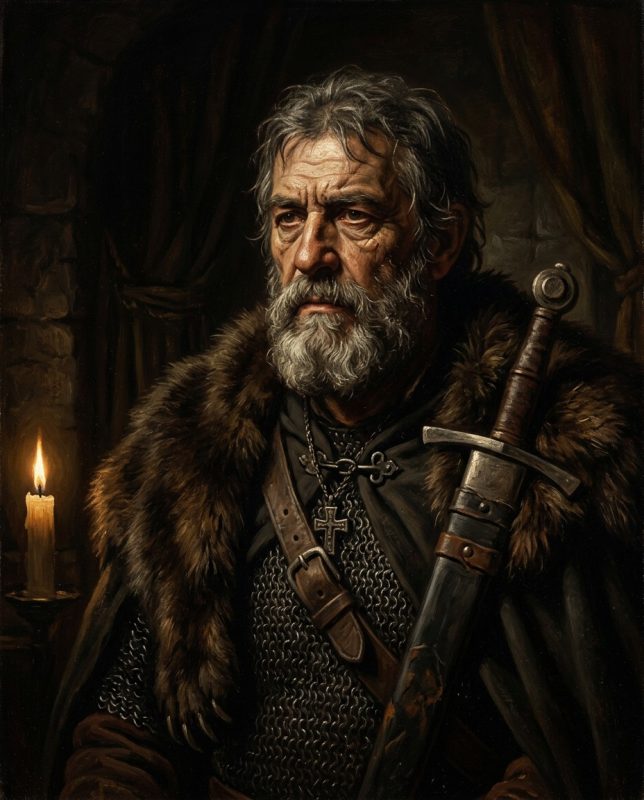
Castellan Ursu
He keeps the fortress dungeon and the tally of those who leave other than they entered.
1.90 m tall · dark eyes · black hair · right-handed
-

Brother Anselm
He has copied manuscripts for forty years. He knows what every one of them says - including the forbidden ones.
1.75 m tall · brown eyes · greying hair · right-handed
-
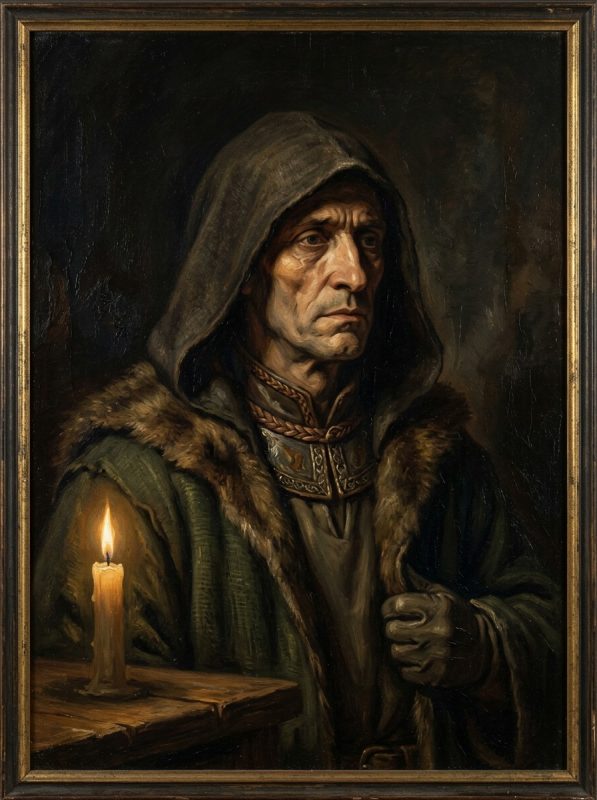
Nichifor the Spy
Officially, he does not exist. Unofficially, he was seen in three places at once - which is, of course, impossible.
1.74 m tall · dark eyes · brown hair · left-handed
-

Abbot Corvus
He raises ravens in the abbey tower. His birds arrive faster than any messenger - and cannot be held to account.
1.78 m tall · dark eyes · no hair · right-handed
Locations
-

The north wall
The stretch of wall the patrol skirts when the wind blows. Everyone knows that.
-
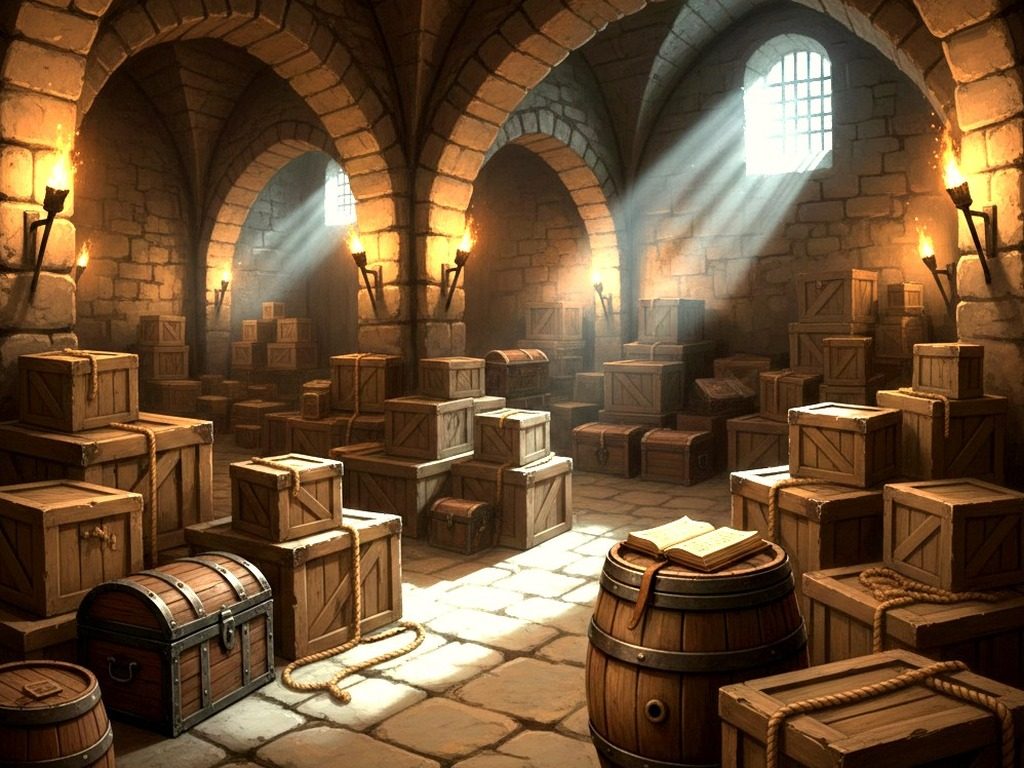
The customs cellar
Sealed crates, thick ledgers, and air that smells of undeclared goods.
-

The merchant's house
Carpets brought from overseas and a desk with more secret drawers than drawers.
-
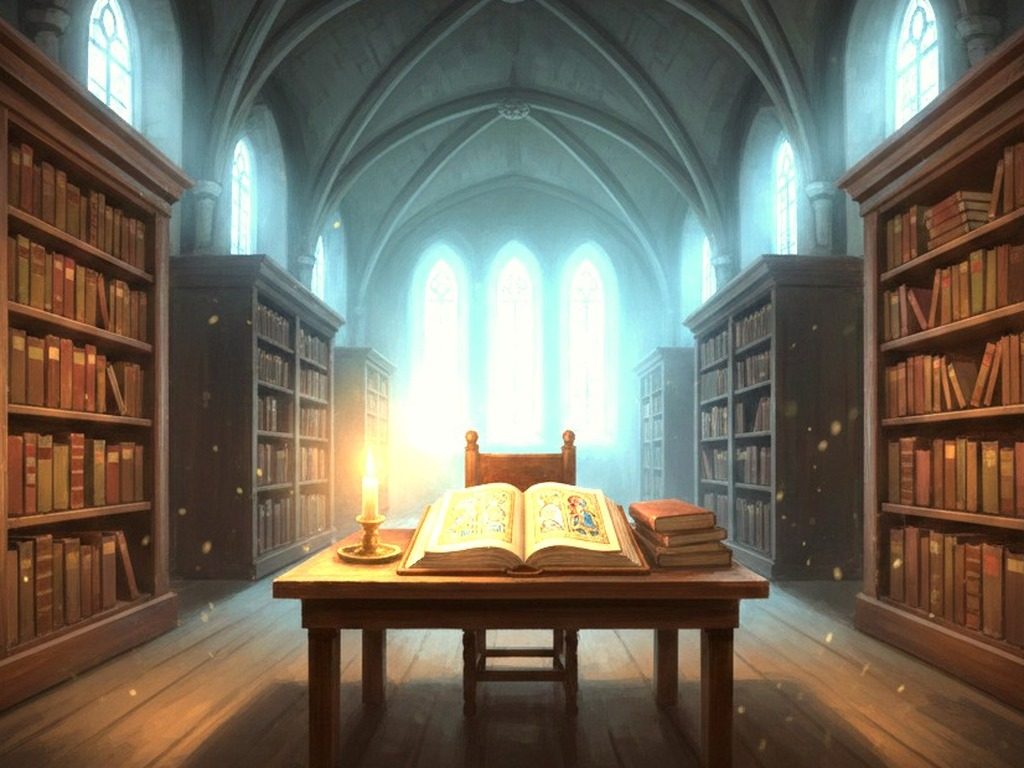
The abbey library
Thousands of leather-bound tomes. Some of the chains on the shelves were cut recently.
Objects
-
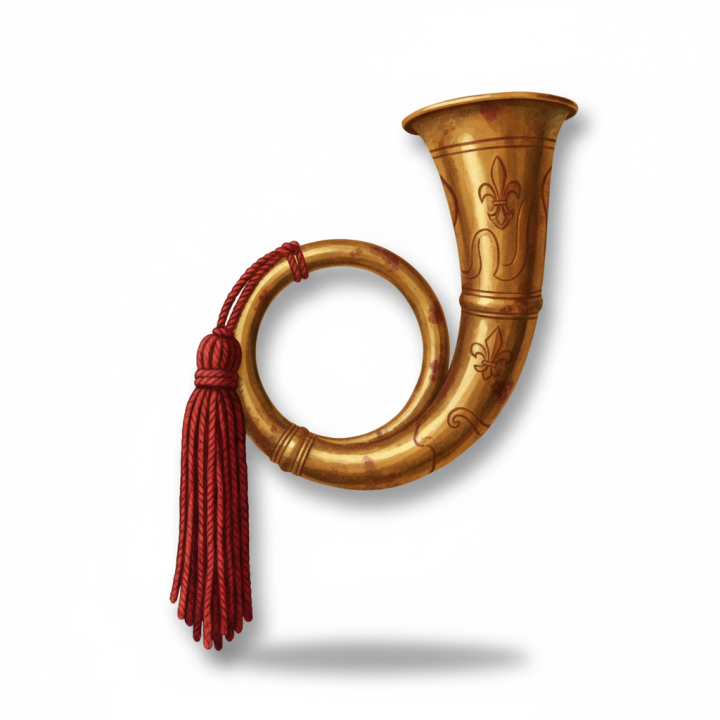
The herald's horn
It sounds the muster, the alarm, or the retreat. Whoever holds it can start a whole panic with a single breath.
-

The ceremonial crown
The "wearable" copy of the true crown. At least, that was the idea.
-
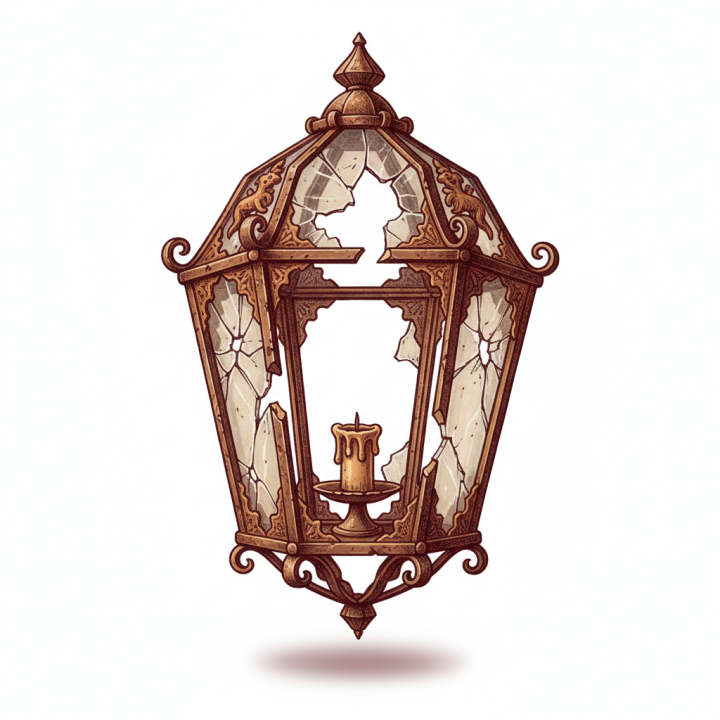
The broken lantern
The glass cracked, the wick burned to the end. Someone needed a lot of light, fast.
-
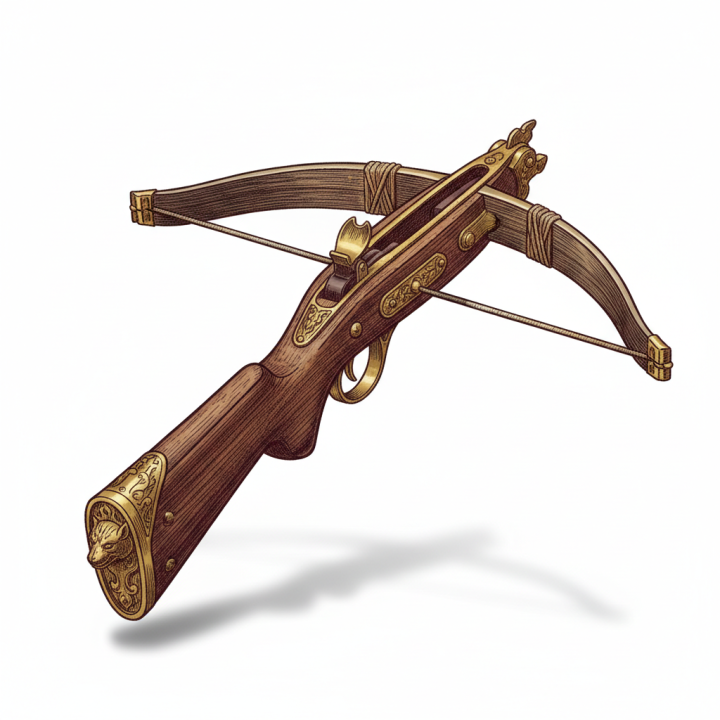
The hunting crossbow
Light, accurate, with a walnut stock. Exactly one bolt is missing from the quiver.
Moments
-

At dawn
When the citadel is barely waking and the guards still doze.
-

After matins
The hour after the morning service, when the abbey empties.
-

At noon
Midday, with bustle in the markets and silence in the alcoves.
-

At dusk
When the shadows lengthen and the lanterns are not yet lit.
The findings and the testimonies
This much the investigation had at its disposal, not a line more. The set is minimal by construction — remove any of the rows below and the dossier becomes unsolvable again.
- The tracks in the dust do not lie: the abbey library matches that hour: at noon.
- Even the jester says it in earnest: the bald suspect never set foot in the place with thousands of leather-bound tomes.
- Two witnesses, upon their crest: the north wall does not match that hour: at dusk.
- The traces left at the scene show it plainly: the culprit handled the hunting crossbow.
- The tracks in the dust do not lie: the suspect with greying hair was there at dawn.
- The gate guard swears: the hunting crossbow matches that hour: after matins.
- The chronicler notes drily: the merchant's house and the herald's horn go together, whatever the court may say.
- A maid whispered it at confession: the broken lantern matches that hour: at noon.
- The tracks in the dust do not lie: Castellan Ursu handled the ceremonial crown.
Open the full reasoning — the culprit's name is spoken from here on
How the circle closed
The road is always the same: findings first, because they do not lie; testimonies after, because one of them always does.
The Chancellery began with what could be verified: “The tracks in the dust do not lie: the abbey library matches that hour: at noon”. The cell filled, and around it a space opened: that is what a certain match does to a grid.
This page was stitched into the file too: “Even the jester says it in earnest: the bald suspect never set foot in the place with thousands of leather-bound tomes”. The cut named nobody, but it shortened the list of those who could still be named.
The examination of the place yielded this as well: “Two witnesses, upon their crest: the north wall does not match that hour: at dusk”. A cross in the grid seems little, but every cross brings the row nearer the moment when one cell alone is left free.
The archivist copied on, without comment, everything that could be proved: “The traces left at the scene show it plainly: the culprit handled the hunting crossbow”; “The tracks in the dust do not lie: the suspect with greying hair was there at dawn”; “The gate guard swears: the hunting crossbow matches that hour: after matins”; “The chronicler notes drily: the merchant's house and the herald's horn go together, whatever the court may say”. At the end of them the grid looked like an almost-erased page: one cell alone still had anything to say.
The gate register had kept a trace of its own: “A maid whispered it at confession: the broken lantern matches that hour: at noon”. A pair was tied, and the knot dragged a whole handful of impossibilities after it.
The clerk read the next line aloud: “The tracks in the dust do not lie: Castellan Ursu handled the ceremonial crown”. A certain match thus enters the grid, and its row and column empty at once of every other possibility.
The seal on the file
The name the grid could no longer force out of the circle is Abbot Corvus. The arrangement in the grid is this: Abbot Corvus was at the north wall, handled the hunting crossbow and was there after matins. All of this follows from the findings above, without a single unproved hypothesis.
Those taken out of the circle
And here is what had become of the others, in that same hour: Castellan Ursu was at the customs cellar, handled the ceremonial crown and was there at dusk; Brother Anselm was at the merchant's house, handled the herald's horn and was there at dawn; Nichifor the Spy was at the abbey library, handled the broken lantern and was there at noon. Every one of these rows was necessary: take out a single one and the verdict can no longer be demonstrated.
It was not cleverness that unravelled the thread, but order. Order can be learned, and that is exactly why the chronicle is written.
Play this dossier All mysteries
Nothing in this chronicle is invented: the text rises out of the dossier's logic, and the dossier passed through the solver before publication, so that its solution is provably unique. behind the scenes at the Chancellery.