
Chronicle of the solution: The Abbey Plot
Espionage Tier II
Whoever carried the secrets out no longer walks free. Here, though, is how they were given away, step by step.
What the file said when it was opened
A spy has crept in among the people of the court, and the realm's secrets have begun flowing toward foreign ears. The spy knows the corridors better than the guards do — an ill sign: it is one of the household. Suspicion has fallen on Teofil the Chronicler, Chancellor Veniamin, Safta the Herbwife and Nichifor the Spy — and until the proof is plain, none of these names leaves the room. The testimonies cling to certain hours: "at dawn", "after matins", "at noon" and "at dusk". Open the grid, weigh every clue, and pronounce your verdict: the Chancellery awaits only your signature.
The dossier opened with Teofil the Chronicler, Chancellor Veniamin, Safta the Herbwife and Nichifor the Spy — a short list, as the Chancellery likes them, because short means it can be finished.
The suspects
-
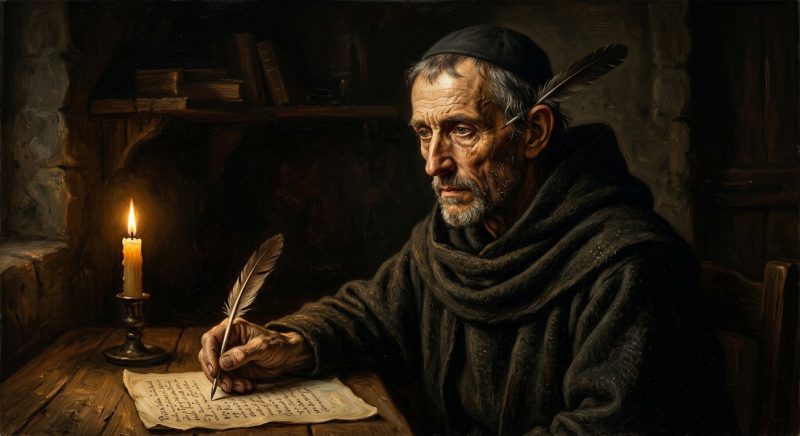
Teofil the Chronicler
He writes the kingdom's history as he is ordered. The unwelcome drafts, however, he keeps every one.
1.69 m tall · brown eyes · greying hair · left-handed
-
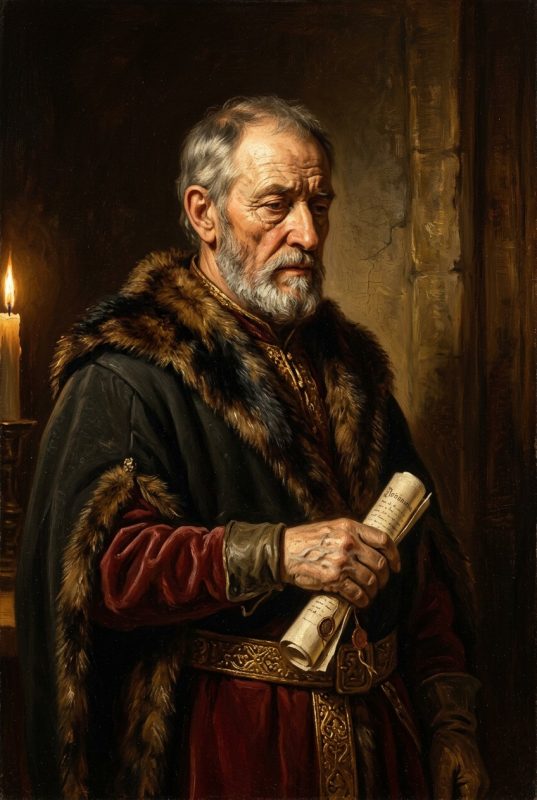
Chancellor Veniamin
Every charter of the kingdom passes through his hands. A comma he once moved started a war.
1.64 m tall · grey eyes · no hair · left-handed
-

Safta the Herbwife
She gathers herbs at hours when honest folk sleep. The herbs, she says, speak then.
1.58 m tall · green eyes · greying hair · right-handed
-
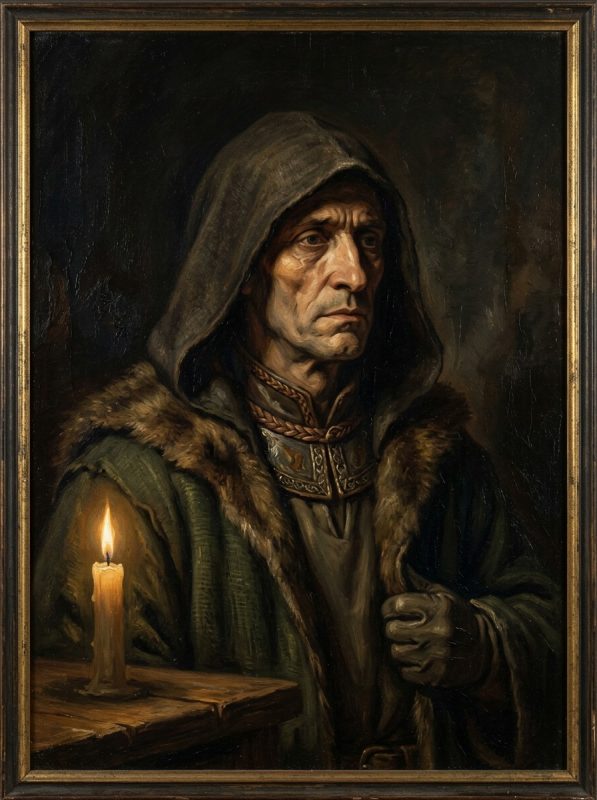
Nichifor the Spy
Officially, he does not exist. Unofficially, he was seen in three places at once - which is, of course, impossible.
1.74 m tall · dark eyes · brown hair · left-handed
Locations
-
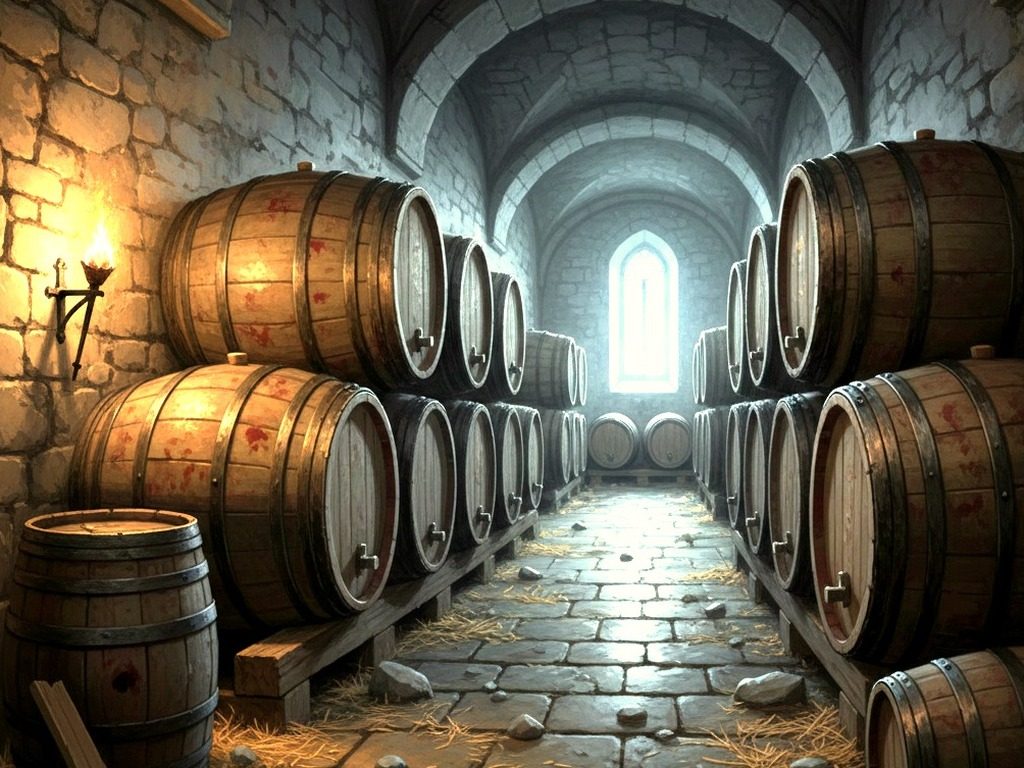
The castle cellar
Barrels as big as carts and corners the lantern never reaches.
-
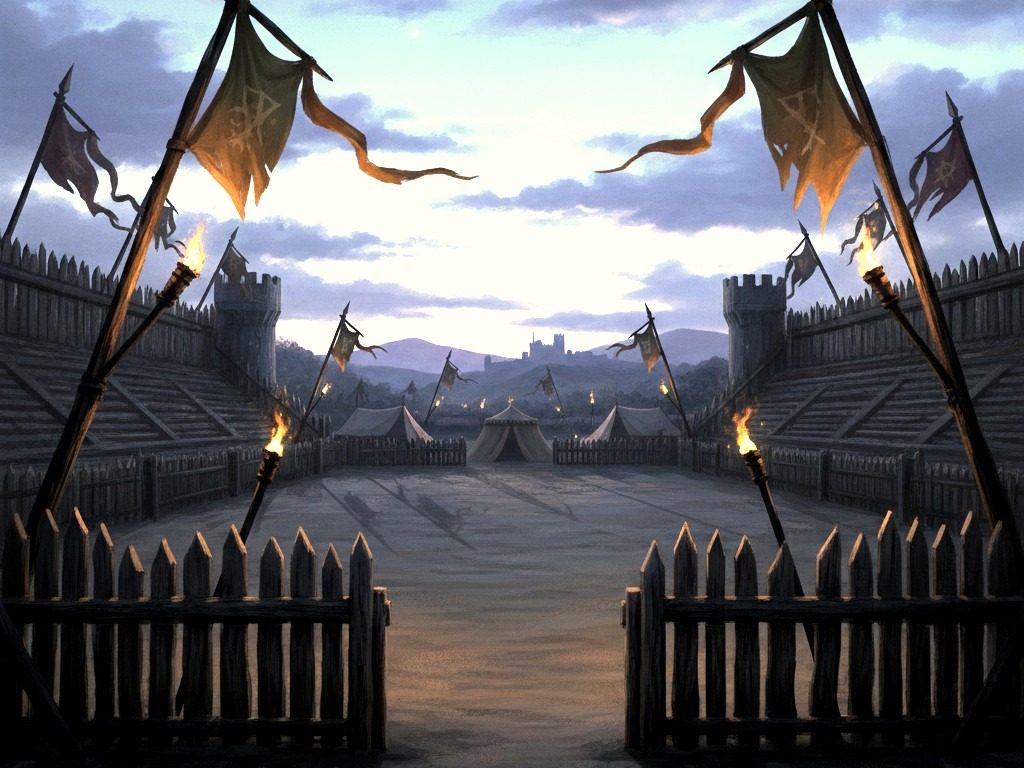
The tourney field
Empty stands outside festival days. An excellent place for meetings that never happened.
-
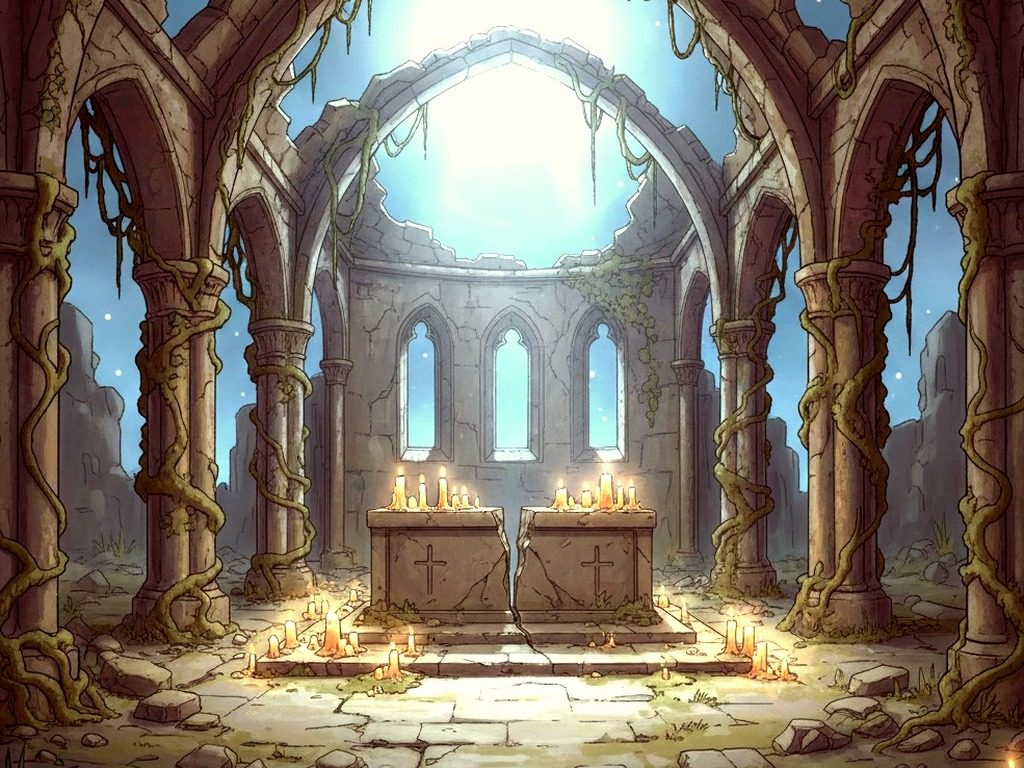
The old chapel
Candles, incense, and a silence in which every footstep echoes like a confession.
-

The scriptorium
Slanted desks, ink, and working silence. Here a quill creaks louder than a conscience.
Objects
-

The ceremonial crown
The "wearable" copy of the true crown. At least, that was the idea.
-
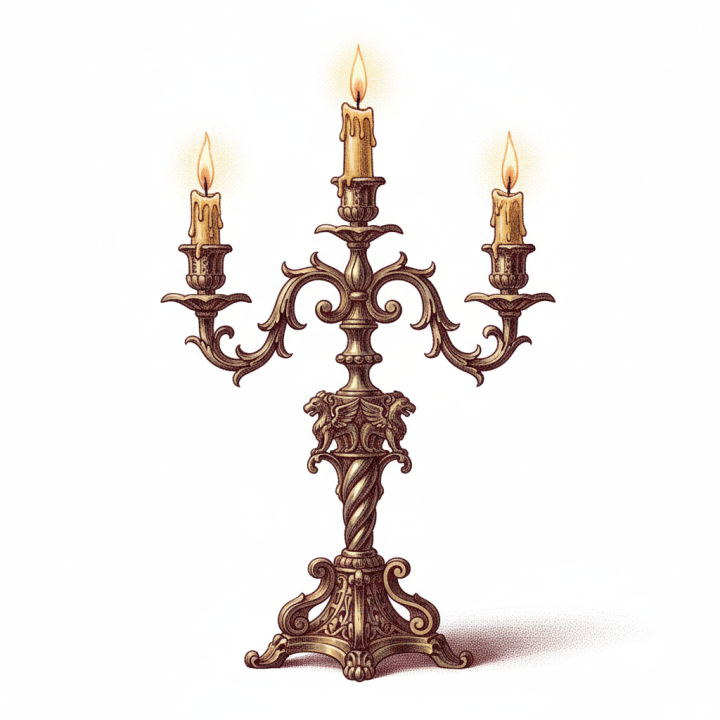
The silver candelabrum
Heavy as a small anvil. It can light a room or end a conversation.
-
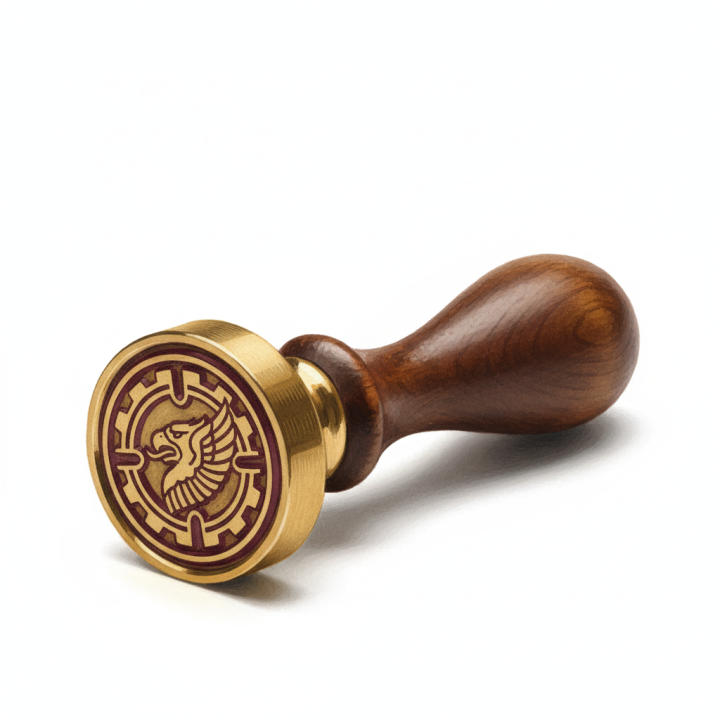
The guild seal
The stamp that turns any goods into goods "of certified quality." Worth a mine of gold.
-

The rusted sword
An old weapon, forgotten on the rack. The rust on the blade is newer than it looks.
Moments
-

At dawn
When the citadel is barely waking and the guards still doze.
-

After matins
The hour after the morning service, when the abbey empties.
-

At noon
Midday, with bustle in the markets and silence in the alcoves.
-

At dusk
When the shadows lengthen and the lanterns are not yet lit.
The testimonies on file
This much was worked with, no more and no less. Minimality is not a figure of speech: each row was taken out in turn, at trial, and without it the solution ceased to be unique.
- An honest-faced witness saw it plainly: the silver candelabrum matches that hour: at dusk.
- In the Chancellery's ledger it stands in black and white: the suspect with dark eyes handled the rusted sword.
- The bell-ringer remembers well: the shortest suspect came earlier than Chancellor Veniamin.
- The hounds caught no scent at all: the ceremonial crown does not match that hour: after matins.
- Two witnesses, upon their crest: the suspect with brown eyes never touched the ceremonial crown.
- Even the jester says it in earnest: Nichifor the Spy never set foot in the place where the lantern never reaches.
- The chronicler notes drily: the rusted sword matches that hour: at dawn, whatever the court may say.
- About the culprit, the Chancellery knows one thing for certain: the culprit handled the ceremonial crown.
- The gate guard swears: the tourney field and the silver candelabrum go together.
- The tracks in the dust do not lie: the suspect with brown eyes was in the place where a quill creaks louder than a conscience.
See how the verdict was reached — warning, the culprit is named beyond this point
The reasoning, step by step
The Chancellery's method does not change from one dossier to the next: findings go into the grid as certainties, testimonies are weighed under the Supreme Law, and what survives every cut is the truth, however unwelcome.
A witness of good faith cleared up one more corner: “An honest-faced witness saw it plainly: the silver candelabrum matches that hour: at dusk”. From then on that cell could no longer be disputed, and the dispute moved one row down.
The Chancellery began with what could be verified: “In the Chancellery's ledger it stands in black and white: the suspect with dark eyes handled the rusted sword”. The tick goes down without hesitation, and with it fall all the other cells on that row and that column.
The next line was the one that changed the reckoning: “The bell-ringer remembers well: the shortest suspect came earlier than Chancellor Veniamin”. One more link was drawn into the chain that would close at the verdict.
The Chancellery received then, within hours, all that was still missing: “The hounds caught no scent at all: the ceremonial crown does not match that hour: after matins”; “Two witnesses, upon their crest: the suspect with brown eyes never touched the ceremonial crown”; “Even the jester says it in earnest: Nichifor the Spy never set foot in the place where the lantern never reaches”; “The chronicler notes drily: the rusted sword matches that hour: at dawn, whatever the court may say”; “About the culprit, the Chancellery knows one thing for certain: the culprit handled the ceremonial crown”. Taken one at a time they seemed slight; laid together in the grid, they left one arrangement alone possible.
A piece of information dearly bought showed its worth: “The gate guard swears: the tourney field and the silver candelabrum go together”. The match was nailed down, and the rest of the row was left clean, like a page wiped with a sponge.
This page was stitched into the file too: “The tracks in the dust do not lie: the suspect with brown eyes was in the place where a quill creaks louder than a conscience”. One more certainty means, in a deduction grid, a whole fistful of impossibilities — and so it proved here.
The culprit's name
At the end of the grid one name alone remained: Safta the Herbwife. At the hour in question, Safta the Herbwife was at the castle cellar, handled the ceremonial crown and was there at noon. All of this follows from the findings above, without a single unproved hypothesis.
What became of the others
The grid took them out of the circle one by one, place in the story and all: Teofil the Chronicler was at the scriptorium, handled the guild seal and was there after matins; Chancellor Veniamin was at the tourney field, handled the silver candelabrum and was there at dusk; Nichifor the Spy was at the old chapel, handled the rusted sword and was there at dawn. Every one of these rows was necessary: take out a single one and the verdict can no longer be demonstrated.
It was not cleverness that unravelled the thread, but order. Order can be learned, and that is exactly why the chronicle is written.
Play this dossier All mysteries
The chronicles are written by the Enigmerra Chancellery out of the dossier's own logic: every step above is verified by the solver which proved, at publication, that the dossier has a unique solution. behind the scenes at the Chancellery.