
Chronicle of the solution: The Trap of the Inn
Conspiracy Tier IV
The web was unpicked thread by thread, and the knot at its centre carries a name today. Here is how it was reached.
The opening of the investigation
The whispers began in Realm of the Crown like thin smoke; now the smoke smells of conspiracy. Those caught in it swear they knew nothing; one of them swears falsely. Before you, one by one, will stand Captain Vlaicu, Filip the Steward, Mother Evghenia, Toma the Cellarer and Petru the Herald. Motives abound — greed, jealousy, ambition, revenge and fear of exposure — yet only one moved the guilty hand. Few files have tested so many investigators; untangle the threads, catch the lie, and pronounce your verdict.
A trap at the inn is the oldest stratagem in the realm: gather people where the drink is, wait for tongues to loosen and collect what falls. This dossier, however, shows something else — the trap was not set for words but for a particular meeting that was never to take place.
Five suspects, and each has a good reason to be at the inn: Captain Vlaicu, because that is where people gather; Filip the Steward, because that is where accounts are settled; Mother Evghenia, because that is where alms are asked; Toma the Cellarer, because that is where wine is bought; Petru the Herald, because that is where news travels fastest. Five natural alibis — and precisely for that reason, not one of them helps.
The motives: greed, jealousy, ambition, revenge and fear of exposure. The places run from the salt market to the wharf, by way of the mill, the library and the lodge.
Tier IV, with hours. This is one of the dossiers that wants paper beside you, not just the grid on the screen.
The Chancellery's list held Captain Vlaicu, Filip the Steward, Mother Evghenia, Toma the Cellarer and Petru the Herald, none of them further above suspicion than the next.
The suspects
-

Captain Vlaicu
He has guarded the fortress gates for twenty years. Who enters and who leaves - he decides what the ledger records.
1.84 m tall · brown eyes · brown hair · right-handed
-
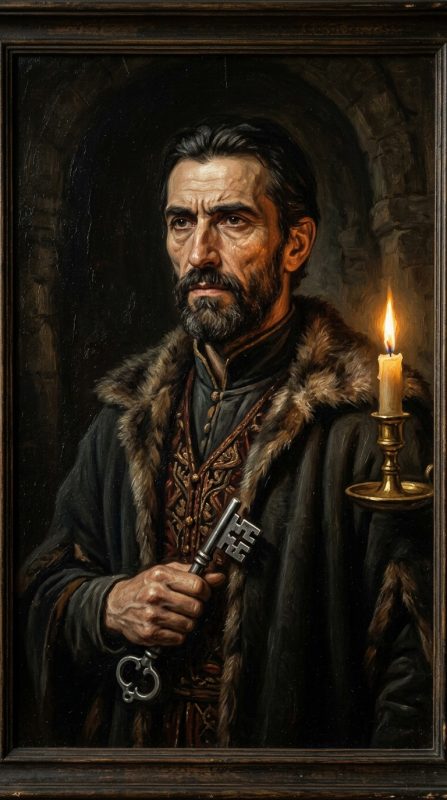
Filip the Steward
He counts the crown's silver every evening. On some evenings the count comes out different - and he says nothing.
1.79 m tall · grey eyes · chestnut hair · right-handed
-
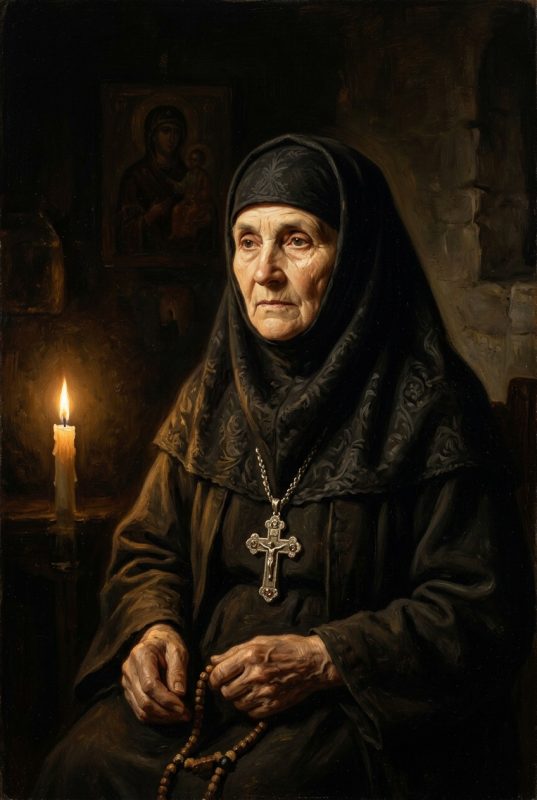
Mother Evghenia
She runs the abbey with an iron hand and a golden pen. The register of donations has pages she shows no one.
1.60 m tall · dark eyes · black hair · right-handed
-
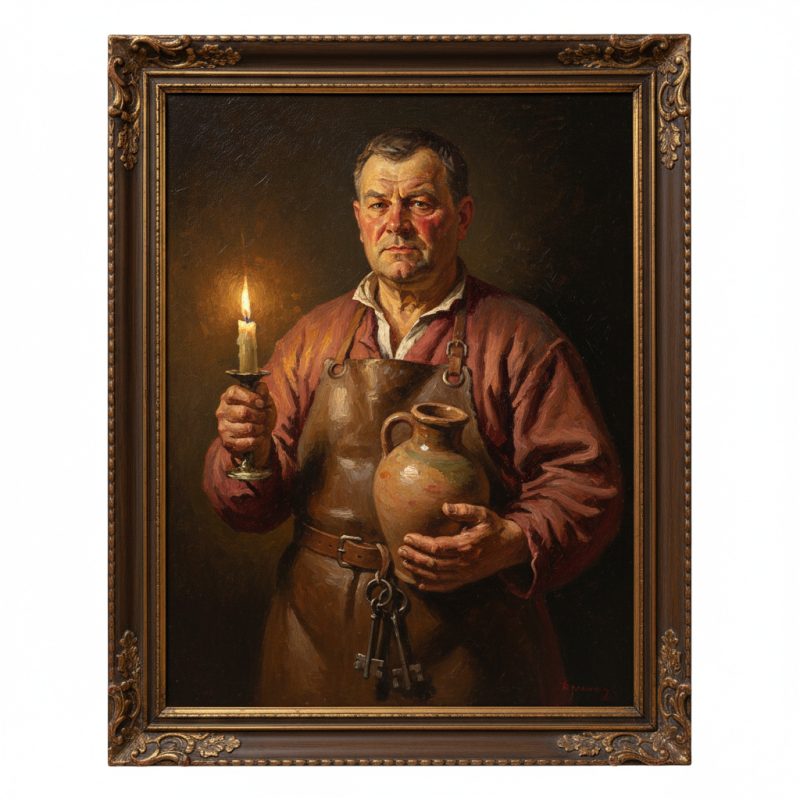
Toma the Cellarer
He holds the keys to every cellar in the castle. He claims the wine vanishes on its own, by "angelic evaporation."
1.73 m tall · brown eyes · red hair · left-handed
-
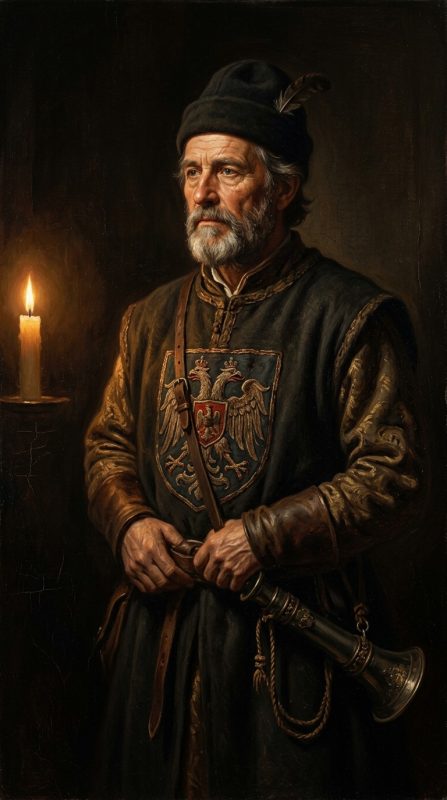
Petru the Herald
He proclaims the crown's will to every corner of the kingdom. Sometimes he proclaims it before the crown itself knows.
1.82 m tall · blue eyes · blond hair · right-handed
Locations
-
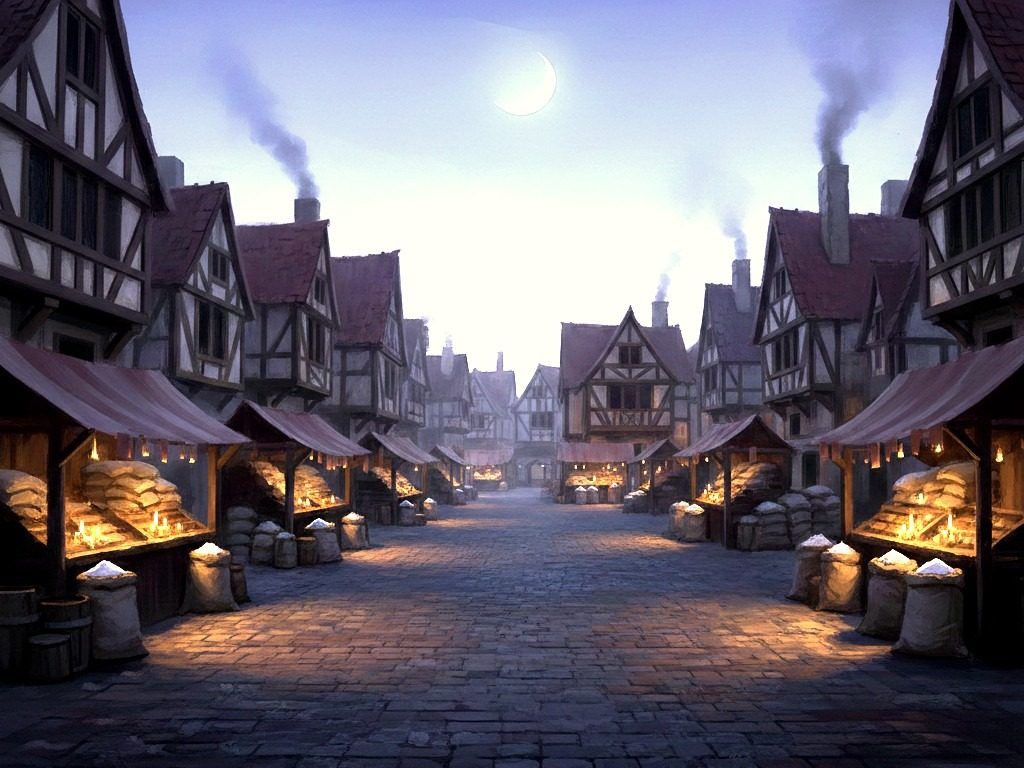
The salt market
Here anything is bargained for, from salt to silences. The price of silence keeps rising.
-
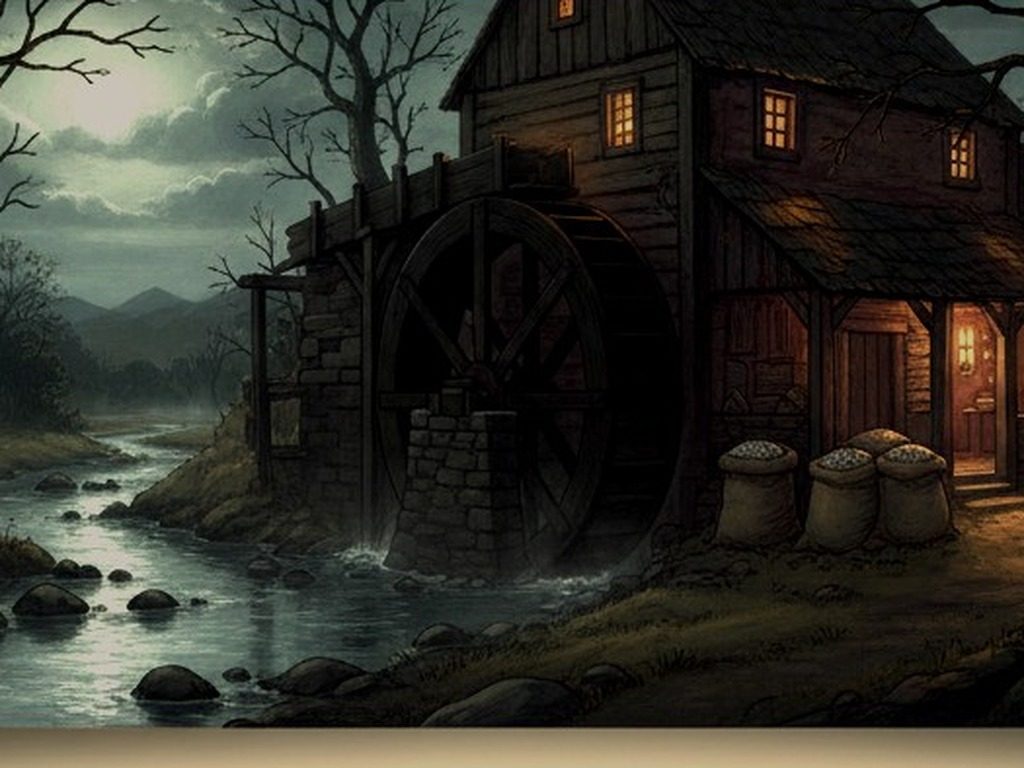
The mill by the river
The wheel turns day and night. Its noise drowns out any conversation - which is why some are held here.
-
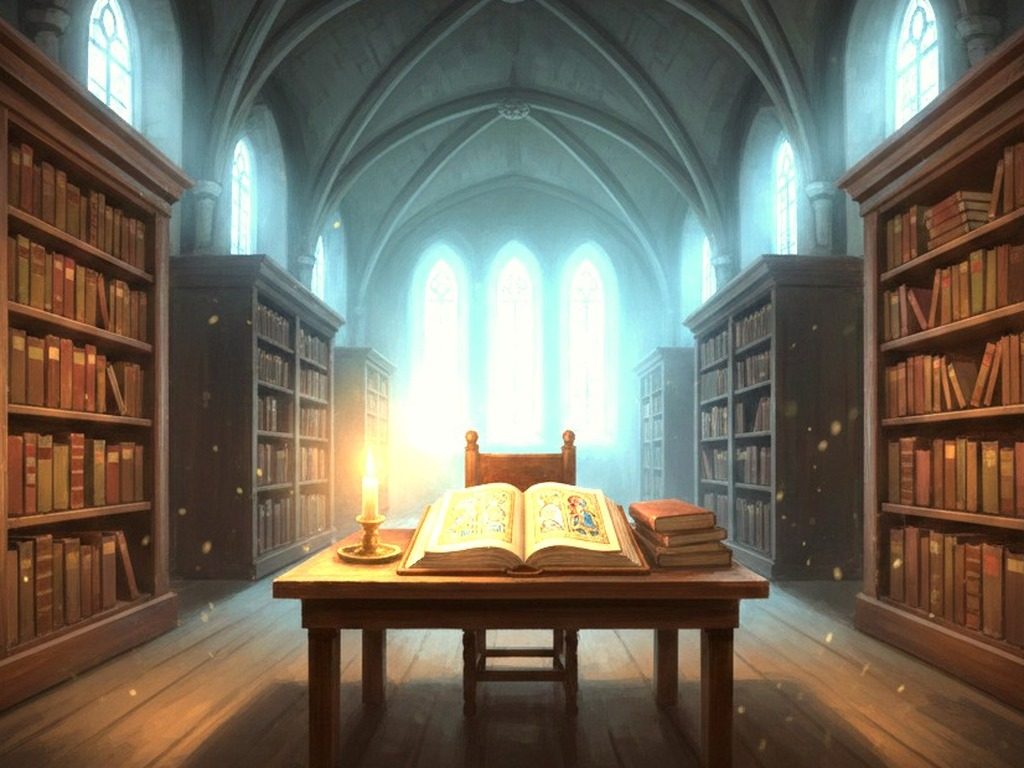
The abbey library
Thousands of leather-bound tomes. Some of the chains on the shelves were cut recently.
-

The hunting lodge
The royal cabin in the heart of the forest. Far from the eyes of the court - which is exactly what suits some.
-
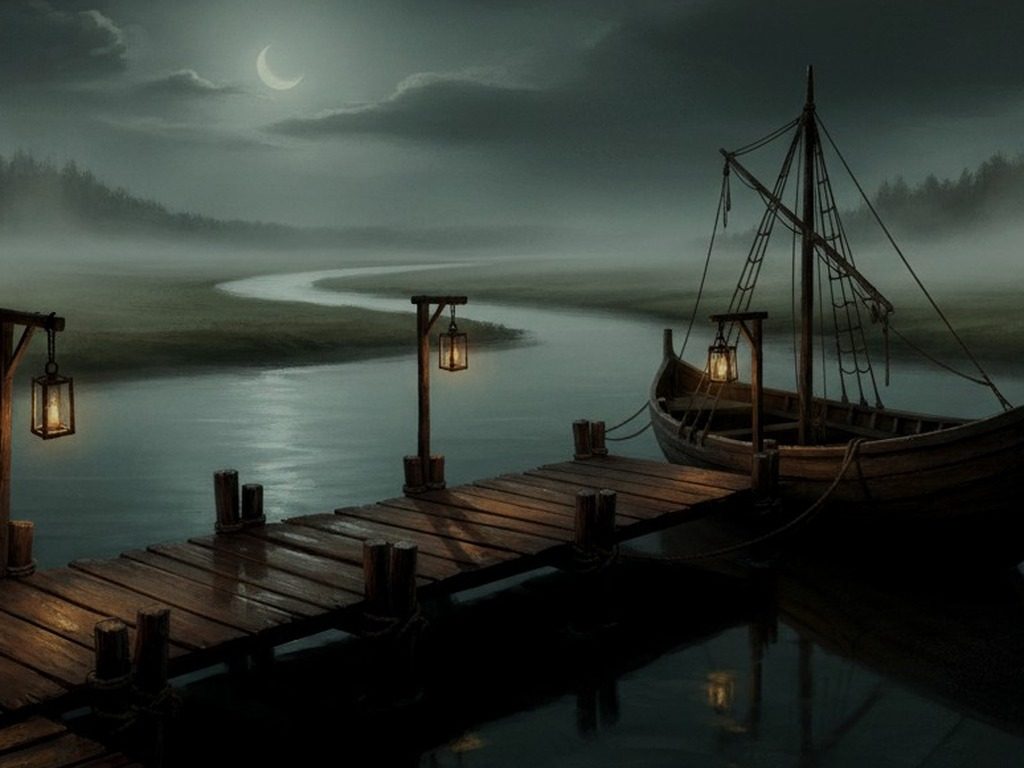
The wharf
Moored boats, wet ropes, and goods that prefer to arrive in the fog.
Objects
-
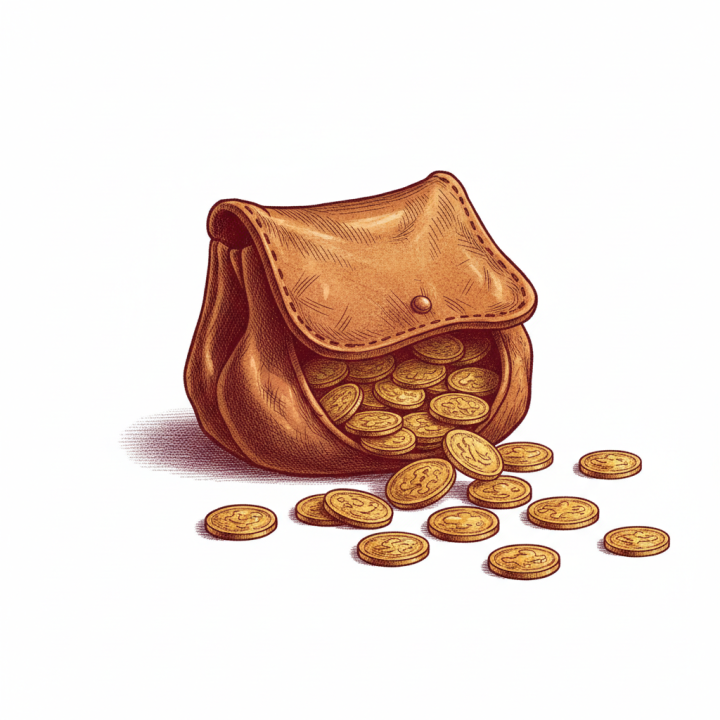
The purse of gold coins
New coins, unworn, from a minting not yet in circulation. Interesting.
-
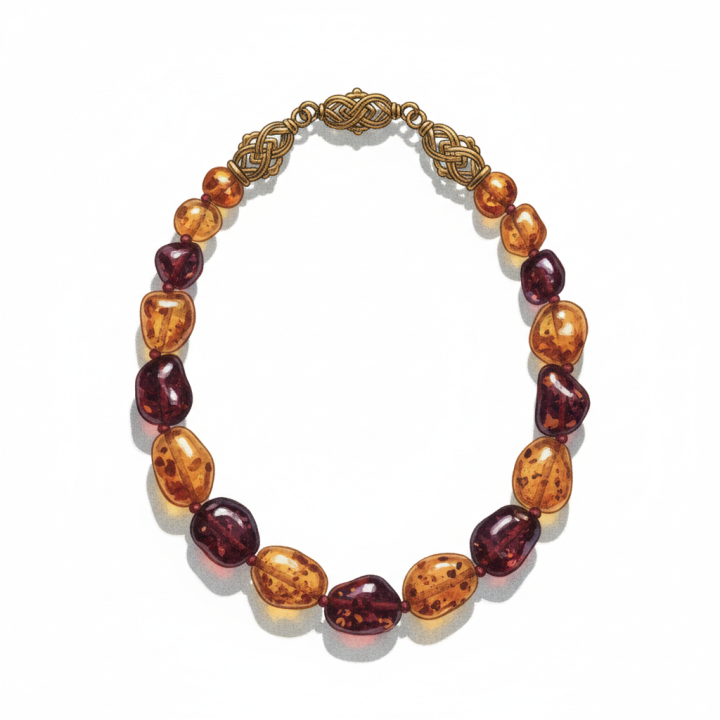
The amber necklace
Beads of golden resin strung on a silk thread. The thread is broken and hastily reknotted.
-

The vial of belladonna
A small flask, a wax stopper, a label written with care. Three-quarters empty.
-
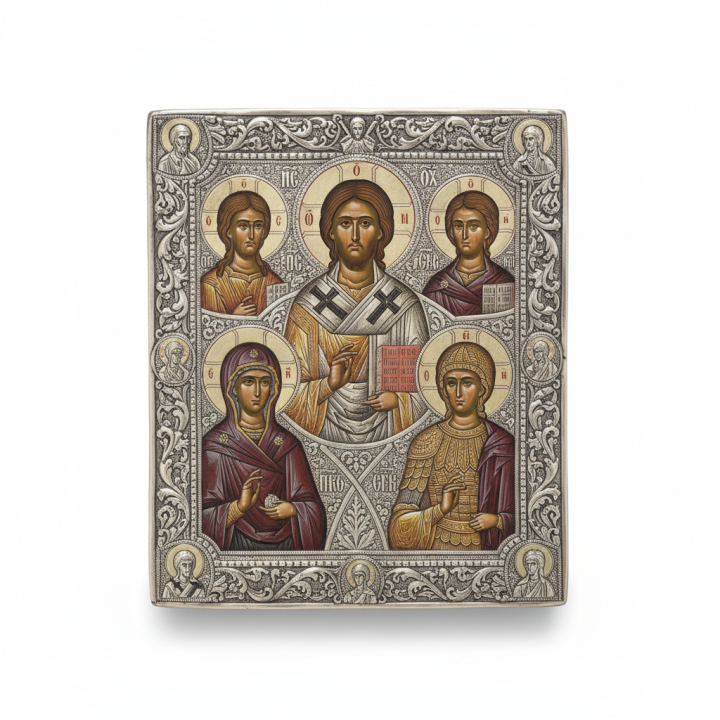
The silver-clad icon
The silver casing is old craftsmanship; the nails that hold it were driven this week.
-
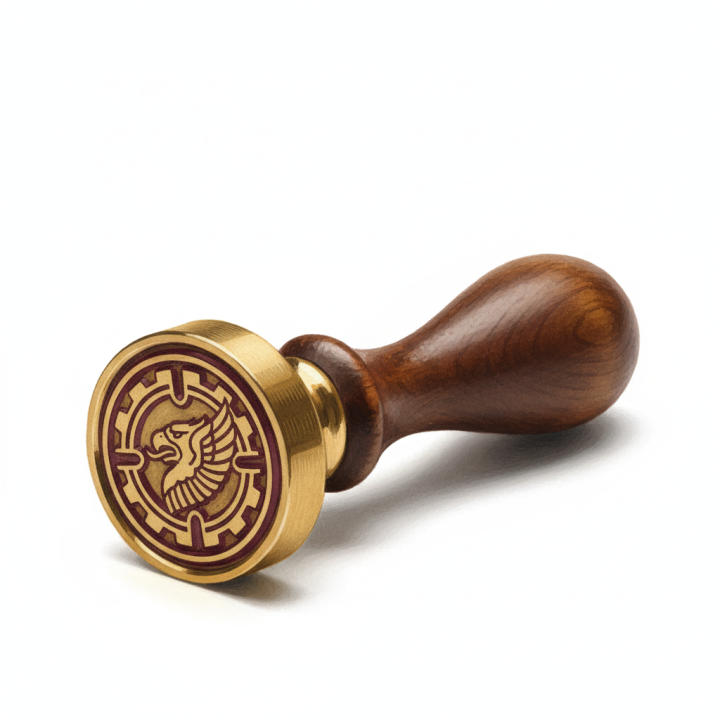
The guild seal
The stamp that turns any goods into goods "of certified quality." Worth a mine of gold.
Motives
-
Greed
Dorința nesățioasă de avere, care nu se oprește la nimic.
-
Jealousy
Otrava care mistuie pe cel ce râvnește ce nu-i al lui.
-
Ambition
Setea de a urca, chiar peste trupuri, spre o treaptă mai înaltă.
-
Revenge
O datorie de sânge pe care numai fapta o mai șterge.
-
Fear of exposure
Groaza de a fi dat în vileag, care împinge la orice.
Moments
-

At dawn
When the citadel is barely waking and the guards still doze.
-

After matins
The hour after the morning service, when the abbey empties.
-

At noon
Midday, with bustle in the markets and silence in the alcoves.
-

At dusk
When the shadows lengthen and the lanterns are not yet lit.
-

At vespers
At the evening service, when the bells drown out any footstep.
The findings and the testimonies
The list below is complete and pared to the bone. The Chancellery keeps no useless rows on file: each cuts something no other cuts.
- The chronicler notes drily: Filip the Steward handled the vial of belladonna, whatever the court may say.
- The gate guard swears: the suspect with black hair was at the wharf.
- The tracks in the dust do not lie: the wharf matches that hour: at noon.
- The gate guard swears: the suspect with blond hair was there at dawn.
- The tracks in the dust do not lie: the salt market and revenge go together.
- An unsigned note, slipped under the door: "the culprit was at the hunting lodge".
- The customs register is clear: ambition does not match that hour: at dawn.
- The tracks in the dust do not lie: the shortest suspect was driven by greed.
- An honest-faced witness saw it plainly: the left-handed suspect handled the amber necklace.
- In the Chancellery's ledger it stands in black and white: the silver-clad icon matches that hour: after matins.
- The chronicler notes drily: the hunting lodge and the silver-clad icon go together, whatever the court may say.
- By the order of the hours, first comes the suspect with chestnut hair, then Toma the Cellarer.
- At the Chancellery, Filip the Steward maintains: "I was driven by jealousy".
- An honest-faced witness saw it plainly: the mill by the river and the guild seal go together.
See how the verdict was reached — open only if you have already tried the dossier
The road to the verdict
It began with certainties, however small. A small certainty closes an entire row, and closed rows add up quickly.
This particular came to light as well: “The chronicler notes drily: Filip the Steward handled the vial of belladonna, whatever the court may say”. A pair was tied, and the knot dragged a whole handful of impossibilities after it.
The scouts brought their share as well: “The gate guard swears: the suspect with black hair was at the wharf”. The tick goes down without hesitation, and with it fall all the other cells on that row and that column.
The archivist underlined the following line with his nail: “The tracks in the dust do not lie: the wharf matches that hour: at noon”. One more certainty means, in a deduction grid, a whole fistful of impossibilities — and so it proved here.
Then came, one after another, the findings that drew the noose tight: “The gate guard swears: the suspect with blond hair was there at dawn”; “The tracks in the dust do not lie: the salt market and revenge go together”; “An unsigned note, slipped under the door: "the culprit was at the hunting lodge"”; “The customs register is clear: ambition does not match that hour: at dawn”; “The tracks in the dust do not lie: the shortest suspect was driven by greed”; “An honest-faced witness saw it plainly: the left-handed suspect handled the amber necklace”; “In the Chancellery's ledger it stands in black and white: the silver-clad icon matches that hour: after matins”; “The chronicler notes drily: the hunting lodge and the silver-clad icon go together, whatever the court may say”; “By the order of the hours, first comes the suspect with chestnut hair, then Toma the Cellarer”. The grid emptied before one's eyes, and what stayed in it could no longer be doubted.
There followed a detail that narrowed the circle: “At the Chancellery, Filip the Steward maintains: "I was driven by jealousy"”. The testimony entered the file with a reservation attached: true if the speaker is innocent, false otherwise.
The clerk read the next line aloud: “An honest-faced witness saw it plainly: the mill by the river and the guild seal go together”. From then on that cell could no longer be disputed, and the dispute moved one row down.
The lie
Here the Supreme Law cut through silence. The single testimony on file withstood checking. Not a word contradicted the grid, so no speaker could be the culprit, and the circle closed of itself around the one who chose to stay silent. It was not the silence that condemned them, but the fact that nobody else was left.
The verdict
The verdict wrote itself — the culprit is Captain Vlaicu. The grid shows plainly how matters stood: Captain Vlaicu was at the hunting lodge, handled the silver-clad icon, was driven by ambition and was there after matins. The dossier called for hypotheses driven to contradiction, not direct elimination alone — which is why it was rated at tier IV.
The remaining suspects
The innocent were not left without a story; each had a place of their own: Filip the Steward was at the abbey library, handled the vial of belladonna, was driven by jealousy and was there at dusk; Mother Evghenia was at the wharf, handled the purse of gold coins, was driven by greed and was there at noon; Toma the Cellarer was at the salt market, handled the amber necklace, was driven by revenge and was there at vespers; Petru the Herald was at the mill by the river, handled the guild seal, was driven by fear of exposure and was there at dawn. They look like rows of padding and they are not: the whole of the rest rests on them.
The Chancellery asked nobody to take its word. It showed the road step by step, so that anyone might walk it again.
Play this dossier All mysteries
Everything you read above rests on the dossier itself. The Chancellery's solver checked, at publication, that the given clues yield exactly one solution — no more, and not none. behind the scenes at the Chancellery.