
Chronicle of the solution: The Torch of the Seal
Disappearance Tier II
The disappearance file has closed. The chronicle below retraces, step by step, how the circle was drawn tight.
The deed, as it was recorded
An absence has fallen upon the court heavier than any presence: the disappearance can no longer be denied. Someone knows more than they say; the silences at court have suddenly grown very loud. Before you, one by one, will stand Nichifor the Spy, Onufrie the Executioner, Chamberlain Iorgu and Filip the Steward. The hours in question: "at dawn", "after matins", "at noon" and "at dusk". Take up the quill, follow the thread of the clues, and set your seal upon the verdict.
Suspicion settled on these: Nichifor the Spy, Onufrie the Executioner, Chamberlain Iorgu and Filip the Steward. From then on the names mattered less than what could be proved about each.
The suspects
-
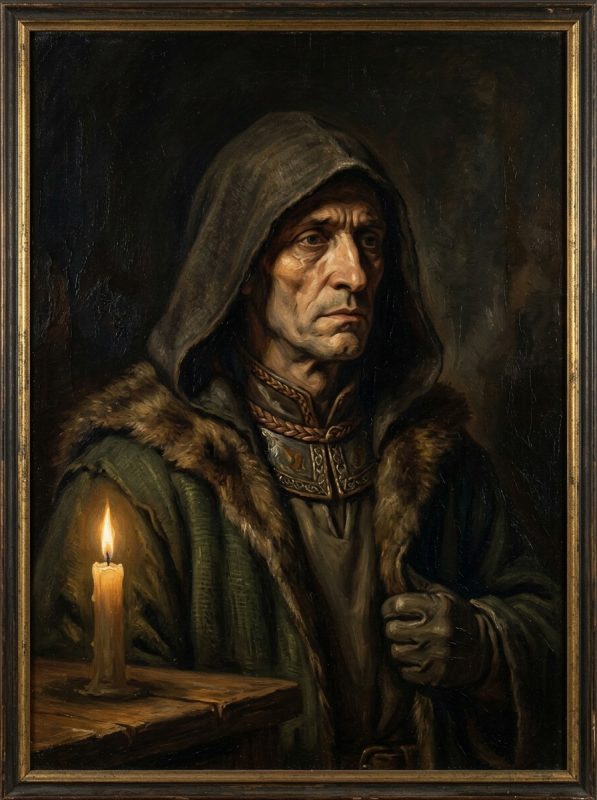
Nichifor the Spy
Officially, he does not exist. Unofficially, he was seen in three places at once - which is, of course, impossible.
1.74 m tall · dark eyes · brown hair · left-handed
-

Onufrie the Executioner
A quiet man with a loud trade. He keeps a notebook of the last words of every condemned soul.
1.92 m tall · dark eyes · no hair · right-handed
-
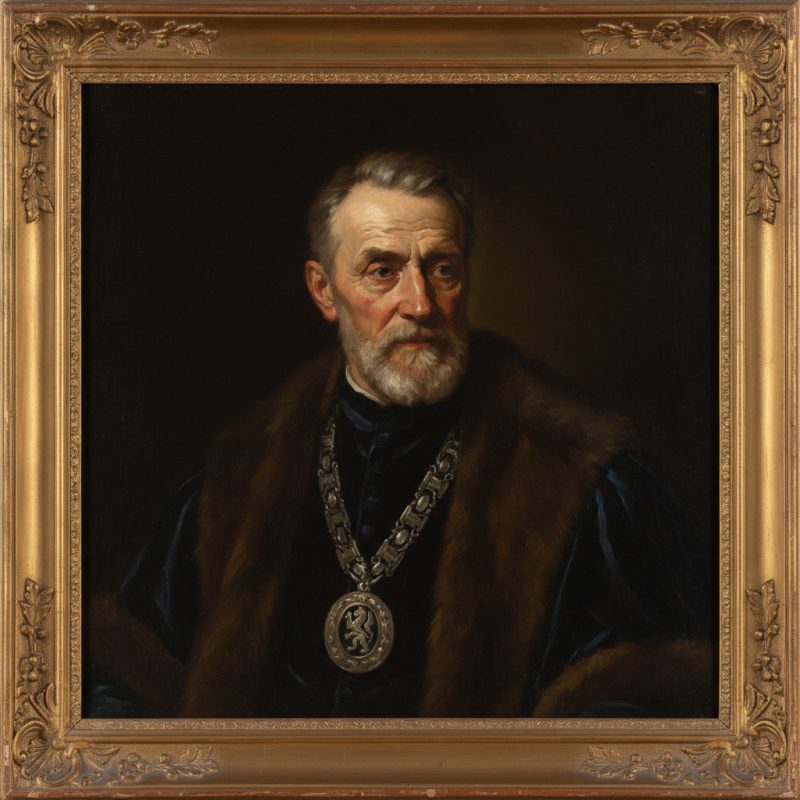
Chamberlain Iorgu
He arranges the king's audiences and, for a small courtesy, the order in which petitions are read.
1.77 m tall · grey eyes · brown hair · right-handed
-
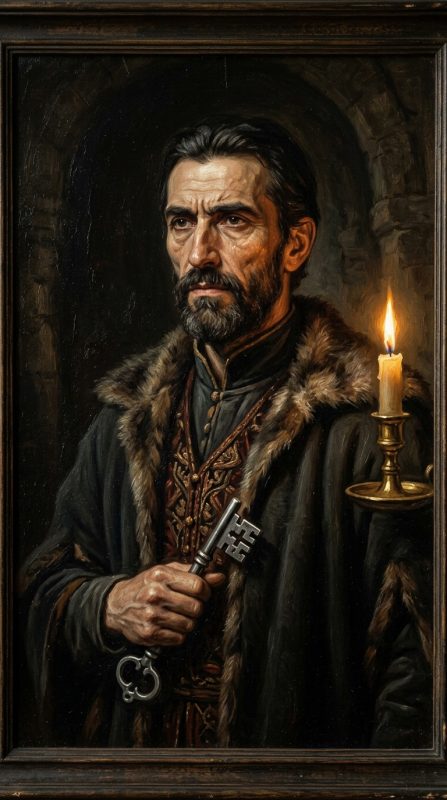
Filip the Steward
He counts the crown's silver every evening. On some evenings the count comes out different - and he says nothing.
1.79 m tall · grey eyes · chestnut hair · right-handed
Locations
-

The merchant's house
Carpets brought from overseas and a desk with more secret drawers than drawers.
-

The old dungeon
Cells abandoned since the new dungeon was built. "Abandoned" is one way of putting it.
-
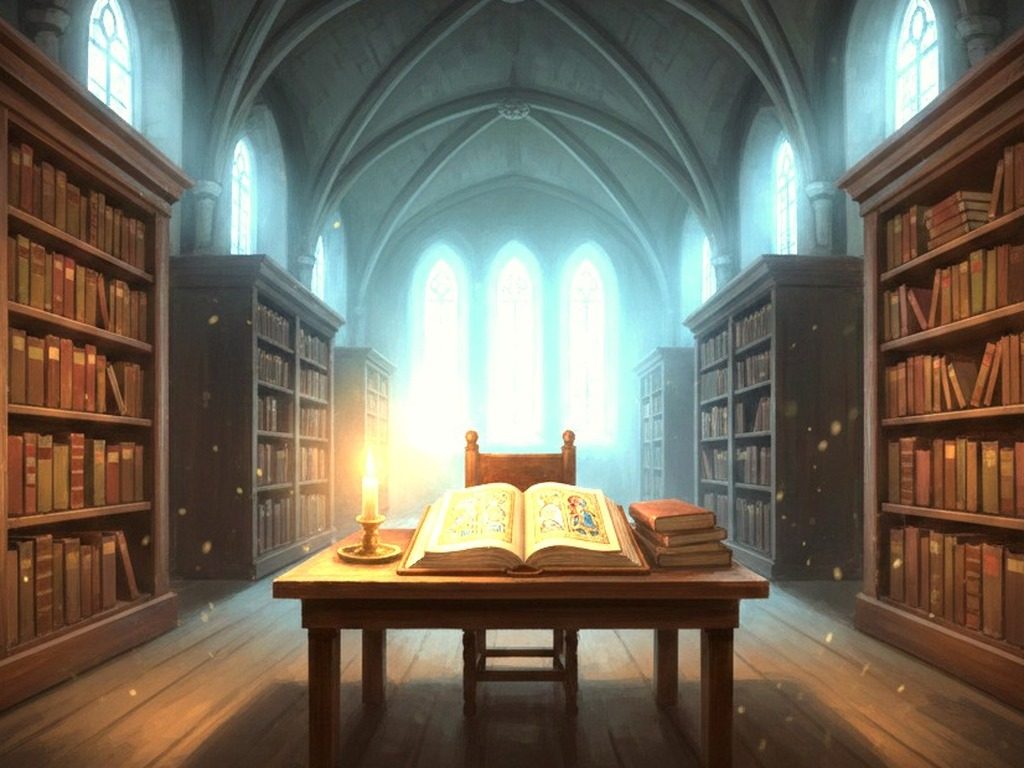
The abbey library
Thousands of leather-bound tomes. Some of the chains on the shelves were cut recently.
-

The scriptorium
Slanted desks, ink, and working silence. Here a quill creaks louder than a conscience.
Objects
-
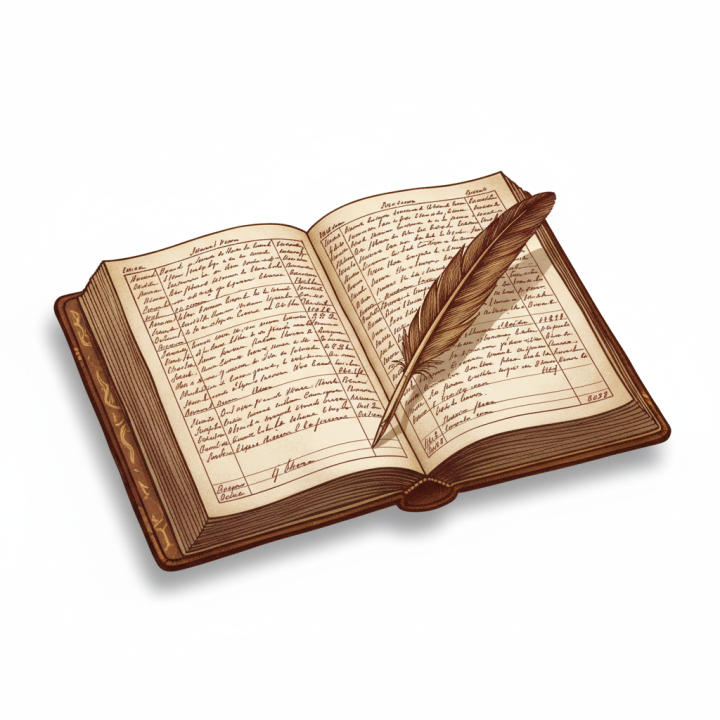
The ledger of accounts
Neat columns of figures, with one page torn out exactly at mid-month.
-

The small wine cask
Arin wine, the good year. The bung was pulled and put back by an unskilled hand.
-

The rusted sword
An old weapon, forgotten on the rack. The rust on the blade is newer than it looks.
-
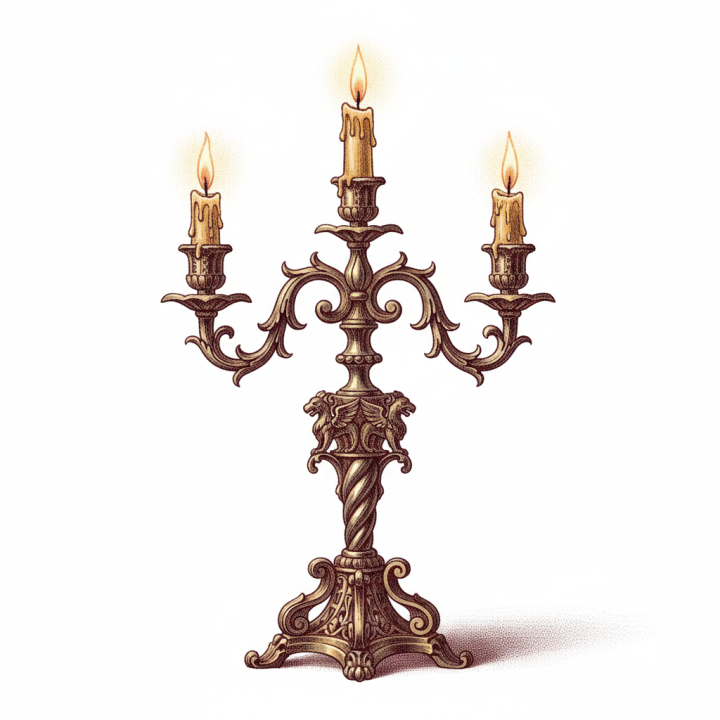
The silver candelabrum
Heavy as a small anvil. It can light a room or end a conversation.
Moments
-

At dawn
When the citadel is barely waking and the guards still doze.
-

After matins
The hour after the morning service, when the abbey empties.
-

At noon
Midday, with bustle in the markets and silence in the alcoves.
-

At dusk
When the shadows lengthen and the lanterns are not yet lit.
The pages of the file
This much the investigation had at its disposal, not a line more. The set is minimal by construction — remove any of the rows below and the dossier becomes unsolvable again.
- The customs register is clear: the abbey library and the small wine cask do not go together.
- The tracks in the dust do not lie: Filip the Steward was in the place where a quill creaks louder than a conscience.
- An honest-faced witness saw it plainly: the scriptorium and the silver candelabrum go together.
- An unsigned note, slipped under the door: "the culprit handled the small wine cask".
- The chancellor deduced it coldly: if Chamberlain Iorgu was there after matins, then Nichifor the Spy was there at dawn.
- The customs register is clear: the silver candelabrum does not match that hour: at noon.
- In the Chancellery's ledger it stands in black and white: the old dungeon and the rusted sword go together.
- A note in the margin of the ledger: if the suspect with chestnut hair was in the place where a quill creaks louder than a conscience, then the bald suspect was in the place with thousands of leather-bound tomes.
- The healer says it with a raised finger: if Filip the Steward was in the place where a quill creaks louder than a conscience, then Chamberlain Iorgu was at the merchant's house.
- An honest-faced witness saw it plainly: Chamberlain Iorgu was there after matins.
Open the full reasoning — warning, the culprit is named beyond this point
How the circle closed
No suspicion weighed here. Only the grid weighed: every certain match sweeps a whole row and a whole column, and at the end one arrangement alone remains possible.
A witness of good faith cleared up one more corner: “The customs register is clear: the abbey library and the small wine cask do not go together”. A cross in the grid seems little, but every cross brings the row nearer the moment when one cell alone is left free.
This page was stitched into the file too: “The tracks in the dust do not lie: Filip the Steward was in the place where a quill creaks louder than a conscience”. Two names bound themselves for good, and the binding undid, at a stroke, every pairing that contradicted it.
The examination of the place yielded this as well: “An honest-faced witness saw it plainly: the scriptorium and the silver candelabrum go together”. From then on that cell could no longer be disputed, and the dispute moved one row down.
From here things gathered pace. Within a few hours the file received: “An unsigned note, slipped under the door: "the culprit handled the small wine cask"”; “The chancellor deduced it coldly: if Chamberlain Iorgu was there after matins, then Nichifor the Spy was there at dawn”; “The customs register is clear: the silver candelabrum does not match that hour: at noon”; “In the Chancellery's ledger it stands in black and white: the old dungeon and the rusted sword go together”; “A note in the margin of the ledger: if the suspect with chestnut hair was in the place where a quill creaks louder than a conscience, then the bald suspect was in the place with thousands of leather-bound tomes”. Each closed a door, and by the last of them only one stood open.
The next line was the one that changed the reckoning: “The healer says it with a raised finger: if Filip the Steward was in the place where a quill creaks louder than a conscience, then Chamberlain Iorgu was at the merchant's house”. Here patience was needed: this line did no work until others had prepared the ground for it.
A report from the watch brought clarity: “An honest-faced witness saw it plainly: Chamberlain Iorgu was there after matins”. One more certainty means, in a deduction grid, a whole fistful of impossibilities — and so it proved here.
The culprit's name
The verdict wrote itself — the culprit is Chamberlain Iorgu. The row in the grid says it all: Chamberlain Iorgu was at the merchant's house, handled the small wine cask and was there after matins. Nothing in this verdict rests on supposition: every row comes out of the grid.
Those taken out of the circle
The others found their acquittal in the grid as well: Nichifor the Spy was at the old dungeon, handled the rusted sword and was there at dawn; Onufrie the Executioner was at the abbey library, handled the ledger of accounts and was there at noon; Filip the Steward was at the scriptorium, handled the silver candelabrum and was there at dusk. It is these acquittals that made the verdict possible: without them, room for doubt would have remained.
The page closes. What is left of the whole affair is a truth that can be demonstrated, and that is worth more than a confession.
Play this dossier All mysteries
Nothing in this chronicle is invented: the text rises out of the dossier's logic, and the dossier passed through the solver before publication, so that its solution is provably unique. behind the scenes at the Chancellery.