
Chronicle of the solution: The Torch of the Feast
Theft Tier II
The theft dossier is closed, and the Chancellery now permits itself to tell, at leisure, how it was unravelled.
The deed, as it was recorded
A bitter morning has settled over Realm of the Crown: something precious has vanished without a trace. The culprit worked cleanly, but not without witnesses — and the witnesses, at last, have begun to talk. Before you, one by one, will stand Pantelimon the Gardener, Tintar the Jester, Luca the Squire and Damaschin the Healer. The places named in the testimonies — the merchant's house, the wharf, the watchtower and the north wall — each await their turn under scrutiny. Study the testimonies at your leisure, fit them into the grid, and pronounce your verdict without haste.
Suspicion settled on these: Pantelimon the Gardener, Tintar the Jester, Luca the Squire and Damaschin the Healer. From then on the names mattered less than what could be proved about each.
The suspects
-
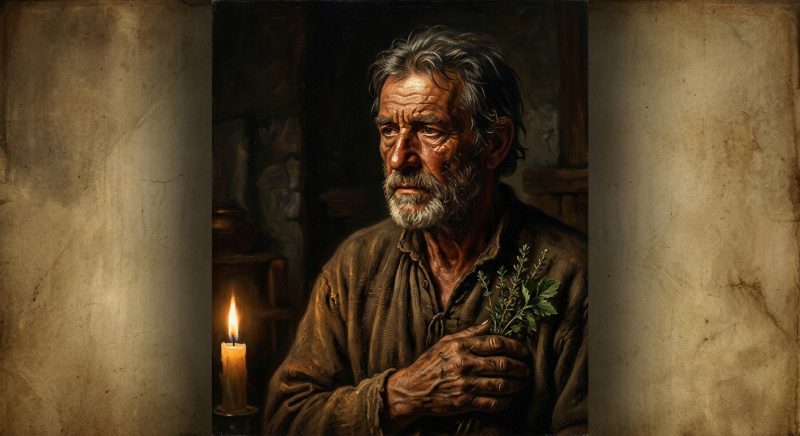
Pantelimon the Gardener
He tends the queen's roses and no one's beds of belladonna. The second garden is the more sought-after.
1.73 m tall · green eyes · greying hair · right-handed
-
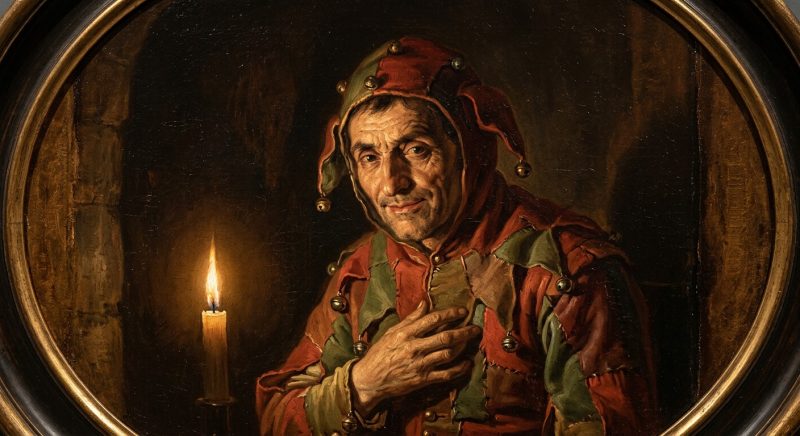
Tintar the Jester
The only man in the kingdom who may tell the king the truth - provided he makes it sound like a joke.
1.56 m tall · green eyes · red hair · right-handed
-

Luca the Squire
He polishes the knight's armour and dreams of a sword of his own. For a coat of arms he would do almost anything.
1.72 m tall · green eyes · brown hair · right-handed
-
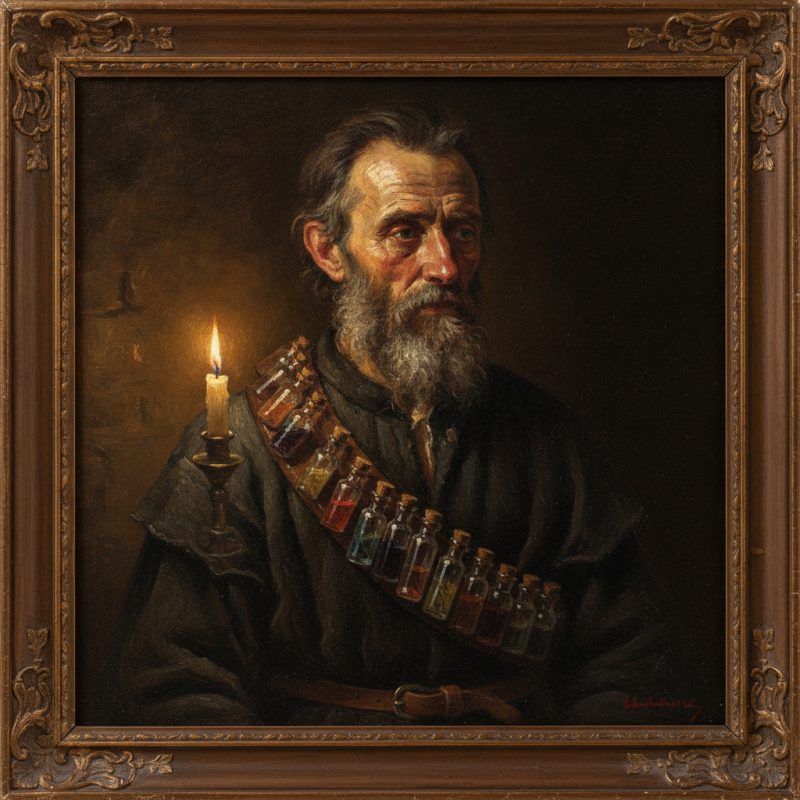
Damaschin the Healer
He knows the cure for any illness and the dose at which the cure becomes something else. He swears he has never mistaken the dosage.
1.71 m tall · green eyes · grey hair · left-handed
Locations
-

The merchant's house
Carpets brought from overseas and a desk with more secret drawers than drawers.
-

The wharf
Moored boats, wet ropes, and goods that prefer to arrive in the fog.
-

The watchtower
The highest point of the fortress. From here you see everything - and from below, everyone sees who climbs up.
-

The north wall
The stretch of wall the patrol skirts when the wind blows. Everyone knows that.
Objects
-
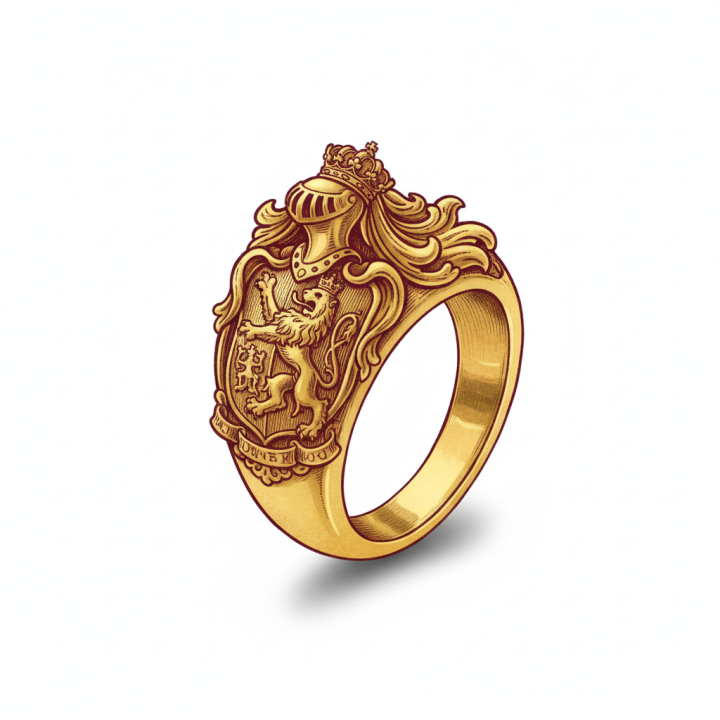
The signet ring
The crest has been filed away almost completely. Almost.
-
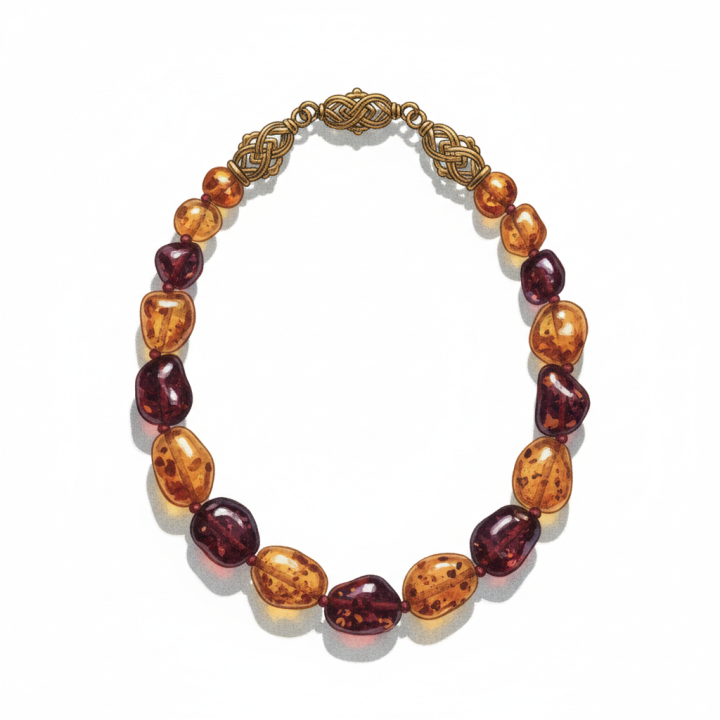
The amber necklace
Beads of golden resin strung on a silk thread. The thread is broken and hastily reknotted.
-
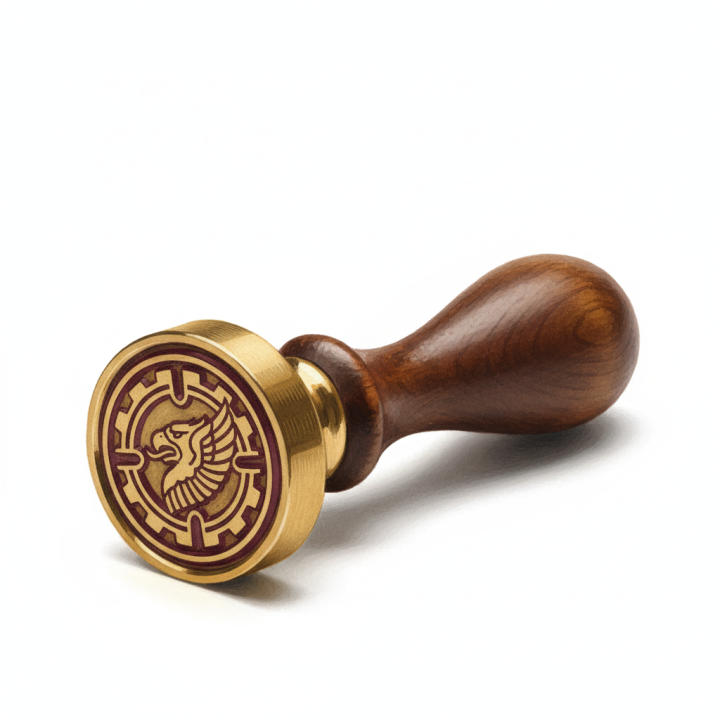
The guild seal
The stamp that turns any goods into goods "of certified quality." Worth a mine of gold.
-
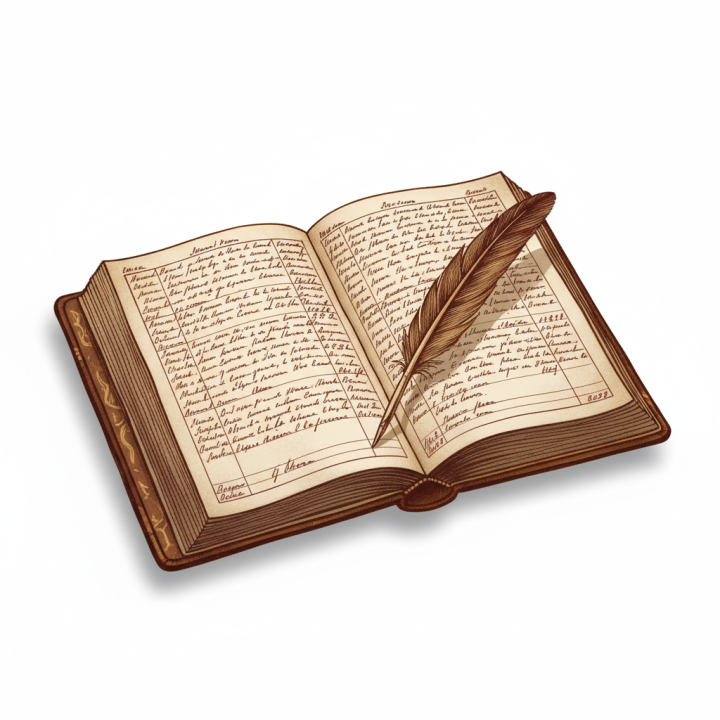
The ledger of accounts
Neat columns of figures, with one page torn out exactly at mid-month.
Moments
-

At dawn
When the citadel is barely waking and the guards still doze.
-

After matins
The hour after the morning service, when the abbey empties.
-

At noon
Midday, with bustle in the markets and silence in the alcoves.
-

At dusk
When the shadows lengthen and the lanterns are not yet lit.
The findings and the testimonies
This much the investigation had at its disposal, not a line more. The set is minimal by construction — remove any of the rows below and the dossier becomes unsolvable again.
- About the culprit, the Chancellery knows one thing for certain: the culprit was there at dusk.
- The tracks in the dust do not lie: the watchtower and the signet ring go together.
- The tracks in the dust do not lie: the north wall and the guild seal go together.
- The gate guard swears: Pantelimon the Gardener was at the merchant's house.
- In the Chancellery's ledger it stands in black and white: the suspect with red hair was in the place the patrol skirts when the wind blows.
- The chronicler notes drily: the shortest suspect was there at noon, whatever the court may say.
- A note in the margin of the ledger: if Luca the Squire was there at dawn, then Pantelimon the Gardener handled the amber necklace.
- In the Chancellery's ledger it stands in black and white: Pantelimon the Gardener was there after matins.
- The night watch saw Luca the Squire first, and only then Damaschin the Healer.
- A note in the margin of the ledger: if the tallest suspect handled the amber necklace, then Luca the Squire was at the watchtower.
See how the verdict was reached — open only if you have already tried the dossier
How it was unravelled
The Chancellery does not work with impressions. It works with a grid in which every cell has exactly one answer, and with the patience to find it.
A note in the margin of the page read: “About the culprit, the Chancellery knows one thing for certain: the culprit was there at dusk”. This line spoke of the guilty party without pointing a finger — and for that very reason it was useful.
A detail overlooked at the start came back into the file: “The tracks in the dust do not lie: the watchtower and the signet ring go together”. One more certainty means, in a deduction grid, a whole fistful of impossibilities — and so it proved here.
The examination of the place yielded this as well: “The tracks in the dust do not lie: the north wall and the guild seal go together”. A pair was tied, and the knot dragged a whole handful of impossibilities after it.
Then came, one after another, the findings that drew the noose tight: “The gate guard swears: Pantelimon the Gardener was at the merchant's house”; “In the Chancellery's ledger it stands in black and white: the suspect with red hair was in the place the patrol skirts when the wind blows”; “The chronicler notes drily: the shortest suspect was there at noon, whatever the court may say”; “A note in the margin of the ledger: if Luca the Squire was there at dawn, then Pantelimon the Gardener handled the amber necklace”; “In the Chancellery's ledger it stands in black and white: Pantelimon the Gardener was there after matins”. At the end of them the grid looked like an almost-erased page: one cell alone still had anything to say.
This too was added to the file: “The night watch saw Luca the Squire first, and only then Damaschin the Healer”. Nothing spectacular, but this is exactly how dossiers close: out of small lines, laid end to end.
The next line was the one that changed the reckoning: “A note in the margin of the ledger: if the tallest suspect handled the amber necklace, then Luca the Squire was at the watchtower”. This line was patience itself: it served no purpose until the moment its premise came true.
The verdict
The verdict wrote itself — the culprit is Damaschin the Healer. The grid shows plainly how matters stood: Damaschin the Healer was at the wharf, handled the ledger of accounts and was there at dusk. The verdict stands on its own, out of the findings above.
What became of the others
The Chancellery recorded the others' movements as well, because it was precisely they that closed the grid: Pantelimon the Gardener was at the merchant's house, handled the amber necklace and was there after matins; Tintar the Jester was at the north wall, handled the guild seal and was there at noon; Luca the Squire was at the watchtower, handled the signet ring and was there at dawn. It is these acquittals that made the verdict possible: without them, room for doubt would have remained.
Here the chronicle stops. If you followed it to the end, you did exactly what an investigator does: you believed the grid, not your impressions.
Play this dossier All mysteries
The chronicles are written by the Enigmerra Chancellery out of the dossier's own logic: every step above is verified by the solver which proved, at publication, that the dossier has a unique solution. behind the scenes at the Chancellery.