
Chronicle of the solution: The Torch of the Blazon
Disappearance Tier I
The disappearance file has closed. The chronicle below retraces, step by step, how the circle was drawn tight.
The opening of the investigation
Since matins, a strange emptiness has walked the citadel: what stood in its place yesterday is gone today. Every passing hour erases another trace, and the traces were few to begin with. The testimonies keep returning to the same names: Duchess Amara de Corvin, Teofil the Chronicler and Onufrie the Executioner. The places named in the testimonies — the tourney field, the abbey library and the customs cellar — each await their turn under scrutiny. Take up the quill, follow the thread of the clues, and set your seal upon the verdict.
Under suspicion stood Duchess Amara de Corvin, Teofil the Chronicler and Onufrie the Executioner. One of them alone lied; the rest, without knowing it, spoke the truth that gave that one away.
The suspects
-
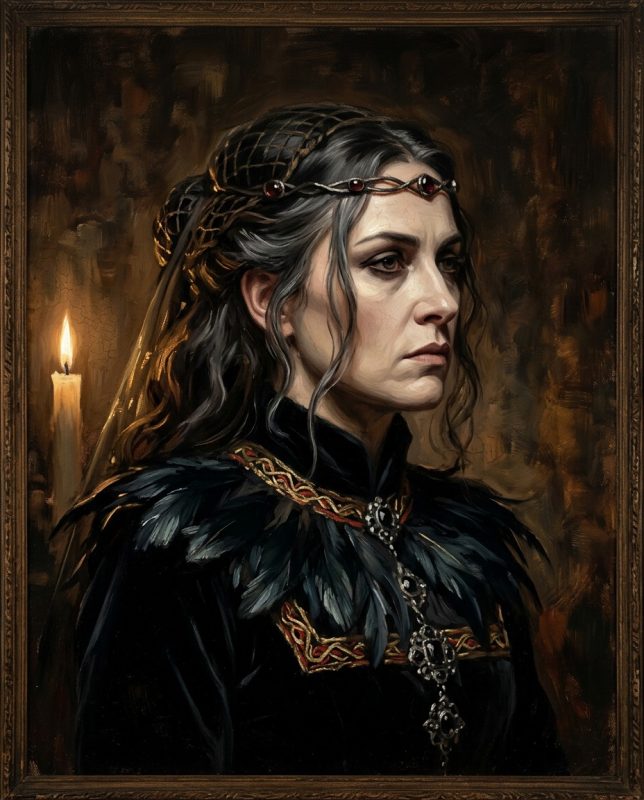
Duchess Amara de Corvin
Widowed three times, heir on each occasion. Her smile has buried more nobles than the plague.
1.68 m tall · dark eyes · black hair · right-handed
-
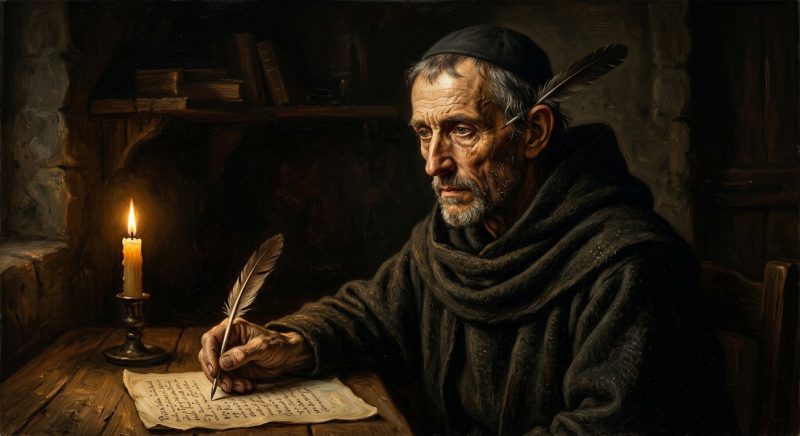
Teofil the Chronicler
He writes the kingdom's history as he is ordered. The unwelcome drafts, however, he keeps every one.
1.69 m tall · brown eyes · greying hair · left-handed
-
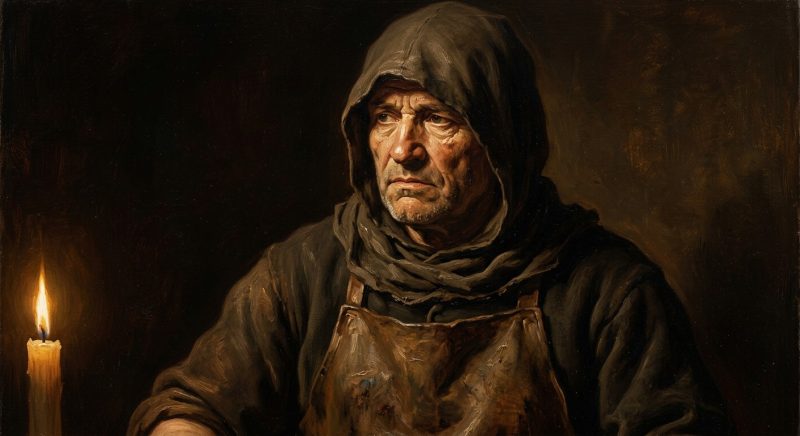
Onufrie the Executioner
A quiet man with a loud trade. He keeps a notebook of the last words of every condemned soul.
1.92 m tall · dark eyes · no hair · right-handed
Locations
-
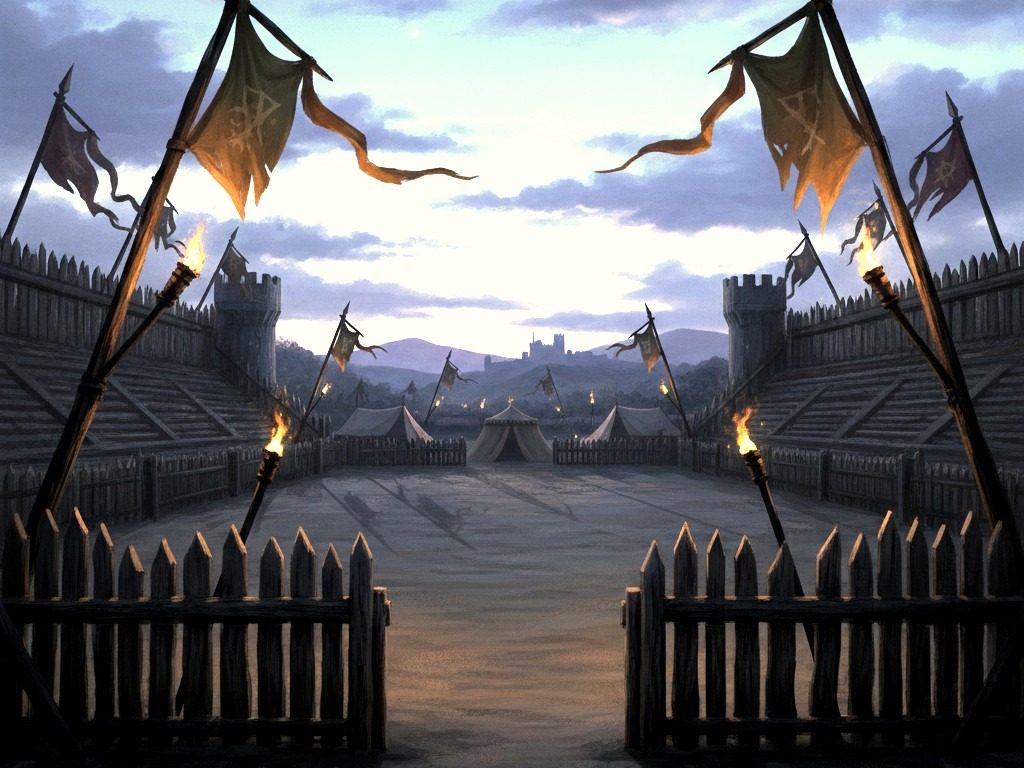
The tourney field
Empty stands outside festival days. An excellent place for meetings that never happened.
-
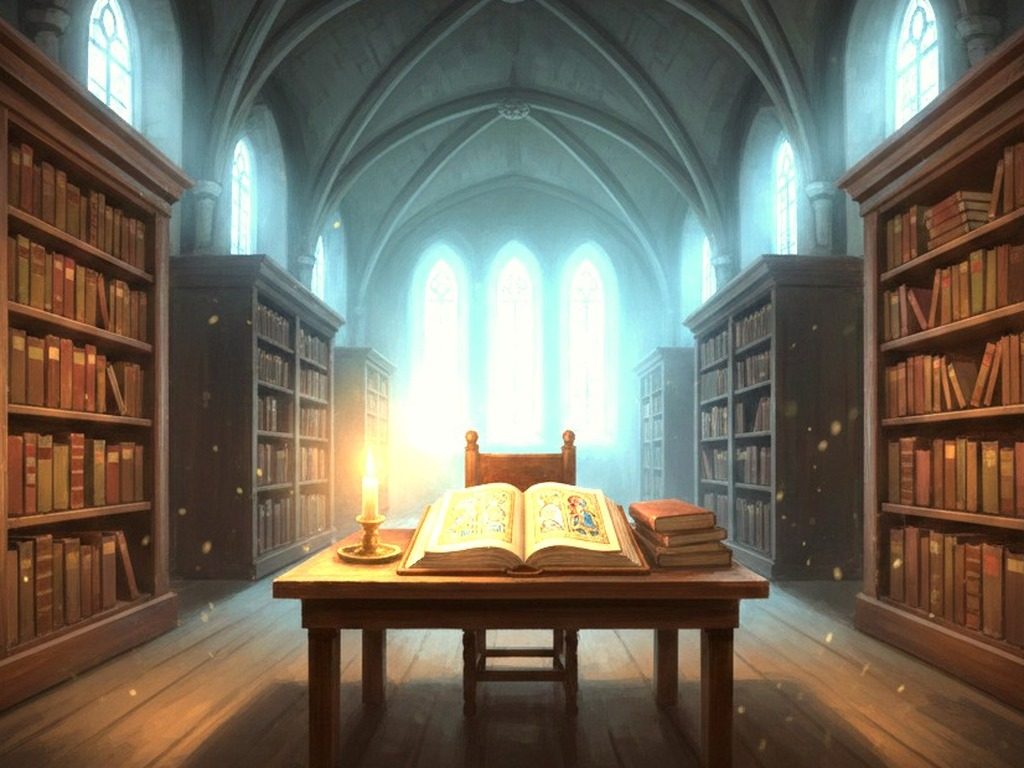
The abbey library
Thousands of leather-bound tomes. Some of the chains on the shelves were cut recently.
-
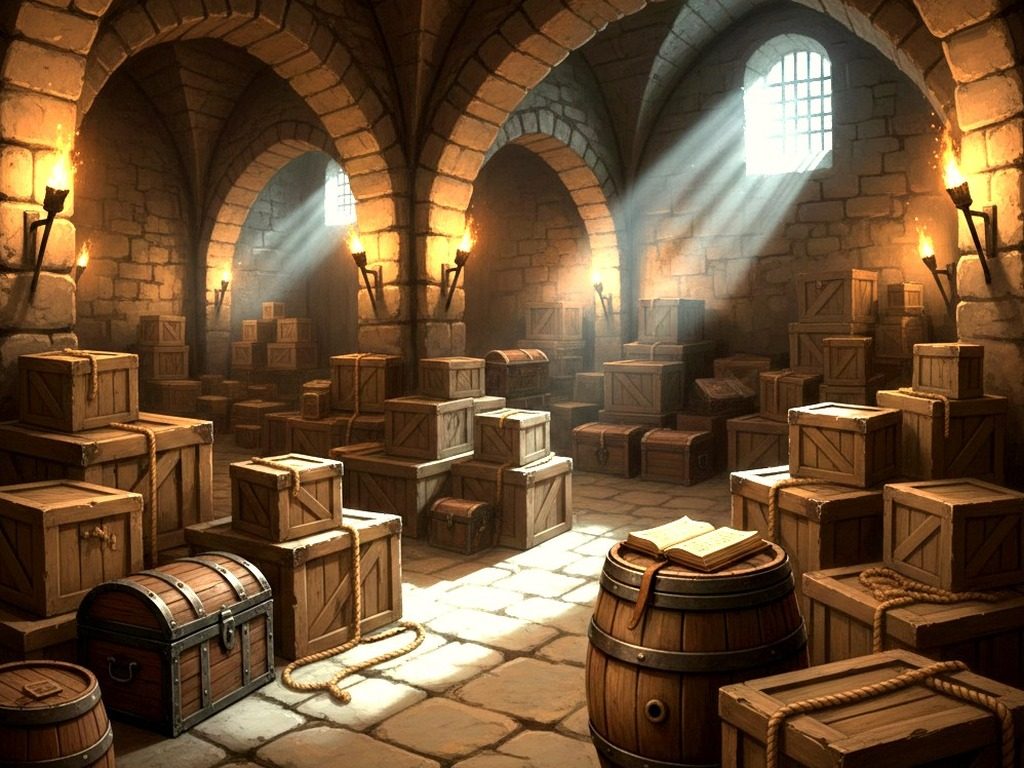
The customs cellar
Sealed crates, thick ledgers, and air that smells of undeclared goods.
What the Chancellery had to hand
These are all the findings and testimonies the Chancellery had to hand — not one more. The set is minimal by construction: take out a single row and the verdict can no longer be demonstrated.
- An unsigned note, slipped under the door: "the culprit was in the place with stands empty outside festival days".
- The chronicler notes drily: Teofil the Chronicler was at the abbey library, whatever the court may say.
- The tracks in the dust do not lie: Onufrie the Executioner was at the customs cellar.
Open the full reasoning — the culprit's name is spoken from here on
The reasoning, step by step
The investigator guessed at nothing. Each finding went to its place in the grid, each testimony passed through the sieve of the Supreme Law, and elimination did the rest.
The gate register had kept a trace of its own: “An unsigned note, slipped under the door: "the culprit was in the place with stands empty outside festival days"”. One attribute of the culprit, no more. Enough, though, to leave on the list only whoever has it.
The examination of the place yielded this as well: “The chronicler notes drily: Teofil the Chronicler was at the abbey library, whatever the court may say”. The tick goes down without hesitation, and with it fall all the other cells on that row and that column.
A piece of information dearly bought showed its worth: “The tracks in the dust do not lie: Onufrie the Executioner was at the customs cellar”. A pair was tied, and the knot dragged a whole handful of impossibilities after it.
The culprit's name
The Chancellery pronounced its verdict without hesitation: the culprit is Duchess Amara de Corvin. The row in the grid says it all: Duchess Amara de Corvin was at the tourney field. The verdict stands on its own, out of the findings above.
What became of the others
The others found their acquittal in the grid as well: Teofil the Chronicler was at the abbey library; Onufrie the Executioner was at the customs cellar. Every one of these rows was necessary: take out a single one and the verdict can no longer be demonstrated.
It was not cleverness that unravelled the thread, but order. Order can be learned, and that is exactly why the chronicle is written.
Play this dossier All mysteries
This chronicle is no free retelling: it rises directly out of the dossier's logic, and every step passed through the solver which proved, before publication, that the solution is unique. behind the scenes at the Chancellery.