
Chronicle of the solution: The Silence of the Envoy
Conspiracy Tier III
The conspiracy file is closed, but the reasoning that closed it deserves reading by any investigator.
The opening of the investigation
A plot hatched in the shadows threatens the crown, and whoever hatched it still sits at the court's table. The scheme has many threads but a single knot — and that knot bears a name. Suspicion has fallen on Ban Radu the Silent, Toma the Cellarer, Mother Evghenia and Brother Anselm — and until the proof is plain, none of these names leaves the room. On the inquiry's table, like pieces in a game, lie the signet ring, the herald's horn, the ciphered letter and the silver-clad icon. The threads were tangled on purpose: investigate, weigh every word, and pronounce your verdict only when the grid leaves no room for doubt.
From the third tier onward, the Chancellery's dossiers no longer yield to findings alone. Testimonies enter here, and with them the Supreme Law: among those who speak, the culprit lies and the rest tell the truth. A testimony does not go into the grid as it stands — it goes in only once you have decided what to make of the mouth that spoke it.
The method has an old name: the hypothesis. You suppose in turn that each suspect is the culprit, negate what that one declared, and carry the consequences to the end. Reach a contradiction and the hypothesis is dead. At the finish, one alone is left standing.
This dossier turns on an envoy and the silence that followed him. The suspects: Ban Radu the Silent, Toma the Cellarer, Mother Evghenia and Brother Anselm — two of the church, one of the cellar and one of silence itself. The objects run from a signet ring to a silver-clad icon.
Do not hurry. At tier III, patience achieves more than intuition.
The circle closed around these names: Ban Radu the Silent, Toma the Cellarer, Mother Evghenia and Brother Anselm. The investigation was not permitted to step outside it, and had no need to.
The suspects
-
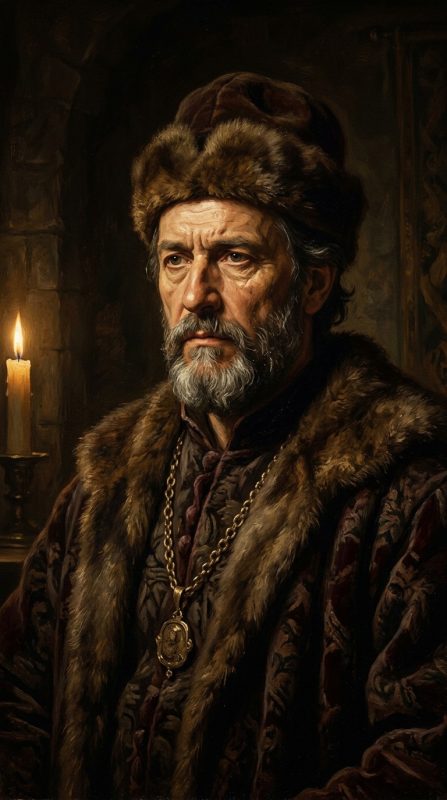
Ban Radu the Silent
He has never uttered a needless word in his life. Sadly, nor a useful one for investigators.
1.81 m tall · grey eyes · grey hair · right-handed
-
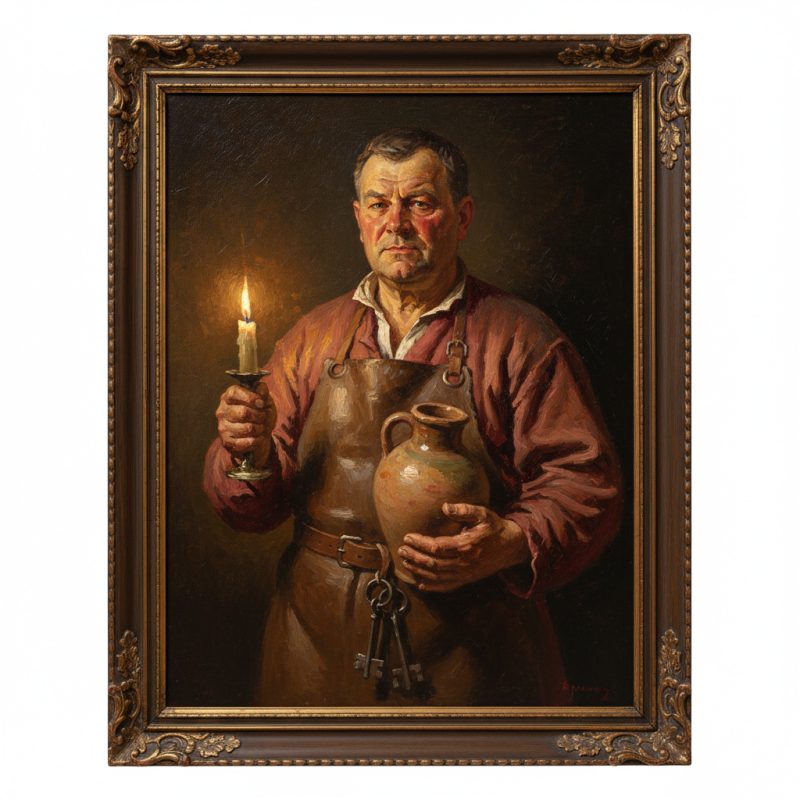
Toma the Cellarer
He holds the keys to every cellar in the castle. He claims the wine vanishes on its own, by "angelic evaporation."
1.73 m tall · brown eyes · red hair · left-handed
-
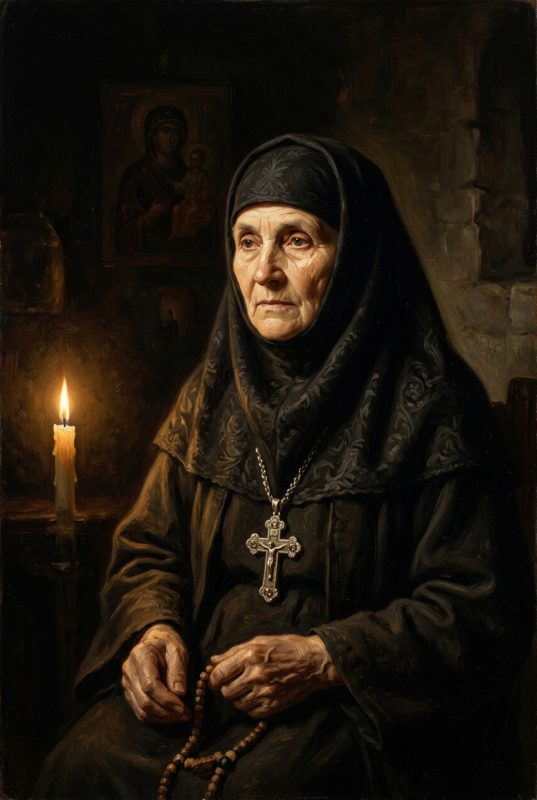
Mother Evghenia
She runs the abbey with an iron hand and a golden pen. The register of donations has pages she shows no one.
1.60 m tall · dark eyes · black hair · right-handed
-

Brother Anselm
He has copied manuscripts for forty years. He knows what every one of them says - including the forbidden ones.
1.75 m tall · brown eyes · greying hair · right-handed
Locations
-

The hunting lodge
The royal cabin in the heart of the forest. Far from the eyes of the court - which is exactly what suits some.
-

The guild forge
Anvils, tongs, and a fire that never goes out. Many small metal things vanish here.
-
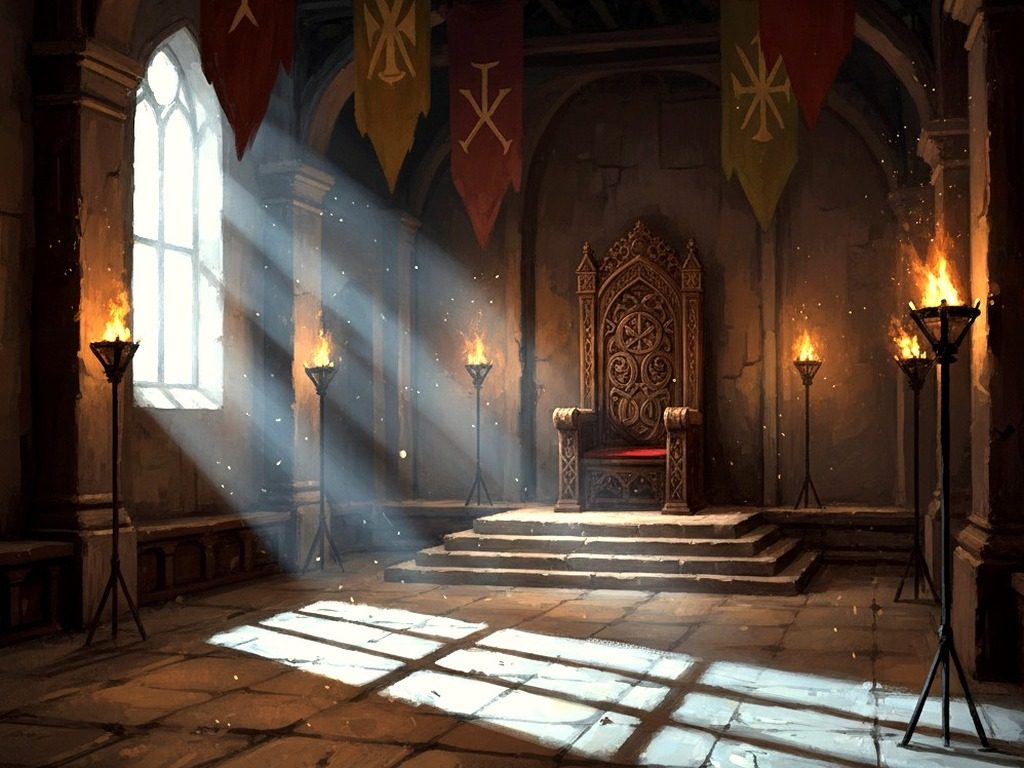
The throne room
Gold, purple, and the most closely watched place in the kingdom. In theory.
-
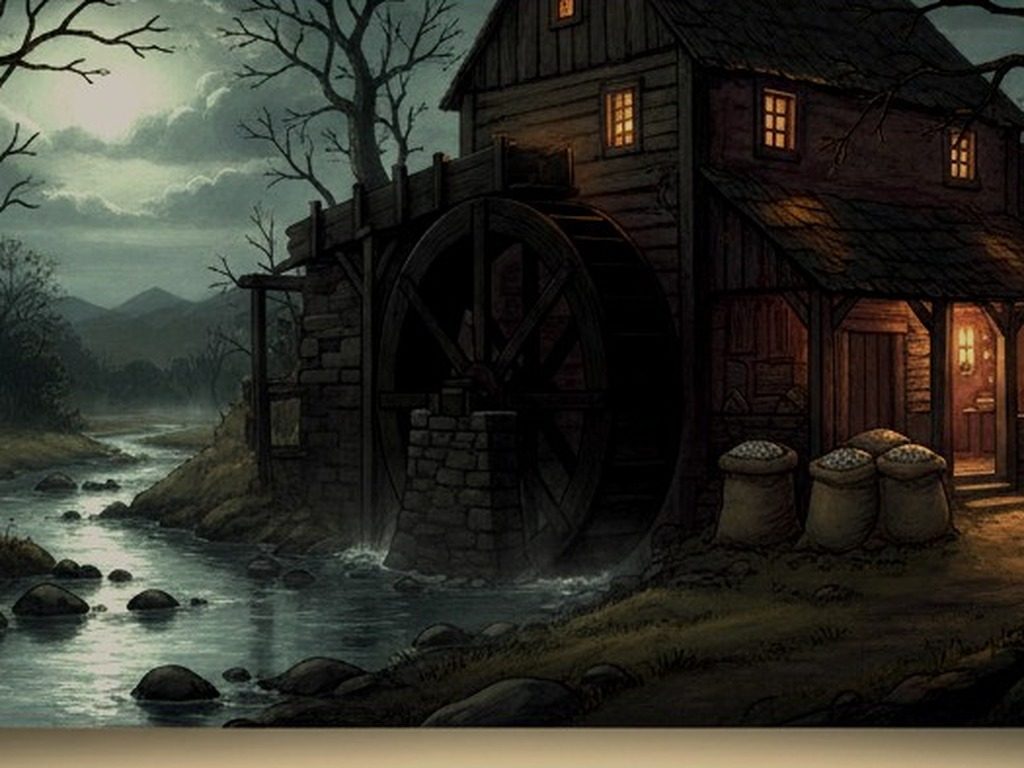
The mill by the river
The wheel turns day and night. Its noise drowns out any conversation - which is why some are held here.
Objects
-
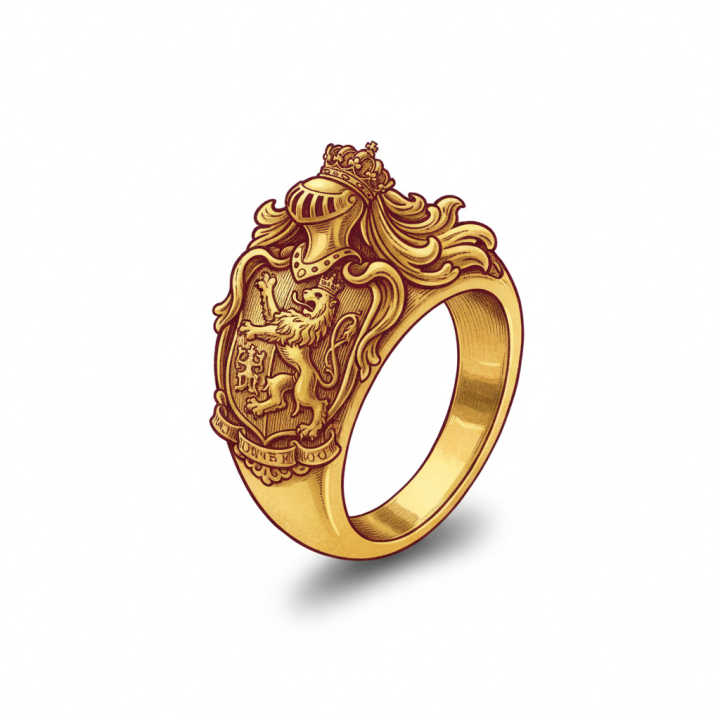
The signet ring
The crest has been filed away almost completely. Almost.
-
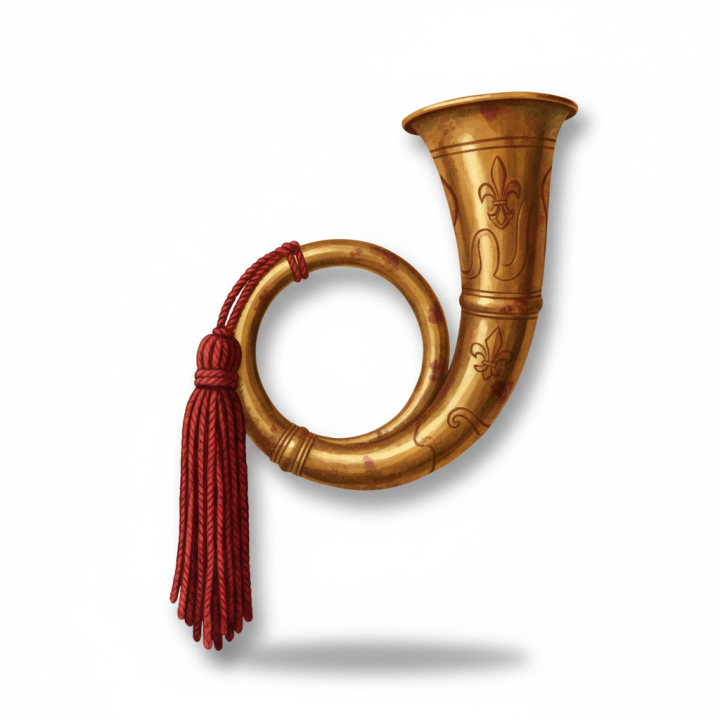
The herald's horn
It sounds the muster, the alarm, or the retreat. Whoever holds it can start a whole panic with a single breath.
-
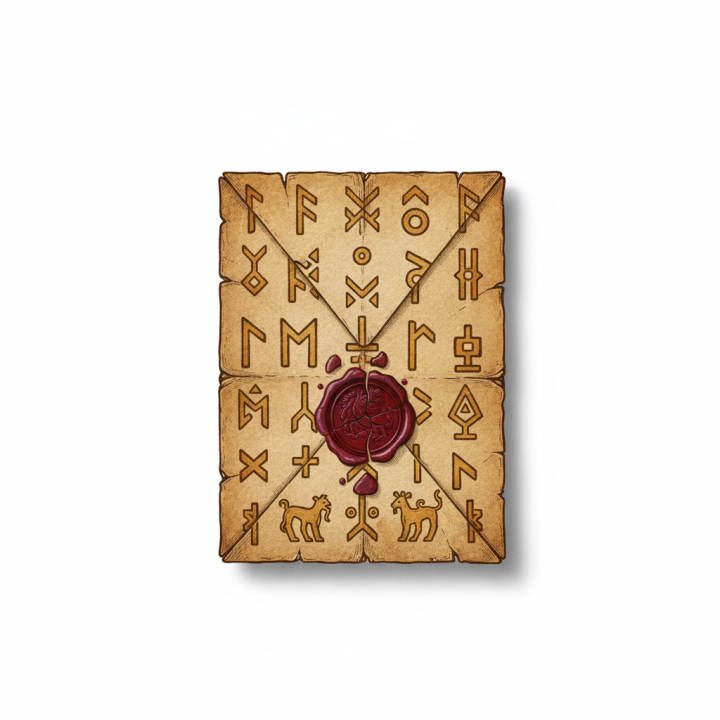
The ciphered letter
Orderly rows of meaningless signs. The ink is costly, the paper costlier, the sender - unknown.
-
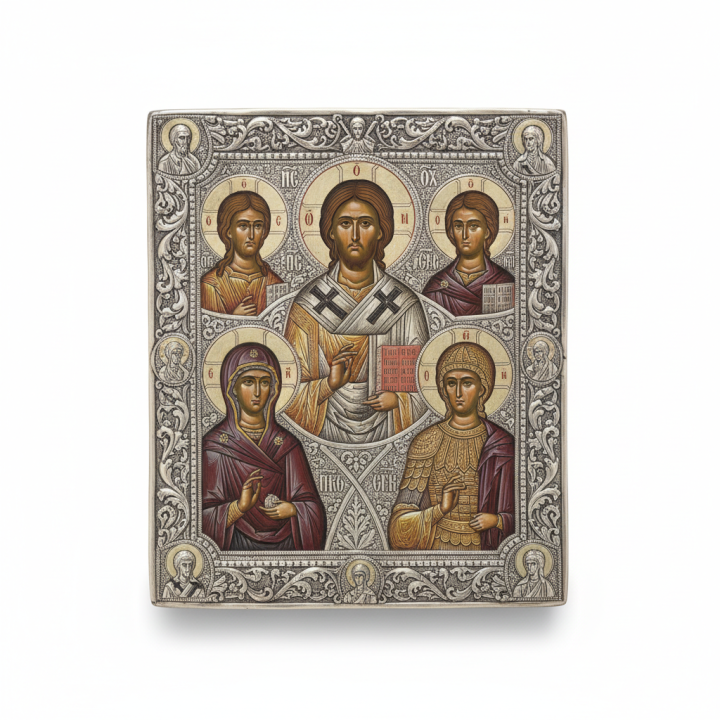
The silver-clad icon
The silver casing is old craftsmanship; the nails that hold it were driven this week.
Moments
-

At dawn
When the citadel is barely waking and the guards still doze.
-

After matins
The hour after the morning service, when the abbey empties.
-

At noon
Midday, with bustle in the markets and silence in the alcoves.
-

At dusk
When the shadows lengthen and the lanterns are not yet lit.
The testimonies on file
The list below is complete and pared to the bone. The Chancellery keeps no useless rows on file: each cuts something no other cuts.
- The customs register is clear: the mill by the river does not match that hour: after matins.
- The gate guard swears: the signet ring matches that hour: at noon.
- The gate guard swears: the hunting lodge matches that hour: at dusk.
- In the Chancellery's ledger it stands in black and white: the throne room matches that hour: at dawn.
- The chancellor deduced it coldly: if Brother Anselm was there at dawn, then the shortest suspect handled the ciphered letter.
- The hounds caught no scent at all: Toma the Cellarer never set foot in the place far from the eyes of the court.
- Brother Anselm raises their right hand and says: "I was at the guild forge".
- The night watch saw the suspect with dark eyes first, and only then Toma the Cellarer.
- Whatever the market gossips: Ban Radu the Silent never touched the herald's horn.
- The tracks in the dust do not lie: the suspect with greying hair was there at dawn.
Break the seal: the Chancellery's reasoning — warning: past this line, the mystery ends
How it was unravelled
The Chancellery's method does not change from one dossier to the next: findings go into the grid as certainties, testimonies are weighed under the Supreme Law, and what survives every cut is the truth, however unwelcome.
The scouts brought their share as well: “The customs register is clear: the mill by the river does not match that hour: after matins”. One more door closed. Investigations are not won on suspicions but on doors closed one at a time.
The clerk read the next line aloud: “The gate guard swears: the signet ring matches that hour: at noon”. One more certainty means, in a deduction grid, a whole fistful of impossibilities — and so it proved here.
This page was stitched into the file too: “The gate guard swears: the hunting lodge matches that hour: at dusk”. The cell filled, and around it a space opened: that is what a certain match does to a grid.
From here things gathered pace. Within a few hours the file received: “In the Chancellery's ledger it stands in black and white: the throne room matches that hour: at dawn”; “The chancellor deduced it coldly: if Brother Anselm was there at dawn, then the shortest suspect handled the ciphered letter”; “The hounds caught no scent at all: Toma the Cellarer never set foot in the place far from the eyes of the court”; “Brother Anselm raises their right hand and says: "I was at the guild forge"”; “The night watch saw the suspect with dark eyes first, and only then Toma the Cellarer”. Each closed a door, and by the last of them only one stood open.
A detail overlooked at the start came back into the file: “Whatever the market gossips: Ban Radu the Silent never touched the herald's horn”. One possibility fewer means, in the grid, one step nearer the only answer left.
There followed a detail that narrowed the circle: “The tracks in the dust do not lie: the suspect with greying hair was there at dawn”. The match was nailed down, and the rest of the row was left clean, like a page wiped with a sponge.
The lying testimony
The Chancellery caught the mismatch on its first reading of the grid. Brother Anselm swore before the Chancellery that I was at the guild forge, when in fact Brother Anselm never set foot in the guild forge. The innocent have no cause to lie; under the Supreme Law, whoever does points at themselves.
The Chancellery's verdict
At the end of the grid one name alone remained: Brother Anselm. At the hour of the deed, Brother Anselm was at the throne room, handled the herald's horn and was there at dawn. It was reached only by driving each supposition to its absurd end — a tier III dossier, and rightly so.
The acquittal of the rest
And here is what had become of the others, in that same hour: Ban Radu the Silent was at the hunting lodge, handled the silver-clad icon and was there at dusk; Toma the Cellarer was at the mill by the river, handled the signet ring and was there at noon; Mother Evghenia was at the guild forge, handled the ciphered letter and was there after matins. It is these acquittals that made the verdict possible: without them, room for doubt would have remained.
The chronicle ends here. The truth was not torn out by force but gathered patiently, cell by cell, until the lie had nowhere left to hide.
Play this dossier All mysteries
The chronicle is written from the logic of the file, not from memory. The uniqueness of the solution was demonstrated by the solver before the dossier ever became public. behind the scenes at the Chancellery.