
Chronicle of the solution: The Signature of Winter
Espionage Tier II
Whoever carried the secrets out no longer walks free. Here, though, is how they were given away, step by step.
The opening of the investigation
The council's secrets have reached where they never should have — and not on their own: someone carried them. The spy knows the corridors better than the guards do — an ill sign: it is one of the household. On the Chancellery's list stand Princess Smaranda, Lady Ruxandra, Balasa the Seamstress and Duchess Amara de Corvin; one of these names covers a lie. On the inquiry's table, like pieces in a game, lie the map of the realm, the herald's horn, the ruby dagger and the bishop's chalice. Study the testimonies at your leisure, fit them into the grid, and pronounce your verdict without haste.
The clerk entered Princess Smaranda, Lady Ruxandra, Balasa the Seamstress and Duchess Amara de Corvin in the register — that, and not one name more, until the verdict.
The suspects
-

Princess Smaranda
She has refused seven suitors and kept the gifts of all. She calls it practicality, not greed.
1.66 m tall · green eyes · chestnut hair · right-handed
-
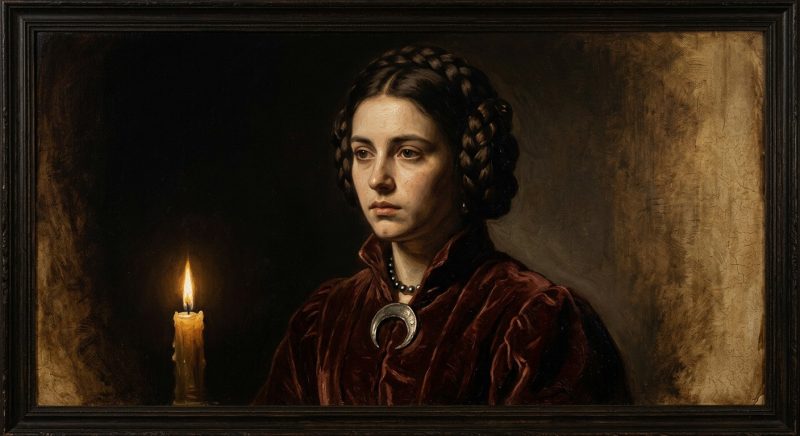
Lady Ruxandra
The queen's shadow at every hour. She hears everything, sees everything, and embroiders all she learns into patterns known only to her.
1.65 m tall · blue eyes · blond hair · right-handed
-
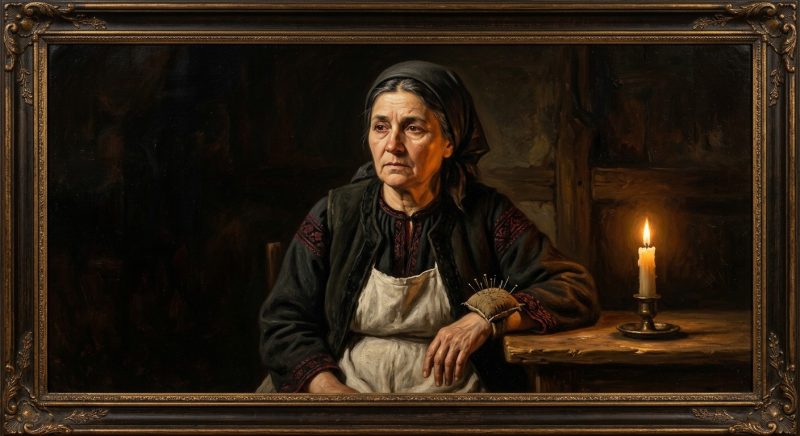
Balasa the Seamstress
She sews the garments of all the nobility and knows everyone's measurements - including those that do not show.
1.59 m tall · blue eyes · red hair · left-handed
-
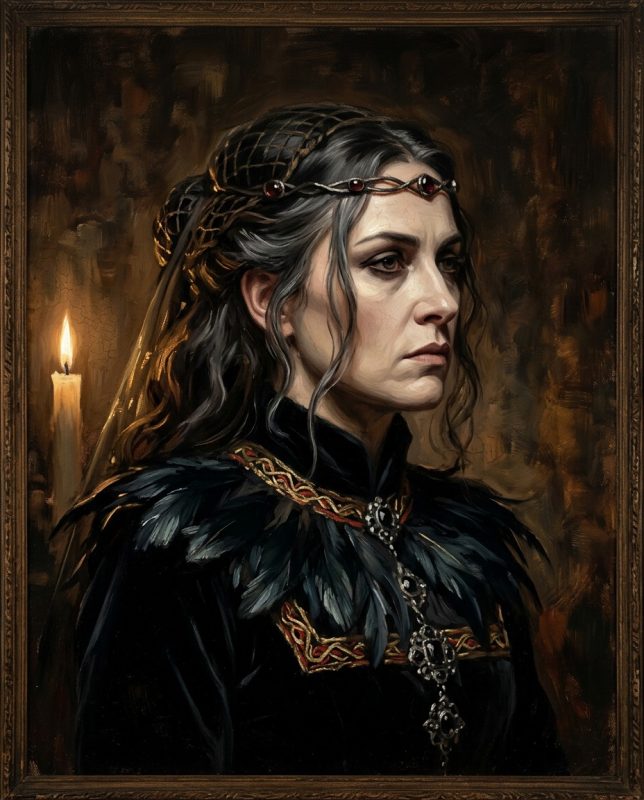
Duchess Amara de Corvin
Widowed three times, heir on each occasion. Her smile has buried more nobles than the plague.
1.68 m tall · dark eyes · black hair · right-handed
Locations
-
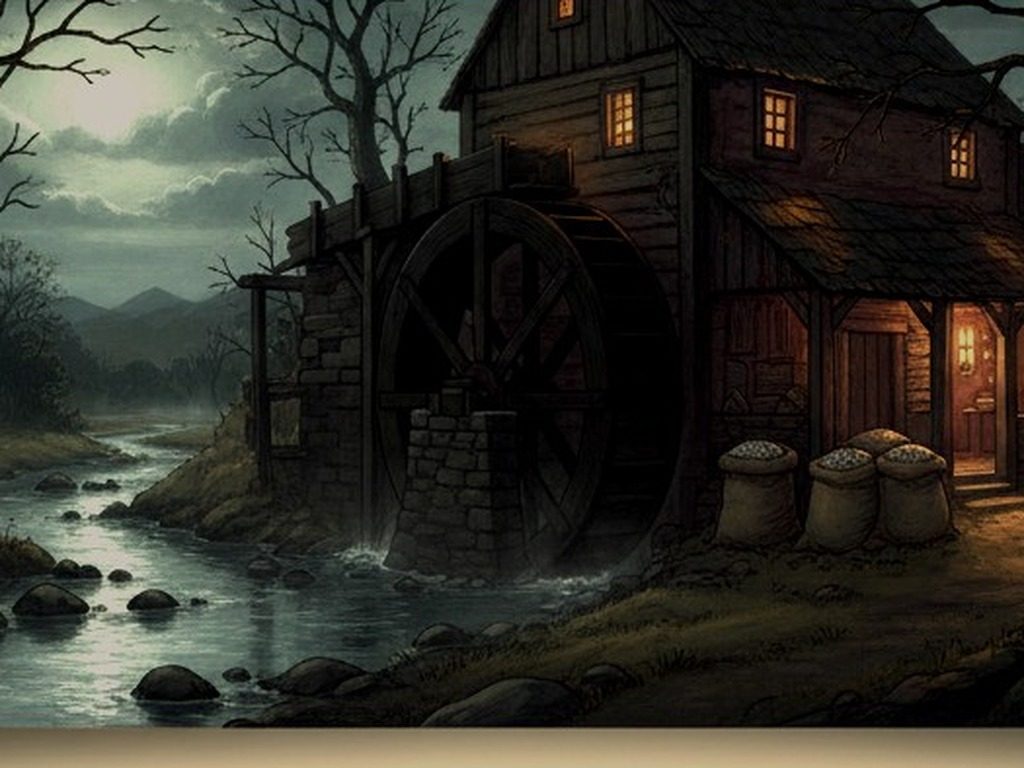
The mill by the river
The wheel turns day and night. Its noise drowns out any conversation - which is why some are held here.
-
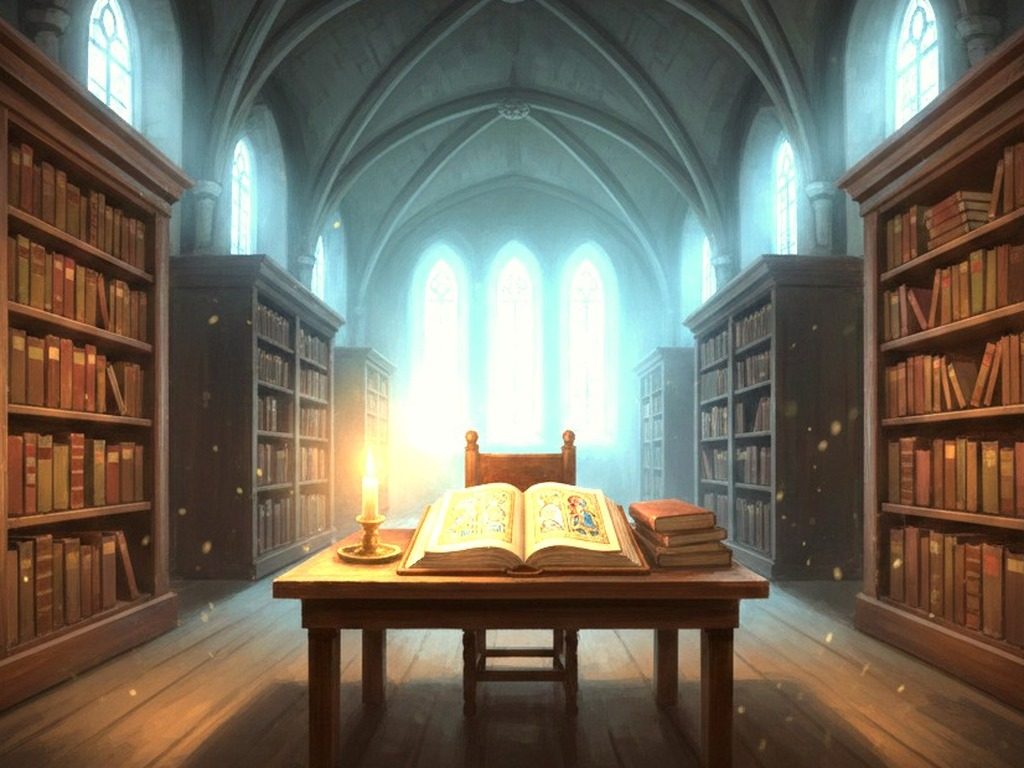
The abbey library
Thousands of leather-bound tomes. Some of the chains on the shelves were cut recently.
-

The old dungeon
Cells abandoned since the new dungeon was built. "Abandoned" is one way of putting it.
-
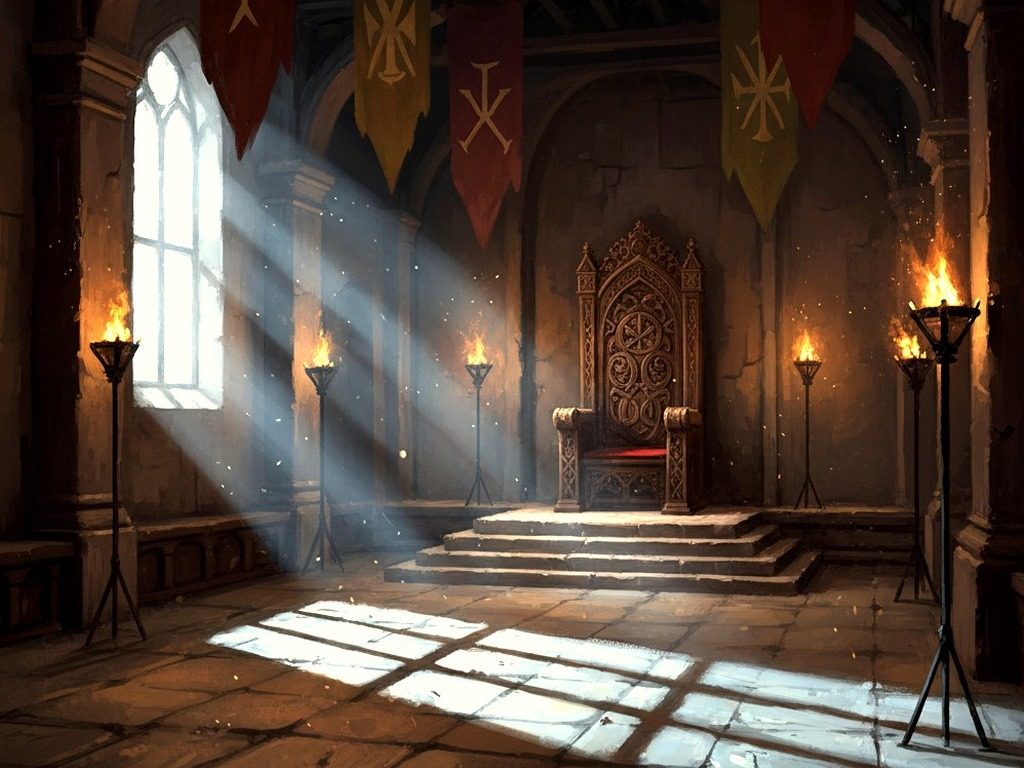
The throne room
Gold, purple, and the most closely watched place in the kingdom. In theory.
Objects
-
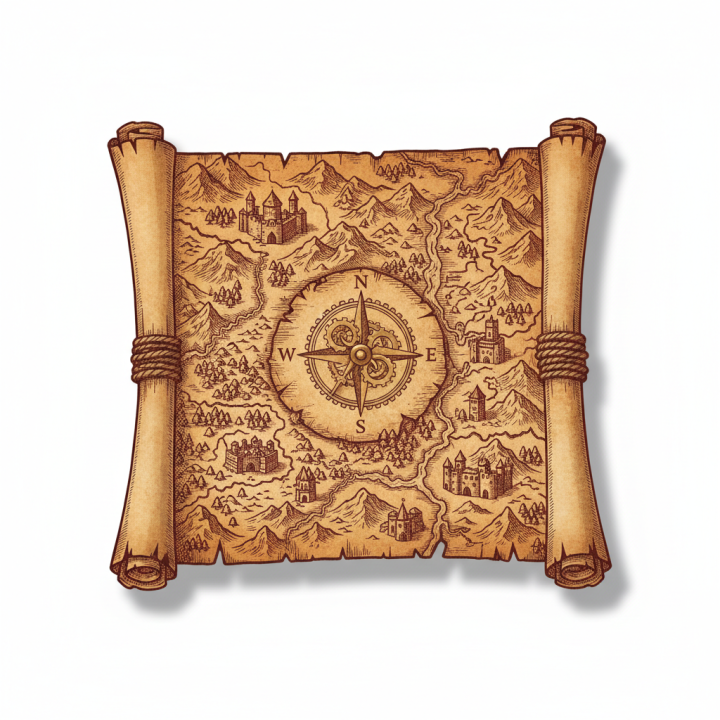
The map of the realm
The kingdom's borders, drawn with a fresh correction where there should be none.
-
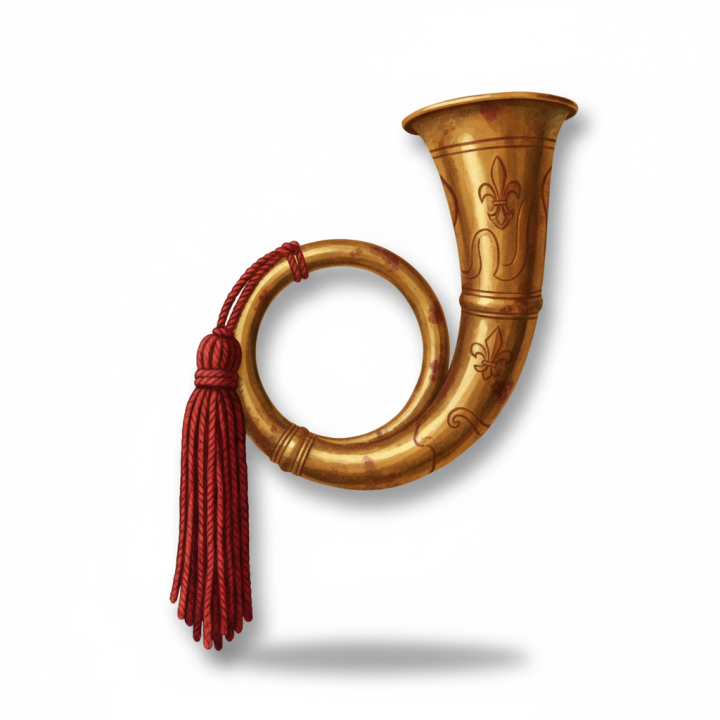
The herald's horn
It sounds the muster, the alarm, or the retreat. Whoever holds it can start a whole panic with a single breath.
-

The ruby dagger
A short blade, its hilt set with a stone red as a frozen drop. It was sharpened recently.
-
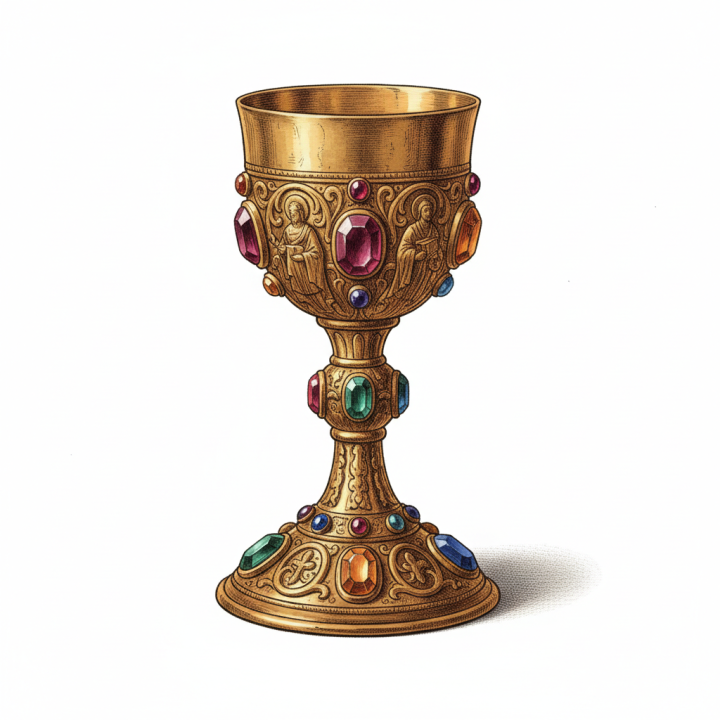
The bishop's chalice
Gold set with blue stones. Blessed three times, stolen twice.
Moments
-

At dawn
When the citadel is barely waking and the guards still doze.
-

After matins
The hour after the morning service, when the abbey empties.
-

At noon
Midday, with bustle in the markets and silence in the alcoves.
-

At dusk
When the shadows lengthen and the lanterns are not yet lit.
The pages of the file
These are all the findings and testimonies the Chancellery had to hand — not one more. The set is minimal by construction: take out a single row and the verdict can no longer be demonstrated.
- A maid whispered it at confession: Lady Ruxandra handled the map of the realm.
- About the culprit, the Chancellery knows one thing for certain: the culprit handled the bishop's chalice.
- The chronicler notes drily: the mill by the river matches that hour: at dusk, whatever the court may say.
- The tracks in the dust do not lie: the suspect with black hair handled the herald's horn.
- The chronicler notes drily: the old dungeon matches that hour: at dawn, whatever the court may say.
- The chronicler notes drily: the map of the realm matches that hour: after matins, whatever the court may say.
- An honest-faced witness saw it plainly: Princess Smaranda was there at dawn.
- In the Chancellery's ledger it stands in black and white: the abbey library and the bishop's chalice go together.
Read the unravelling, step by step — warning, the culprit is named beyond this point
How it was unravelled
No confession was wrung from anyone here. Only the grid was drawn tighter, until nothing but a single name still fitted inside it.
The examination of the place yielded this as well: “A maid whispered it at confession: Lady Ruxandra handled the map of the realm”. From then on that cell could no longer be disputed, and the dispute moved one row down.
The Chancellery asked for one more check, and received it: “About the culprit, the Chancellery knows one thing for certain: the culprit handled the bishop's chalice”. The line names nobody, but it binds the culprit to a fact — and every suspect who cannot carry it leaves the circle.
A detail overlooked at the start came back into the file: “The chronicler notes drily: the mill by the river matches that hour: at dusk, whatever the court may say”. Once the tick was placed, the investigation had nothing left to argue on that row and moved on.
The pages gathered fast, and each cut a strip out of the grid: “The tracks in the dust do not lie: the suspect with black hair handled the herald's horn”; “The chronicler notes drily: the old dungeon matches that hour: at dawn, whatever the court may say”; “The chronicler notes drily: the map of the realm matches that hour: after matins, whatever the court may say”. Not one of them named a culprit. Together, though, they left room for one alone.
The archivist underlined the following line with his nail: “An honest-faced witness saw it plainly: Princess Smaranda was there at dawn”. One more certainty means, in a deduction grid, a whole fistful of impossibilities — and so it proved here.
A note in the margin of the page read: “In the Chancellery's ledger it stands in black and white: the abbey library and the bishop's chalice go together”. The tick goes down without hesitation, and with it fall all the other cells on that row and that column.
The seal on the file
The Chancellery pronounced its verdict without hesitation: the culprit is Balasa the Seamstress. At the hour of the deed, Balasa the Seamstress was at the abbey library, handled the bishop's chalice and was there at noon. All of this follows from the findings above, without a single unproved hypothesis.
What became of the others
The grid took them out of the circle one by one, place in the story and all: Princess Smaranda was at the old dungeon, handled the ruby dagger and was there at dawn; Lady Ruxandra was at the throne room, handled the map of the realm and was there after matins; Duchess Amara de Corvin was at the mill by the river, handled the herald's horn and was there at dusk. Every one of these rows was necessary: take out a single one and the verdict can no longer be demonstrated.
The file sits on its shelf today, tied with red cord. What is worth keeping from it is not the culprit's name but the road: every step verifiable, none of them guessed.
Play this dossier All mysteries
This chronicle is no free retelling: it rises directly out of the dossier's logic, and every step passed through the solver which proved, before publication, that the solution is unique. behind the scenes at the Chancellery.