Chronicle of the solution: The Shadow of Winter
Conspiracy Tier II
The web was unpicked thread by thread, and the knot at its centre carries a name today. Here is how it was reached.
The dossier, on a first reading
The whispers began in Realm of the Crown like thin smoke; now the smoke smells of conspiracy. The crown demands not only the name but the proof: suspicion without grounds is itself a tool of the scheme. The testimonies keep returning to the same names: Father Nicodim, Anica the Miller, Teofil the Chronicler and Mother Evghenia. On the inquiry's table, like pieces in a game, lie the bishop's chalice, the herald's horn, the amber necklace and the ceremonial crown. Take up the quill, follow the thread of the clues, and set your seal upon the verdict.
All four places in this dossier are cold: the north wall, the watchtower, the cathedral crypt and the old chapel. That is no accident — in winter people gather where nobody looks for them, and a conspiracy wants exactly that.
Three of the four suspects come from the world of the church and the book: Father Nicodim, Mother Evghenia and Teofil the Chronicler. The fourth name, Anica the Miller, seems not to belong — until you remember that the mill is where the whole district's grain passes through, and with it all the news.
The objects are of a value that declares the stakes by itself: the bishop's chalice, the ceremonial crown, an amber necklace and the herald's horn.
Tier II. A good dossier for practising transitivity: with four categories, one certain match closes four cells at a stroke, not one. And once a category is closed entirely, the rest of the grid contracts by itself — which is where the feeling comes from, in a well-built dossier, that the last rows solve themselves in moments.
Suspicion settled on these: Father Nicodim, Anica the Miller, Teofil the Chronicler and Mother Evghenia. From then on the names mattered less than what could be proved about each.
The suspects
-

Father Nicodim
He hears the confessions of the whole court. Forgetting, he says, is a gift from the Lord - one he sells dearly.
1.72 m tall · blue eyes · greying hair · right-handed
-
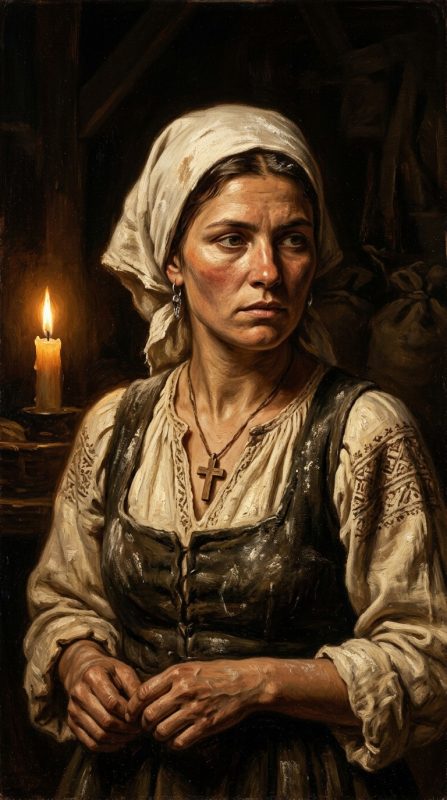
Anica the Miller
Her mill grinds grain by day and rumours by night. The flour comes out white; the rumours, always black.
1.63 m tall · brown eyes · blond hair · right-handed
-
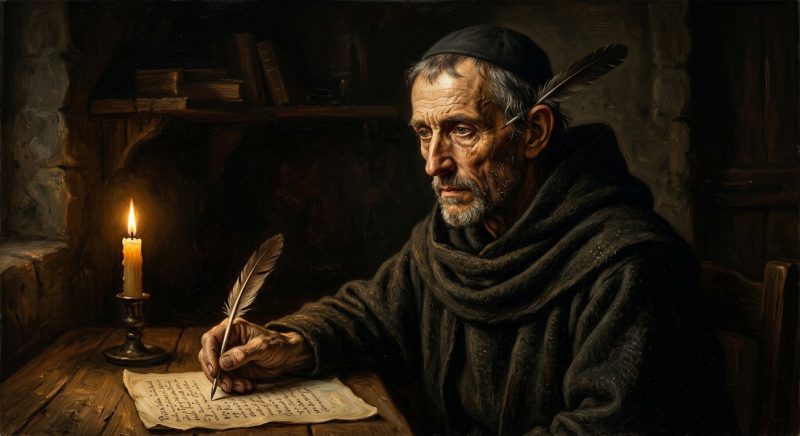
Teofil the Chronicler
He writes the kingdom's history as he is ordered. The unwelcome drafts, however, he keeps every one.
1.69 m tall · brown eyes · greying hair · left-handed
-
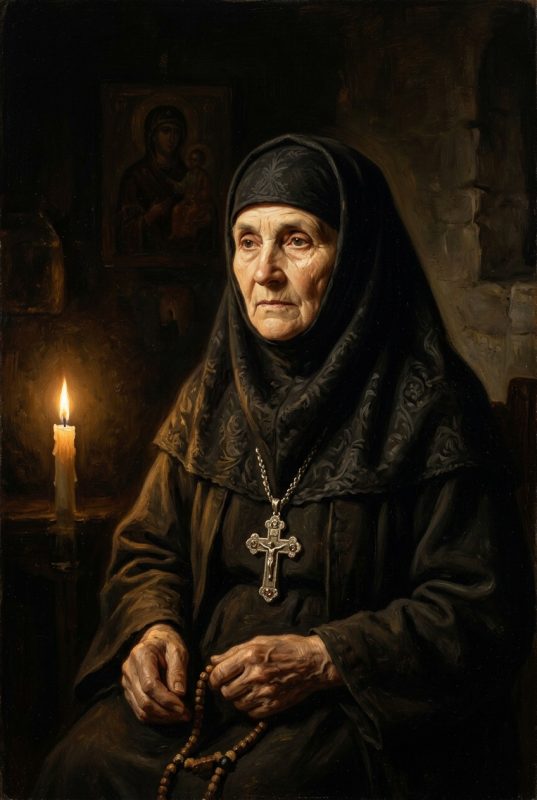
Mother Evghenia
She runs the abbey with an iron hand and a golden pen. The register of donations has pages she shows no one.
1.60 m tall · dark eyes · black hair · right-handed
Locations
-

The north wall
The stretch of wall the patrol skirts when the wind blows. Everyone knows that.
-

The watchtower
The highest point of the fortress. From here you see everything - and from below, everyone sees who climbs up.
-

The cathedral crypt
The old kings sleep beneath crested slabs. Now and then, someone disturbs their rest.
-
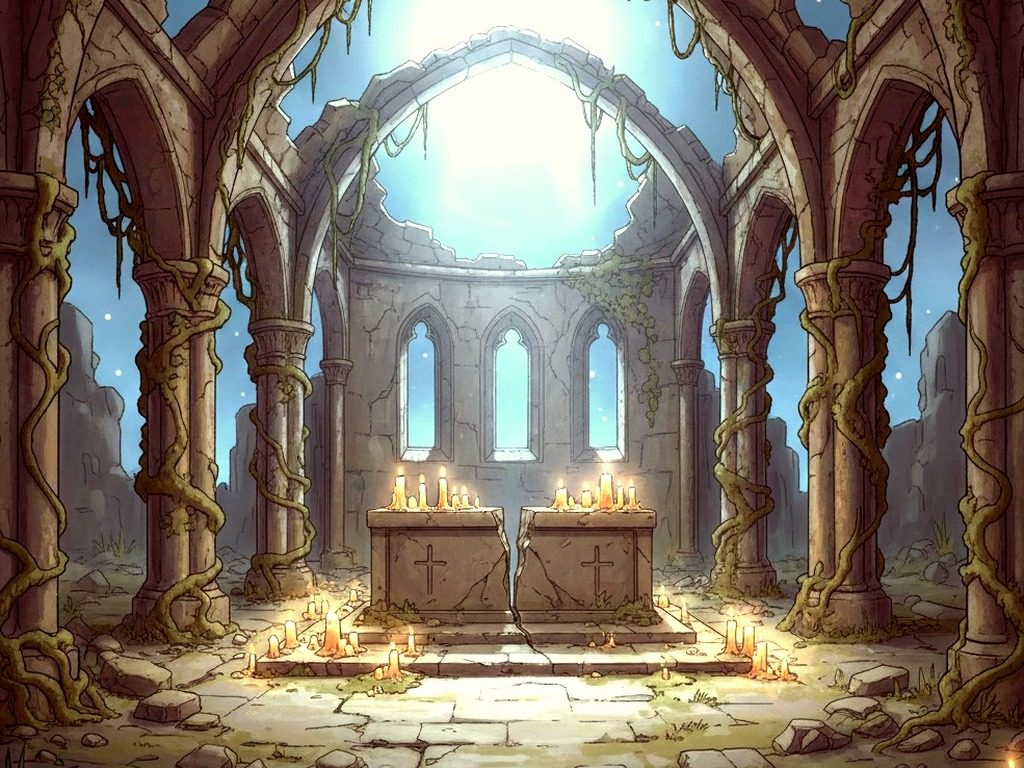
The old chapel
Candles, incense, and a silence in which every footstep echoes like a confession.
Objects
-
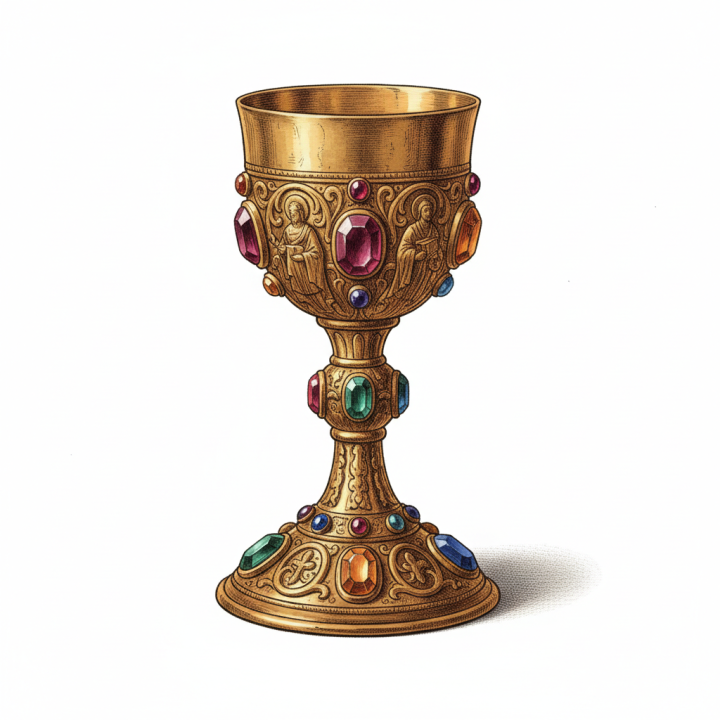
The bishop's chalice
Gold set with blue stones. Blessed three times, stolen twice.
-
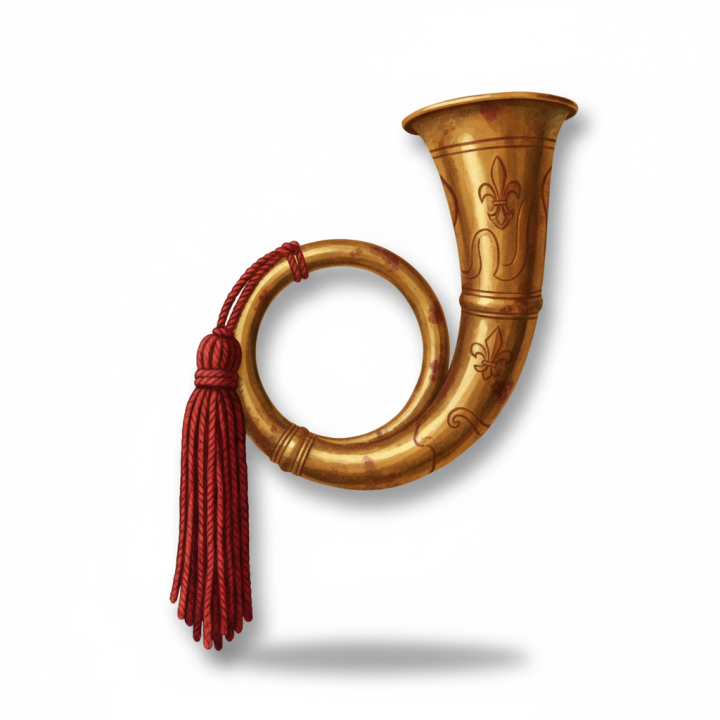
The herald's horn
It sounds the muster, the alarm, or the retreat. Whoever holds it can start a whole panic with a single breath.
-
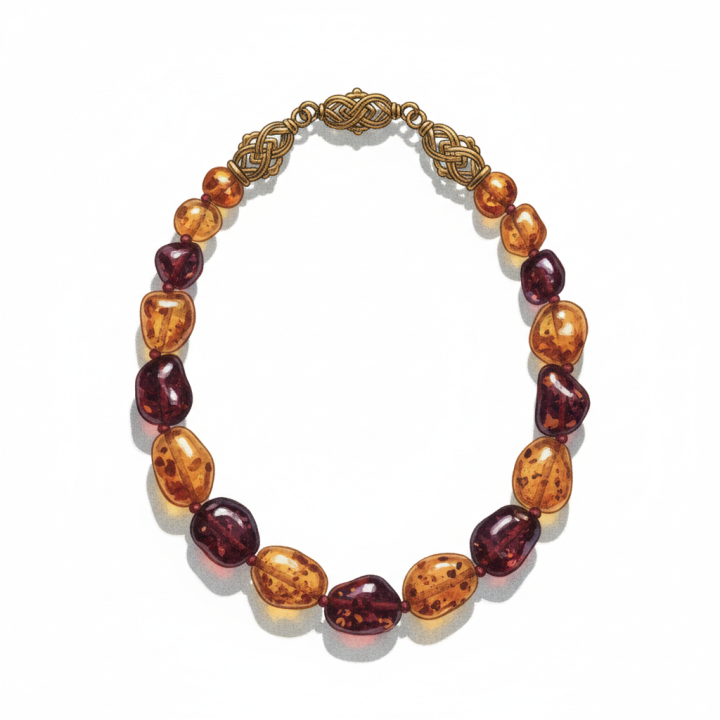
The amber necklace
Beads of golden resin strung on a silk thread. The thread is broken and hastily reknotted.
-
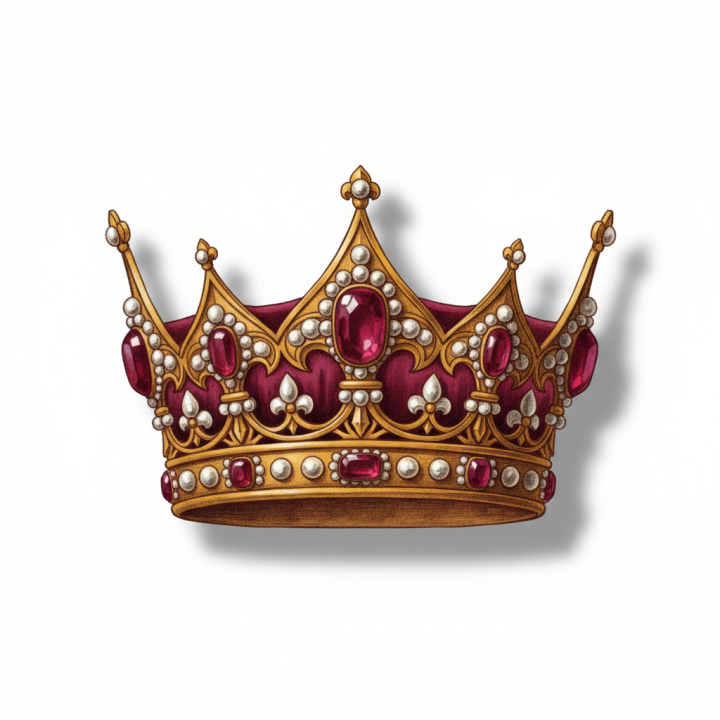
The ceremonial crown
The "wearable" copy of the true crown. At least, that was the idea.
Moments
-

At dawn
When the citadel is barely waking and the guards still doze.
-

After matins
The hour after the morning service, when the abbey empties.
-

At noon
Midday, with bustle in the markets and silence in the alcoves.
-

At dusk
When the shadows lengthen and the lanterns are not yet lit.
What the Chancellery had to hand
Nothing is missing from the list and nothing is surplus. Every row below is necessary: without it, the grid would allow several solutions at once.
- The chronicler notes drily: the herald's horn matches that hour: at noon, whatever the court may say.
- An honest-faced witness saw it plainly: the suspect with blond hair handled the ceremonial crown.
- An honest-faced witness saw it plainly: the bishop's chalice matches that hour: after matins.
- The Chancellery checked twice: the old chapel does not match that hour: at noon.
- The traces left at the scene show it plainly: the culprit handled the amber necklace.
- The gate guard swears: the cathedral crypt matches that hour: at dawn.
- The Chancellery checked twice: the suspect with blue eyes never touched the bishop's chalice.
- The gate guard swears: the left-handed suspect was in the place from which you see everything.
- The tracks in the dust do not lie: the suspect with dark eyes was there at dawn.
Break the seal: the Chancellery's reasoning — the culprit's name is spoken from here on
The reasoning, step by step
The investigator guessed at nothing. Each finding went to its place in the grid, each testimony passed through the sieve of the Supreme Law, and elimination did the rest.
A witness of good faith cleared up one more corner: “The chronicler notes drily: the herald's horn matches that hour: at noon, whatever the court may say”. The tick goes down without hesitation, and with it fall all the other cells on that row and that column.
The Chancellery asked for one more check, and received it: “An honest-faced witness saw it plainly: the suspect with blond hair handled the ceremonial crown”. The match was nailed down, and the rest of the row was left clean, like a page wiped with a sponge.
A report from the watch brought clarity: “An honest-faced witness saw it plainly: the bishop's chalice matches that hour: after matins”. Once the tick was placed, the investigation had nothing left to argue on that row and moved on.
Then came, one after another, the findings that drew the noose tight: “The Chancellery checked twice: the old chapel does not match that hour: at noon”; “The traces left at the scene show it plainly: the culprit handled the amber necklace”; “The gate guard swears: the cathedral crypt matches that hour: at dawn”; “The Chancellery checked twice: the suspect with blue eyes never touched the bishop's chalice”. Laid end to end, they did what not one of them could have done alone.
Then this finding entered the file: “The gate guard swears: the left-handed suspect was in the place from which you see everything”. Two names bound themselves for good, and the binding undid, at a stroke, every pairing that contradicted it.
It was set down, for whoever reads after us: “The tracks in the dust do not lie: the suspect with dark eyes was there at dawn”. The cell filled, and around it a space opened: that is what a certain match does to a grid.
The close of the investigation
The verdict wrote itself — the culprit is Mother Evghenia. The grid shows plainly how matters stood: Mother Evghenia was at the cathedral crypt, handled the amber necklace and was there at dawn. The verdict stands on its own, out of the findings above.
The remaining suspects
The Chancellery recorded the others' movements as well, because it was precisely they that closed the grid: Father Nicodim was at the north wall, handled the herald's horn and was there at noon; Anica the Miller was at the old chapel, handled the ceremonial crown and was there at dusk; Teofil the Chronicler was at the watchtower, handled the bishop's chalice and was there after matins. They look like rows of padding and they are not: the whole of the rest rests on them.
The file sits on its shelf today, tied with red cord. What is worth keeping from it is not the culprit's name but the road: every step verifiable, none of them guessed.
Play this dossier All mysteries
The chronicles are written by the Enigmerra Chancellery out of the dossier's own logic: every step above is verified by the solver which proved, at publication, that the dossier has a unique solution. behind the scenes at the Chancellery.