
Chronicle of the solution: The Secret of the Crown
Forged decree Tier III
The file on the forged decree is closed; what remains is the reasoning, which deserves keeping rather more than the deed.
The dossier, on a first reading
A parchment full of orders no one ever gave is circulating through Realm of the Crown, and the harm has only begun. Whoever drew it up knew the Chancellery's ways by heart — and that is precisely what betrays them. On the Chancellery's list stand Elisei the Stargazer, Petru the Herald, Costache the Toll-Keeper, Ilinca the Baker and Castellan Ursu; one of these names covers a lie. As for the impulse behind it, the court whispers of everything: a debt of honour, ambition, revenge, jealousy and greed. A sharp eye is not enough here — it takes an archivist's patience: fit everything together, then pronounce your verdict.
Under suspicion stood Elisei the Stargazer, Petru the Herald, Costache the Toll-Keeper, Ilinca the Baker and Castellan Ursu. One of them alone lied; the rest, without knowing it, spoke the truth that gave that one away.
The suspects
-

Elisei the Stargazer
He reads the future in the stars and the past in men's debts. The second method fails less often.
1.67 m tall · blue eyes · greying hair · right-handed
-
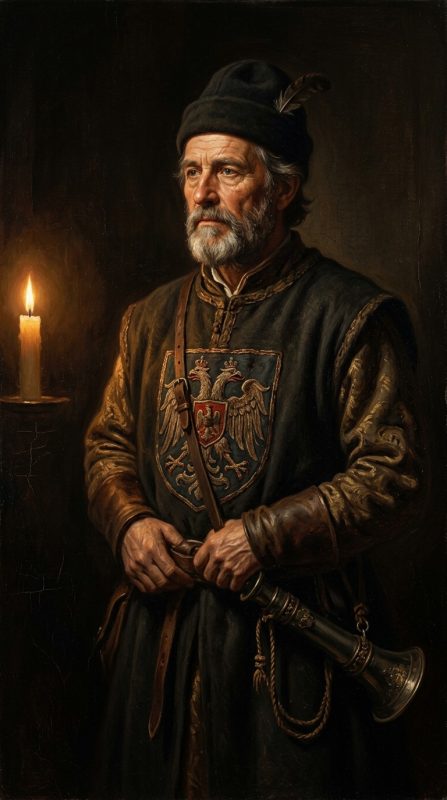
Petru the Herald
He proclaims the crown's will to every corner of the kingdom. Sometimes he proclaims it before the crown itself knows.
1.82 m tall · blue eyes · blond hair · right-handed
-
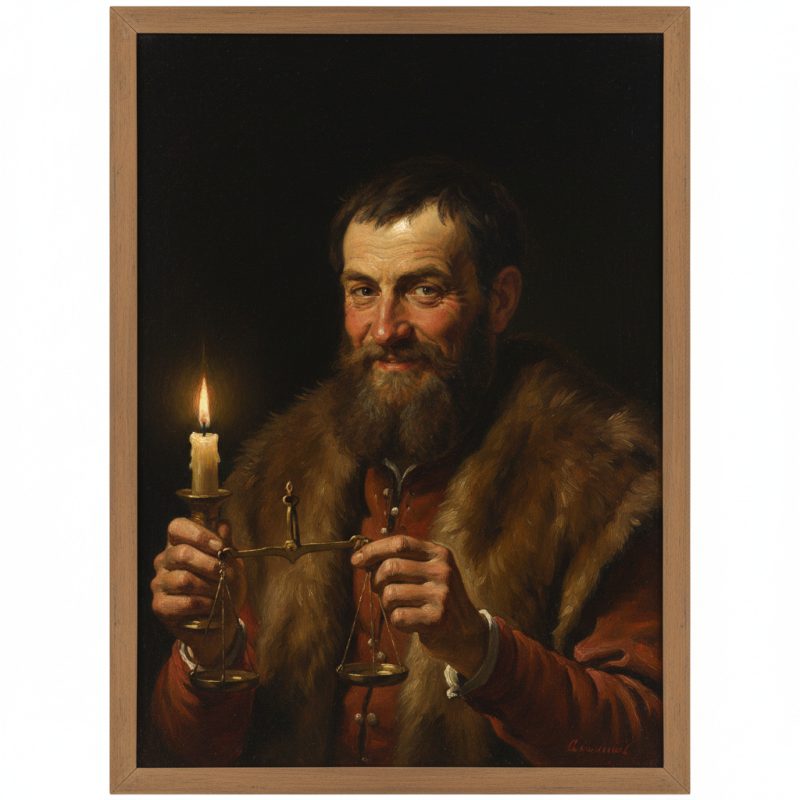
Costache the Toll-Keeper
His scales weigh the goods; his eye, the merchant. Both can be "greased" at need.
1.80 m tall · dark eyes · grey hair · right-handed
-
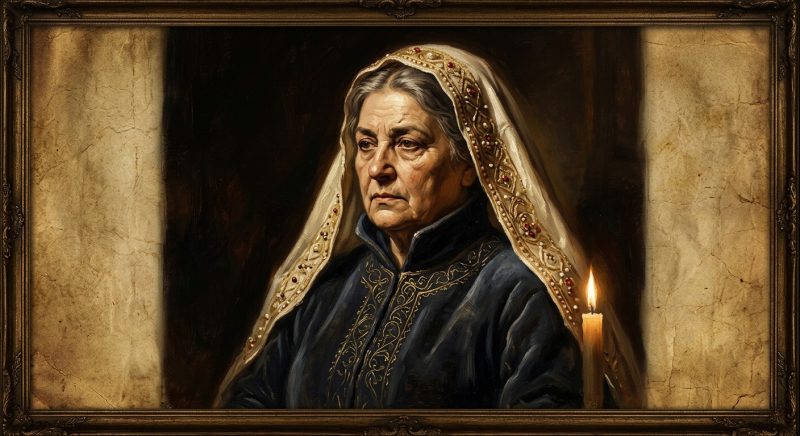
Ilinca the Baker
She weighs flour to the gram and people at a glance. No one stays in her debt twice.
1.62 m tall · brown eyes · chestnut hair · right-handed
-
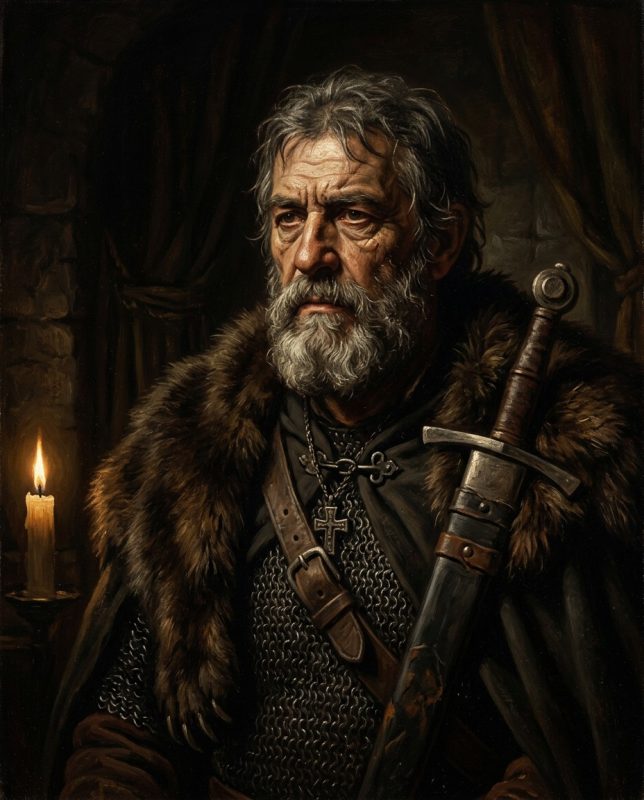
Castellan Ursu
He keeps the fortress dungeon and the tally of those who leave other than they entered.
1.90 m tall · dark eyes · black hair · right-handed
Locations
-
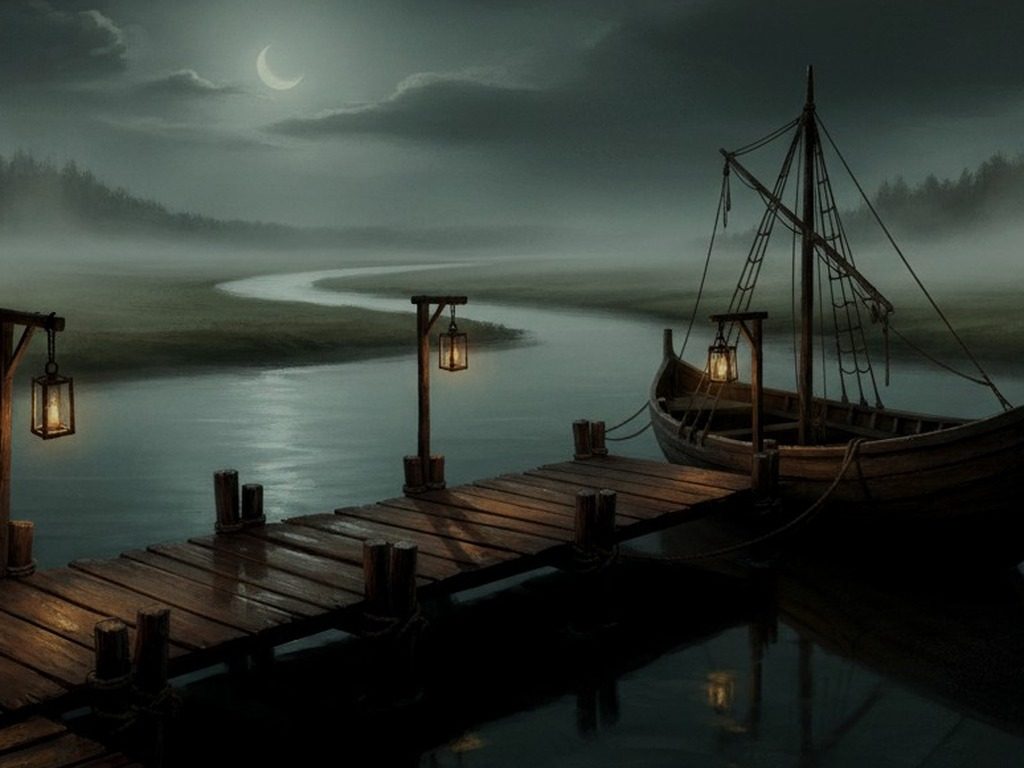
The wharf
Moored boats, wet ropes, and goods that prefer to arrive in the fog.
-

The guild forge
Anvils, tongs, and a fire that never goes out. Many small metal things vanish here.
-

The north wall
The stretch of wall the patrol skirts when the wind blows. Everyone knows that.
-

The watchtower
The highest point of the fortress. From here you see everything - and from below, everyone sees who climbs up.
-
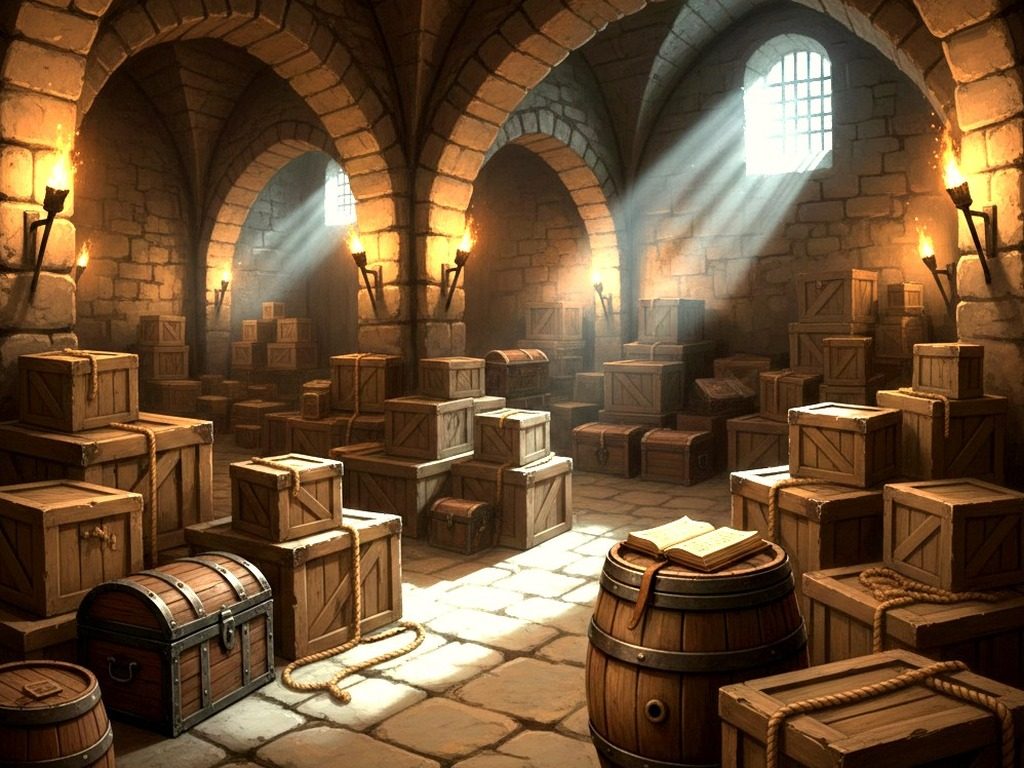
The customs cellar
Sealed crates, thick ledgers, and air that smells of undeclared goods.
Objects
-
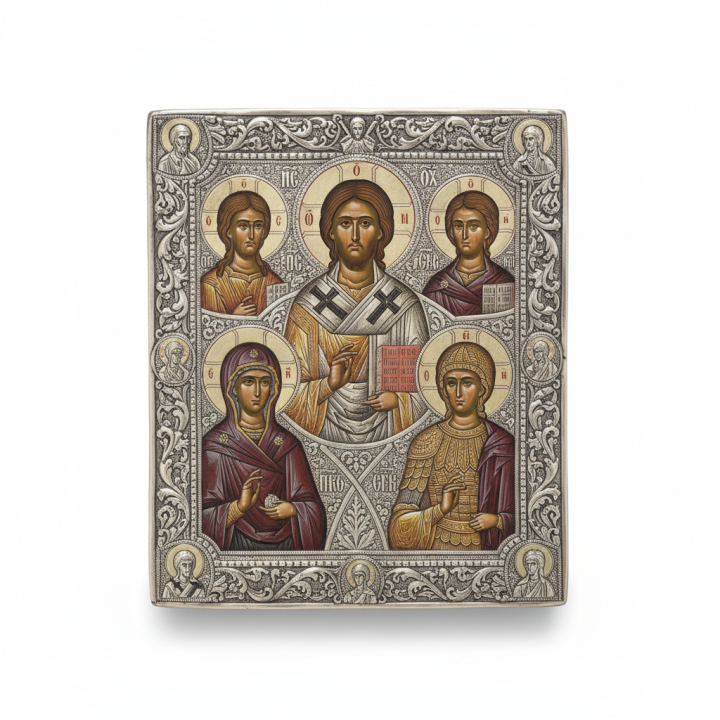
The silver-clad icon
The silver casing is old craftsmanship; the nails that hold it were driven this week.
-
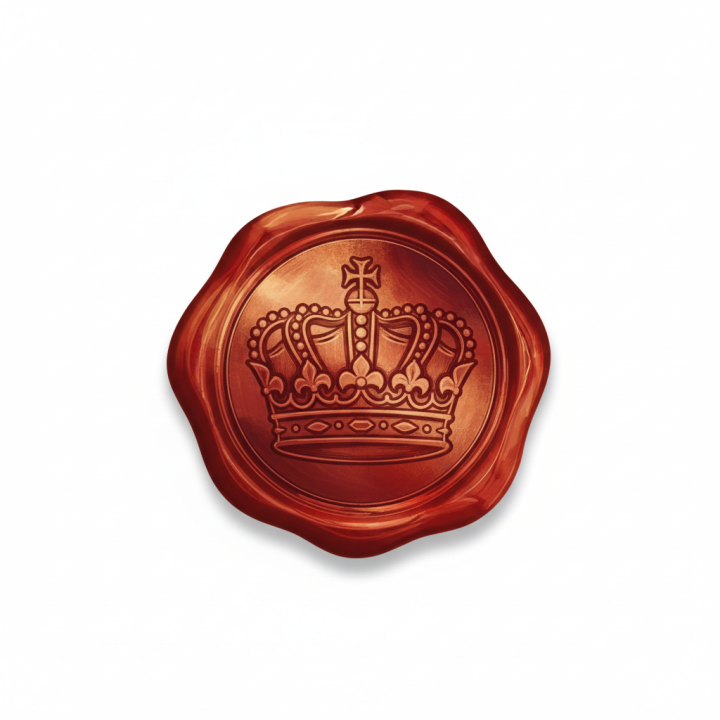
The royal seal
Whoever holds it can seal any decree. Which is why it should not be wandering the kingdom.
-
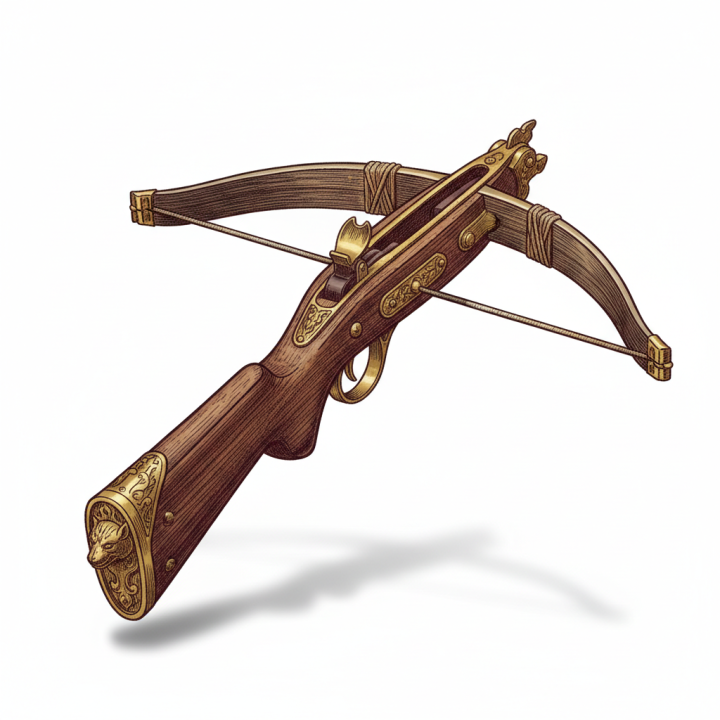
The hunting crossbow
Light, accurate, with a walnut stock. Exactly one bolt is missing from the quiver.
-
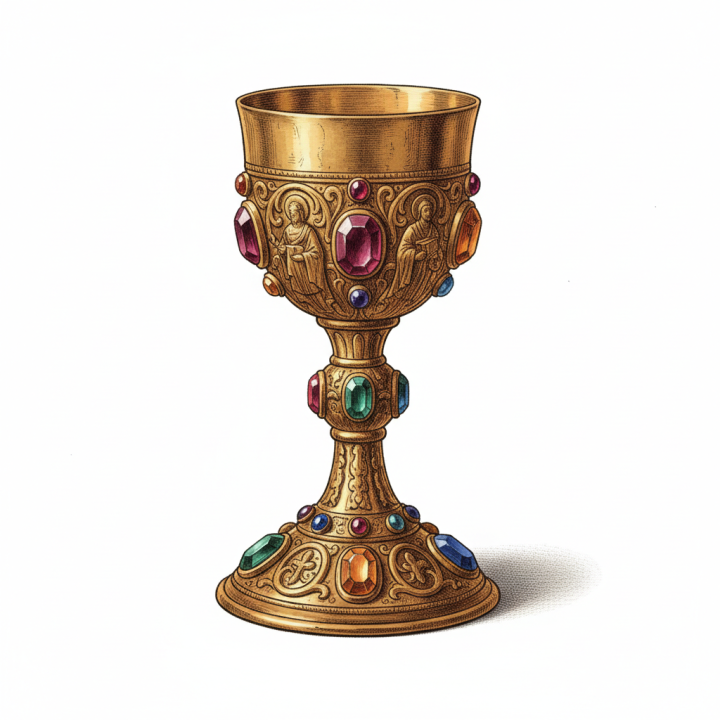
The bishop's chalice
Gold set with blue stones. Blessed three times, stolen twice.
-
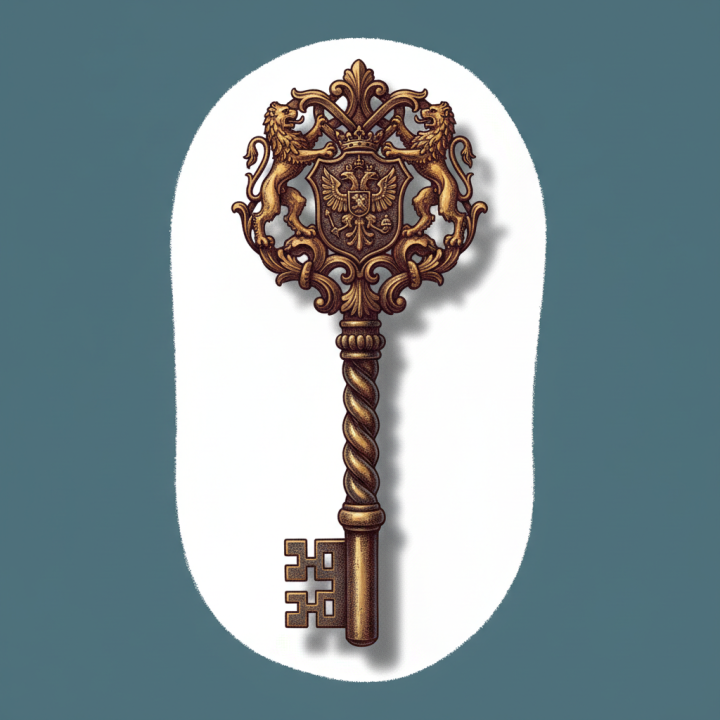
The bronze key
Heavy, old, its teeth worn smooth. No one knows what door it opens anymore - or so they say.
Motives
-
A debt of honour
O făgăduială care cântărește mai greu decât viața.
-
Ambition
Setea de a urca, chiar peste trupuri, spre o treaptă mai înaltă.
-
Revenge
O datorie de sânge pe care numai fapta o mai șterge.
-
Jealousy
Otrava care mistuie pe cel ce râvnește ce nu-i al lui.
-
Greed
Dorința nesățioasă de avere, care nu se oprește la nimic.
The evidence gathered on file
The list below is complete and pared to the bone. The Chancellery keeps no useless rows on file: each cuts something no other cuts.
- Even the jester says it in earnest: the customs cellar and greed do not go together.
- An honest-faced witness saw it plainly: Costache the Toll-Keeper handled the bronze key.
- Castellan Ursu raises their right hand and says: "I was at the watchtower".
- Two witnesses, upon their crest: the bishop's chalice and ambition do not go together.
- An honest-faced witness saw it plainly: the silver-clad icon and a debt of honour go together.
- Two witnesses, upon their crest: the suspect with blond hair never set foot in the place the patrol skirts when the wind blows.
- Two witnesses, upon their crest: the north wall and ambition do not go together.
- The chronicler notes drily: Elisei the Stargazer handled the bishop's chalice, whatever the court may say.
- The chronicler notes drily: the north wall and the hunting crossbow go together, whatever the court may say.
- An honest-faced witness saw it plainly: the customs cellar and the bishop's chalice go together.
- Whatever the market gossips: the wharf and the bronze key do not go together.
- An honest-faced witness saw it plainly: Petru the Herald was driven by jealousy.
- At the Chancellery, Elisei the Stargazer maintains: "I was in the place where goods arrive in the fog".
Open the full reasoning — warning, the culprit is named beyond this point
The unravelling of the thread
The road is always the same: findings first, because they do not lie; testimonies after, because one of them always does.
A report from the watch brought clarity: “Even the jester says it in earnest: the customs cellar and greed do not go together”. The possibility fell without appeal, and the circle tightened by one finger.
The examination of the place yielded this as well: “An honest-faced witness saw it plainly: Costache the Toll-Keeper handled the bronze key”. Two names bound themselves for good, and the binding undid, at a stroke, every pairing that contradicted it.
Then this finding entered the file: “Castellan Ursu raises their right hand and says: "I was at the watchtower"”. The testimony was set aside on the scales: if the speaker is innocent it is true; if not, it is precisely the reverse.
From here things gathered pace. Within a few hours the file received: “Two witnesses, upon their crest: the bishop's chalice and ambition do not go together”; “An honest-faced witness saw it plainly: the silver-clad icon and a debt of honour go together”; “Two witnesses, upon their crest: the suspect with blond hair never set foot in the place the patrol skirts when the wind blows”; “Two witnesses, upon their crest: the north wall and ambition do not go together”; “The chronicler notes drily: Elisei the Stargazer handled the bishop's chalice, whatever the court may say”; “The chronicler notes drily: the north wall and the hunting crossbow go together, whatever the court may say”; “An honest-faced witness saw it plainly: the customs cellar and the bishop's chalice go together”; “Whatever the market gossips: the wharf and the bronze key do not go together”. The grid emptied before one's eyes, and what stayed in it could no longer be doubted.
This too was added to the file: “An honest-faced witness saw it plainly: Petru the Herald was driven by jealousy”. The tick goes down without hesitation, and with it fall all the other cells on that row and that column.
A detail overlooked at the start came back into the file: “At the Chancellery, Elisei the Stargazer maintains: "I was in the place where goods arrive in the fog"”. Under the Supreme Law a testimony is not a finding: it weighs only if the one who speaks it is not the culprit.
The lying testimony
The Chancellery caught the mismatch on its first reading of the grid. Elisei the Stargazer swore before the Chancellery that I was at the wharf, when in fact Elisei the Stargazer never set foot in the wharf. The innocent have no cause to lie; under the Supreme Law, whoever does points at themselves.
The culprit's name
The Chancellery pronounced its verdict without hesitation: the culprit is Elisei the Stargazer. The arrangement in the grid is this: Elisei the Stargazer was at the customs cellar, handled the bishop's chalice and was driven by revenge. The dossier called for hypotheses driven to contradiction, not direct elimination alone — which is why it was rated at tier III.
What became of the others
The remaining suspects received their release from the grid too: Petru the Herald was at the wharf, handled the royal seal and was driven by jealousy; Costache the Toll-Keeper was at the guild forge, handled the bronze key and was driven by ambition; Ilinca the Baker was at the north wall, handled the hunting crossbow and was driven by greed; Castellan Ursu was at the watchtower, handled the silver-clad icon and was driven by a debt of honour. They look like rows of padding and they are not: the whole of the rest rests on them.
That is how a dossier closes: not with a well-contrived suspicion, but with the only arrangement the grid still allowed. The Chancellery needed no confession — it needed only logic.
Play this dossier All mysteries
Nothing in this chronicle is invented: the text rises out of the dossier's logic, and the dossier passed through the solver before publication, so that its solution is provably unique. behind the scenes at the Chancellery.