
Chronicle of the solution: The Seal of the Seal
Forged decree Tier II
The file on the forged decree is closed; what remains is the reasoning, which deserves keeping rather more than the deed.
The dossier as it reached the desk
A decree bearing a lying seal has left the Chancellery, and its parchment has already done damage. Until the hand that pressed the seal is found, every written order stands in doubt. On the Chancellery's list stand Costache the Toll-Keeper, Nichifor the Spy, Princess Smaranda and Toma the Cellarer; one of these names covers a lie. The testimonies cling to certain hours: "at dawn", "after matins", "at noon" and "at dusk". Open the grid, weigh every clue, and pronounce your verdict: the Chancellery awaits only your signature.
The clerk entered Costache the Toll-Keeper, Nichifor the Spy, Princess Smaranda and Toma the Cellarer in the register — that, and not one name more, until the verdict.
The suspects
-
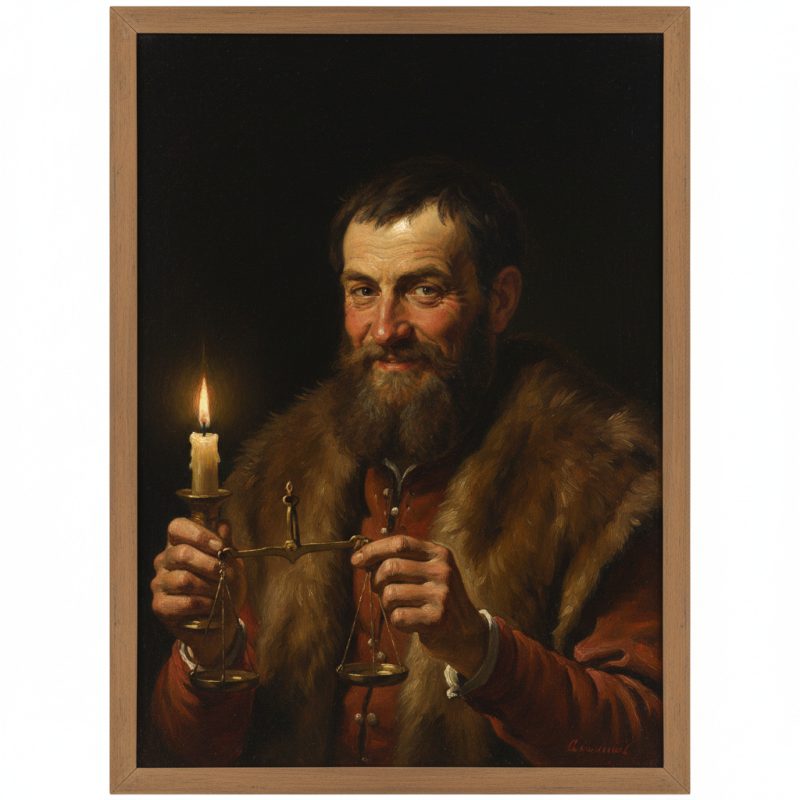
Costache the Toll-Keeper
His scales weigh the goods; his eye, the merchant. Both can be "greased" at need.
1.80 m tall · dark eyes · grey hair · right-handed
-
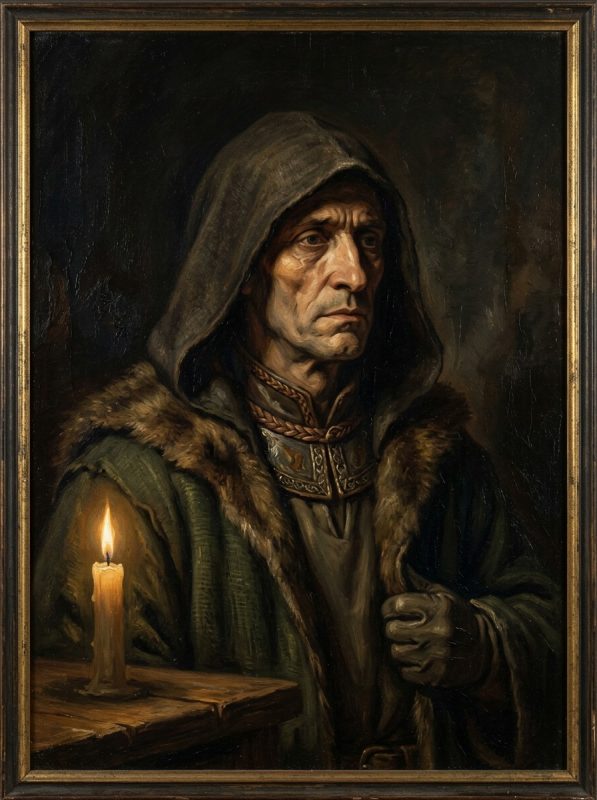
Nichifor the Spy
Officially, he does not exist. Unofficially, he was seen in three places at once - which is, of course, impossible.
1.74 m tall · dark eyes · brown hair · left-handed
-

Princess Smaranda
She has refused seven suitors and kept the gifts of all. She calls it practicality, not greed.
1.66 m tall · green eyes · chestnut hair · right-handed
-
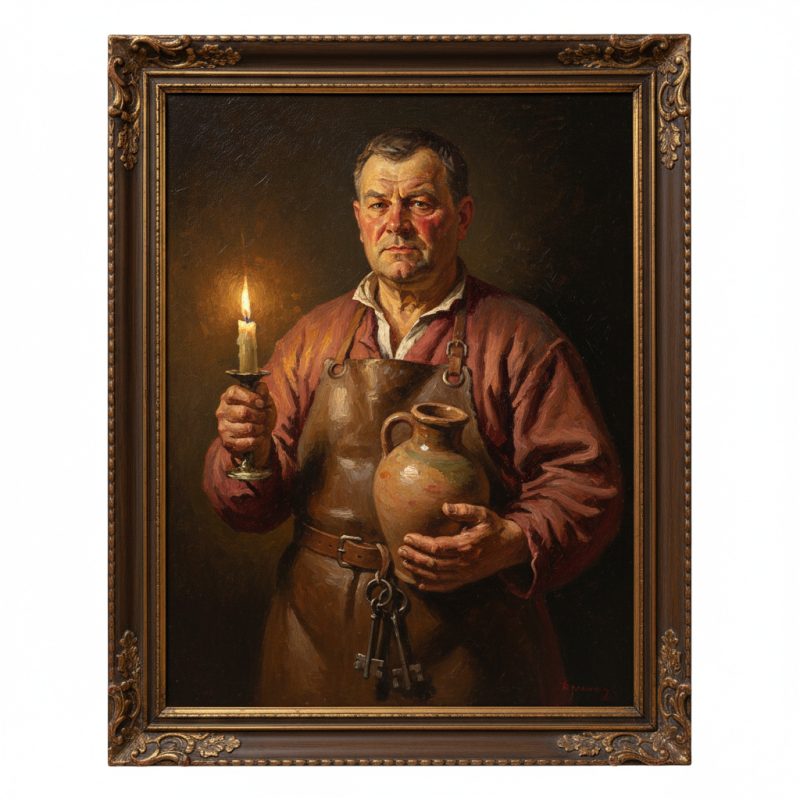
Toma the Cellarer
He holds the keys to every cellar in the castle. He claims the wine vanishes on its own, by "angelic evaporation."
1.73 m tall · brown eyes · red hair · left-handed
Locations
-
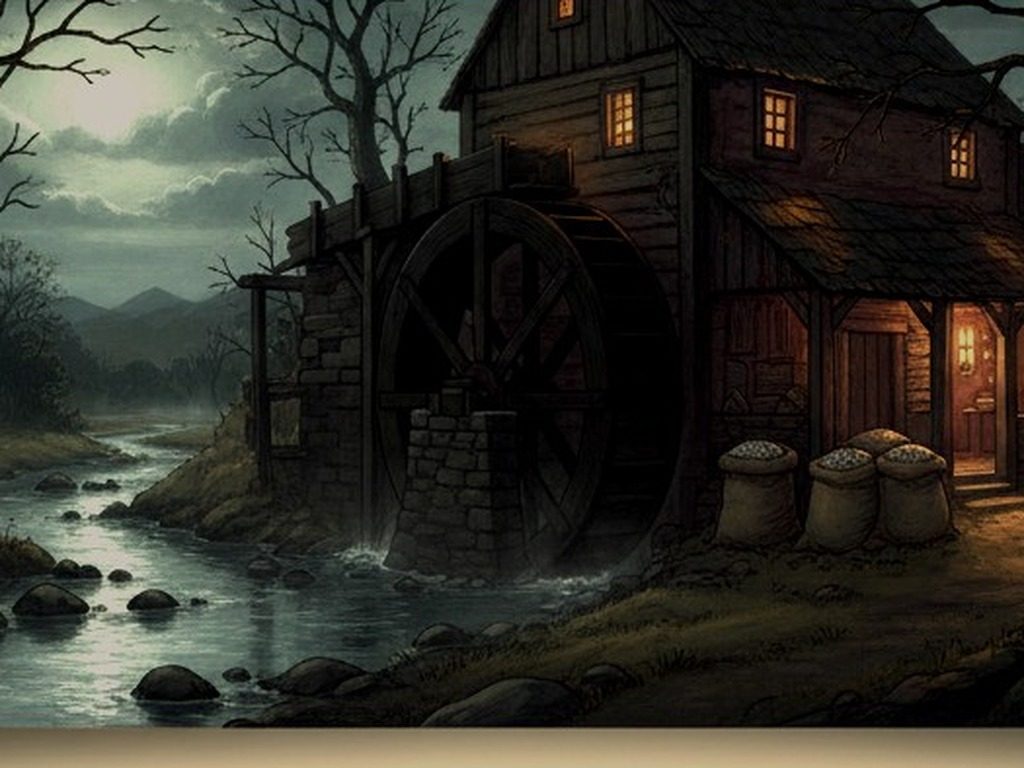
The mill by the river
The wheel turns day and night. Its noise drowns out any conversation - which is why some are held here.
-
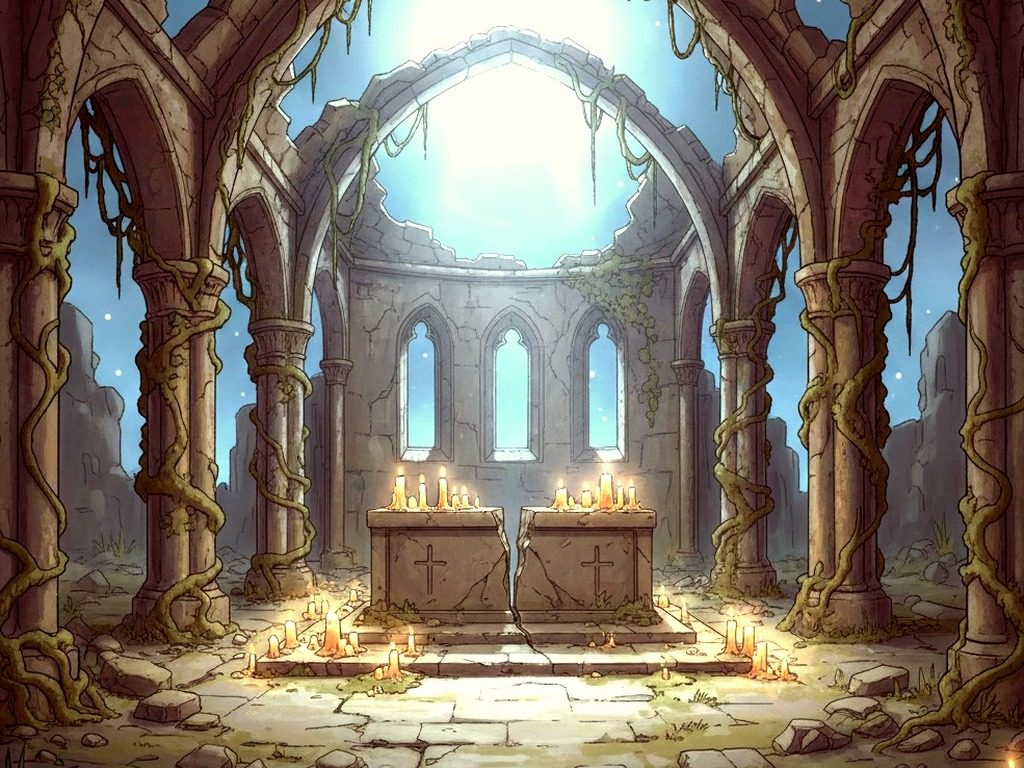
The old chapel
Candles, incense, and a silence in which every footstep echoes like a confession.
-

The merchant's house
Carpets brought from overseas and a desk with more secret drawers than drawers.
-

The old dungeon
Cells abandoned since the new dungeon was built. "Abandoned" is one way of putting it.
Objects
-
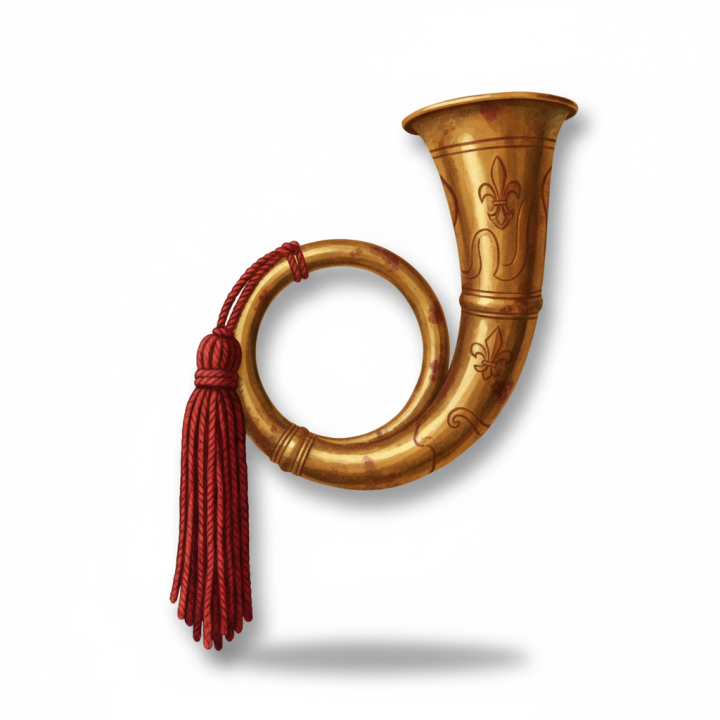
The herald's horn
It sounds the muster, the alarm, or the retreat. Whoever holds it can start a whole panic with a single breath.
-

The small wine cask
Arin wine, the good year. The bung was pulled and put back by an unskilled hand.
-

The rusted sword
An old weapon, forgotten on the rack. The rust on the blade is newer than it looks.
-
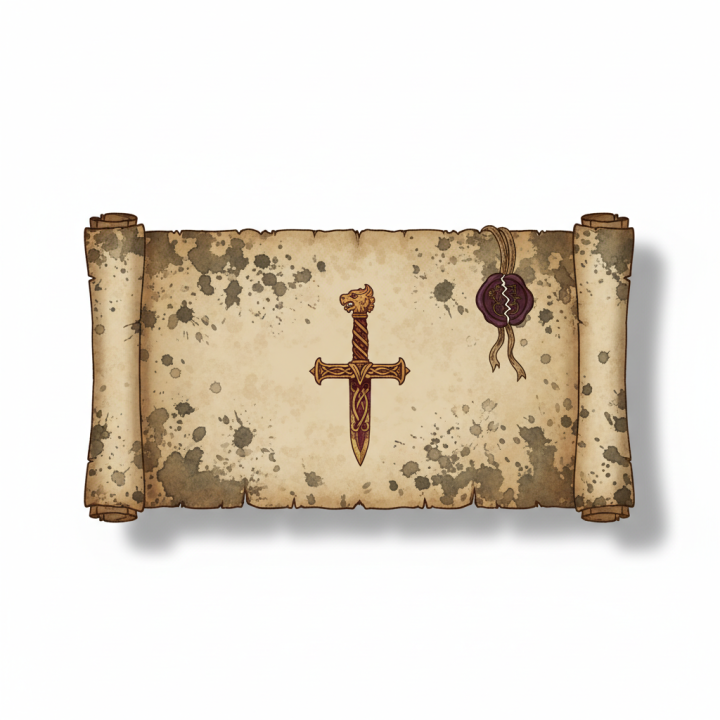
The stained parchment
A half-burned document with a stain that might be wine. Or not.
Moments
-

At dawn
When the citadel is barely waking and the guards still doze.
-

After matins
The hour after the morning service, when the abbey empties.
-

At noon
Midday, with bustle in the markets and silence in the alcoves.
-

At dusk
When the shadows lengthen and the lanterns are not yet lit.
The testimonies on file
This much was worked with, no more and no less. Minimality is not a figure of speech: each row was taken out in turn, at trial, and without it the solution ceased to be unique.
- The healer says it with a raised finger: if the suspect with chestnut hair handled the small wine cask, then Toma the Cellarer was there at noon.
- A maid whispered it at confession: the herald's horn matches that hour: at noon.
- The gate guard swears: the suspect with grey hair was at the old chapel.
- The gate guard swears: the mill by the river and the rusted sword go together.
- Every scout reports the same about the culprit: the culprit handled the rusted sword.
- The gate guard swears: the old dungeon matches that hour: after matins.
- The bell-ringer remembers well: Nichifor the Spy came earlier than Toma the Cellarer.
- An honest-faced witness saw it plainly: Princess Smaranda handled the small wine cask.
Reveal the Chancellery's reasoning — open only if you have already tried the dossier
The reasoning, step by step
The investigation ran contrary to suspicion: it did not ask who could have, it cut away, row by row, whoever could not.
The Chancellery asked for one more check, and received it: “The healer says it with a raised finger: if the suspect with chestnut hair handled the small wine cask, then Toma the Cellarer was there at noon”. Here patience was needed: this line did no work until others had prepared the ground for it.
The next line was the one that changed the reckoning: “A maid whispered it at confession: the herald's horn matches that hour: at noon”. The match was nailed down, and the rest of the row was left clean, like a page wiped with a sponge.
This page was stitched into the file too: “The gate guard swears: the suspect with grey hair was at the old chapel”. The cell filled, and around it a space opened: that is what a certain match does to a grid.
The archivist copied on, without comment, everything that could be proved: “The gate guard swears: the mill by the river and the rusted sword go together”; “Every scout reports the same about the culprit: the culprit handled the rusted sword”; “The gate guard swears: the old dungeon matches that hour: after matins”. At the end of them the grid looked like an almost-erased page: one cell alone still had anything to say.
There followed a detail that narrowed the circle: “The bell-ringer remembers well: Nichifor the Spy came earlier than Toma the Cellarer”. Every new line in the file closes a door; by the end not one is left open.
A detail overlooked at the start came back into the file: “An honest-faced witness saw it plainly: Princess Smaranda handled the small wine cask”. Once the tick was placed, the investigation had nothing left to argue on that row and moved on.
The seal on the file
The Chancellery closed the dossier with a single name written on it: Nichifor the Spy. When the deed took place, Nichifor the Spy was at the mill by the river, handled the rusted sword and was there at dawn. The verdict stands on its own, out of the findings above.
What became of the others
The others found their acquittal in the grid as well: Costache the Toll-Keeper was at the old chapel, handled the stained parchment and was there at dusk; Princess Smaranda was at the old dungeon, handled the small wine cask and was there after matins; Toma the Cellarer was at the merchant's house, handled the herald's horn and was there at noon. Every one of these rows was necessary: take out a single one and the verdict can no longer be demonstrated.
It was not cleverness that unravelled the thread, but order. Order can be learned, and that is exactly why the chronicle is written.
Play this dossier All mysteries
Everything you read above rests on the dossier itself. The Chancellery's solver checked, at publication, that the given clues yield exactly one solution — no more, and not none. behind the scenes at the Chancellery.