
Chronicle of the solution: The Seal of the Dawn
Poisoning Tier III
The poisoning file is closed. What remains is the part worth learning: how one got from an upturned cup to a name.
The dossier, on a first reading
Something more bitter than gall found its way to the court's table today: poison. The dose was measured with care — enough not to look like chance, too little to go unpunished. Suspicion has fallen on Costache the Toll-Keeper, Abbot Corvus, Ilinca the Baker, Anica the Miller and Chancellor Veniamin — and until the proof is plain, none of these names leaves the room. Motives abound — greed, fear of exposure, jealousy, a debt of honour and blackmail — yet only one moved the guilty hand. The threads were tangled on purpose: investigate, weigh every word, and pronounce your verdict only when the grid leaves no room for doubt.
The circle closed around these names: Costache the Toll-Keeper, Abbot Corvus, Ilinca the Baker, Anica the Miller and Chancellor Veniamin. The investigation was not permitted to step outside it, and had no need to.
The suspects
-
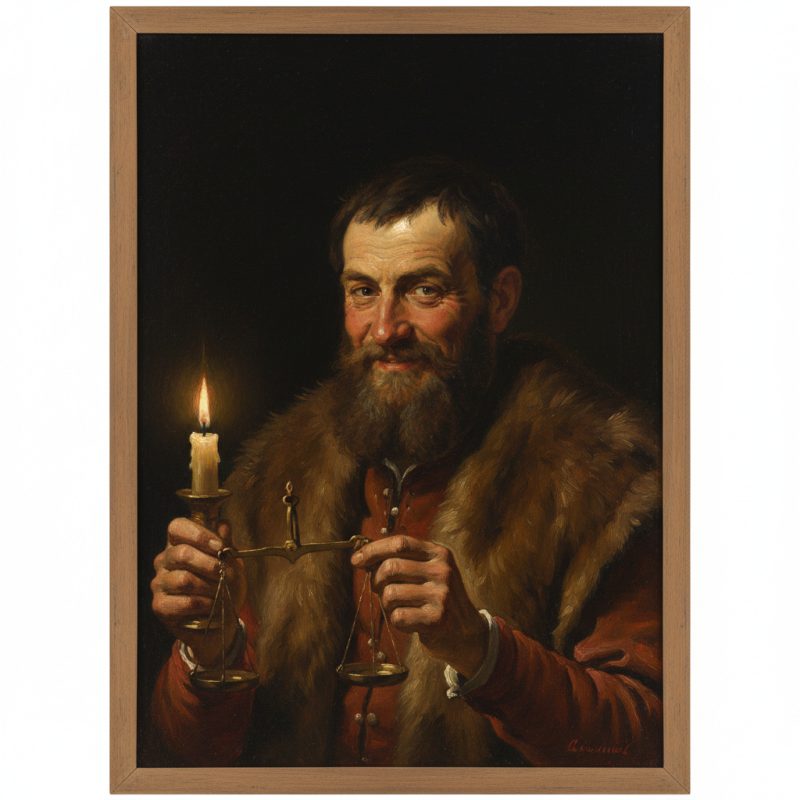
Costache the Toll-Keeper
His scales weigh the goods; his eye, the merchant. Both can be "greased" at need.
1.80 m tall · dark eyes · grey hair · right-handed
-

Abbot Corvus
He raises ravens in the abbey tower. His birds arrive faster than any messenger - and cannot be held to account.
1.78 m tall · dark eyes · no hair · right-handed
-
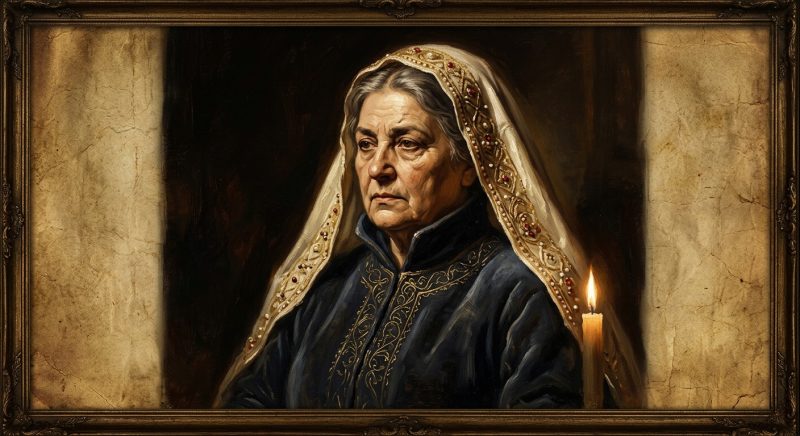
Ilinca the Baker
She weighs flour to the gram and people at a glance. No one stays in her debt twice.
1.62 m tall · brown eyes · chestnut hair · right-handed
-
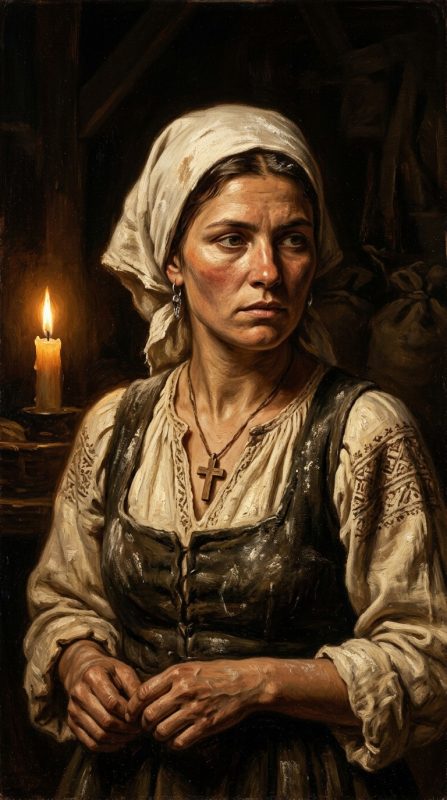
Anica the Miller
Her mill grinds grain by day and rumours by night. The flour comes out white; the rumours, always black.
1.63 m tall · brown eyes · blond hair · right-handed
-
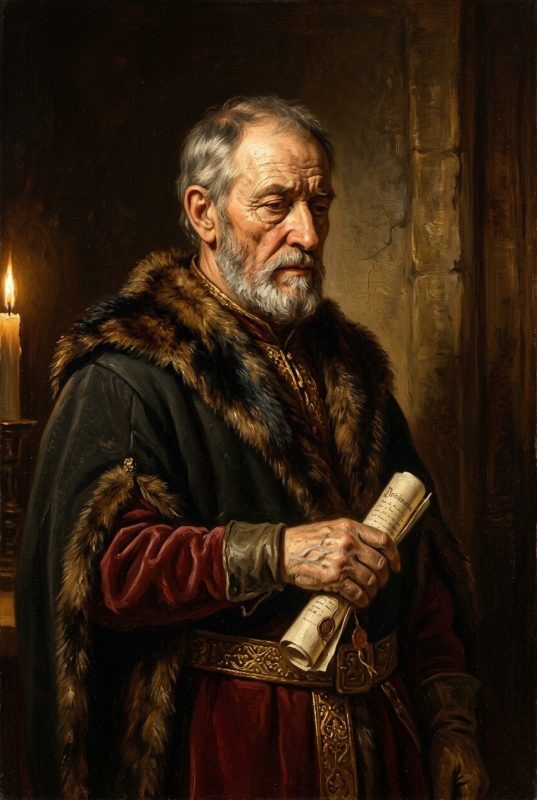
Chancellor Veniamin
Every charter of the kingdom passes through his hands. A comma he once moved started a war.
1.64 m tall · grey eyes · no hair · left-handed
Locations
-

The wharf
Moored boats, wet ropes, and goods that prefer to arrive in the fog.
-
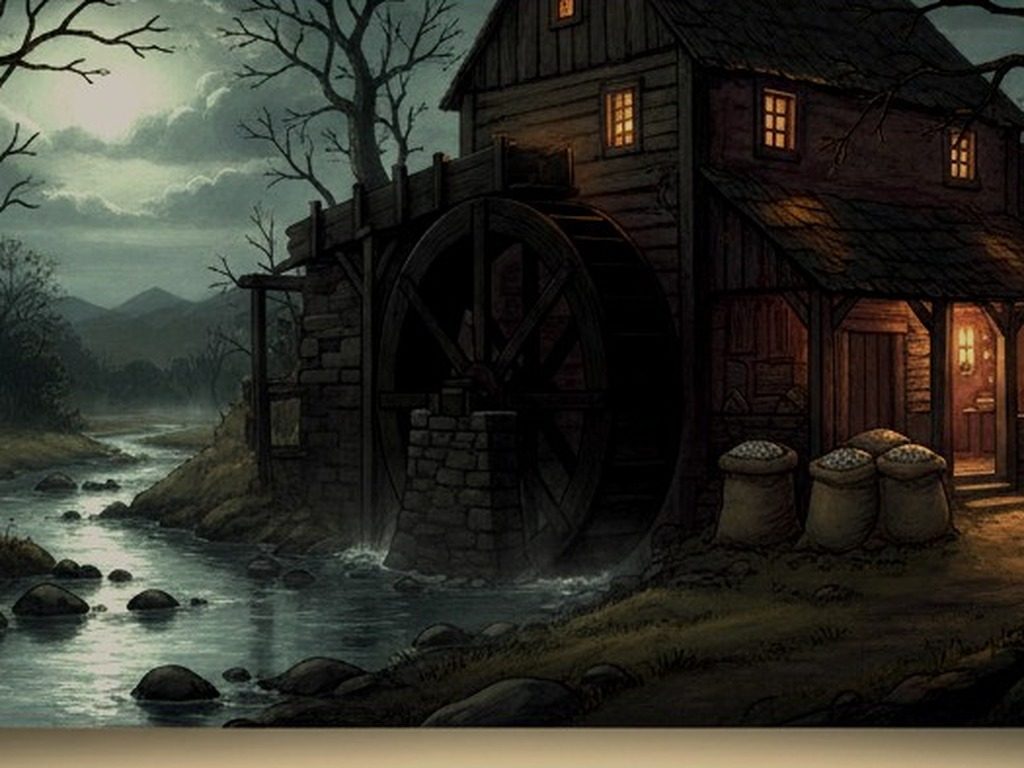
The mill by the river
The wheel turns day and night. Its noise drowns out any conversation - which is why some are held here.
-

The merchant's house
Carpets brought from overseas and a desk with more secret drawers than drawers.
-
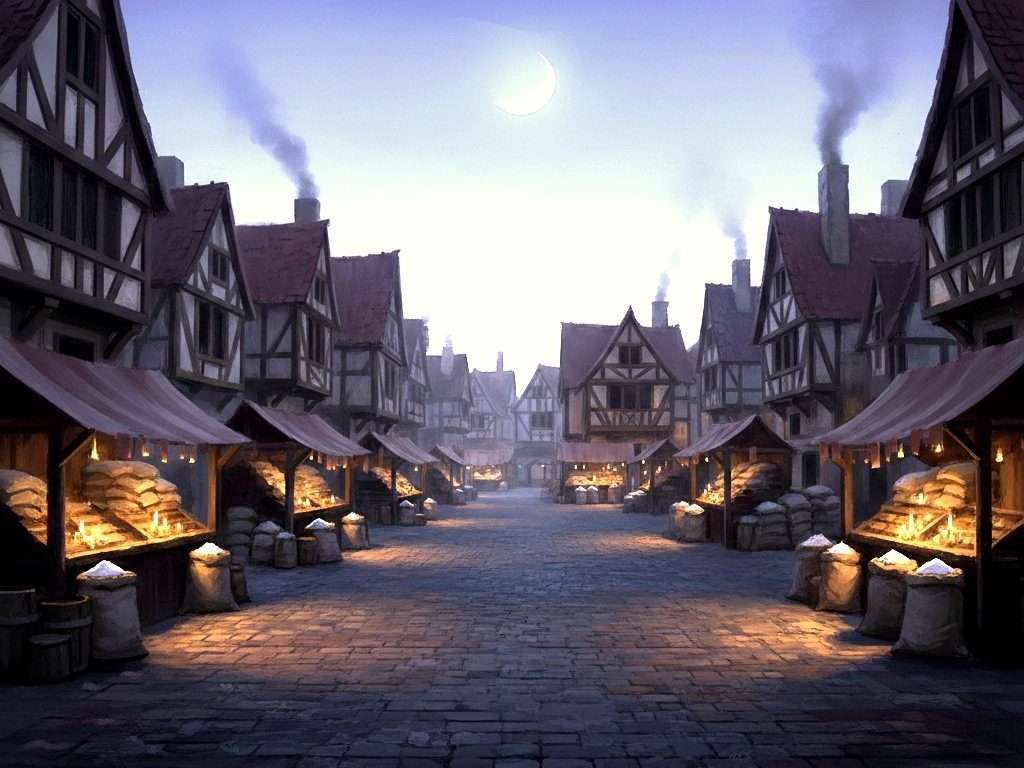
The salt market
Here anything is bargained for, from salt to silences. The price of silence keeps rising.
-
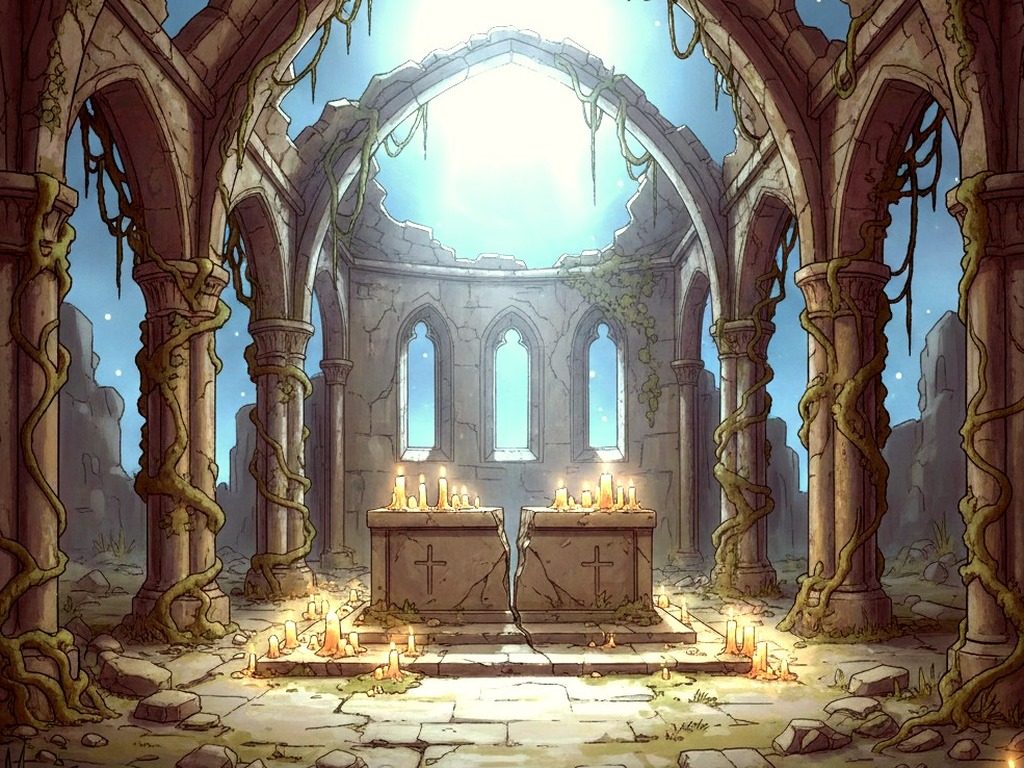
The old chapel
Candles, incense, and a silence in which every footstep echoes like a confession.
Objects
-
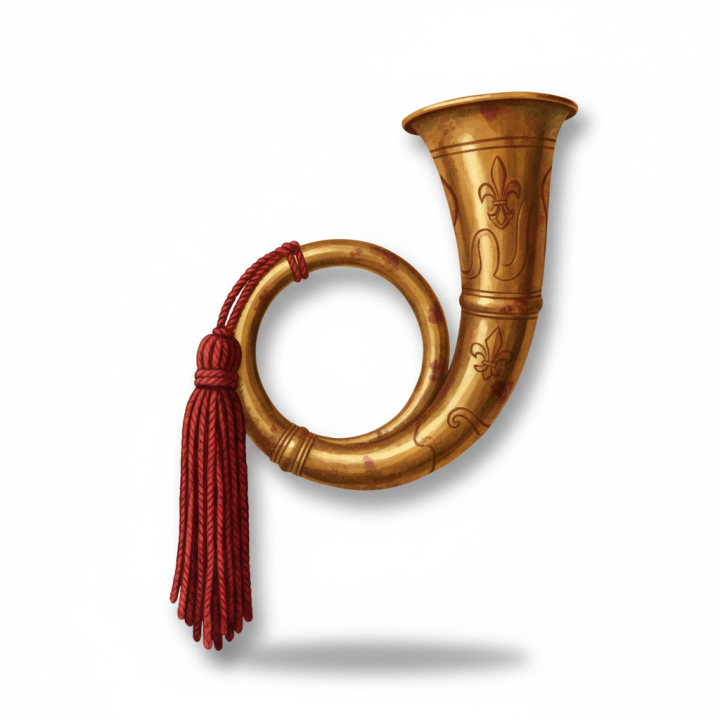
The herald's horn
It sounds the muster, the alarm, or the retreat. Whoever holds it can start a whole panic with a single breath.
-
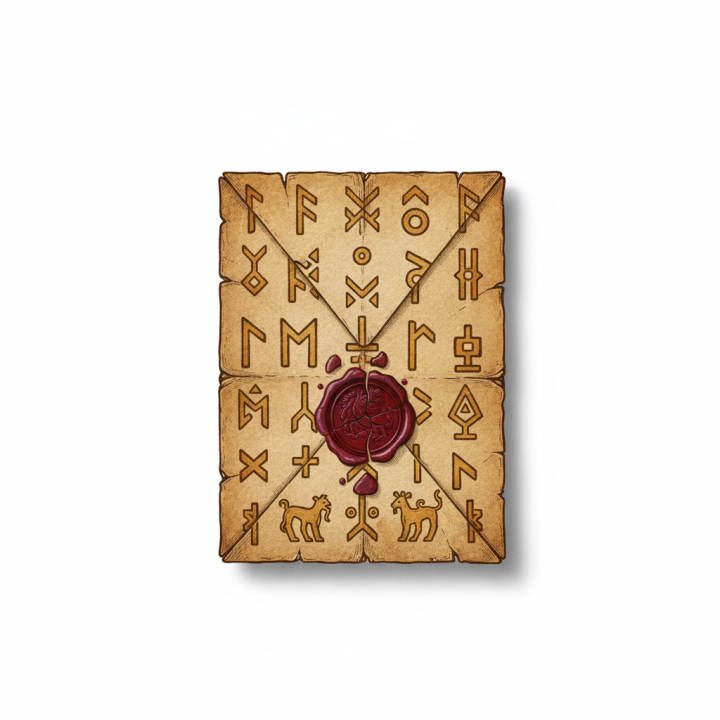
The ciphered letter
Orderly rows of meaningless signs. The ink is costly, the paper costlier, the sender - unknown.
-
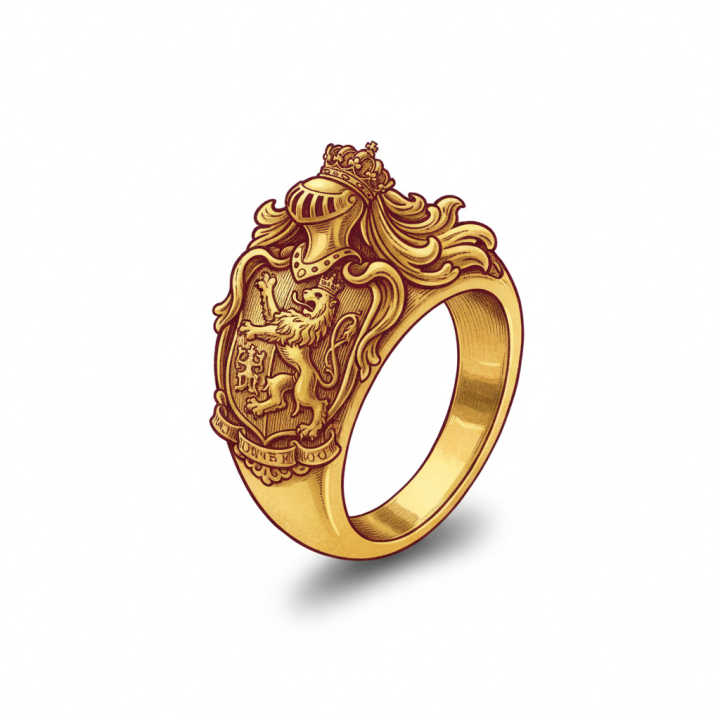
The signet ring
The crest has been filed away almost completely. Almost.
-
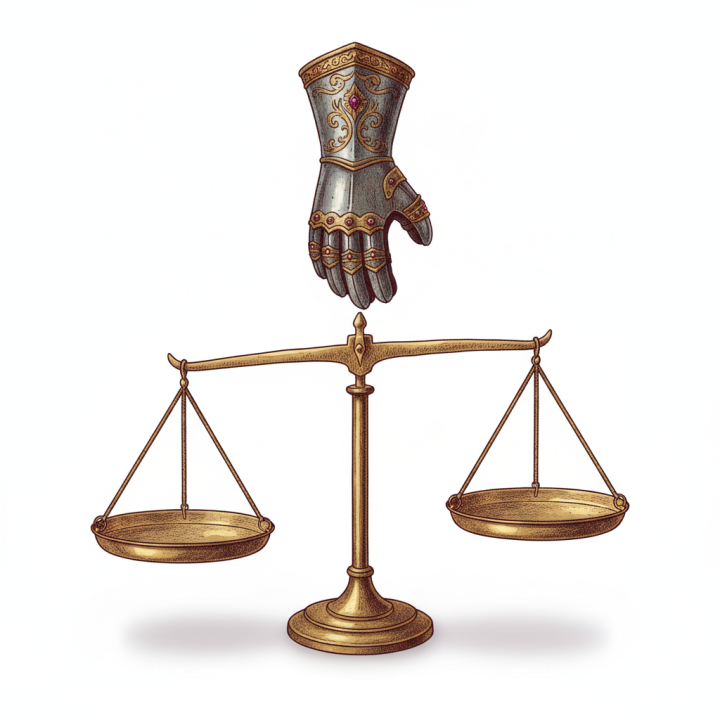
The customs scales
Copper pans, sealed weights. One of the weights rings hollow.
-

The ruby dagger
A short blade, its hilt set with a stone red as a frozen drop. It was sharpened recently.
Motives
-
Greed
Dorința nesățioasă de avere, care nu se oprește la nimic.
-
Fear of exposure
Groaza de a fi dat în vileag, care împinge la orice.
-
Jealousy
Otrava care mistuie pe cel ce râvnește ce nu-i al lui.
-
A debt of honour
O făgăduială care cântărește mai greu decât viața.
-

Blackmail
Un secret ținut ca funia la gât, strâns exact cât trebuie.
Moments
-

At dawn
When the citadel is barely waking and the guards still doze.
-

After matins
The hour after the morning service, when the abbey empties.
-

At noon
Midday, with bustle in the markets and silence in the alcoves.
-

At dusk
When the shadows lengthen and the lanterns are not yet lit.
-

At vespers
At the evening service, when the bells drown out any footstep.
The testimonies on file
The list below is complete and pared to the bone. The Chancellery keeps no useless rows on file: each cuts something no other cuts.
- The tracks in the dust do not lie: Costache the Toll-Keeper was there at dusk.
- A maid whispered it at confession: the signet ring and blackmail go together.
- Before the investigator, Chancellor Veniamin firmly repeats: "I handled the ruby dagger".
- The chancellor deduced it coldly: if Ilinca the Baker was at the wharf, then Anica the Miller handled the ruby dagger.
- An honest-faced witness saw it plainly: Abbot Corvus was driven by jealousy.
- The tracks in the dust do not lie: Abbot Corvus was at the salt market.
- The tracks in the dust do not lie: the customs scales matches that hour: after matins.
- The gate guard swears: a debt of honour matches that hour: at dawn.
- The chronicler notes drily: Chancellor Veniamin was driven by fear of exposure, whatever the court may say.
- An honest-faced witness saw it plainly: the herald's horn matches that hour: at dusk.
- The chronicler notes drily: the mill by the river and the customs scales go together, whatever the court may say.
- In the gate ledger, the suspect with grey hair stands higher, Abbot Corvus lower.
- The chronicler notes drily: the suspect with blond hair was at the old chapel, whatever the court may say.
- An honest-faced witness saw it plainly: the merchant's house and greed go together.
Read the unravelling, step by step — warning, the culprit is named beyond this point
How it was unravelled
No suspicion weighed here. Only the grid weighed: every certain match sweeps a whole row and a whole column, and at the end one arrangement alone remains possible.
The scouts brought their share as well: “The tracks in the dust do not lie: Costache the Toll-Keeper was there at dusk”. A pair was tied, and the knot dragged a whole handful of impossibilities after it.
A detail overlooked at the start came back into the file: “A maid whispered it at confession: the signet ring and blackmail go together”. A certain match thus enters the grid, and its row and column empty at once of every other possibility.
The gate register had kept a trace of its own: “Before the investigator, Chancellor Veniamin firmly repeats: "I handled the ruby dagger"”. The testimony entered the file with a reservation attached: true if the speaker is innocent, false otherwise.
The archivist copied on, without comment, everything that could be proved: “The chancellor deduced it coldly: if Ilinca the Baker was at the wharf, then Anica the Miller handled the ruby dagger”; “An honest-faced witness saw it plainly: Abbot Corvus was driven by jealousy”; “The tracks in the dust do not lie: Abbot Corvus was at the salt market”; “The tracks in the dust do not lie: the customs scales matches that hour: after matins”; “The gate guard swears: a debt of honour matches that hour: at dawn”; “The chronicler notes drily: Chancellor Veniamin was driven by fear of exposure, whatever the court may say”; “An honest-faced witness saw it plainly: the herald's horn matches that hour: at dusk”; “The chronicler notes drily: the mill by the river and the customs scales go together, whatever the court may say”; “In the gate ledger, the suspect with grey hair stands higher, Abbot Corvus lower”. Taken one at a time they seemed slight; laid together in the grid, they left one arrangement alone possible.
A witness of good faith cleared up one more corner: “The chronicler notes drily: the suspect with blond hair was at the old chapel, whatever the court may say”. Once the tick was placed, the investigation had nothing left to argue on that row and moved on.
A piece of information dearly bought showed its worth: “An honest-faced witness saw it plainly: the merchant's house and greed go together”. The match was nailed down, and the rest of the row was left clean, like a page wiped with a sponge.
The lying testimony
The Chancellery caught the mismatch on its first reading of the grid. Chancellor Veniamin swore before the Chancellery that I handled the ruby dagger, when in fact Chancellor Veniamin never touched the ruby dagger. The innocent have no cause to lie; under the Supreme Law, whoever does points at themselves.
The culprit's name
The name the grid could no longer force out of the circle is Chancellor Veniamin. The arrangement in the grid is this: Chancellor Veniamin was at the mill by the river, handled the customs scales, was driven by fear of exposure and was there after matins. Tier III is no empty word: without the method of hypotheses, this grid would not have closed.
Those taken out of the circle
The Chancellery recorded the others' movements as well, because it was precisely they that closed the grid: Costache the Toll-Keeper was at the merchant's house, handled the herald's horn, was driven by greed and was there at dusk; Abbot Corvus was at the salt market, handled the ciphered letter, was driven by jealousy and was there at vespers; Ilinca the Baker was at the wharf, handled the signet ring, was driven by blackmail and was there at noon; Anica the Miller was at the old chapel, handled the ruby dagger, was driven by a debt of honour and was there at dawn. Not one of the rows above is spare — remove it and the grid opens again.
The truth did not surface in a flash of insight but out of a run of small cuts, every one of them checkable.
Play this dossier All mysteries
Nothing in this chronicle is invented: the text rises out of the dossier's logic, and the dossier passed through the solver before publication, so that its solution is provably unique. behind the scenes at the Chancellery.