
Chronicle of the solution: The Scheming of Winter
Disappearance Tier IV
What had been made invisible was found, and whoever hid it answers for it today. Here is the road there.
The opening of the investigation
Something — or someone — has vanished in Realm of the Crown, and no one can say when the thread was cut. Someone knows more than they say; the silences at court have suddenly grown very loud. On the Chancellery's list stand Countess Velica de Arin, Safta the Herbwife, Lady Ruxandra, Tintar the Jester and Filip the Steward; one of these names covers a lie. As for the impulse behind it, the court whispers of everything: the inheritance, a debt of honour, revenge, greed and blackmail. A sharp eye is not enough here — it takes an archivist's patience: fit everything together, then pronounce your verdict.
Five men and women of the household, a disappearance and a long winter. Countess Velica de Arin, Safta the Herbwife, Lady Ruxandra, Tintar the Jester and Filip the Steward — three of the court, a healer and a jester. Of them all, only one needed that thing never to be found again.
The proven motives tell the story in short: the inheritance, a debt of honour, revenge, greed and blackmail. Four of them look to the past; one alone looks to the future — and that is exactly where the investigation began.
The places are all enclosed and cold: the guild forge, the abbey library, the old dungeon, the customs cellar and the cathedral crypt. In winter, in this realm, nobody stands outdoors without a reason.
The objects — an abbess's bell, a hunting crossbow, a ciphered letter, an ermine cloak and an amber necklace — seem to make no sense together, yet every one of them figures in at least one clue, and not one was put there to mislead.
Tier IV. If this is your first tier IV dossier, take it slowly: there is no time limit, and the grid saves itself between visits.
Suspicion settled on these: Countess Velica de Arin, Safta the Herbwife, Lady Ruxandra, Tintar the Jester and Filip the Steward. From then on the names mattered less than what could be proved about each.
The suspects
-
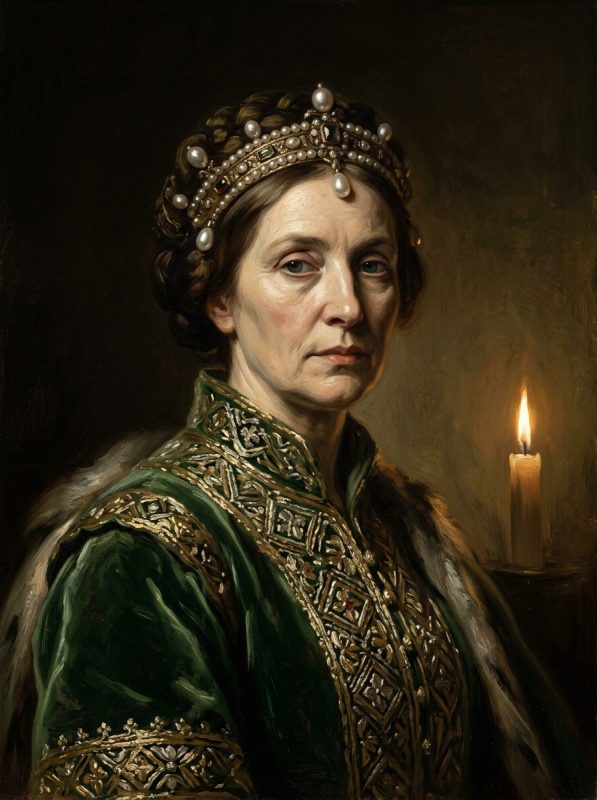
Countess Velica de Arin
She collects fans, debts of honour, and bedchamber secrets. She wields all three as weapons.
1.70 m tall · green eyes · red hair · left-handed
-

Safta the Herbwife
She gathers herbs at hours when honest folk sleep. The herbs, she says, speak then.
1.58 m tall · green eyes · greying hair · right-handed
-
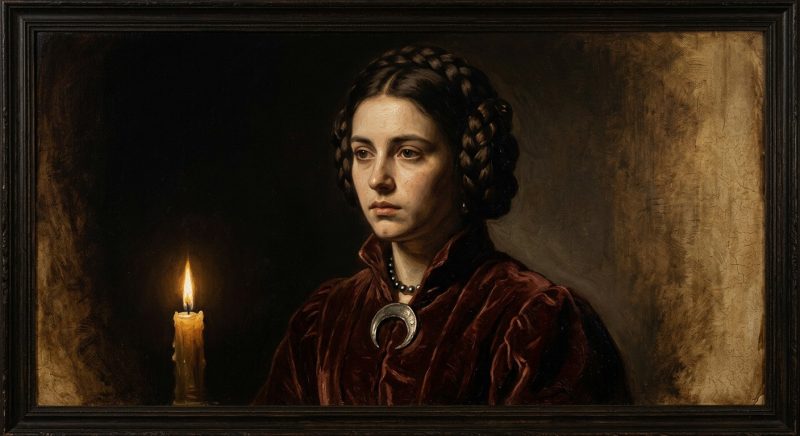
Lady Ruxandra
The queen's shadow at every hour. She hears everything, sees everything, and embroiders all she learns into patterns known only to her.
1.65 m tall · blue eyes · blond hair · right-handed
-

Tintar the Jester
The only man in the kingdom who may tell the king the truth - provided he makes it sound like a joke.
1.56 m tall · green eyes · red hair · right-handed
-
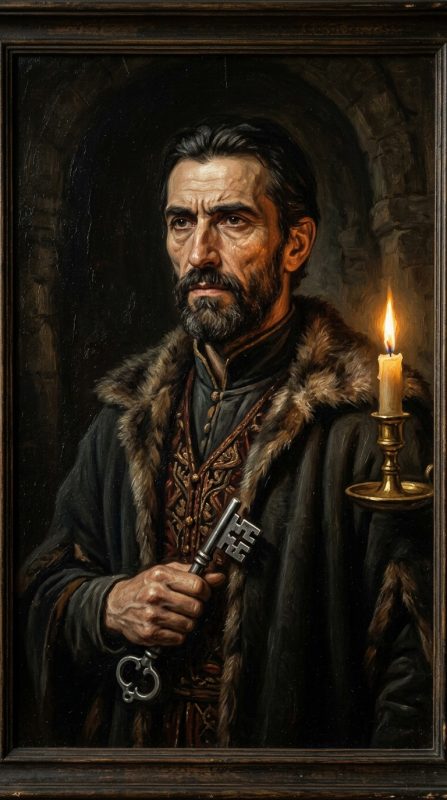
Filip the Steward
He counts the crown's silver every evening. On some evenings the count comes out different - and he says nothing.
1.79 m tall · grey eyes · chestnut hair · right-handed
Locations
-

The guild forge
Anvils, tongs, and a fire that never goes out. Many small metal things vanish here.
-
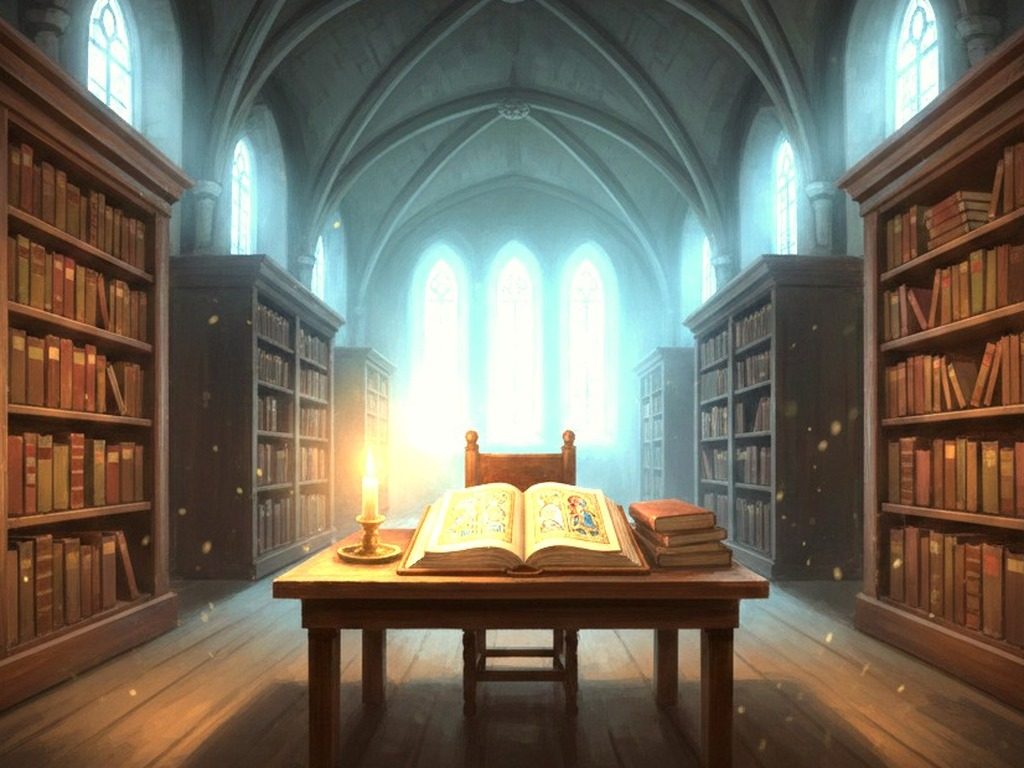
The abbey library
Thousands of leather-bound tomes. Some of the chains on the shelves were cut recently.
-

The old dungeon
Cells abandoned since the new dungeon was built. "Abandoned" is one way of putting it.
-
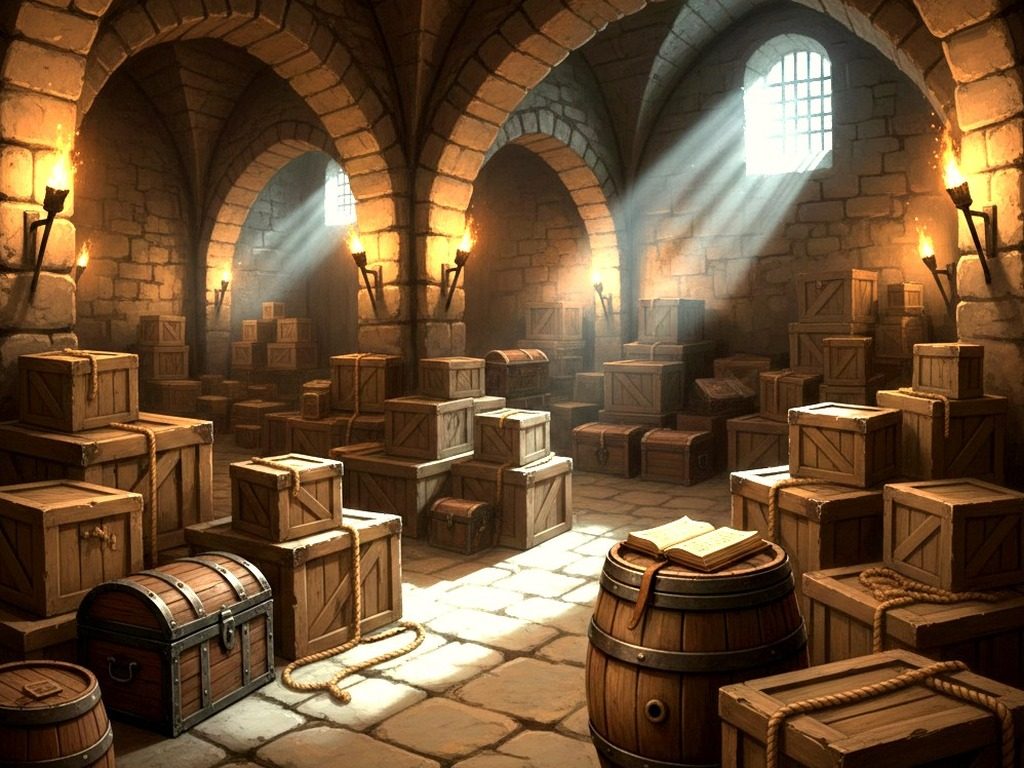
The customs cellar
Sealed crates, thick ledgers, and air that smells of undeclared goods.
-

The cathedral crypt
The old kings sleep beneath crested slabs. Now and then, someone disturbs their rest.
Objects
-

The abbess's bell
It calls the nuns to prayer. On the night in question, they all say, it rang once too many.
-
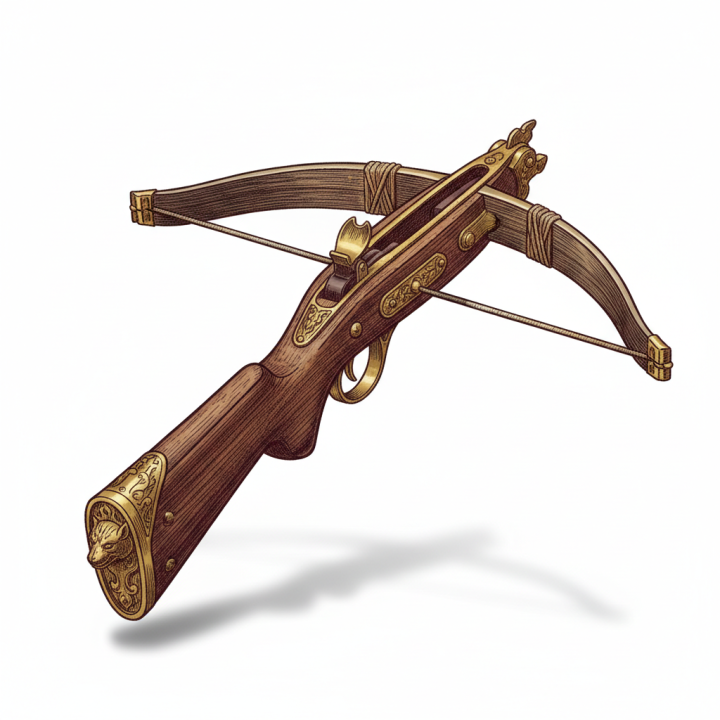
The hunting crossbow
Light, accurate, with a walnut stock. Exactly one bolt is missing from the quiver.
-
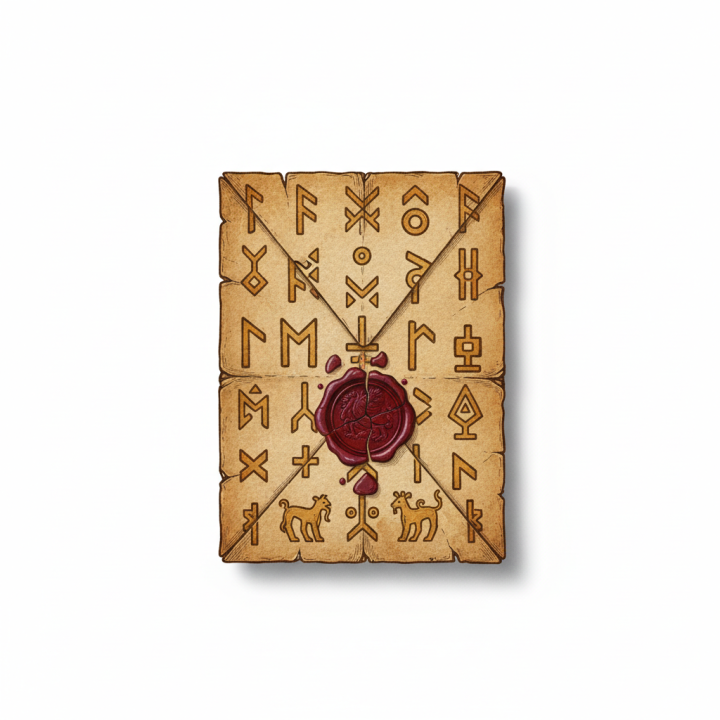
The ciphered letter
Orderly rows of meaningless signs. The ink is costly, the paper costlier, the sender - unknown.
-

The ermine cloak
White fur with black tails - only the royal family may wear it. It has a tear at the hem.
-
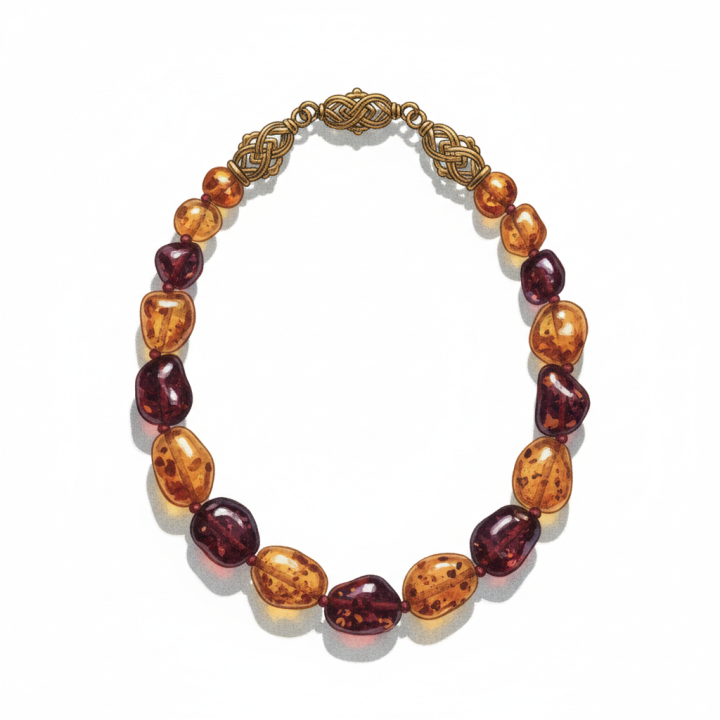
The amber necklace
Beads of golden resin strung on a silk thread. The thread is broken and hastily reknotted.
Motives
-

The inheritance
O avere așteptată, pe care numai o moarte o desparte de mână.
-

A debt of honour
O făgăduială care cântărește mai greu decât viața.
-
Revenge
O datorie de sânge pe care numai fapta o mai șterge.
-

Greed
Dorința nesățioasă de avere, care nu se oprește la nimic.
-

Blackmail
Un secret ținut ca funia la gât, strâns exact cât trebuie.
Moments
-

At dawn
When the citadel is barely waking and the guards still doze.
-

After matins
The hour after the morning service, when the abbey empties.
-

At noon
Midday, with bustle in the markets and silence in the alcoves.
-

At dusk
When the shadows lengthen and the lanterns are not yet lit.
-

At vespers
At the evening service, when the bells drown out any footstep.
What the Chancellery had to hand
This much the investigation had at its disposal, not a line more. The set is minimal by construction — remove any of the rows below and the dossier becomes unsolvable again.
- About the culprit, the Chancellery knows one thing for certain: the culprit was in the place with thousands of leather-bound tomes.
- The healer says it with a raised finger: if Countess Velica de Arin was at the abbey library, then the suspect with grey eyes was at the cathedral crypt.
- The gate guard swears: the customs cellar matches that hour: at dusk.
- A maid whispered it at confession: the suspect with greying hair was driven by greed.
- The bell-ringer remembers well: Countess Velica de Arin came earlier than the suspect with greying hair.
- The gate guard swears: blackmail matches that hour: at dawn.
- An honest-faced witness saw it plainly: Lady Ruxandra was there after matins.
- An honest-faced witness saw it plainly: the inheritance matches that hour: after matins.
- A maid whispered it at confession: the old dungeon and the ciphered letter go together.
- In the gate ledger, Filip the Steward stands higher, the left-handed suspect lower.
- The customs register is clear: Countess Velica de Arin never touched the ermine cloak.
- A maid whispered it at confession: Safta the Herbwife handled the abbess's bell.
- The gate guard swears: Tintar the Jester was there at dusk.
- A maid whispered it at confession: the abbey library and a debt of honour go together.
- An honest-faced witness saw it plainly: the shortest suspect handled the hunting crossbow.
Open the full reasoning — warning, the culprit is named beyond this point
How the circle closed
The investigation ran contrary to suspicion: it did not ask who could have, it cut away, row by row, whoever could not.
The archivist underlined the following line with his nail: “About the culprit, the Chancellery knows one thing for certain: the culprit was in the place with thousands of leather-bound tomes”. One attribute of the culprit, no more. Enough, though, to leave on the list only whoever has it.
The Chancellery began with what could be verified: “The healer says it with a raised finger: if Countess Velica de Arin was at the abbey library, then the suspect with grey eyes was at the cathedral crypt”. This line was patience itself: it served no purpose until the moment its premise came true.
A piece of information dearly bought showed its worth: “The gate guard swears: the customs cellar matches that hour: at dusk”. The tick goes down without hesitation, and with it fall all the other cells on that row and that column.
The Chancellery received then, within hours, all that was still missing: “A maid whispered it at confession: the suspect with greying hair was driven by greed”; “The bell-ringer remembers well: Countess Velica de Arin came earlier than the suspect with greying hair”; “The gate guard swears: blackmail matches that hour: at dawn”; “An honest-faced witness saw it plainly: Lady Ruxandra was there after matins”; “An honest-faced witness saw it plainly: the inheritance matches that hour: after matins”; “A maid whispered it at confession: the old dungeon and the ciphered letter go together”; “In the gate ledger, Filip the Steward stands higher, the left-handed suspect lower”; “The customs register is clear: Countess Velica de Arin never touched the ermine cloak”; “A maid whispered it at confession: Safta the Herbwife handled the abbess's bell”; “The gate guard swears: Tintar the Jester was there at dusk”. Laid end to end, they did what not one of them could have done alone.
From one word to the next, the investigation arrived here: “A maid whispered it at confession: the abbey library and a debt of honour go together”. A certain match thus enters the grid, and its row and column empty at once of every other possibility.
The clerk read the next line aloud: “An honest-faced witness saw it plainly: the shortest suspect handled the hunting crossbow”. The cell filled, and around it a space opened: that is what a certain match does to a grid.
The close of the investigation
The name the grid could no longer force out of the circle is Countess Velica de Arin. The row in the grid says it all: Countess Velica de Arin was at the abbey library, handled the amber necklace, was driven by a debt of honour and was there at noon. The dossier called for hypotheses driven to contradiction, not direct elimination alone — which is why it was rated at tier IV.
What became of the others
The others found their acquittal in the grid as well: Safta the Herbwife was at the guild forge, handled the abbess's bell, was driven by greed and was there at vespers; Lady Ruxandra was at the old dungeon, handled the ciphered letter, was driven by the inheritance and was there after matins; Tintar the Jester was at the customs cellar, handled the hunting crossbow, was driven by revenge and was there at dusk; Filip the Steward was at the cathedral crypt, handled the ermine cloak, was driven by blackmail and was there at dawn. It is these acquittals that made the verdict possible: without them, room for doubt would have remained.
The chronicle ends here. The truth was not torn out by force but gathered patiently, cell by cell, until the lie had nowhere left to hide.
Play this dossier All mysteries
This chronicle is no free retelling: it rises directly out of the dossier's logic, and every step passed through the solver which proved, before publication, that the solution is unique. behind the scenes at the Chancellery.