
Chronicle of the solution: The Riddle of Vespers
Conspiracy Tier IV
The conspiracy file is closed, but the reasoning that closed it deserves reading by any investigator.
The dossier as it reached the desk
In the shadow of the council halls, something has been woven against the crown, and its threads lead far. Those caught in it swear they knew nothing; one of them swears falsely. Before you, one by one, will stand Teofil the Chronicler, Sword-Bearer Dragos, Ban Radu the Silent, Duchess Amara de Corvin and Onufrie the Executioner. The hours in question: "at dawn", "after matins", "at noon", "at dusk" and "at vespers". Few files have tested so many investigators; untangle the threads, catch the lie, and pronounce your verdict.
The names entered in the file were Teofil the Chronicler, Sword-Bearer Dragos, Ban Radu the Silent, Duchess Amara de Corvin and Onufrie the Executioner. The investigation regarded them all with the same coldness, as is proper.
The suspects
-
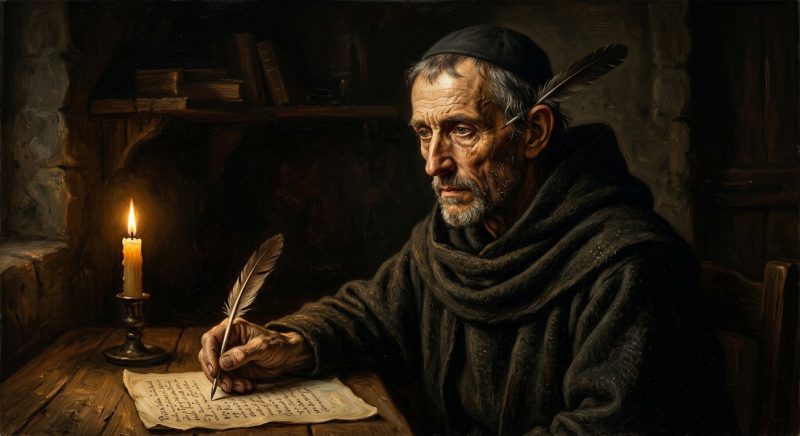
Teofil the Chronicler
He writes the kingdom's history as he is ordered. The unwelcome drafts, however, he keeps every one.
1.69 m tall · brown eyes · greying hair · left-handed
-
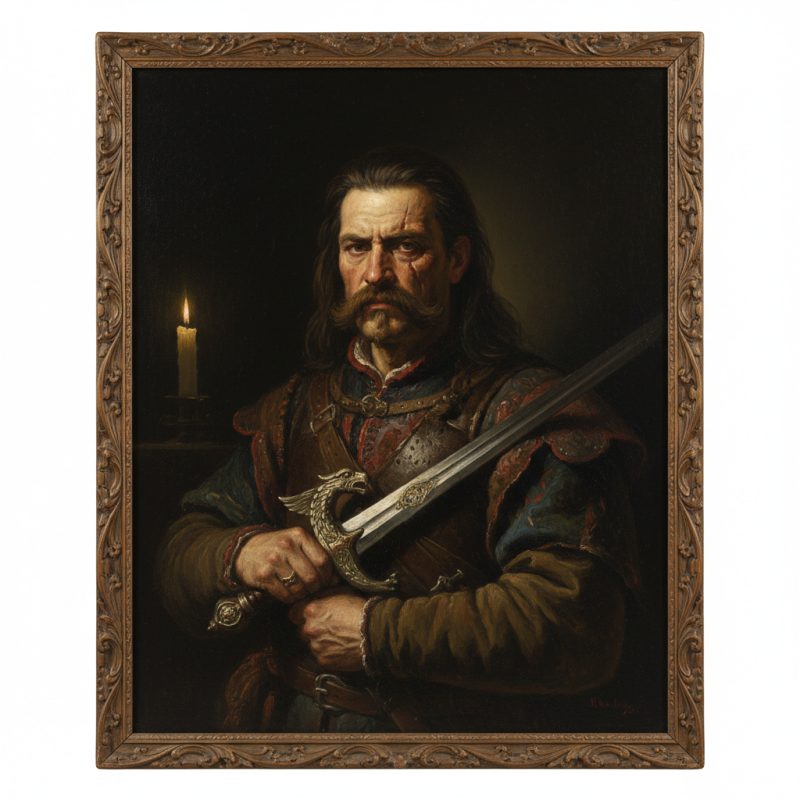
Sword-Bearer Dragos
He bears the king's ceremonial sword. At the tourney he has never lost; at dice, always.
1.86 m tall · brown eyes · chestnut hair · right-handed
-
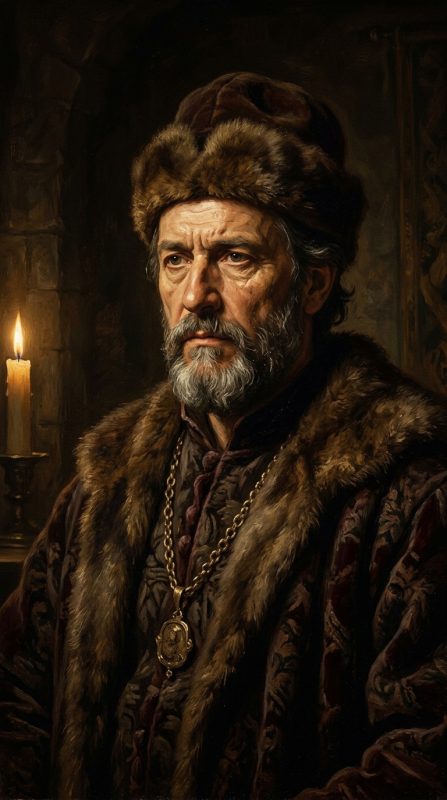
Ban Radu the Silent
He has never uttered a needless word in his life. Sadly, nor a useful one for investigators.
1.81 m tall · grey eyes · grey hair · right-handed
-
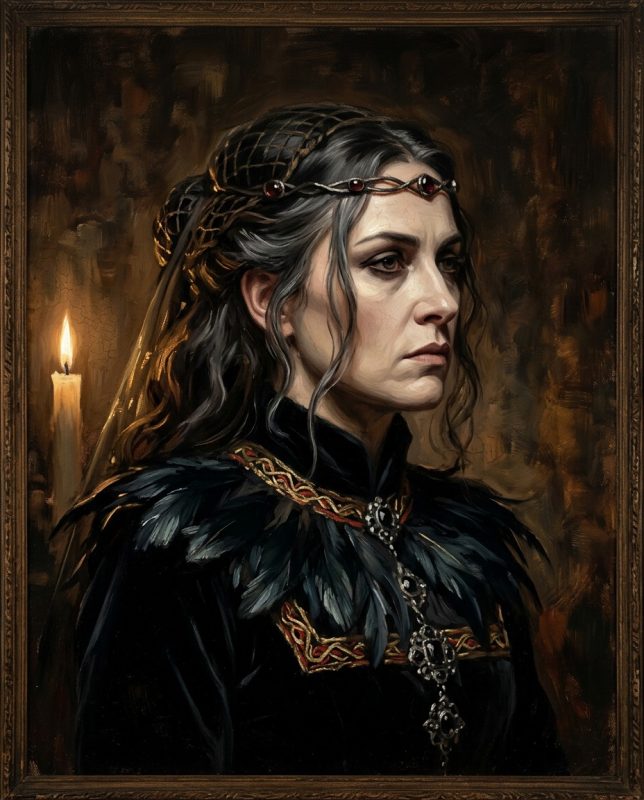
Duchess Amara de Corvin
Widowed three times, heir on each occasion. Her smile has buried more nobles than the plague.
1.68 m tall · dark eyes · black hair · right-handed
-
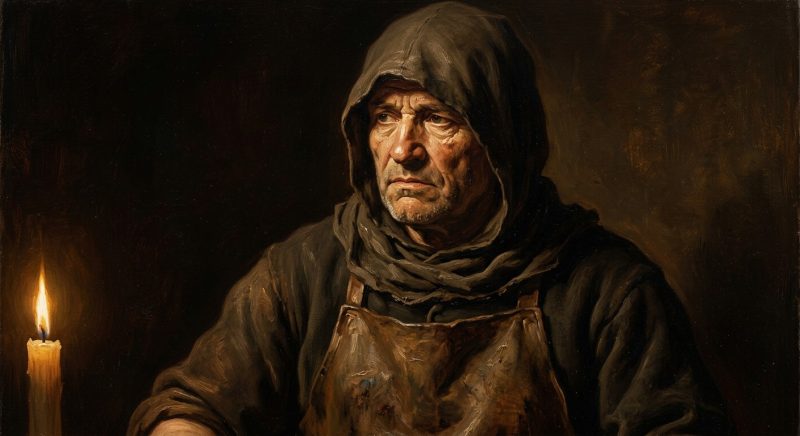
Onufrie the Executioner
A quiet man with a loud trade. He keeps a notebook of the last words of every condemned soul.
1.92 m tall · dark eyes · no hair · right-handed
Locations
-

The old dungeon
Cells abandoned since the new dungeon was built. "Abandoned" is one way of putting it.
-

The guild forge
Anvils, tongs, and a fire that never goes out. Many small metal things vanish here.
-
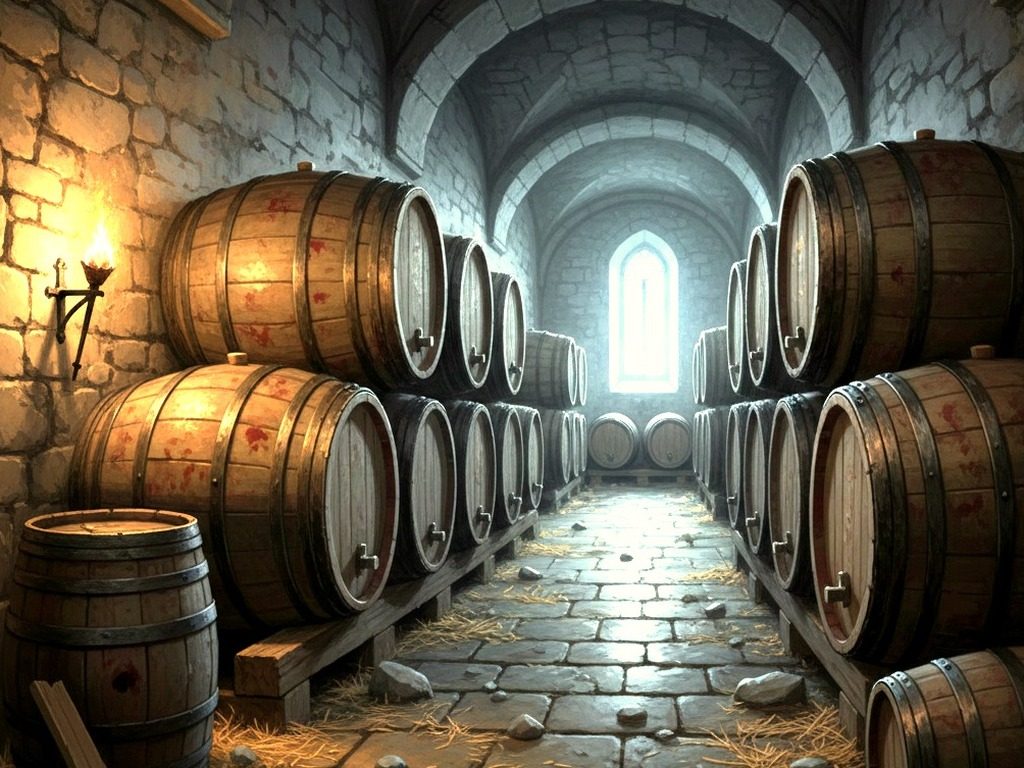
The castle cellar
Barrels as big as carts and corners the lantern never reaches.
-

The Golden Boar inn
Wine watered down and rumours diluted with nothing. The rooms upstairs ask no questions.
-
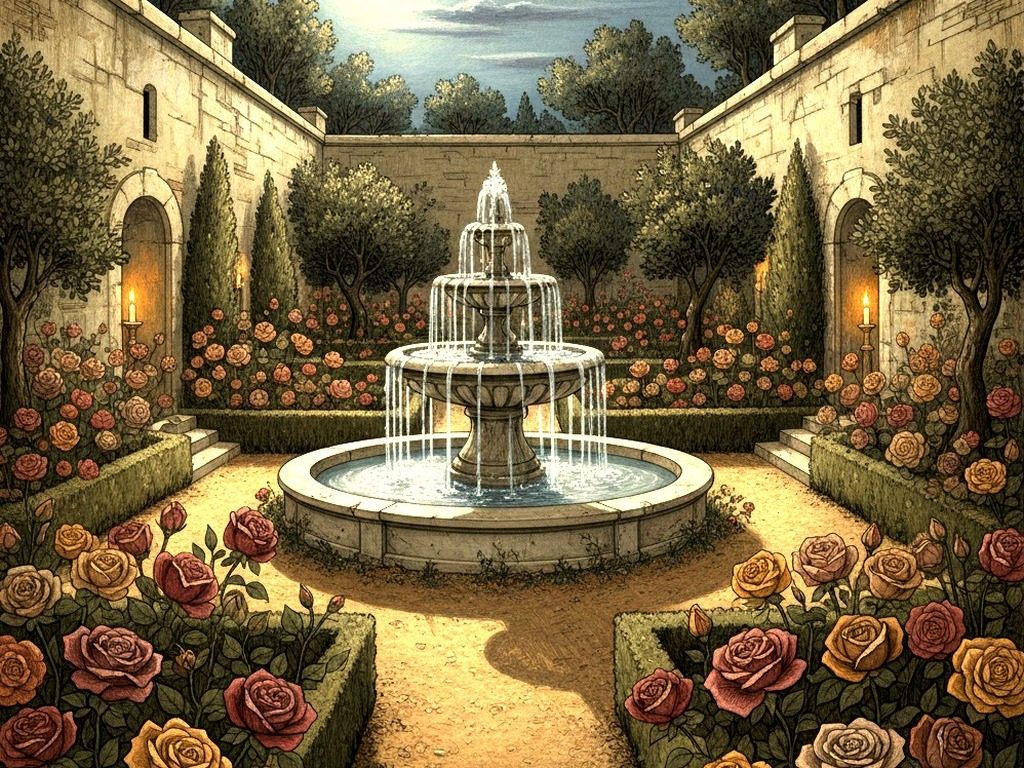
The queen's garden
Roses trimmed to a line and paths you may walk only by invitation. At night, the hedge has ears.
Objects
-

The rusted sword
An old weapon, forgotten on the rack. The rust on the blade is newer than it looks.
-
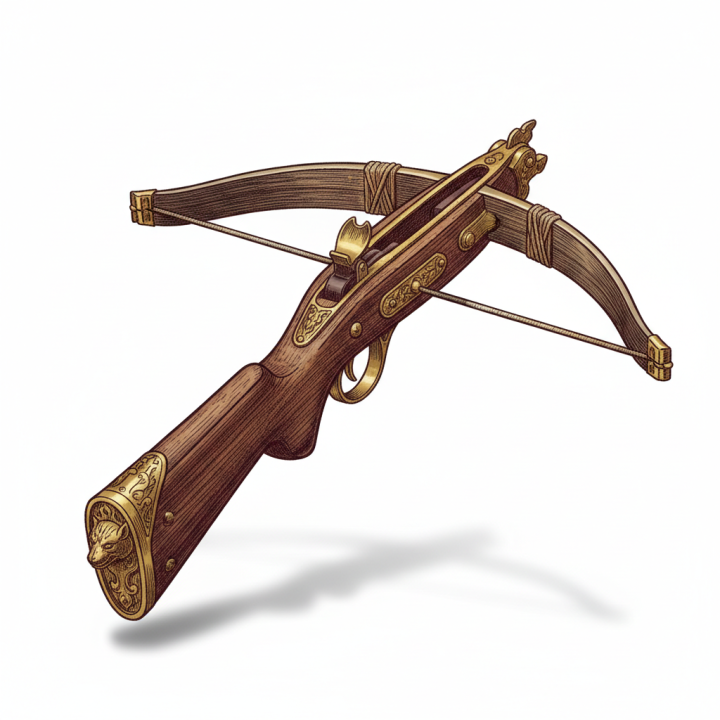
The hunting crossbow
Light, accurate, with a walnut stock. Exactly one bolt is missing from the quiver.
-

The small wine cask
Arin wine, the good year. The bung was pulled and put back by an unskilled hand.
-
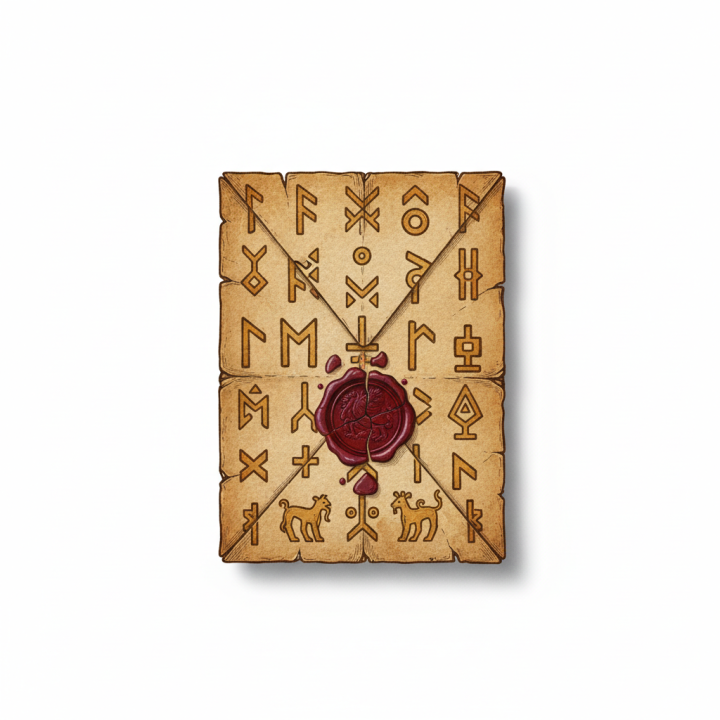
The ciphered letter
Orderly rows of meaningless signs. The ink is costly, the paper costlier, the sender - unknown.
-
The stained parchment
A half-burned document with a stain that might be wine. Or not.
Motives
-

Greed
Dorința nesățioasă de avere, care nu se oprește la nimic.
-
Jealousy
Otrava care mistuie pe cel ce râvnește ce nu-i al lui.
-
Revenge
O datorie de sânge pe care numai fapta o mai șterge.
-
Fear of exposure
Groaza de a fi dat în vileag, care împinge la orice.
-
A debt of honour
O făgăduială care cântărește mai greu decât viața.
Moments
-

At dawn
When the citadel is barely waking and the guards still doze.
-

After matins
The hour after the morning service, when the abbey empties.
-

At noon
Midday, with bustle in the markets and silence in the alcoves.
-

At dusk
When the shadows lengthen and the lanterns are not yet lit.
-

At vespers
At the evening service, when the bells drown out any footstep.
What the Chancellery had to hand
These are all the findings and testimonies the Chancellery had to hand — not one more. The set is minimal by construction: take out a single row and the verdict can no longer be demonstrated.
- The tracks in the dust do not lie: the castle cellar and the stained parchment go together.
- At the Chancellery, Onufrie the Executioner maintains: "I was there at vespers".
- The tracks in the dust do not lie: the old dungeon and greed go together.
- In the Chancellery's ledger it stands in black and white: revenge matches that hour: at dawn.
- An honest-faced witness saw it plainly: the hunting crossbow matches that hour: at dusk.
- The tracks in the dust do not lie: Teofil the Chronicler handled the hunting crossbow.
- The customs register is clear: the suspect with chestnut hair never set foot in the queen's garden.
- The tracks in the dust do not lie: jealousy matches that hour: at dusk.
- The gate guard swears: the Golden Boar inn and jealousy go together.
- Whatever the market gossips: the suspect with grey hair was not driven by a debt of honour.
- An honest-faced witness saw it plainly: the suspect with black hair handled the small wine cask.
- About the culprit, the Chancellery knows one thing for certain: the culprit was there at dawn.
- The hounds caught no scent at all: the queen's garden and the rusted sword do not go together.
- In the gate ledger, Duchess Amara de Corvin stands higher, the suspect with grey eyes lower.
- An honest-faced witness saw it plainly: the ciphered letter and a debt of honour go together.
- An honest-faced witness saw it plainly: the stained parchment and revenge go together.
- The gate guard swears: a debt of honour matches that hour: at noon.
Read the unravelling, step by step — open only if you have already tried the dossier
The unravelling of the thread
It began with certainties, however small. A small certainty closes an entire row, and closed rows add up quickly.
The archivist underlined the following line with his nail: “The tracks in the dust do not lie: the castle cellar and the stained parchment go together”. A pair was tied, and the knot dragged a whole handful of impossibilities after it.
A report from the watch brought clarity: “At the Chancellery, Onufrie the Executioner maintains: "I was there at vespers"”. A suspect's word carries weight only after it is known whether the mouth that spoke it is clean.
The clerk read the next line aloud: “The tracks in the dust do not lie: the old dungeon and greed go together”. Once the tick was placed, the investigation had nothing left to argue on that row and moved on.
The pages gathered fast, and each cut a strip out of the grid: “In the Chancellery's ledger it stands in black and white: revenge matches that hour: at dawn”; “An honest-faced witness saw it plainly: the hunting crossbow matches that hour: at dusk”; “The tracks in the dust do not lie: Teofil the Chronicler handled the hunting crossbow”; “The customs register is clear: the suspect with chestnut hair never set foot in the queen's garden”; “The tracks in the dust do not lie: jealousy matches that hour: at dusk”; “The gate guard swears: the Golden Boar inn and jealousy go together”; “Whatever the market gossips: the suspect with grey hair was not driven by a debt of honour”; “An honest-faced witness saw it plainly: the suspect with black hair handled the small wine cask”; “About the culprit, the Chancellery knows one thing for certain: the culprit was there at dawn”; “The hounds caught no scent at all: the queen's garden and the rusted sword do not go together”; “In the gate ledger, Duchess Amara de Corvin stands higher, the suspect with grey eyes lower”; “An honest-faced witness saw it plainly: the ciphered letter and a debt of honour go together”. The investigation needed nothing further; what remained read itself.
This page was stitched into the file too: “An honest-faced witness saw it plainly: the stained parchment and revenge go together”. The cell filled, and around it a space opened: that is what a certain match does to a grid.
A witness of good faith cleared up one more corner: “The gate guard swears: a debt of honour matches that hour: at noon”. One more certainty means, in a deduction grid, a whole fistful of impossibilities — and so it proved here.
The mismatch
The lie came to light by its plain failure to fit. Onufrie the Executioner swore before the Chancellery that I was there at vespers, yet everything that could be proved shows the opposite: Onufrie the Executioner was not present at vespers. Under the Supreme Law that failure to fit is the culprit's own signature.
The culprit's name
At the end of the grid one name alone remained: Onufrie the Executioner. The row in the grid says it all: Onufrie the Executioner was at the castle cellar, handled the stained parchment, was driven by revenge and was there at dawn. Tier IV is no empty word: without the method of hypotheses, this grid would not have closed.
The acquittal of the rest
The innocent were not left without a story; each had a place of their own: Teofil the Chronicler was at the Golden Boar inn, handled the hunting crossbow, was driven by jealousy and was there at dusk; Sword-Bearer Dragos was at the guild forge, handled the ciphered letter, was driven by a debt of honour and was there at noon; Ban Radu the Silent was at the old dungeon, handled the rusted sword, was driven by greed and was there at vespers; Duchess Amara de Corvin was at the queen's garden, handled the small wine cask, was driven by fear of exposure and was there after matins. Every one of these rows was necessary: take out a single one and the verdict can no longer be demonstrated.
The file sits on its shelf today, tied with red cord. What is worth keeping from it is not the culprit's name but the road: every step verifiable, none of them guessed.
Play this dossier All mysteries
This chronicle is no free retelling: it rises directly out of the dossier's logic, and every step passed through the solver which proved, before publication, that the solution is unique. behind the scenes at the Chancellery.