
Chronicle of the solution: The Mystery of the Envoy
Poisoning Tier III
The cup was drained and the culprit named, and this chronicle preserves the reasoning that stood against them.
The dossier as it reached the desk
Someone slipped poison where it did not belong, and now the whole court eyes its goblets warily. Between remedy and venom runs a thin line, and someone at court crossed it knowingly. The testimonies keep returning to the same names: Manole the Jeweller, Filip the Steward, Safta the Herbwife, Father Nicodim and Onufrie the Executioner. Among the things spoken of in whispers are the map of the realm, the ceremonial crown, the ermine cloak, the silver-clad icon and the customs scales. A sharp eye is not enough here — it takes an archivist's patience: fit everything together, then pronounce your verdict.
Suspicion settled on these: Manole the Jeweller, Filip the Steward, Safta the Herbwife, Father Nicodim and Onufrie the Executioner. From then on the names mattered less than what could be proved about each.
The suspects
-
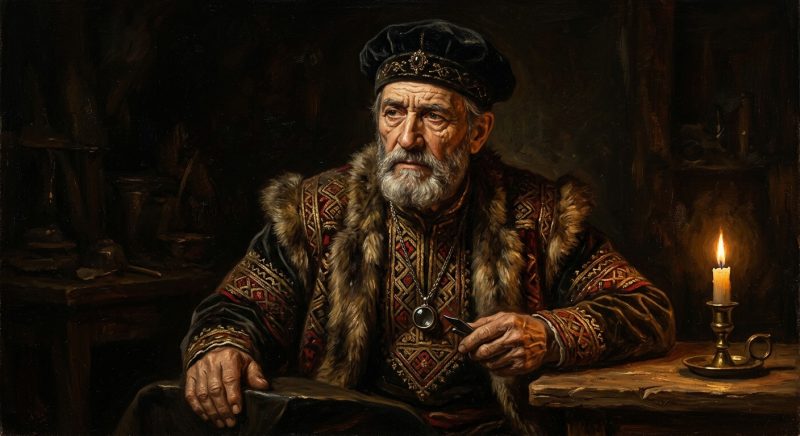
Manole the Jeweller
He tells gold from gilt at a glance. With people, he admits, it takes him two.
1.69 m tall · brown eyes · brown hair · right-handed
-
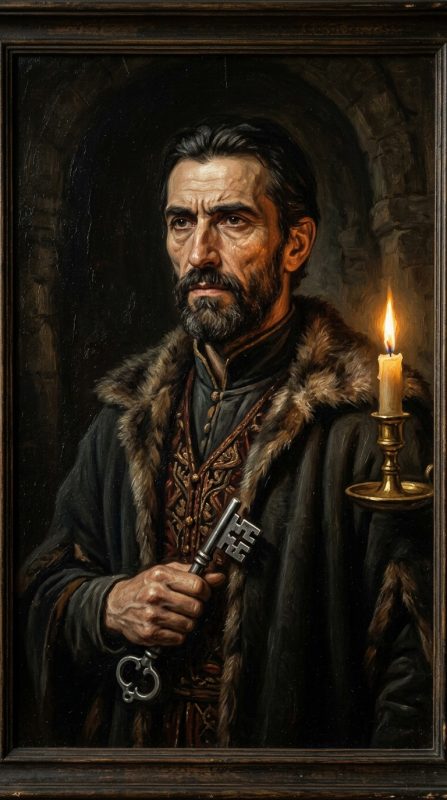
Filip the Steward
He counts the crown's silver every evening. On some evenings the count comes out different - and he says nothing.
1.79 m tall · grey eyes · chestnut hair · right-handed
-
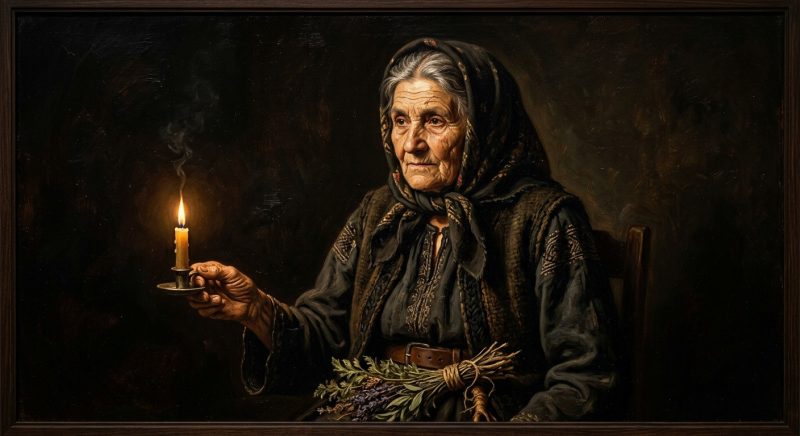
Safta the Herbwife
She gathers herbs at hours when honest folk sleep. The herbs, she says, speak then.
1.58 m tall · green eyes · greying hair · right-handed
-

Father Nicodim
He hears the confessions of the whole court. Forgetting, he says, is a gift from the Lord - one he sells dearly.
1.72 m tall · blue eyes · greying hair · right-handed
-
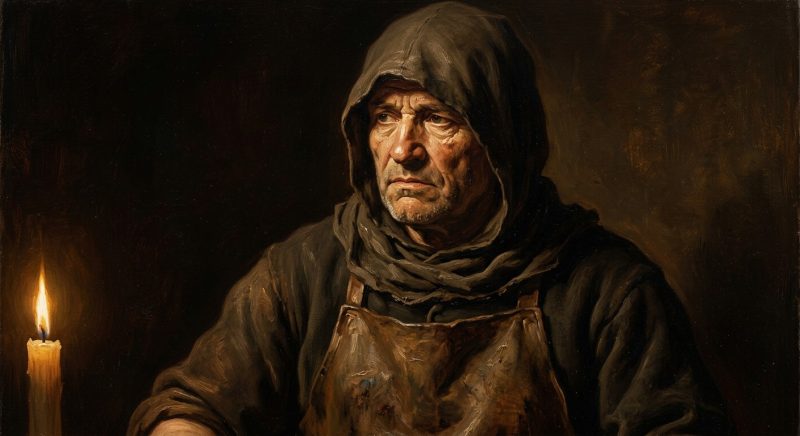
Onufrie the Executioner
A quiet man with a loud trade. He keeps a notebook of the last words of every condemned soul.
1.92 m tall · dark eyes · no hair · right-handed
Locations
-
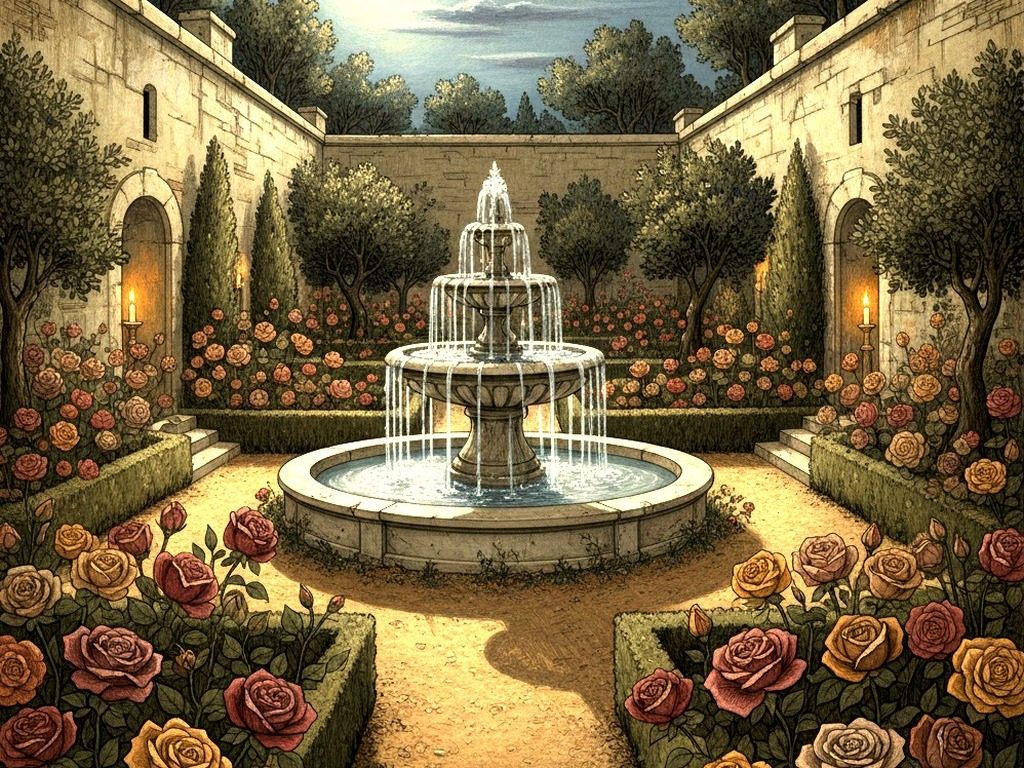
The queen's garden
Roses trimmed to a line and paths you may walk only by invitation. At night, the hedge has ears.
-
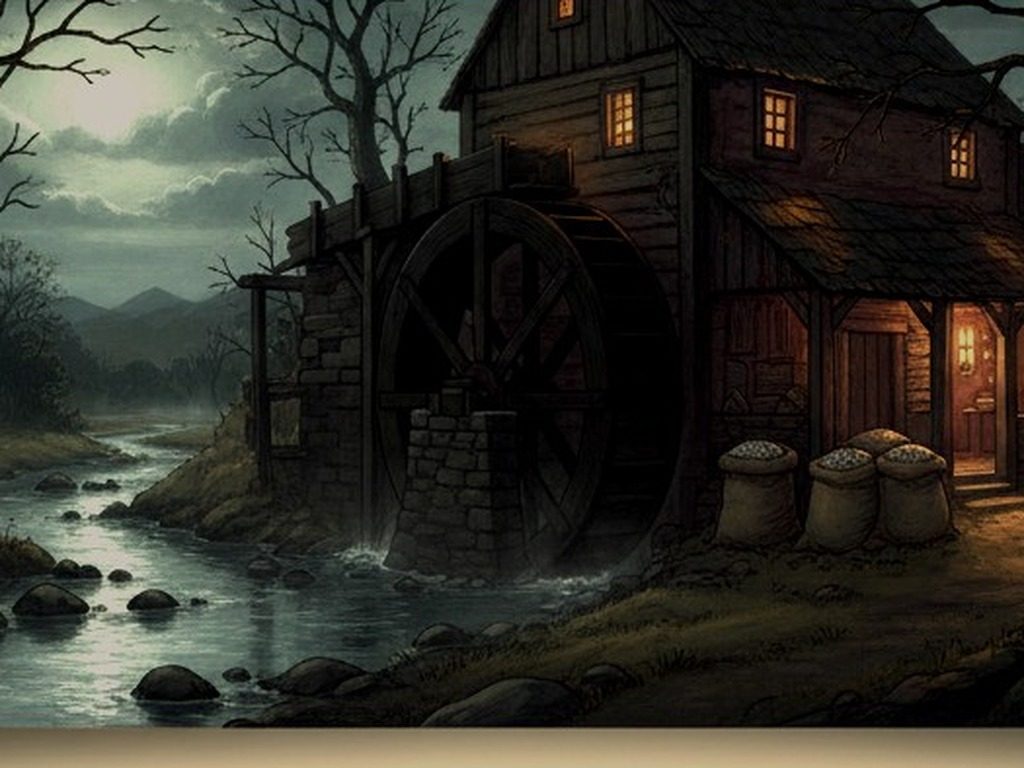
The mill by the river
The wheel turns day and night. Its noise drowns out any conversation - which is why some are held here.
-
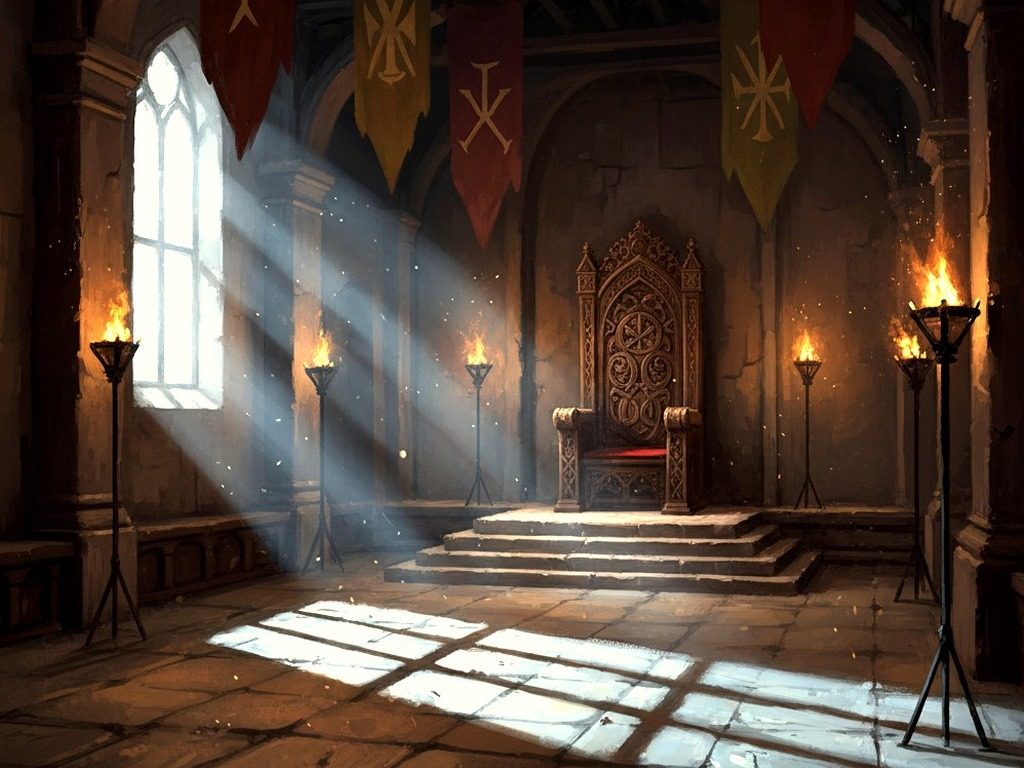
The throne room
Gold, purple, and the most closely watched place in the kingdom. In theory.
-

The scriptorium
Slanted desks, ink, and working silence. Here a quill creaks louder than a conscience.
-

The merchant's house
Carpets brought from overseas and a desk with more secret drawers than drawers.
Objects
-
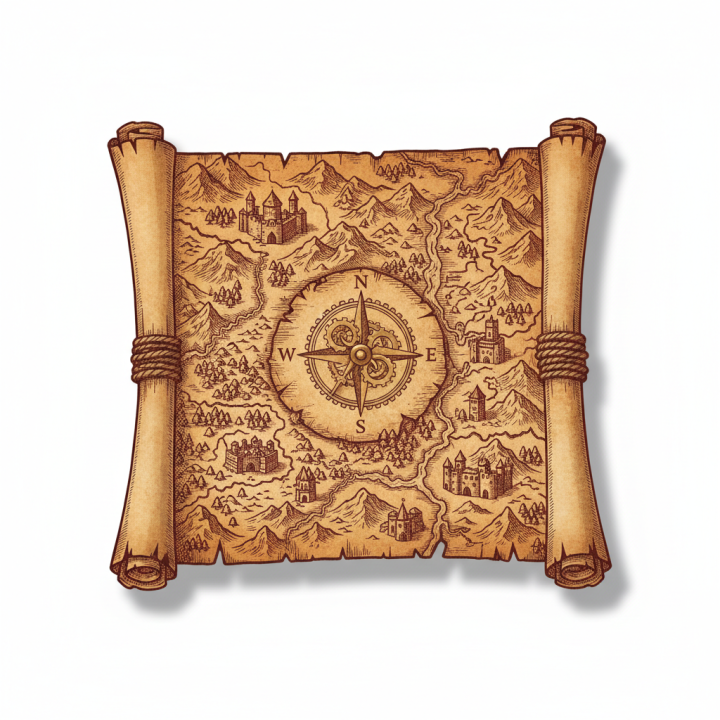
The map of the realm
The kingdom's borders, drawn with a fresh correction where there should be none.
-
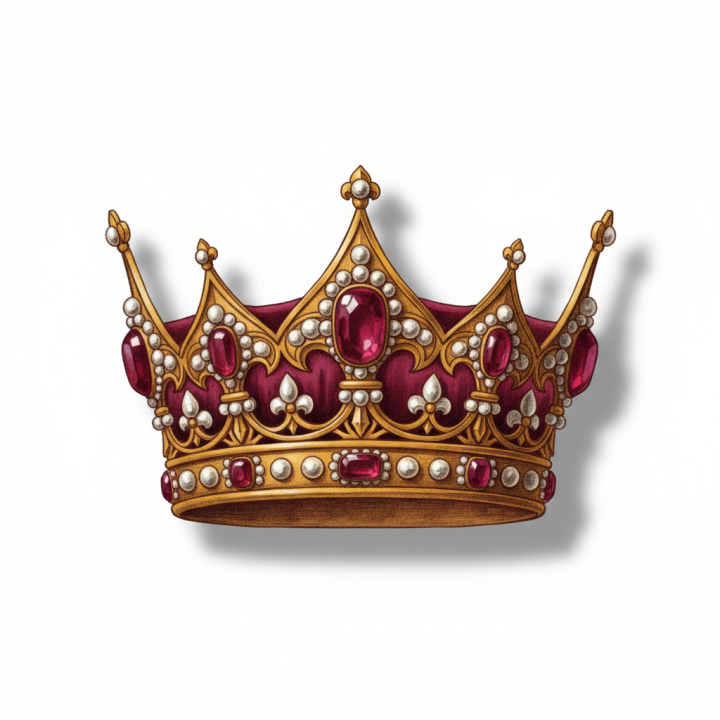
The ceremonial crown
The "wearable" copy of the true crown. At least, that was the idea.
-

The ermine cloak
White fur with black tails - only the royal family may wear it. It has a tear at the hem.
-
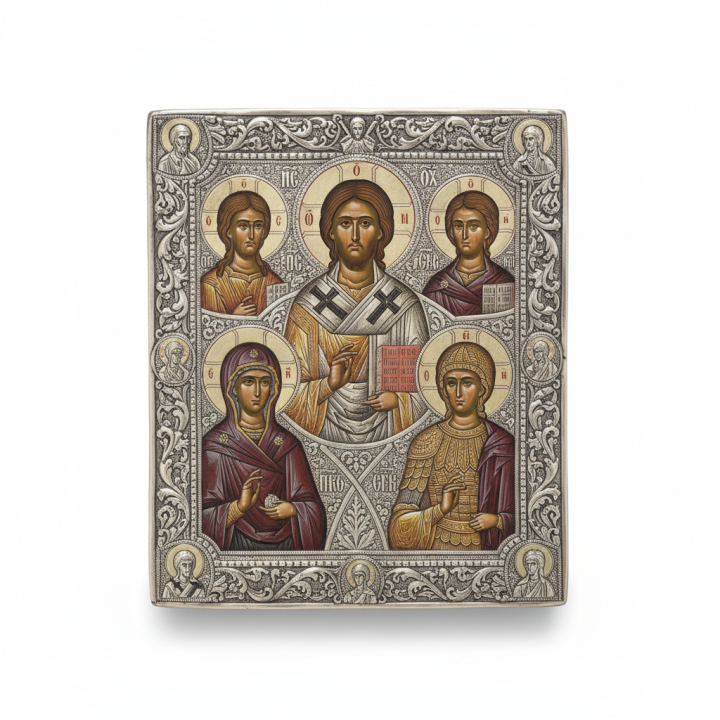
The silver-clad icon
The silver casing is old craftsmanship; the nails that hold it were driven this week.
-
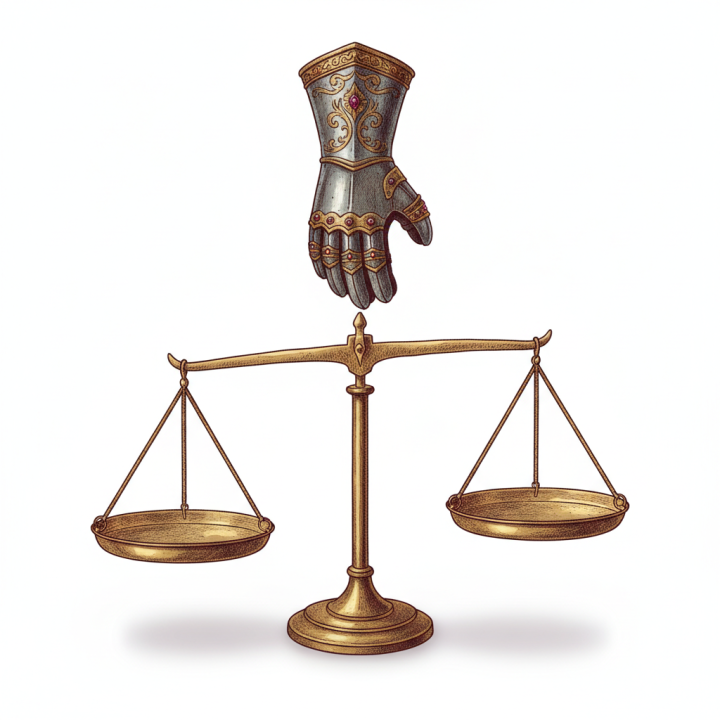
The customs scales
Copper pans, sealed weights. One of the weights rings hollow.
Motives
-

Revenge
O datorie de sânge pe care numai fapta o mai șterge.
-

Greed
Dorința nesățioasă de avere, care nu se oprește la nimic.
-

Ambition
Setea de a urca, chiar peste trupuri, spre o treaptă mai înaltă.
-
Fear of exposure
Groaza de a fi dat în vileag, care împinge la orice.
-

Jealousy
Otrava care mistuie pe cel ce râvnește ce nu-i al lui.
The evidence gathered on file
The list below is complete and pared to the bone. The Chancellery keeps no useless rows on file: each cuts something no other cuts.
- Before the investigator, Filip the Steward firmly repeats: "I handled the silver-clad icon".
- An honest-faced witness saw it plainly: the scriptorium and the map of the realm go together.
- A note in the margin of the ledger: if Manole the Jeweller was in the place with more secret drawers than drawers, then the suspect with green eyes was at the scriptorium.
- Before the investigator, Onufrie the Executioner firmly repeats: "I was driven by revenge".
- A maid whispered it at confession: the scriptorium and fear of exposure go together.
- Even the jester says it in earnest: the queen's garden and jealousy do not go together.
- The gate guard swears: the suspect with grey eyes handled the silver-clad icon.
- A maid whispered it at confession: the tallest suspect handled the ermine cloak.
- The gate guard swears: the suspect with brown eyes handled the ceremonial crown.
- Every scout reports the same about the culprit: the culprit was at the throne room.
- In the Chancellery's ledger it stands in black and white: the suspect with brown hair was at the merchant's house.
- The tracks in the dust do not lie: Manole the Jeweller was driven by greed.
- Whatever the market gossips: the suspect with grey eyes was not driven by ambition.
- In the Chancellery's ledger it stands in black and white: Onufrie the Executioner was driven by revenge.
Break the seal: the Chancellery's reasoning — warning: past this line, the mystery ends
The road to the verdict
The investigation ran contrary to suspicion: it did not ask who could have, it cut away, row by row, whoever could not.
The Chancellery asked for one more check, and received it: “Before the investigator, Filip the Steward firmly repeats: "I handled the silver-clad icon"”. Under the Supreme Law a testimony is not a finding: it weighs only if the one who speaks it is not the culprit.
There followed a detail that narrowed the circle: “An honest-faced witness saw it plainly: the scriptorium and the map of the realm go together”. Two names bound themselves for good, and the binding undid, at a stroke, every pairing that contradicted it.
A detail overlooked at the start came back into the file: “A note in the margin of the ledger: if Manole the Jeweller was in the place with more secret drawers than drawers, then the suspect with green eyes was at the scriptorium”. The condition lay asleep in the file for a while and woke only when its first half became certain.
The archivist copied on, without comment, everything that could be proved: “Before the investigator, Onufrie the Executioner firmly repeats: "I was driven by revenge"”; “A maid whispered it at confession: the scriptorium and fear of exposure go together”; “Even the jester says it in earnest: the queen's garden and jealousy do not go together”; “The gate guard swears: the suspect with grey eyes handled the silver-clad icon”; “A maid whispered it at confession: the tallest suspect handled the ermine cloak”; “The gate guard swears: the suspect with brown eyes handled the ceremonial crown”; “Every scout reports the same about the culprit: the culprit was at the throne room”; “In the Chancellery's ledger it stands in black and white: the suspect with brown hair was at the merchant's house”; “The tracks in the dust do not lie: Manole the Jeweller was driven by greed”. Each cut a strip out of the grid, and at the end of them the space remaining was the size of a name.
The examination of the place yielded this as well: “Whatever the market gossips: the suspect with grey eyes was not driven by ambition”. The cut named nobody, but it shortened the list of those who could still be named.
A witness of good faith cleared up one more corner: “In the Chancellery's ledger it stands in black and white: Onufrie the Executioner was driven by revenge”. The cell filled, and around it a space opened: that is what a certain match does to a grid.
The mismatch
Here the Supreme Law cut through silence. All 2 testimonies on file withstood checking. Not a word contradicted the grid, so no speaker could be the culprit, and the circle closed of itself around the one who chose to stay silent. It was not the silence that condemned them, but the fact that nobody else was left.
The verdict
After every cut, one possible suspect was left in the file: Father Nicodim. At the hour of the deed, Father Nicodim was at the throne room, handled the customs scales and was driven by ambition. Tier III is no empty word: without the method of hypotheses, this grid would not have closed.
The acquittal of the rest
And here is what had become of the others, in that same hour: Manole the Jeweller was at the merchant's house, handled the ceremonial crown and was driven by greed; Filip the Steward was at the mill by the river, handled the silver-clad icon and was driven by jealousy; Safta the Herbwife was at the scriptorium, handled the map of the realm and was driven by fear of exposure; Onufrie the Executioner was at the queen's garden, handled the ermine cloak and was driven by revenge. Every one of these rows was necessary: take out a single one and the verdict can no longer be demonstrated.
The page closes. What is left of the whole affair is a truth that can be demonstrated, and that is worth more than a confession.
Play this dossier All mysteries
Nothing in this chronicle is invented: the text rises out of the dossier's logic, and the dossier passed through the solver before publication, so that its solution is provably unique. behind the scenes at the Chancellery.